
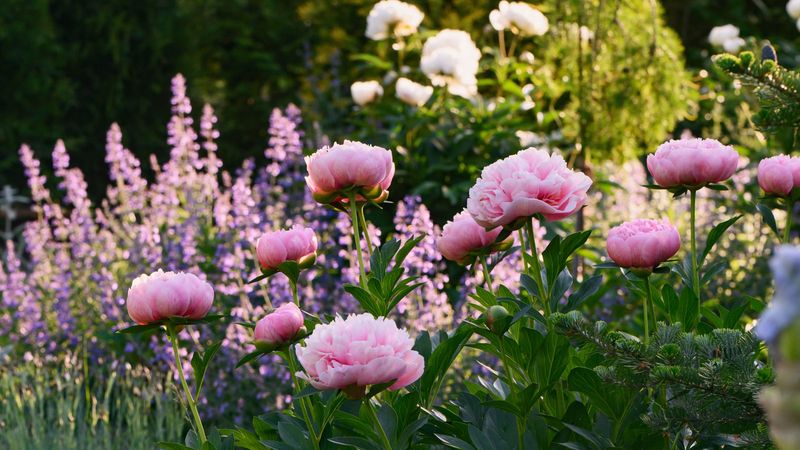
If your peonies flop over, get chewed up, or bloom weaker each year, the fix might be sitting on your kitchen windowsill right now. Chives, that easygoing onion-family herb, can quietly work alongside your peonies to help them stay healthier and less bothered by pests. It asks for almost nothing in return, which makes it a favorite for gardeners who don’t want another needy plant. Here is exactly how this humble herb pulls its weight beside your prized blooms.
The Trouble That Keeps Peony Lovers Up at Night
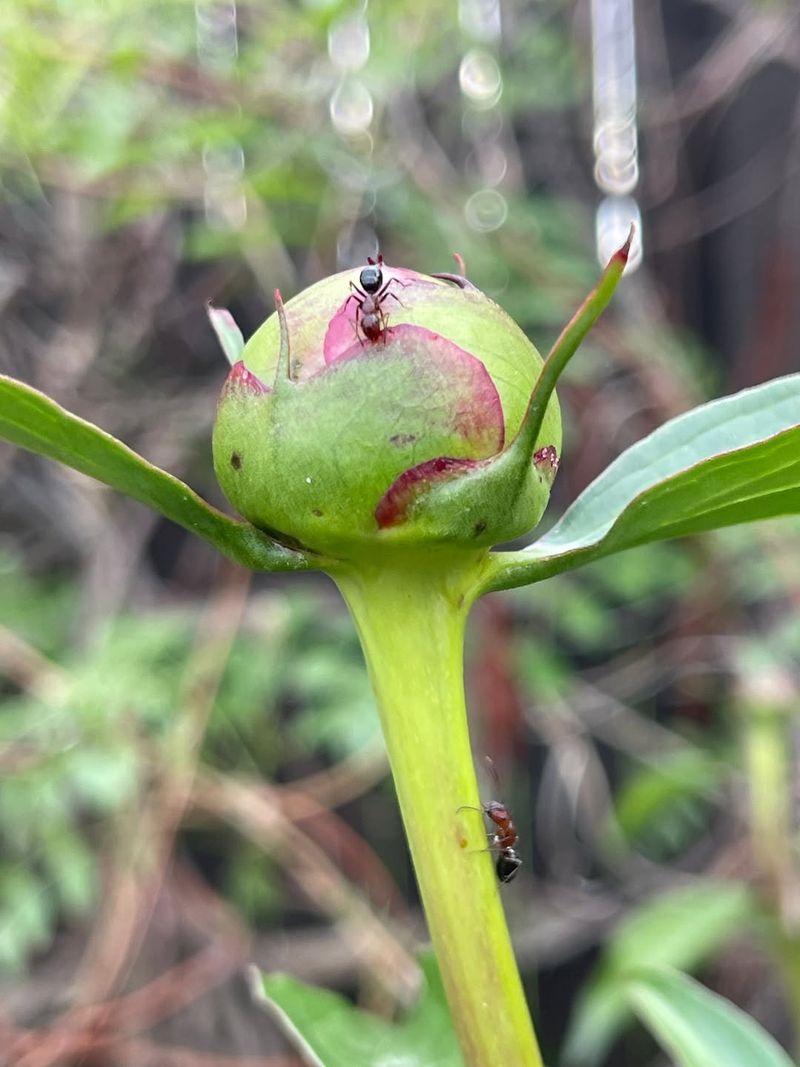
Picture spending three springs waiting for a peony to mature, only to watch aphids swarm the buds and ants march across every stem. Frustrating doesn’t even cover it.
Peonies are tough perennials, but they attract a predictable cast of troublemakers. Soft-bodied aphids cluster on tender new growth and buds, sucking sap and leaving sticky residue behind. Fungal issues like botrytis blight can creep in when air stays damp and stagnant around crowded foliage.
Many gardeners reach straight for chemical sprays, but those can harm the pollinators peonies depend on and cost money season after season. Others just accept weak blooms as bad luck.
Here’s the part worth knowing: a lot of peony struggles come down to the plant standing alone with no support from its neighbors. Bare soil around the crown invites weeds, and unbroken pest highways let aphids travel freely.
That gap is exactly where a smart companion herb steps in. Before spending on sprays or fussy treatments, it helps to understand why peonies get targeted in the first place, so the right neighbor can quietly change the odds.
Why Chives Earn Their Spot Right Beside the Crown
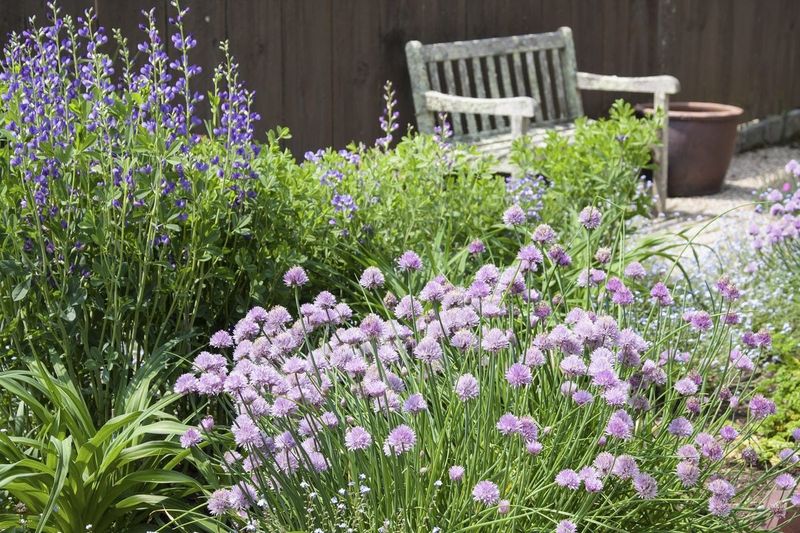
Ask any old-school gardener what to plant near roses or peonies, and chives come up again and again. There’s a reason this grassy little herb has stuck around for generations.
Chives belong to the allium family, the same group as onions and garlic. That family carries pungent sulfur compounds in its leaves and roots, and those compounds are exactly what many common garden pests would rather avoid.
Planted close to a peony, chives may help mask the scent cues aphids and certain beetles use to find their target. Instead of a clear signal saying “tender buds this way,” the pests get a confusing, oniony fog.
Beyond the smell factor, chives grow in tidy clumps that stay short and never compete for the peony’s sunlight. They fill the bare soil around the crown, which can reduce weed pressure and keep the root zone a little cooler in summer heat.
Best of all, chives shrug off neglect. Once established, they return every spring on their own, asking for water only during dry spells and nothing else you have to remember.
How the Onion Scent Quietly Confuses Aphids
The secret weapon isn’t dramatic. It’s just a smell most of us barely notice, yet it can shift how insects behave around your flower bed.
When you brush chive leaves, that sharp oniony aroma comes from sulfur-based compounds the plant produces. Aphids, which zero in on peony buds using scent and taste, often find these compounds off-putting. A steady patch of chives nearby can muddy the chemical trail they rely on.
Fewer aphids landing on your peony means fewer sticky honeydew droplets, which in turn means less of the sooty mold that sometimes follows. It’s a chain reaction that starts with one unfussy herb.
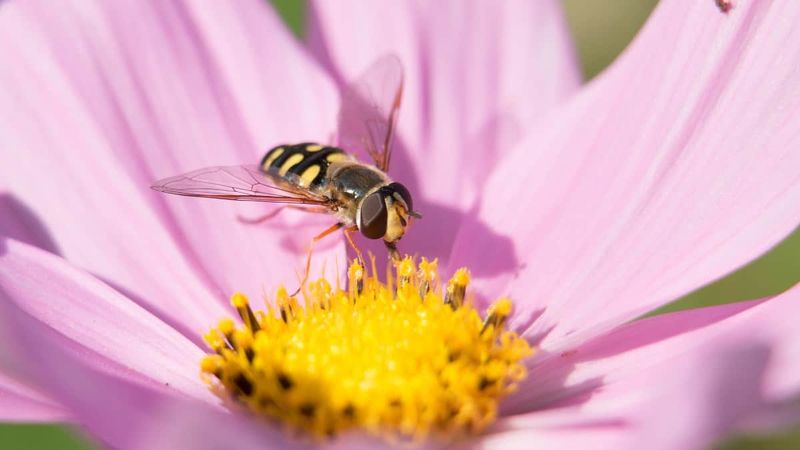
Chives may also draw in helpful visitors. Their purple pom-pom flowers attract hoverflies and lady beetles, and those insects happen to be hungry predators of aphids. So the herb works two ways at once.
No herb guarantees a pest-free peony, and heavy infestations still call for a gentle hose blast or insecticidal soap. But as a quiet first line of defense, that onion scent can genuinely reduce the pressure your blooms face each spring.
Getting the Spacing and Timing Right
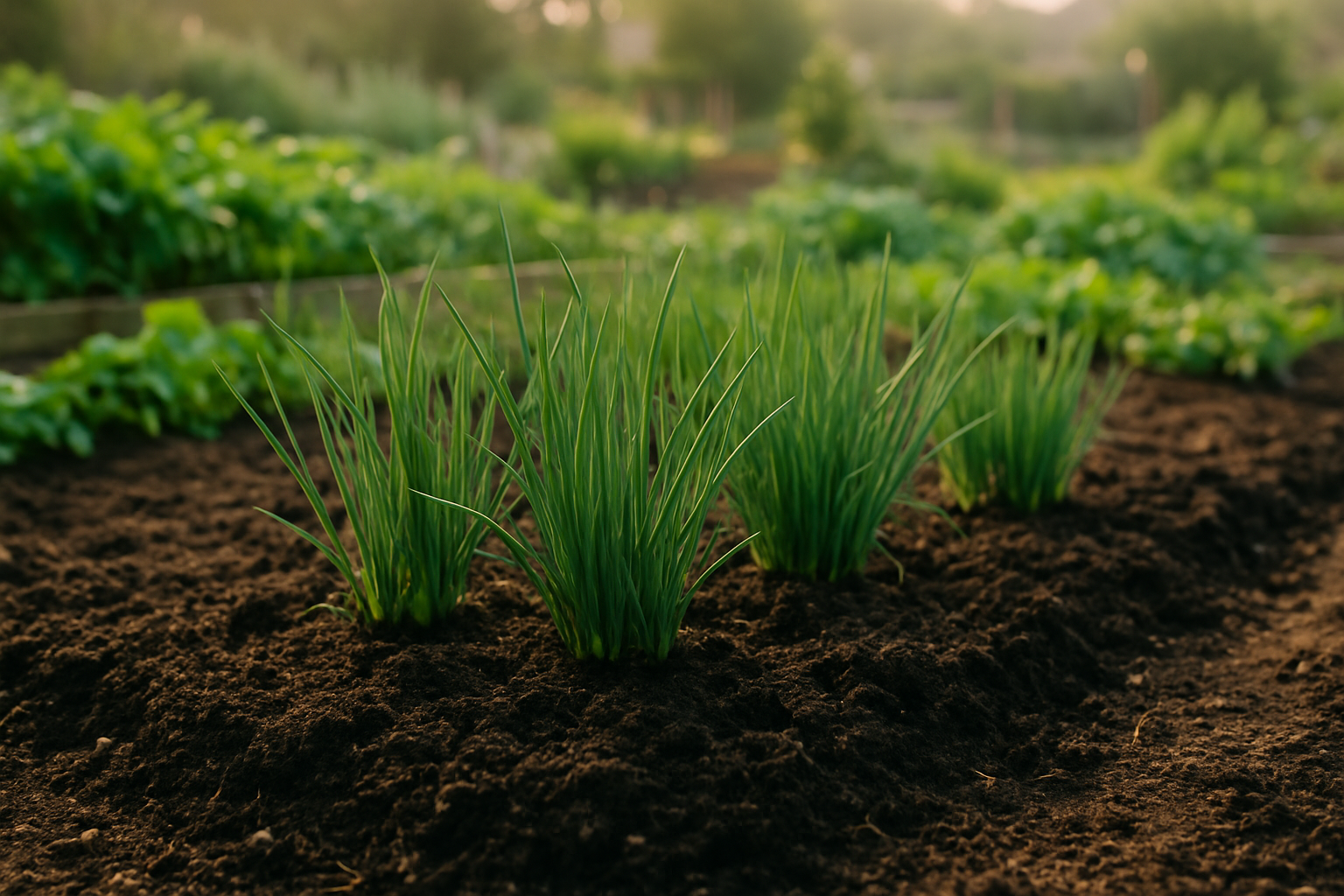
Good intentions can still crowd a peony, so a little planning goes a long way before you tuck chives into the bed.
Peonies hate having their crowns buried or disturbed, so keep chive clumps about 10 to 12 inches out from the base of the plant. That distance lets the herb release its scent nearby without competing directly for the peony’s precious root space.
Spring is the friendliest time to plant chives, once the soil warms and your peony sends up its reddish shoots. You can start from a nursery pot, a divided clump from a friend, or seed if you’re patient.
Dig a hole just deep enough for the chive roots, set the clump in, and firm the soil gently. Water it in, then step back and let it settle.
Give each chive plant enough room to form its own six-inch clump so airflow stays open around the peony’s base. Crowded plantings trap moisture, and damp, stagnant air is what fungal problems love most. A little breathing room protects both plants and keeps that helpful scent circulating freely.
Caring for Chives Without Adding to Your Chores
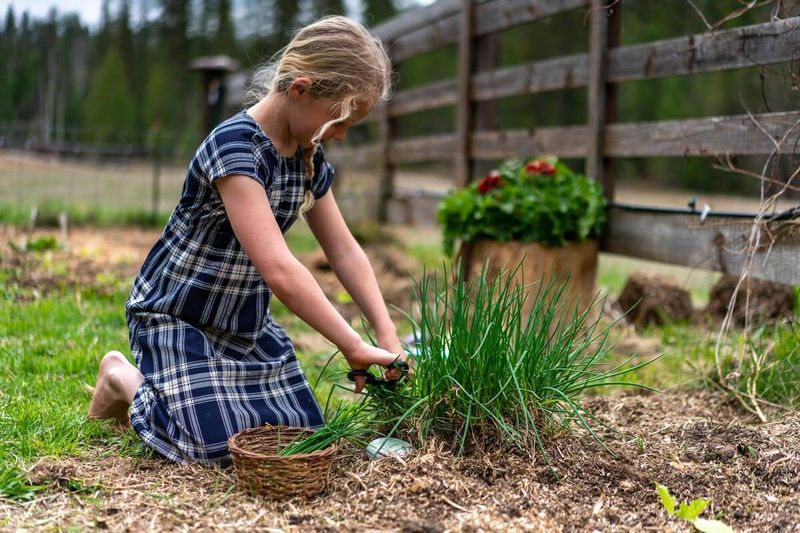
The whole appeal here is that chives won’t pile more work onto your weekend. Once they take hold, they practically run themselves.
Water new chive plants regularly for the first few weeks so the roots settle in. After that, they only need a drink during genuine dry stretches, which suits the same watering rhythm most peonies prefer anyway.
Snip the leaves whenever you like. Regular trimming keeps the clump tidy and actually encourages fresh growth, plus you get free seasoning for dinner. Cut leaves an inch above the soil and they’ll bounce right back.
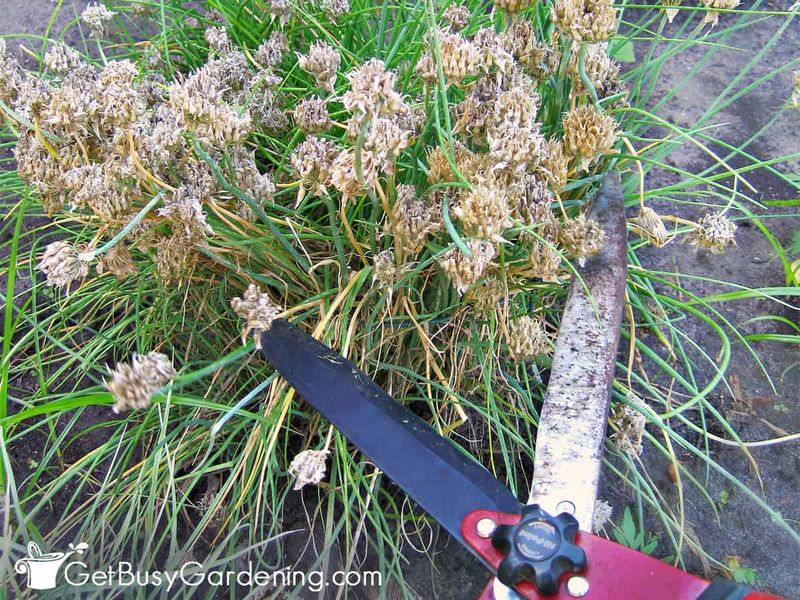
Come summer, those cheerful purple flowers arrive. If you’d rather not have chives spreading by seed all over the bed, snip the blooms before they dry and drop. Leaving a few, though, keeps the pollinators coming.
Every couple of years the clump may get thick and crowded in the center. Just dig it up in early spring, split it into smaller pieces, and replant. You’ll end up with extra clumps to tuck beside other flowers, all for zero cost and barely any effort.
Mistakes That Cancel Out the Benefits
Even a plant this forgiving can be set up to fail if a few common slip-ups sneak in. Knowing them ahead of time saves both your herb and your blooms.
Planting chives too close to the peony crown tops the list. Crowding traps humidity against the peony’s stems, which can invite the very fungal blight you’re trying to avoid, so respect that foot of breathing room.
Letting chive flowers go fully to seed is another trap. Chives reseed eagerly, and one summer of ignoring the blooms can leave you weeding stray sprouts out of your flower bed for years.
Overwatering is sneakier. Both plants dislike soggy roots, and dumping water daily to “help” the chives can actually rot peony roots and encourage crown rot instead.
Don’t expect chives to replace all care, either. They may reduce aphid visits, but a serious outbreak still needs a rinse or a soap spray. Treating the herb as a total cure leads to disappointment.
Skip these missteps and the partnership stays easy, the way it’s meant to be, with both plants quietly supporting each other through the season.
Other Herbs Worth Pairing With Your Peonies
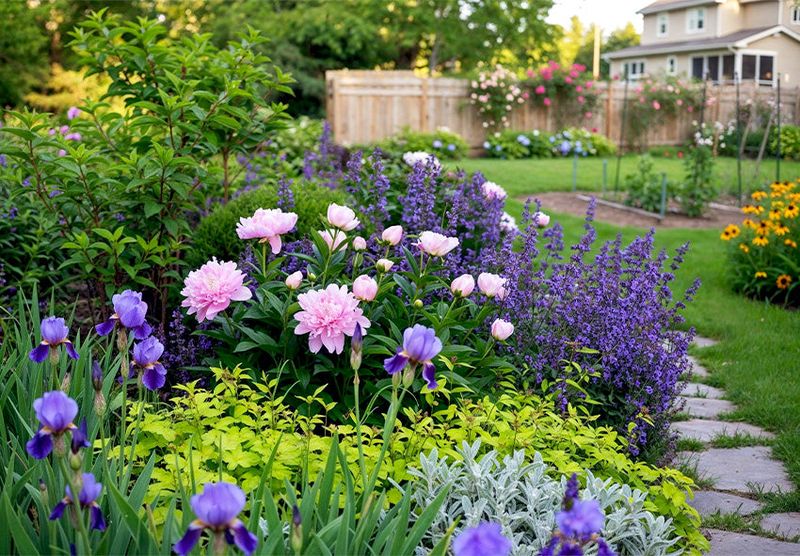
Chives may be the star of this story, but they’re happy to share the stage with a few other easygoing herbs that bring their own perks.
Thyme creeps low along the ground and forms a living mulch around the peony’s base. That mat helps hold in soil moisture, keeps weeds from muscling in, and gives beneficial insects a place to shelter.
Garlic, another allium cousin, carries the same pungent scent chives do and can add to the pest-confusing effect. Tucked a foot or so from the peony, its aroma may help discourage aphids and even nibbling critters.
Oregano offers a bushy, aromatic presence, and when it flowers it becomes a magnet for pollinators and predatory insects that patrol nearby plants for pests.
Mixing a couple of these herbs around the bed builds variety, and variety itself tends to confuse pests looking for one easy target. Just keep the aggressive spreaders like mint in pots so they don’t overrun the peony.
A small, thoughtful blend of low-fuss herbs turns a lonely peony into part of a supportive little neighborhood.
A Simple Partnership Worth Trying This Season
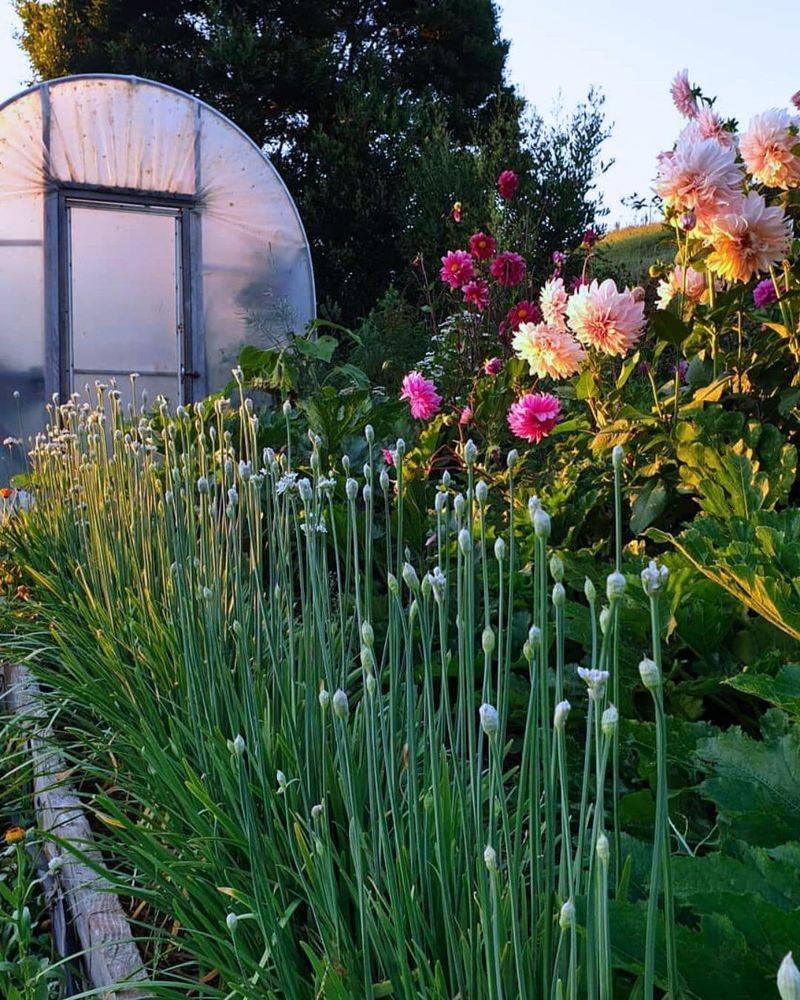
At the end of the day, healthier peonies don’t always come from more effort, sprays, or fancy products. Sometimes they come from a smart neighbor.
Chives ask for a corner of soil, an occasional drink, and a snip now and then. In exchange they may help mask your peonies from aphids, draw in helpful predator insects, and cover the bare ground that weeds love to claim.
None of this is a magic guarantee. Pests still show up, weather still swings, and a bad year can happen. But stacking small advantages like this is exactly how experienced gardeners quietly tilt the odds toward stronger blooms.
If you’ve got even a single chive clump to spare, tuck it about a foot from your peony this spring and watch what happens over the season. You lose almost nothing by trying, and you might gain fuller, less-troubled flowers plus fresh herbs for the kitchen.
Give your peonies a good roommate, and let that unassuming little herb do its quiet work right beside them all summer long.