
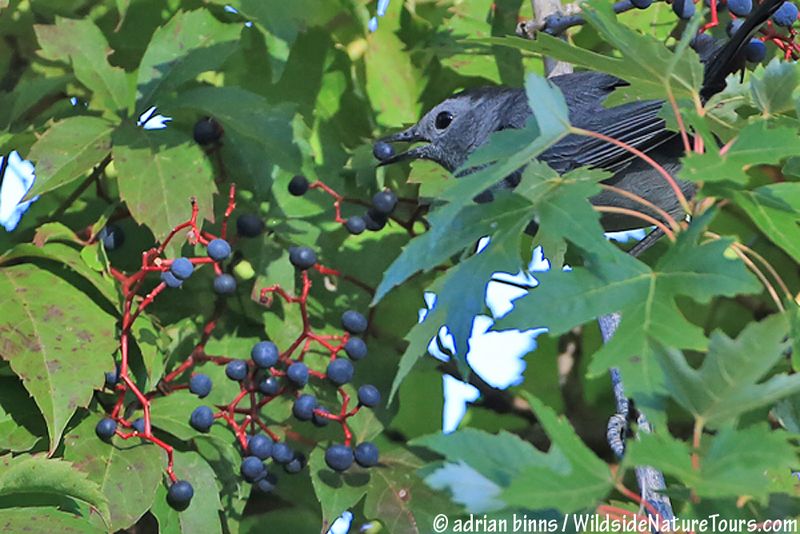
Most North Carolina yards go quiet in winter, with bare branches and empty feeders replacing the busy activity of warmer months. But one overlooked native vine has been quietly holding fruit long after summer’s berries are gone, drawing songbirds to yards across the Coastal Plain, Piedmont, and Mountains. Virginia creeper grows wild across the state, yet most homeowners walk right past it without a second look. Once you know what it offers, that changes fast.
Virginia creeper is the overlooked answer
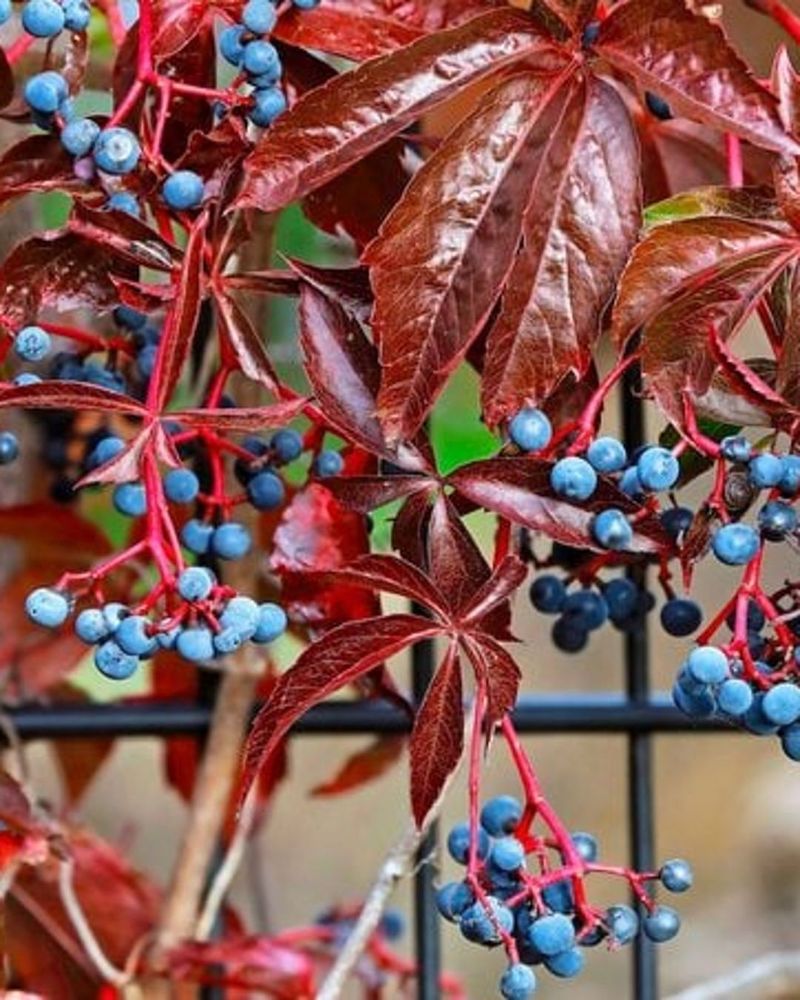
Somewhere between the flashy native shrubs and the well-known feeders, Virginia creeper has been doing quiet, steady work for North Carolina wildlife. Known scientifically as Parthenocissus quinquefolia, this woody perennial vine belongs to the grape family and grows natively across all three of the state’s major regions: the Coastal Plain, the Piedmont, and the Mountains. You may have seen it scrambling up a fence post or climbing an old oak without ever knowing its name.
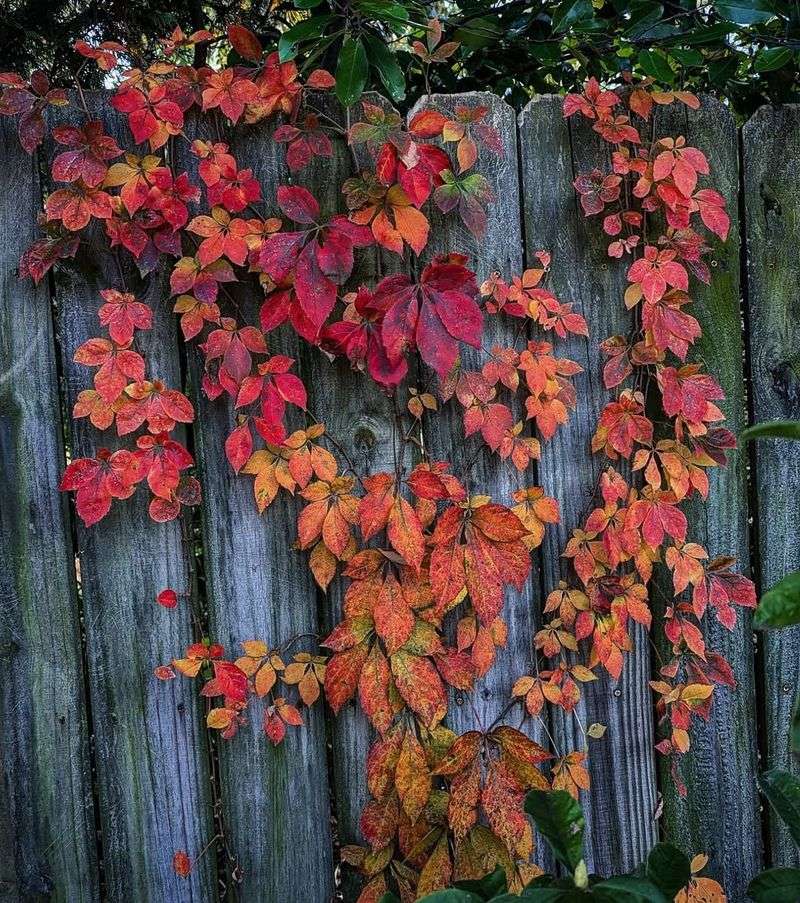
Unlike evergreen vines, Virginia creeper is deciduous, meaning it drops its leaves each fall after putting on one of the most reliable red-and-orange color shows in the native plant calendar. What stays behind after the leaves fall are clusters of small, dark blue to blue-black berries clinging to slender reddish stems. Those berries are the heart of the vine’s wildlife story, and NC State Extension documents the fruit as eaten by songbirds, squirrels, opossums, raccoons, and other mammals.
Many gardeners skip this vine because it lacks the showroom appeal of a flowering native or the clear branding of a certified wildlife plant. Others confuse it with poison ivy, which is a separate species and a different concern entirely. Virginia creeper does not contain urushiol, the compound responsible for poison ivy rash, though the plant carries its own safety considerations that deserve a separate conversation later in this article.
The honest case for Virginia creeper is not that it performs miracles or feeds every bird in the county all winter long. The case is simpler: it is a tough, native, widely adapted vine that produces fruit when a lot of other plants have already finished, and it offers cover when bare stems are all most yards have left. That combination makes it worth paying attention to.
Its berries can bridge the gap after summer
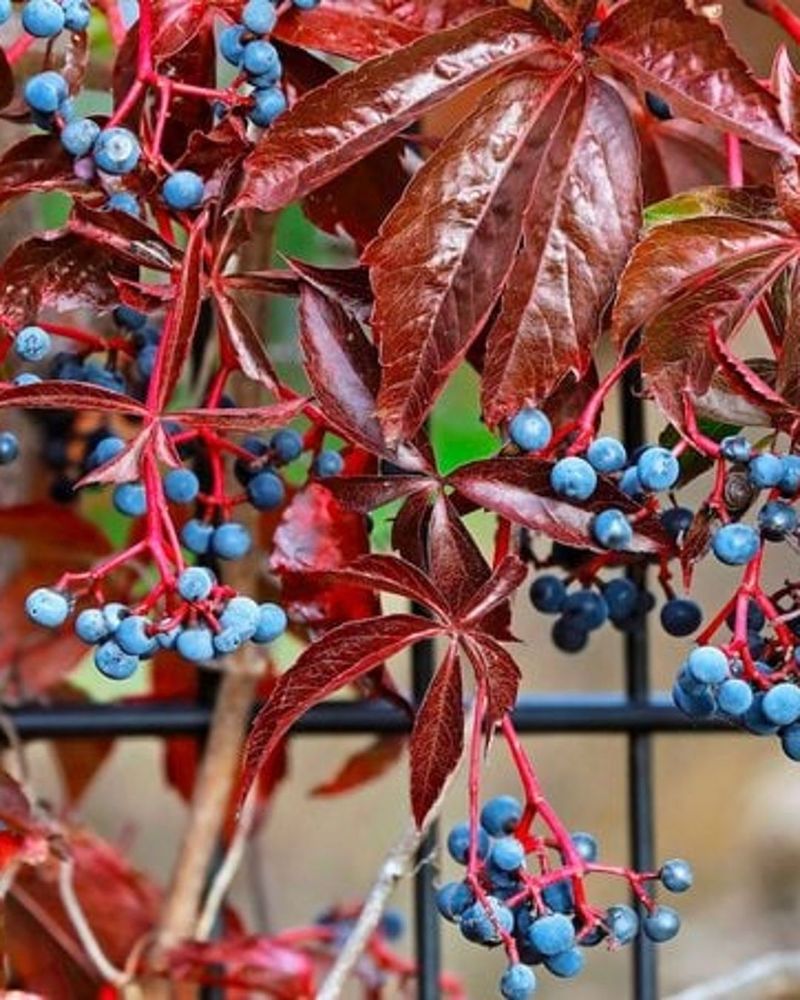
Fruit timing is everything when you are trying to feed birds through the leaner months. Virginia creeper ripens its berries roughly from August through October, according to U.S. Forest Service species data, which places it squarely in the window when many summer fruits have already come and gone. That overlap with late summer and fall is what gives the vine its seasonal edge.
The more interesting question is what happens after October. Wildlife references, including the West Virginia Division of Natural Resources, note that the fruit can remain on the vine into winter, serving as a fall-and-winter food source. That persistence is real but not guaranteed. How long berries last depends on how many birds are working the vine, how severe the weather gets, how large the planting is, and local conditions specific to your yard and region.
A modest planting on a small trellis may be stripped clean by a flock of cedar waxwings in a single afternoon. A larger vine climbing a fence line may hold scattered fruit well past the first hard frost. The honest framing is that Virginia creeper can extend your yard’s fruit supply into late fall and possibly into winter, not that it will reliably keep berries available through every cold month.
One detail matters here: NC State Extension confirms that Virginia creeper is deciduous. The leaves drop in autumn, so the vine’s winter contribution comes from fruit and the woody structure of its stems, not from green foliage providing shelter or warmth. That distinction shapes how you think about its role in a wildlife yard, and the next section explains why the structure itself still matters.
Birds use more than the fruit
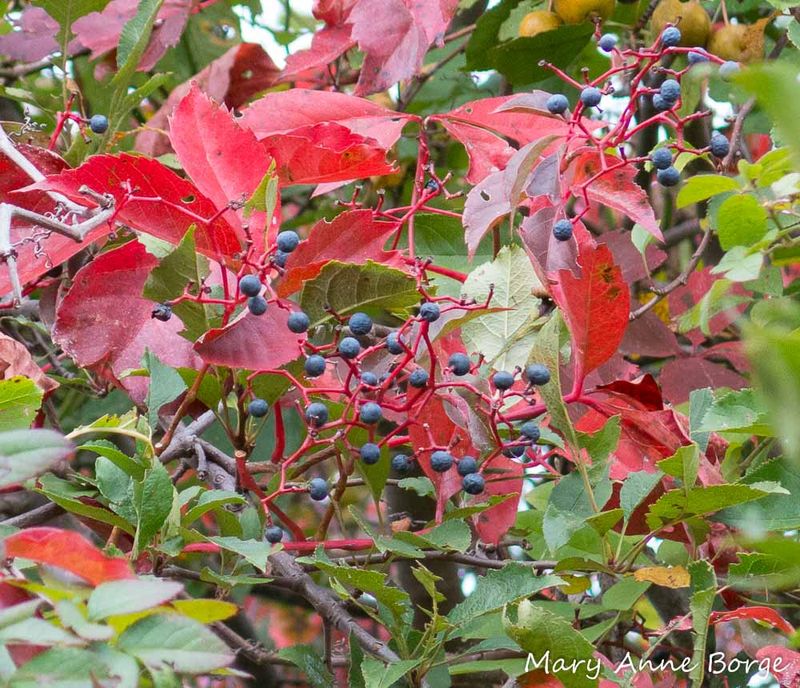
Songbirds are the primary consumers of Virginia creeper fruit, a point backed by U.S. Forest Service documentation, which also records use by deer, squirrels, and small mammals. Species like thrushes, warblers, woodpeckers, and robins are regular visitors to the berries. But the vine’s wildlife value does not stop at the fruit itself.
The woody tangle of mature Virginia creeper stems provides structural cover that small birds use for shelter and nesting. During winter, when bare yards offer little protection from wind, cold, and predators, a dense vine climbing a fence or wall creates micro-habitat that many birds actively seek out. NC State Extension notes this cover function alongside the food value, and the Forest Service similarly identifies the growth as useful shelter for small birds and mammals.
A peer-reviewed study of autumn-migrating birds, published through the University of Rhode Island, found that birds selected Virginia creeper fruit at a higher rate than several other tested plant species. That finding supports calling this a genuinely valued fruit, not just an incidental one. The same study, though, found that arrowwood viburnum received heavier overall consumption, which is a useful reminder that no single plant tops every bird’s preference list.
What the research establishes is a practical picture: Virginia creeper offers a combination of food and cover that many native vines do not pair as neatly. Birds eating the berries may also linger in the vine’s structure, which means the plant contributes to a yard in more than one way at the same time. That dual function is part of what makes it worth including in a thoughtful North Carolina wildlife planting, even if it is not the only element the planting needs.
The vine fits all three North Carolina regions
One of Virginia creeper’s practical strengths is how broadly it adapts across North Carolina’s varied landscapes. NC State Extension lists it as native to the Coastal Plain, Piedmont, and Mountains, meaning you are not importing a plant from another region or forcing something to survive outside its natural range. That native fit matters for long-term resilience and for the wildlife that has evolved alongside it.
Light conditions are flexible with this vine. It tolerates full sun, partial shade, and even full shade, which makes it workable in spots where other fruiting plants struggle. The tradeoff is color: sunnier locations generally produce the deepest red fall foliage, while shadier spots may deliver a more muted display. From a wildlife standpoint, the berries form in either condition, so the light choice is mostly a matter of where you have space and what the vine will grow on.
Soil adaptability is similarly broad. Virginia creeper tolerates a range of textures and moisture levels, from sandy coastal soils to heavier Piedmont clay. Well-drained, moderately moist soil is a reasonable general target, but the vine is forgiving of less-than-ideal conditions once established. The Forest Service species review confirms its wide ecological tolerance and notes that the vine climbs trees and structures using tendrils tipped with adhesive disks.
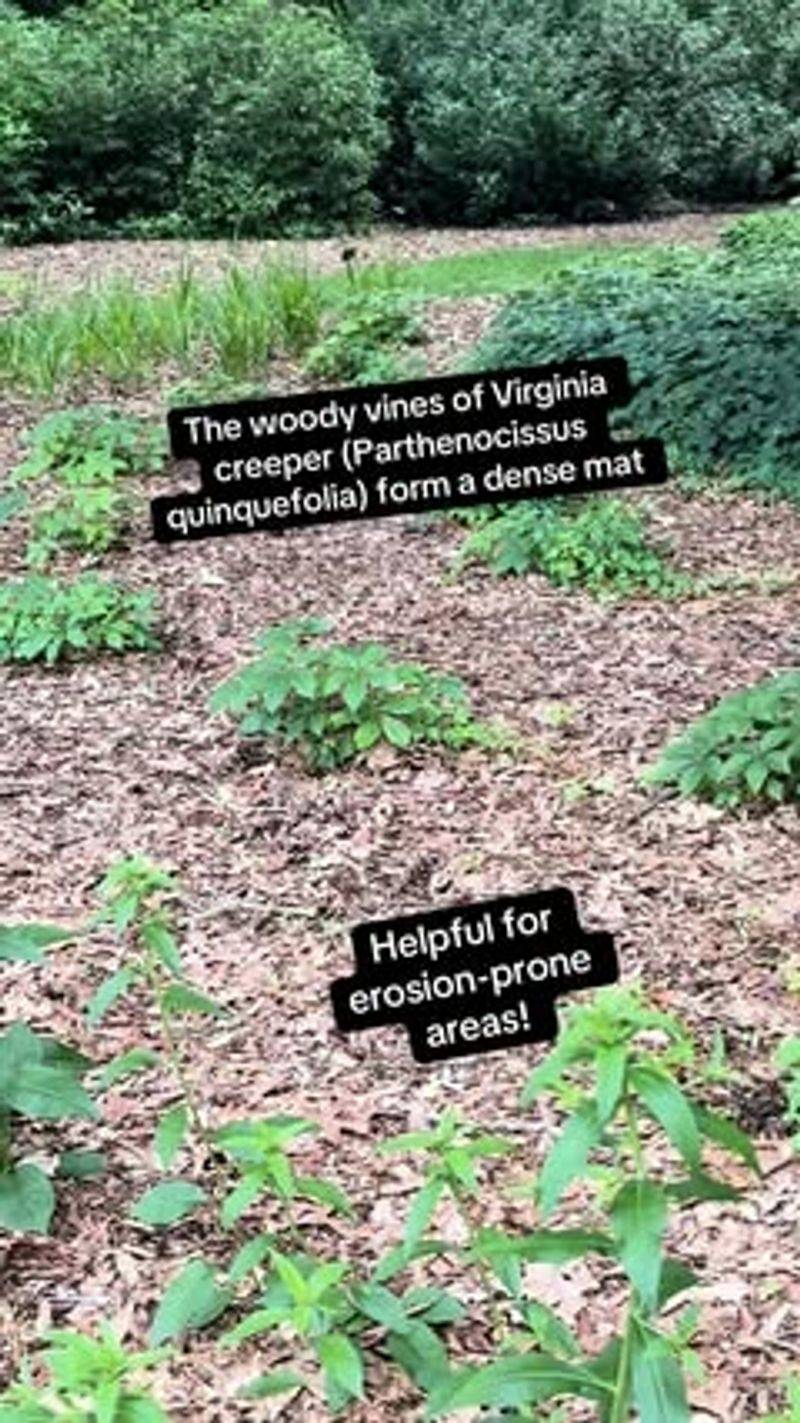
Under favorable conditions, Virginia creeper can reach 30 to 50 feet. It also runs along the ground when no vertical surface is nearby, which is useful for covering a slope or bank but can become untidy without periodic boundary maintenance. The climbing habit and ground-creeping behavior are both worth planning for before you put a plant in the ground, and the next section covers exactly how to manage that energy productively.
A designated support keeps its vigor useful
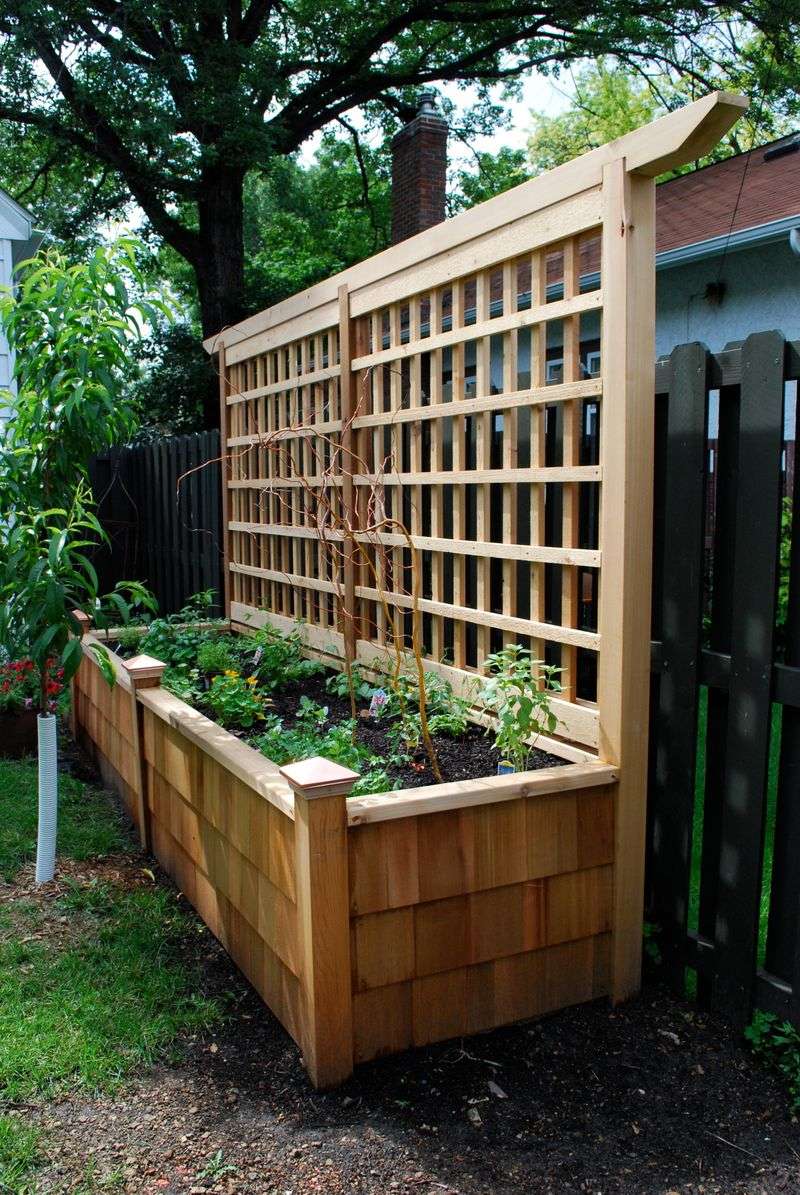
Rapid growth is both the appeal and the challenge of Virginia creeper. NC State Extension describes the vine as requiring regular trimming to stay in bounds and lists its characteristics as weedy and medium-maintenance, which is honest language that should shape your installation plan before the first plant goes in the ground. A vine given no direction will find its own direction, and that direction is usually upward and outward.
A sturdy trellis, fence, arbor, or screen gives the vine a defined territory and makes pruning straightforward. The goal is to keep the growth where you want it and away from where you do not. Gutters and rooflines are particular concerns: stems reaching into gutters block drainage and create moisture problems, while growth along rooflines can work under shingles over time. Utility equipment, including meters and HVAC units, should also stay clear.
The Forest Service notes that the vine climbs trees and structures aggressively to reach sunlight, so a nearby tree that you value is not a safe default support.
Surface compatibility is a legitimate homeowner question. An Extension expert addressing brick and masonry confirms that Virginia creeper’s adhesive disks generally do not harm sound brick or masonry. Painted surfaces are a different matter: pulling live vines from painted wood or siding can lift paint and leave adhesive residue behind, so those surfaces need active monitoring before the vine establishes a grip.
Pruning two or three times a year keeps the vine productive and contained. Late winter, before new growth starts, is a good time for heavier cutting back. Light shaping through the growing season catches runners before they reach problem areas. Management is not optional with this plant, but it is not complicated either.
Treat the pruning as the cost of admission for a native vine that genuinely earns its space in a wildlife yard.
The five-leaflet clue needs a safety check
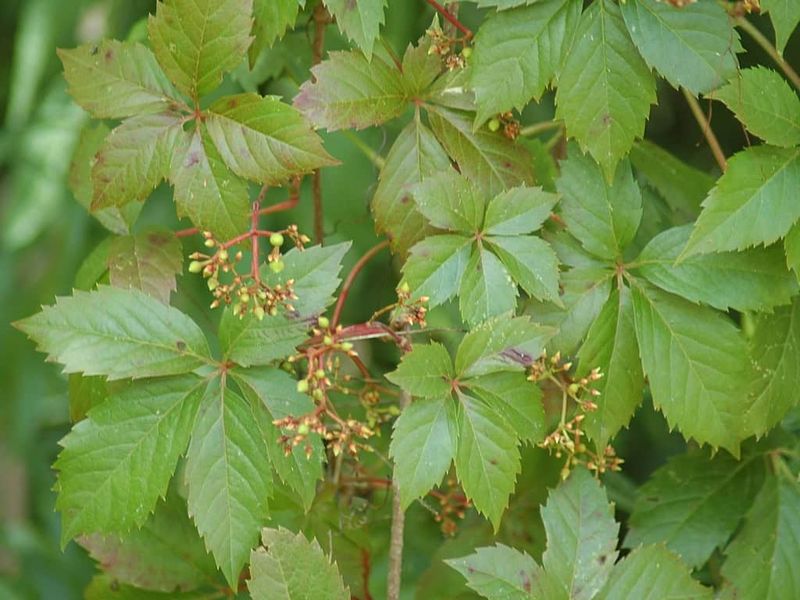
Identifying Virginia creeper correctly before you plant or handle it protects you from two separate concerns: mixing it up with poison ivy, and underestimating its own toxicity to people. Starting with the leaf count is reasonable but not sufficient on its own. NC State Extension confirms that Virginia creeper normally produces five leaflets radiating from a single point, while poison ivy typically shows three. That difference is real and useful as a first check.
The complication is that new Virginia creeper growth can occasionally produce three leaflets rather than five. A young shoot or a plant rebounding after pruning may look deceptively similar to poison ivy at a glance. Positive identification should consider the whole plant: the adhesive-disk tendrils, the woody vine structure, the dark blue-black berry clusters in season, and the pattern of leaflets on mature growth. If you are not certain, photograph the plant and consult a local Extension office or a reliable identification resource before handling it bare-handed.
Virginia creeper is a completely separate species from poison ivy and does not contain urushiol, the compound that causes the classic poison ivy rash and blistering. Touching the leaves of Virginia creeper will not give you a poison ivy reaction. That said, the plant carries its own human safety concern that has nothing to do with skin contact.
The berries and leaves of Virginia creeper should not be eaten by people. The National Capital Poison Center reports that chewing the plant can expose someone to oxalate crystals, causing irritation of the mouth and throat, and in some cases nausea, vomiting, diarrhea, or difficulty swallowing. The fact that birds consume the berries safely does not make the fruit safe for children or pets, since wildlife and humans process plant compounds very differently.
Place the vine where young children and pets cannot easily reach the berries, and photograph or label the plant so anyone caring for your yard can identify it. If someone eats any part of the plant and develops symptoms, contact Poison Control at 1-800-222-1222 or use webPOISONCONTROL online for guidance.
It helps in winter without replacing a wildlife plan
Virginia creeper earns its place in a North Carolina wildlife yard, but it works best as one piece of a larger plan rather than a single solution. NC Wildlife Resources Commission guidance points to multiple native plants that provide winter food, including American holly, hawthorn, and others. Birds in a North Carolina winter yard may also rely on greenbrier berries, cedar, dogwood fruit, seeds, nuts, and insects sheltered in leaf litter and woody debris. The vine adds to that supply; it does not substitute for it.
Muscadine grape is another native North Carolina vine worth comparing here. NC State Extension and NC State’s muscadine home garden guide both place muscadine’s principal fruit availability in roughly August through October, the same broad window as Virginia creeper. The key difference is that the available evidence does not establish comparable winter fruit persistence for muscadine, making it a weaker match for a late-season or winter food angle. Both vines have wildlife value; they just serve slightly different seasonal roles.
Greenbrier is a native vine with genuine winter bird value, and the Virginia Department of Forestry’s fruits-of-fall overview highlights several native plants that hold fruit into cold months. The broader point is that layering multiple native species creates a more reliable food and cover calendar than relying on any single vine.
One expectation worth correcting directly: birds eating Virginia creeper fruit in your yard does not guarantee they will return on a predictable schedule. Bird visitation depends on surrounding habitat, fruit abundance across the neighborhood, available water, shelter from predators, the time of year, and individual species behavior. The vine can make your yard more attractive to fruit-eating birds during late fall and possibly into winter, but no plant controls where birds choose to spend their time.
Plant Virginia creeper for the season it can extend
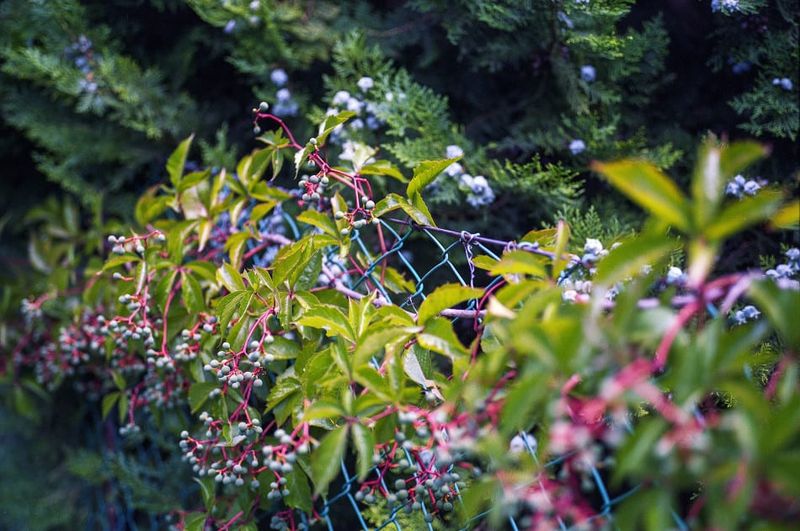
Virginia creeper is a good choice for the North Carolina homeowner who wants a native vine that can offer songbirds late-season fruit and structural cover, has a sturdy fence, trellis, or arbor ready to receive it, and is willing to prune the boundaries two or three times a year. Those three conditions are the honest prerequisites. Meet them, and the vine will likely deliver what it promises across all three regions of the state.
The qualifications are worth keeping in mind as you plant. Winter berries are possible, not guaranteed. Persistence depends on bird pressure, plant size, weather, and local conditions. NC State Extension and the Forest Service species review both support the vine as a valued late-fall and potential winter food source, not as a season-long guarantee.
Pair it with hollies, native shrubs, a water source, and leaf litter for insects, and you have a yard that works for birds across more months than any single plant can cover.
Virginia creeper does not need to be extraordinary to be worth planting. A native vine that bridges the gap between summer abundance and the deep quiet of winter, right in your own backyard, is already doing something most yards cannot say they offer.