
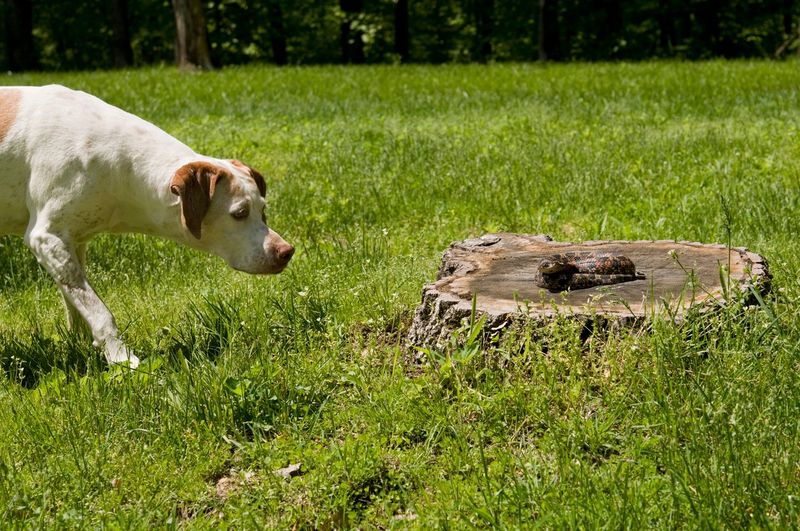
Winter in Central Texas feels calm, but some of your yard’s residents are simply resting out of sight. Snakes like rat snakes, copperheads, and western diamondback rattlesnakes often settle into warm, protected spots near homes when the weather cools.
They rarely announce themselves, yet they leave small clues behind if you know what to look for. Spotting those clues now can help you clean up hiding places and stay safer when spring warms things up.
1. Shed Skins Tucked Into Tight Spaces
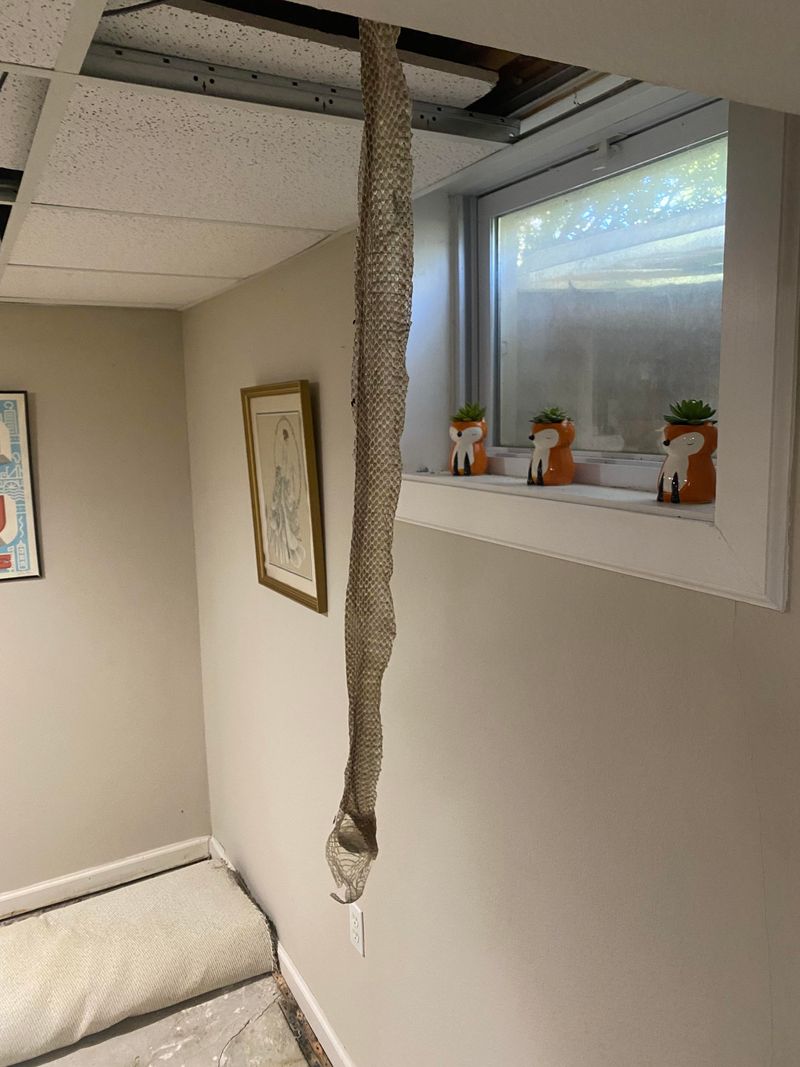
Picture pulling an old flower pot off the patio and finding a ghostly, see-through tube of scales underneath. That crinkly find is a shed skin, and it is one of the clearest clues a snake has spent time nearby.
Snakes usually shed in warmer months, so a skin you find in December may be left over from fall. Even so, it tells you the area offers the cover a snake likes, and many snakes return to the same shelter season after season.
Check behind stacked lumber, inside garage corners, and along limestone borders. A full skin with clear eye caps can help with identification, since pit vipers like copperheads have a single row of scales under the tail near the tip.
2. Smooth Trails in Dust and Mulch
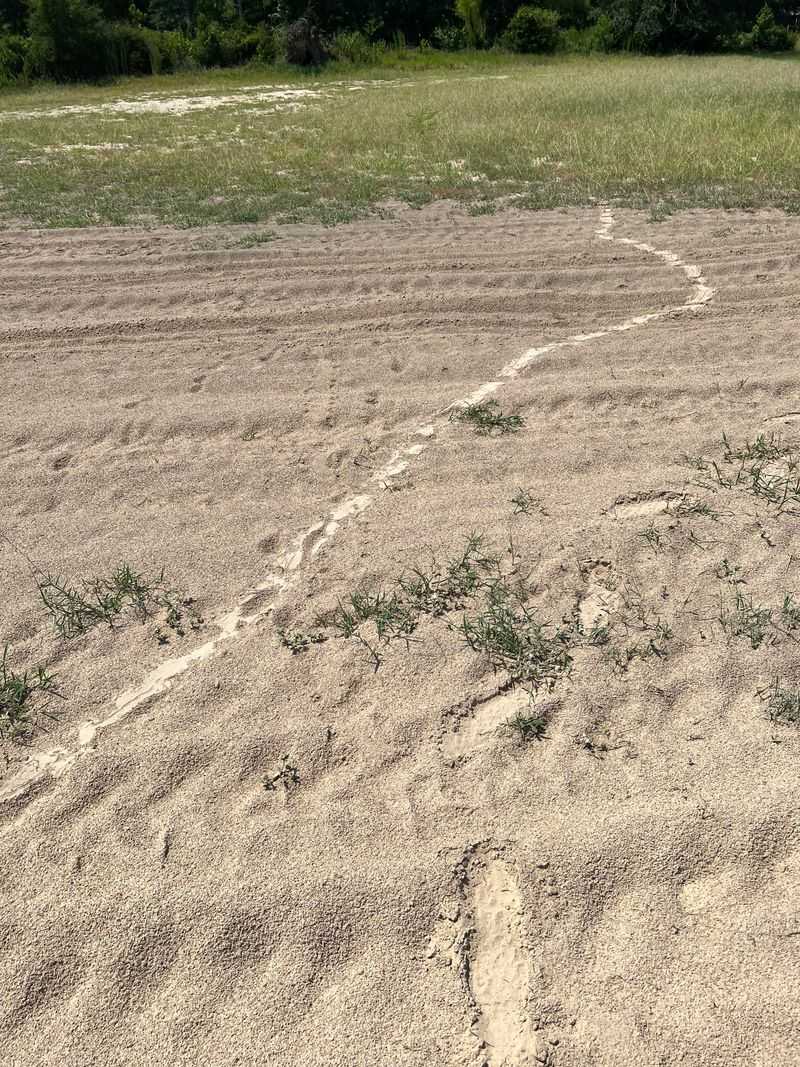
Footprints come in all shapes, but snakes leave no feet at all. Instead, look for wavy S-curves or smooth, straight drag lines in dusty patches, sandy soil, or loose mulch.
Central Texas winters bring plenty of dry spells, which makes these trails easier to read. Shed floors, the dirt under decks, and the soft edges of garden beds are prime places to spot them after a still night.
A track alone will not tell you the species. It does show you a travel route, and that route usually leads toward shelter like a woodpile, a rock wall, or a gap under your foundation.
3. A Sudden Drop in Rodent Activity
Funny thing about mice: they have a habit of disappearing when a rat snake moves in. If the droppings near your bird feeder or shed suddenly stop, a hungry predator may be the reason.
Texas rat snakes are skilled climbers and rodent hunters, and they often hang around feed bins, chicken coops, and garages. On mild winter days they may stir and hunt a little, even though they spend most of the cold season resting.
Nonvenomous rat snakes can actually be helpful neighbors. Still, fewer rodents paired with other clues on this list is worth noting, especially if you have pets or kids exploring outbuildings.
4. Snakes Basking on Warm Winter Afternoons
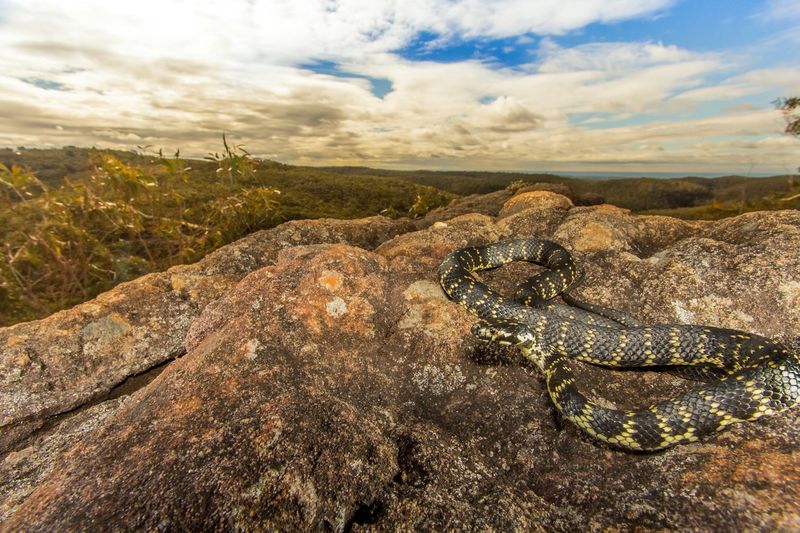
Central Texas loves a weird winter. One week brings a hard freeze, and the next brings a 75-degree afternoon that feels like April.
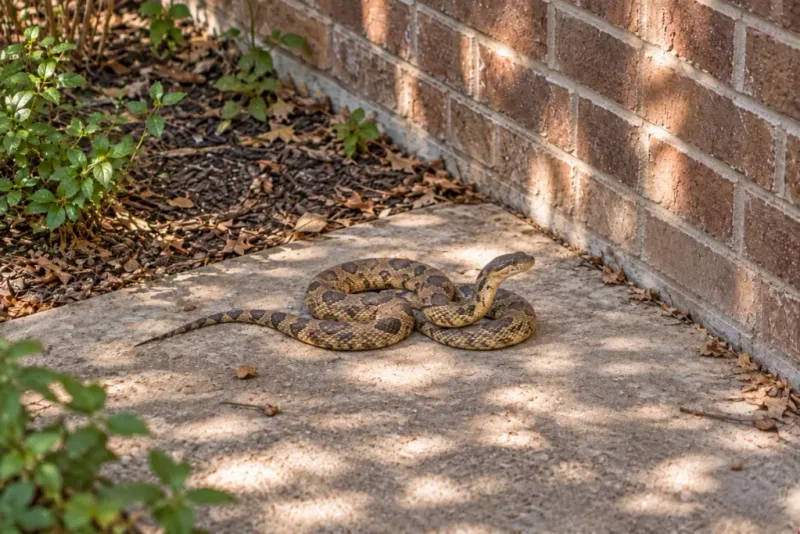
Snakes notice those warm swings fast. Since they cannot make their own body heat, they may slide out to soak up sun on south-facing rocks, concrete steps, driveways, or the base of a brick wall.
Seeing one basking in January is a strong hint that its winter shelter is close by, often within a few yards. Give it space, note where it retreats, and plan your cleanup for a cold day when it is less active.
5. Cozy Shelters Like Woodpiles and Rock Walls
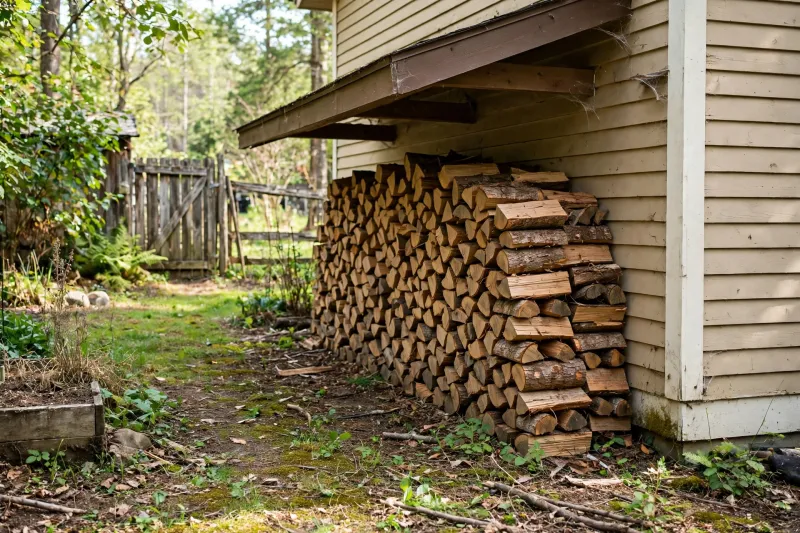
Ask any longtime Hill Country homeowner where they found a snake, and the answer is usually the woodpile. Firewood stacks, brush piles, and dry-stacked limestone walls offer stable temperatures and tons of crevices.
Snakes in our region do not sleep deeply like bears. They enter a slowed-down state called brumation and pick spots that stay above freezing, which makes these features ideal.
Raise firewood about a foot off the ground and keep it away from the house. Clear brush and leaf piles, and wear thick gloves when moving rocks or boards, since a resting snake may not move until you are very close.
6. Gaps and Holes Near Your Foundation
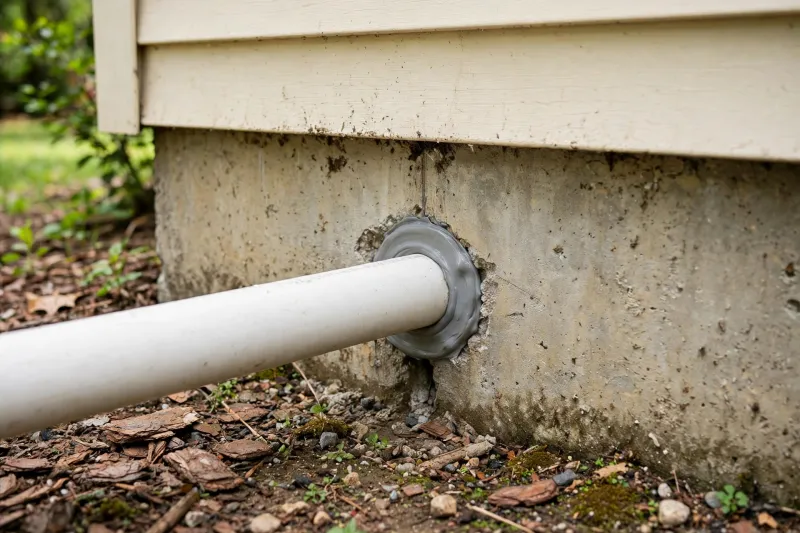
A pencil-sized crack might not look like a doorway. For a young snake, though, a gap of a quarter inch can be enough to squeeze through.
Walk slowly around your house and look for holes where pipes enter, worn weep screens, broken vent covers, and cracks in slab edges. Abandoned rodent and armadillo burrows near beds are also common winter hideouts in Central Texas.
Sealing gaps with hardware cloth, caulk, or expanding foam can reduce the chance of a snake ending up in your garage or crawlspace. Avoid filling burrows while anything might be inside, and call a wildlife professional if you are unsure.
7. Pets Acting Curious or Spooked
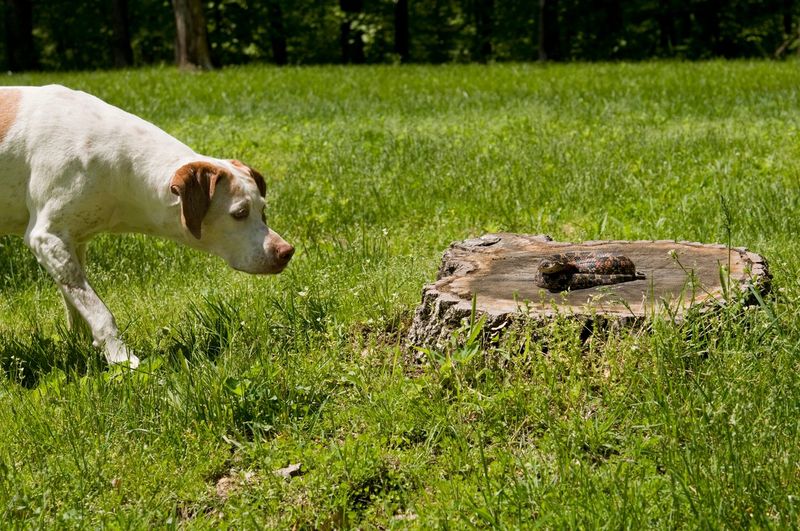
Dogs are often the first to know. If your pup keeps circling the same rock pile, barking at the shed, or freezing with its nose low to the ground, something interesting is hiding there.
Cats may also bat at gaps under decks or stare at a single spot for long stretches. Their senses pick up scents and movement people easily miss, especially during quiet winter months.
Leash your dog and check the area with a flashlight and long tool rather than your hands. Copperhead bites are a real risk for curious Texas pets, so a quick call to your vet about bite signs is a smart backup plan.