
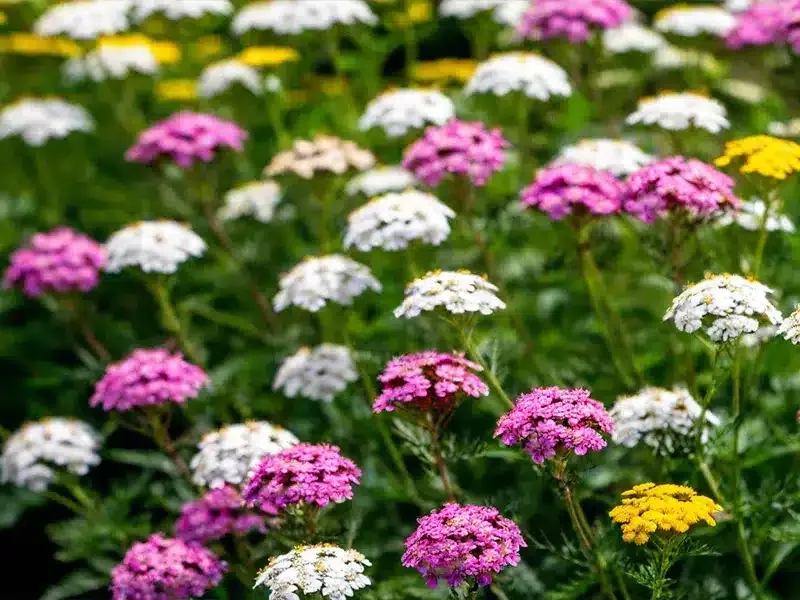
If rats have started sneaking through your Texas flower beds, you are not alone, and the fix might be prettier than you think. Certain flowers give off scents and oils that rodents would rather avoid, which means you can add color to your yard while quietly pushing pests away from your foundation. Gardeners across Texas are tucking these blooms around their beds because they hold up in triple-digit heat and still do double duty. Here are seven flowers worth planting before the next wave of summer rodents moves in.
1. Marigolds
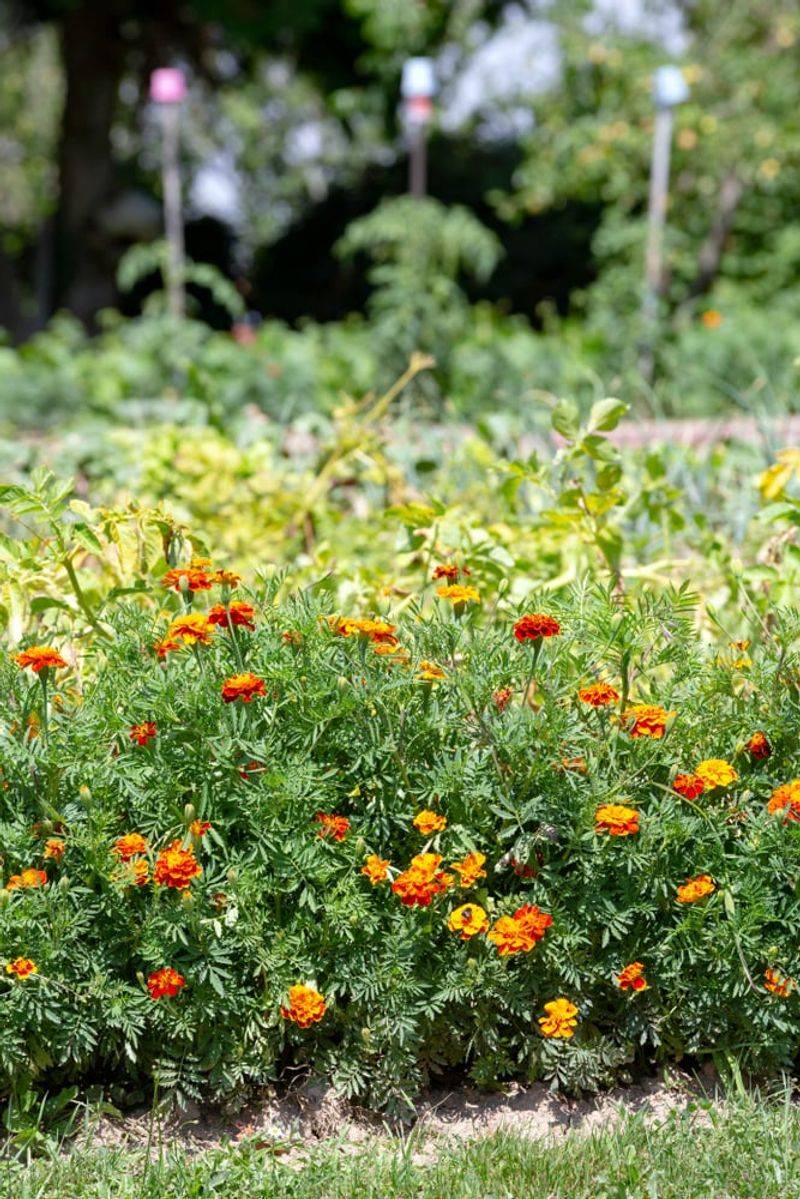
Few flowers pull their weight in a Texas yard quite like the humble marigold. That sharp, almost peppery smell we notice when brushing past the blooms is exactly what rodents tend to steer clear of, and it lingers strongest during the hot, dry stretches when rats go hunting for shady cover.
Planted in a tight border around your beds, marigolds may help deter rats from setting up shop near your foundation while also shrugging off the punishing summer sun. They ask for very little water once established, which matters when your city rolls out watering restrictions in July.
Fun bit of history: gardeners have leaned on marigolds for generations to guard vegetable patches, mostly against soil pests, but their reputation for keeping four-legged nuisances at bay has earned them a spot around flower beds too. Go with the French or African varieties for the thickest, most fragrant show, and deadhead them often to keep the color rolling right through the worst of the heat.
2. Lavender
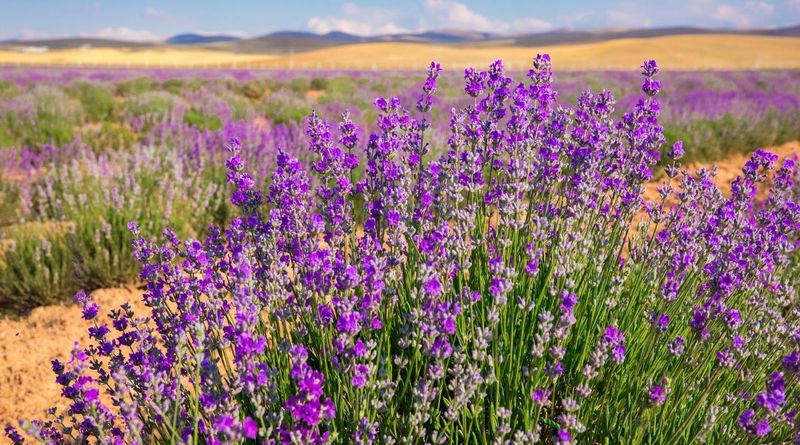
Walk past a lavender plant and you get a wave of calm; walk past it as a rat, and you get a reason to turn around. The same soothing oils that people love are overwhelming to rodents, and lavender keeps releasing that scent even under the relentless Texas sun.
Because it hails from the dry Mediterranean, lavender handles heat and lean, rocky soil beautifully, which makes it a natural fit for Central and West Texas beds. It sips water rather than gulps it, so it stays happy through drought and restriction season alike.
Tuck a row along the edges where rats like to travel, and you build a fragrant barrier that pulls double duty as pollinator bait for bees and butterflies. The trick in our humidity is drainage, so raise the bed or work in some gravel so the roots never sit soggy. Snip the flower stalks for sachets indoors, and you carry that same rodent-unfriendly scent right into your pantry and closets.
3. Chrysanthemums

Here is a flower with a secret weapon hiding in its petals. Chrysanthemums produce a natural compound called pyrethrin, the very ingredient many commercial bug and pest sprays are built around, and rats generally want nothing to do with that smell.
Mums bring waves of red, gold, and bronze to a bed, so they earn their keep on looks alone. Planted around the perimeter, they can reduce how welcome your yard feels to rodents while giving you color that peaks as the brutal summer finally loosens its grip in early fall.
They do appreciate a bit more water than lavender, so pair them with a morning soak and a layer of mulch to hold moisture through the heat. Pinch the stems back through late spring and you will get a fuller, bushier plant that blooms harder when the season turns. Just keep in mind that same pyrethrin punch makes mums a plant to place thoughtfully if you have curious pets nosing around the beds.
4. Daffodils
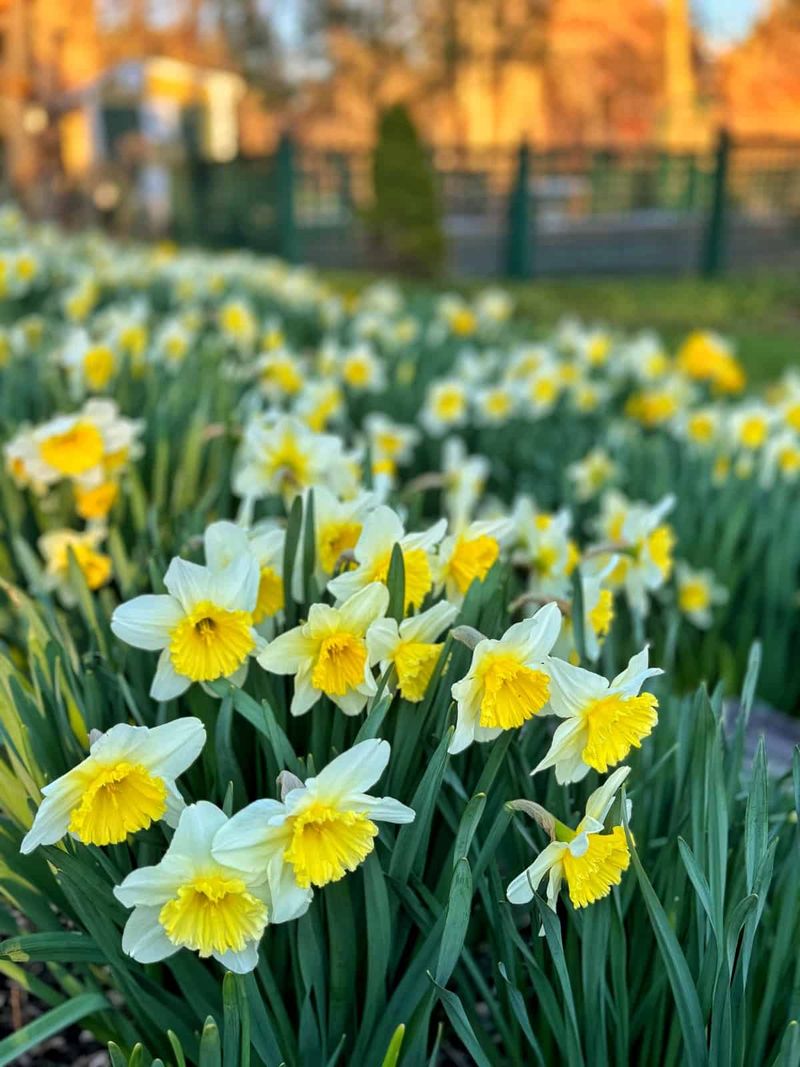
Cheerful as they look nodding in the breeze, daffodils carry a quiet toxicity that keeps burrowing rodents from chewing on them. The bulbs contain compounds rats and mice instinctively avoid, so a line of them acts almost like a living fence underground.
Because they grow from bulbs, you can plant a border once and let them return year after year, popping up as one of the first splashes of color before the Texas heat arrives. That early timing means your defensive line is already in place well before summer rodents start scouting for real estate.
They handle our mild winters and warmer zones fine, especially the varieties suited to lower chill hours. Plant the bulbs a few inches deep in fall, cluster them at the corners and edges where rats sneak in, and let the foliage die back naturally so the bulbs bank energy for next spring. A word of caution worth repeating: those same bulbs are toxic to dogs and cats, so pick spots your pets do not dig.
5. Alliums
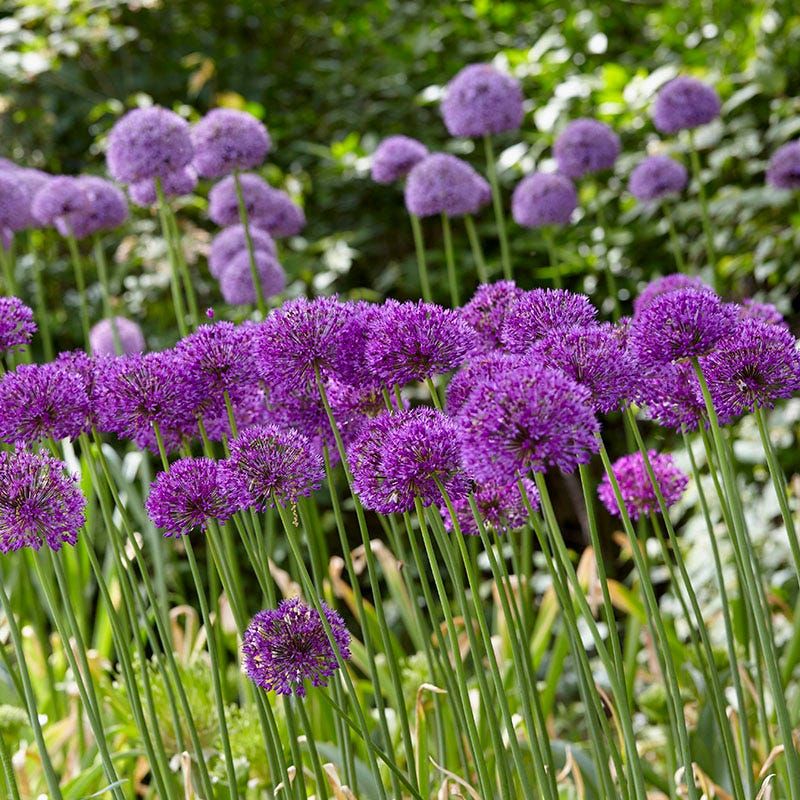
Picture an onion that decided to become a fireworks display, and you have got the allium. These ornamental cousins of garlic and onions send up dramatic purple globes on tall stems, and they carry the exact sulfur-heavy scent that sends rodents packing.
Rats rely heavily on their noses, and the sharp oniony aroma alliums release can reduce their interest in poking around your beds. Better yet, that scent ramps up if a stem gets nibbled or bruised, so the plant defends itself the moment anything tests it.
Alliums love full Texas sun and well-drained soil, and once the bulbs settle in they come back season after season with almost no fuss. Space them among your other flowers so the tall blooms tower over shorter plants, creating both a visual layer and a scent barrier. Bees adore the globes while rats keep their distance, which is about the best trade a Texas gardener can ask for during a long, hot summer.
6. Mint
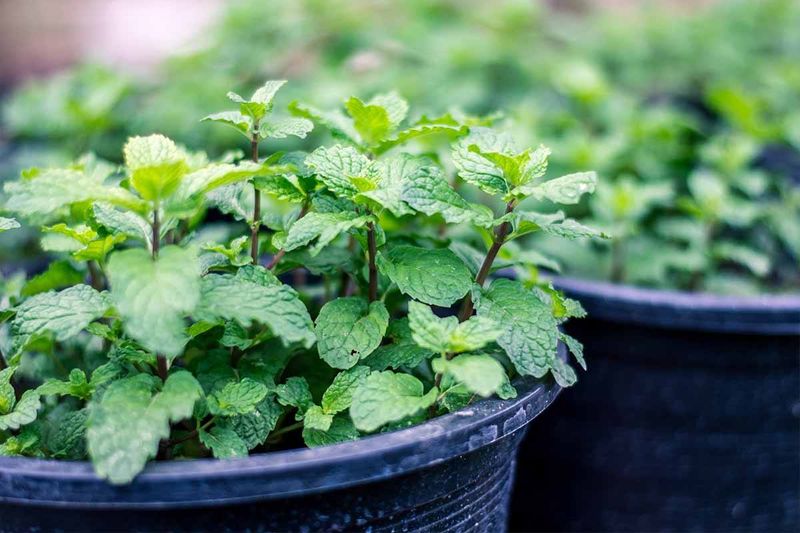
Crush a single mint leaf and the whole yard seems to wake up, and that intense burst is precisely why rodents give it a wide berth. The strong menthol scent overwhelms a rat’s sensitive nose, making mint one of the most reliable smell-based deterrents you can grow.
The catch every Texas gardener learns the hard way is that mint spreads like wildfire once it takes hold. Keep it corralled in buried pots or containers along your bed edges so it guards the perimeter without swallowing your other plants.
It tolerates our heat surprisingly well with a little afternoon shade and steady moisture, staying green when tougher-looking plants wilt. Snip it back often, both to keep it tidy and to release fresh waves of scent that keep the rodent message loud and clear. As a bonus, you will have plenty on hand for iced tea on the porch, which feels like the most Texan reward of all for a plant that is also standing guard.
7. Garlic (Society Garlic)
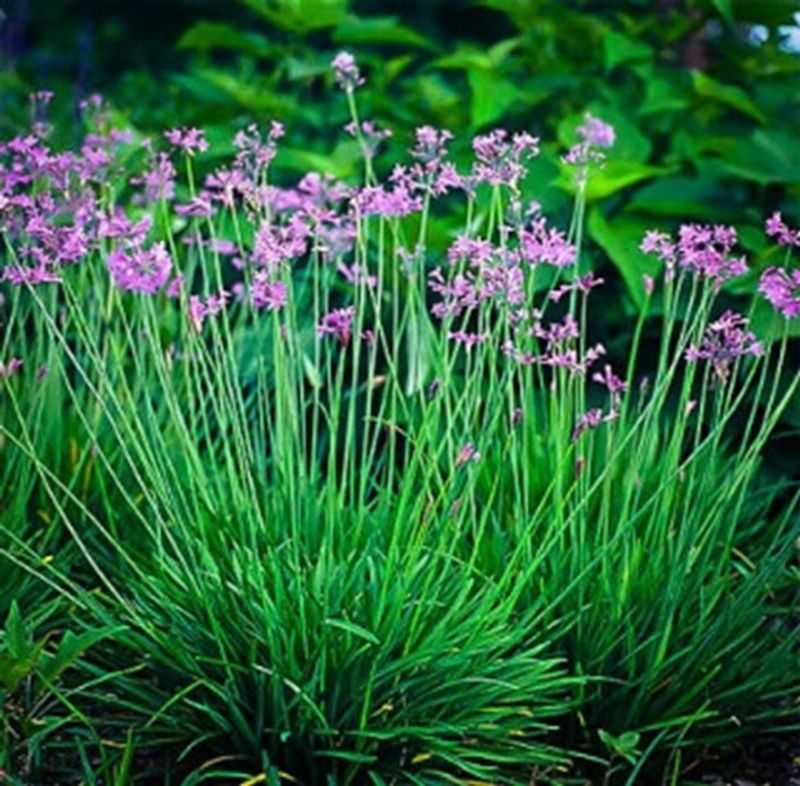
Do not let the pretty pink blooms fool you, because society garlic packs a pungent, garlicky punch that rodents cannot stand. Brush the grassy leaves and you release the aroma that gives this Texas-friendly plant its name and its rat-repelling reputation.
Unlike true garlic grown for the kitchen, society garlic is prized as a tough ornamental border that shrugs off heat, poor soil, and long dry spells. It blooms for months, waving clusters of soft lavender flowers while quietly making your bed edges smell unwelcoming to anything with whiskers.
Line it along walkways and foundations where rats travel, and every passing critter gets a nose full of the scent they work to avoid. It handles full Texas sun without complaint and comes back reliably in warmer zones, so a single planting keeps working season after season. Deer and rabbits tend to pass it by as well, which makes it one of the most well-rounded defenders on this list for a yard you want to protect all summer long.