
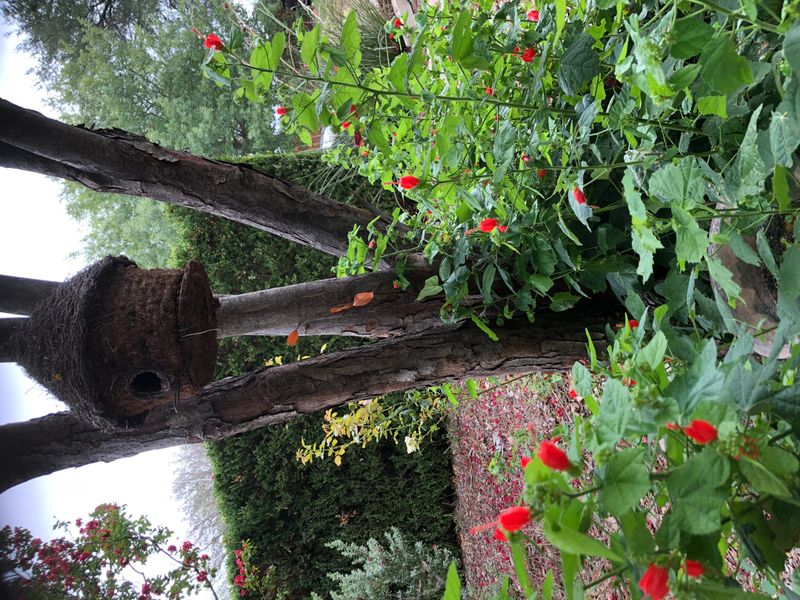
In Texas, fall is the real planting season, even if the garden centers fill up in spring. Soil stays warm long after the air cools, so roots can spread out all winter while the tops rest.
A native plant set in the ground before December often has months of root growth banked before the first triple-digit day arrives. Here are ten tough Texas natives that reward you most when you get them planted early.
1. Texas Sage (Cenizo)
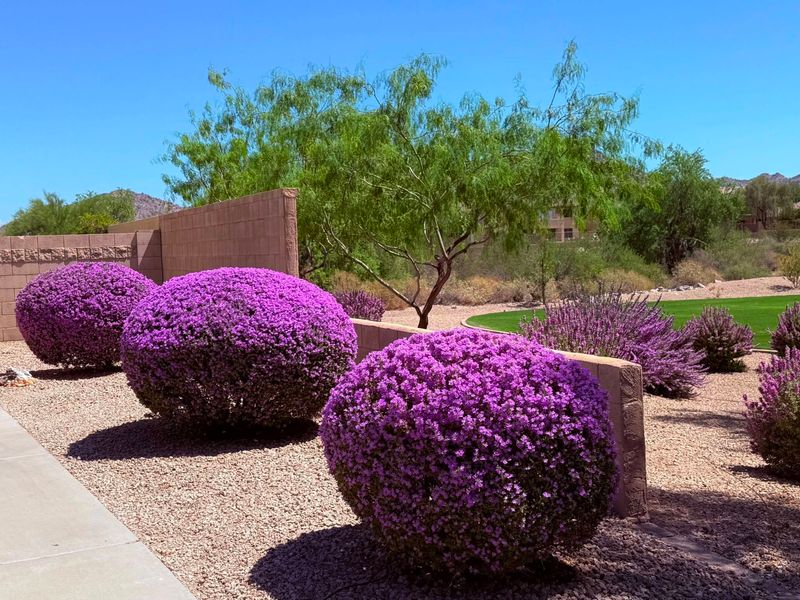
Old-timers call it the barometer bush because it bursts into purple bloom right after a rain. That flash of color is fun, but the real magic happens underground, and fall is when it gets started.
Cenizo hates soggy roots and fussing. Planting in October or November lets it settle into rocky or alkaline Texas soil while cool weather keeps water demand low.
By summer, an established shrub can often get by on very little supplemental water.
Use it as a low hedge, a foundation shrub, or a screen along a hot west-facing fence. Give it full sun and good drainage, and skip the rich compost, since lean soil keeps it compact.
2. Turk’s Cap
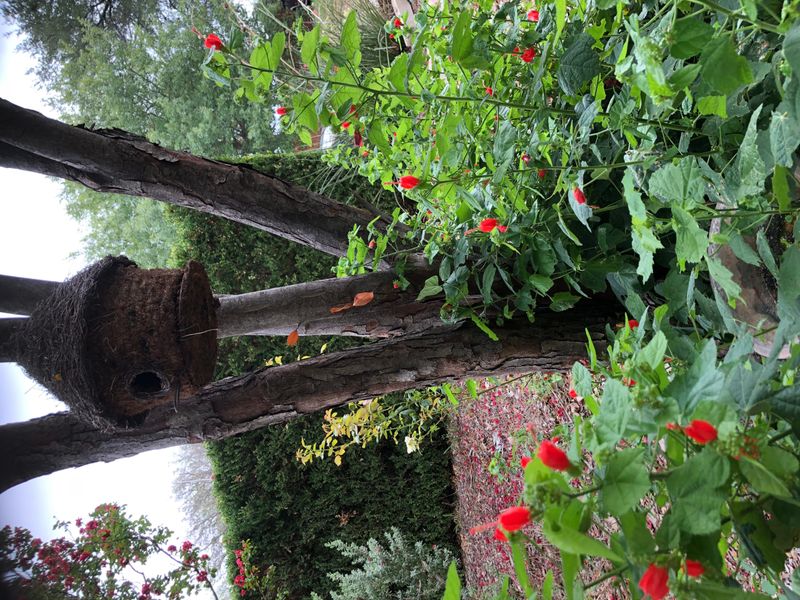
Shady spot under a live oak where nothing seems to grow? Turk’s cap is the friendly answer, and it is one of the few natives that blooms happily in partial shade.
Its little red flowers look like tiny swirled turbans that never fully open. Hummingbirds and butterflies visit them through the hottest stretch of summer, and the small red fruits may draw birds in fall.
Fall planting gives the roots a head start before spring growth kicks in. Water weekly through the first winter if rain is scarce, then ease off.
Expect it to freeze back in a hard winter and return from the base in spring.
3. Flame Acanthus
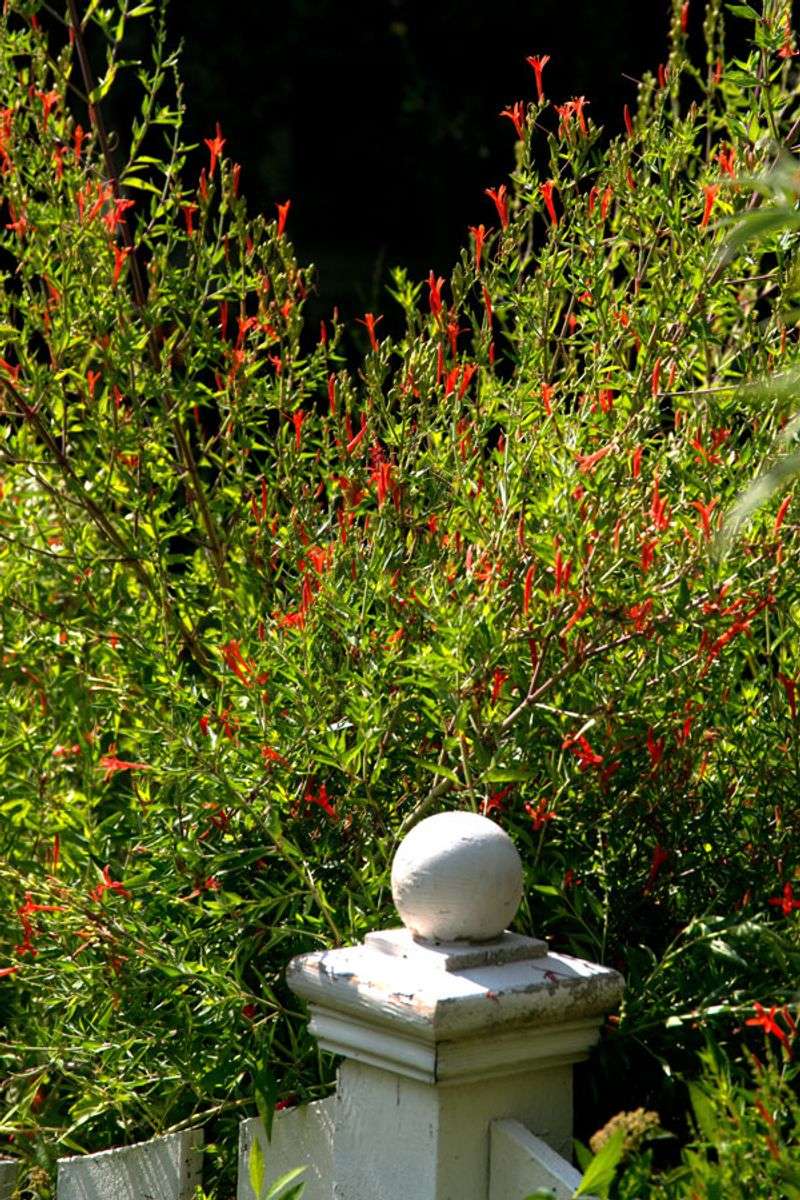
When August heat has most of the yard looking tired, flame acanthus is still putting out tubular orange-red flowers. Hummingbirds treat it like a fuel station during fall migration.
Native to the Edwards Plateau and South Texas, it handles drought and poor soil with ease. Getting it in before December means its roots can reach deeper soil before summer stress arrives.
Trim it back in late winter to keep it full and blooming. It works well in a pollinator border, a dry corner, or anywhere you want low-water color that keeps going.
4. Gregg’s Mistflower
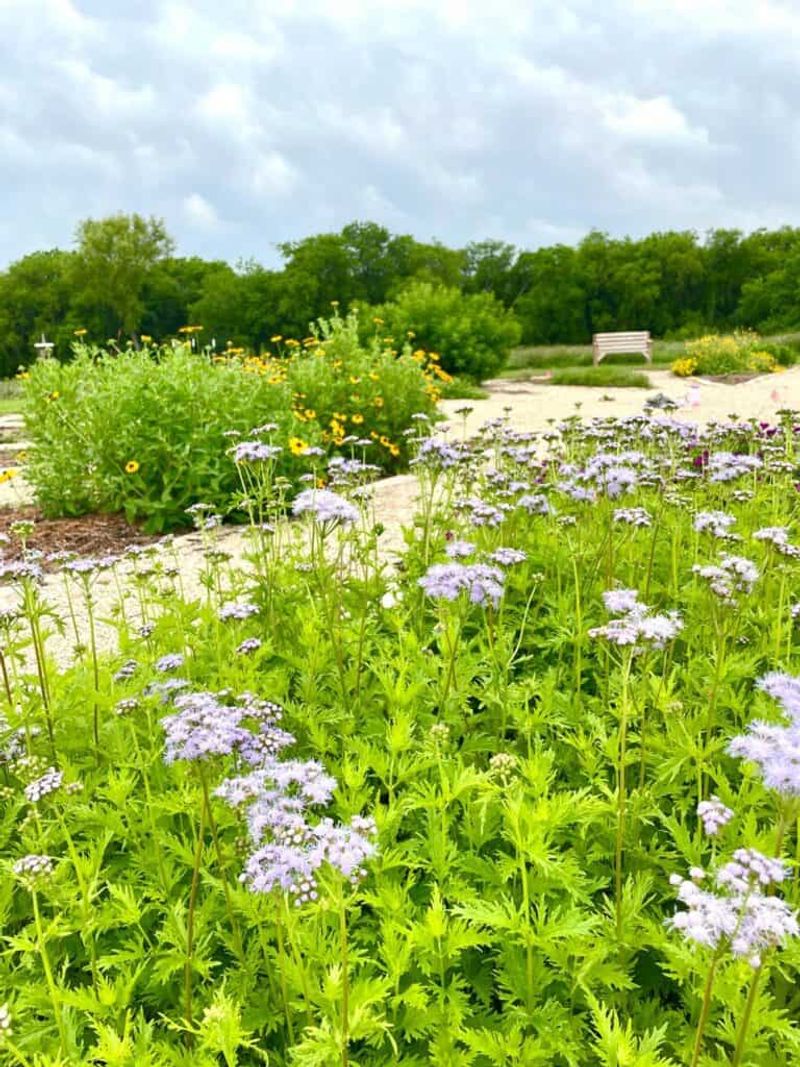
Picture a cloud of fluffy lavender flowers with a dozen queen butterflies resting on it at once. That scene is common around Gregg’s mistflower, especially during fall butterfly migration.
It spreads by underground runners, so a few plants can fill a sunny patch within a season or two. Fall planting helps those runners get established while the soil is still warm.
It tolerates heat and dry spells, though a deep drink during long droughts keeps it blooming. Plant it near a patio or window so you can watch the butterfly traffic up close.
5. Autumn Sage (Salvia greggii)
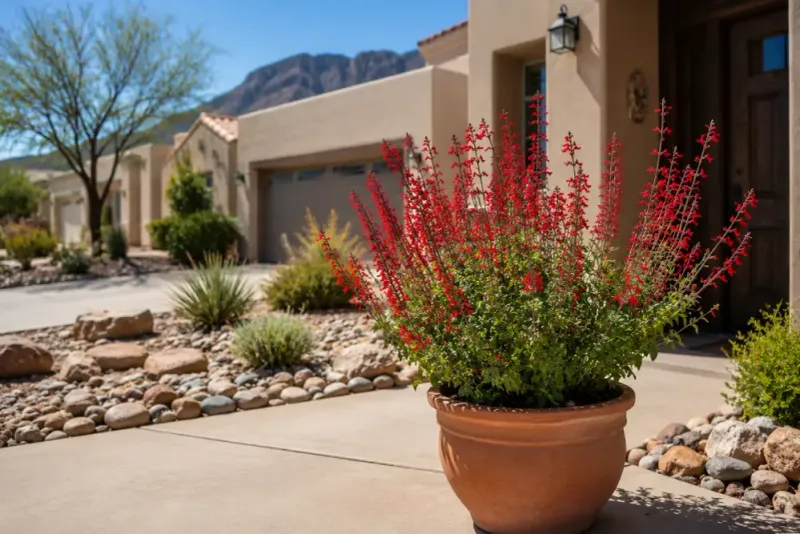
Few Texas plants are as dependable as autumn sage. It blooms in spring, takes a short summer break, then comes back strong in fall, often in red, pink, coral, or white.
Roots matter a lot for salvias, which can rot in heavy, wet clay. Planting in fall on a slight mound or in well-drained beds lets roots settle before spring rains and summer heat.
Give it a light shearing after each bloom cycle to keep it tidy. It is a smart pick for curb-appeal borders because it stays compact and evergreen in much of the state.
6. American Beautyberry
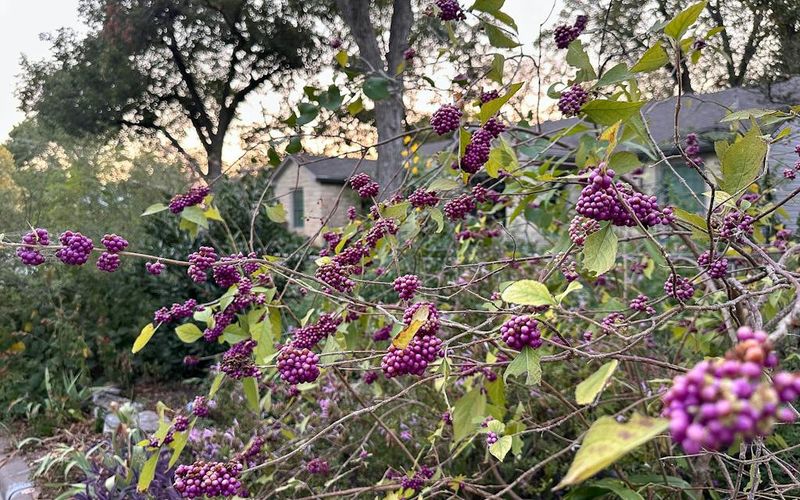
Those glossy purple berry clusters look almost fake, like someone decorated the branches. American beautyberry is native across East and Central Texas, and birds such as mockingbirds and cardinals may eat the fruit through fall and winter.
It grows best in part shade with average moisture, making it a good fit for woodland edges or under taller trees. Fall planting lets roots settle before the shrub leafs out in spring.
Cut it back hard in late winter if it gets leggy, since it blooms on new wood. A fun bonus: folks have long rubbed crushed leaves on skin, and some research suggests compounds in them may help repel mosquitoes.
7. Inland Sea Oats
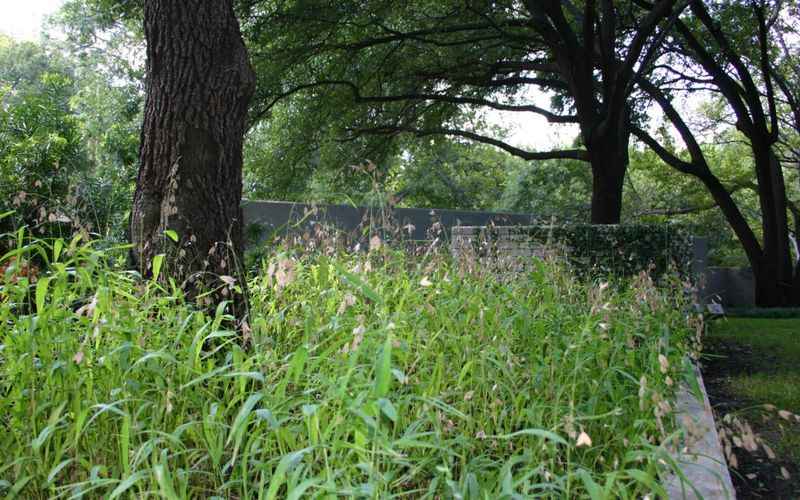
Shade gardens in Texas often struggle with turf, and inland sea oats offer a graceful fix. The flat, dangling seed heads rustle in the breeze and turn a warm tan in fall.
This cool-tolerant grass grows actively in mild weather, so fall is a natural time to plant it. Roots establish through winter, and by spring you get fresh green clumps.
It reseeds freely, which is great for filling a slope or creek bank but worth watching in tidy beds. Use it to soften shady borders or as a low-mow alternative under trees where grass keeps dying.
8. Gulf Muhly
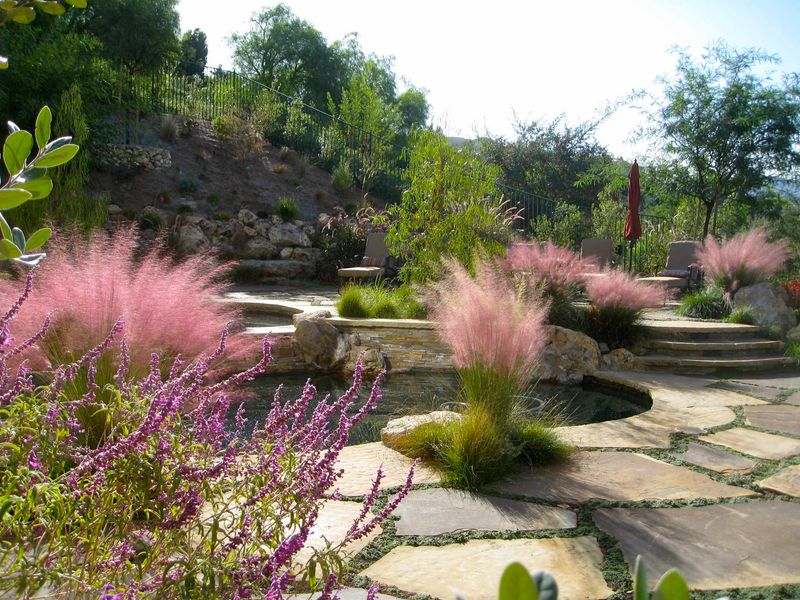
Every October, Gulf muhly turns into a pink haze that stops people on the sidewalk. Backlit by late-day sun, a row of it looks like it is glowing.
Native to Texas and the Gulf Coast, it shrugs off heat, drought, and salty breezes once established. Planting before December means a stronger root system ready for the long summer ahead.
Space plants about two to three feet apart and cut them back in late winter. It shines along driveways, in mass plantings, and as a low-water swap for a strip of thirsty lawn.
9. Coral Honeysuckle
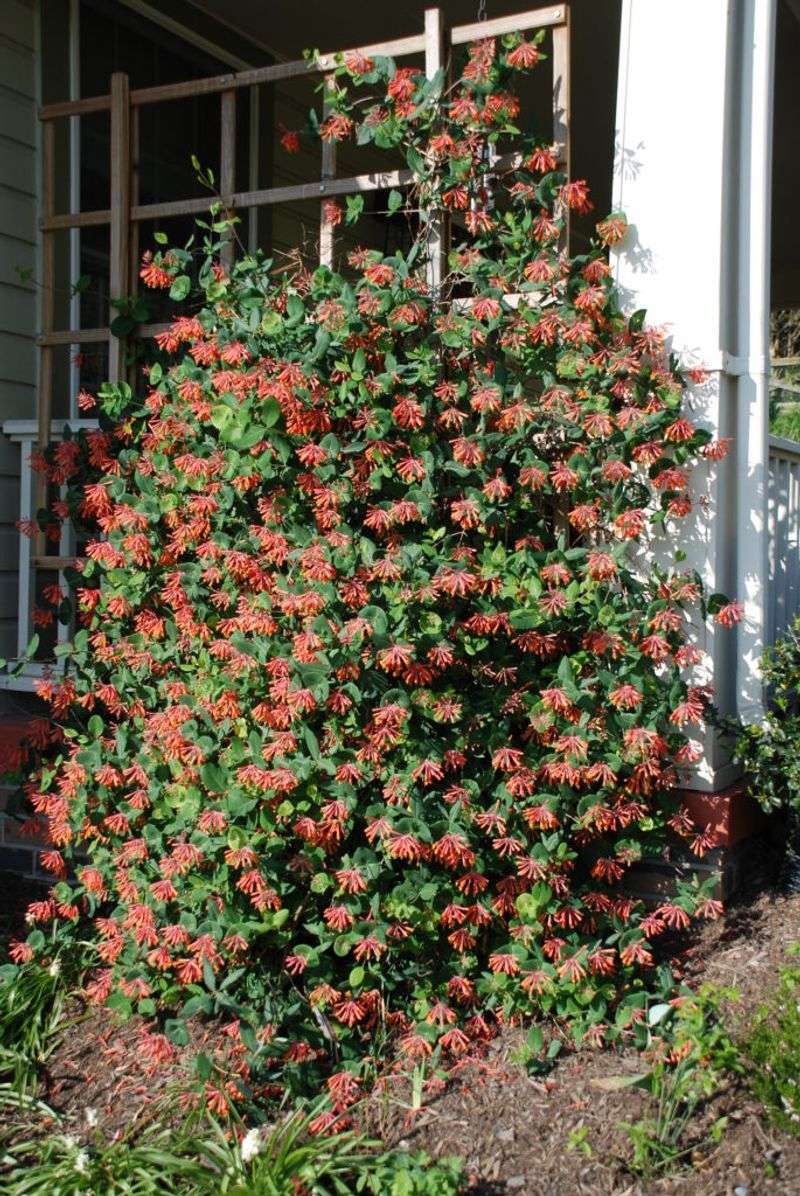
Skip the invasive Japanese honeysuckle and go with the native one. Coral honeysuckle climbs fences and trellises with red tubular blooms that hummingbirds love, and it does not smother nearby woods.
Vines need strong roots to fuel all that climbing. Fall planting gives coral honeysuckle a full cool season to build them, which usually means more spring flowers.
It handles sun to part shade and stays semi-evergreen in milder parts of Texas. Train it on a porch post or mailbox for an easy, wildlife-friendly upgrade near your entry.
10. Texas Redbud
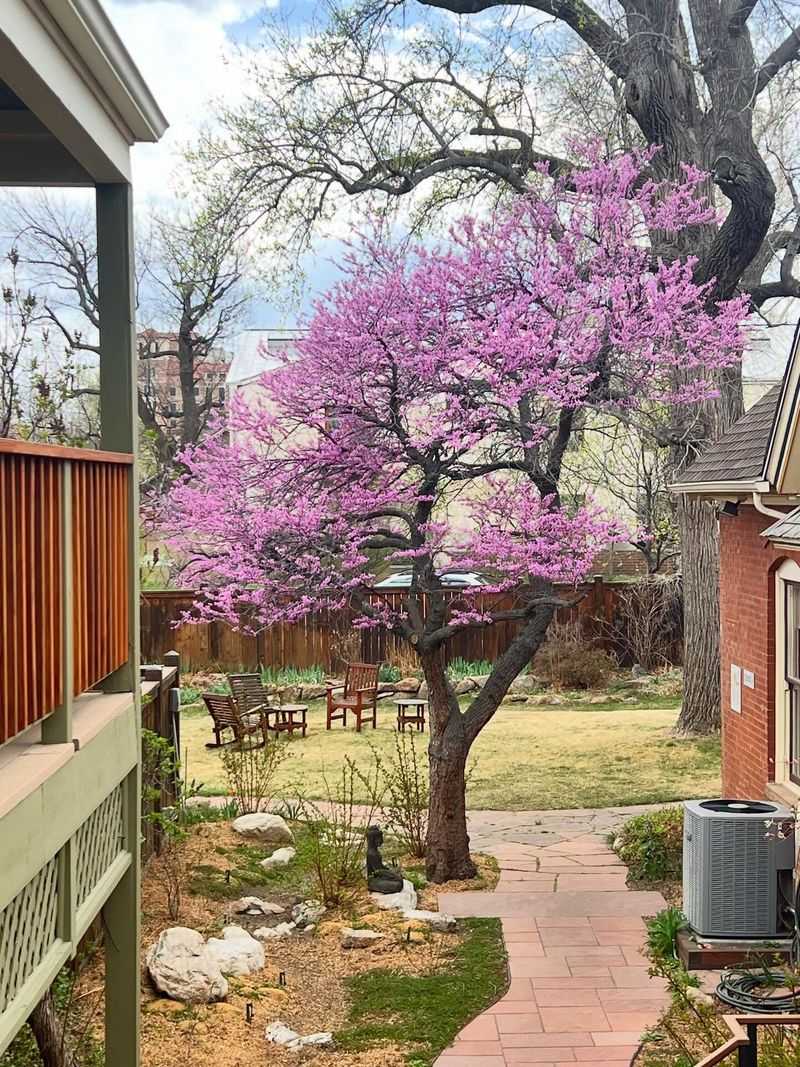
Trees are where fall planting pays off most. A Texas redbud set out in November has months to grow roots before it ever has to push leaves in summer heat.
In late winter and early spring, bare branches burst with magenta-pink flowers, often one of the first signs of spring for bees. The Texas variety has thicker, glossy leaves that help it handle drought and alkaline soil better than eastern types.
Plant it as a small yard tree or near a patio where you can enjoy the bloom. Water deeply every week or two during its first year, and mulch to keep roots cool.
Bottom line for your list: get these in the ground before December, water through winter, and your yard will face summer far stronger.