
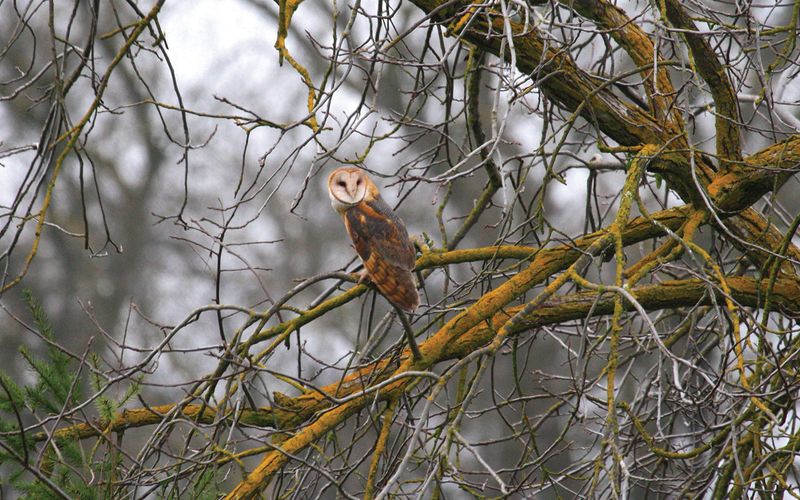
A single barn owl family can swallow up to a thousand rodents in one nesting season, which makes them the best pest control a Texas yard could ask for. The trick is that owls do not show up for the owls’ sake. They come for the cover, the perches, and the prey that certain native Texas plants quietly attract. Plant the right things, and your yard becomes a hunting ground so good that the rats decide to pack up and leave.
1. Live Oak (Quercus virginiana)
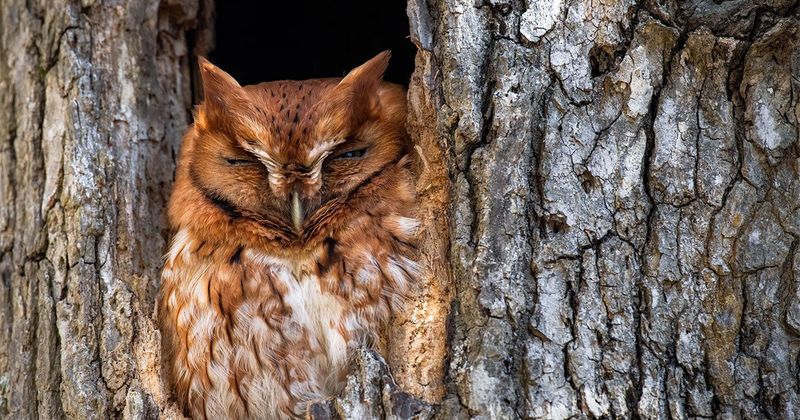
Nothing says a barn owl means business like a sprawling live oak holding court over the yard. These broad, evergreen giants give owls exactly what they crave: sturdy horizontal limbs to perch on and dense shade to roost in during the punishing daylight hours of a triple-digit Texas summer.
Owls are ambush hunters, and a live oak is the perfect blind. From a high branch, an owl can scan the ground for movement and drop silently on any rat foolish enough to scurry below. The acorns also draw rodents in the first place, which sounds counterproductive until you realize the owls are counting on that dinner bell.
Fun bit of Texas history: the live oak is the state tree, and some Gulf Coast specimens have shrugged off hurricanes for over 300 years. Plant one where it has room to spread, keep it watered through the first few dry seasons, and you may set up an owl highway that lasts longer than you do.
2. Little Bluestem (Schizachyrium scoparium)
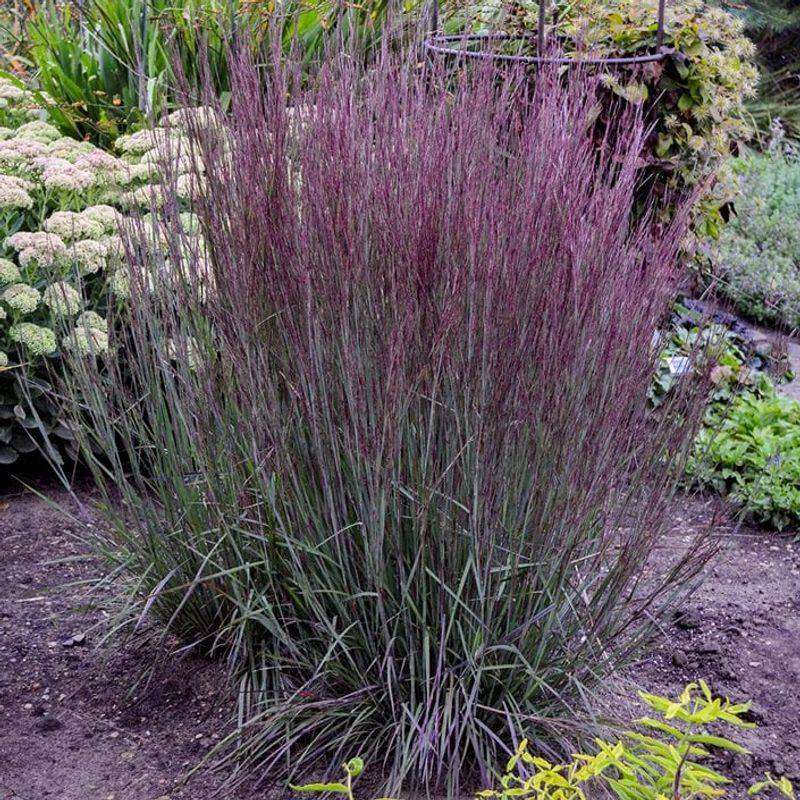
Here is a plant that works on the rats’ turf instead of the owls’. Little bluestem is a clumping native prairie grass that turns copper and burgundy in fall, and it thrives in the poor, rocky soils that defeat fussier plants.
Cotton rats and field mice love to nest and travel through tall bunchgrass, which means a stand of little bluestem quietly stocks the pantry for hunting owls. The seed heads feed the rodents, the rodents feed the owls, and the whole cycle runs on a grass that needs almost no water once it settles in.
What makes it different from the trees on this list is that it draws prey into the open edges where owls hunt best. Mow a few walking lanes around a bluestem patch and you create the perfect hunting corridor. It also laughs at drought and water restrictions, so you are not trading pest control for a swollen water bill.
3. Cedar Elm (Ulmus crassifolia)
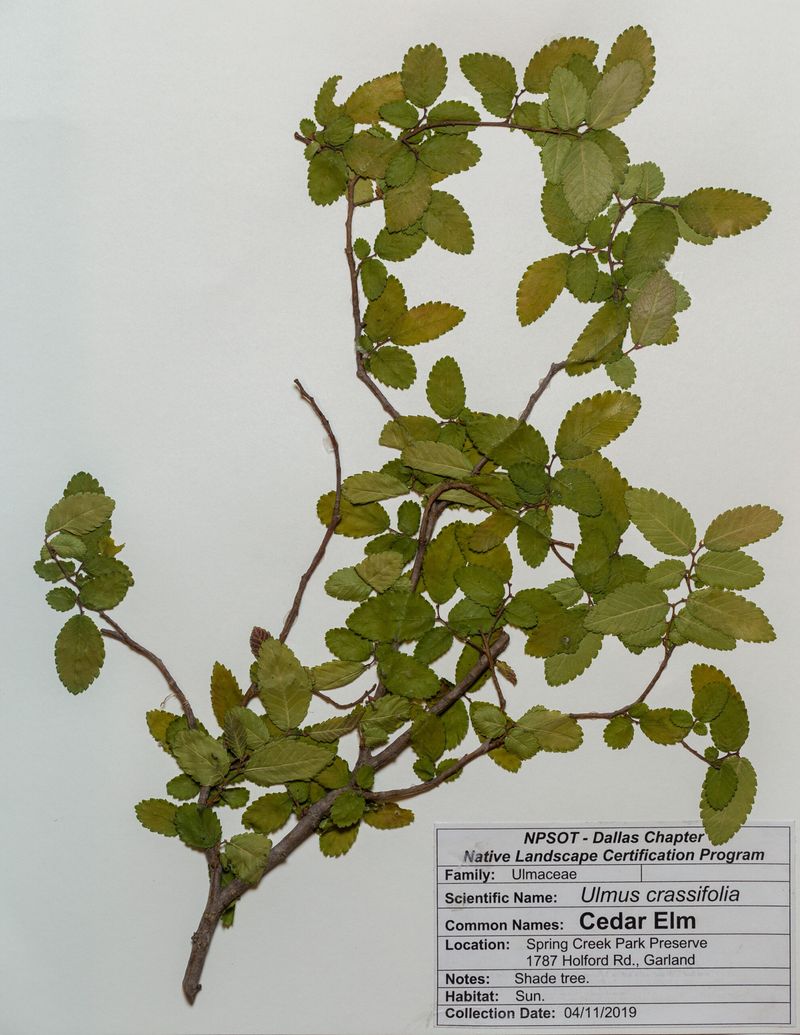
When a live oak feels like too much yard to give up, the cedar elm steps in as the leaner cousin. It tolerates the heavy clay and alkaline soils that stretch across much of central and north Texas, and its dense canopy offers owls a shaded daytime hideout.
Barn owls appreciate a tree they can tuck into without being harassed by mockingbirds and crows, and the cedar elm’s tight branching provides that shelter. The small seeds ripen in fall and pull in the same rodents an owl is hoping to intercept.
Because it holds up well against ice storms and the occasional Gulf Coast blow, cedar elm gives you a reliable perch tree that will not snap in the first rough season. Give it a spot with decent drainage and let it grow into a natural owl waystation between hunts.
4. Switchgrass (Panicum virgatum)
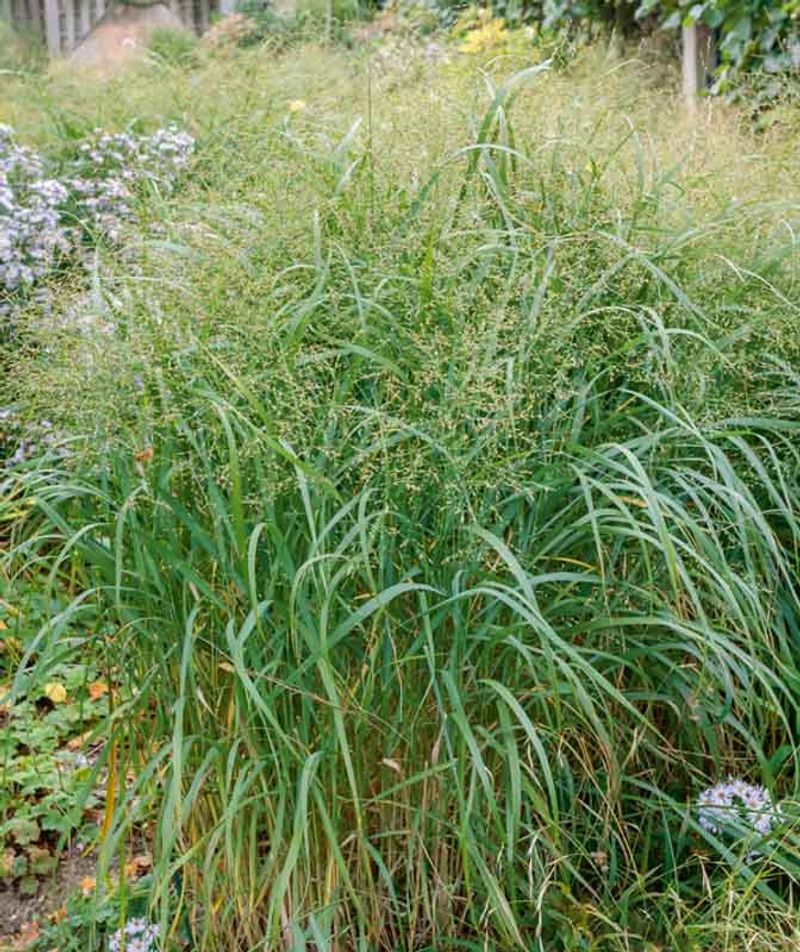
Tall, upright, and tough as boot leather, switchgrass builds the kind of rodent superhighway that keeps owls circling back night after night. It can shoot up past five feet, forming dense screens where mice and rats feel safe enough to breed.
That false sense of security is exactly the point. Owls learn where the prey concentrates, and a switchgrass border along a fence line becomes a predictable buffet after dark.
Unlike some ornamental grasses that fry in July, switchgrass evolved on the American prairie and shrugs off both drought and soggy spells, making it well suited to unpredictable Gulf Coast weather. Cut it back in late winter and it returns thicker every year. Pair a switchgrass stand with a nearby tall perch or nest box, and you can reduce the rodent load on your property without ever setting a single trap.
5. Texas Persimmon (Diospyros texana)
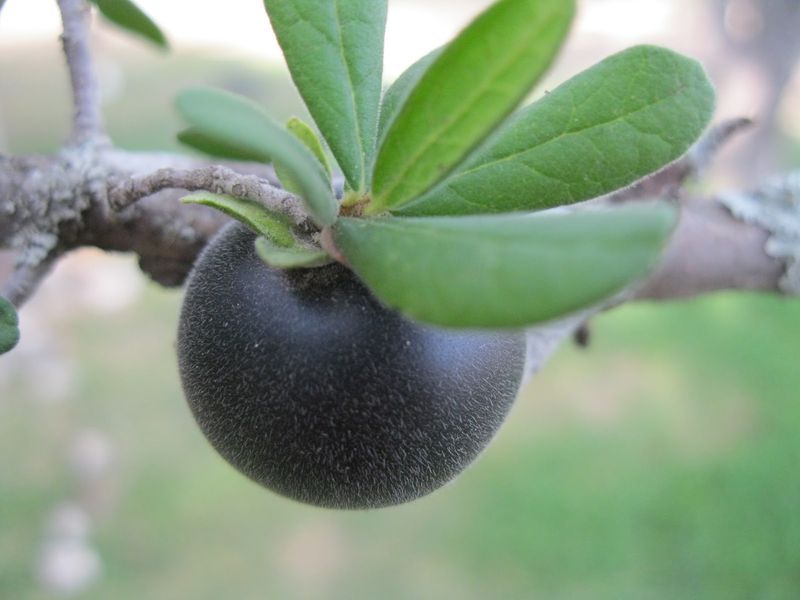
Small, twisting, and dressed in smooth gray bark, the Texas persimmon looks almost sculptural in a yard. Its dark ripe fruit is a rodent magnet in late summer, which is precisely when young owls are learning to hunt and need easy targets.
The multi-trunked, low branching habit gives fledgling barn owls approachable perches while they build their skills, and the dense foliage screens them from the daytime sun. Think of it as a training ground that keeps the next generation of hunters coming back.
Native to the Hill Country and South Texas, this little tree handles rocky ground, drought, and heat that would wilt most fruit trees. It rarely needs supplemental water once established, so it fits neatly into a yard living under summer watering restrictions. Between the wildlife it feeds and the owls it entertains, the Texas persimmon punches well above its modest size.
6. Frostweed (Verbesina virginica)
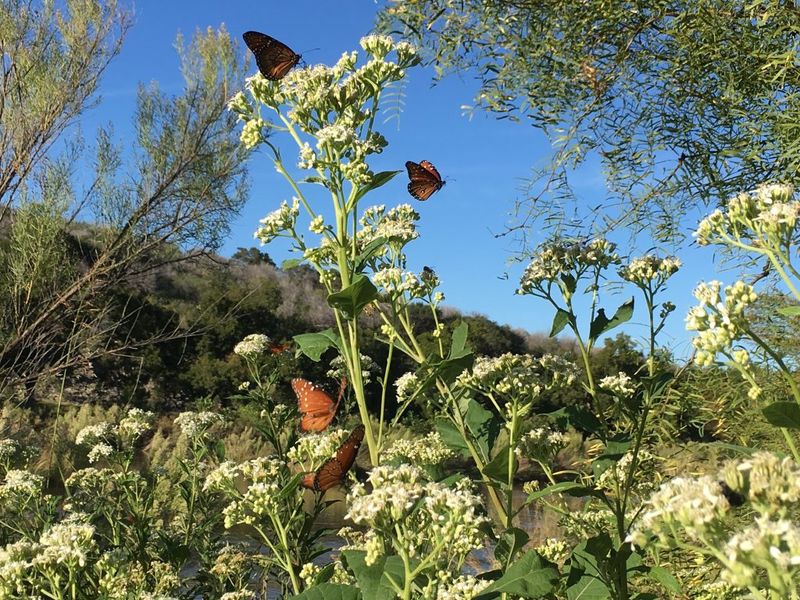
Most gardeners overlook frostweed until they see the pollinator swarm it pulls in every fall. Tall white flower clusters attract insects, insects attract mice, and mice attract the owls patrolling overhead.
Its real gift is layering the food web in the shady, moist corners of a yard where other prey plants struggle. Owls hunt the entire chain frostweed sets in motion, from the rodents feeding on seeds to the ones drawn by the insect buzz.
The plant earned its name from a strange winter trick: on the first hard freeze, its stems split and push out curling ribbons of ice, a small show that delights Texas gardeners who thought nothing bloomed in the cold. It reseeds easily and tolerates the dry shade under larger trees, so it fills in the parts of the yard your grasses and oaks cannot reach.
7. Eastern Red Cedar (Juniperus virginiana)
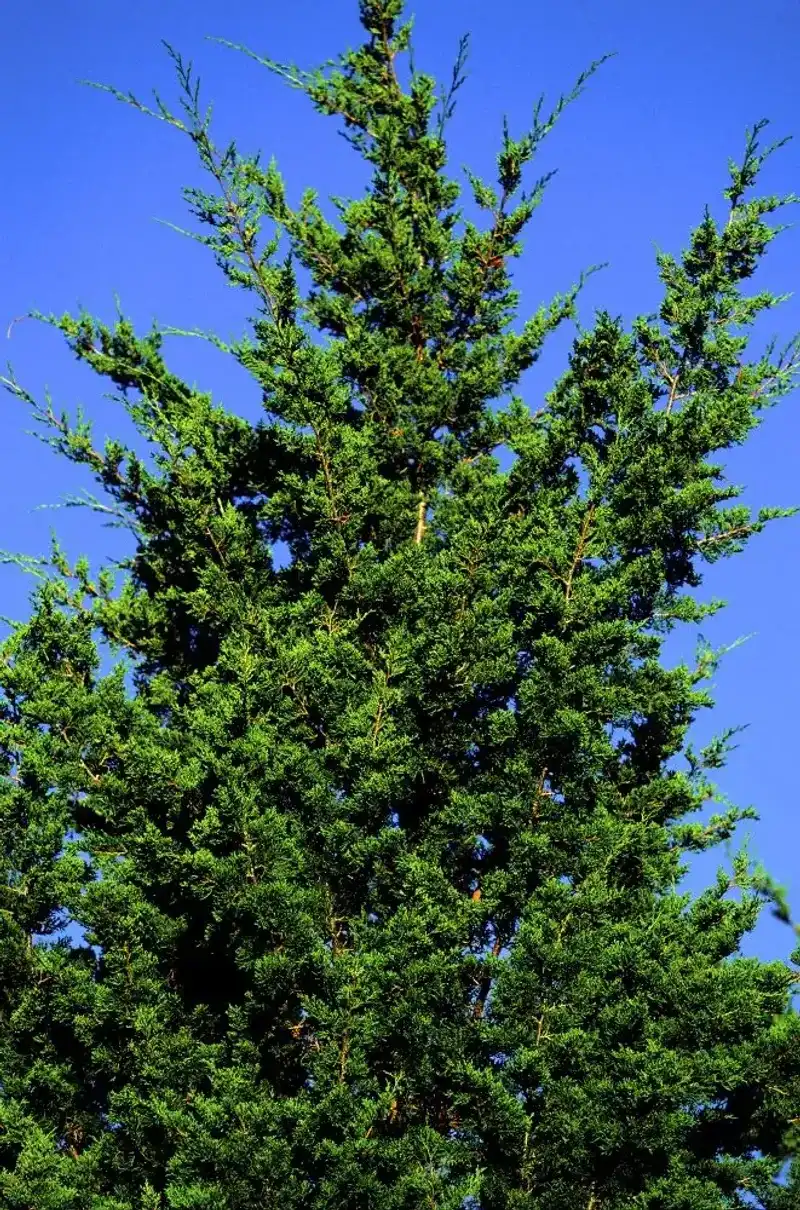
Dense, evergreen, and shaggy year round, the eastern red cedar is the roosting tree owls sneak into when they want to disappear. Its thick foliage blocks harsh light and hides an owl from the songbirds that love to mob a resting predator.
Rats and cotton rats shelter at the base of these trees, especially where the lower branches sweep the ground and pile up leaf litter. An owl roosting up top has room and board in the same spot, which is about as efficient as pest control gets.
A word of honesty for allergy sufferers: this is the tree behind the notorious cedar fever that hits Texas in winter, so plant it where the pollen count will not drive you indoors. Even so, its toughness in poor soil and its year-round cover make it hard to beat as owl habitat. Where you have space and no cedar allergy, few plants shelter owls more reliably.
8. Inland Sea Oats (Chasmanthium latifolium)
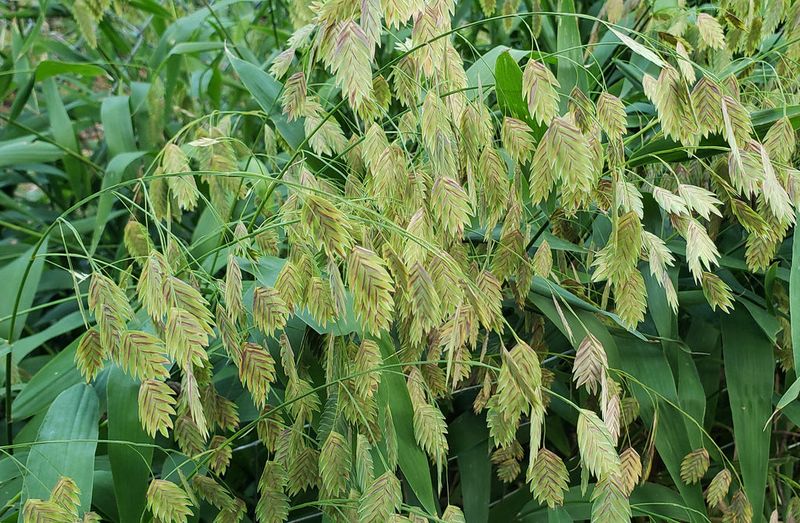
Flat, drooping seed heads that rattle in the breeze make inland sea oats one of the prettiest prey plants you can grow. It happily fills the damp, shaded ground beneath trees where sun-loving grasses give up.
Mice and rats feast on the heavy seed clusters through fall and winter, keeping a food source active in the cool months when owls still need to eat. That off-season staying power sets it apart from the summer grasses on this list.
It spreads by seed and can naturalize a shady bank quickly, so give it room or plan to thin it. As a native adapted to Texas creek bottoms, it handles the swing between drought and heavy Gulf rain without complaint. Tucked under your perch trees, inland sea oats keeps rodents circulating right where an owl can catch them, extending your natural pest control long past the first cold snap.