
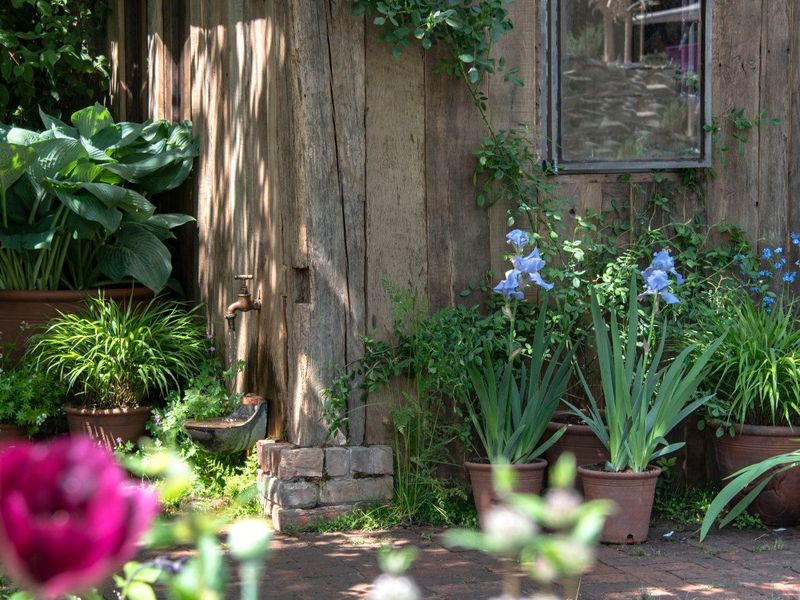
Rats love hiding along the base of a house, especially where warm foundations meet shady garden beds during long Texas summers. What most people don’t realize is that the right shrubs can quietly make that space far less welcoming to rodents. Certain native and heat-tough plants give off strong scents, prickly barriers, or dense growth that rats tend to avoid. Here are seven shrubs Texas gardeners are slipping along their foundations to keep the yard feeling more like an ecosystem and less like a rat hotel.
1. Texas Sage (Cenizo)
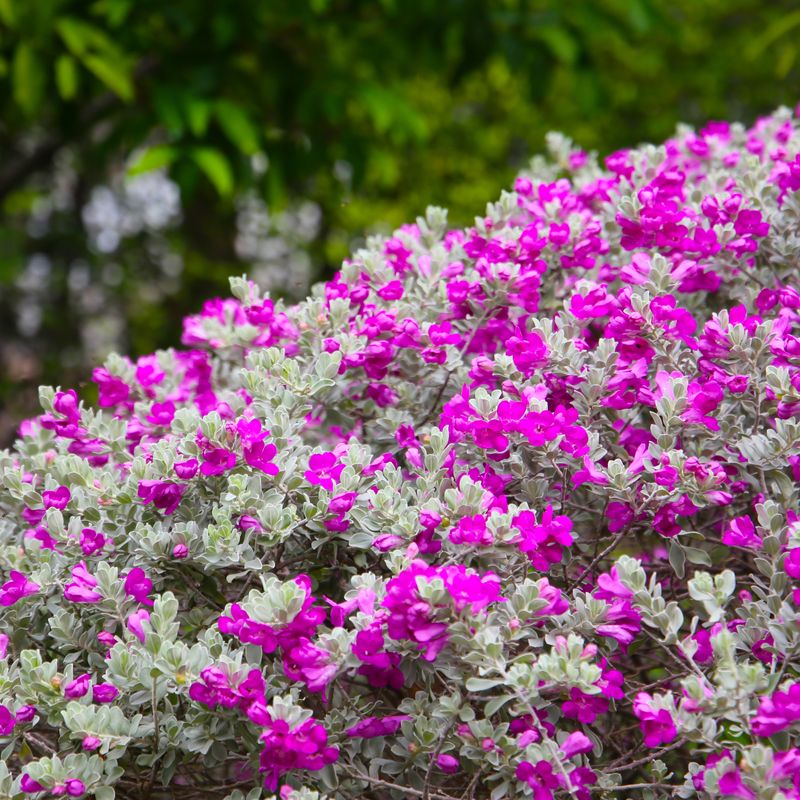
Ask any longtime gardener in San Antonio or the Hill Country about a shrub that shrugs off drought, and Texas sage almost always comes up first. Its silvery leaves and surprise purple blooms after summer rain make it a favorite, but the payoff along a foundation goes deeper than good looks.
The dense, twiggy structure of cenizo grows into a tight mound that rats find awkward to tunnel through or nest inside. Combine that with foliage carrying a resinous, slightly bitter aroma, and you get a plant rodents tend to skip over when scouting for cover.
Because it thrives in poor, alkaline soil and needs almost no extra water once established, cenizo survives triple-digit Texas summers without any pampering. That matters near a house, where you want a low-maintenance barrier that stays thick year after year. Keep it trimmed off the wall by a foot or so, and it can help deter rodents while giving pollinators a reason to visit.
2. Rosemary
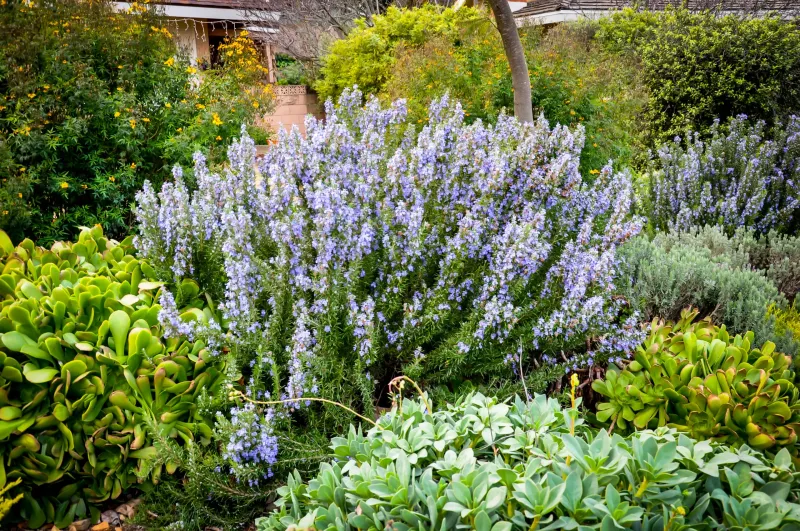
Brush past a rosemary hedge on a hot afternoon and you’ll understand why rats keep their distance. The oils that make this shrub smell so wonderful to cooks are exactly what rodents find overwhelming and off-putting.
Woody, upright rosemary varieties can be planted in a low run along a foundation, forming a fragrant living fence. The strong pine-and-citrus scent can mask the food odors that normally lure rats toward a home, muddying the trail they rely on to find a way inside.
Texas gardeners love that rosemary laughs at heat and drought once its roots settle in. It handles the sandy and rocky soils common across much of the state and rarely needs watering beyond the occasional deep soak. As a bonus, you get an endless supply of herbs for the kitchen, so a plant working double duty as a rodent nuisance also earns its keep at dinner. Snip it often to keep growth dense and the aroma strong.
3. Agarita
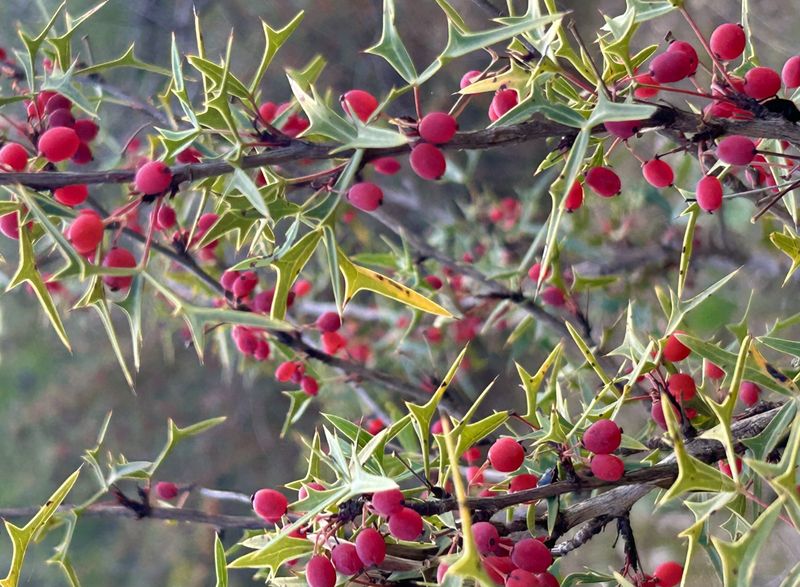
Reach into an agarita bush without gloves and you’ll only make that mistake once. Every leaf ends in a sharp, holly-like spine, which is precisely the point when you’re trying to discourage anything from bedding down against your house.
Native across Central and West Texas, agarita forms a rigid, prickly thicket that rats simply don’t want to squeeze through. Rodents seek soft, sheltered hiding spots, and a wall of stiff, jabbing foliage can reduce the appeal of the foundation zone as a nesting site.
Beyond the security-fence effect, agarita is a true Texas survivor. It handles brutal heat, thin limestone soils, and long dry stretches without complaint. In spring it puts out yellow flowers followed by tart red berries that birds and folks making jelly both appreciate. Plant it where you want a natural, thorny barrier that keeps working through the worst of a Texas summer, and give it room since it prefers not to be crowded.
4. Lavender
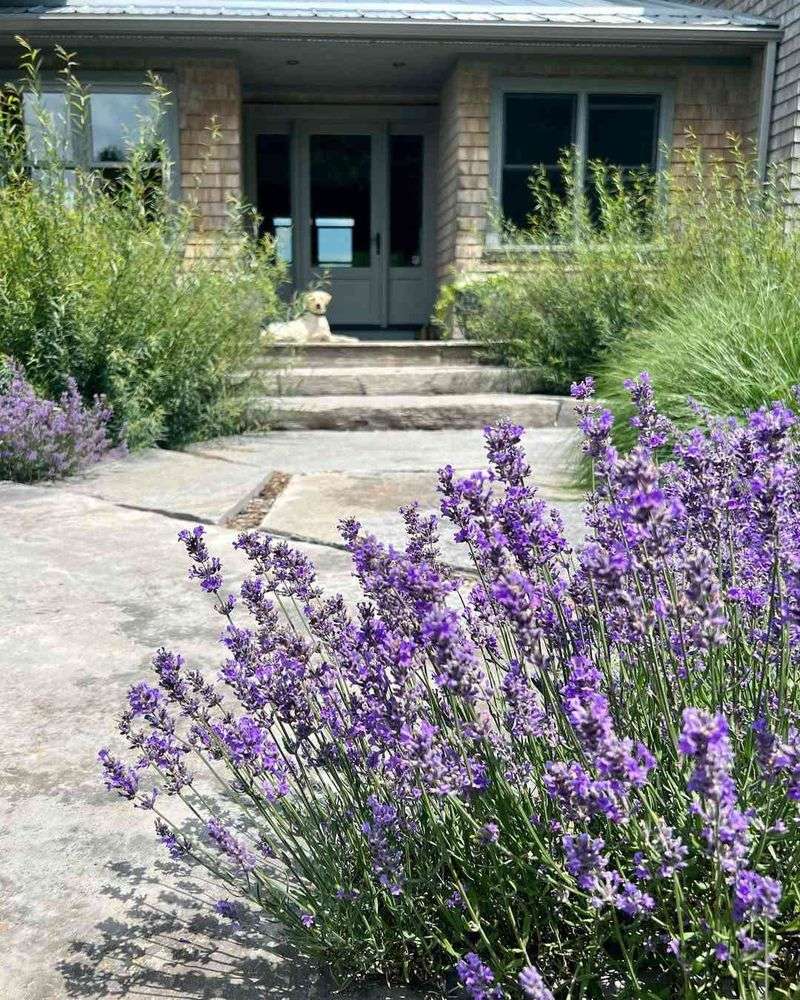
There’s a reason lavender ends up in sachets tucked into closets and drawers: its perfume is glorious to us and genuinely bothersome to pests. That same trait makes it a clever choice for the strip of ground hugging a Texas home.
The heavy floral-camphor scent can help throw rats off the scent trails they use to navigate, and many gardeners report that rodents avoid crossing a fragrant lavender border. Spanish and French lavenders tend to handle Texas humidity and heat better than the finicky English types, so lean toward those.
Good drainage is the real secret to keeping lavender alive here. Plant it in gritty, well-drained soil or on a slight mound near the foundation, and it will reward you with silvery foliage and purple spikes that buzz with bees. Water sparingly, since soggy roots are the fastest way to lose it. When it thrives, you get beauty, pollinators, and a scented buffer all in one tidy shrub.
5. Mint (as a Contained Shrubby Border)
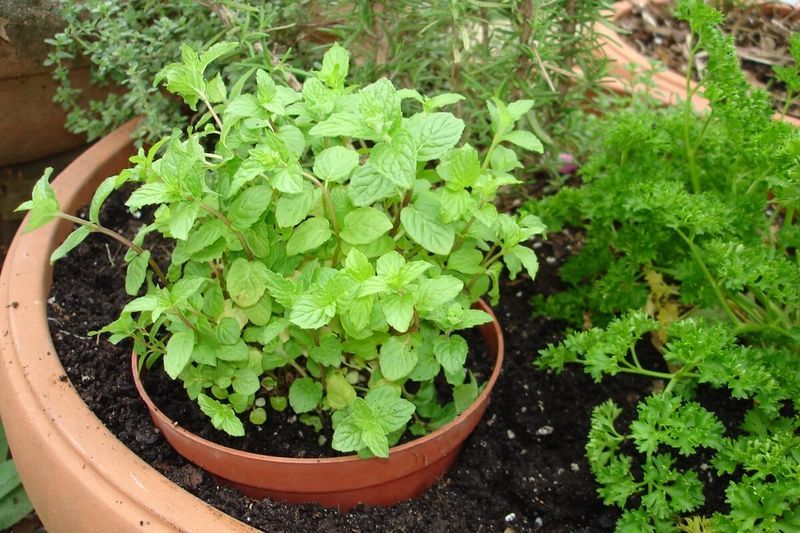
Fair warning up front: mint spreads like it owns the place, so most Texas gardeners grow it in sunken pots or edged beds rather than turning it loose. Contained properly, though, it becomes one of the most useful smell-based rat deterrents you can plant near a wall.
Rodents dislike the sharp menthol punch of mint foliage, and a thick, aromatic patch can make the base of a house feel far less inviting. Crushed leaves release even more scent, so a spot where the plant gets brushed by passing feet works especially well.
Mint handles Texas heat surprisingly well as long as it gets afternoon shade and steady moisture, which makes it a good fit for the shady north side of a home where rats often hide. Keep it boxed in with buried barriers so it doesn’t overrun the garden, and shear it back regularly to keep the leaves young and pungent. You’ll have mint for tea and a fragrant rodent nuisance rolled into one.
6. Barberry
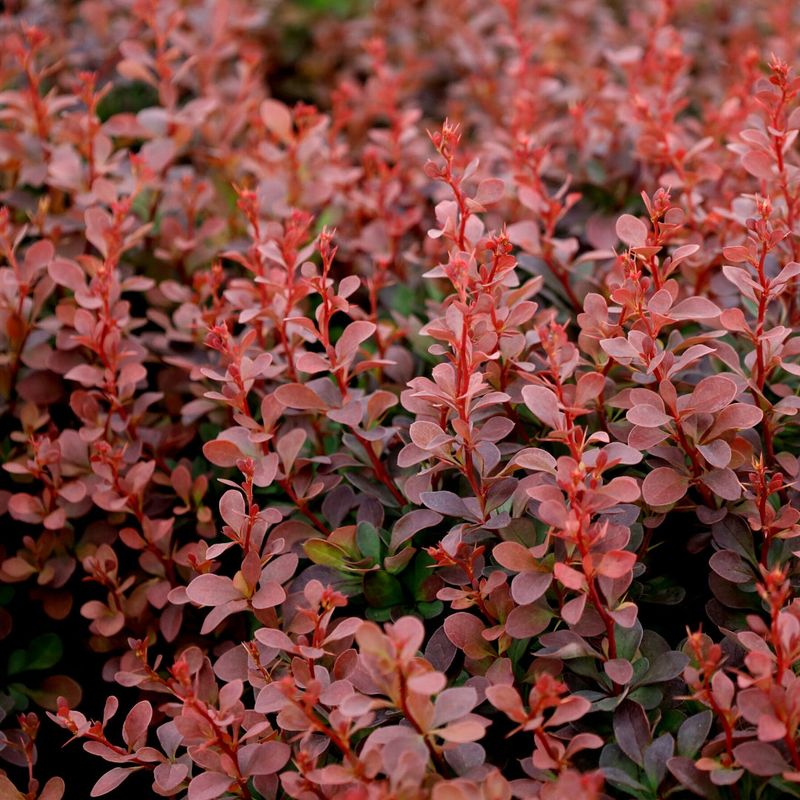
Picture a shrub so densely armed with thorns that even a determined cat thinks twice, and you’ve got barberry. Those tiny spines packed along every stem turn a barberry hedge into a barrier rats would rather go around than through.
The tight, low-branching habit leaves almost no open floor space underneath for a rodent to nest, which is exactly what you want in the vulnerable zone next to a foundation. Its red or burgundy foliage also adds year-round color, so the plant pulls aesthetic weight while it quietly does its defensive job.
Heat and drought tolerance make certain barberry varieties workable in much of Texas, though they appreciate a little afternoon relief in the hottest regions. A quick note worth checking: some barberry types are restricted in certain areas because they can spread aggressively, so ask a local nursery about Texas-friendly, non-invasive selections before planting. Chosen wisely, it can reduce hiding spots and add a splash of color at the same time.
7. Marigold-Flanked Shrub Beds
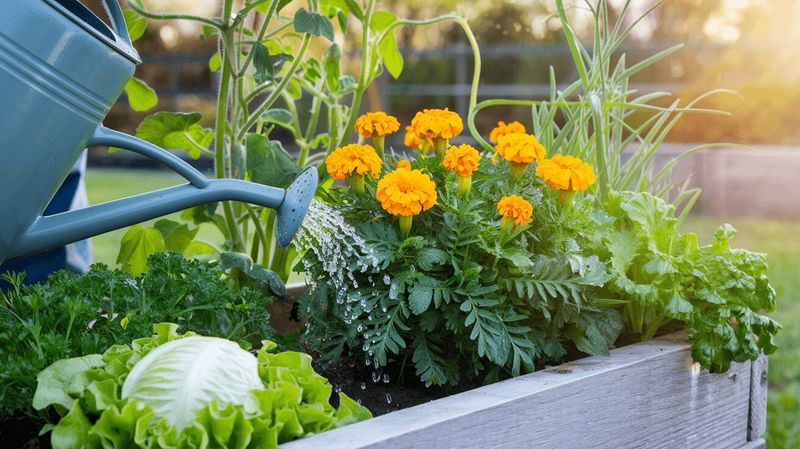
Not technically a shrub, marigolds earn their spot as the perfect companion tucked in and around your foundation shrubs, and Texas gardeners plant them by the flat every spring. Their musky, pungent scent is the whole reason they’re here.
Marigolds give off a smell that many rodents and insects find distasteful, so ringing your cenizo, rosemary, or barberry with a band of bright blooms can add another layer of scent-based discouragement. Think of them as the loud, colorful bodyguard filling the gaps between your bigger shrubs.
Tough as they are cheerful, marigolds bloom straight through the punishing heat of a Texas summer with little more than regular water and full sun. They reseed readily, so a single planting often returns on its own the following year. Layer them along the front edge of a foundation bed and you get pollinator traffic, season-long color, and a fragrant assist in making the whole strip less welcoming to rats.