
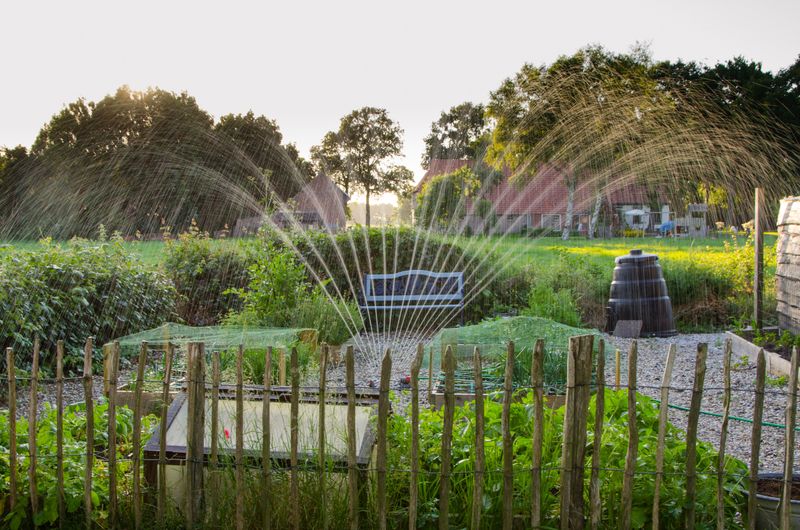
Your tomatoes are drooping, your petunias look scorched, and you swear you have been watering them faithfully. Here is the twist: the time of day you grab that hose might be quietly working against you. Watering at the wrong hour during a heat wave can waste water, stress your roots, and even invite disease. Let’s walk through why timing matters so much and how a simple schedule change can rescue your struggling garden.
Midday Watering Is the Habit Quietly Cooking Your Roots
Picture yourself dashing outside at noon because your tomatoes look thirsty and sad. It feels like the right move, but that scorching-hour soak is often the very thing making them worse.
When you water in the blazing middle of the day, much of what you pour evaporates before it ever reaches thirsty roots. On a 90-degree afternoon, a surprising share of that moisture can vanish into hot air and dry soil within minutes.
Warm surface water can also shock roots that are already straining to cope with heat. Instead of relief, the plant gets a confusing splash that barely penetrates the baked topsoil.
Droplets left on leaves in full sun may act like tiny magnifying glasses, and while they rarely burn foliage outright, the wet-then-baked cycle can leave petunias and hydrangeas looking crispy.
Your effort is real, but the payoff often is not. Recognizing midday as the weakest window is the first step, and the good news is the fix costs nothing but a small shift in your daily routine.
Why Evening Watering Can Invite Mold and Fungus
Evening seems like the obvious hero. The sun is down, the air is cooler, so surely a nighttime drink is perfect, right? Not quite.
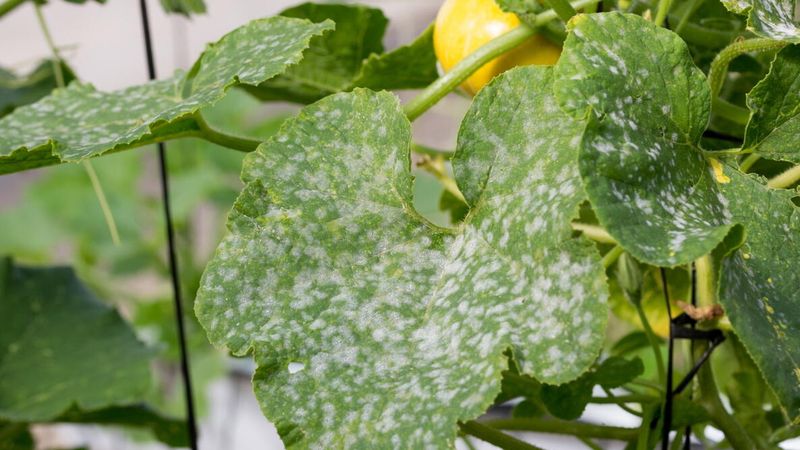
When you water after sunset, foliage and soil stay damp for hours with no warm sun to dry them off. That long, humid stretch overnight can create a cozy home for fungus and mildew.
Powdery mildew, leaf spot, and root rot often thrive in exactly these conditions. Plants like hydrangeas, cucumbers, and squash may show gray patches, spotting, or a musty smell when their leaves stay wet too long.
Slugs and other moisture-loving pests also tend to appreciate a soggy evening buffet, and they can chew through tender growth while you sleep.
None of this means evening watering guarantees disaster. If you must water late, aim carefully at the soil and keep leaves as dry as possible.
Still, the lingering dampness is a genuine risk during humid summer nights, which is why so many struggling gardens improve once evening watering gets retired in favor of a smarter hour.
Early Morning Is the Sweet Spot Your Plants Are Craving
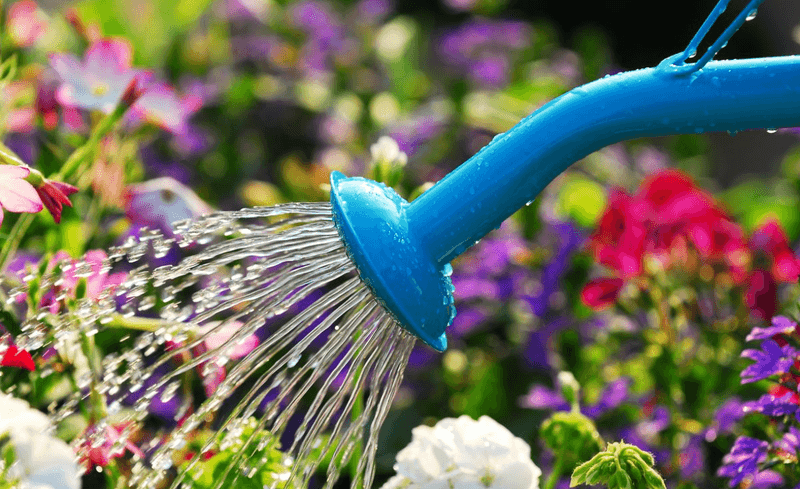
Ask most seasoned gardeners their secret, and the answer is refreshingly simple: water first thing in the morning. Those quiet hours between dawn and about 9 a.m. are pure gold.
Cool air and calm winds mean far less evaporation, so more water actually soaks down to the roots where it belongs. Your plants get a full drink instead of a teasing sip.
Morning moisture also gives foliage the entire day to dry in the gentle early sun. That drying window can dramatically reduce the fungal problems that haunt evening waterers.
There is a bonus, too. A well-hydrated plant heading into the hottest part of the day is far better equipped to handle heat stress, staying perky when your neighbor’s garden wilts.
Roots get a chance to store up moisture before the sun starts pulling it away, almost like packing a lunch before a long, hot hike.
If you can spare even ten minutes with your coffee in hand, a morning watering routine may be the single most effective change you make for a heat-battered garden this summer.
How to Read the Warning Signs of Bad Watering Timing
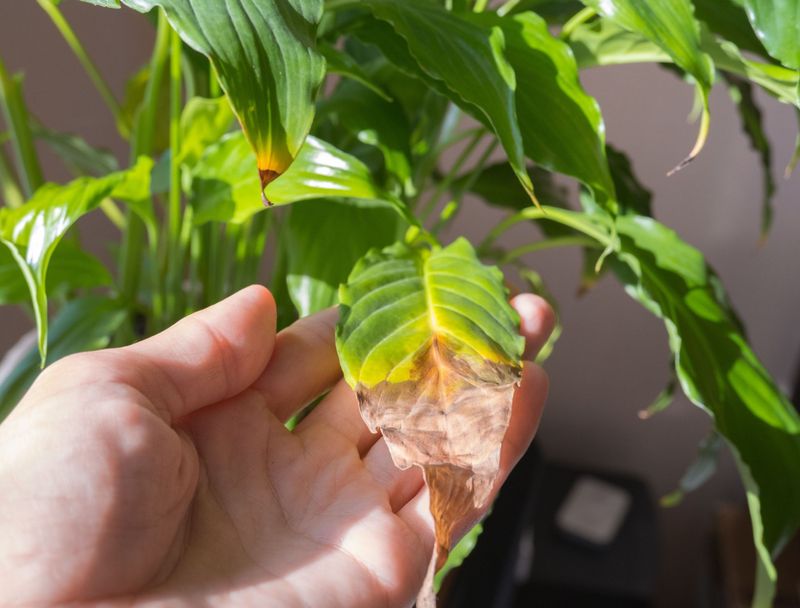
Your plants are constantly sending you messages, and learning to read them can save a whole bed before it collapses.
Yellowing lower leaves on cucumbers or tomatoes may signal that water is either evaporating before it lands or drowning the roots at the wrong hour. Watch whether the yellowing spreads or stays put.
Wilting that lingers into the cool morning is a louder alarm than midday droop. A little afternoon flop can be normal, but a plant still sagging at sunrise is often begging for a timing change.
Crispy brown leaf edges on petunias and hydrangeas frequently point to moisture stress, especially when you have been watering during peak sun and losing most of it to the air.
Fungal spots, fuzzy gray coating, or a sour soil smell can hint that leaves are staying wet too long, which usually traces back to late-evening sessions.
Keep a simple mental log of when you water and how your plants respond. Matching the symptom to the hour you reached for the hose often reveals the culprit faster than any fancy diagnosis.
Smart Techniques That Make Every Drop Count in the Heat
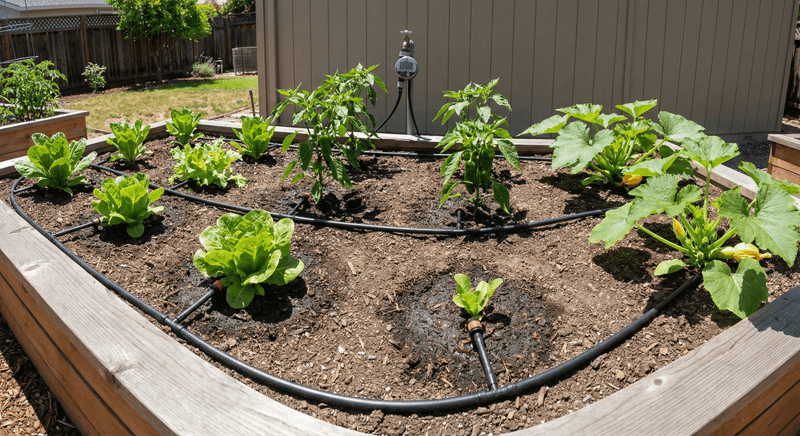
Timing is half the battle; how you deliver the water matters just as much when the temperature climbs.
Aim the hose at the soil, not the leaves. Watering at the base sends moisture straight to the roots and helps keep foliage dry, which can reduce the fungal troubles that plague summer gardens.
A layer of mulch two or three inches deep works like a cozy blanket, holding moisture in and shielding roots from the sun’s punishing heat. Straw, bark, or shredded leaves all do the job nicely.
Soaker hoses and drip lines are quiet champions in a heat wave. They release water slowly and directly, so far less is lost to evaporation than with an overhead sprinkler.
Deep, less frequent watering usually beats a daily light sprinkle. A thorough soak encourages roots to grow downward, where soil stays cooler and moister for longer.
Check the soil with your finger before watering, since guessing often leads to overdoing it. When the top inch feels dry, it is time; when it is still damp, your plants can wait.
Your Quick Game Plan for a Cooler, Happier Garden
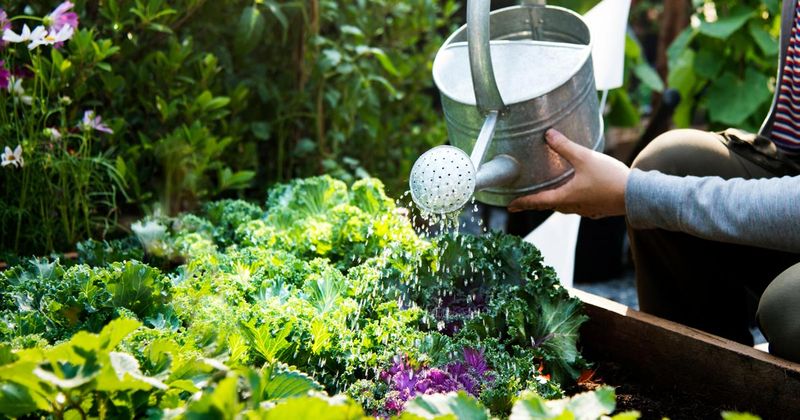
Rescuing a heat-stressed garden really can come down to a handful of easy adjustments you start tomorrow morning.
Set an alarm and water in the early hours, ideally before 9 a.m., so roots drink deeply before the sun turns cruel. Skip the midday panic soak and retire the late-evening habit whenever you can.
Point water at the soil, spread a generous layer of mulch, and lean on soaker hoses or drip lines to stretch every drop through the hottest stretches of the day.
Keep an eye on those telltale signals, the yellow leaves, morning wilt, and crispy edges, and let them guide small tweaks rather than sending you into a frenzy.
Remember that no single trick guarantees a flawless garden, since soil, plant type, and your local weather all play a part. What these habits can do is tilt the odds firmly in your favor.
Give your plants a cool morning start, protect their roots, and watch how much sturdier they stand when the next heat wave rolls through your backyard.