
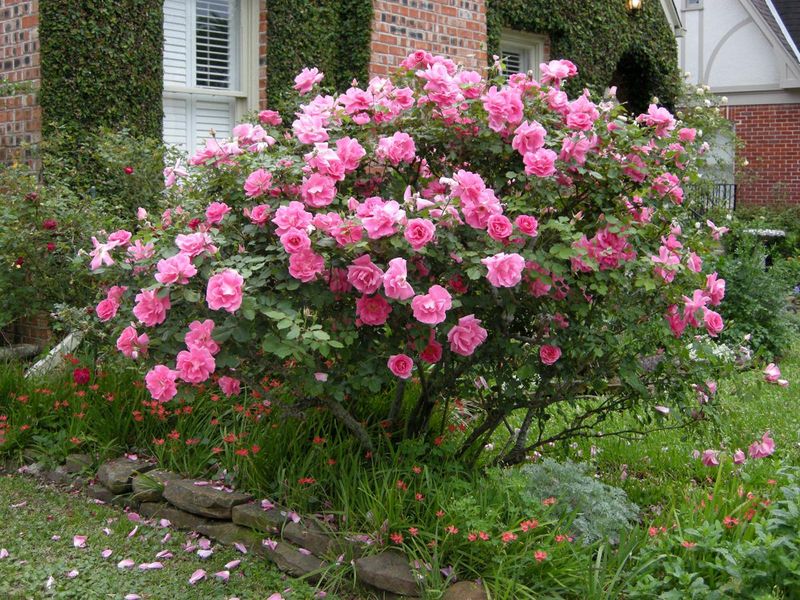
Texas summers do not play nice. Between triple-digit heat, cracked clay soil, and watering restrictions that limit how often you can save your plants, most roses give up before July even arrives. The good news is that some rose varieties were practically built to shrug off this punishment, blooming strong while everything around them wilts. Here are seven tough roses that actually earn their place in a Texas garden.
1. Knock Out Rose
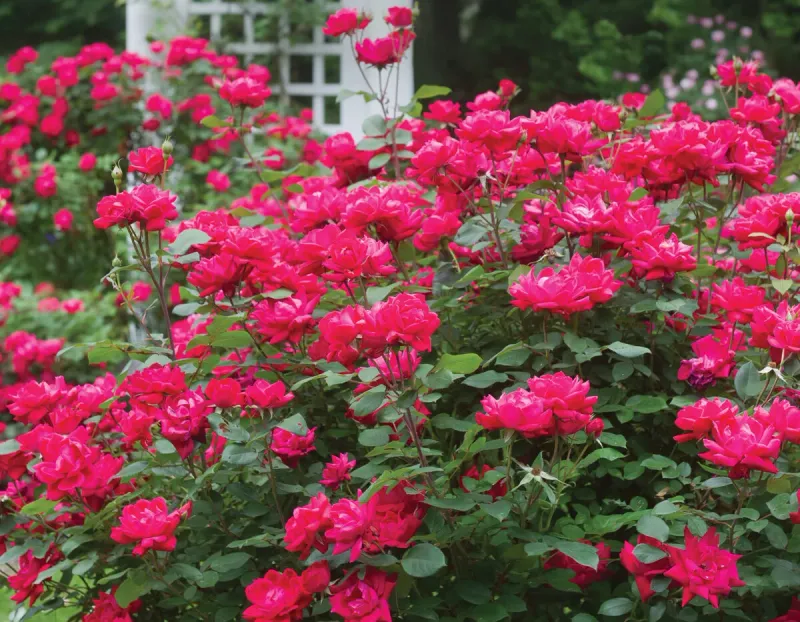
Ask any Texas gardener for a foolproof rose and this one usually gets shouted out first. The Knock Out earned its reputation by blooming from spring straight through the worst of the summer without begging for constant attention.
What sets it apart from the pack is its resistance to blackspot, the fungal headache that flattens fussier roses in humid Gulf Coast air. It keeps pushing out waves of cherry-red and pink flowers even when the thermometer refuses to drop below 100.
Once established, it handles the deep, infrequent watering that fits neatly inside most municipal restrictions. You can skip the fancy fertilizing schedule and still get color. For a homeowner who wants a plant that survives neglect and heat in equal measure, this is the easy starting point.
Fun bit of history: the Knock Out was introduced in 2000 and became one of the best-selling roses in North America almost overnight, largely because it made rose-growing possible for people who thought they had a black thumb.
2. Belinda’s Dream
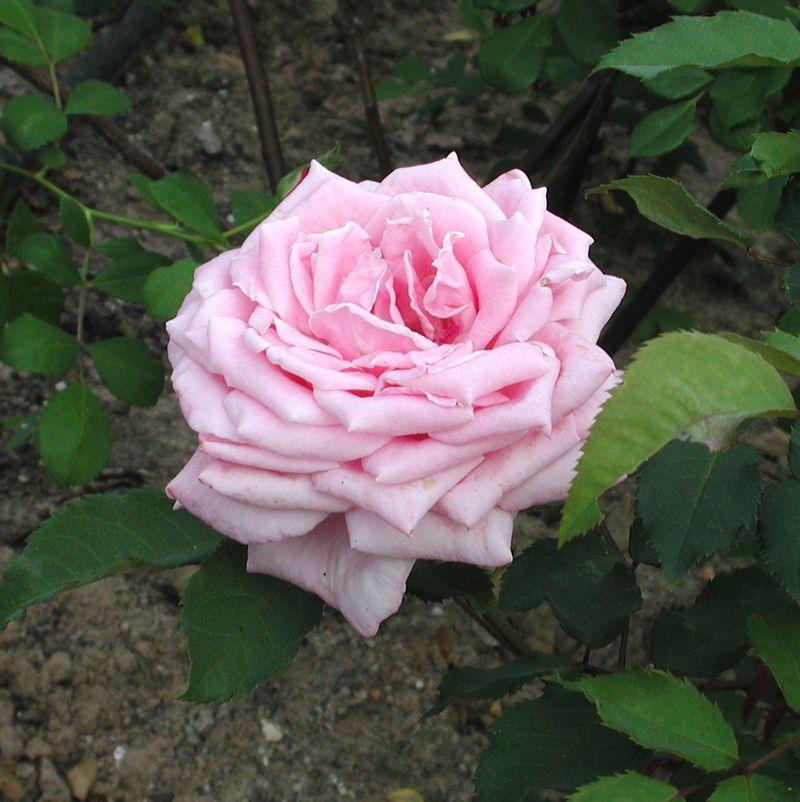
Named a Texas Superstar plant for good reason, Belinda’s Dream feels like it was bred with our state in mind. It actually was, developed by a Texas A&M math professor who wanted a rose that could take the heat and still look like a florist bouquet.
The large, double pink blooms carry a genuine fragrance, which is rare in tough landscape roses. Most heat-warriors trade scent for durability, but this one refuses to make that deal.
It tolerates the alkaline clay soils that dominate much of Central and North Texas, and it shrugs off drought once the roots dig in. Blackspot and mildew barely register on it. Gardeners who want cut flowers for the kitchen table without babysitting a delicate hybrid tea will find this variety hits the sweet spot between beauty and grit.
3. Mutabilis (Butterfly Rose)
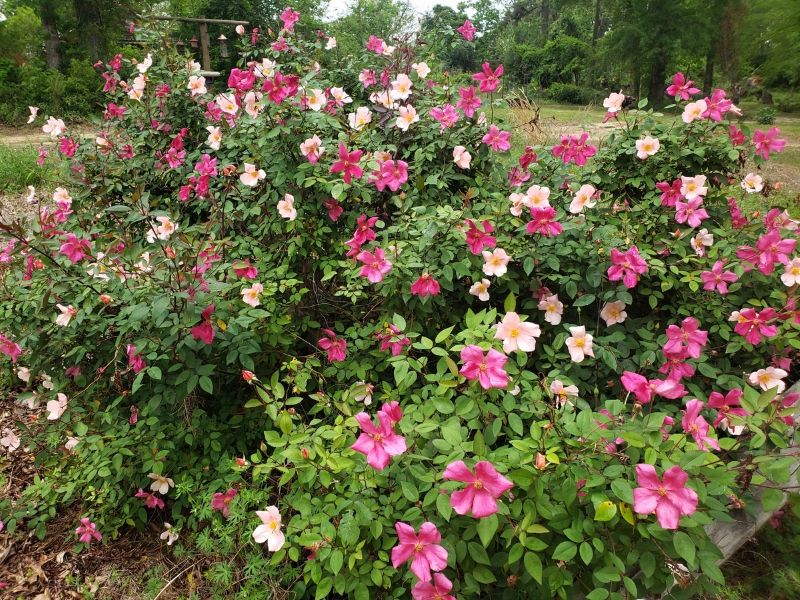
Few roses put on a color show quite like Mutabilis. Its blooms open soft yellow, shift to orange and pink, then deepen to crimson, so a single bush looks like it is covered in a flutter of butterflies at different stages.
An old China rose with roots going back centuries, it has survived in Texas cemeteries and abandoned homesteads with zero care, which tells you everything about its toughness. Gardeners call these survivors “found roses” for a reason.
Heat does not faze it, and it can grow into a large, airy shrub several feet across when given room. It laughs off drought and poor soil, and it keeps blooming right through the dog days when other plants sulk.
If you want a rose with living history baked in, this one has quietly outlasted the people who first planted it.
4. Caldwell Pink
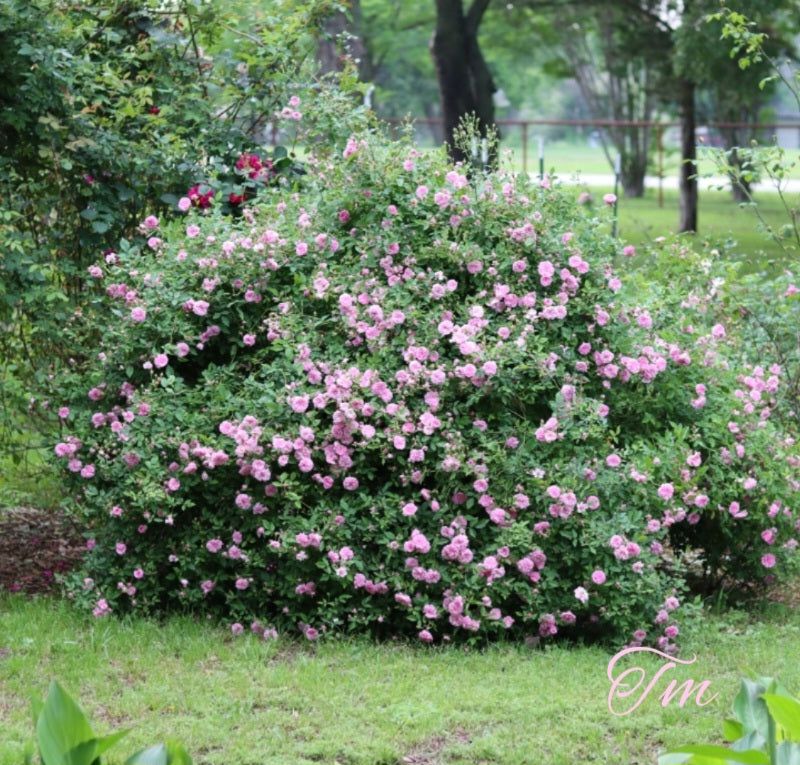
Discovered growing untended in the small town of Caldwell, Texas, this rose is the definition of a survivor. Nobody bred it in a lab; it simply refused to die and got passed along from garden to garden by people who noticed it never quit.
Clusters of small lilac-pink pompom flowers appear almost nonstop from spring through fall. There are no thorns to speak of, which makes pruning and handling far friendlier on the hands.
It stays compact enough for borders and mass plantings, and it holds up to the relentless sun without scorching. Water restrictions barely bother an established Caldwell Pink because it evolved to make do with whatever nature offered on the Texas prairie. For gardeners chasing dependable color in a tight space, it delivers without drama.
5. Cecile Brunner (Sweetheart Rose)
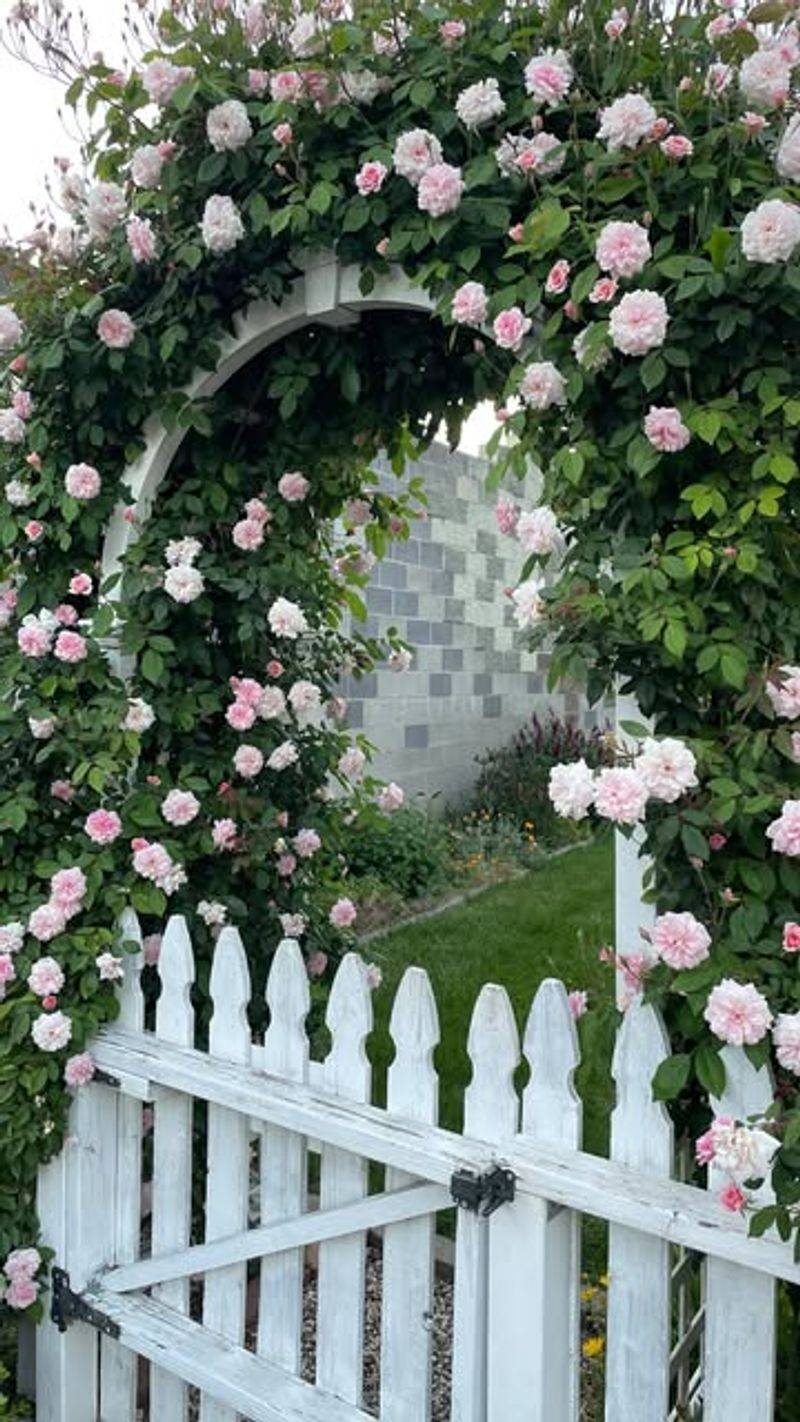
Delicate looks can be deceiving. Cecile Brunner produces dainty, perfectly formed pale pink buds that seem far too refined for a Texas summer, yet the plant behind them is remarkably tough.
The climbing form especially can cover a fence, arbor, or dead tree, throwing out sprays of miniature blooms with a light, sweet fragrance. Once its roots are settled, it endures heat and stretches of dry weather that would send fussier climbers running.
Passed down through generations of Southern gardens since the late 1800s, it has proven it can outlive fences and outlast droughts. Give it something to climb and a bit of patience while it establishes, and you get a graceful cascade of flowers that reads as elegant while behaving like a workhorse.
6. Marie Pavie
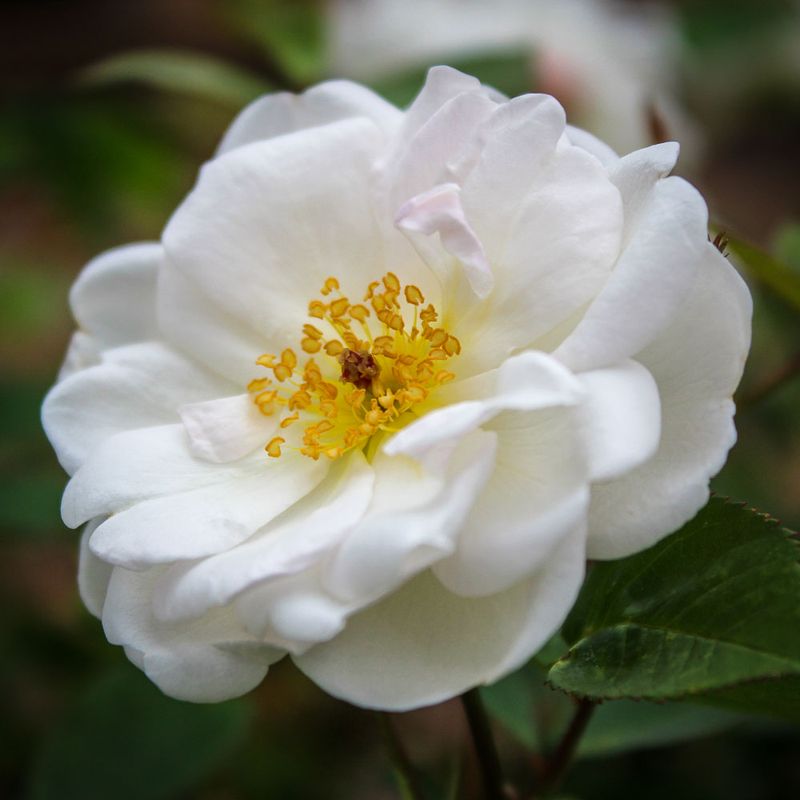
For gardeners who prize fragrance above all, Marie Pavie is a quiet overachiever. Its creamy white-to-blush blooms release a strong, sweet perfume that carries on the evening air after a scorching day.
A polyantha rose dating to 1888, it forms a tidy, nearly thornless shrub that fits comfortably near walkways and patios where you brush past it often. That near-total lack of thorns makes it a favorite for households with curious kids and pets underfoot.
Heat and humidity do not knock it out of its blooming rhythm, and it keeps flowering in flushes through the summer. It also handles the reflected heat off sidewalks and driveways better than most, so those tricky hot spots in the yard finally have a rose that can take them.
7. Old Blush
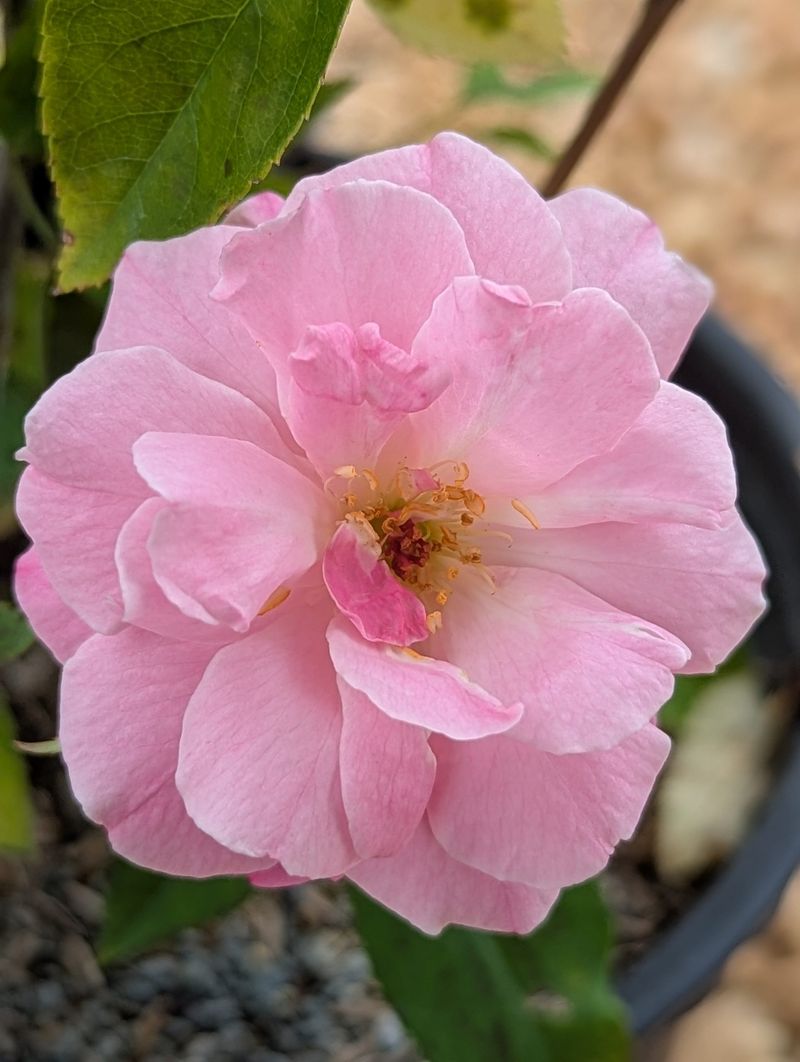
Steeped in more history than almost any rose you can plant, Old Blush arrived from China in the 1700s and helped shape modern roses as we know them. Its heritage is only half the appeal, though.
The medium pink blooms fade to a softer shade as they age, giving the bush a gentle two-tone effect, and it flowers so reliably that Texas gardeners often see it blooming in mild winters too. Few roses match its stamina across seasons.
It thrives on neglect, tolerates poor clay soil, and shrugs off both heat waves and dry spells once its roots are down. You will spot it thriving at old homesteads across the state where it has been ignored for decades and simply kept going. For anyone who wants a low-effort rose with genuine staying power, Old Blush closes out this list as the ultimate proven survivor.