

Some of the most popular plants in California yards can turn into fuel when a wildfire ember lands nearby. Fire inspectors walking through neighborhoods tend to spot the same shrubs and trees again and again, usually planted right up against the house.
Knowing which ones raise red flags can help you protect your home and still keep a yard full of life. Here are ten plants worth a second look, plus smarter swaps for each one.
1. Juniper
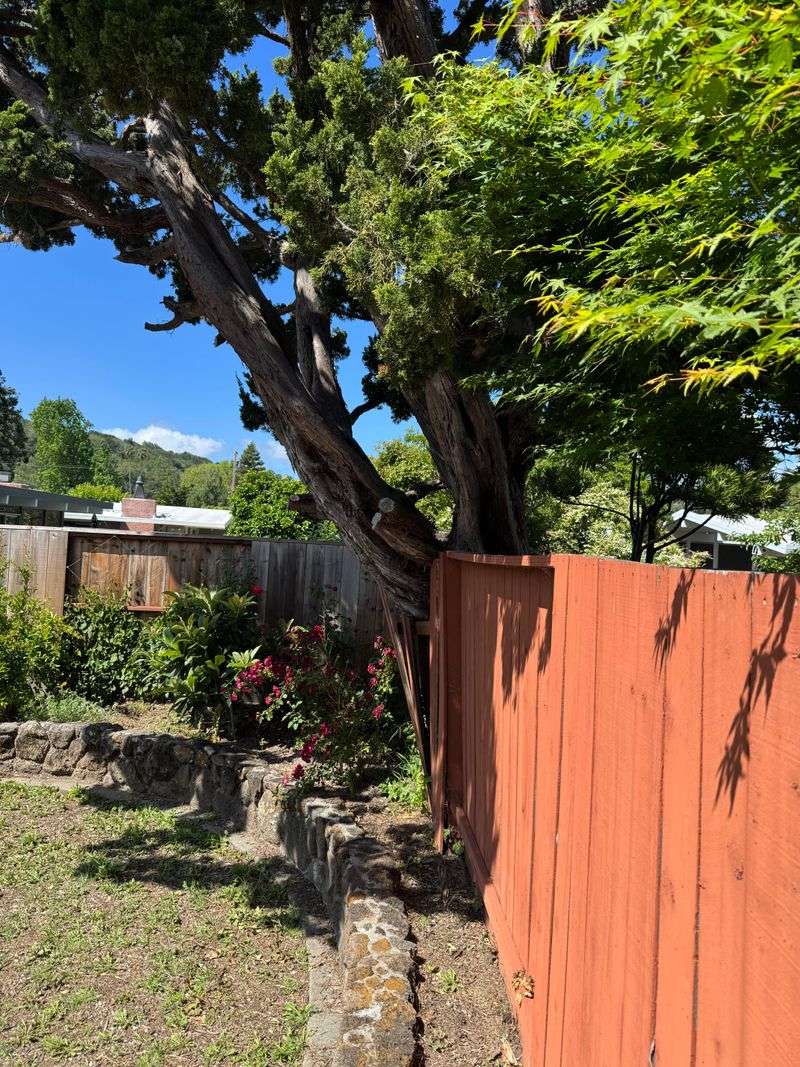
Ask almost any California fire inspector to name their least favorite foundation plant, and juniper tends to come up first. Its dense, needle-like foliage traps dead material inside, and the plant holds resinous oils that can ignite fast and burn hot.
Many homes from the 1970s through the 1990s were landscaped with junipers tucked right under windows and eaves. That placement may be the riskiest part, because flames from a burning shrub can reach siding, vents, and glass within seconds.
If you have juniper inside the first five feet of your home, removal is usually the most direct fix. Low-growing succulents, gravel mulch, or a native like dwarf coyote brush kept well-watered can fill the space with far less fuel.
2. Italian Cypress

Tall, skinny, and elegant, Italian cypress gives a home that Tuscan villa look. Firefighters, though, sometimes describe these columns as roadside torches.
The tight vertical growth packs dry inner foliage into a narrow space, and the oils in the leaves can help fire climb quickly from base to tip. When planted in a line along a wall or fence, one burning tree can pass flames to the next like a fuse.
Keeping them well away from structures is the main goal. If you love the look of an upright accent, consider spacing a few in a watered, open area rather than lining your driveway or patio with them.
3. Eucalyptus

Nobody who lived through the 1991 Oakland Hills fire forgets what eucalyptus can do. The trees shed long ribbons of bark that dangle from branches and pile up on the ground, creating a ready ladder of fuel.
Those bark strips can also carry embers on the wind, sometimes far beyond the tree itself. Add oily leaves and a thick carpet of litter, and it is easy to see why inspectors pay close attention.
Mature trees are a big decision, so many homeowners start with steady cleanup. Rake litter often, remove loose bark within reach, and keep branches trimmed well back from your roof and chimney.
An arborist can help you decide whether removal makes sense.
4. Rosemary
Surprised? Plenty of gardeners are.
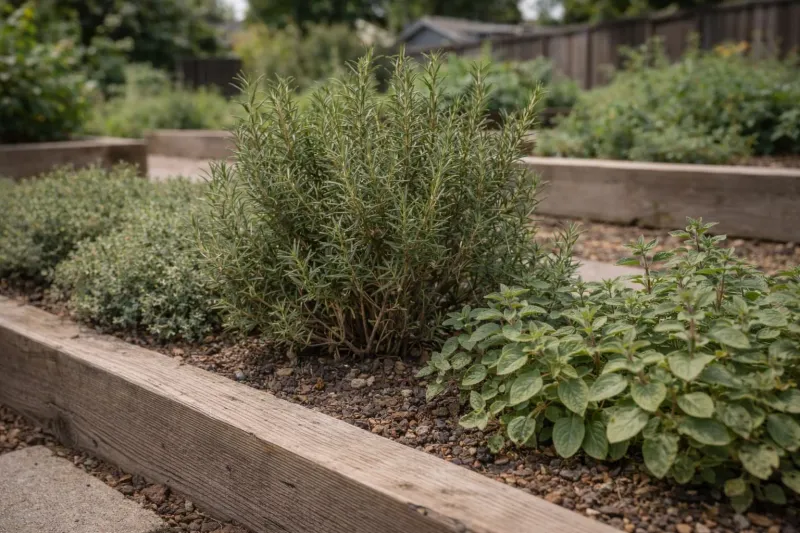
Rosemary feels like the ultimate water-wise herb, and it is drought tolerant, but its fragrant oils can burn intensely once a plant gets woody and dry.
Older rosemary hedges often develop a mass of dead twigs in the center. That hidden tinder is what can turn a pleasant kitchen herb into a flare-up risk next to a wall.
You do not have to give it up. Keep rosemary out of the closest zone near the house, trim out dead wood each spring, and give it occasional deep water in summer.
Bees will keep visiting, and your home stays safer.
5. Fountain Grass
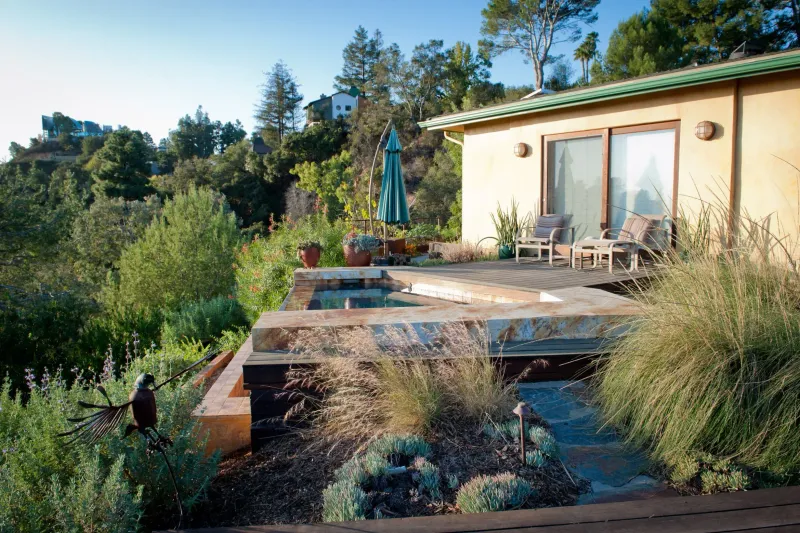
Fluffy plumes swaying in the breeze look lovely in June. By September, those same plumes are often straw-dry and ready to catch a stray spark.
Ornamental grasses like fountain grass cure out in the long California dry season, and fine, airy fuels can ignite almost instantly. Some fountain grass varieties also spread into wild areas, which is why parts of the state discourage planting them.
For a safer swap, try a low, greener groundcover close to the house, or move grasses farther out where you can cut them back hard each year. Native options such as deer grass placed with plenty of space can work in outer zones.
6. Bamboo

Privacy is the reason most people plant bamboo. A thick green screen goes up fast, and suddenly the neighbors disappear.
The catch is all that dense growth piled against fences and walls. Dead canes and dropped leaves build up at the base, and burning bamboo can pop and throw sparks as air inside the canes heats up.
Wood fences connected to the house make it even trickier, since flames can travel straight along them. Clear leaf litter regularly, thin out dead canes, and think about a screen of well-spaced, watered shrubs instead of a solid wall of bamboo.
7. Pine
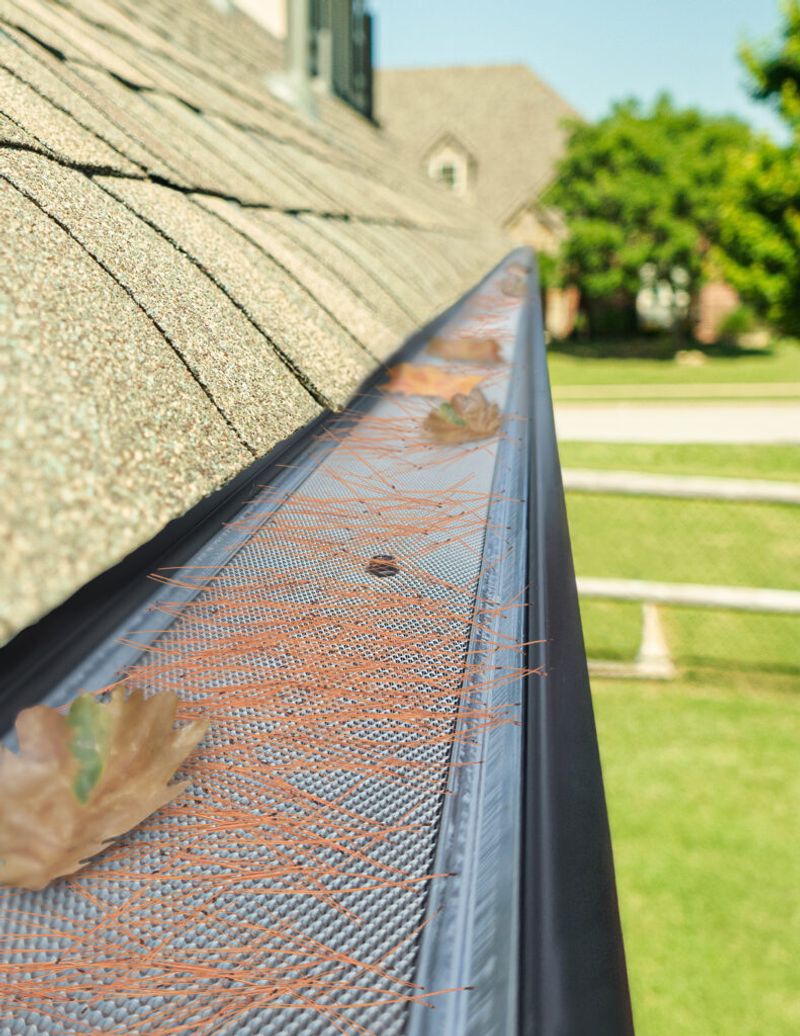
Picture a cabin roof in the Sierra foothills with a tidy layer of brown needles in the gutters. That cozy scene is exactly what inspectors hope not to find.
Pine needles are fine, resin-rich fuel that catches embers easily, and they love to collect on roofs, in gutters, and against decks. Low branches can also act as ladders that carry ground fire up into the canopy.
Clean gutters and roofs often, especially before late summer. Limb up branches several feet off the ground and keep them at least ten feet from chimneys, which many local rules require.
8. Acacia
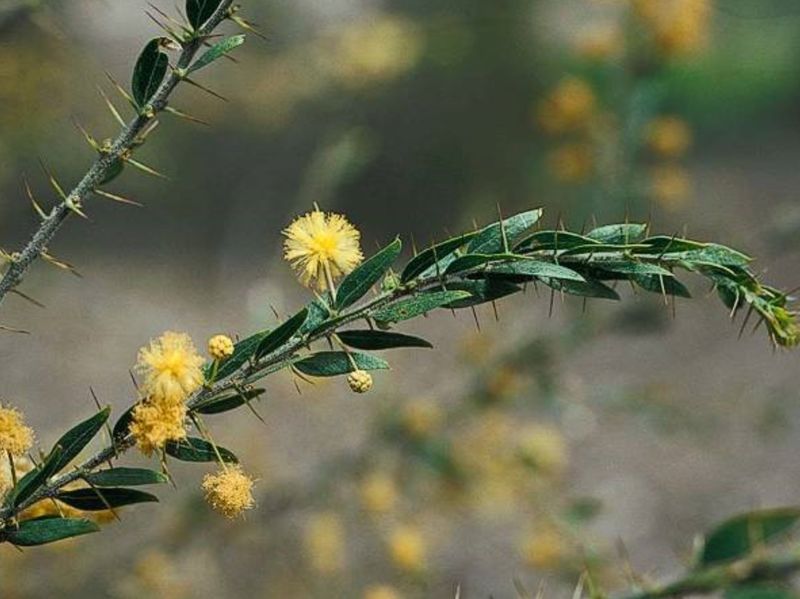
Bright yellow blooms in late winter make acacia a cheerful sight. Year-round, though, many species pile up fine twigs and dry seed pods that burn readily.
Acacias grow fast and can form thick, brushy stands. Several kinds have also escaped gardens and crowded out native plants along California coasts and canyons.
If acacia sits near your home, prune out dead growth and thin it heavily, or replace it with a native shrub like toyon or coffeeberry kept watered and spaced out. Those natives can also offer berries and cover for birds.
9. Pampas Grass

Here is one that checks two boxes for inspectors. Pampas grass is flagged as an invasive plant in California, and its giant clumps hold heaps of dry leaves that can burn fiercely.
A single plant can release enormous amounts of seed, spreading into hillsides and open space. The sharp, dense foliage also makes cleanup difficult, so dead material just keeps building.
Removal is usually the best path, ideally before the plumes set seed. Wear gloves and long sleeves, and consider native bunchgrasses or low succulents to fill the gap.
10. Bark Mulch Beds Under Shrubs

Technically not a plant, but it travels with plants everywhere. Shredded bark, sometimes called gorilla hair, can smolder from a single ember and carry fire right up to your siding.
California’s newer Zone 0 guidance focuses on the first five feet around a home as an ember-resistant area. Wood mulch and dense plantings in that strip are among the things inspectors may point out.
Swapping to gravel, pavers, or decomposed granite near the walls can reduce risk while keeping beds neat. Save organic mulch for beds farther out, where it can still help hold moisture for your water-wise garden.