
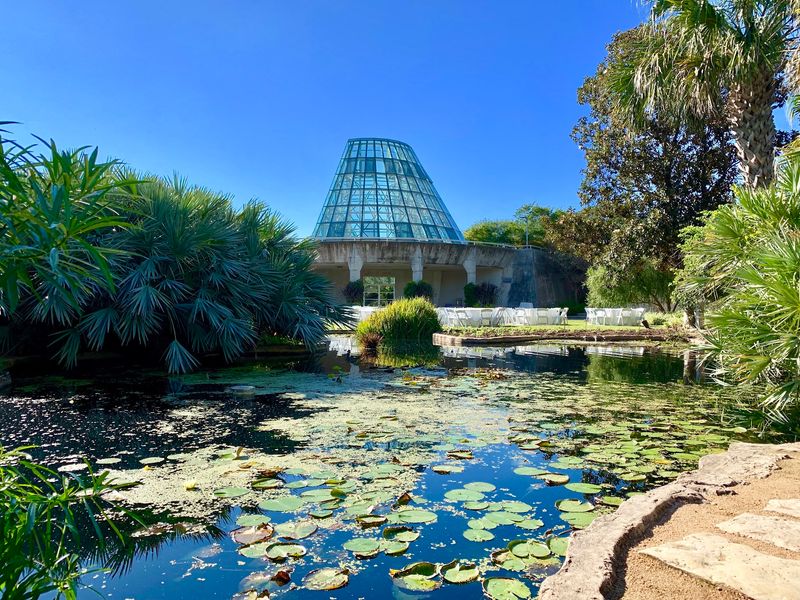
Most Texas gardens look tired by December, but one spot in San Antonio seems to wake up when the weather cools. The San Antonio Botanical Garden spreads across 38 acres of trails, native plants, glass conservatories, and quiet ponds.
When the triple-digit heat finally breaks, the paths get comfortable, the conservatory feels like a warm escape, and holiday lights take over the grounds at night. If you garden in Texas, a winter visit here can give you fresh ideas for your own yard and a reason to get outside when everything else looks brown.
A 38-Acre Green Pocket in the Middle of San Antonio
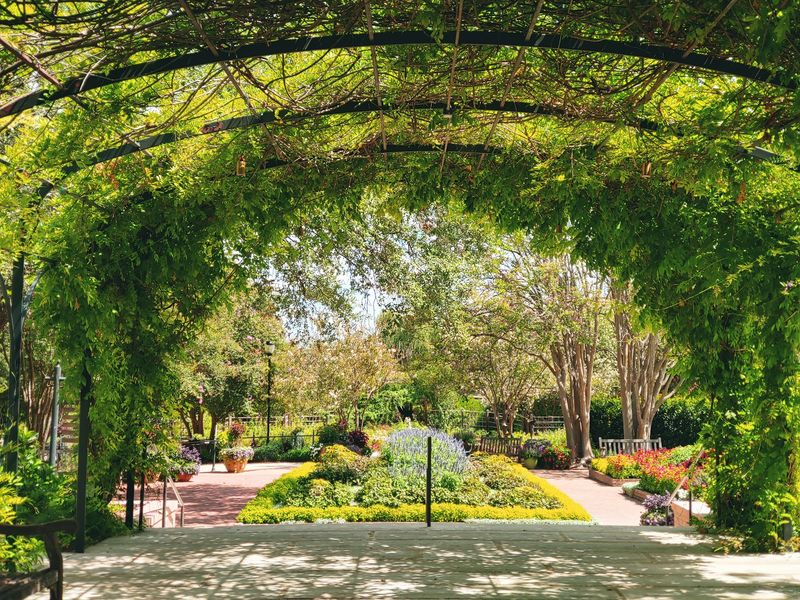
Tucked at 555 Funston Pl, just north of downtown, the San Antonio Botanical Garden sits right in the city yet somehow feels miles away from traffic. Its 38 acres hold trails, a pond, rose beds, native plantings, a glass conservatory, and places to grab coffee or a meal.
Visitors often mention how the garden manages to serve lots of different people while still keeping a calm, quiet mood. One recent guest described it as a multi-use space that still delivers real serenity, which is no small trick in a busy city.
The numbers back up the good feelings. With a 4.7-star rating across more than 8,600 Google reviews, it ranks as one of the most loved outdoor spots in South Texas.
For home gardeners, the appeal goes beyond pretty views. The grounds work like a living catalog of what grows in Texas conditions, from shade-loving beds to sun-baked native areas, so you can see plants at full size before you buy anything for your own yard.
Why Cool Weather Changes Everything
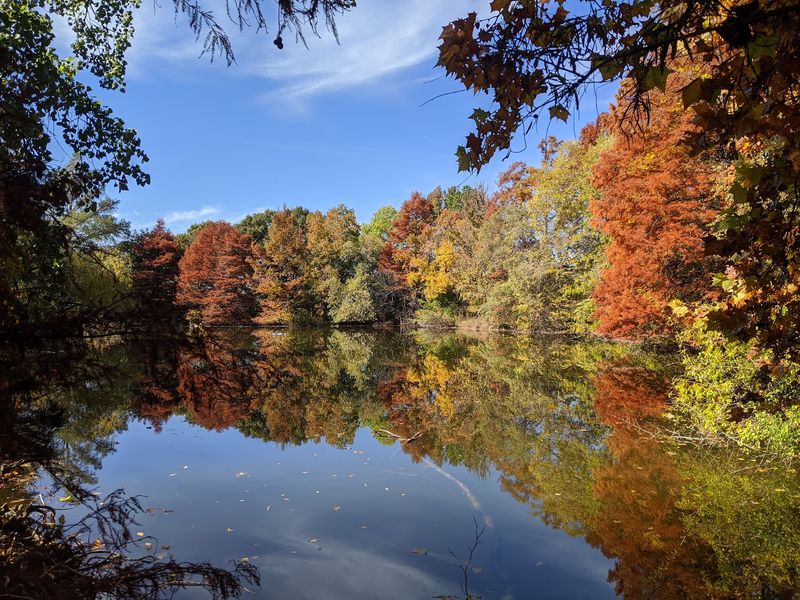
Ask anyone who has walked these trails in July, and they will tell you about the heat. Reviewers who came in summer called it worth it but admitted it was super hot by midday, and even October visitors were still advising guests to arrive early and bring water.
That is exactly why winter makes so much sense here. Several regulars specifically recommend going on cooler days, when the roughly two-mile trail feels like a pleasant stroll instead of a sweaty march.
Cooler months also tend to mean fewer mosquitoes, which one evening visitor noted were thick after a humid, rainy fall day. Texas winters are usually mild enough that you can enjoy the outdoor sections comfortably in a light jacket.
Think of it as the reverse of the rest of the country. While northern gardens shut down for snow, South Texas gardens get their most walkable stretch of the year, and this one makes the most of it.
Holiday Lights That Transform the Grounds
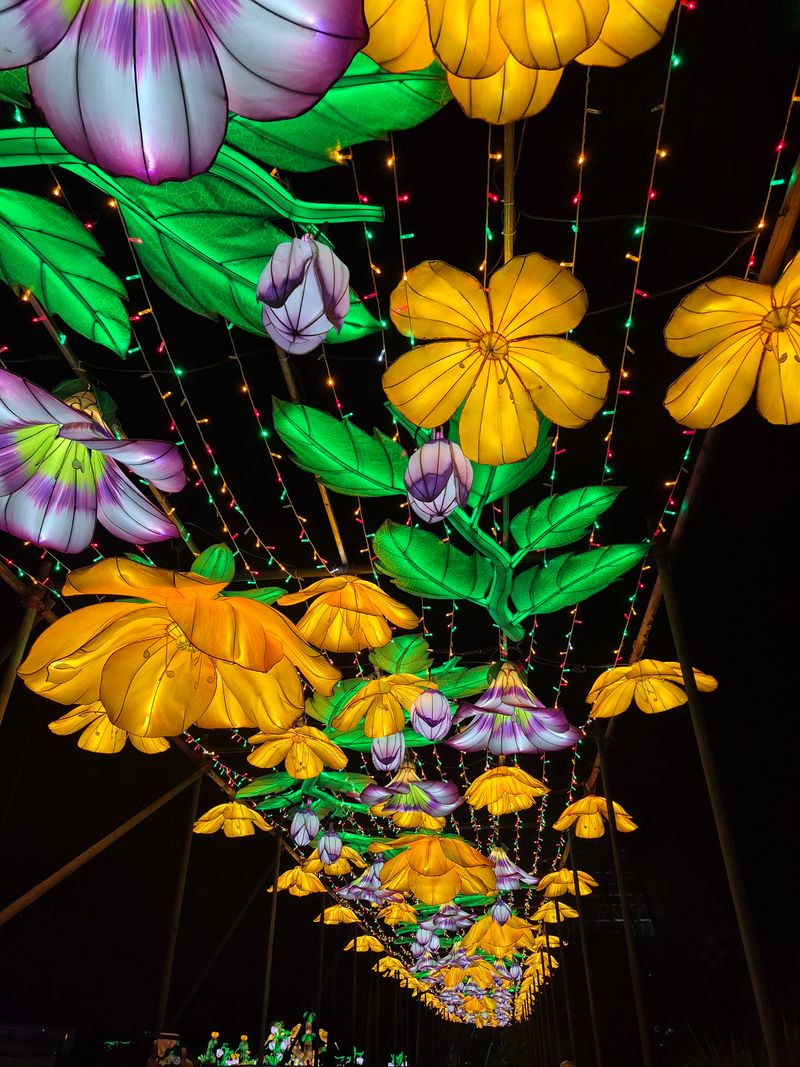
Picture the same paths you walked at noon, now glowing with thousands of lights and illuminated animals tucked among the plants. Lights and lightscape displays come up again and again in reviews, with more than 160 combined mentions.
One guest who went in December 2025 for the event called Illuminate described a huge illuminated trail packed with light displays, including many glowing animals spread throughout the grounds. Walking the garden at night made it feel like a completely different place, and they took tons of photos along the route.
Even summer visitors talk about planning a return trip for the holiday light extravaganza. That kind of anticipation says a lot.
Event names and dates can change from year to year, so check the garden website before you go. Night events may also run on separate tickets and hours from the regular 9 AM to 4 PM schedule.
The Glass Pyramids of the Lucile Halsell Conservatory
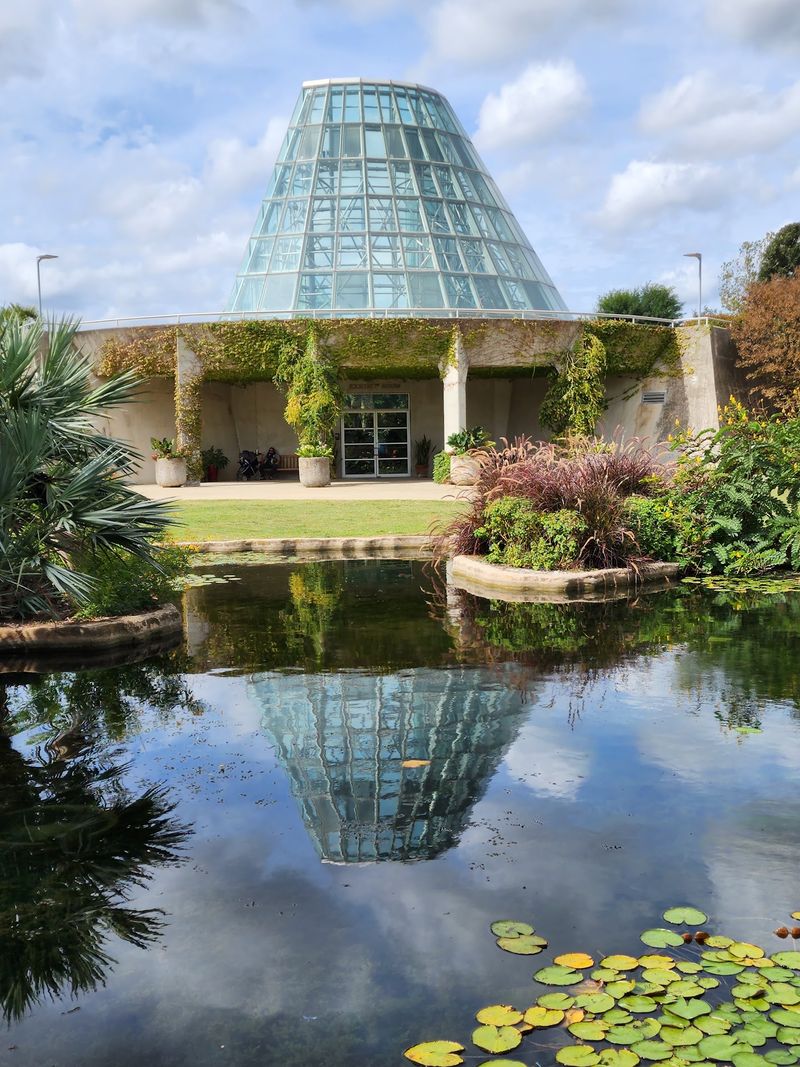
Sharp glass cones rising from the ground make the Lucile Halsell Conservatory one of the most photographed structures in the city. Walking beneath them, one reviewer said, feels less like visiting a garden and more like entering an underground sanctuary.
Inside, the Palm and Cycad Pavilion surrounds you with towering palms, unusual cycads, and the soft sound of hidden waterfalls. Conservatories earn around 60 mentions in reviews, and orchids pull in nearly 50 more.
On a chilly, gray January afternoon, stepping into that humid, green space is a real treat. It gives you tropical color when most outdoor beds are resting.
Gardeners who grow orchids or tropical houseplants can pick up practical clues here too. Pay attention to how plants are grouped by light and moisture, then try copying that idea on a sunny windowsill or in a covered patio corner at home.
Quiet Corners of the Japanese Garden
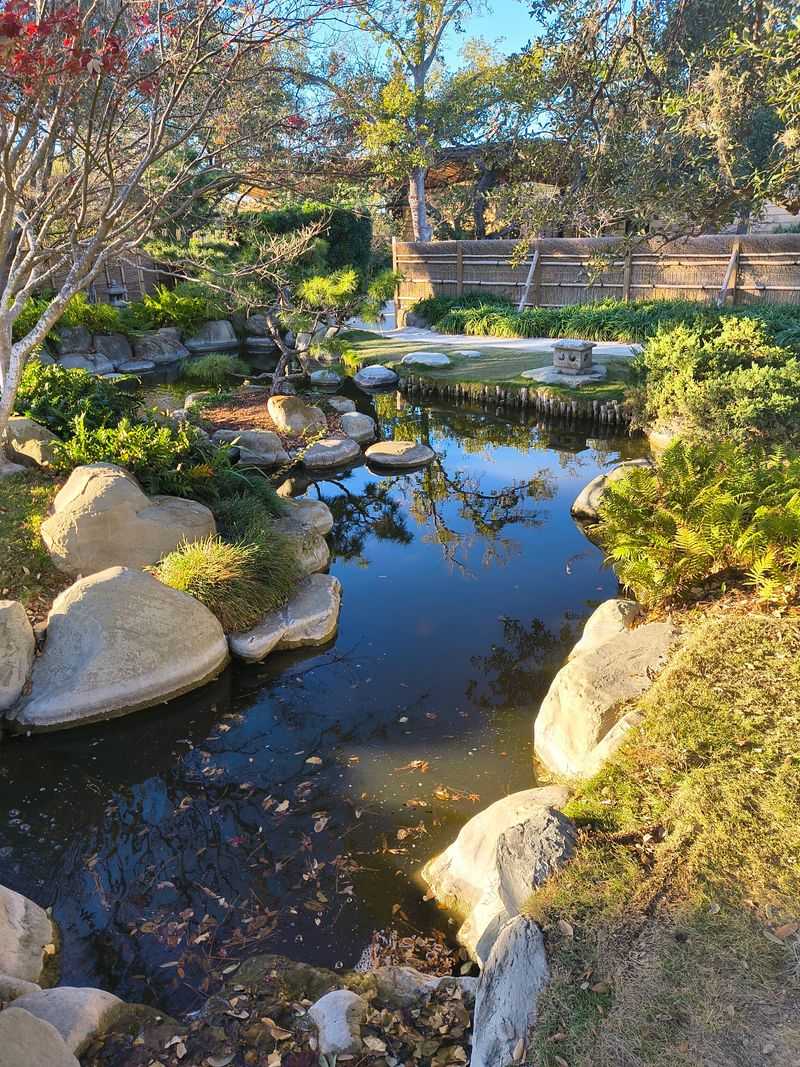
Slow down for this one. A stone bridge, a traditional lantern, bamboo-style fencing, and carefully pruned pines come together in what many guests call the most relaxing spot on the property.
One detailed review praised the mossy ground cover, smooth rocks, a gently flowing stream, and a small pond that reflects the trees above. Sunlight filtering through mature canopy creates soft, dappled shade across the lawn.
Winter suits this area well, since much of its beauty comes from structure rather than flowers. Evergreen shapes, stone, and water look just as good in January as in May.
Here is the takeaway for your own yard. If your beds look bare after the first freeze, adding a few rocks, a small water feature, or neatly shaped evergreens can give your garden year-round bones that do not depend on blooms.
Native Plants You Can Actually Take Home
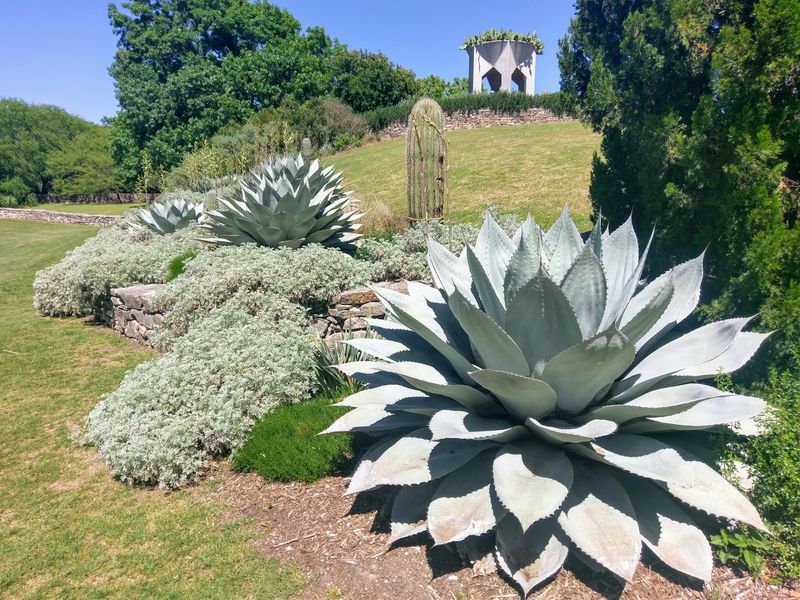
Here is a garden that does not just show off Texas natives, it sells them. Several visitors pointed out that native plants are available on site, and the gift store carries plants straight from the garden nursery.
Walking the native plant areas first is a smart move. You get to see how mature specimens look in local soil and heat, which can help you pick plants that may handle drought and watering restrictions better than thirsty imports.
Cool months happen to be a strong planting window across much of Central and South Texas. Roots can settle in before the summer heat returns, giving new plants a better shot at surviving their first July.
Bring a notepad or snap photos of plant labels as you go. Then compare what thrives here with the sun and shade in your own yard before you buy.
Birds, Butterflies, and Backyard Lessons
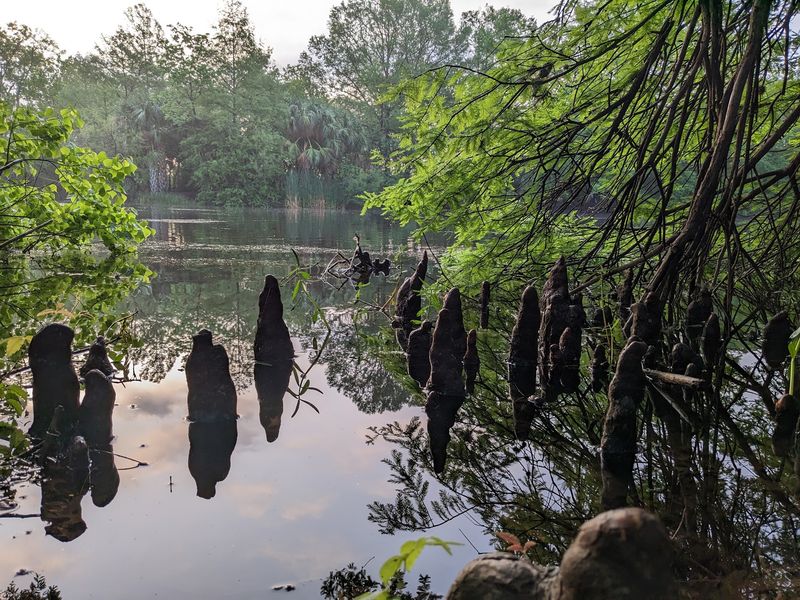
Bring binoculars. One birder reported adding several lifers, meaning species seen for the first time, during a single visit.
Other guests describe shady benches perfect for watching birds, plus plenty of butterflies and dragonflies around the gardens and pond. The mix of water, shade trees, and native plantings seems to create good habitat for local wildlife.
For homeowners, that combination is worth studying. Water, layered plants, and natives that offer food and cover can make a backyard more inviting to birds, though results will vary with your neighborhood and setup.
Winter can be a rewarding time to look, since bare branches can make birds easier to spot. Sit quietly near the pond for a few minutes and see who shows up.
Family Garden Fun and a Splash Pad
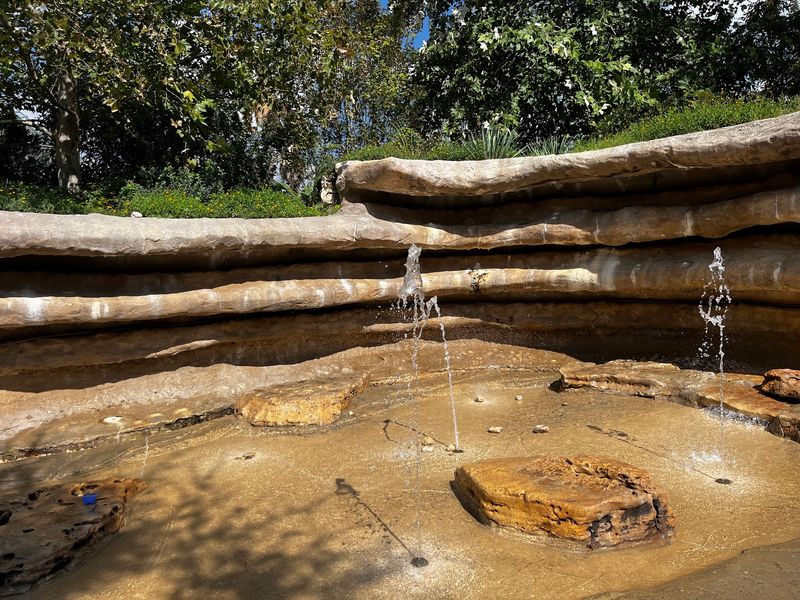
Kids get their own territory here, and parents seem thrilled about it. Family-friendly is the single most mentioned topic in reviews, with nearly 390 mentions.
The family garden includes a splash pad and a shallow stream where little ones can play, and adults can dip their toes in too. One parent said their two young kids had so much fun in the water they could not wait to return.
In winter, the splash area may be less of a draw, but the family garden still gives children room to explore and use their imagination. Shaded seating nearby lets grown-ups rest while kids roam.
Another bonus for dog owners: guests mention the garden is pet friendly, with water pools set out for dogs along the way. Check current pet rules on the website before bringing yours.
Rotating Art and Seasonal Exhibits

Exhibits rack up more than 260 mentions in reviews, and for good reason. The garden keeps rotating art and events, giving locals reasons to come back again and again.
Past highlights include a Frida Kahlo exhibit, the imaginative Otherwild art installation, and Jardin de las Catrinas, featuring Day of the Dead figures by Mexican artist Regina Moya. Many visitors loved the detailed Catrinas and the stories that came with them.
Not every review was glowing, though. A few guests found the Catrina stations spread out and hard to locate, even with a map, so allow extra time and ask staff for directions.
Members say the steady lineup of seasonal events makes a membership pay off. If you live nearby, that may be worth considering before the winter lights season begins.
Hours, Tickets, and Smart Planning
Daytime hours are simple: 9 AM to 4 PM, seven days a week. Plan for around two to two and a half hours, since one group spent that long and still missed a section.
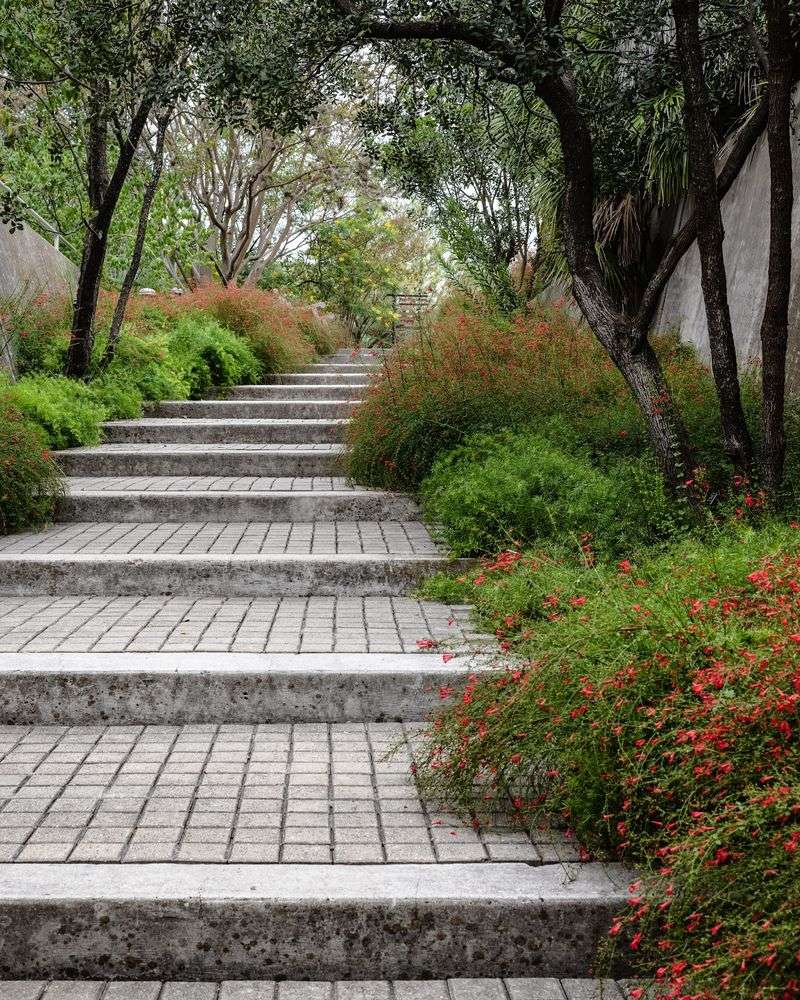
Parking is free and plentiful, according to several guests. Paths are gentle and accessible for people with limited mobility, which makes the visit easier for grandparents and strollers.
Price is the most common complaint. One couple paid $40 for two adults even with a military discount, and another visitor was surprised to learn the printed map cost extra.
On the bright side, visitors say weekday tickets cost less than weekends, and teacher and military discounts are available.
Food options include a coffee shop with house-made syrups and an on-site restaurant with a seasonal menu, which some call pricey but good. Call +1 210-536-1400 or visit sabgtx.org for current prices and event details.
Is a Winter Trip Worth It?
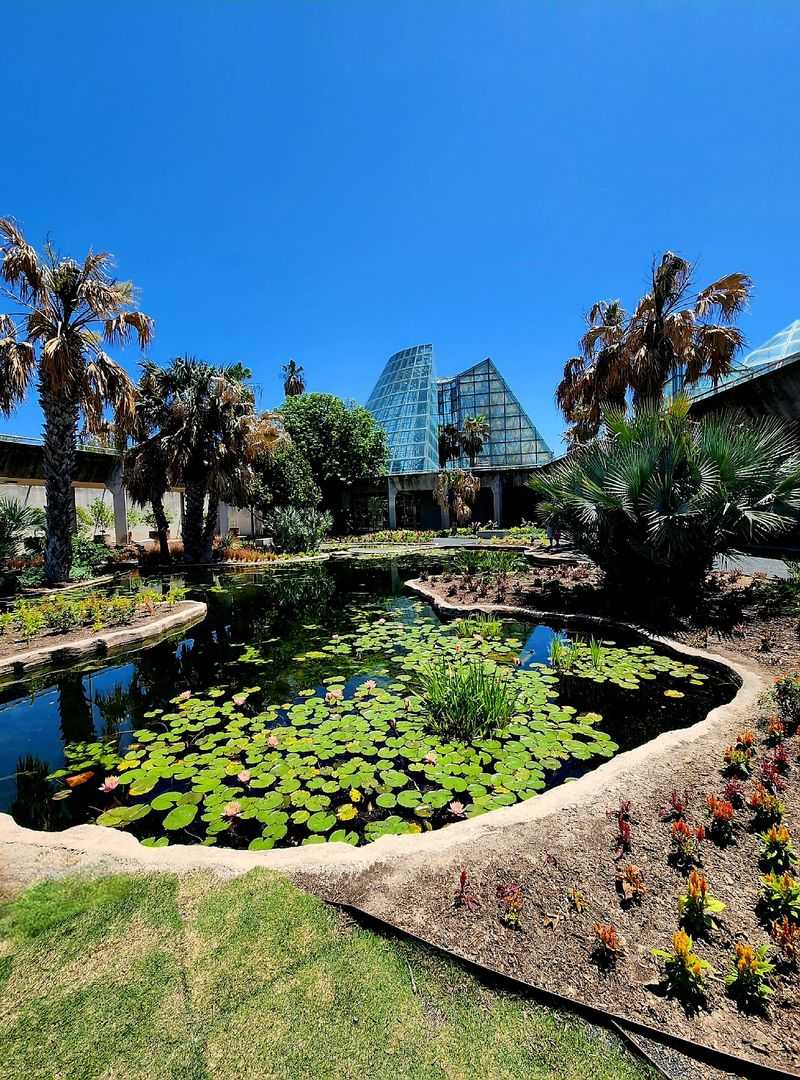
For most Texas gardeners, the honest answer is yes, with a couple of caveats. The garden earns its strong reputation through peaceful paths, a striking conservatory, inspiring native beds, and seasonal events that change the experience each visit.
Some guests felt the ticket price was steep, and occasional renovations have closed sections or added construction noise. Checking the website first can help you avoid surprises.
Still, cooler months remove the biggest drawback here, which is the heat. Add holiday lights, a warm glass pavilion full of palms, and a nursery stocked with plants suited to Texas yards, and winter starts to look like the sweet spot.
Go on a weekday, bring a notebook for plant ideas, and leave room in the car for a native plant or two. Your spring garden might thank you.