
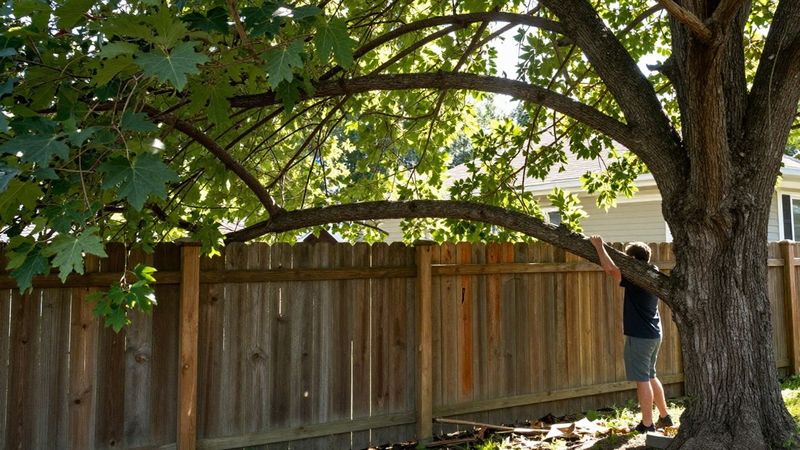
Come December, the sun sits low and your tomato bed may be stuck in the shadow of a neighbor’s big tree. It feels like someone should be able to fix that.
California law has a fairly clear baseline, and a few narrow exceptions are worth knowing about. Here is how to sort out what applies to your yard before you grab the pruning saw or a lawyer’s phone number.
What California’s baseline rule means for a shaded garden
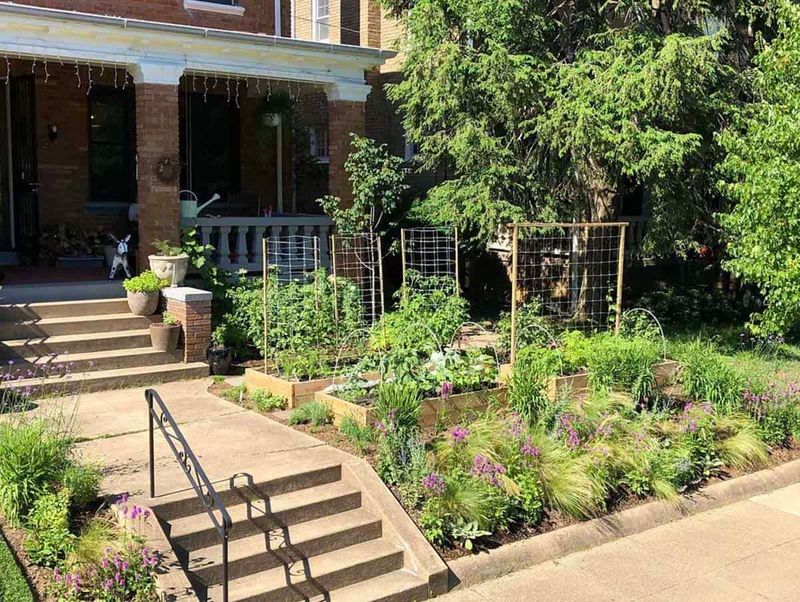
Here is the short version: ordinary shade from a neighbor’s tree does not, by itself, give you a statewide right to sunlight. It also does not give you a right to make the neighbor prune or remove the tree.
That can feel unfair when you have put hours into your beds, but it is the general rule California courts have followed for a long time.
In Grandona v. Lovdal, the California Supreme Court dealt with a dispute over a garden and crops.
The court said the mere shade of a neighbor’s trees did not violate the adjoining owner’s rights. The case is old, but it set the tone for how shade is treated.
The Court of Appeal later repeated the point in Sher v. Leiderman.
Ordinary blockage of sunlight is not an actionable nuisance, even when it hurts the affected property, unless an exception such as malice applies.
These cases support the general rule about ordinary shade. They do not settle every local ordinance, written agreement, easement, or separate property-damage dispute.
Think of them as the starting line. Your own facts, your city or county code, and any paperwork tied to your lot may raise different questions, and nothing in a general article is a ruling on your situation.
Why winter shade changes the garden before it changes the law
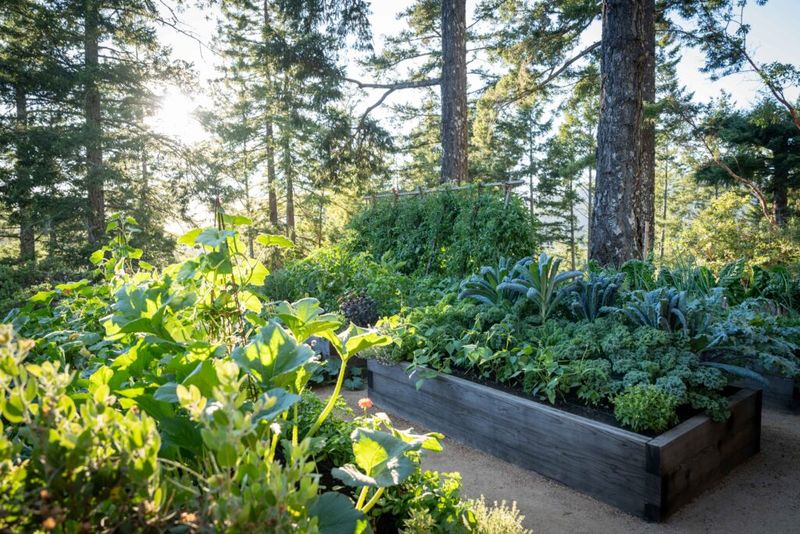
Winter sun rides lower in the sky, so every tree, fence, and roofline throws a longer shadow. A bed that bakes in July can sit in shade from breakfast to dinner in January.
UC Master Gardeners of Placer County point out this seasonal shift and suggest judging a garden’s light across the year, not on one sunny afternoon.
A simple way to do that is to check each bed at midmorning, noon, and midafternoon, and jot down which spots are in sun. Repeat it every month or so.
A phone photo from the same spot each time works well too.
Then compare your notes with what the plants need. UC guidance generally puts full sun for vegetables at about six to eight hours a day.
Some leafy greens and root crops, such as lettuce, chard, and beets, can tolerate less, as UC Master Gardeners explain in their guide to growing vegetables with less than six hours of sun.
If a bed falls short, practical fixes come first. Containers can be moved to sunnier spots, and shade-tolerant crops can take over the dim beds.
These are gardening adjustments, not legal remedies. A smaller winter harvest is a real frustration, but by itself it does not give you a legal claim.
When a deliberately planted screen may cross a legal line
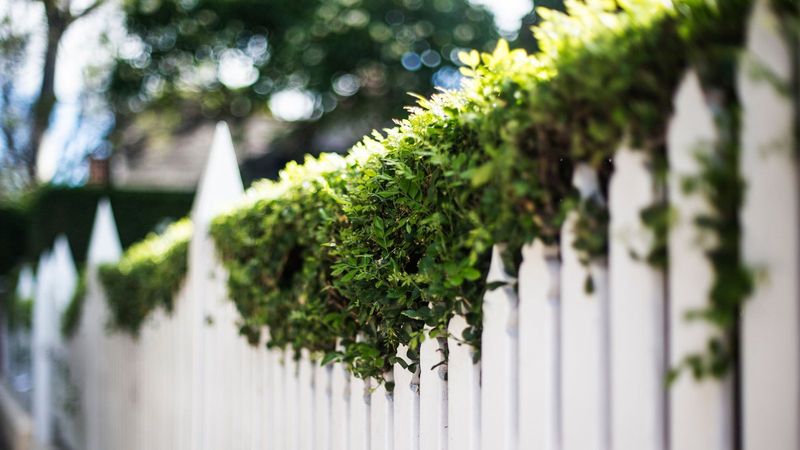
Now for a narrow exception. California’s spite fence law, Civil Code section 841.4, covers a fence or fence-like structure that unnecessarily exceeds 10 feet in height.
It also has to be maliciously erected or maintained to annoy an adjoining owner or occupant. All of those pieces matter.
A lone tree that happens to be tall is not automatically a spite fence. Neither is a row of trees that simply grew large.
Height and shade alone do not meet the test.
The question of trees came up in Wilson v. Handley.
The court said a deliberately planted row of trees could potentially qualify as a spite fence. It did not say that every such row, or every tall tree that blocks sunlight, breaks the law.
Clues that raise the question include a dense row planted right on the boundary, a sudden planting after a dispute, or a pattern of hostile behavior. Those clues are not proof.
Whether the statute applies depends on the facts, especially the purpose behind the planting or upkeep. Because malice is hard to show, this is a situation where talking with a qualified attorney is wiser than guessing.
Could a local rule or agreement change the answer?
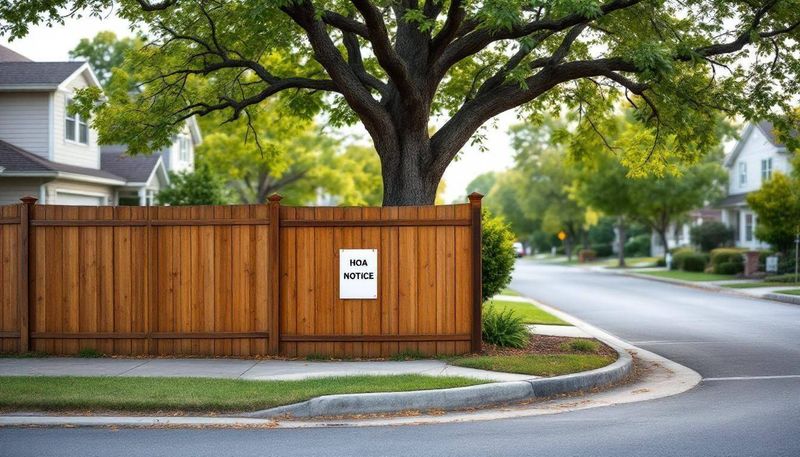
The statewide baseline is only part of the picture. Cities, counties, and neighborhood associations can add their own rules, so it pays to look before you assume.
Alameda County offers a useful example. Its county tree guidance says there is no countywide ordinance regulating trees on private property in unincorporated areas.
It also points to a local views-and-sunlight ordinance in Fairview.
That is an example of variation, not proof that a similar rule exists where you live. Even a local ordinance has its own definitions and procedures, and it may not cover a vegetable bed at all.
Start with your city or county code, usually searchable online or available from the planning department. Next, read any HOA covenants or design rules.
Then check your property records for an easement or recorded agreement, and any written agreement you have made with the neighbor.
Do not assume that any of these documents changes the outcome until you have confirmed their terms and whether they apply to your property and your dispute. A short call to the planning office can save a lot of guessing.
Solar-shade protections target collectors, not vegetable beds
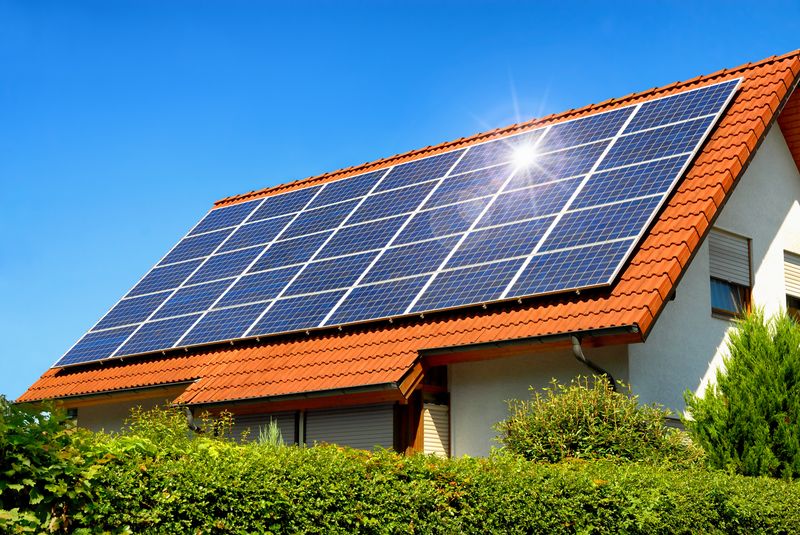
You may have heard that California protects sunlight, and that is partly true, but only for solar equipment. The Solar Shade Control Act deals with shading of a qualifying solar collector, not a garden bed.
Under Public Resources Code section 25982, the shading concern involves a 10 percent threshold during the hours of 10 a.m. to 2 p.m. local standard time. The law is built around the collector, so it does not help a tomato patch.
There is also a timing limit. Section 25984 exempts trees or shrubs planted before the collector was installed.
A neighbor’s older tree generally falls outside the act if your panels came later.
A related provision, Civil Code section 801.5, covers a solar easement created by an instrument for a solar-energy system. It is not a general right to sunlight for a yard.
If you have panels and a shading problem, these rules may matter, and a professional can help you apply them. If you only have vegetable beds, they do not give you a path to demand pruning.
A shady garden does not authorize risky pruning
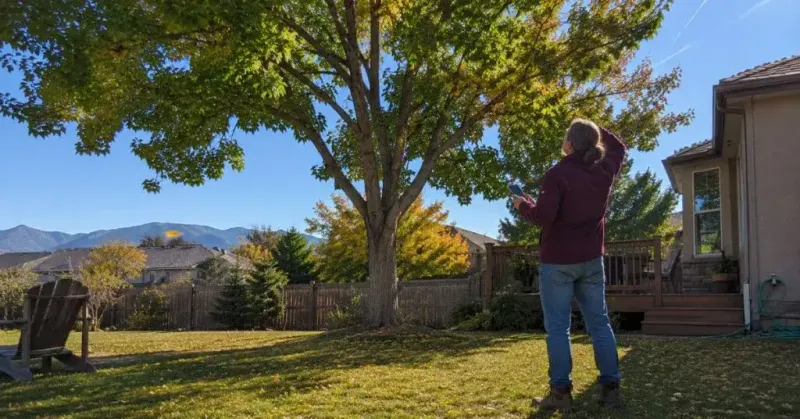
It is tempting to grab a saw when branches hang over your beds. Shade alone, though, does not give you permission to cut however you like.
California courts have limited self-help pruning, and cutting that foreseeably harms a neighbor’s tree can create liability, as discussed in cases like Booska v. Patel.
Heavy topping, cutting major roots, or removing large limbs can weaken or kill a tree. A damaged tree may lead to a claim against you, even if the branches crossed the property line.
So the idea that you can freely cut every overhanging branch is not safe.
It also helps to keep two issues apart. Lost sunlight is one thing.
A dead limb hanging over your roof, or roots lifting a patio, is separate physical harm or a safety hazard, and different facts and rules may apply.
Before any cutting, confirm where the property line is. UC’s guide to tree disputes advises establishing the boundary, including hiring a surveyor when needed.
If a limb looks dangerous, talk with the neighbor, an arborist, or an attorney first.
Start with the light, then check the rule
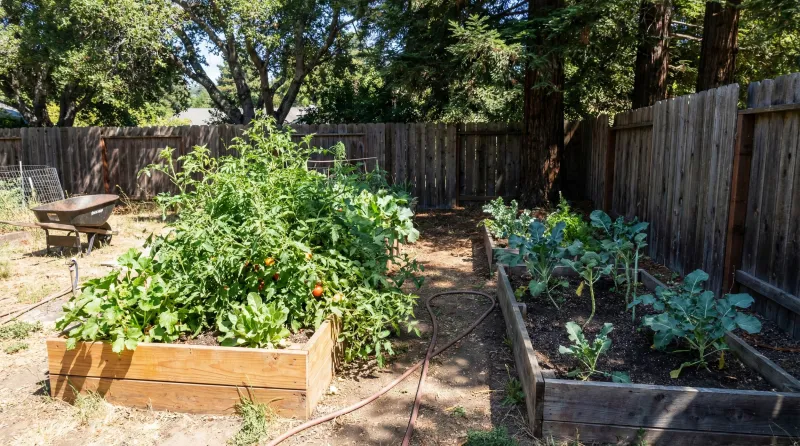
Begin by tracking sun across the seasons, using the UC Master Gardeners approach, and match crops to the light you actually have. Then look for a local rule or written agreement, as the Alameda County example shows.
Keep any spite-fence or hazard worry separate from the shade question.
Under the baseline from Grandona v. Lovdal, shade alone does not authorize you to demand removal or prune.
Sometimes the best fix is a movable pot.