
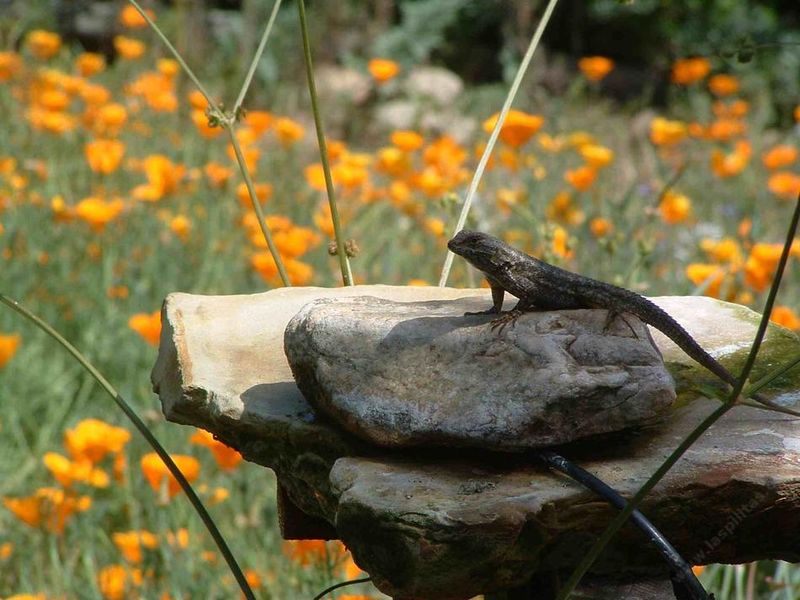
That small gray lizard doing push-ups on your garden wall has a surprising link to Lyme disease. Scientists found that its blood can wipe out Lyme bacteria in certain ticks.
But a lizard sunning in your yard does not mean fewer ticks near your family. Here is what the research really shows, and how to enjoy your lizards while still protecting yourself.
The lizard on the wall belongs to California’s tick story
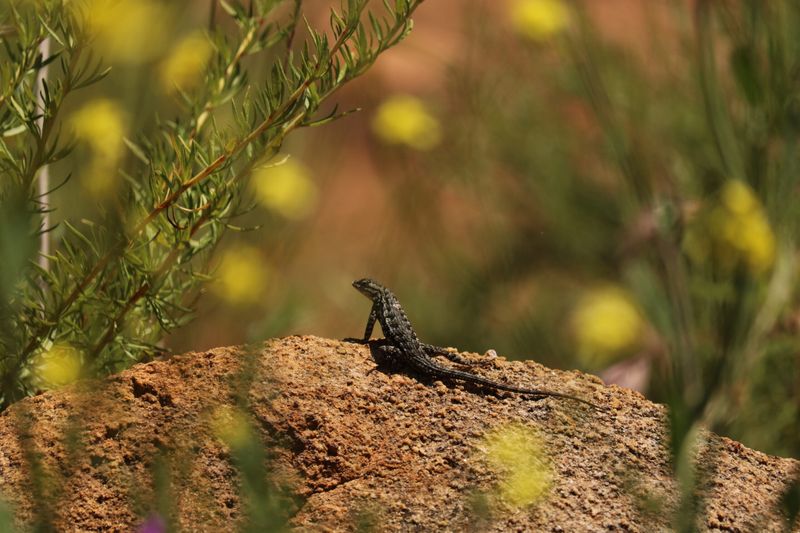
Picture a sunny stone wall in a California backyard. A western fence lizard is perched on top, soaking up heat, and it will probably stay there until you walk too close.
These lizards are common across the state, and California Department of Fish and Wildlife habitat notes list walls, fences, trees, and rock piles as favorite basking and perching spots.
Their menu is mostly insects and other small ground invertebrates. Ticks do get eaten now and then, but less often than other prey, so the lizard is not a tick vacuum.
So why do scientists care about lizards at all? The answer is the western blacklegged tick, Ixodes pacificus, the tick that carries Lyme disease in California.
CDC surveillance information shows it lives along the Pacific coast, especially in northern California.
Young ticks, called larvae and nymphs, often feed on lizards, birds, and rodents. Adult ticks more often feed on deer.
That means lizards are one of several hosts in the tick’s life cycle.
Being part of the story is not the same as being a proven helper for your household. The rest of this article separates what lizards really do from what people sometimes hope they do.
What a lizard’s blood can do to an infected tick

Here is the part of the story that is solid science. A factor in western fence lizard blood can kill Lyme-causing Borrelia burgdorferi bacteria inside an infected western blacklegged tick while the tick feeds.
In a 1998 laboratory study by Lane and Quistad, researchers tested infected nymphs that fed on lizards. After those nymphs molted into adults, none of the 62 tested were still infected.
That is a striking result, but it has limits. It covers one tick stage, one bacterium, and one tick species.
It does not mean every tick that touches a lizard becomes permanently free of Lyme bacteria.
It also says nothing about how many ticks live in your yard, or how often people get bitten. The finding is about what happens inside ticks that feed on lizards, not about Lyme cases around homes.
Think of it as a fascinating piece of ecology. It explains why lizards draw scientific attention, without turning them into a household safeguard.
Why removing lizards did not mean more infected nymphs
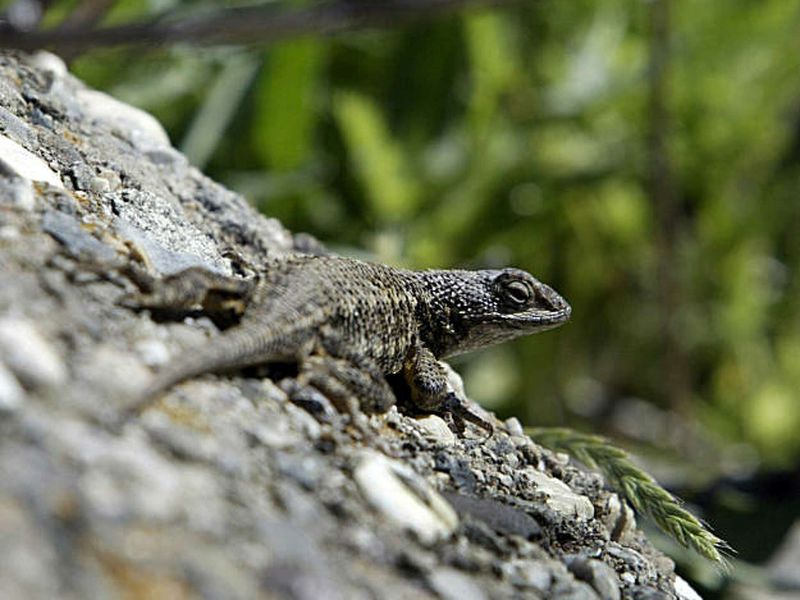
If lizard blood cleans ticks, you might expect that taking lizards away would lead to more infected ticks. A California field experiment tested that idea, and the result surprised people.
Swei and colleagues removed lizards from study plots and counted ticks the following year. They found fewer infected nymphs, not more.
Many larvae apparently failed to find another host to feed on, so fewer of them grew into nymphs.
At the same time, the proportion of nymphs that were infected did not change in any way the researchers could detect. So lizards can affect infection and tick numbers in different directions.
It helps to keep three ideas apart. Tick abundance is how many ticks there are.
Infection proportion is the share of those ticks carrying bacteria. Household exposure is how often people and pets actually meet infected ticks.
This study measured the first two at research plots. It did not count tick encounters for families or track Lyme cases.
For a homeowner, the lesson is simple: a lizard on your wall is not a reliable sign of fewer infected ticks.
A later blood meal can change the infection picture
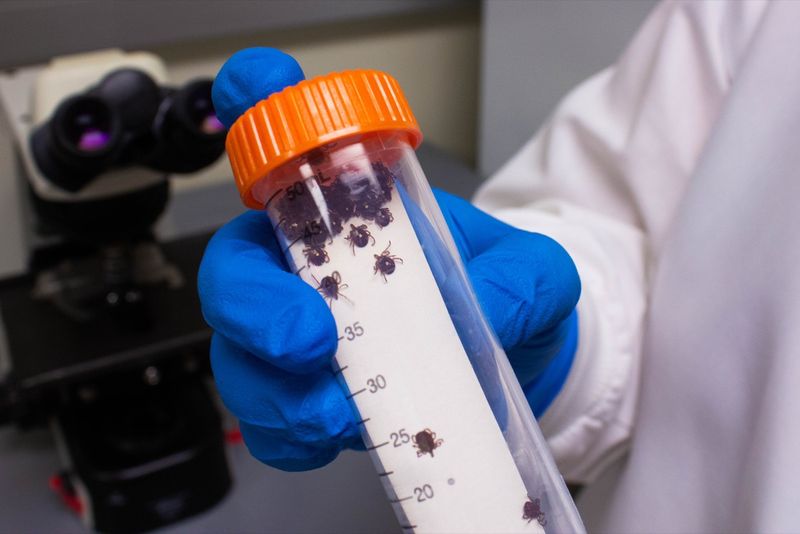
Science rarely stops at one experiment. A 2022 laboratory study by Ring and colleagues added a twist to the lizard story.
Larval ticks that first fed on western fence lizards were more likely than mouse-fed larvae to pick up B. burgdorferi during a later blood meal as nymphs. The experiment used 82 ticks across three trials.
That does not cancel the earlier discovery. In the earlier work, already infected nymphs lost the bacteria after feeding on lizards, as described in the 1998 study.
The two results fit together once you notice that tick stage and the order of meals matter.
A lizard meal might act one way for an infected nymph and another way for a larva that has not yet met the bacteria.
Because this was a small lab experiment, it should not be read as proof that lizards raise infection risk in yards. It is a reminder that the tick-and-lizard relationship is more tangled than a catchy slogan can hold.
Keep basking places without building tick habitat
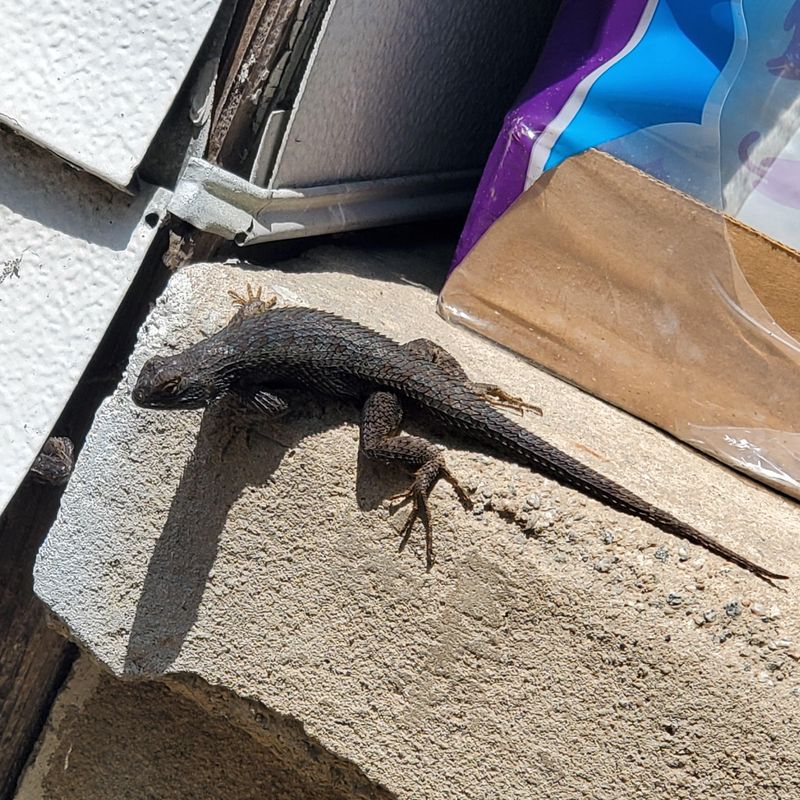
If you like having lizards around, the easiest step is to leave things as they are. The same wall, fence, or rock face where you see lizards today is probably doing its job.
The CDFW habitat account describes sunny walls, fences, trees, and rocks as typical basking and perching sites. Keeping those features in place and avoiding needless disturbance supports those habitat needs.
It is not a tested way to attract more lizards or to lower tick risk.
What not to do matters just as much. Skip new brush or wood piles near the house, paths, or play areas.
Guidance from the Marin/Sonoma Mosquito and Vector Control District points the other way, toward tidy landscaping around frequently used spaces.
CDC advice also calls for removing leaf litter and tall brush.
A bare, sunny stone wall is a very different thing from a messy heap of branches. Keep the first, avoid creating the second, and leave the lizards themselves alone.
Catching or moving wild lizards is not a tick strategy.
Tick precautions still matter in a lizard-friendly yard

Lizards or no lizards, personal protection is what lowers your chance of a tick bite. No single step guarantees safety, so the best approach is to combine several.
For California, UC IPM tick guidance suggests avoiding contact with grass and brush in tick habitat, checking your skin and clothing, and inspecting pets after time outdoors. It also notes that western blacklegged ticks can be active in different seasons across the state, so do not assume tick checks are only for one time of year.
Around the yard, CDC prevention advice includes:
Keep grass mowed. Remove leaf litter and tall brush.
Place a 3-foot wood-chip or gravel barrier between lawns and wooded areas.
CDC also recommends checking people, clothing, gear, and pets, and using EPA-registered repellents. Follow the label directions every time.
A practical routine might be a quick check at the door after a hillside walk, a look at the dog’s coat, and clothes into the dryer. These habits work whether the wall outside holds a dozen lizards or none.
Welcome the lizard, but do not count it as protection
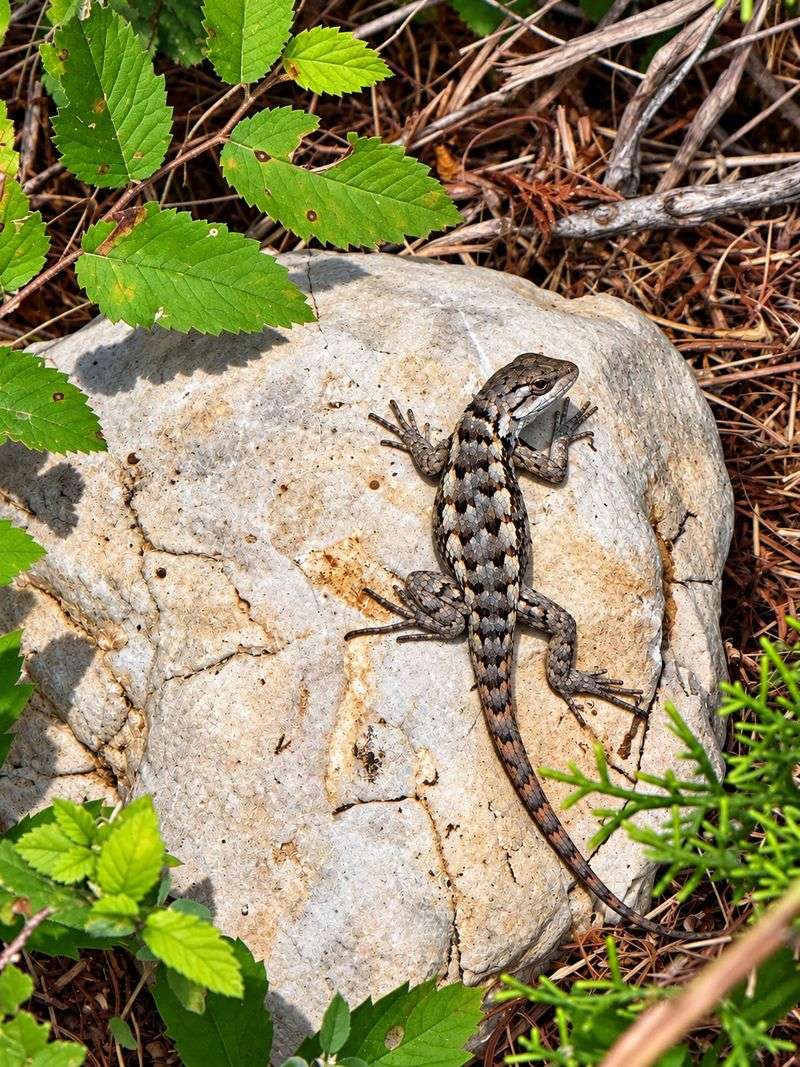
Let the lizards keep their sunny spots and enjoy watching them. Their blood really can clear Lyme bacteria from infected nymphs, as shown in the 1998 study.
But the field experiment shows that lizards and tick numbers do not follow a simple rule, and no study shows a lower risk for households.
Keep up your CDC-recommended tick habits.
The lizard is a fascinating neighbor, not a bodyguard.