
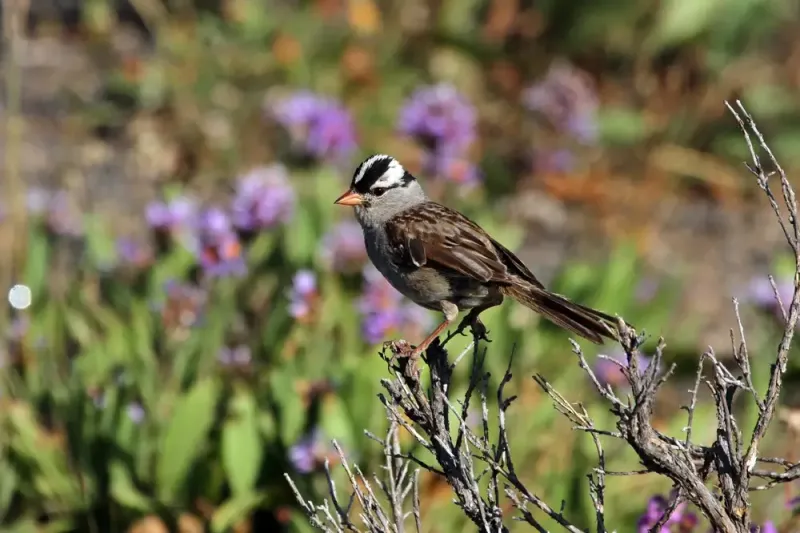
One October morning your yard is quiet, and the next it is full of small brown birds with bold striped heads. They hop along the ground, scratch at the dirt, and flit into the nearest shrub when anything startles them.
Knowing who these visitors are and why they showed up helps you enjoy them and look after them well. The story is simpler, and more interesting, than any winter prediction.
A fall flock marks a seasonal arrival, not a winter forecast
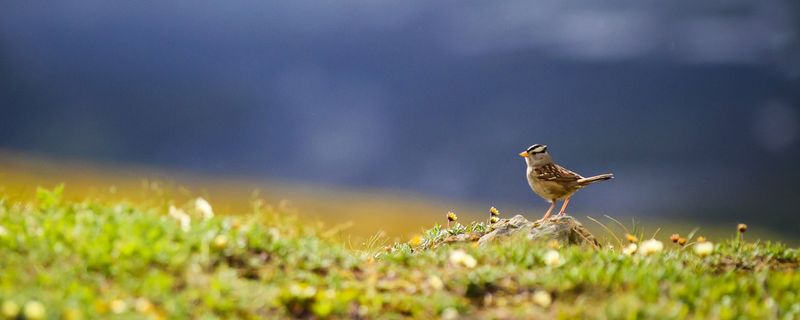
Dozens of sparrows showing up almost overnight feels like a message. In many California yards, it is most likely the calendar at work.
Cornell’s species overview says White-crowned Sparrows may arrive in September and stay into March or April, so a fall jump in numbers can simply be migratory birds settling in for the nonbreeding season.
Timing is a pattern, not an appointment. Cornell’s guide to bird migration explains that birds respond to cues such as day length, temperature, and food supplies.
Because those conditions shift from year to year and place to place, one neighborhood may see its flock a week or two earlier or later than another.
So what does a big flock tell you about the months ahead? Not much about the weather.
Seeing sparrows does not reliably predict how cold the winter will be, whether the rains will come early, when the first frost will land, or how many pests your garden will face.
What the flock does tell you is that your yard offers something these birds need, such as cover, open ground, and food. That is a useful clue about your space, and it is a compliment worth taking.
For planning, rely on local forecasts and your own garden notes, and treat the sparrows as welcome seasonal company.
California’s sparrows do not all follow the same schedule
Where you live changes what a flock in your yard may mean. Cornell gives a general window, with birds arriving around September and lingering into March or April.
A California Department of Food and Agriculture handbook adds a local detail, but only for Gambel’s White-crowned Sparrow: arrival in September, peak numbers in October, and abundance through March.
That schedule does not fit every bird in the state. Some coastal White-crowned Sparrows live in the same area all year, and other coastal birds are short-distance migrants.
In the Central Valley, wintering birds commonly include the migratory Gambel’s subspecies, as described in a Central Valley Bird Club article on subspecies.
If you live near the coast, the sparrows you see in fall might be neighbors you simply noticed more once they began foraging in the open. Inland, the flock may well be new arrivals.
Local timing and numbers vary, so keep your own notes from year to year.
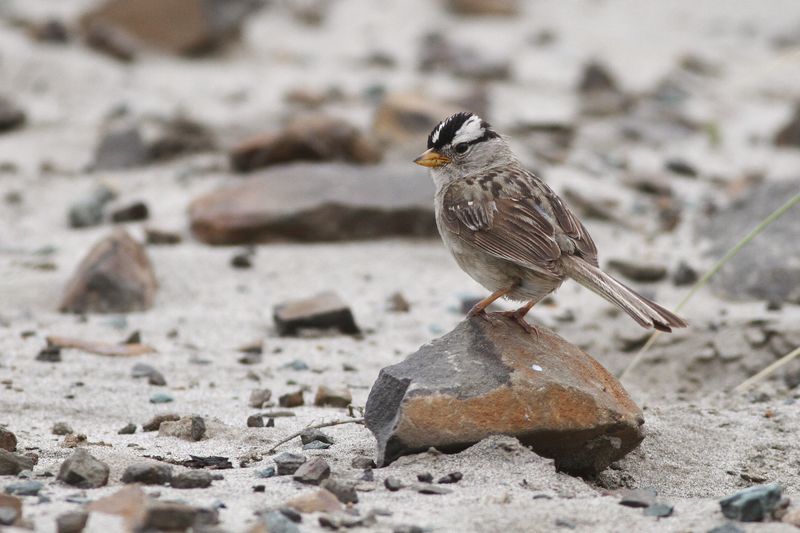
Looks can add to the confusion. According to Audubon’s field guide, a first-winter bird may have brown or tan head stripes instead of the crisp black-and-white crown of an adult.
Young birds can look like a different sparrow, though head color alone does not confirm age or subspecies.
Seeds are the clearest fall-and-winter yard payoff
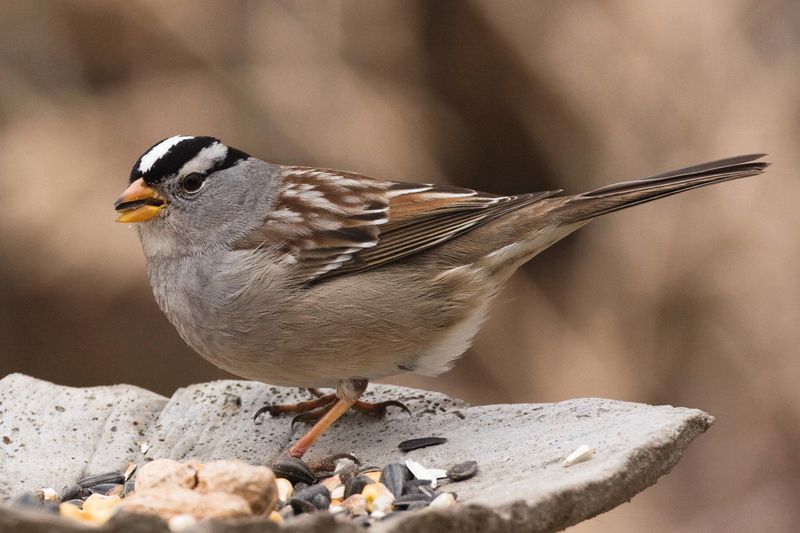
Watch a sparrow for a few minutes and you will see the routine: hop, scratch, peck, repeat. Audubon’s species account says their winter diet is predominantly seeds, especially weed and grass seeds.
That makes seed cleanup the better-supported benefit of a fall flock.
They tend to feed low. Cornell notes that White-crowned Sparrows often forage on the ground, in flocks, near brush or other cover, and may eat seed dropped by other birds.
If you have a feeder, the sparrows may be the crew gleaning what finches and towhees spill below.
Insects are part of the picture too, but the timing matters. Audubon reports that they eat insects and spiders, particularly in summer.
In fall and winter, the menu leans heavily toward seeds.
That difference is worth keeping straight. A flock in November is mostly working through seeds on the ground, so it is not a dependable bug patrol for the cold months.
Enjoy them for what they do well, and look to other tools if insects are your concern.
A practical clue for readers: if the sparrows are scratching through the grassy corner or the weedy edge of your lawn, they are likely after seed heads and fallen seed.
Offer cover and ground seed without promising a flock
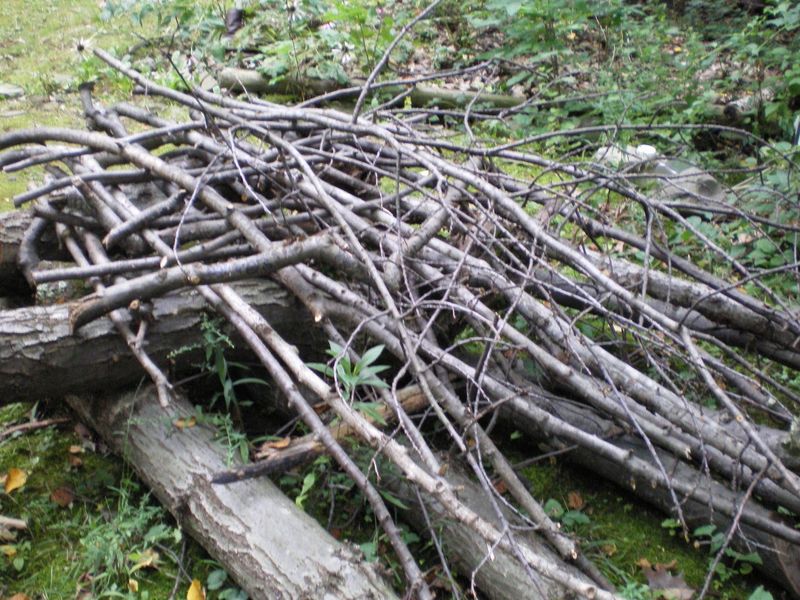
Sparrows like to feed in the open but stay close to a quick escape. That habit points to simple yard choices.
Keeping a brushy edge, or stacking pruned branches into a brush pile, gives them a place to duck into when a hawk or a cat appears.
Cornell says a brush pile can encourage White-crowned Sparrows to spend more time in a yard. Note the careful wording: more time, not a guaranteed visit.
Birds choose yards for many reasons, and some neighborhoods simply have more of them.
Food on the ground matters too. Letting some seed remain available, such as grass and weed seed heads in a back corner or seed that drops beneath a feeder, matches how these birds like to forage.
You do not need a perfect landscape for this, only a few spots left a little wild.
Keep California conditions in mind. In fire-prone hillside areas, check your local defensible-space rules before building a brush pile, and keep it away from the house and structures.
In dry regions, a small pile placed thoughtfully is easier to manage than a sprawling one.
Treat these changes as an invitation. They may help sparrows linger, and they may also shelter other small wildlife, but they do not promise a flock or any particular garden result.
Keep feeders clean and make nearby glass visible
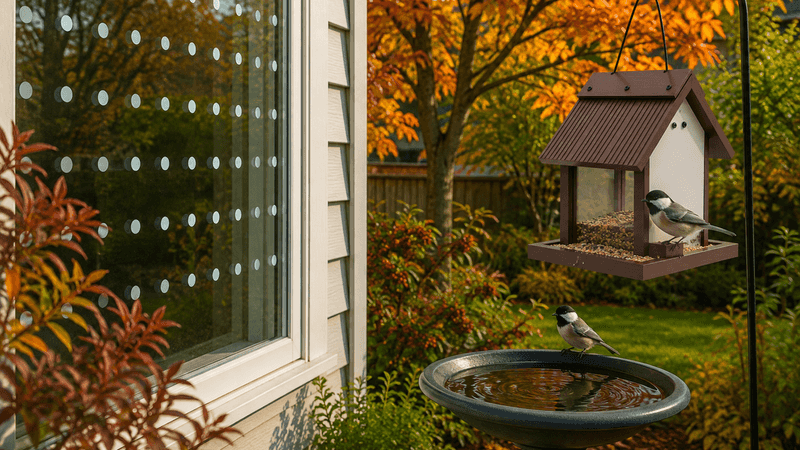
Feeders are optional, and sparrows do fine without them. If you choose to offer seed, a few habits keep birds healthier.
Keep the seed dry, and clean the feeder and the ground beneath it on a regular schedule.
The U.S. Fish and Wildlife Service advises in its bird-feeding tips to clean feeders at least every two weeks.
Clean them more often with heavy use, wet weather, or signs of sick birds. Fall flocks can empty a feeder fast, so expect to scrub more in busy weeks.
Glass is the other hazard. Birds often cannot tell a reflective window from open sky.
In its guidance on bird-window collisions, the agency says a feeder near an untreated reflective window should sit within 3 feet of the glass, or the glass should be treated.
If you treat the window, put deterrent patterns on the outside of the glass so they are visible to birds and are not hidden by reflections. Decals, tape, or cord patterns applied inside tend to vanish behind the glare.
A simple checklist helps: dry seed, a scrub day on the calendar, and windows that either sit right beside the feeder or look clearly marked from outside.
Keep the birds’ garden benefits in proportion
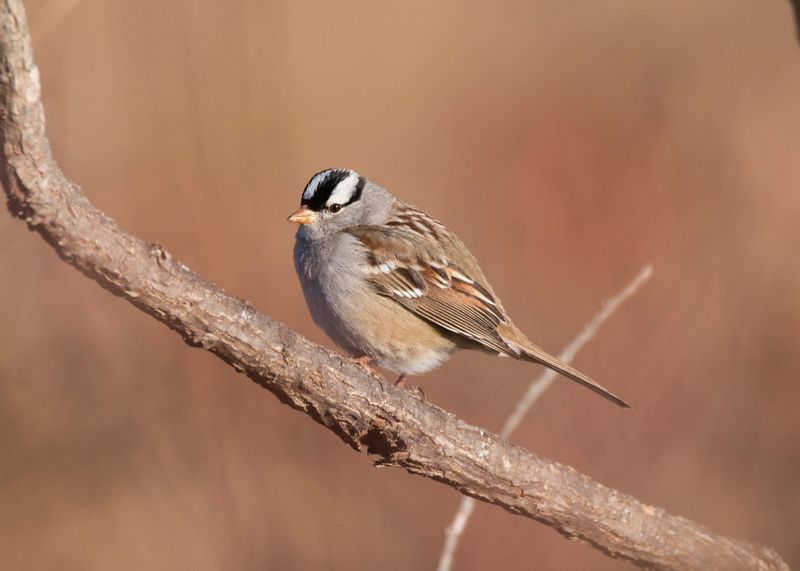
It is tempting to cast a flock as free garden labor. The honest picture is more modest.
Audubon’s account points to seeds as the winter staple, and nothing in the sources establishes that a home-yard flock will clear pests from your garden.
The flip side deserves the same care. The UC IPM program reports that crowned sparrows can damage seedlings and plants in California agricultural settings, including by feeding on seeds and young seedlings.
That describes farm fields. It does not show that a typical household yard will see noticeable damage.
If you are sowing a fall vegetable bed, a light cover over fresh seedlings is a sensible precaution while you see how the birds behave. Watch first, then decide whether anything needs protecting.
Pesticides call for extra thought around wildlife. UC IPM’s pesticide precautions warn that many products can harm birds and other desirable animals through direct exposure, drift, runoff, or residues.
Follow the product label and take steps to limit exposure.
Back to the opening question: a fall flock most likely reflects seasonal migration and local habitat, not a message about winter. Let them scratch through the seed, and let the weather speak for itself.