
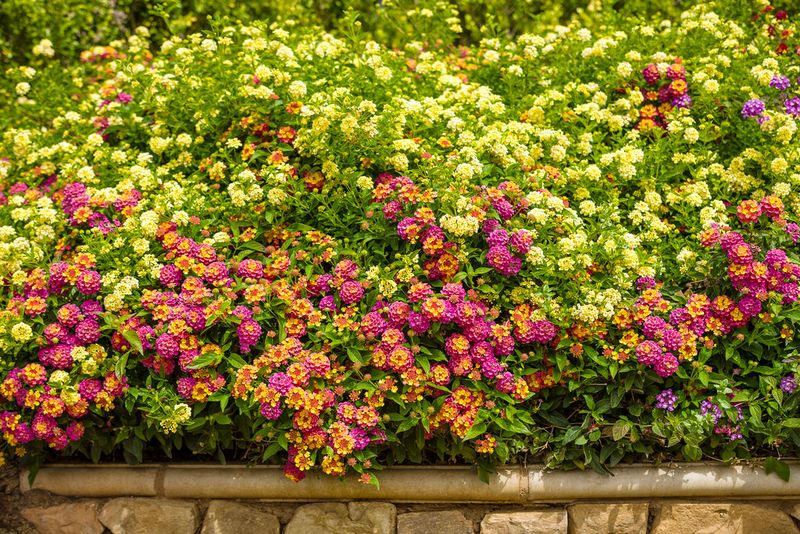
Lantana looks tough, and honestly it is one of the sturdiest bloomers in a hot backyard. But when July and August turn brutal, even this heat-lover can slow down, drop its color, and leave you staring at a plant that is all leaves and no flowers. The good news is that a stalled lantana is almost always fixable once you know what it is quietly asking for. Here is exactly what your plant needs to keep pumping out blooms when the temperature refuses to quit.
Why a Heat-Loving Plant Suddenly Stops Blooming
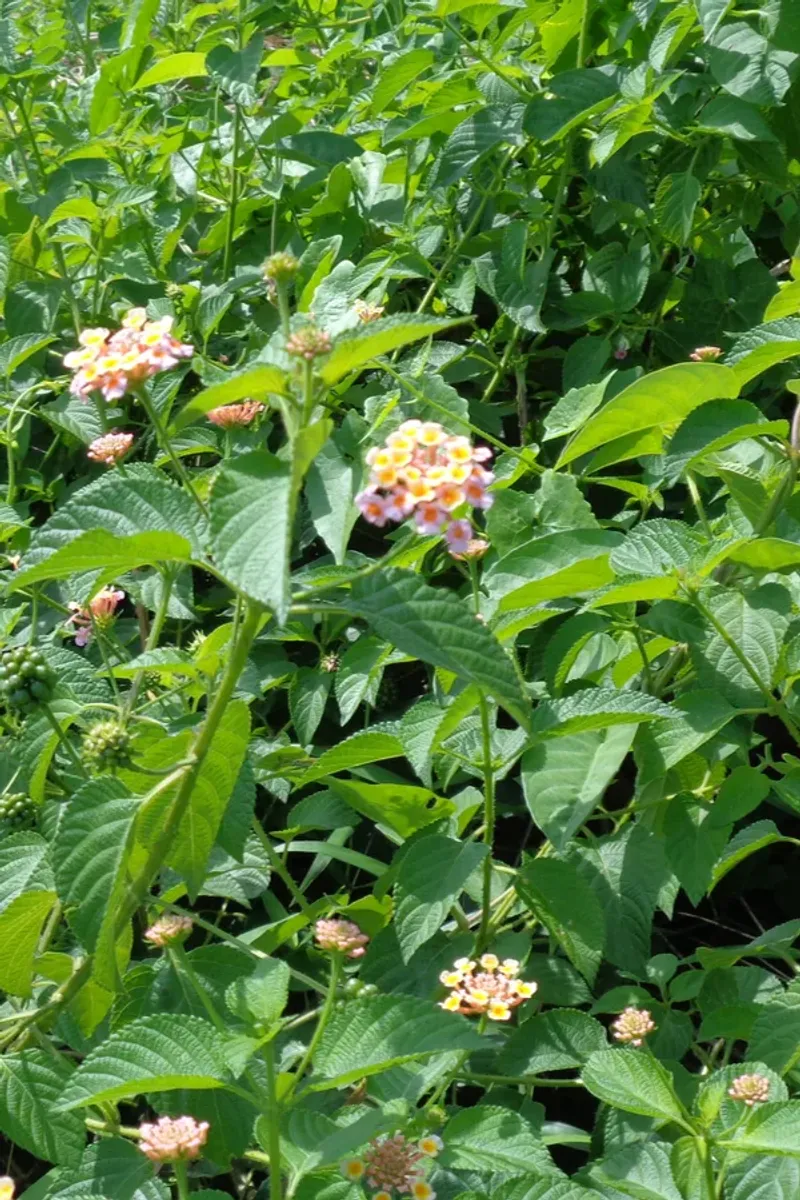
You planted lantana precisely because it laughs at heat, so watching it fizzle in midsummer feels like a betrayal. The confusing part is that the plant looks perfectly healthy, green and leafy, yet the flowers just quit showing up.
Most of the time, a bloom stall means the plant is putting its energy somewhere other than flowers. Too much shade, too much nitrogen, or leftover seed pods from earlier blooms can all redirect that energy. Lantana also tends to pause when it is stressed by drought swings, going from bone-dry to soaked and back again.
Reading the plant helps you find the real cause. Leggy stems with few buds usually point to low light, while lush growth with no color often means excess fertilizer. Sticky spent flowers turning into green berries tell you the plant thinks its job is done and has switched to making seeds.
None of these problems mean your lantana is dying. Recognizing the specific symptom is the first step, because the fix for a shade problem is completely different from the fix for an overfed plant, and guessing wrong wastes precious weeks of your growing season.
Full Sun Is Non-Negotiable for Steady Color
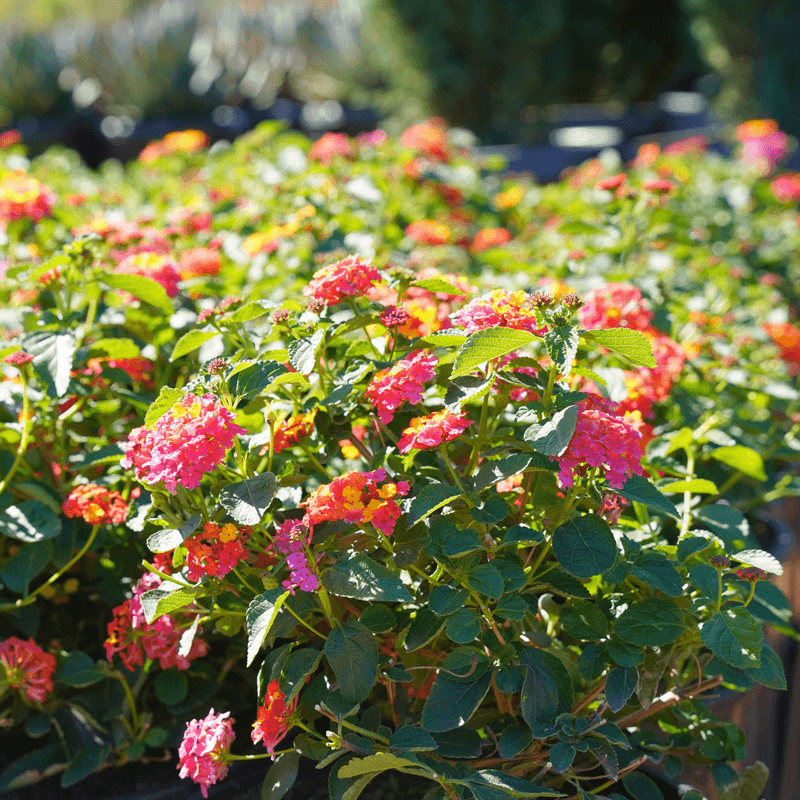
Here is the blunt truth many gardeners resist: lantana that lives in part shade will always flower less than lantana baking in the open. Six to eight hours of direct sun is not a suggestion for this plant, it is the fuel that makes the color happen.
Trees leaf out, neighboring shrubs grow taller, and a spot that was sunny in May can quietly become dappled by July. Watch where the shadows fall at noon and mid-afternoon for a few days before you blame anything else.
If your lantana sits in a container, the fix is easy, just slide it into a brighter location and give it a week or two to respond. Plants in the ground are trickier, but you can often thin overhanging branches to let more light through.
More sun does mean more water demand, so pair the two adjustments together. A lantana getting proper light with steady moisture will usually reward you with a fresh flush of blooms, sometimes within ten days. When in doubt, choose the sunniest honest spot you have available.
Watering Deep but Letting the Soil Breathe
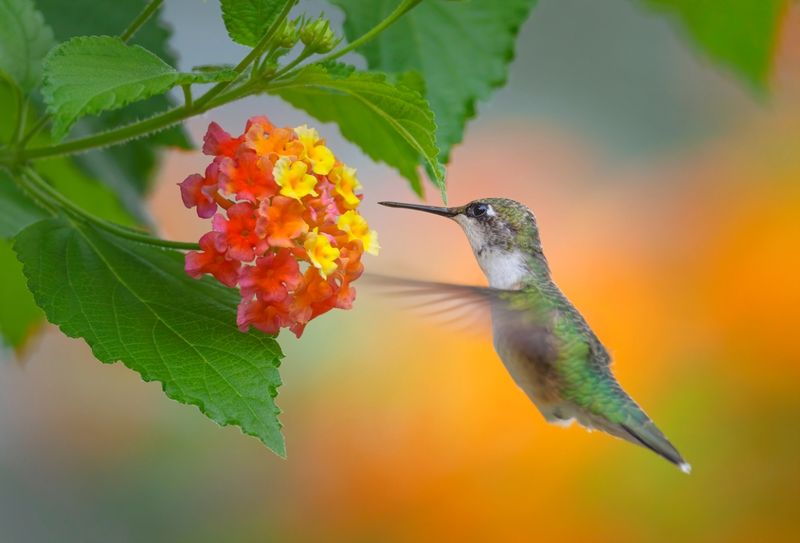
Lantana has a reputation for being drought-tough, and that reputation gets a lot of plants into trouble. Owners water so lightly, or so rarely, that the plant limps along in survival mode instead of blooming mode.
The sweet spot is deep, infrequent watering. Soak the root zone thoroughly, then let the top inch or two of soil dry out before you water again. That rhythm encourages deep roots and can improve bloom production once temperatures climb.
Container lantana dries out faster and may need water every day or two in extreme heat, while in-ground plants often coast on a good soak once or twice a week. Stick your finger into the soil rather than guessing from the surface, which lies in hot weather.
Soggy, constantly wet soil is just as harmful as neglect, since lantana hates wet feet and may drop buds or rot at the crown. If your plant sits in heavy clay, mixing in compost or planting slightly high can help drainage. Consistent moisture, not constant moisture, is what keeps the flowers coming through August.
The Fertilizer Mistake That Grows Leaves Instead of Flowers
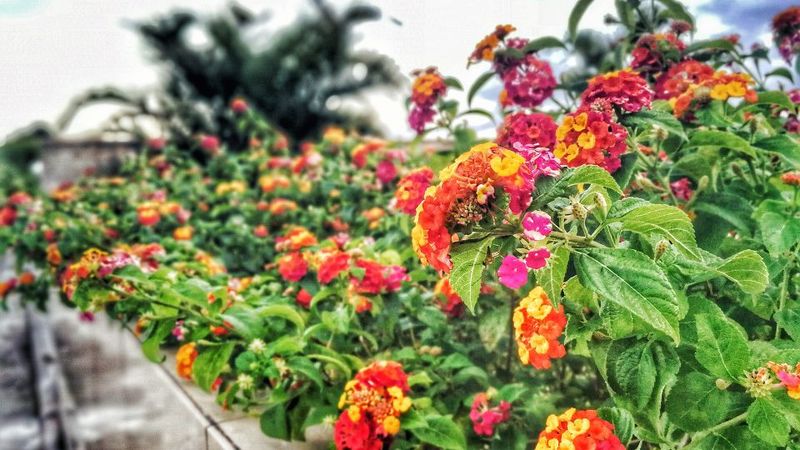
Ever fed your lantana hoping for more blooms, only to get a jungle of leaves and barely a flower? That backfire is one of the most common lantana complaints, and it comes straight from too much nitrogen.
Nitrogen pushes leafy green growth, so a high-nitrogen lawn feed or a heavy hand with all-purpose fertilizer can send your plant into pure foliage mode. The blooms suffer because the plant is busy building stems and leaves instead.
Lantana actually flowers best when it is a little hungry. A light feeding with a balanced or bloom-focused fertilizer, something with more phosphorus, can help nudge it back toward color. Feed sparingly, maybe once a month during active growth, and skip it entirely if the plant already looks lush.
Slow-release granules worked lightly into the soil in spring often carry lantana through much of the season without extra help. If you have been overfeeding, simply stopping and letting the plant use up that nitrogen may bring blooms back on its own. Less really is more with this particular plant, and restraint often outperforms generosity here.
Deadheading and Trimming to Trigger New Blooms
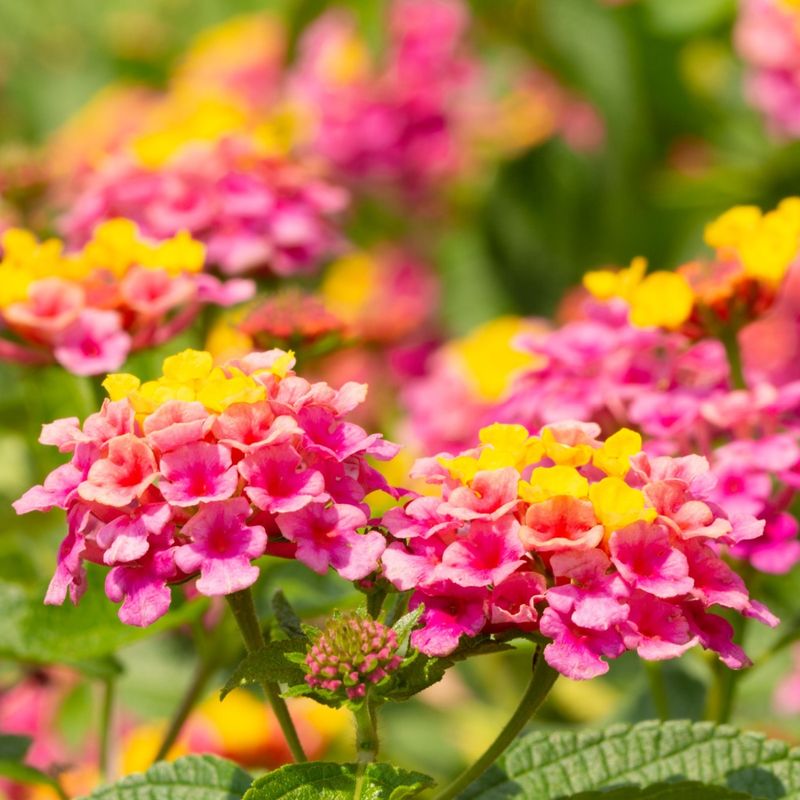
Watch a lantana closely and you will notice its spent flowers turn into little clusters of green, then dark blue-black berries. Once the plant is making those seeds, it eases off producing new blooms, because from its point of view the mission is accomplished.
Snipping off those old flower heads and berry clusters tricks the plant into trying again. Regular deadheading can keep a lantana flowering far more heavily than one left to set seed all summer.
Some newer sterile varieties barely set seed and rebloom on their own, but even those benefit from a tidy-up. When a plant gets leggy, straggly, or stops blooming mid-season, a harder trim works wonders.
Cutting the whole plant back by about a third sounds drastic, yet lantana bounces back fast in warm weather, usually pushing fresh growth and new buds within a couple of weeks. Do this midsummer refresh, water well afterward, and give it a light feeding to support the regrowth. Wear gloves while you work, since lantana foliage can irritate skin and the berries are toxic if eaten.
Spotting Pests and Stress Before They Steal Your Flowers
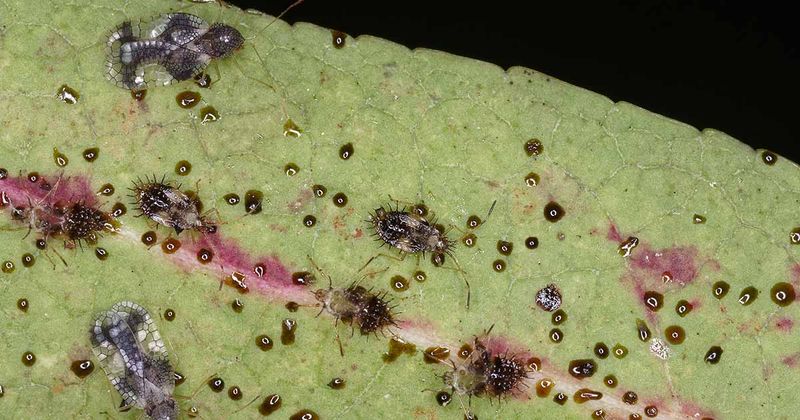
Even a well-tended lantana can hit a bloom slump when tiny pests move in. Lace bugs are the classic culprit, leaving leaves looking speckled, gray, or bronzed, and a heavy infestation can reduce flowering noticeably.
Flip a few leaves over and look for pinhead-sized bugs or dark specks underneath. Whiteflies, spider mites, and aphids can also show up during hot, dry stretches when plants are stressed and defenses are down.
A strong spray of water can knock many pests loose, and insecticidal soap or neem oil may help reduce populations when applied in the cooler parts of the day. Avoid spraying in blazing midday heat, which can scorch the leaves.
Keep in mind that stressed plants attract more pests, so the watering, light, and feeding habits from earlier all play defense here. Deer generally leave lantana alone thanks to its strong scent and slight toxicity, which is one quiet perk for suburban gardeners fighting browsing.
Catching trouble early, before leaves turn crispy or curl, gives your lantana the best shot at redirecting energy back into the blooms you actually want to see.
Your Simple Summer Checklist for Nonstop Color
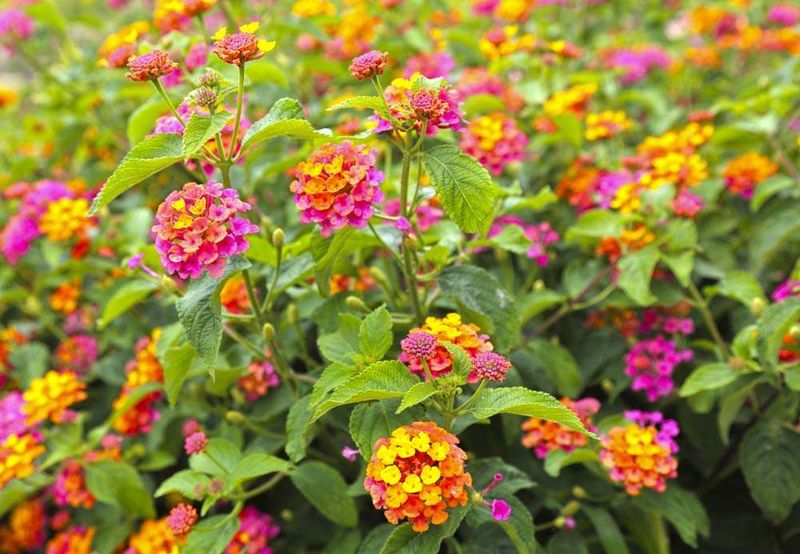
Pulling it all together, keeping lantana in bloom through a scorching summer really comes down to a handful of honest habits rather than any single secret.
Start with sun, because nothing else matters much if the plant is sitting in shade. Give it six to eight hours of direct light, water deeply but let the soil dry between drinks, and resist the urge to overfeed with nitrogen-heavy fertilizer.
Deadhead or trim regularly to stop seed production and spark fresh buds, and keep an eye out for lace bugs and mites so small problems do not snowball. When your plant looks tired mid-season, a bold cutback followed by water and a light feeding often restores it within weeks.
None of these steps guarantee a flawless plant every single week, since weather and variety both play a role. But stack these habits together and you tilt the odds heavily in your favor.
Treat your lantana a little tough, keep it sunny and lightly fed, and it will usually pay you back with waves of color long after softer flowers have quit for the season.