
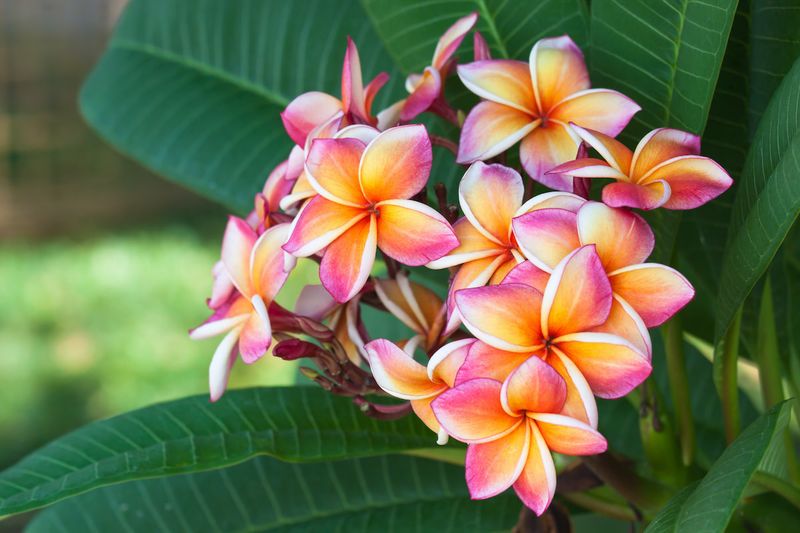
Plumeria growing in Texas can put on a stunning show from late spring all the way into fall, but keeping those flowers coming takes more than just luck. Mid-July is actually a critical window, when the heat is intense, containers dry fast, and the decisions you make now can support or undercut late-season blooms. For gardeners along the Gulf Coast and in far South Texas, October flowers are a real possibility, though no single task guarantees them. A practical care check right now gives your plant the best shot at carrying color through the end of summer and beyond.
October flowers are possible, but Texas location sets the odds
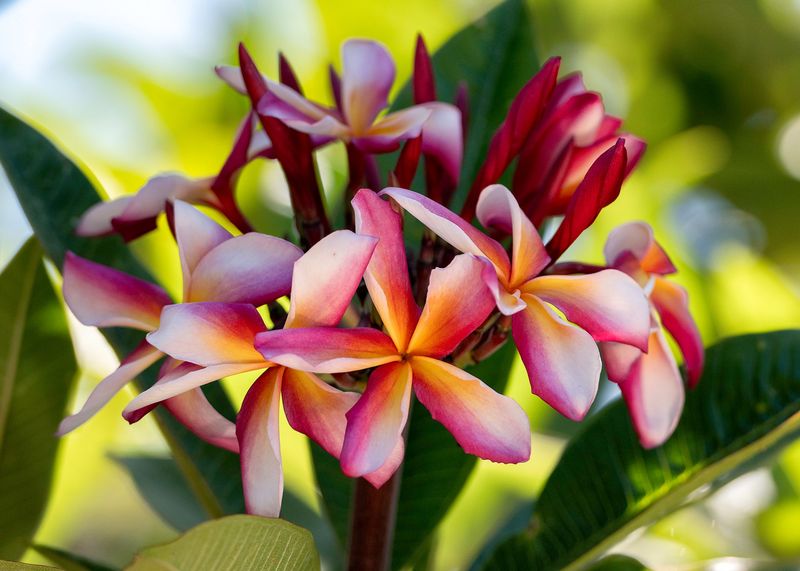
Plumeria can flower across an impressively long season in Texas, but where you garden matters enormously. Texas A&M AgriLife Extension’s Galveston County guidance describes plumeria flowers appearing at branch tips from roughly April through November, and the Plumeria Society of South Texas reports plants in full bloom well into the fall season. That seasonal range reflects the warmest parts of the state, not every Texas garden.
October flowering is most plausible along the Gulf Coast and in far South Texas, where warm nights persist well into autumn. Gardeners in North Texas, West Texas, and the Panhandle face a shorter warm window and may see flowers end well before October, or may need to move container plants indoors earlier than coastal growers expect. UF/IFAS plumeria guidance places the plant’s ideal hardiness in USDA Zones 10B-11, underscoring how much regional climate shapes realistic outcomes.
Even within warm regions, the result depends on a cluster of factors working together. Temperature trends, plant variety, the age and size of the plant, how much sun it receives, root health, water stress, disease pressure, and the timing of the first cold front all play a role. A healthy, well-established plumeria in a warm spot has a genuinely good chance of carrying blooms into October. A stressed, shaded, or root-damaged plant in a colder part of the state may not make it that far, regardless of what you do in July.
Framing the goal correctly matters for how you manage the plant. The aim of a mid-July care check is to support active growth and remove obstacles to late-season flowering, not to trigger a guaranteed result. Think of it as improving your odds rather than locking in a promise.
Check sunlight and active growth before adding fertilizer
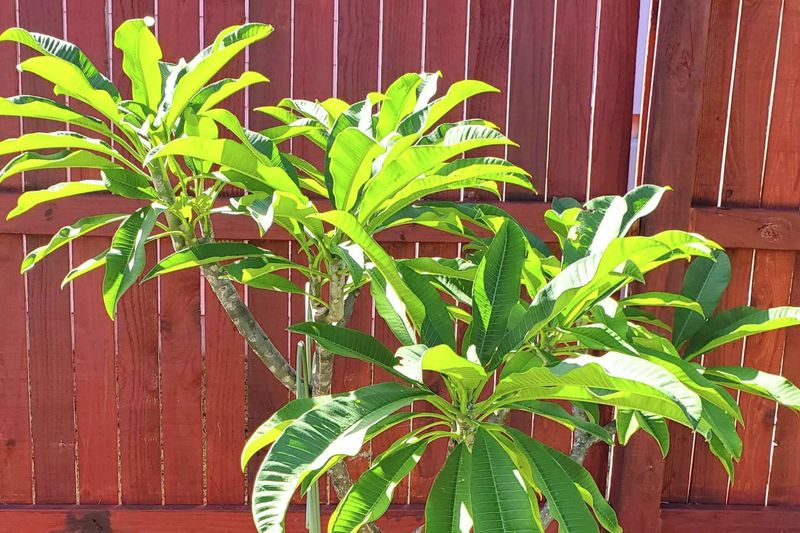
Before reaching for fertilizer, spend a few minutes evaluating the basics. Plumeria performs best in full sun, meaning at least six hours of direct sunlight daily, and UF/IFAS plumeria care guidance identifies insufficient light as a primary limiter of flowering. A plant sitting in partial shade or blocked by a fence, overgrown shrub, or building may simply not have the energy reserves to push out blooms in late summer, no matter how carefully it is fed.
Walk around the plant and look at the leaves and branch tips. Healthy midsummer growth typically shows firm, deep green leaves and visible elongation at the growing points. If the plant looks pale, has sparse foliage, or shows little new growth, improving its light exposure is the highest-value move you can make in July. Moving a container plant to a sunnier spot costs nothing and may do more for late-season flowering than any fertilizer application.
If the plant is in the ground and the shade source is a permanent structure, consider whether selective pruning of nearby plants or repositioning a container companion could open up more direct sun. Texas summers are intense, but plumeria evolved in tropical and subtropical environments where strong sun is normal. It handles Texas heat well when its roots are healthy and it has adequate moisture, which the next section covers.
Once you have confirmed good sun exposure and active growth, you are in a much stronger position to decide whether feeding makes sense. A plant that is visibly growing and sitting in full sun is a reasonable candidate for a bloom-oriented fertilizer. A plant that looks stressed, has little new growth, or sits in low light is not, and adding fertilizer to a struggling plant can make the situation worse rather than better.
Water deeply while protecting the roots from soggy soil
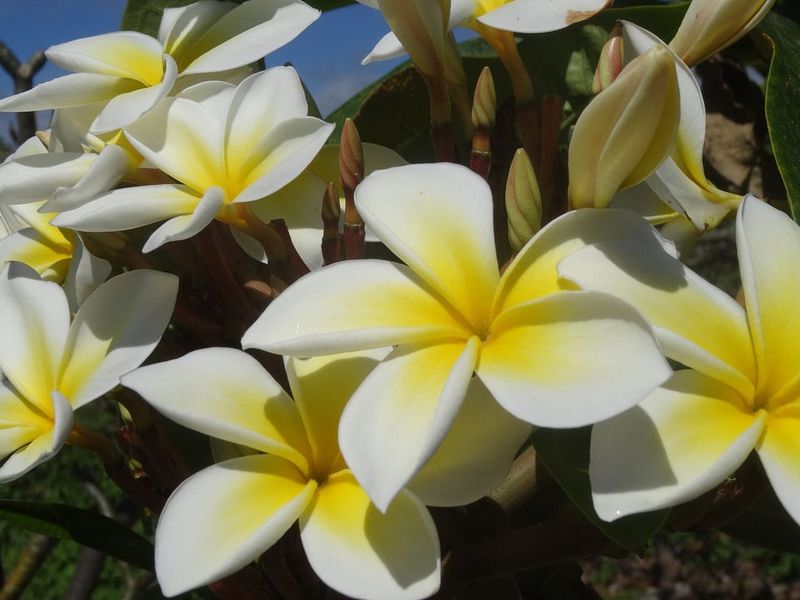
Watering plumeria in Texas during July requires balancing two opposite risks: drought stress from the intense heat and root damage from constantly wet soil. The right approach is to check the root zone before you water, not to follow a fixed daily schedule. Push your finger or a wooden dowel a few inches into the soil near the roots. When the root zone begins to dry out, water thoroughly.
When it still feels damp, wait.
UC Cooperative Extension plumeria guidance recommends watering deeply and allowing the plant to dry somewhat between waterings, rather than applying small amounts frequently. Deep watering encourages roots to grow downward and reach a larger volume of soil, which helps the plant tolerate short dry spells. Frequent light sprinkling, by contrast, keeps only the top inch of soil moist and can leave roots shallow and more vulnerable to both drought and disease.
Texas heat in July can significantly increase how fast the root zone dries, particularly for plants in small or porous containers sitting on a hot concrete surface. Texas A&M AgriLife general gardening guidance reinforces checking soil moisture before watering and recognizing that sandy soils dry faster than heavier clay soils. Adjust your checking frequency based on pot size, soil type, plant size, wind exposure, recent rainfall, and any local water-use restrictions.
Drainage is equally important. Container plants must have working drainage holes at the bottom of the pot, and the growing medium should allow water to move through rather than pool. UF/IFAS notes that waterlogged conditions can lead to root problems that are difficult to reverse. In-ground plants need a site that does not collect standing water after rain.
If your soil drains poorly, raising the planting area slightly or amending with coarse material can help, though changes to an established in-ground plant should be made carefully to avoid root disturbance.
The key distinction to keep in mind is that heat-related water demand and root suffocation are two different problems. Increase your checking frequency during heat waves, but never use heat as a reason to keep the soil continuously saturated. The goal is consistent moisture that cycles between adequately moist and beginning to dry, not wet soil around the clock.
Feed only a healthy plant that needs nutrients
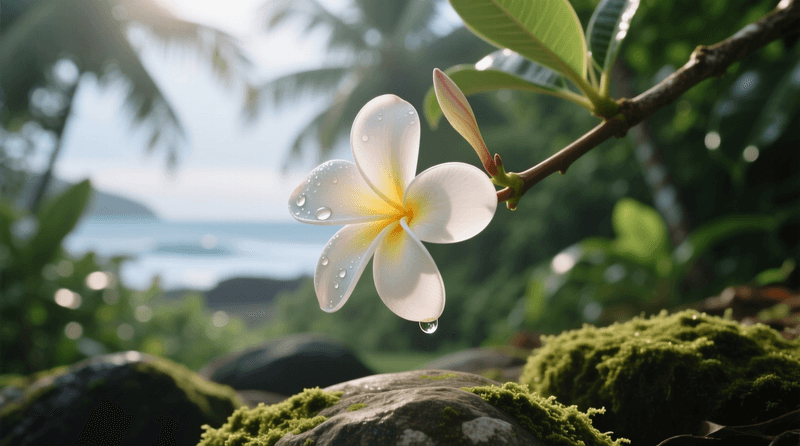
Fertilizer can support an actively growing plumeria, but it is not a bloom switch you can flip in July to guarantee October flowers. Texas A&M AgriLife Extension’s Galveston County guidance describes plumeria as heavy feeders during the growing season and notes that enthusiasts commonly use low-nitrogen, higher-phosphorus products. UC Cooperative Extension similarly lists bloom-oriented formulas as a common recommendation. These sources show that bloom-focused feeding is a widely used practice, not that any one product or ratio will work for every plant in every Texas soil.
Excess nitrogen is a real concern. When nitrogen is too high relative to phosphorus and potassium, the plant tends to push leafy growth rather than flowers. UC Cooperative Extension’s plumeria guidance specifically flags this risk and recommends avoiding high-nitrogen products during the bloom season. Too much fertilizer of any type can also cause salt buildup in the root zone, which is especially problematic in containers where salts have nowhere to go.
Before adding phosphorus, consider whether your soil actually needs it. Many Texas soils already carry adequate or elevated phosphorus levels, and adding more does not produce extra flowers when the nutrient is already present. The Texas A&M AgriLife Soil, Water and Forage Testing Laboratory offers testing services with nutrient recommendations tailored to your results. The laboratory’s nutrient recommendation resources and the urban soil-testing guide can help you interpret results for a home landscape setting.
Certain plants should not be fertilized at all, regardless of the product. Skip feeding if the plant is dormant, severely wilted, newly transplanted and not yet established, or showing signs of root rot or other root damage. Feeding a stressed plant adds to its workload rather than helping it recover. Address the underlying problem first, then consider fertilizer once the plant shows healthy new growth again.
When you do feed, follow the product label for rate and timing, and resist the impulse to apply more than directed.
Protect flowering tips and inspect for disease and pests
Flowers on a plumeria form at the tips of branches, which makes those growing points some of the most valuable real estate on the plant. Cutting them off in summer removes potential flowering sites for the rest of the season. Texas A&M AgriLife Extension’s Galveston County fall plumeria guidance cautions that late-season pruning can also encourage tender new growth that is more vulnerable to cold. Unless a branch is dead, clearly diseased, structurally hazardous, or causing a specific problem, leave it alone through the summer growing season.
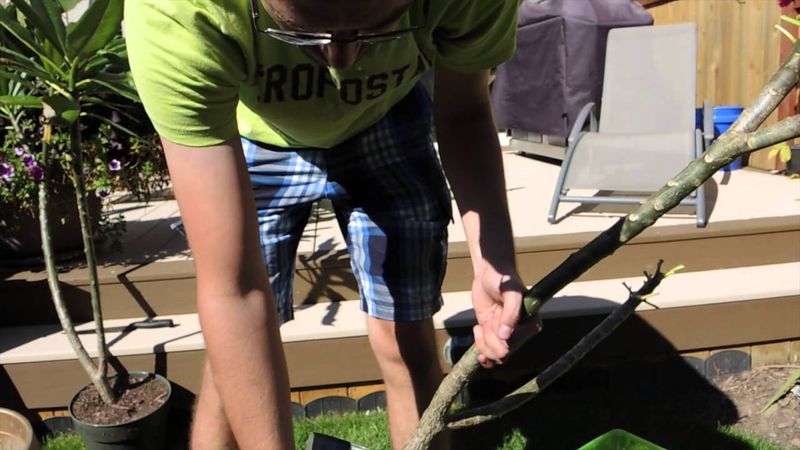
When pruning is necessary, wear gloves and eye protection. Plumeria sap can irritate skin and eyes on contact, and UF/IFAS identifies the sap as containing irritants. Keep sap away from children and pets, and wash hands thoroughly after handling cut stems. Let cut ends dry and callous before the plant gets wet.
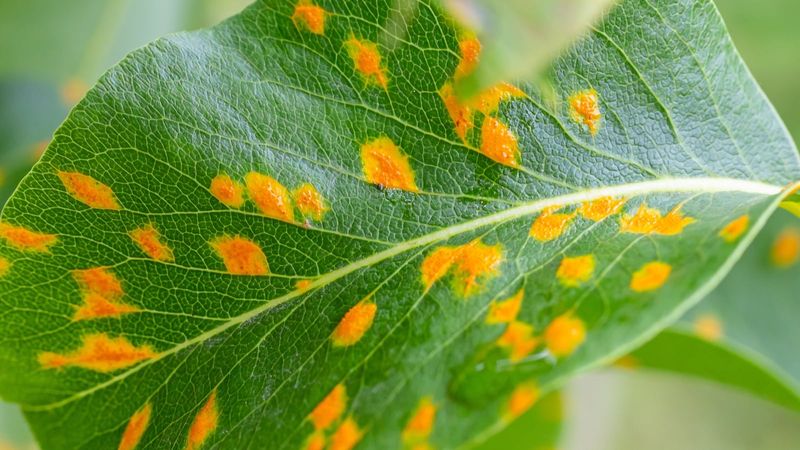
While you are looking at the branch tips, flip some leaves over and examine the undersides. Plumeria rust appears as orange or yellow powdery pustules on leaf undersides and can spread during warm, humid conditions common in Texas summers. Removing infected leaves and fallen debris from around the base of the plant reduces the spore load. Improving airflow around the plant and watering at the base rather than overhead can also help limit spread.
UC Cooperative Extension’s plumeria guidance notes that spider mites and other pests can also appear during the growing season.
Correct identification is essential before you apply any treatment. Rust, mites, scale, and other problems each call for different responses, and applying the wrong product wastes money and may harm the plant or beneficial insects. Texas A&M AgriLife guidance consistently emphasizes accurate diagnosis and full compliance with product labels before using any pesticide or fungicide. If you are unsure what you are seeing, your local county extension office can help with identification before you treat.
Adjust the plan for containers and colder Texas regions
Container-grown plumeria behaves differently from in-ground plants, and that difference matters in a Texas July. Pots heat up faster than garden soil, and smaller or porous containers can lose moisture quickly on a triple-digit afternoon. Texas A&M AgriLife horticulture guidance notes that container plants may require frequent moisture checks depending on pot size, material, and current weather conditions. That does not mean watering every day on a fixed schedule.
It means checking the root zone more often and watering when it begins to dry, rather than assuming a set interval will work across all conditions.
Where you garden in Texas also shapes how you should plan for the weeks ahead. Gulf Coast and far South Texas gardeners can reasonably expect warm nights to continue well past September, giving plumeria a genuine window for October flowering. UF/IFAS identifies plumeria as best suited to USDA Zones 10B-11, which covers only a narrow strip of coastal and far South Texas. Gardeners in North Texas, West Texas, or the Panhandle are growing outside that zone, and a cold front can end the bloom season significantly earlier than it would on the coast.
For those in colder parts of the state, container culture is the practical solution because it allows you to move the plant indoors before a damaging freeze. Texas Master Gardeners’ regional winter dormancy guidance recommends stopping fertilizer around mid-October and reducing or stopping watering as plants begin to enter dormancy, with protection or indoor storage when temperatures approach the low 40s Fahrenheit. These are weather-based cues, not a statewide calendar deadline. Watch your local forecast in September and October, not a set date on the calendar, and be ready to act before a cold night arrives rather than after.
Moving a large container plumeria indoors takes planning. If the plant is in a heavy pot, consider placing it on a wheeled plant caddy now, while the weather is still warm and manageable. A garage, shed, or enclosed porch that stays above freezing is sufficient for dormant storage in most cases.
Use the July check to improve the fall bloom window
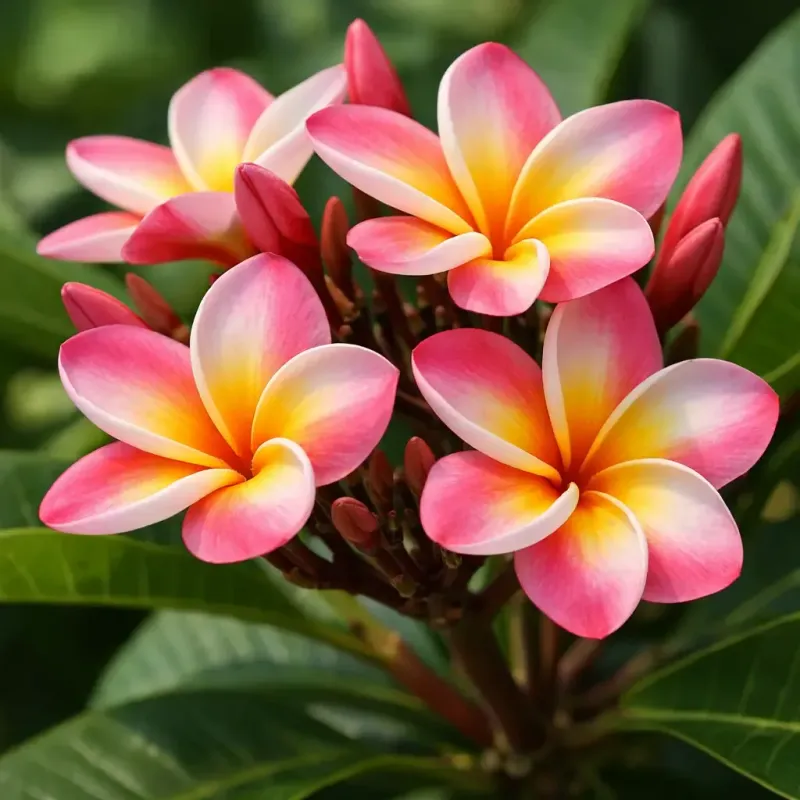
A well-executed mid-July care check will not guarantee uninterrupted plumeria flowers through October, but it meaningfully improves the odds for plants in warm Texas regions. The priorities are straightforward: confirm full sun exposure, verify that drainage is working in containers and in-ground sites, check root-zone moisture and water deeply when it begins to dry, and fertilize only if the plant is actively growing and soil conditions support it. Preserve branch tips by avoiding unnecessary pruning, and inspect leaves for rust, mites, and other problems before they gain a foothold.
Texas A&M AgriLife Extension’s Galveston County guidance and UF/IFAS plumeria care resources both support maintaining active, healthy growth as the foundation of a long bloom season. Beyond July, keep watching your local forecast and be ready to shift into cold-preparation mode well before the first chill arrives. The gardeners who see October blooms most consistently are the ones paying attention to what the plant and the weather are actually doing, not the ones following a rigid schedule.