
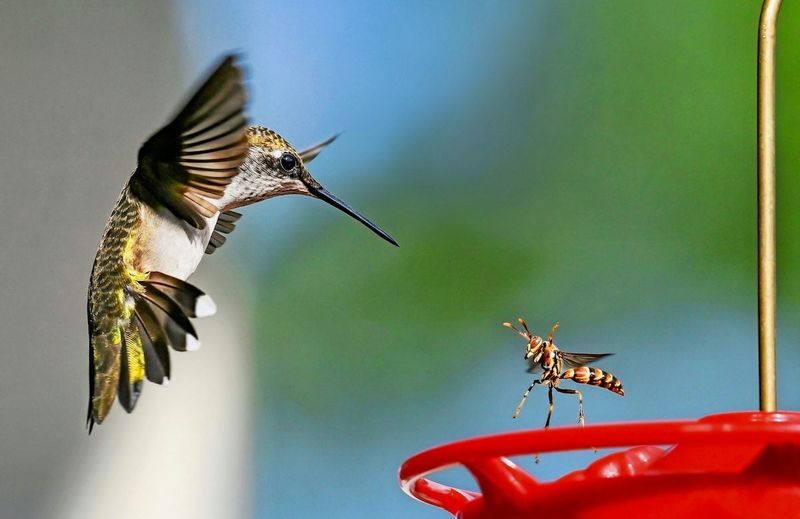
A hummingbird visits up to a thousand flowers a day, and in California many of them never touch a feeder at all. Sugar water can help, but it is only a snack compared to what these tiny birds really need.
Native blooms, tiny insects, and clean water keep Anna’s, Allen’s, and Costa’s hummingbirds healthy through our long dry summers. There is also one common mistake that can quietly harm them, and fixing it takes almost no effort.
1. California Fuchsia (Epilobium canum)
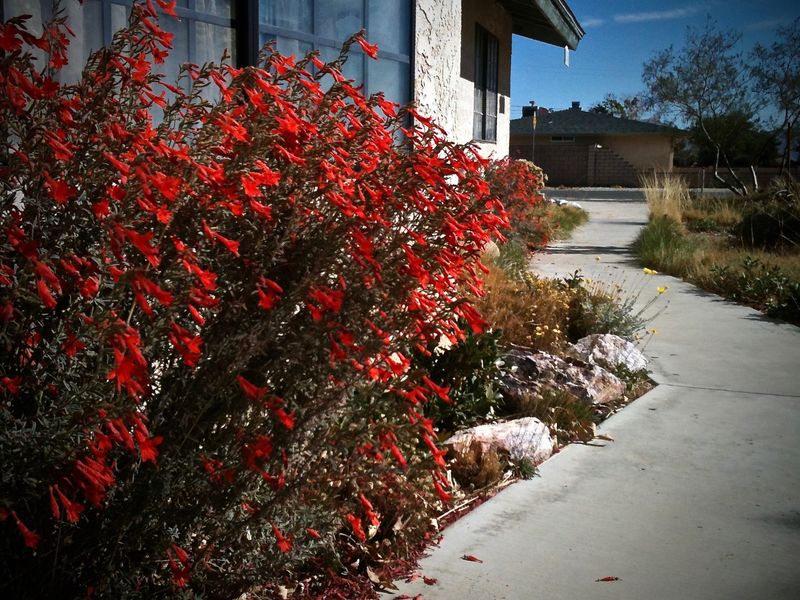
When most of the garden looks crispy in late August, California fuchsia is just getting started. Its blazing orange-red trumpets open right when hummingbirds face the leanest stretch of the year.
The plant is built for our climate. Once established, it can get by on little or no summer water, and it handles poor, rocky soil on hillsides and parkway strips.
Cut it back hard in late fall or winter and it returns full and tidy in spring. Plant it in full sun near a window, and you may get a front-row seat to territorial Anna’s hummingbirds guarding their patch.
2. Hummingbird Sage (Salvia spathacea)
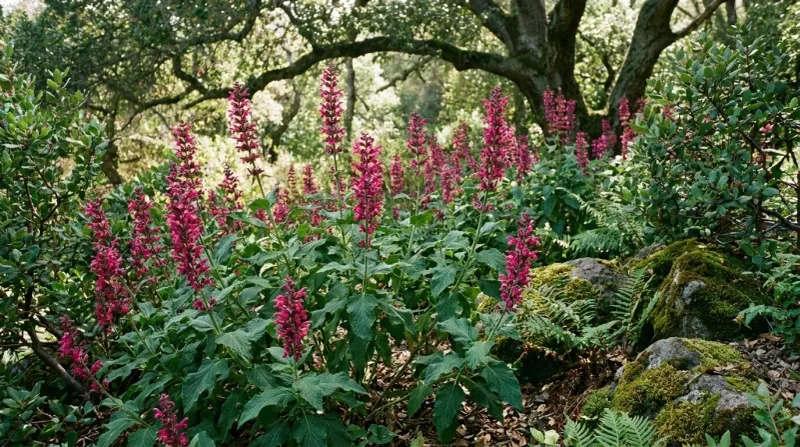
Shade gardeners, this one is yours. Hummingbird sage thrives under oaks and along north-facing walls where many flowering plants sulk.
From late winter into spring it sends up stalks of rose-magenta blooms, perfectly timed for Allen’s hummingbirds arriving along the coast to nest. The fuzzy leaves smell fruity and sweet when brushed.
It spreads slowly by underground runners, forming a fragrant groundcover. Give it occasional summer water inland, or none at all near the coast once it settles in.
3. Tiny Insects and Spiders
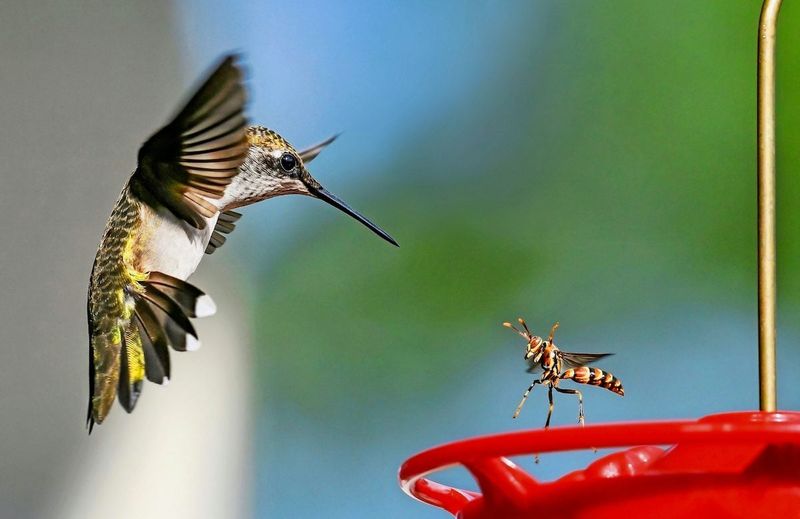
Here is a surprise for many feeder owners: nectar is only half the menu. Hummingbirds eat gnats, fruit flies, aphids, and small spiders every day for protein and fat.
Nestlings depend on insects almost entirely. A mother hummingbird may catch hundreds of tiny bugs to raise one brood.
You can support this food supply simply by leaving some bugs alone. Let a few aphids live on your roses, keep spider webs in quiet corners, and hold off on broad garden sprays.
Hummingbirds even use spider silk to bind their nests together.
4. Manzanita and Currant for Winter Nectar
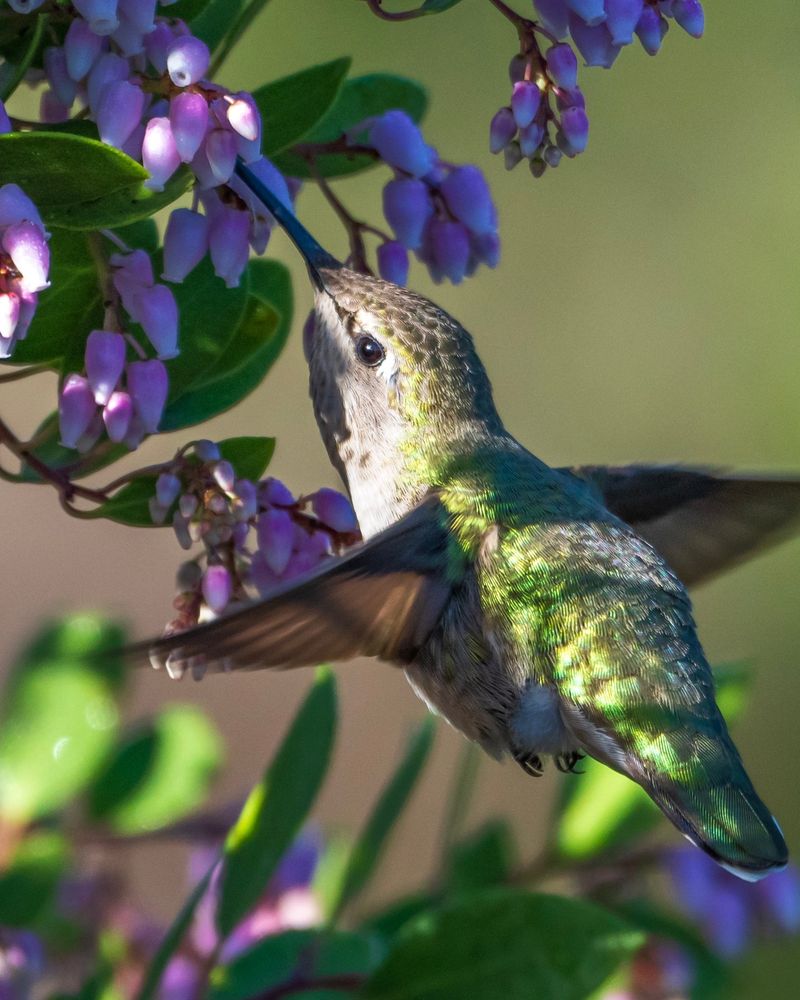
Anna’s hummingbirds do not migrate south. They stay through California winters and often start nesting as early as December, which means they need flowers when most gardens are bare.
Manzanita and chaparral currant fill that gap beautifully. Manzanita’s tiny pink bells and the currant’s dangling clusters bloom from winter into early spring, fed by seasonal rain rather than your hose.
Both are drought-adapted shrubs that fit fire-aware landscapes when spaced well and kept free of dead wood. Add one or two, and your yard becomes a winter refueling stop.
5. Penstemon and Monkeyflower
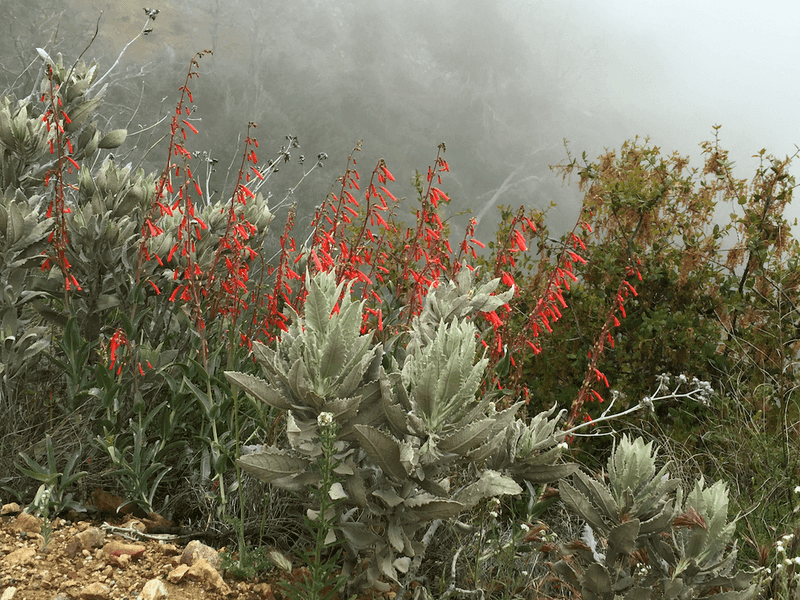
Think of these two as the reliable workhorses of the spring hummingbird garden. Scarlet bugler and foothill penstemon carry slender red or blue tubes that fit a hummingbird bill like a key in a lock.
Sticky monkeyflower adds glowing orange blooms that can last for months. It tolerates dry slopes and goes semi-dormant in summer heat, then perks up again.
Group several plants together so birds find plenty of flowers in one visit. Clustered color in a front border also gives your curb appeal a real lift.
6. Shallow Water and Misters
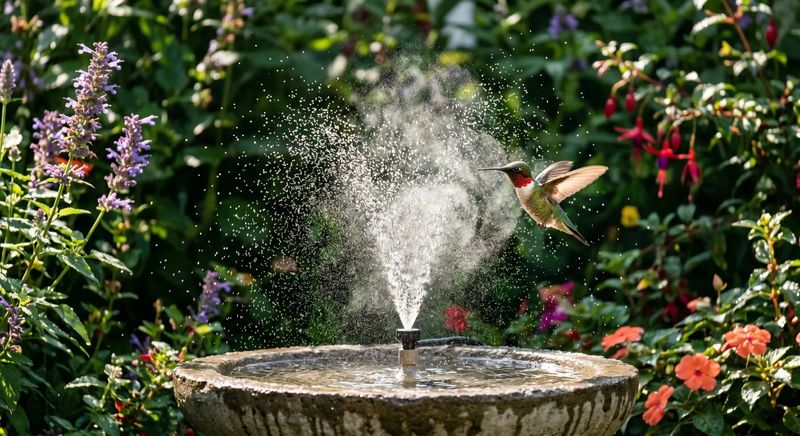
Picture a bird lighter than a nickel trying to cool off on a 100-degree day in Riverside. Hummingbirds rarely use deep birdbaths, but they love to flit through a fine spray or splash on a wet leaf.
A solar fountain with a gentle bubbler or a low-flow mister can draw them in. Keep the water very shallow, under half an inch, and place it near shrubs where birds can perch safely.
Drip-based misters use far less water than a sprinkler, so they fit local restrictions. Clean the dish every few days to keep algae and mosquitoes in check.
7. Plain Sugar Water Done Right
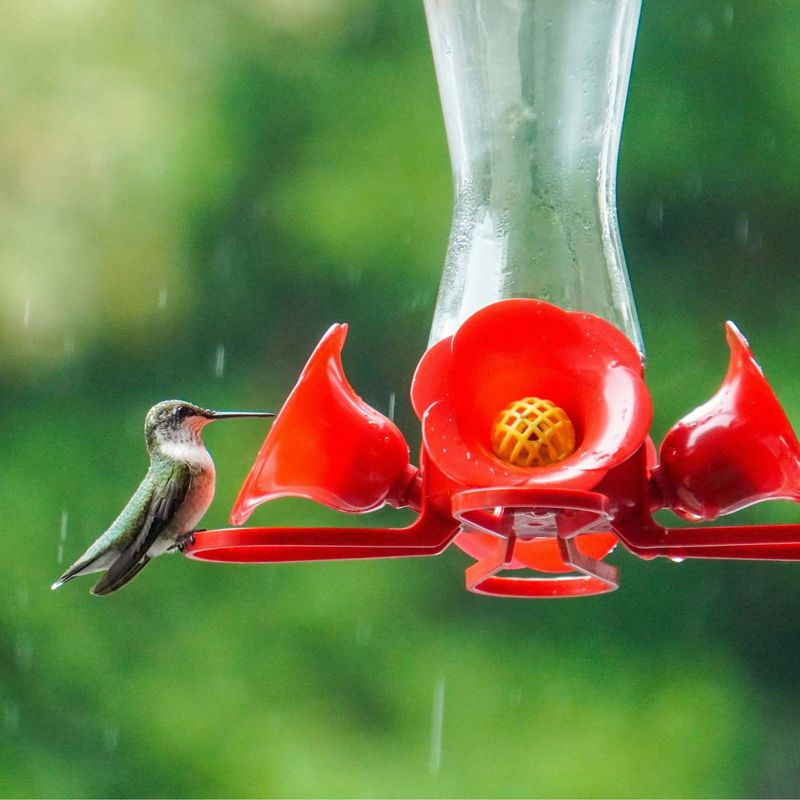
Feeders are fine as a supplement, as long as the recipe is simple. Mix one part white table sugar to four parts water, and that is it.
Skip honey, brown sugar, and artificial sweeteners. Honey can grow harmful fungus, and raw or brown sugars may contain iron levels that are hard on tiny birds.
In California heat, change the nectar every two days in summer and scrub the feeder each time. Hang it in shade, and plant flowers nearby so the feeder is a bonus, not the whole meal.
8. The One Thing That Harms Them: Red Dye
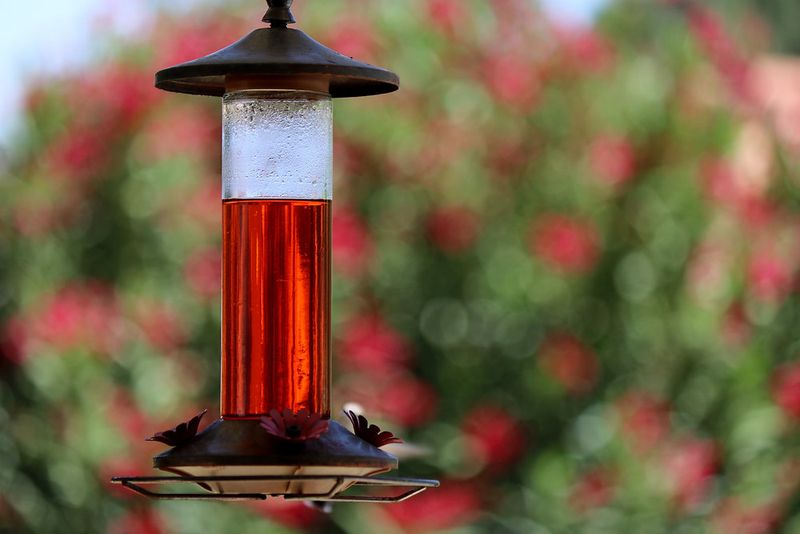
Bright red store-bought nectar looks cheerful, but it is the mistake worth fixing today. Red dye adds nothing a hummingbird needs, and many bird experts and the Audubon Society recommend avoiding it.
Research on its exact effects is limited, yet concerns about the dye stressing the birds’ tiny kidneys and livers have been raised for years. Since a hummingbird can drink more than its body weight daily, even small additives may add up.
The fix is easy. Feeders already have red parts that attract birds, so clear homemade nectar works just as well.
Pour out dyed products, rinse the feeder, and your visitors can keep coming back safely.