
Rosemary can look a little off right when the first cold fronts start showing up on the forecast. Brown tips, wandering stems, and soggy soil all leave gardeners wondering if a freeze is the problem.
The truth is that these clues point to different things, and some of them have nothing to do with cold. Here is how to read what you see and match each clue to a sensible next step.
Rosemary’s appearance is a clue, not a freeze forecast
Rosemary can show stress, and that is useful. A plant that looks off tells you to take a closer look.
What it cannot do is predict a freeze, and a single sign will not tell you the cause on its own.
Weather is the other half of the picture, and it varies a lot across Texas. As of November 20, 2026, the National Weather Service Houston/Galveston forecast discussion described a weak front and a low-confidence chance of a first freeze in parts of the Brazos Valley and Piney Woods.
That is a regional note, not a statewide forecast.
Dallas-Fort Worth offers a different kind of number. NWS freeze data for DFW lists an average first freeze of November 22.
An average date is not a prediction for this year, and it says nothing about the Rio Grande Valley, the Hill Country, or the Panhandle.
So build a simple routine. First, look over the plant and feel the soil.
Second, check your own local forecast for your own town. Third, respond to what is actually happening in your yard instead of what a headline suggests.
Keep expectations realistic too. Texas A&M AgriLife Extension says healthy rosemary can handle a light freeze, but survival still depends on the variety, the plant’s health, its location, and how severe and long the cold turns out to be.
What brown tips can—and cannot—tell you
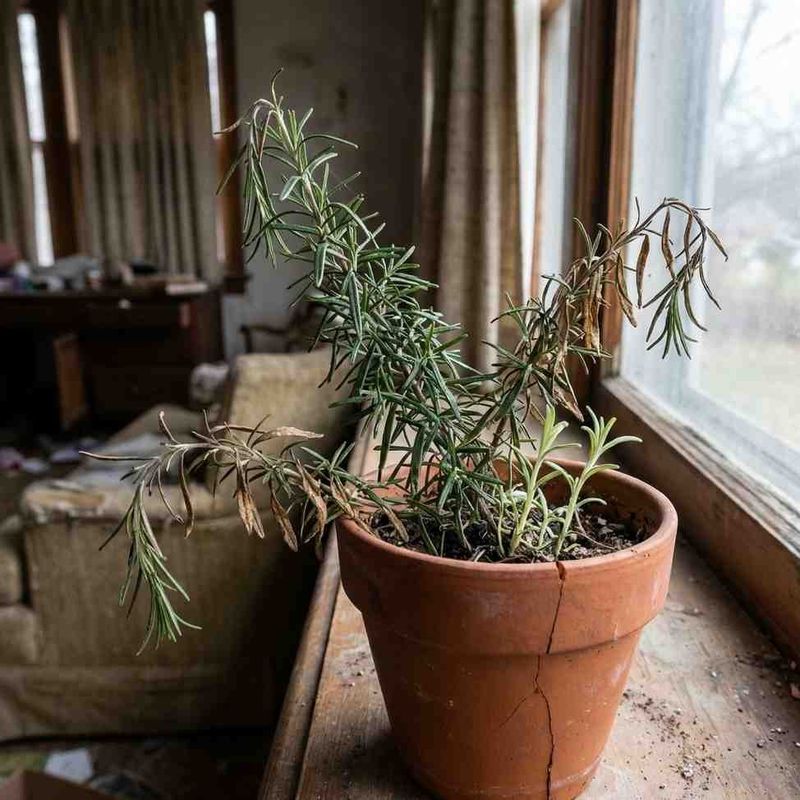
Brown tips are easy to notice and easy to misread. Many people see them and blame frost right away.
Others assume the plant is thirsty and reach for the hose.
Neither guess is safe. Penn State Extension lists browning tips as a possible symptom of root rot, and Texas A&M warns that too much water can cause root rot.
Rosemary can also suffer from too little water, and brown foliage alone does not separate the two.
Cold is another possible cause. Texas A&M’s freeze guidance notes that cold injury can show up as brown or water-soaked tissue.
Treat the browning as a prompt to gather clues. Push a finger a couple of inches into the soil.
Is it soggy days after the last watering, or dust dry? Then think back over the past week.
Did temperatures drop near freezing where your plant sits?
If the soil is wet and nights have been mild, drainage is the likelier concern. If a cold night just passed and the soil is fine, cold injury moves up the list.
Either way, do not add water just because the leaves are brown.
Splayed stems are not a proven freeze warning
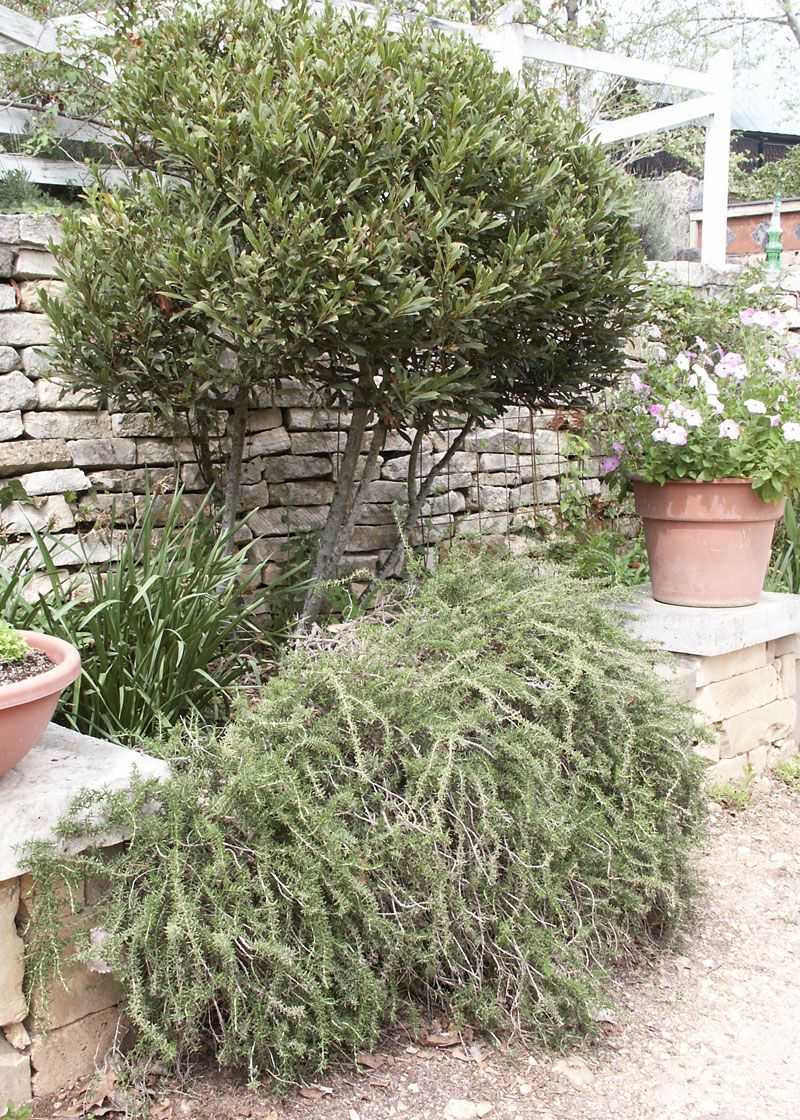
You may have heard that rosemary stems flop open before a freeze, as if the plant senses what is coming. It is a tidy story, but the rosemary guidance reviewed for this article, including Texas A&M’s rosemary guide, does not back it up.
So treat splayed stems as something you noticed, nothing more. Do not assume a freeze is on the way, and do not invent a fix for the stems themselves.
A guess about the cause can lead you to the wrong action.
Look at evidence you can actually check. Read your local forecast, and watch the low temperatures for your own zip code.
Check how wet the soil is. After any cold night, look for clear signs of cold injury, such as brown or water-soaked growth.
If none of those turn up a problem, the open shape may simply be how that plant grows. Take a photo now so you can compare it with the plant later in winter.
Persistently wet soil calls for better drainage
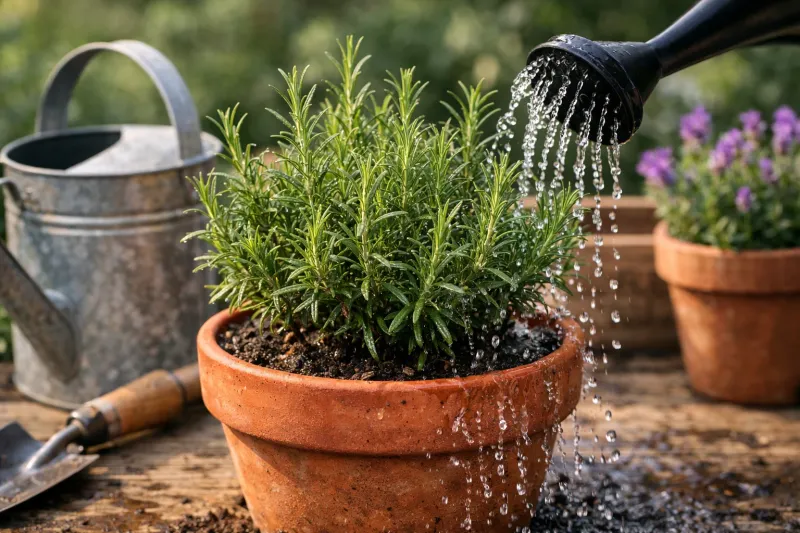
When the soil stays soggy, the answer is not more water. Rosemary roots need air, and constantly wet ground works against them.
Penn State Extension recommends avoiding overwatering because it can lead to root rot.
Start by pausing the hose and letting the ground dry out. Texas A&M calls for well-drained soil and says rosemary should dry thoroughly between waterings.
Where drainage is poor, it suggests raised or slightly mounded beds, which is a helpful idea for heavy Texas clay.
What about a schedule? Texas A&M’s rosemary planting guide mentions watering about every one to two weeks.
Think of that as an average, not a winter rule. A cool, cloudy stretch may need far less, and a dry, windy week may need a bit more.
The soil, not the calendar, makes the call. Check a few inches down.
If it still feels damp, wait.
For potted rosemary, make sure the container has drain holes and that the saucer is not holding water. For in-ground plants in a low spot, consider building up the planting area before next season.
Use covers when a local forecast calls for a freeze
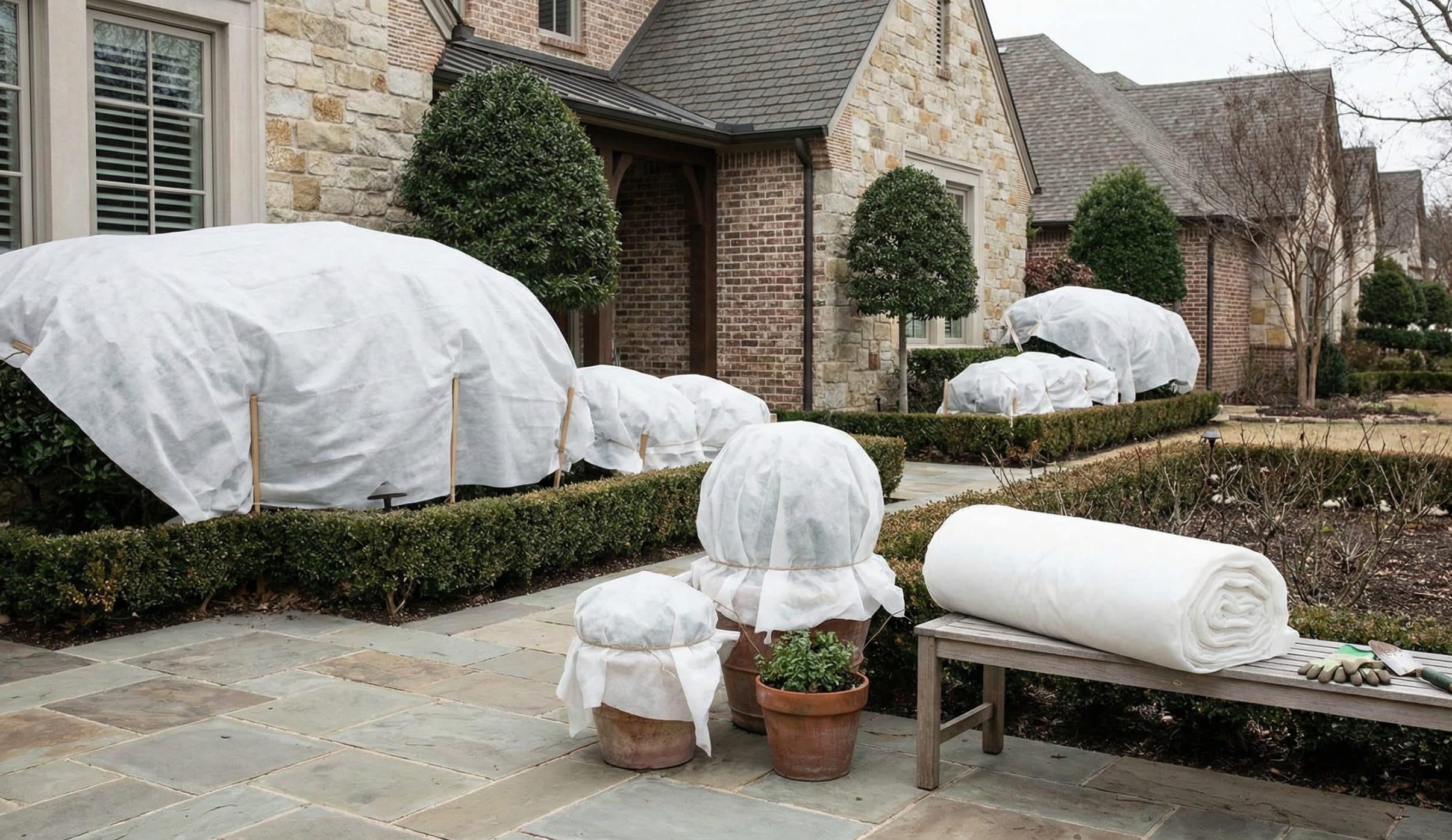
If your local forecast calls for a freeze, a cover can help in-ground rosemary. Texas A&M AgriLife Extension advises draping a sheet, blanket, or frost blanket over the plant.
Keep the cover loose, and let it reach all the way to the ground. That helps trap warmth rising from the soil.
A cover that stops short of the ground lets that warmth escape.
Avoid clear plastic touching the plant. Where plastic rests on foliage, cold can pass straight through to the leaves.
If you use plastic at all, hold it away from the plant with stakes or a frame.
Put covers on in the late afternoon, before temperatures fall, and take them off once it warms the next day.
Set realistic hopes. Covering reduces frost injury, but it does not guarantee a plant will come through a hard or prolonged freeze.
Cultivar, plant health, and location still matter, as Texas A&M’s rosemary guide points out.
Skip the sprinkler trick, too. Freeze-protection spraying takes careful, continuous application and can build heavy ice that breaks branches.
Move container rosemary to shelter during a killing freeze

Potted rosemary faces a tougher test than a plant in the ground. A container has no surrounding soil to buffer it, so roots can get colder than they would in a bed.
Texas A&M points out this difference in its freeze guidance.
When a killing freeze is forecast for your area, move valuable pots to a garage or another protected spot. A porch corner against the house can also work.
If lifting heavy pots is not realistic, group them together in a sheltered place so they shield one another.
Keep this tied to the forecast. A chilly evening in the 40s does not call for hauling every pot indoors.
Save the effort for nights when your local forecast shows a hard freeze.
If you move a pot into a garage, return it to the light once the cold passes. Check the soil before watering, since sheltered pots often stay damp longer than expected.
A simple habit helps. Keep your most prized containers on a wheeled stand or near the door, so a quick move takes minutes.
Wait until freeze damage is clear before pruning
After a freeze, brown rosemary tempts people to grab the shears. Hold off.
Texas A&M advises waiting until damage is apparent and the risk of further freezes has passed. Cutting early can expose new growth to the next cold snap.
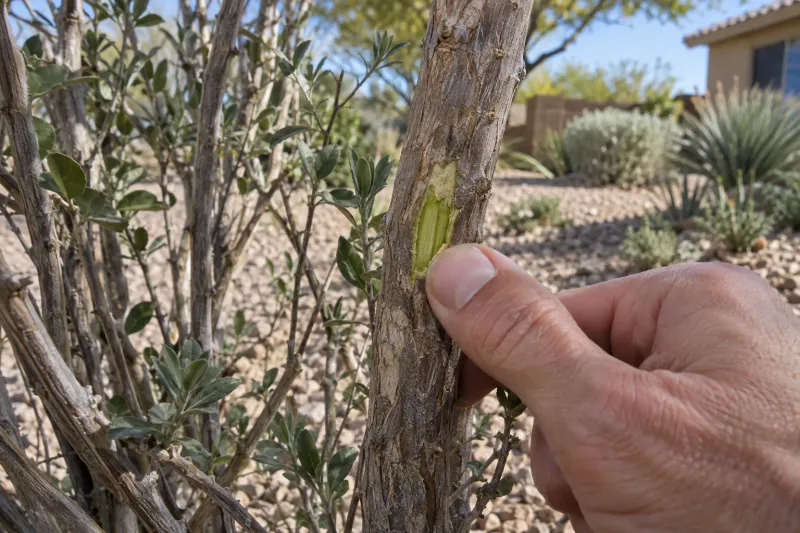
When the time comes, try a simple check on a young branch. Scrape away a bit of the outer bark with a fingernail.
Green or creamy tissue underneath is healthy, while brown tissue beneath the bark points to freeze damage.
Treat that result as a clue, not a promise. A green scrape does not guarantee the plant will bounce back, and a brown one on a single twig does not condemn the whole shrub.
Check several branches in different spots.
Keep the order simple. Inspect the plant, then deal with what you actually found, whether that is soggy soil or cold exposure.
Protect it when a local forecast calls for a freeze. Prune later, once the damage shows.
Rosemary rewards patience more than quick cuts.