
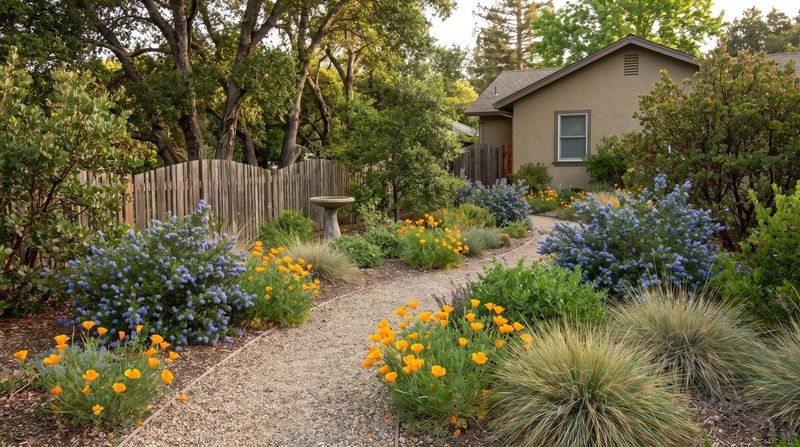
Many people think spring is the time to plant, but California natives often follow a different calendar. Our long, dry summers and wet winters mean cooler fall days can give new roots a head start.
October can be a handy reminder to look over your yard, make a plan, and get ready. Here is how to use that cue without treating it like a rule for every corner of the state.
Fall gives native plants time to establish before summer
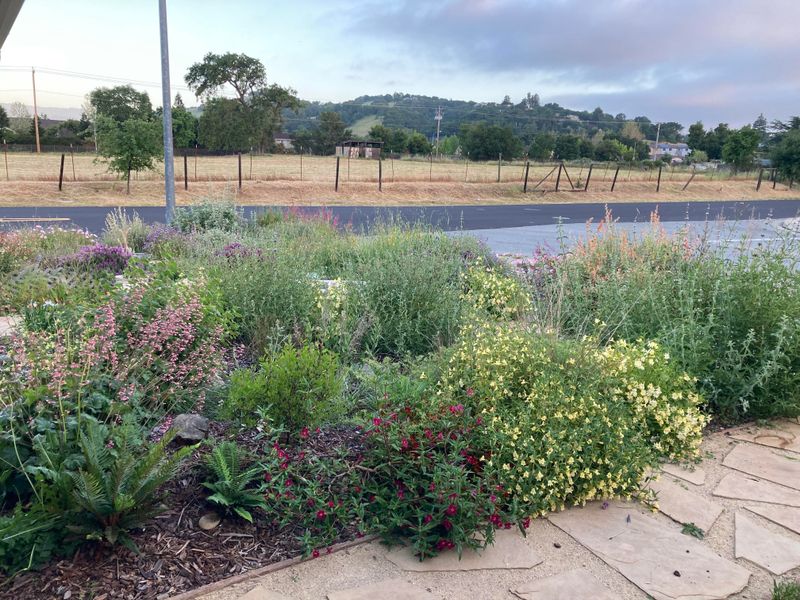
Think about what a new plant faces in its first year. If it goes in during the heat of summer, its young roots have to find water while the soil bakes.
If it goes in during fall or early winter, the days are cooler and the plant loses less moisture through its leaves.
That is why UC Master Gardener guidance on fall planting generally favors this season for most California natives. Cooler weather and the rainy season give roots months to spread before the dry months return.
The California Native Plant Society also points gardeners toward fall and early winter for the same reason.
Rain is a helper, not a guarantee. Some years the first storms arrive late, and some seasons bring lighter rain than a young plant needs.
A shower that wets the top inch of soil may not reach the deeper root zone at all.
So picture fall as giving you a better set of odds, not a finished job. You still check the soil, and you still pick up the hose when the weather stays dry.
The seasonal advantage is real, but it works best when you pair it with attention to what is happening in your own yard.
Most natives can also go in during winter or early spring, so a missed fall is not a lost year. Fall is simply the window that often asks the least of both you and the plant.
October is a cue, not a statewide deadline
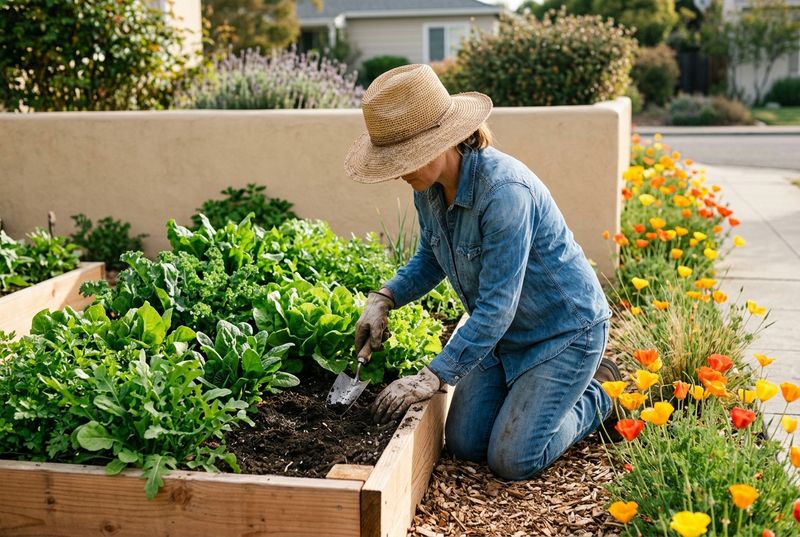
A calendar page can start you thinking, but the weather should make the call. California is huge, and a coastal yard, a Central Valley yard, and a mountain yard do not share the same October.
The rainy season does not begin on the same day everywhere, or in the same way each year.
Use October as a prompt to plan and prepare. Walk the yard, mark where plants might go, pull weeds, and check how water moves across the soil.
UC Master Gardeners of Santa Clara County treat this month as a working time in the garden, which fits that kind of preparation.
Planting itself often goes best once temperatures have cooled. In some areas the more dependable moment comes after the first substantial rain, as the CNPS South Coast Chapter notes in its gardening resources.
If rain is slow to arrive, new plants will need hand watering in the meantime.
Do not worry if October slips by. CNPS favors fall and early winter, yet winter and early spring still work for most species.
Your local weather is a better guide than any single date.
Choose plants for your yard, not just for California
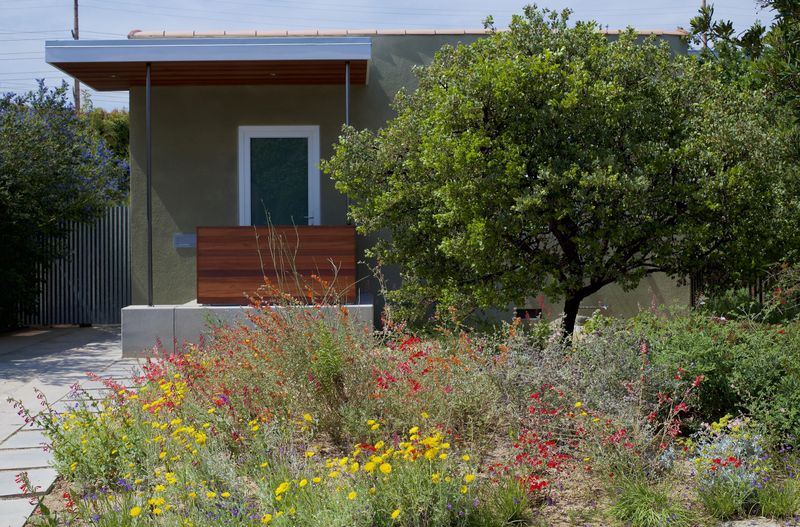
A plant can be native to California and still be a poor match for your yard. The state includes coast, desert, mountains, and inland valleys, and plants from each place have different needs for water and temperature.
A shrub from a foggy hillside may struggle in a hot inland lot.
Before you buy, look at four things: your local climate, how much sun the spot gets, how well the soil drains, and how much water you can realistically provide. CNPS advice on starting a native plant garden stresses matching plants to the conditions where they will grow.
Calscape, a local CNPS chapter, or a native plant nursery can help you find species that suit your address. Staff at a good nursery often know what thrives nearby.
For foothill gardens, UC Master Gardeners of Placer County list manzanita, California lilac (Ceanothus), and silver bush lupine as fall-planting shrubs. Treat these as examples for that kind of setting only.
They are not a statewide shopping list, and a coastal or desert yard may call for entirely different choices.
Write down your yard’s sun, soil, and water notes before you shop. That short list will keep you from falling for a pretty plant that does not fit.
Plant nursery-grown natives with the site in mind
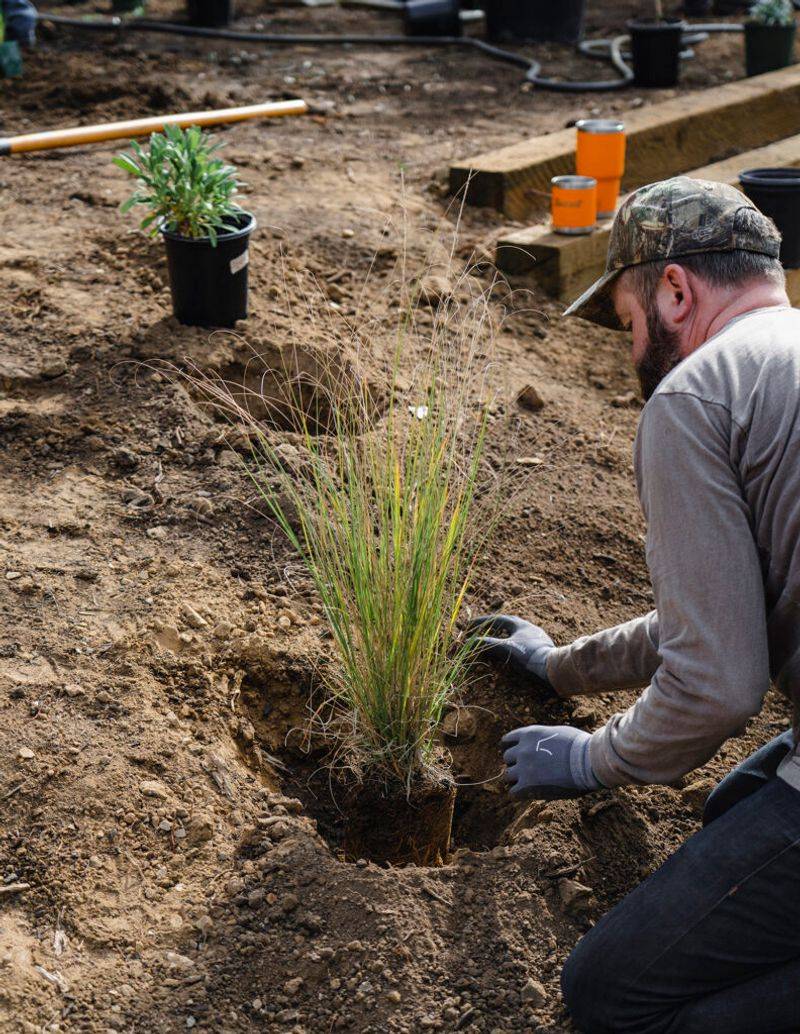
Once you have the right plant, the planting itself is simple. UC Master Gardeners of Marin County suggest digging a hole about twice as wide as the pot.
A wide hole loosens the soil around the roots so they can spread outward.
Set the plant at or slightly above the surrounding grade, not sunk below it. Then backfill with the native soil you dug out, and water thoroughly to settle the soil around the roots.
Finish with mulch if it suits the plant, but keep it back from the crown, where the stem meets the roots. Mulch piled against the stem can hold moisture where it does not belong.
These steps are a general approach, not a rigid recipe. Some species prefer especially sharp drainage, and a heavy clay spot may call for planting a bit higher or on a gentle mound.
Check the plant tag or ask the nursery about what your species needs.
Skip the urge to fertilize or amend the soil as a routine step. Many natives do not need it, and some are sensitive to extra nutrients.
If you are unsure, ask a local expert before adding anything.
New plants still need moisture checks
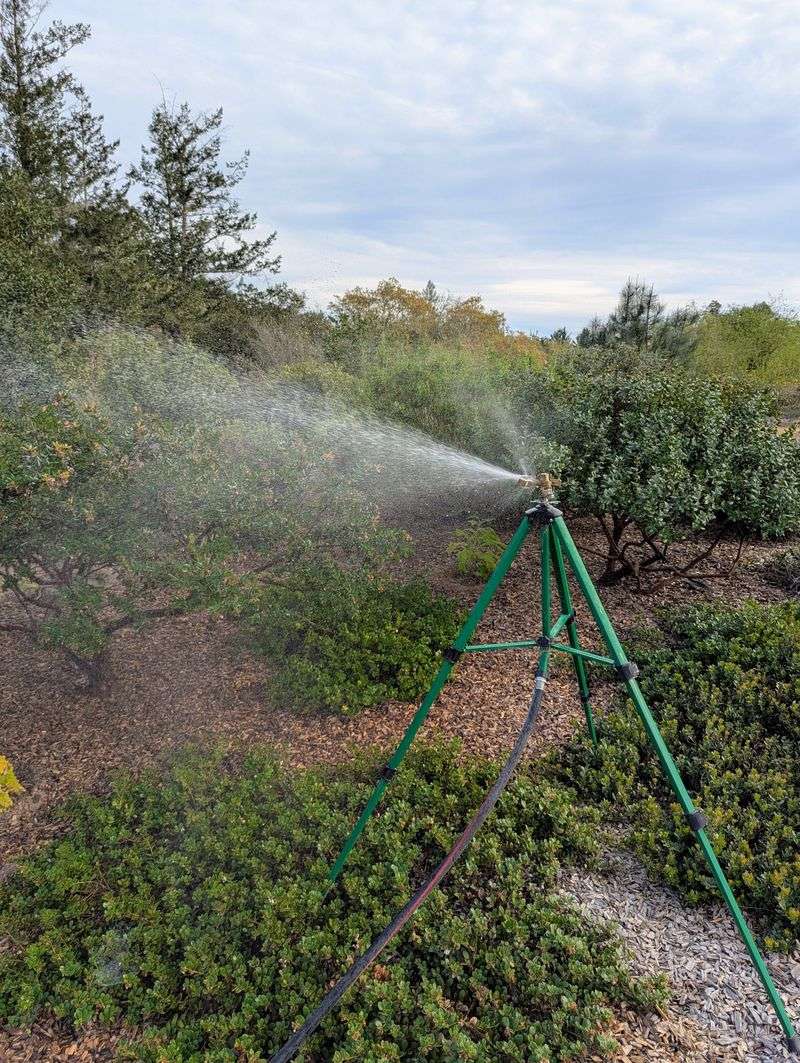
The first months after planting are when roots are working hardest. Check the soil often, especially during a stretch with no rain.
If it is dry down where the roots are, water deeply so moisture soaks in instead of wetting only the surface.
Guidance from UC Master Gardeners advises checking the soil and watering when it is dry. New plants may need regular extra water during dry spells while they establish.
Because soil, weather, and species differ, no single schedule fits every yard.
Established plants are a different story. UC Master Gardeners of Sonoma County describe natives whose needs vary, and some do need supplemental water.
A plant that handled last year just fine may still need help in a very dry season.
Giving too much water causes trouble too. UC ANR water conservation guidance is a reminder that both under-watering and over-watering can harm plants.
Some natives struggle in soggy soil, especially in summer.
A simple habit helps: push a finger or trowel a few inches into the soil near the plant. If it feels damp, wait.
If it is dry, water slowly and deeply.
Wildflower seeds pose a separate timing question
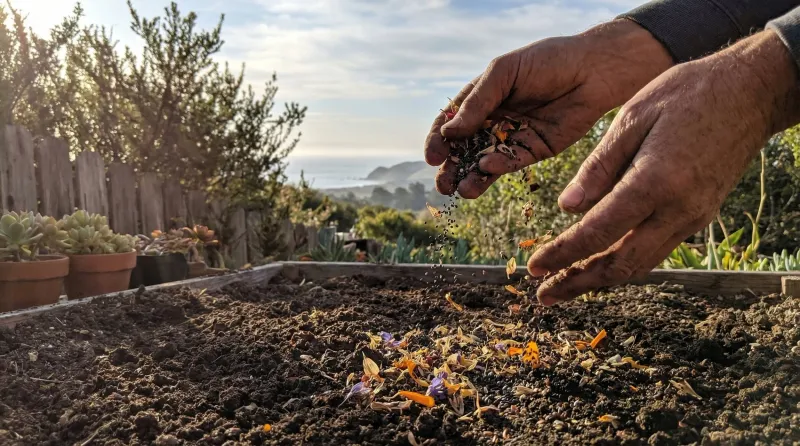
Sowing seed is not the same job as planting a nursery container. Seeds depend on their own timing for sprouting, and what works for a shrub from a pot may not apply to them.
A CNPS San Diego chapter article describes small local tests of annual wildflowers. In those tests, some seed sown before fall did better than seed sown in November, which challenged a common assumption.
The author notes that the tests were limited, so they do not prove a best sowing date for everyone.
In plain terms, do not treat one seed-timing rule as advice for the whole state. Your soil, rainfall pattern, and the species you choose all matter.
Ask a local CNPS chapter, a native nursery, or the seed supplier about timing for your area. Some gardeners sow in stages, which spreads out the risk if the weather does not cooperate.
Locally suited natives can support local wildlife
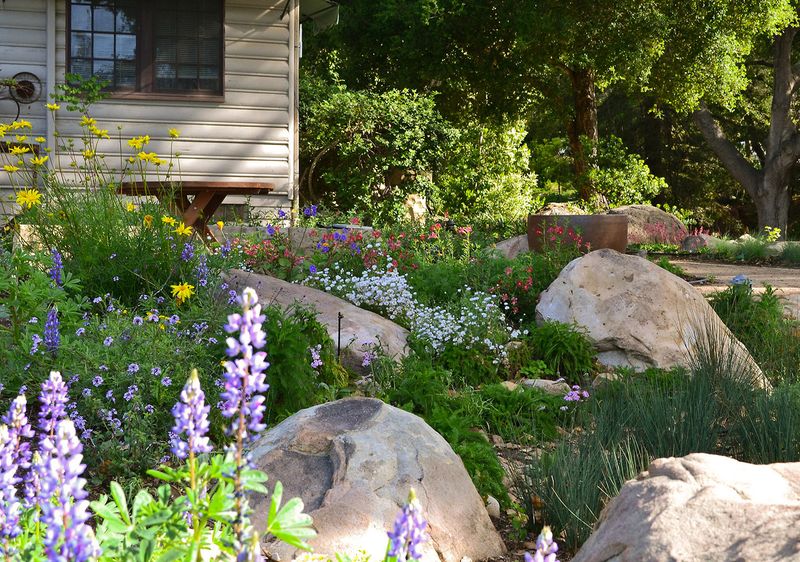
A yard planted with locally suited natives can offer food, shelter, and other habitat benefits for local wildlife. Flowers provide nectar and pollen, seeds and berries feed other creatures, and dense shrubs offer cover.
UC Master Gardeners of Sonoma County describe native plants as a way to bring these benefits into a home garden. Plants that grew up alongside local insects and birds tend to fit into the local food web more naturally.
Native status alone does not decide the result. A plant that suits your climate and soil has the best shot at thriving, and a thriving plant is the one that gives wildlife something to use.
Different plants offer different things, so a mix of shrubs, perennials, and flowers across the seasons gives more variety.
It is wise to keep expectations honest. A garden can help, but it cannot promise particular visitors, and it does not replace intact habitat in the wild.
Think of it as a small, useful link in your neighborhood.
Fire-smart planting includes the space around your home
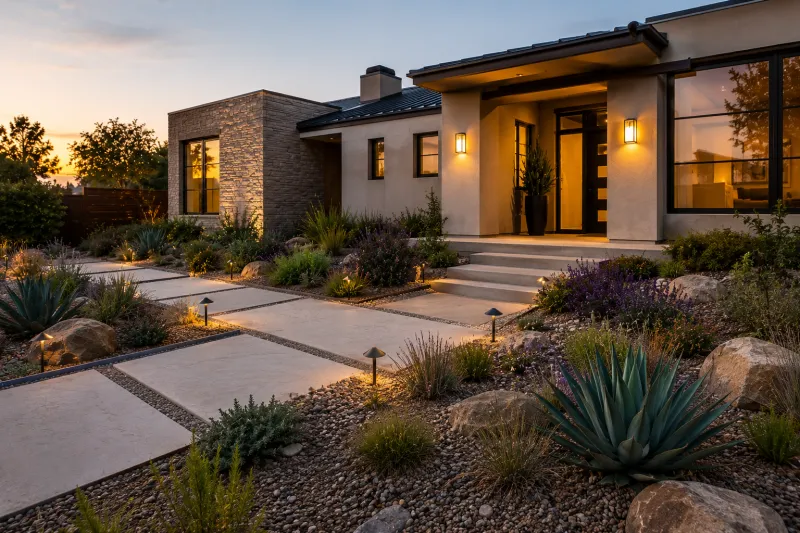
If you live in a wildfire-prone area, the plants you choose are only part of the picture. Native landscaping alone does not make a yard fire-safe.
What matters just as much is fuel, spacing, and upkeep.
CAL FIRE’s defensible space guidance calls for hardscape, such as gravel, pavers, or concrete, in the first five feet from a structure. Combustible bark or mulch does not belong in that zone.
That is a firm exception to the usual habit of mulching new plantings.
CAL FIRE also advises removing dead vegetation, which can burn easily. Make it a regular chore, since plants die back and leaves and branches pile up over time.
Local requirements can differ and may be stricter than general guidance. Check with your fire district or city before you plan beds near the house.
A practical way to use this: sketch your home and draw a five-foot ring around it. Keep that ring clear and hard-surfaced, then place plants farther out where they have room.
Start with conditions, not a date
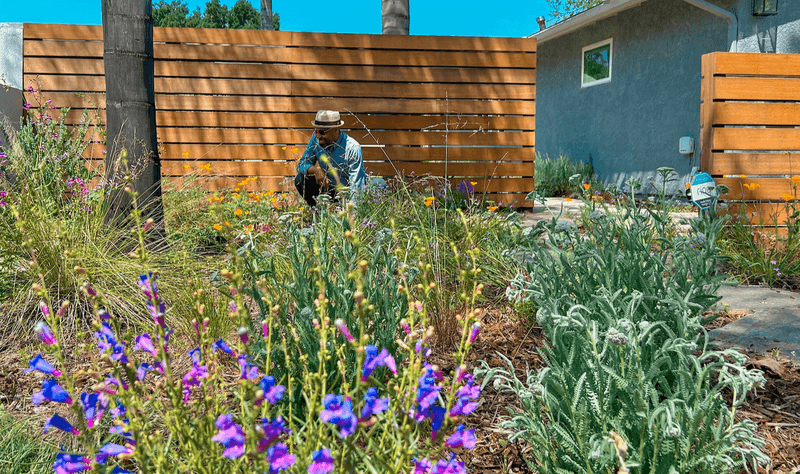
Use October to look, plan, and prepare. When temperatures cool and local conditions are right, put plants in the ground.
Then check the soil and adjust your watering as the season unfolds, drawing on what UC Master Gardeners and CNPS recommend for fall and early winter.
The best planting day is the one your yard is ready for, not the one on the calendar.