
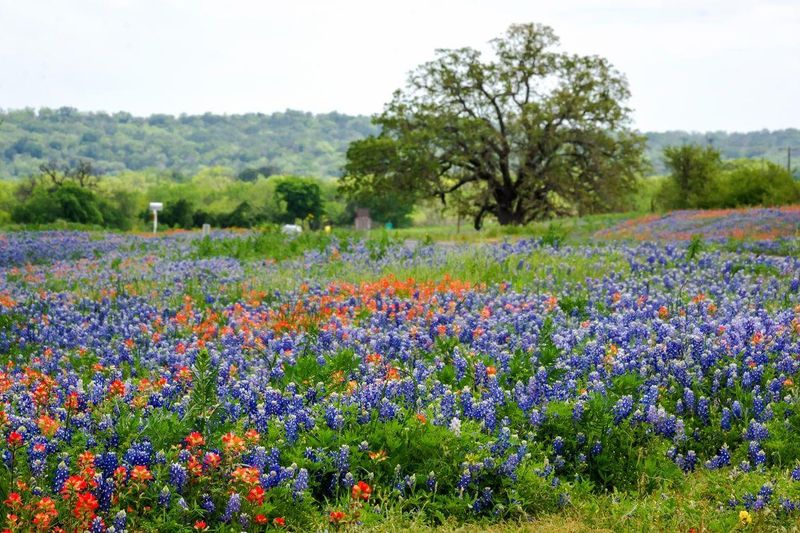
Finding true Texas native plants can feel like a treasure hunt, because the big box garden centers rarely carry them. Those shelves are stocked with pretty flowers bred for cooler, wetter places, not the tough survivors that laugh at triple-digit summers and water restrictions. Real Texas gardeners know the good stuff hides in smaller, specialized spots run by people who actually care about the land. Here is where the plant hunters go when they want species that belong here and thrive here.
1. Native Plant Society of Texas Chapter Sales
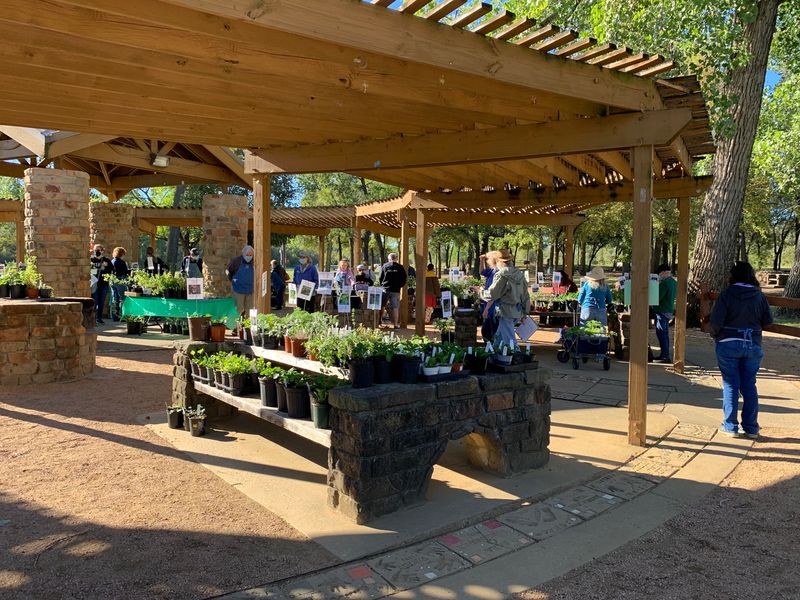
Twice a year, something magical happens in church parking lots and community centers across the state. Local chapters of the Native Plant Society of Texas haul out folding tables loaded with species you will never see under fluorescent store lights.
These volunteers grow, dig, and divide plants from their own yards and demonstration gardens. That means the standing cypress, cedar sage, and Turk’s cap you take home were already surviving your exact rainfall and soil, not shipped in from a greenhouse three states away.
The prices tend to be gentle because the goal is spreading natives, not profit. Show up early, though, since regulars line up before the doors open for the rare finds like Texas betony or scarlet clematis.
Beyond the plants, you walk away with free advice from people who have killed and revived every species on the table. Ask about anything that stumps you, and someone will happily talk your ear off about it. For a beginner trying to build a yard that shrugs off drought and water restrictions, that human knowledge may be worth more than the plants themselves.
2. Independent Native Plant Nurseries
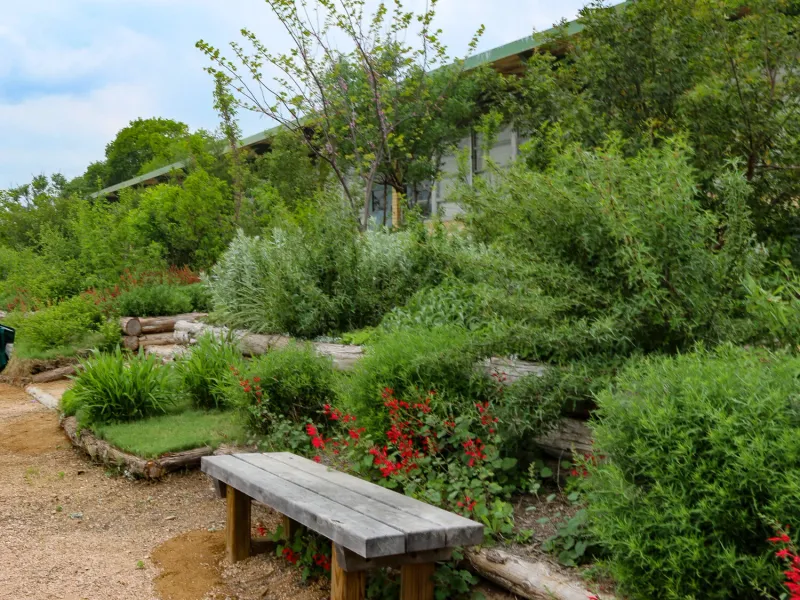
Tucked down back roads and on the edges of small towns, family-run native nurseries are the beating heart of the Texas plant world. Places built around Hill Country limestone soils or Gulf Coast humidity know exactly what will make it in your yard.
Unlike the seasonal racks at chain stores, these growers carry deep benches of regional specialists year-round. You can find frostweed for pollinators, Gulf muhly grass that glows pink in fall, and flame acanthus that hummingbirds mob in July.
The owners often propagate their own stock, so plants arrive hardened off and ready for real Texas weather instead of pampered and shocked. Tell them your zip code and how much shade you get, and they will steer you straight.
Yes, you might drive an hour to reach one. Regulars swear the trip pays for itself in plants that actually live, saving the heartbreak and money wasted on box-store impulse buys that fry by August.
3. Botanical Garden and Arboretum Plant Sales
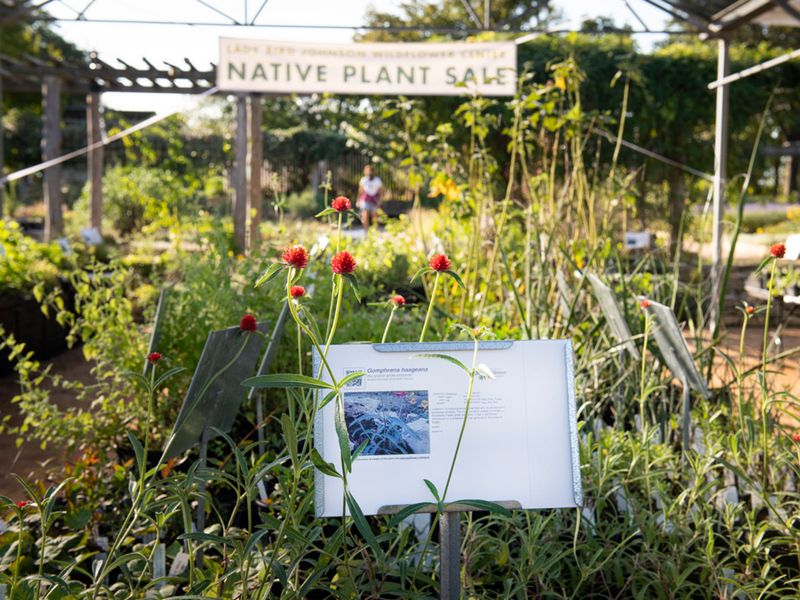
Ever wonder where the plants in those gorgeous public gardens come from? Many botanical gardens and arboretums propagate extras and sell them at member events, and that is your golden ticket.
The Lady Bird Johnson Wildflower Center in Austin runs sales that native plant fans mark on their calendars months ahead. Curators there trial hundreds of species, so the ones offered for sale have already proven they can handle Texas extremes.
What sets these sales apart is variety you simply cannot get anywhere else. Rare selections of Texas mountain laurel, Mexican buckeye, and unusual milkweeds for monarchs show up because staff botanists collect and grow them on purpose.
Membership usually gets you early access and a discount, plus you are funding conservation work at the same time. Wander the demonstration beds first, note what you love, then buy the exact same thing on your way out. It is a smart way to see a plant thriving before you commit your garden space to it.
4. Native Seed Companies and Seed Exchanges
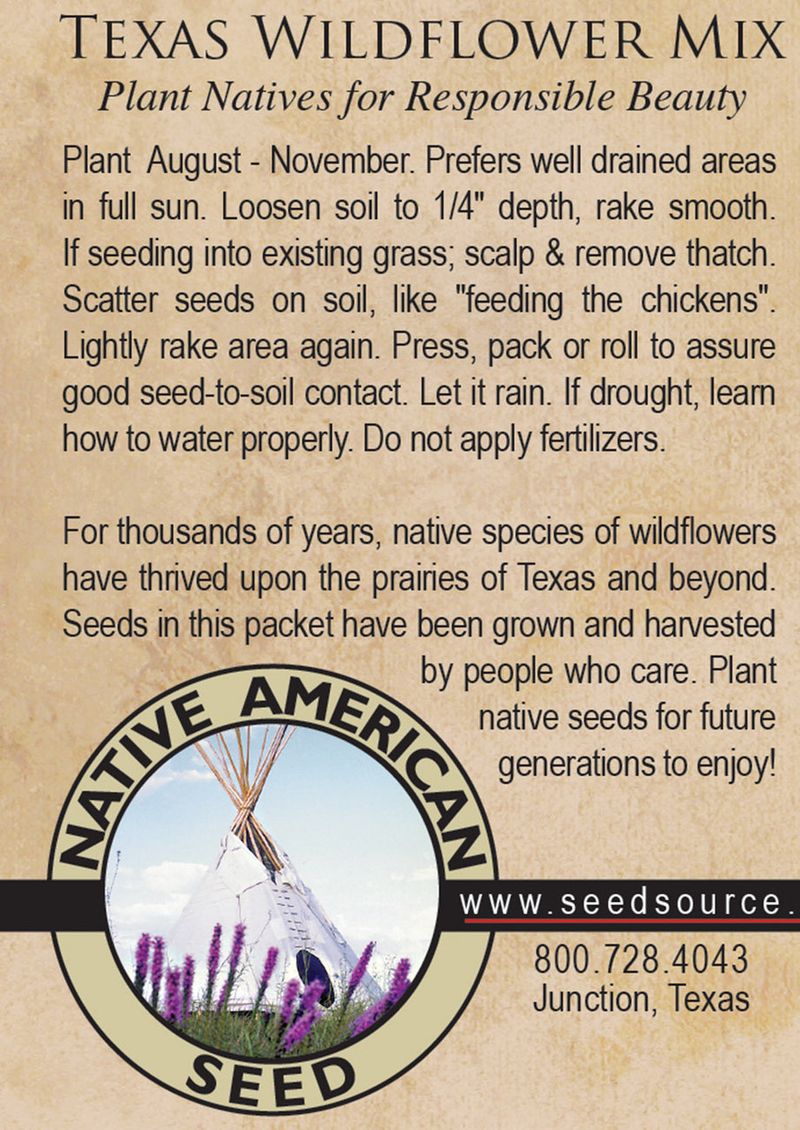
Sometimes the rarest plants do not come as plants at all. Specialty seed companies focused on Texas ecotypes let you grow species that no nursery bothers to pot up because they are slow or hard to transplant.
Native American Seed near Junction and similar Texas outfits sell region-collected seed for bluebonnets, gayfeather, and dozens of native grasses. Seed grown from local parent plants carries the genetic toughness to handle your specific patch of dirt.
Cost is the sweet part here. A single packet can seed an entire meadow for the price of one gallon-pot shrub, which matters when you are trying to fill a big lawn you are tired of watering.
Gardeners also swap seeds through local exchanges and online groups, passing along heirloom natives hand to hand. Patience is required, since seeds ask for a season or two to establish. The payoff is a self-seeding stand that comes back stronger every year with almost no help from you.
5. Master Naturalist and Master Gardener Events
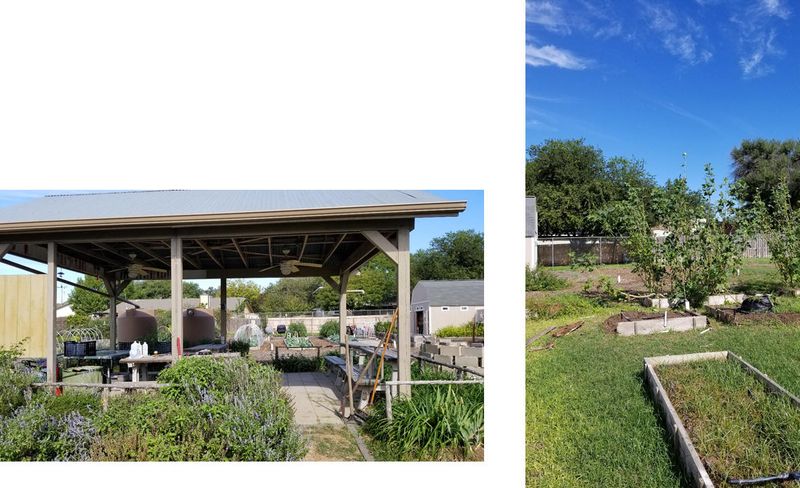
Behind many of the best plant finds in Texas stands a small army of trained volunteers. Master Naturalist and Master Gardener chapters host workdays, tours, and giveaways where natives change hands for little or nothing.
Members maintain demonstration gardens and habitat restoration sites, which means they are constantly dividing overgrown clumps of inland sea oats, coreopsis, and salvias. Rather than compost the extras, they share them with the public.
Attend a chapter meeting or an open-garden day and you will often leave carrying a pot someone pressed into your hands. The catch, if you can call it that, is you have to show up and be curious.
These folks live and breathe the local ecosystem, tracking which natives feed which pollinators and which resist the pests plaguing your neighborhood. Lean on them when a mystery bug shows up or a plant sulks. Their advice can steer you away from expensive mistakes and toward species that quietly do their job for years.
6. Prairie and Habitat Restoration Rescues
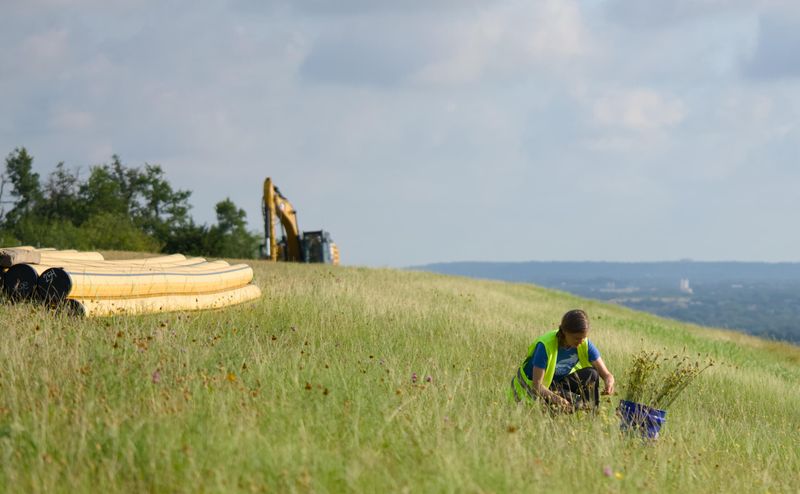
Bulldozers are coming for a patch of remnant prairie, and a group of gardeners is racing to save what they can before the concrete pours. Plant rescues turn development into opportunity, and they are one of the wildest ways to score rare natives.
Conservation groups get permission to dig plants from land slated for construction, then invite volunteers to help lift and rehome them. You might unearth mature little bluestem, prairie clover, or a decades-old antique rose that a chain store would never dream of stocking.
The plants are free, but the work is real, involving shovels, sweat, and the occasional fire ant encounter. That effort is exactly why these species are so precious, since some remnant prairies hold genetics found almost nowhere else in Texas.
Watch local conservation and native plant groups for rescue announcements, which pop up fast and fill even faster. You are not just gardening at that point. You are literally preserving a slice of vanishing Texas landscape in your own backyard.
7. Online Native Plant Communities and Marketplaces
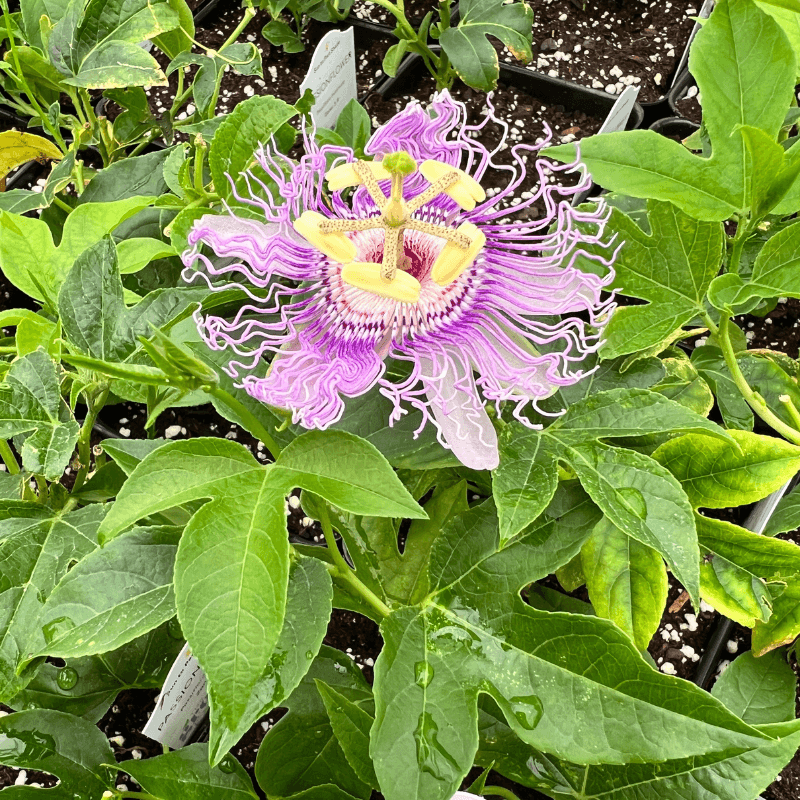
Your phone might be the best native nursery you never knew you had. Regional Facebook groups, forums, and gardener marketplaces connect Texans who grow and trade species no retailer carries.
People post extra seedlings, rooted cuttings, and divisions of things like American beautyberry, cedar sage, and passionflower vine, often for a few dollars or a simple trade. Because these swaps are hyperlocal, whatever you pick up is already acclimated to your county’s heat and clay.
Ask a question in one of these groups and you may get twenty answers before lunch, some contradicting each other in entertaining ways. Sift through the noise and you will find genuine experts who identify mystery plants from a single blurry photo.
A word of caution goes a long way here. Confirm a plant is truly native and not a look-alike invasive before you accept it, since the wrong pass-along can spread through your yard fast. Done carefully, these online circles keep rare Texas plants moving from garden to garden, exactly where they belong.