
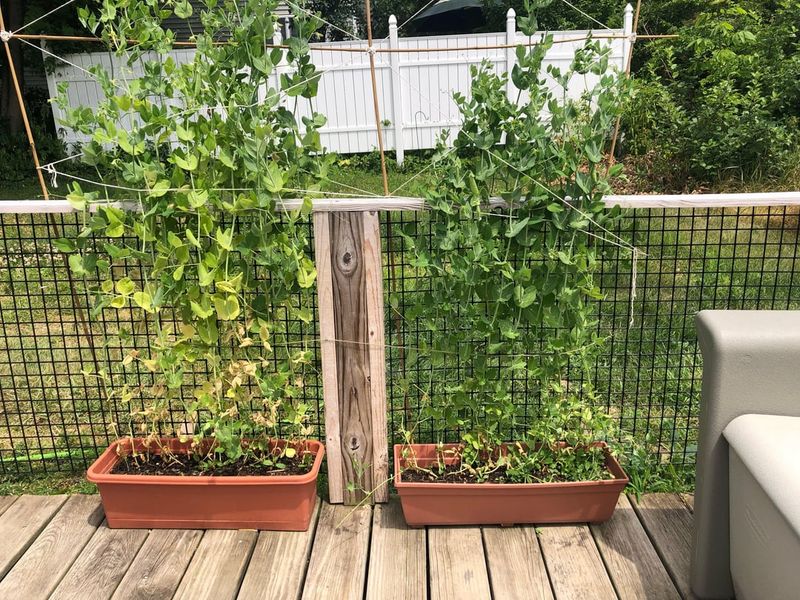
Your snow peas looked fine at breakfast, then drooped by 3 p.m. It is easy to panic and grab the hose or the shovel.
A droopy afternoon does not tell you what is wrong by itself, but a few quick checks can point you in the right direction. Here is how to sort out the clues before you water, dig, or pull anything.
Sunny-afternoon wilt does not diagnose root rot
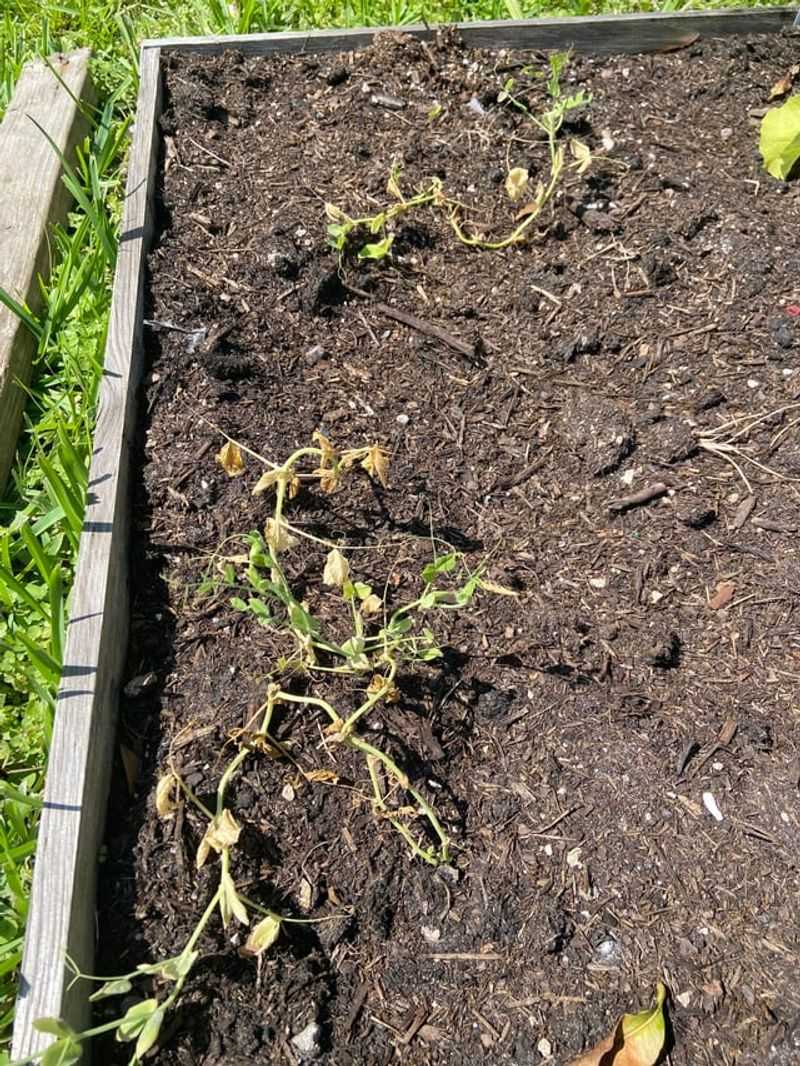
A pea plant wilts when it loses water faster than its roots can replace it. University of Wisconsin Extension lists several reasons plants wilt, and some are not diseases at all.
Heat, wind, and low humidity can all pull water out of leaves quickly, and plants may perk back up by evening.
So midday wilting alone does not establish Fusarium, root rot, or any other specific cause. It is a clue that something deserves a look, nothing more.
Heat is a reasonable suspect in warm Southern beds, but without other evidence you cannot blame it for one particular plant.
Pay closer attention when the droop is still there the next morning, spreads from plant to plant, or comes with yellowing or stunting. University of Minnesota Extension describes pea root and wilt diseases, and NDSU Extension notes that root problems can look like other stresses.
Those signs call for inspection, though they still do not name a disease.
Check soil moisture before watering
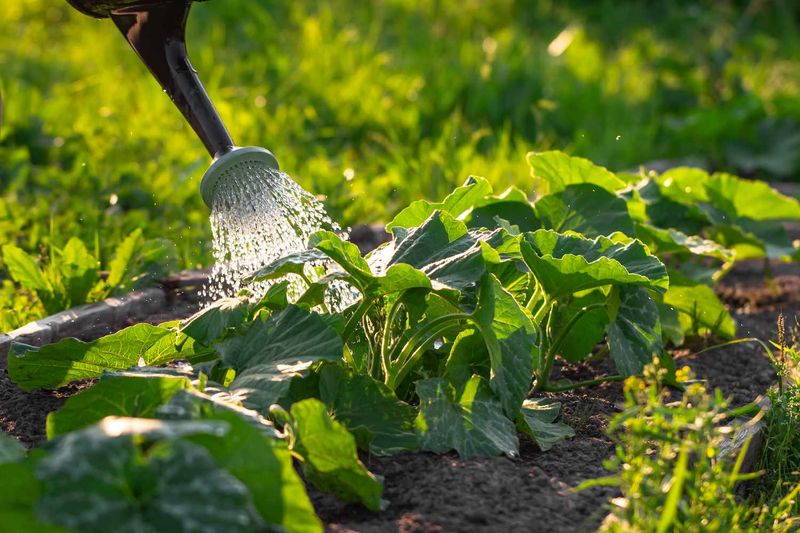
Before the hose comes out, push a finger a few inches into the soil near the plant’s base. Pull back the mulch if you need to.
What you feel matters more than how the leaves look.
If the root zone is dry, water slowly at the base so moisture reaches the roots. If the soil is already damp or wet, hold off, because extra water can make root problems worse.
Watering every drooping plant is not a safe habit.
How often peas need water changes with rainfall, crop age, and soil type, as the UF/IFAS Florida Vegetable Gardening Guide explains. A sandy Florida bed may dry out in a day or two, while heavy Texas clay can stay wet far longer.
UF/IFAS also warns against standing water around vegetables.
Treat this as a quick sorting step. It tells you whether thirst or soggy soil is more likely in play, but it does not identify a disease.
Inspect roots and stems for clues
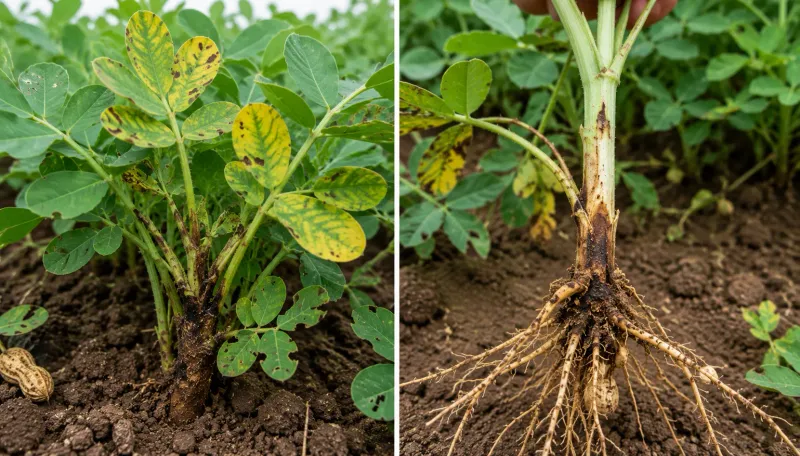
If a plant keeps declining, choose one struggling pea and lift it gently with a trowel. Look at the roots and the stem near the soil line.
Compare it to a healthy neighbor if you can.
Possible root rot clues include reddish-brown to dark lesions, fewer side roots, and yellowing or stunting above ground, according to NDSU Extension. Fusarium wilt is a separate problem.
University of Minnesota Extension describes red-brown discoloration inside the stem, brittle tissue near the soil line, and lower leaves yellowing first.
None of these signs is proof. Montana State University Extension covers several cool-season legume diseases, and root rots can look alike or occur together.
Water damage and other stresses can also mimic them.
Write down what you see and take photos. If you want a firm answer, your county Extension office can guide you on sample testing.
Improve drainage where beds stay soggy
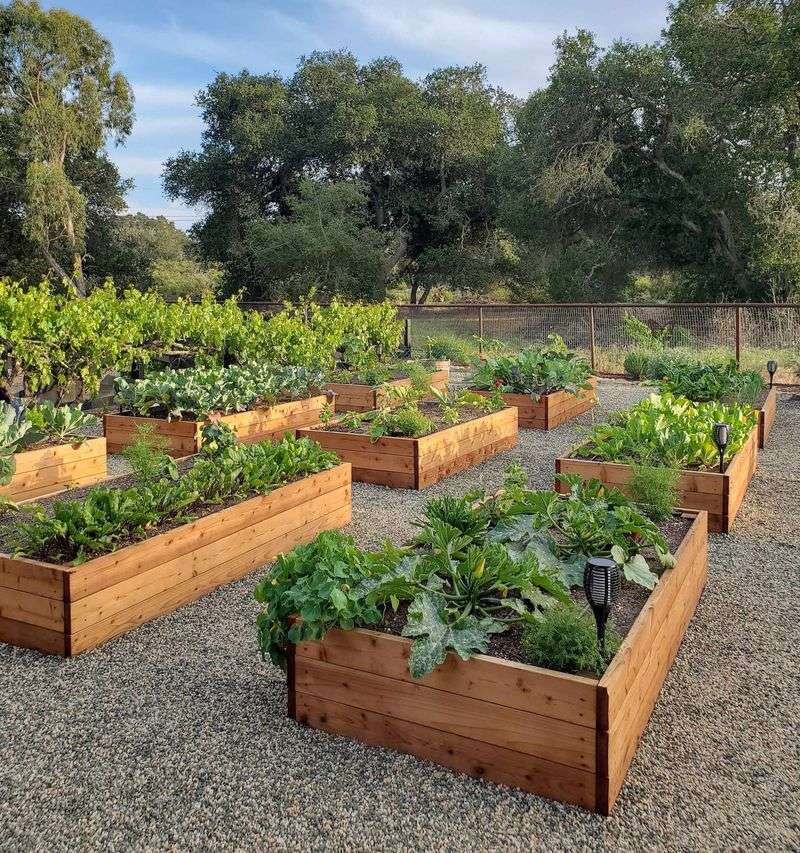
Puddles that linger after rain tell you something useful about your bed, even though they do not prove disease. Peas do best in soil that drains well.
Soil that stays soggy can stress roots, and that is worth fixing no matter what turns out to be wrong.
UC IPM recommends well-drained beds and avoiding low spots where water collects. A raised bed is one practical option, especially in heavy clay.
Mixing compost into the planting area may also help the soil drain better.
Keep this separate from watering. Drainage work changes the bed itself, while watering a dry root zone is a short-term response.
UF/IFAS advises against standing water in vegetable plantings.
Better drainage can reduce risk for future plantings. It cannot confirm a diagnosis, and it does not guarantee that struggling plants will recover.
Remove suspected diseased plants carefully
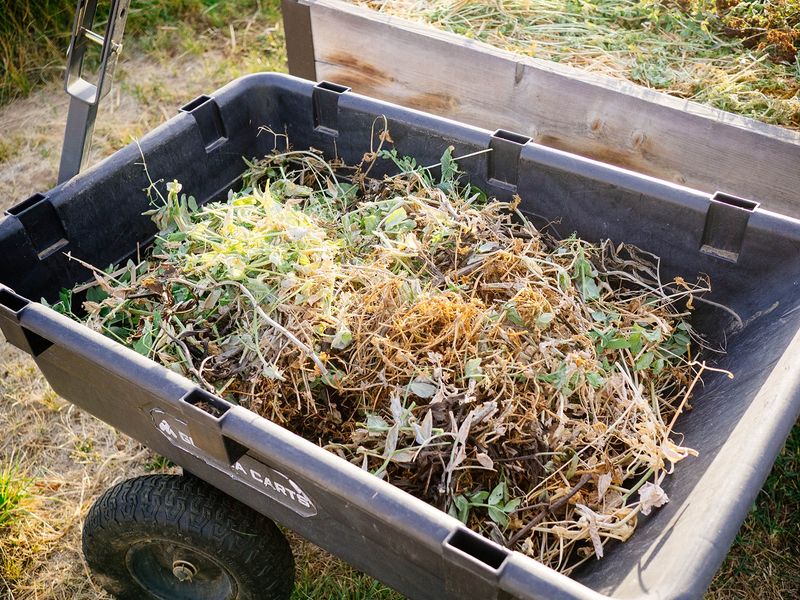
When a plant keeps declining and you suspect a root disease, removing it is a reasonable precaution. Dig it out with the roots instead of snapping it off at the soil line.
Leaving roots behind keeps possible problem material in the bed.
Bag the plant and throw it away rather than adding it to the compost pile. Clean your trowel and boots before moving to another bed, and avoid carrying soil from the affected spot into clean areas.
WSU Extension also advises against overwatering in heavy soil, which fits with the moisture check earlier.
These steps may limit spread, but they do not prove Fusarium was involved. Nearby peas may still struggle, and removal does not promise they will recover.
Use rotation to reduce future risk
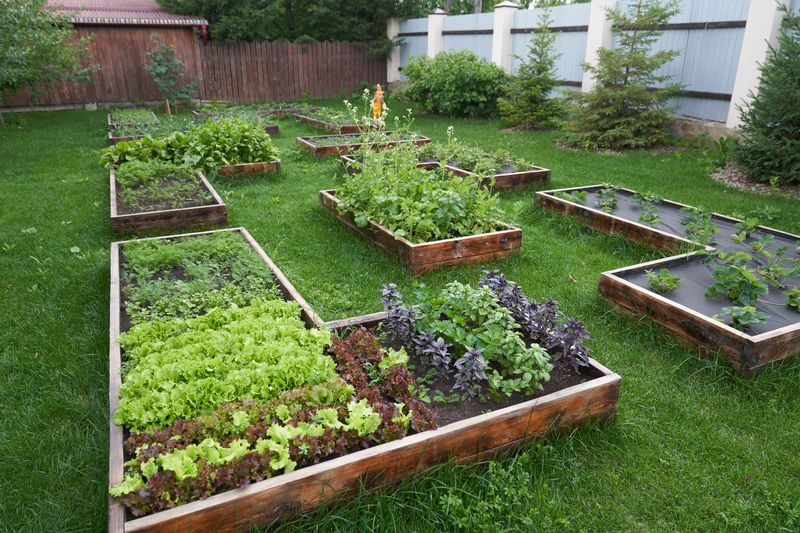
Rotation is about the next planting, not the current one. Moving peas to a different spot will not reverse damage already done.
It may lower the chance that soil-borne problems build up over time.
WSU recommends not planting peas in the same location more often than every third year. Its pea root rot fact sheet pairs that with rotation and careful watering in heavy soil.
That interval is a guide, not a cure. Rotation advice depends on the disease and the growing situation, and some sources suggest longer breaks for particular Fusarium or root rot problems.
The Cornell Vegetable Program discusses how rotation fits into disease management.
A simple habit helps: sketch your beds each season and note where peas grew. A small home garden may have limited space, so rotation can only reduce risk, not remove it.
Match planting advice to pea type and region
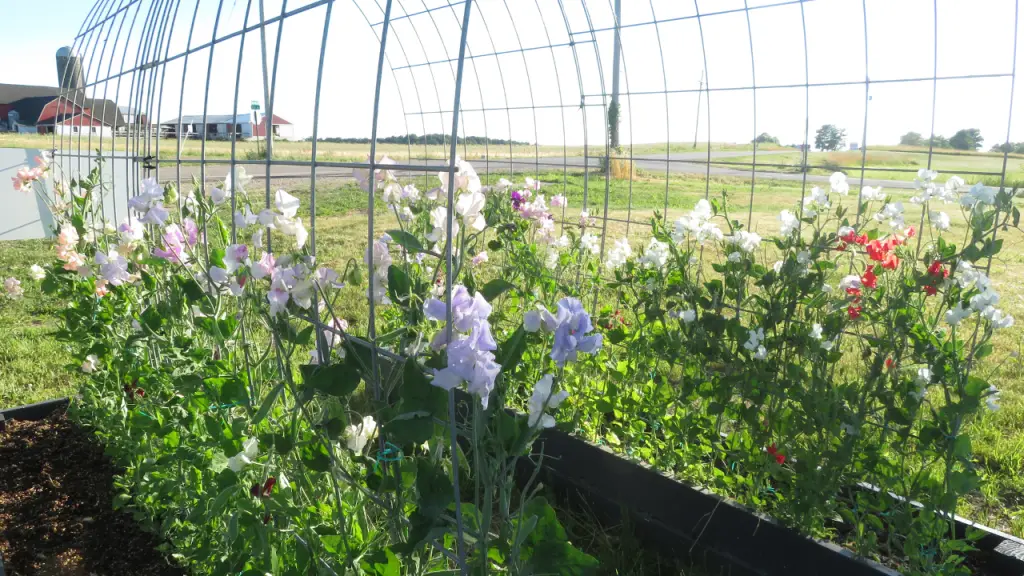
English, garden, and snow peas are cool-season crops, and high temperatures can limit their growth and yield, as noted by South Dakota State University Extension and University of Minnesota Extension. Heat is a fair alternative explanation for stress in warm areas, but it does not prove why one plant is wilting.
Watch for a regional mix-up. The Texas A&M fall guide lists Southern peas, which are not English or snow peas.
An East Texas guide lists English and snow peas for April through May.
For Florida, UF/IFAS gives English pea windows of September through February in Central and South Florida, and January through March in North Florida. Do not borrow dates across pea types or regions.
Check the seed packet, then your local Extension office, before you plant. Right pea, right place, right month beats any midday rescue.