
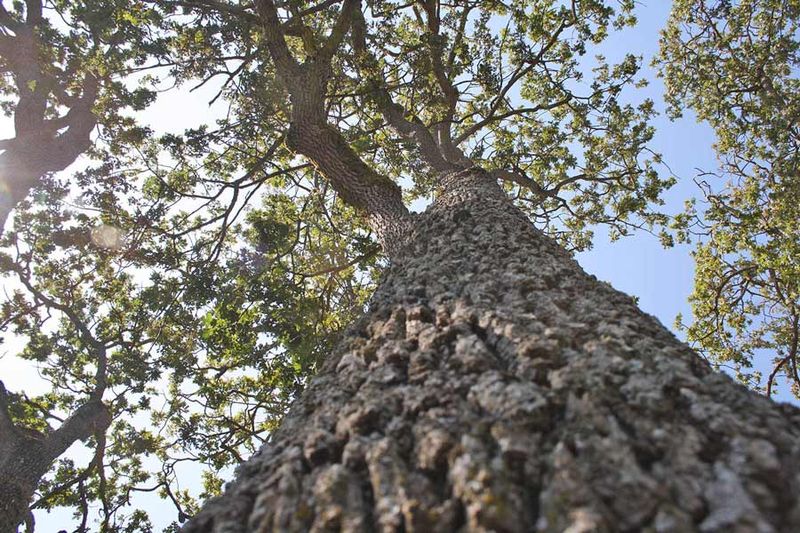
Plenty of California homeowners have grabbed a saw to clean up an oak tree, only to find out later that a local ordinance required approval first. The rules are not the same in every city or county, and the gap between a simple trim and a costly violation can be surprisingly narrow.
Knowing which authority governs your property, and what that authority actually requires, is the practical first step before any pruning job begins.
The permit rule belongs to the local jurisdiction
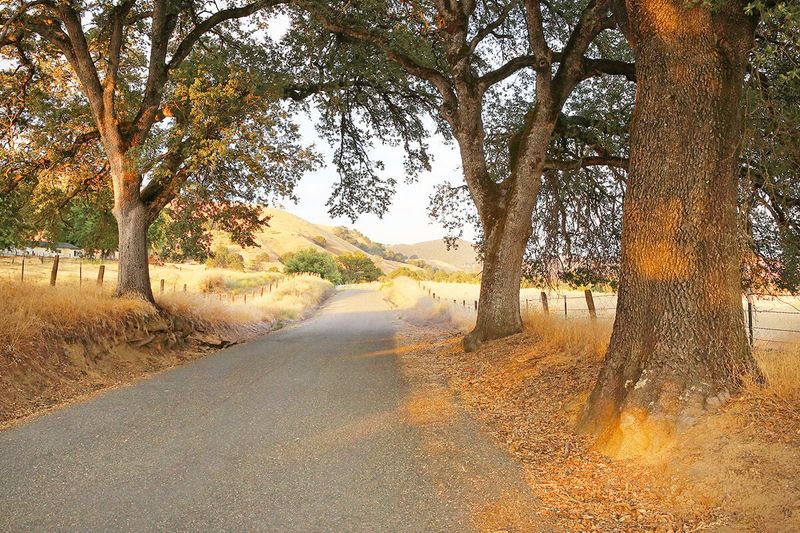
California does not impose one statewide permit requirement for every oak-trimming job on private residential property. The rules are set locally, and they vary widely depending on the city or county, the oak species, the trunk size, the tree’s designation, the property type, and exactly what work is planned.
That patchwork reality is the central fact every California homeowner needs to understand before picking up a pruning saw.
A useful contrast makes the point clearly. Pasadena’s urban forestry program states that no permit is required to prune a native or specimen tree on private property unless it is injured.
That is a relatively permissive approach. Move into unincorporated Los Angeles County, and the picture changes: the county’s Oak Tree Permit FAQ describes an Oak Tree Permit Ordinance that applies to protected oaks in unincorporated areas, with approval requirements tied to trunk diameter thresholds and specific protected-zone rules.
Pasadena sits inside Los Angeles County, but the county ordinance does not automatically govern land within city limits. Each jurisdiction operates under its own code.
Sacramento County takes a similarly protective stance in its applicable unincorporated areas. Sacramento County’s tree permit page lists native oaks and says the county should be contacted before pruning or removing them.
That requirement applies in unincorporated Sacramento County territory, not necessarily in every city that shares the county name.
The takeaway is not that California oak-pruning rules are toothless. In some jurisdictions, trimming a protected oak without prior approval is a genuine violation with real consequences.
The risk is local and fact-specific, which means the only safe starting point is identifying which authority governs your exact property before assuming any rule applies, or does not apply, to your tree.
Start with the property address, not the pruning plan
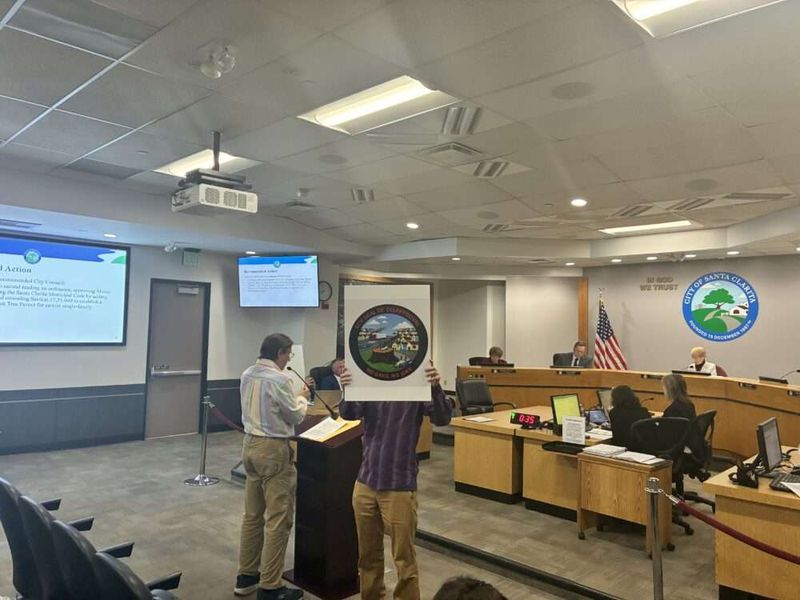
Before calling an arborist or reaching for a ladder, the most useful thing a homeowner can do is confirm exactly which government authority covers the property. “California” is not a precise enough answer. The applicable rules may come from a city planning department, a county planning or environmental review office, an urban forestry division, a local fire agency, or some combination of those bodies depending on what work is planned.
The first question is whether the property sits inside city limits or in an unincorporated county area. Those two locations can operate under entirely different tree ordinances even when they share a zip code or a county name.
Los Angeles County’s Oak Tree Program applies to unincorporated communities, not automatically to the incorporated cities within the county. A homeowner in a city inside Los Angeles County needs to check that city’s own code, not the county ordinance.
Once the correct jurisdiction is identified, contact the relevant office directly and describe the tree and the planned work. Sacramento County’s permit office and Contra Costa County’s tree permit FAQ both illustrate how officials typically want to know the oak species, trunk diameter, property type, and the scope of the proposed work before determining whether a permit or other approval is needed.
Having that information ready saves time and helps avoid a follow-up call.
If the property includes a homeowners association or shared common area, an HOA or property manager may add its own approval layer. That private approval does not replace government review; it is a separate requirement that runs alongside local ordinance.
Wherever the property sits, writing down the agency’s response, or asking for written confirmation of an applicable exemption, gives the homeowner documentation if a question arises later.
Routine pruning can become regulated work
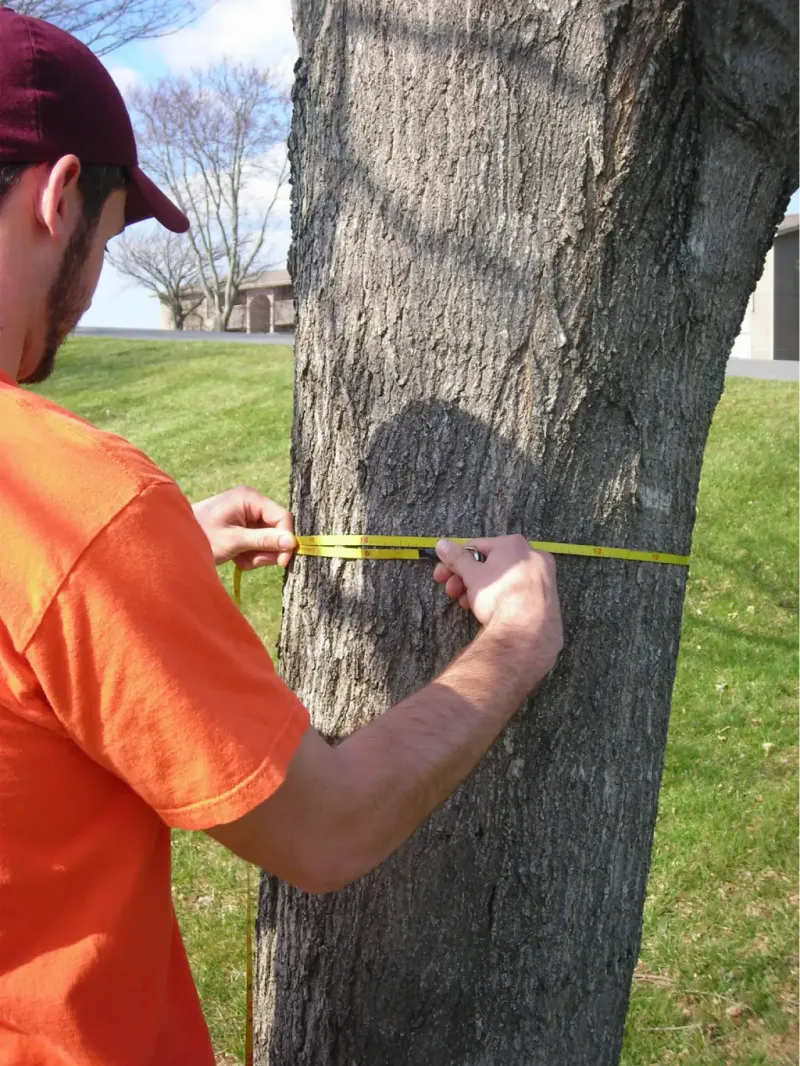
The line between a simple trim and regulated tree work is not always obvious, and several common activities can push a job across that line. Branch and root diameter, the percentage of canopy removed, the shape of the cuts, and the overall scale of the alteration all factor into whether a jurisdiction treats the work as minor maintenance or something that requires prior approval.
Los Angeles County’s ordinance in unincorporated areas offers one example of how these thresholds work. According to the county’s Oak Tree Permit FAQ, pruning branches or roots no larger than 2 inches in diameter is listed as exempt from an Oak Tree Permit under the existing ordinance.
Cut something larger, and that exemption may no longer apply. The county also identifies an 8-inch trunk-diameter threshold for most unincorporated areas and a 6-inch threshold in certain sensitive areas as the point at which a tree receives protection.
These are Los Angeles County rules for unincorporated territory, not California-wide standards.
Sacramento County’s zoning code lays out its own distinct set of conditions for minor pruning exemptions. The Sacramento County Zoning Code specifies that exempt minor pruning must remove less than 15 percent of the canopy per year, involve branches and roots under 2 inches in diameter, and meet the code’s proportional-diameter requirement.
Topping or hat-racking is explicitly prohibited. Crucially, native-oak pruning in Sacramento County is separately governed by the county’s tree-preservation ordinance, so the general zoning exemptions do not automatically apply to every oak.
El Dorado County’s Oak Resources Conservation Ordinance draws a clear line between minor trimming and substantial alteration. The county says minor trimming of dead, diseased, hazardous, or health-related parts may be exempt, while trimming that substantially reduces a tree’s size, density, or natural shape is not considered minor.
Removal, defensible-space work, and dead or diseased trees are each governed by separate provisions.
The practical lesson is that a homeowner cannot safely assume one jurisdiction’s exemption applies in another. Always describe the full scope of the planned work, including branch sizes, percentage of canopy, and whether any roots will be cut, to the relevant local authority before starting.
The protected zone can extend beyond the branches
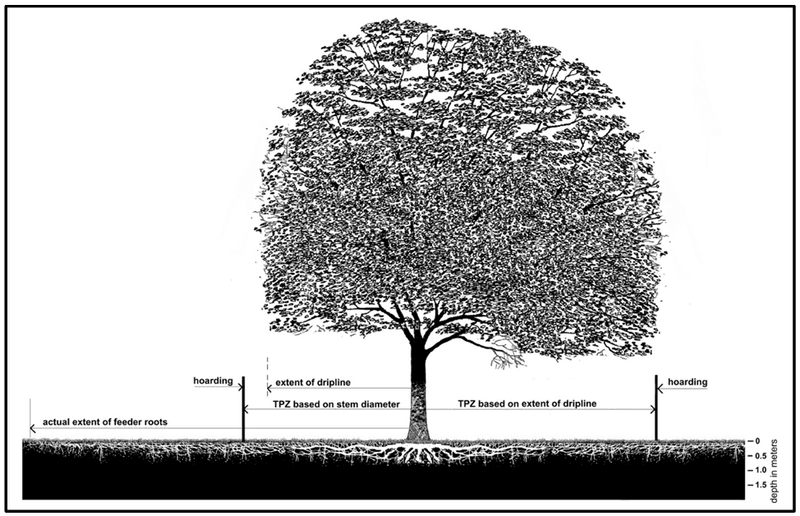
Many homeowners are surprised to learn that a permit or approval requirement can apply even when no branches are being cut. Protected-tree ordinances often reach into the soil beneath and around the canopy, covering work that disturbs roots or compacts the ground in ways that can silently damage or kill a mature oak.
Los Angeles County describes its protected zone as extending 15 feet from the trunk or 5 feet beyond the dripline, whichever is greater. According to LA County’s common zoning violations page, encroachment, grading, trenching, paving, or construction within that zone may require review or approval under the county’s ordinance.
A homeowner planning a new walkway, irrigation trench, fence post, or patio near a protected oak in unincorporated LA County may need to check before breaking ground, even if the pruning plan is entirely separate. This is a local rule, not a statewide measurement.
Contra Costa County’s tree permit FAQ extends the same principle. The county requires a tree permit before trenching, grading, or filling within the dripline of a protected tree, in addition to cutting, topping, or removal.
Ground disturbance near the canopy edge is treated as a separate regulated activity, not an automatic byproduct of an approved pruning permit.
Root systems on mature oaks often extend well beyond the visible canopy, and soil compaction, grade changes, or severed roots from nearby construction can weaken a tree years before any above-ground symptoms appear. Asking the local planning or urban forestry office about ground-disturbance rules before digging or building near an oak is a straightforward step that can prevent both a code violation and long-term tree damage.
Skipping approval can leave a costly legal and tree-care problem
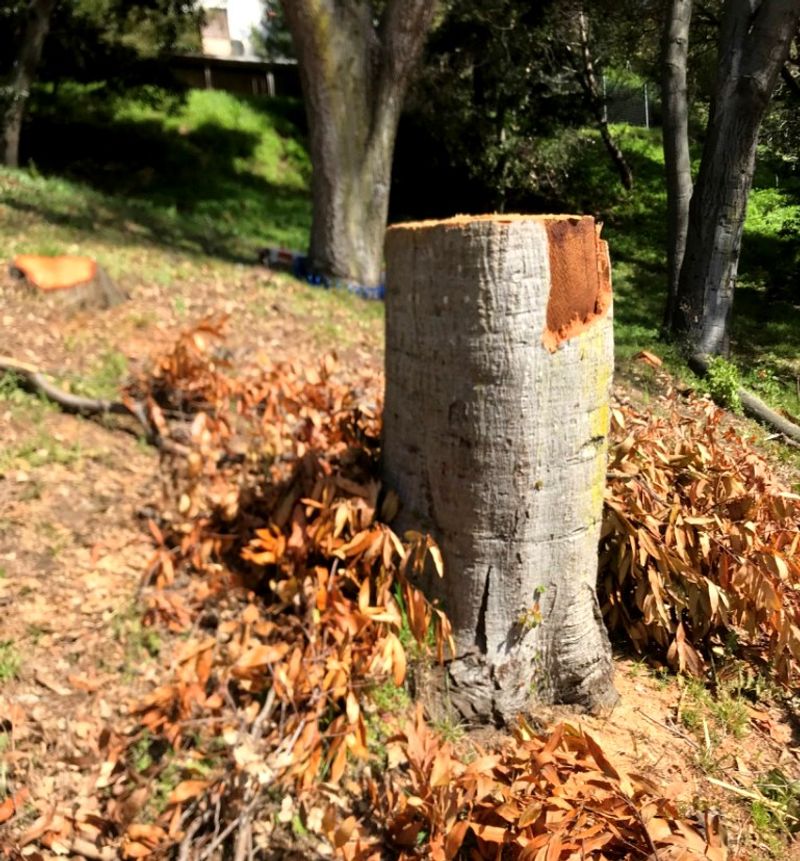
Unauthorized work on a protected oak does not simply go unnoticed. Local enforcement agencies can respond with a range of remedies, and the outcome depends on the jurisdiction, the tree’s protected status, the severity of the impact, and whether the damage can be reversed.
There is no single statewide penalty amount, and generalizing from one city’s code to another is not safe.
The consequences can be serious. A local authority may issue a stop-work order halting any ongoing project, pursue administrative fines, or in some codes refer the matter for civil or criminal penalties.
Replacement planting is a common remedy when a tree is significantly harmed or removed without approval. Some jurisdictions require mitigation payments for trees that cannot be replaced on-site, and restoration demands can require a property owner to replant, remediate compacted soil, or take other corrective steps at their own expense.
Municipal code examples illustrate how much variation exists. Sacramento County’s tree-permit code can require in-kind replacement or payment for trees that cannot be replaced on-site.
Woodland’s heritage-oak code lists a $1,000 administrative fine for unauthorized removal of a heritage oak, along with replacement requirements. Laguna Beach uses size- and category-based penalties for unauthorized removal.
These figures reflect specific local codes and cannot be applied elsewhere as a general rule.
One assumption that is especially risky: the idea that a homeowner can simply apply for a permit after the work is done. Some jurisdictions may not accept after-the-fact applications as equivalent to prior approval.
Others may pursue enforcement or restoration regardless of any retroactive filing. Checking before work begins is the only reliable way to avoid being in that position.
A qualified arborist who knows local ordinances can often help a homeowner identify what approval is needed, document the work properly, and avoid the kind of significant pruning that would trigger review in the first place. Pairing legal compliance with sound tree care is both safer and less expensive than managing an enforcement action after the fact.
Emergency and fire-safety exceptions still require a local check
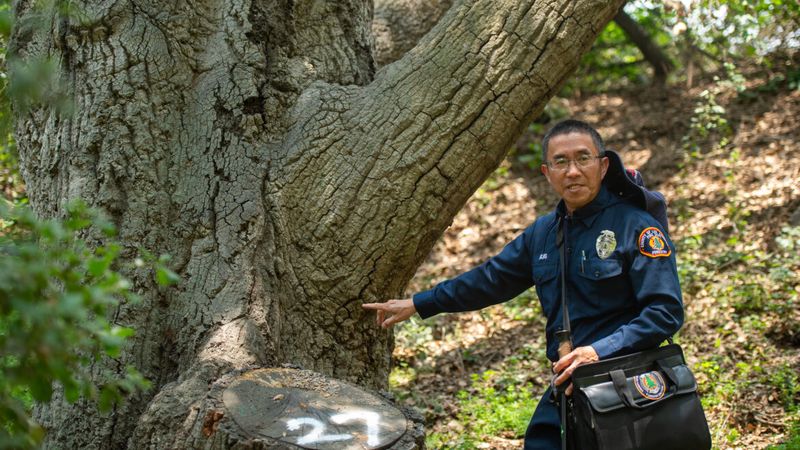
A branch hanging over the roof, a tree that looks diseased, or a defensible-space project ahead of fire season can all feel like situations where action should come first and paperwork later. That instinct is understandable, but most jurisdictions still expect homeowners to check in before work begins, even in urgent situations.
Los Angeles County builds an emergency process into its ordinance for exactly these scenarios. According to the county’s Oak Tree Permit FAQ, an emergency exemption is available for trees posing a safety hazard or potentially infested with the Goldspotted Oak Borer.
That exemption expires after 90 days, and it comes with its own conditions and documentation requirements. The existence of an emergency procedure does not mean that every situation a homeowner finds alarming qualifies, or that the exemption covers removal of a healthy oak.
El Dorado County’s Oak Resources Conservation Ordinance addresses defensible-space work separately from routine pruning and removal. Approved defensible-space activities may qualify for an exemption under the county’s code, but the ordinance still distinguishes between work on dead or diseased trees, removal for fire safety, and ordinary pruning.
Homeowners should not interpret California’s general defensible-space requirements as blanket permission to remove healthy oaks.
Fire agencies and local planning offices are the right contacts when a safety or fire-safety situation is involved. If the tree poses an immediate, life-threatening danger and there is genuinely no time to call first, document the hazard thoroughly with photographs before and after, save any arborist or contractor reports, and contact the local authority as soon as possible afterward.
For anything short of an immediate emergency, a phone call to the local planning or urban forestry office before work starts is both the legally safer and practically smarter choice.
A lawful trim should also protect the oak and its wildlife
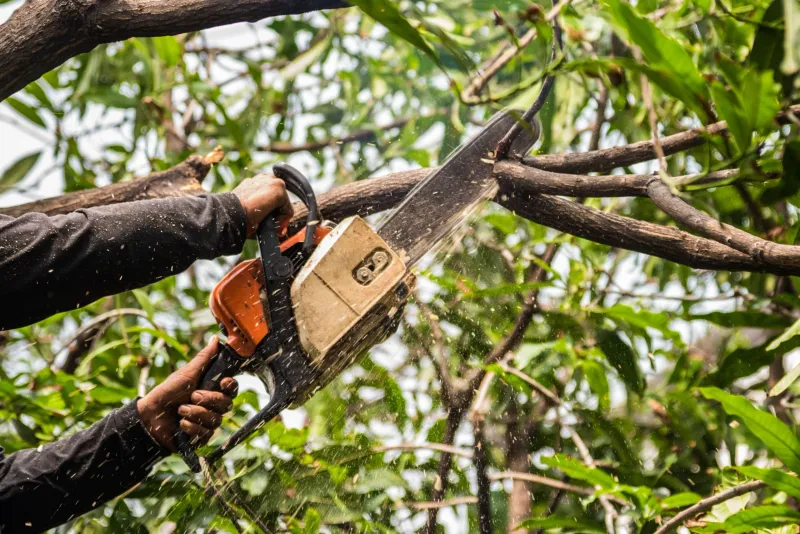
Getting the legal question right is only part of the job. A pruning cut that is technically permitted can still harm the tree or disturb wildlife if the work is done at the wrong time, in the wrong way, or by someone without the right skills.
Responsible oak care pairs compliance with sound technique.
UC Agriculture and Natural Resources guidance on living oaks advises keeping mature-oak pruning limited and purposeful. Recommended reasons include removing dead, weakened, diseased, or dangerous branches and creating necessary clearance.
Severe pruning and unnecessary canopy reduction can harm the tree’s structure and long-term health. Preserving the natural form is a consistent theme across UC guidance.
Large limbs near structures, power lines, or anything that requires a ladder are a separate category of risk. UC Master Gardener pruning guidance notes that large branches can be dangerous for homeowners to handle, and utility-line work carries additional safety requirements.
A qualified arborist should evaluate any limb that is structurally significant, close to a building, or within reach of power lines. Pasadena’s urban forestry program similarly recommends working with certified arborists for significant tree work.
Timing matters, and the right window is not identical for every California oak. Evergreen interior live oaks may tolerate heavy pruning in July or August, while deciduous oaks are often pruned during winter dormancy.
Dry-weather timing is recommended for evergreen oaks to reduce disease risk. Local arborist guidance and jurisdictional recommendations should take precedence over any single calendar rule.
Wildlife adds another layer to consider before starting. U.S.
Fish and Wildlife Service guidance on bird nests explains that most bird nests are protected under the Migratory Bird Treaty Act, and that destroying an active nest containing eggs or chicks, or killing dependent young, can violate federal law. Inspect the canopy carefully before any pruning begins.
If an active nest is present, postpone nonessential work until the nest is no longer in use. UC oak-woodland research identifies mature oaks, dead branches, cavities, acorns, and associated insects as important habitat resources for California birds, which is one more reason to avoid unnecessary canopy reduction when the tree is otherwise healthy.
Before the saw starts, verify these four things
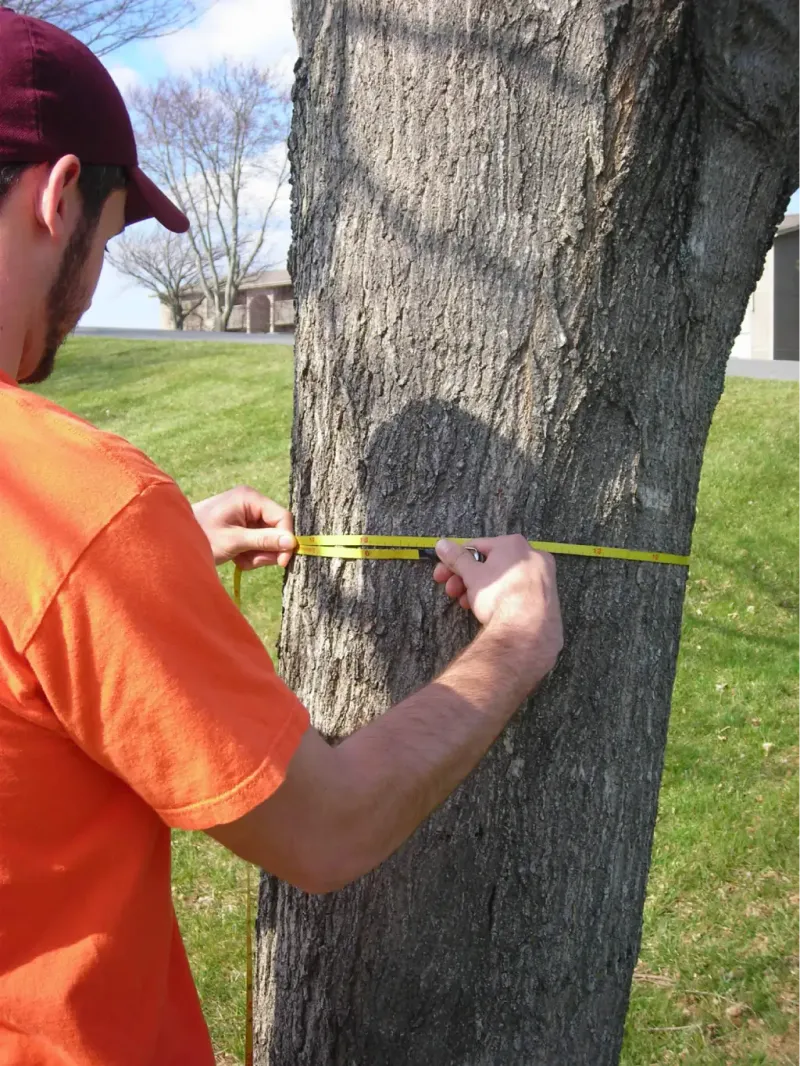
Four practical checks, completed before any work begins, will cover most of the risk for a California homeowner planning to prune an oak.
First, confirm the exact jurisdiction. Determine whether the property is inside city limits or in an unincorporated county area, then identify the correct planning, urban forestry, or environmental review office.
Sacramento County’s tree permit page and Los Angeles County’s Oak Tree Permit FAQ are useful models for what a local office may ask, but they apply only in their own jurisdictions.
Second, identify whether the oak and the property receive protection. Ask about the oak species, trunk diameter, tree designation, and property type.
Not every oak in California is covered by a local ordinance, and not every covered oak triggers the same level of review.
Third, describe all planned work, not just the branch cuts. Tell the agency about any roots that may be cut, any grading or trenching planned near the tree, and any construction within the canopy zone.
Pasadena’s urban forestry office and other agencies can only give useful guidance if the full scope of the project is described upfront.
Fourth, determine whether a permit, notification, or other approval applies, and retain written confirmation or the applicable exemption where practical. Not every lawful job requires formal documentation, but having a record of the agency’s response is a reasonable precaution.
Ask specifically about emergency, fire-safety, nest, utility, and arborist situations if any of those are relevant. Assuming a routine trim is automatically exempt is a gamble that occasionally costs far more than a phone call.