
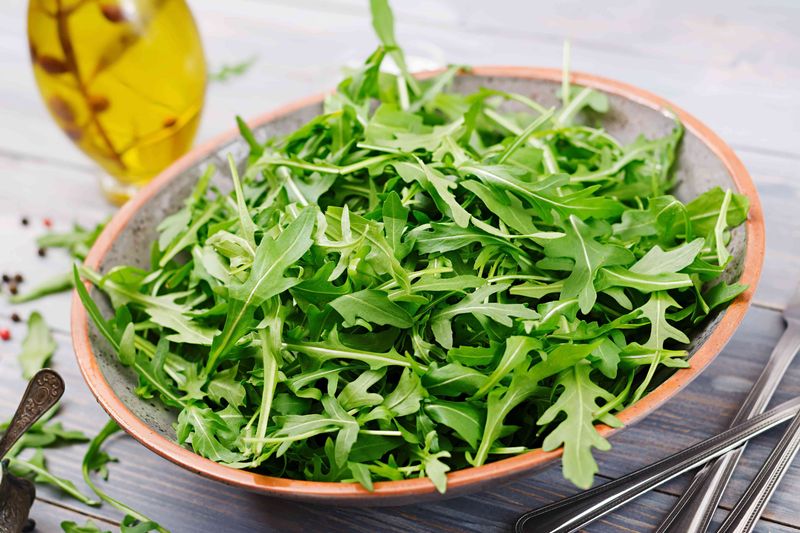
You snip a handful of arugula after a warm November week, take a bite, and your mouth lights up. Is the bed in trouble, or is this just arugula being arugula?
Peppery leaves are normal, but a few clues can help you tell when something else may be going on. Here is how to check your plants and keep fresh leaves coming through the fall.
Arugula is naturally peppery
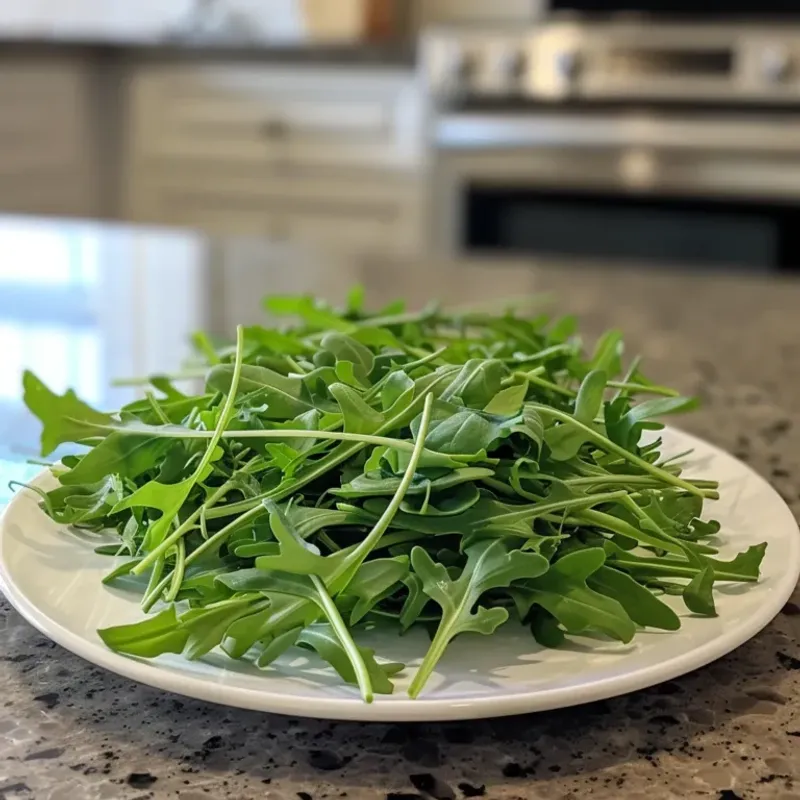
A little bite is the whole point of arugula. UF/IFAS describes its leaves as spicy, and that zing is part of what makes it a favorite in salads and on pizza.
So a peppery taste by itself does not mean your plants are stressed or sick.
What you want to notice is a change. Leaves that taste sharp but pleasant are probably just normal.
Leaves that turn harsh, bitter, or hot enough that you push the salad aside deserve a closer look.
Before blaming anything, look at the plant instead of relying on taste alone. Are the stems stretching tall and thin?
Do you see flower buds in the center? Has the bed been cut many times in a row?
Has the weather been unusually warm? Each answer is a clue, not a verdict.
Write down what you see, because the next sections show how to sort those clues and what you can try.
Warm conditions may intensify flavor and encourage flowering
Warm spells are one plausible reason for stronger flavor. In a yearlong study of commercial rocket, including arugula, higher average growing temperatures went along with more glucosinolates, the compounds behind peppery, bitter, and hot notes.
That is a link, not proof. It was not a home-garden trial, so it cannot tell you why your own leaves taste the way they do.
The same study found that repeated harvests were also tied to stronger pungency, and the authors point to growing location and cultivation practices as other sources of variation. In other words, a warm week is only one suspect.
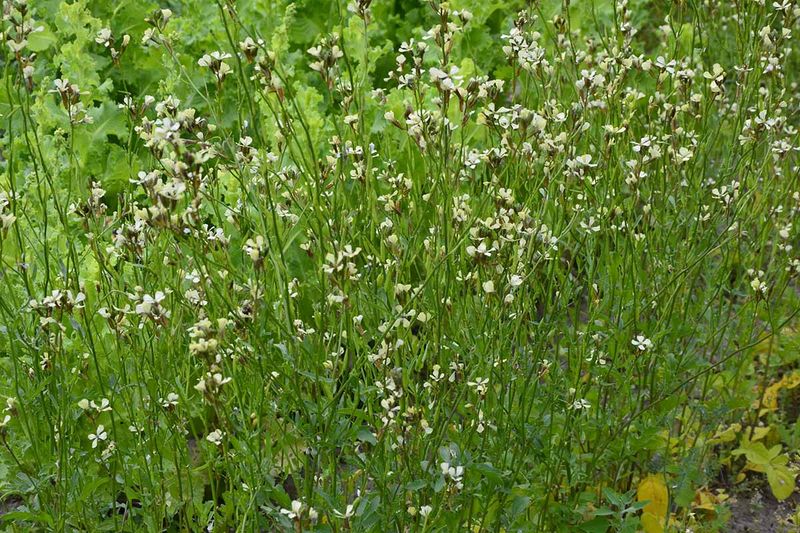
Flowering is another clue. UF/IFAS says high temperatures can make arugula flower, and flowering or leggy plants may have leaves too bitter to eat.
If you see tall stems or buds, that may help explain a harsh bite. If you do not, something else could be at work.
Use afternoon shade as a heat-management step
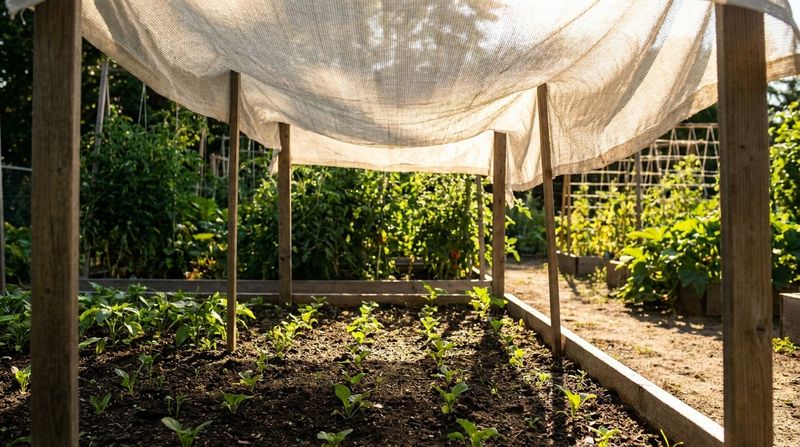
Shade is something to try during hot stretches, not a rule for every November day. UF/IFAS Extension Leon County suggests shade cloth giving about 30 to 50 percent shade and afternoon shade when temperatures go above 85°F, to discourage premature bolting.
That number is local home-garden advice, not a universal point where arugula turns bitter.
Think of shade as a way to ease heat stress and support leafy growth. It is not a promise that leaves will turn sweet, and it will not stop bolting for sure.
Leaves that are already harsh will not be reset by it.
Set the cloth on a frame, such as hoops or stakes, instead of laying it on the plants. Kansas State Extension notes that close or poorly ventilated covers can cause plant damage or create humid conditions that favor disease.
Leave the sides open so air can move through.
Keep soil evenly moist, not waterlogged
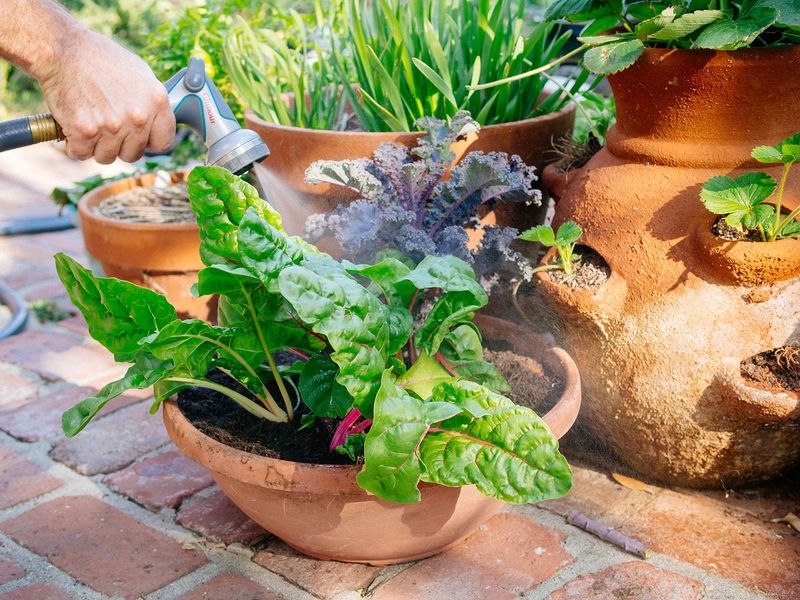
Steady moisture is simply good growing practice. UF/IFAS advises watering when the top inch of soil feels dry, and watering deeply and evenly.
Poke a finger into the bed before you reach for the hose.
Aim for moist, well-drained soil. Soggy ground is no friend to roots, so skip the daily sprinkle if the soil is still damp.
Raised beds and mulch can help even out the swings between wet and dry.
As for taste, be careful with big promises. A controlled arugula study found that severe water stress reduced growth.
It did not show that extra water makes leaves sweeter. So water to keep plants growing well, and treat any change in flavor as a bonus rather than something you can count on.
Harvest before flowering and sow successive crops
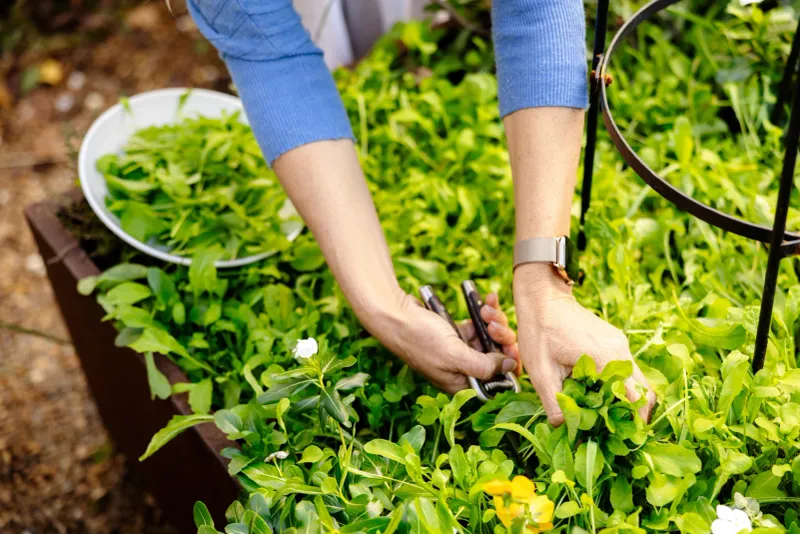
Cut leaves while plants are still young and leafy. Once stems stretch or buds appear, UF/IFAS warns the leaves may be too bitter to eat.
Picking early gives you the best chance at a mild, tender salad.
Then plan ahead with small, staggered sowings. UF/IFAS recommends sowing again every two to three weeks from fall through spring.
A short row each time keeps young plants coming as older ones fade.
Keep expectations realistic. Harvesting and resowing support your future supply.
They do not change the taste of leaves you have already picked. Tip: if a batch tastes too strong, mix it with milder greens, or pair it with something sweet like fruit or a splash of honey dressing.
Check your local Texas or Florida planting window
Texas and Florida do not share one fall schedule, so treat these dates as examples. Florida Fresh from UF/IFAS lists September through March for north and central Florida, and October through March for south Florida.
For Texas, the Texas A&M AgriLife calendar gives September 2 to October 2 for fall arugula sowing. Texas timing varies by region, so a gardener in the Panhandle and one on the Gulf Coast may plant on different dates.
Check your county Extension office for a calendar that fits your area.
Timing matters because plants that grow during milder weather face less heat stress. Afternoon shade and even watering, as UF/IFAS Leon County describes, may support new growth, but they are not proven flavor resets.
Good timing gives arugula a head start.