
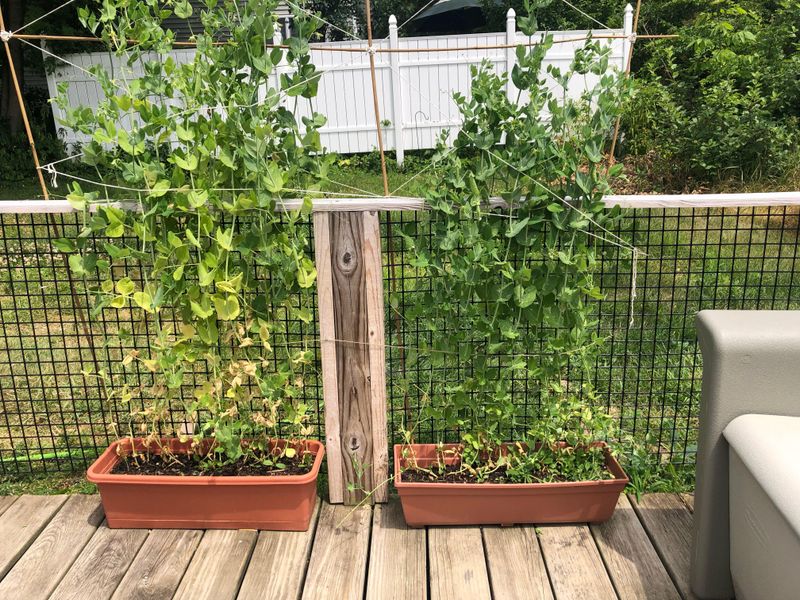
Sugar snap peas are a favorite cool-season crop in Texas and Florida gardens, so it hurts to see the bottom leaves turn yellow and the vines stop growing. Plenty of things can cause that look, and wet soil is only one of them.
This guide shows you what to check in the bed, what to do this week if the soil is still soggy, and how to plan for better drainage next time.
Yellowing and stalled growth are clues, not a diagnosis
Yellow leaves near the bottom of a pea plant and vines that seem stuck in place are worth noticing. They are symptoms, though, and symptoms are not the same as a diagnosis.
Several problems can look alike, including root diseases, water damage, and other stresses, so leaf color alone cannot tell you the cause.
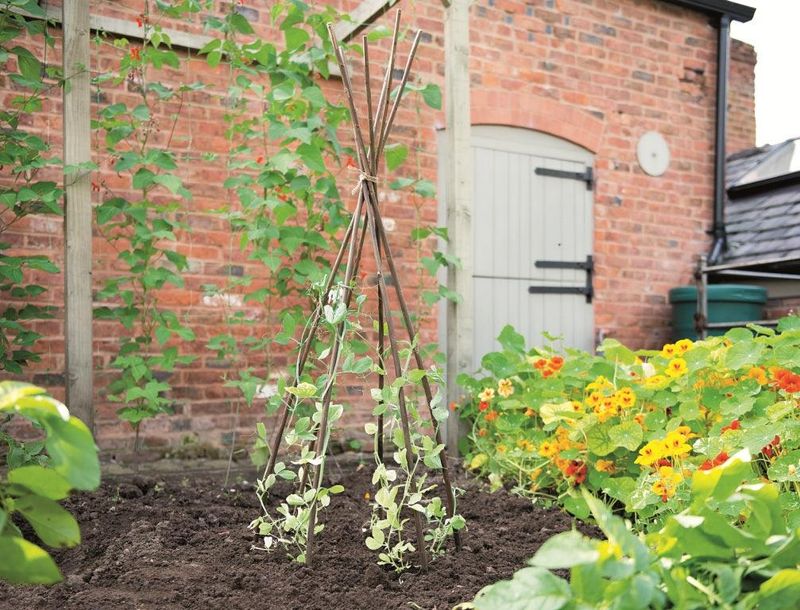
Most sugar snap pea cultivars climb and need a trellis, according to Texas A&M AgriLife Extension. That is useful for planning your support, but it does not tell us why a particular plant has stopped climbing.
A vine that stalls is a signal to look closer, not proof of one cause.
Diagnostic guidance such as this University of Minnesota pea guide points gardeners toward the roots and lower stem. The next sections walk you through that check.
How persistently wet soil can put pea roots at risk
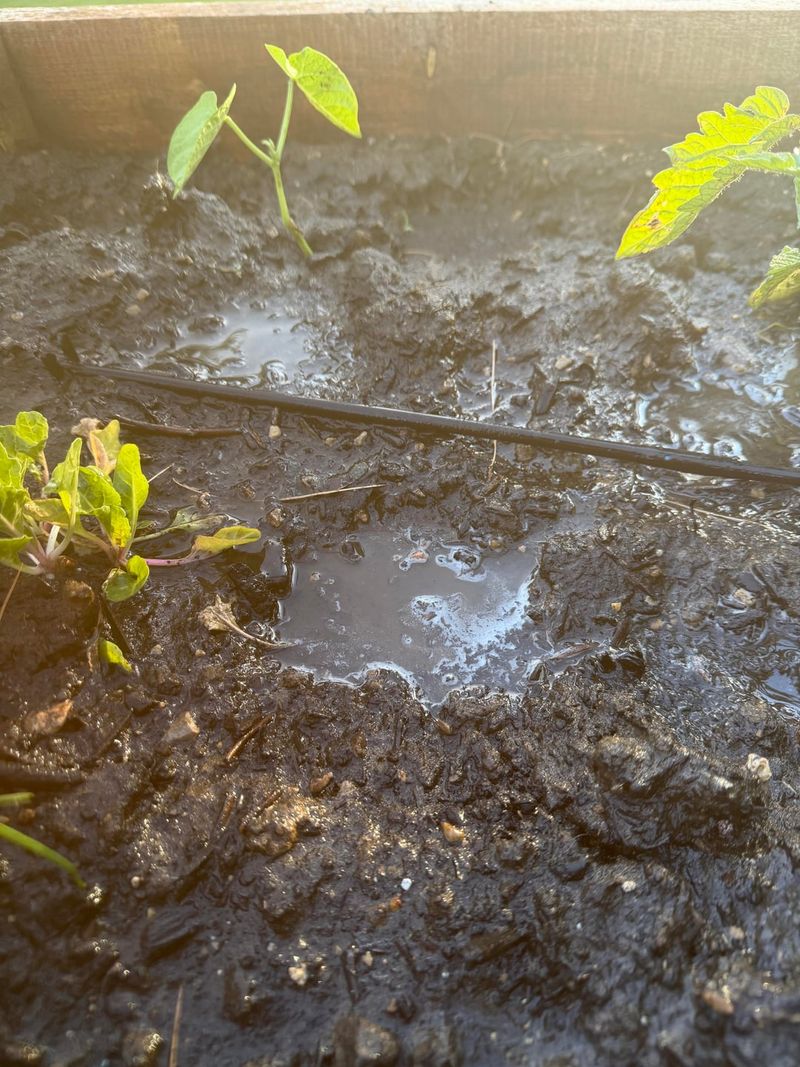
Roots need oxygen as well as water. When soil stays soaked, there is less air for the roots, and stressed roots can slow down the whole plant.
Poorly drained beds also create conditions some root diseases like.
Texas A&M notes that poor drainage and cold, moist soil can favor Fusarium wilt in sugar snap peas. Pea root rot in heavy, wet soil can bring yellow, stunted, sometimes wilted shoots, as described by University of Minnesota Extension.
Keep two ideas separate. Water damage from soggy soil is one thing, and infection by a specific pathogen is another.
North Dakota State University notes that Aphanomyces root rot, a disease linked to cool, wet conditions, can be confused with water damage and other root rots. A recent cold rain is a risk condition, but it does not prove what is wrong with your plants.
Inspect the roots and stem base
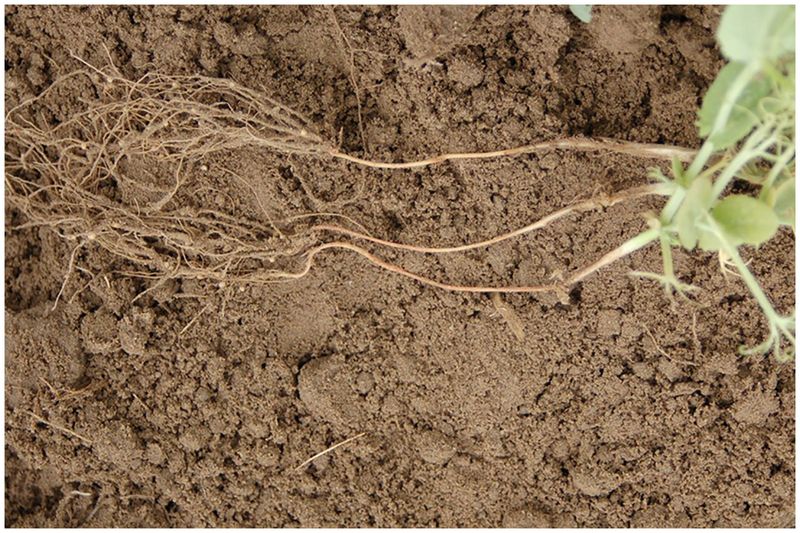
Pick one of the yellowing plants and loosen the soil around it with your fingers. Lift it gently so you can see the roots and the stem right at the soil line.
Healthy roots are usually firm and light in color.
Look for soft brown spots on the roots or a soft, brown stem base. Those clues fit one documented pea root-rot pattern described by University of Minnesota Extension.
Treat them as clues, not a final answer. Other diseases and water damage can overlap, so these signs alone do not confirm every possible cause.
If the roots look firm and white, look at other factors such as light, nutrients, and recent temperature swings. A local Extension office can help if you want a firmer diagnosis, and it is smart to take a photo of what you find.
Let wet soil drain before watering or working it
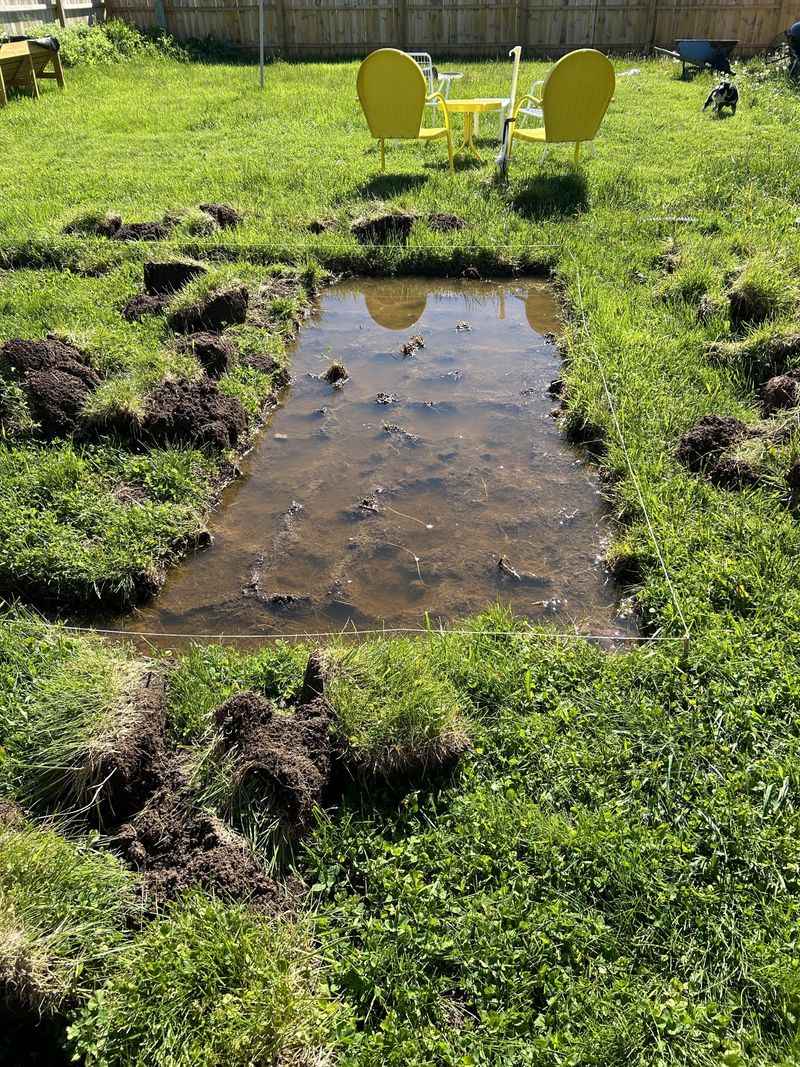
After a rain, poke a finger a few inches into the soil before you reach for the hose. If it still feels wet, skip irrigation.
Saturated soil holds little oxygen for roots, and University of Minnesota Extension notes that overly wet roots can cause plants to decline.
Stay off the bed too. Walking on or digging in saturated soil squeezes out air pockets, and soil compaction research shows that compacted soil takes in water more slowly and drains poorly.
Set a few boards or stepping stones along the bed edge if you need access. These steps may help prevent more stress, but they cannot promise to reverse damage that has already happened to the roots.
Address recurring drainage problems before the next planting
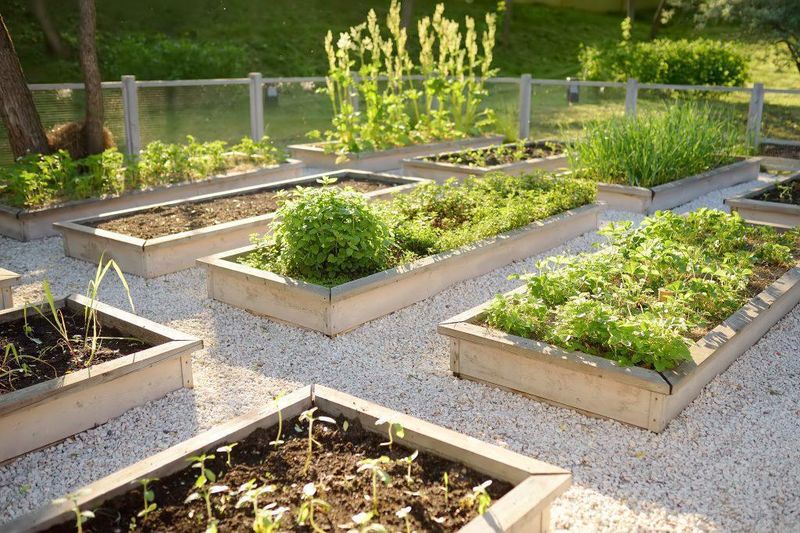
If the same bed stays soggy every winter, plan a fix before your next planting. Dealing with a drainage problem is about lowering risk for future crops rather than rescuing plants that are already struggling.
UC IPM guidance on pea root rot advises avoiding wet, low-lying areas where water collects and using raised beds for better drainage. Moving peas to a higher spot in the yard can be as useful as building something new.
You can also work on soil structure. Adding organic matter when the soil is dry enough to crumble and keeping foot traffic off the bed can help water move through, as the compaction guidance explains.
These changes often improve drainage, but they are not guaranteed cures.
Texas and Florida have different pea-planting windows
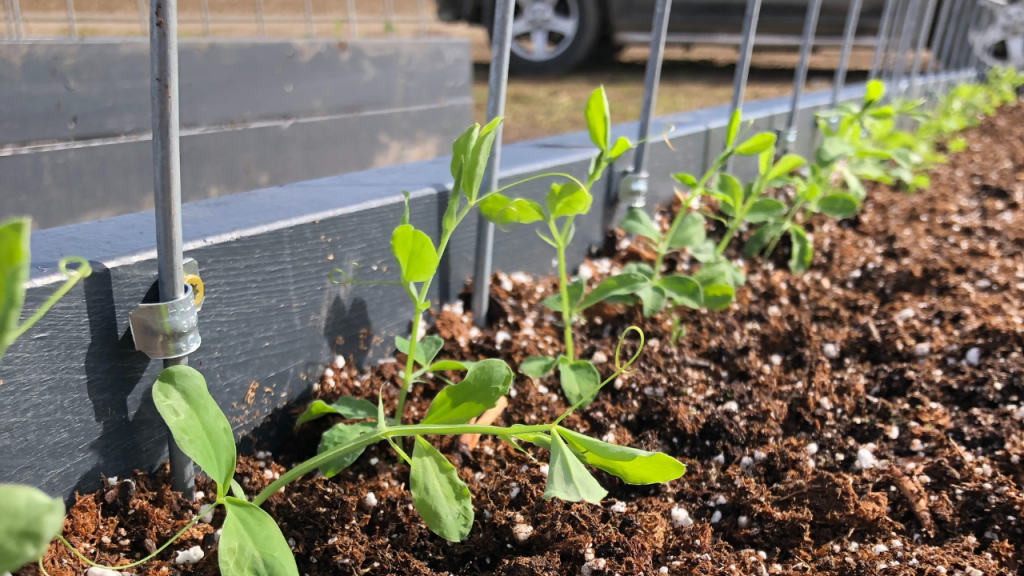
One winter schedule does not fit both states. Texas A&M advises planting in spring as soon as the soil can be prepared, and planting in fall during the 8 to 10 weeks before the first expected frost.
You can read the details in the Texas A&M sugar snap pea guide, and your own frost date depends on where in Texas you live.
Florida runs on different windows. UF/IFAS says Central and South Florida can plant English peas, including the named Sugar Snap variety, from September through February.
North Florida’s window is January through March.
Check which region you garden in, then match the timing to it. Good timing helps, but a well-drained bed matters just as much.