
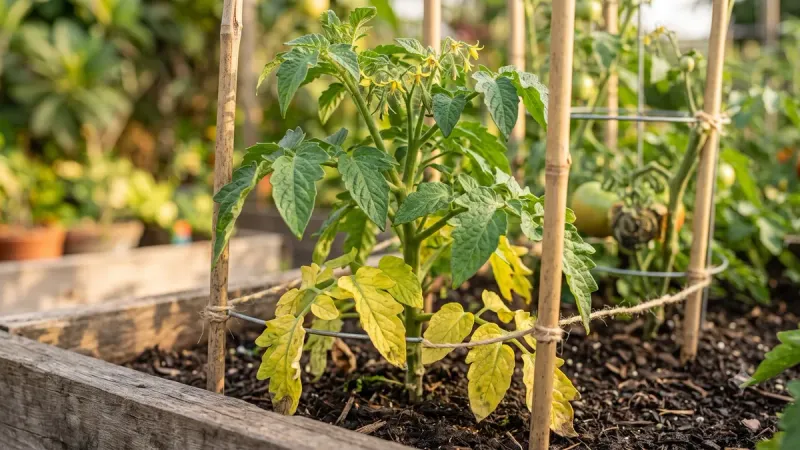
Yellow leaves at the bottom of a tomato plant can make any gardener nervous, especially in the middle of winter. The plant is sitting in your sunniest window, so what could be wrong?
Yellowing has several possible causes, and a quick change to the feeding schedule may not fix it. A few simple checks of light, soil, and leaves can point you toward a sensible next step.
Yellowing at the bottom is a symptom, not a diagnosis
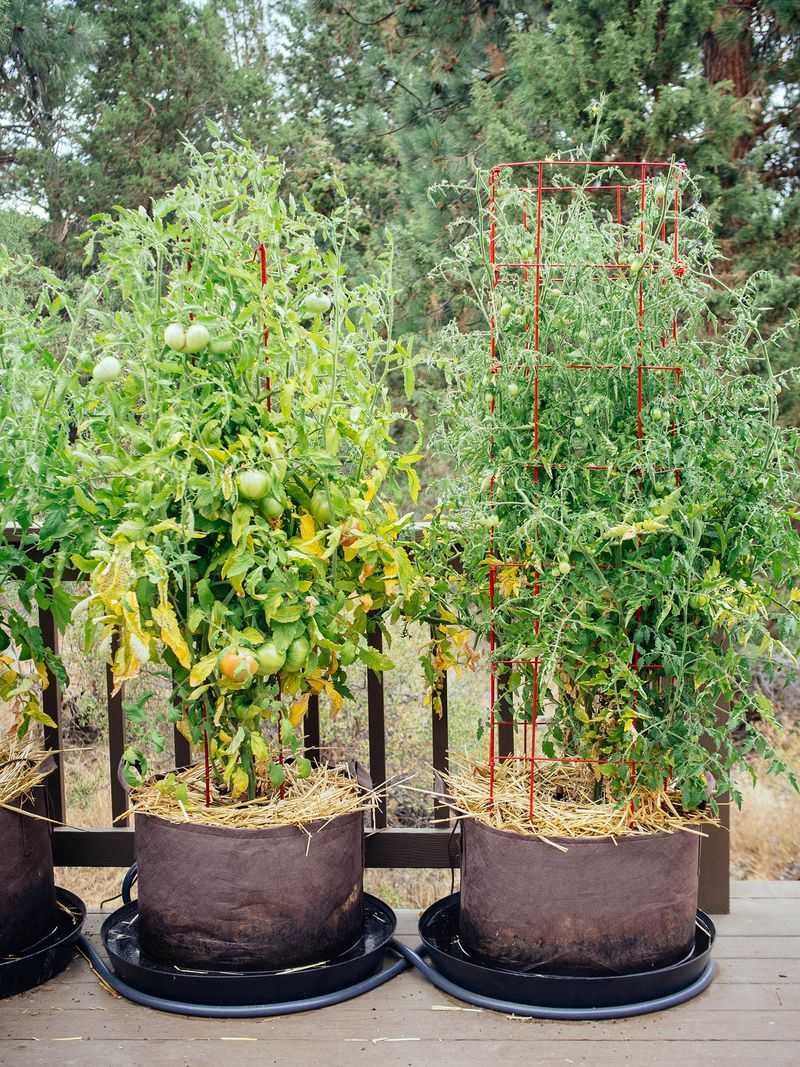
Spotting yellow leaves near the base of your tomato is worrying, because it feels like the plant is slipping away. Where the yellowing shows up is a clue, but it does not name the cause.
On a tomato, UC Cooperative Extension notes that lower leaves may simply be shaded by the foliage above and decline on their own. That kind of slow aging can be ordinary.
Yellowing can also come from too little light, watering stress, a nutrient shortage, or disease, and Mississippi State Extension lists several of these among common tomato problems. Their symptoms can overlap, so one look rarely settles it.
That is why the best first move is to inspect, not to feed. Look at the light the plant gets, feel the potting mix, and study the leaves closely.
The sections below walk through each check in that order.
Check whether winter light supports the plant’s goal
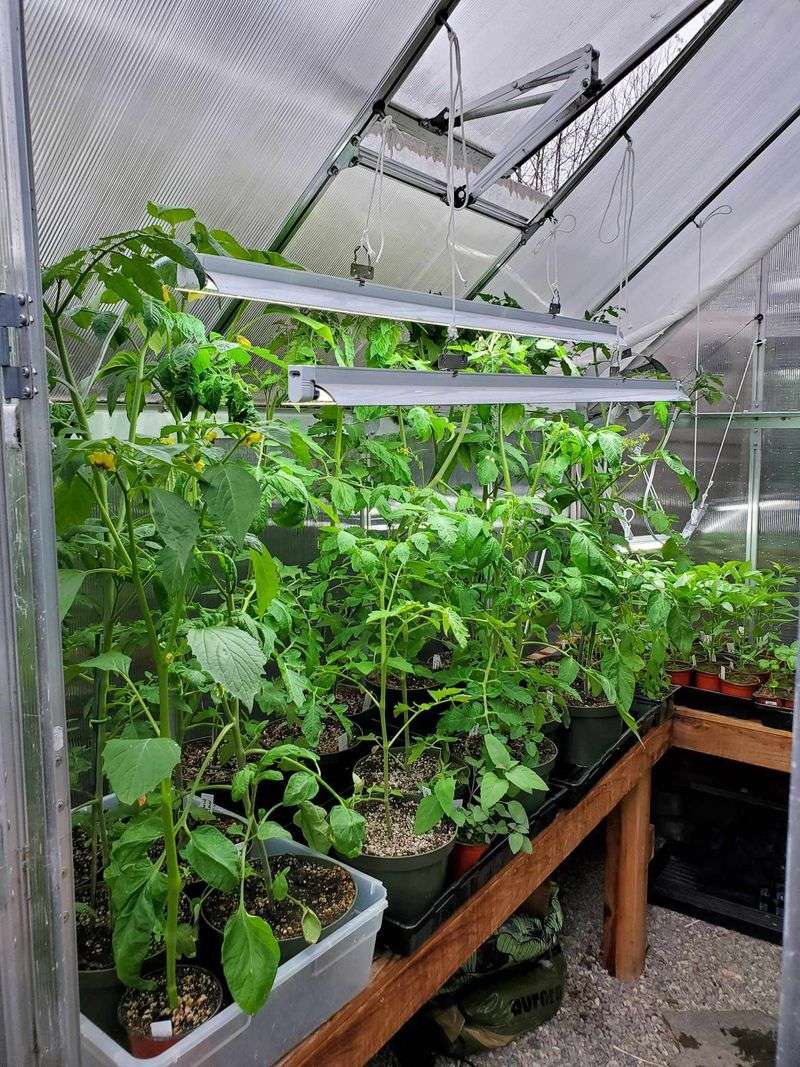
A sunny window can feel like plenty, but winter days are short and the sun sits low. Virginia Tech Extension advises a sunny, preferably south-facing window plus supplemental light for indoor tomatoes.
Without enough light, growth can turn spindly and flowering or fruit set may be poor.
Your goal matters here. Keeping a tomato alive until spring is a modest job, and the plant may slow down, drop some leaves, and rest.
Growing it for winter fruit is a bigger job that calls for stronger light and steadier care. Utah State Extension likewise recommends a bright window along with indoor lighting for winter tomatoes.
Ask yourself which job your plant is doing. If it leans toward the window, has long gaps between leaves, or never flowers, light is a likely contributor to the yellowing, and no fertilizer will replace it.
Check soil moisture before changing care
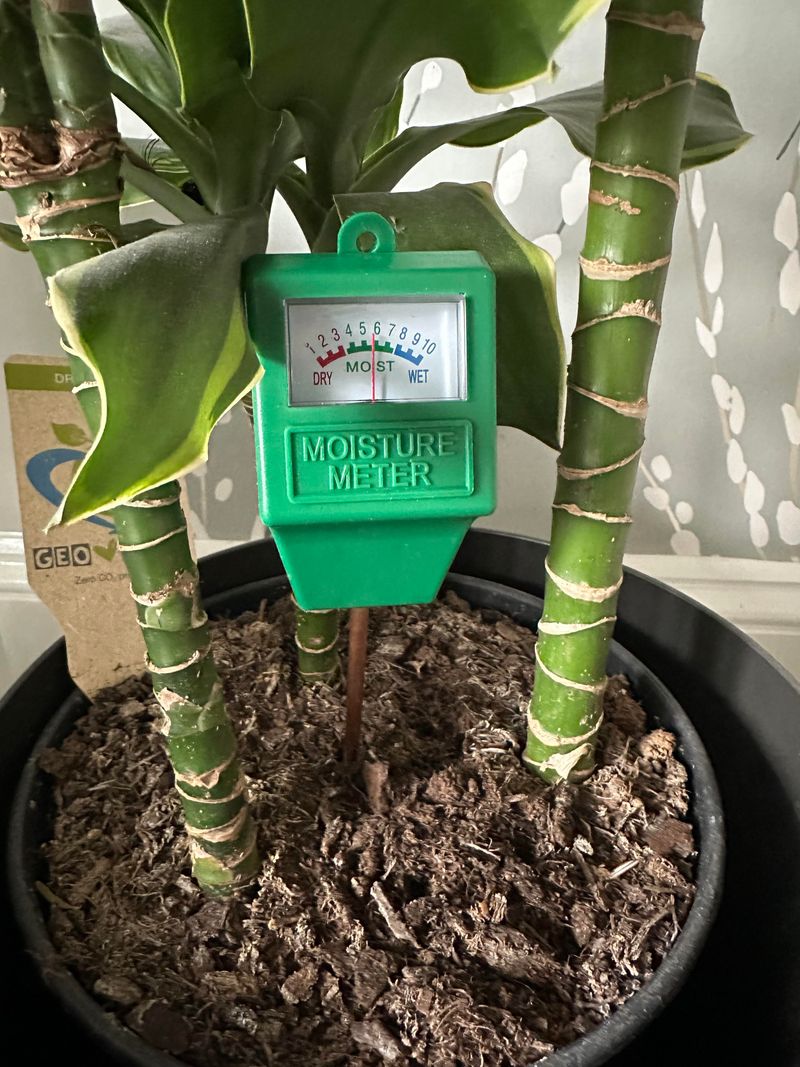
Skip the watering calendar. A tomato indoors in winter uses water more slowly than it did outside, so a schedule that worked in summer can leave the pot soggy now.
Instead, press a finger into the potting mix and judge it. Utah State Extension suggests letting the mix dry moderately between irrigations.
University of Illinois Extension gives similar advice for overwintering plants, letting soil dry slightly before watering again.
Lift the pot, too. A heavy pot with wet mix a few inches down points to overwatering, while a light pot and dry, pulling-away soil points to the opposite.
This is general indoor guidance and not a diagnosis of yellow leaves, but it tells you whether water is part of the story before you touch the fertilizer.
Read leaf patterns as clues, not proof
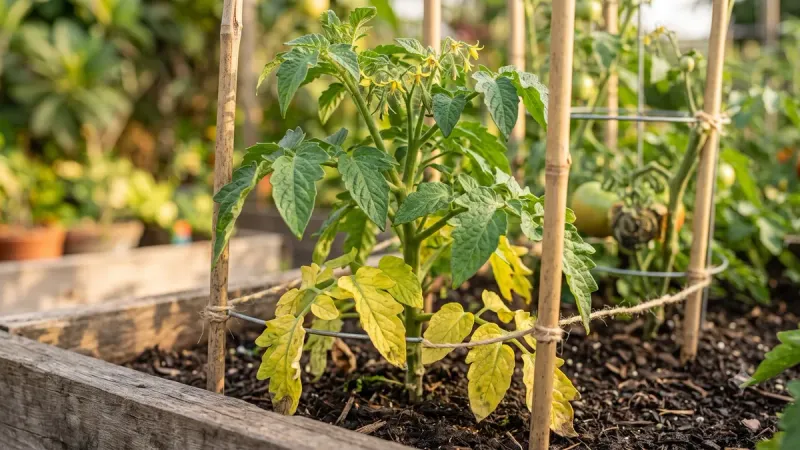
Color patterns can nudge your thinking, though they cannot settle it. Even yellowing of older leaves, together with a pale plant overall and slow growth, can fit low nitrogen.
Yellow between the veins of older leaves may suggest a magnesium problem.
The catch is overlap. Mississippi State Extension notes that nitrogen shortage can show on both old and new leaves, and it recommends tissue analysis when a nutrient problem is suspected.
Meanwhile, UC Extension reminds gardeners that shaded lower leaves can yellow with no deficiency at all.
Resist the urge to sprinkle Epsom salts on the pot. University of Maryland Extension says not to add magnesium sulfate unless a soil test shows a deficiency.
If you still suspect a nutrient problem after the other checks, a test beats guessing.
Spots call for a disease check
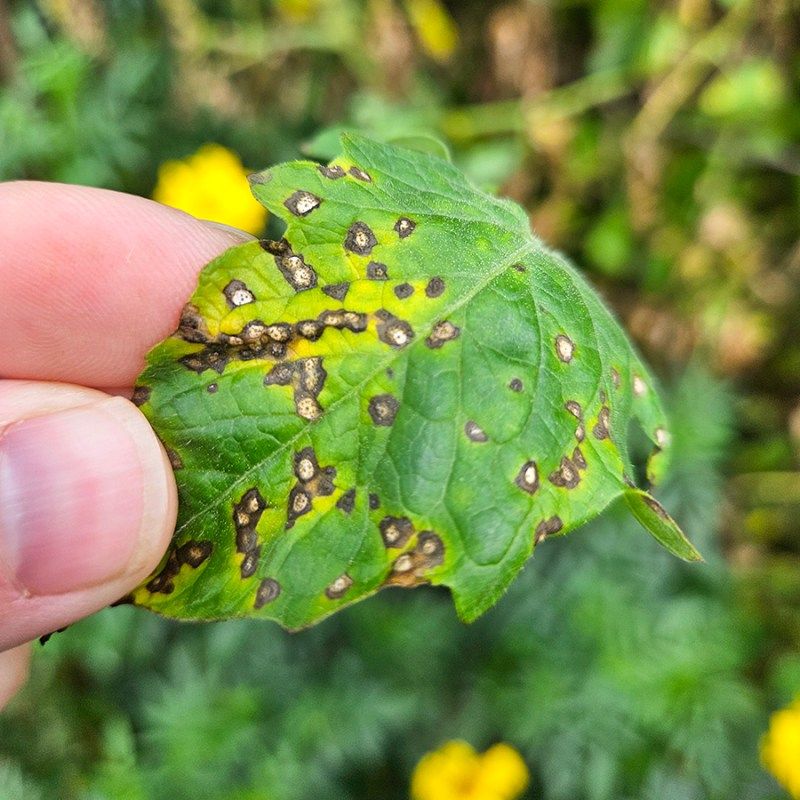
If yellow leaves also carry spots, the story changes. Disease deserves a look before any fertilizer goes in the pot.
Colorado State Extension describes early blight as starting on lower leaves with brown, target-like spots, followed by yellowing. Septoria leaf spot looks different, with small gray spots that have dark margins, and yellowing can follow there too, as University of Maryland Extension outlines.
Yellowing alone does not point to either disease, so look for the spots themselves. Hold a leaf up to the light and check both sides.
When spots do appear, remove the affected leaves and keep water off the foliage by watering at the soil. These steps may help limit the problem, but they are not a guaranteed cure, so keep watching the plant.
Match feeding to winter growth, then reassess
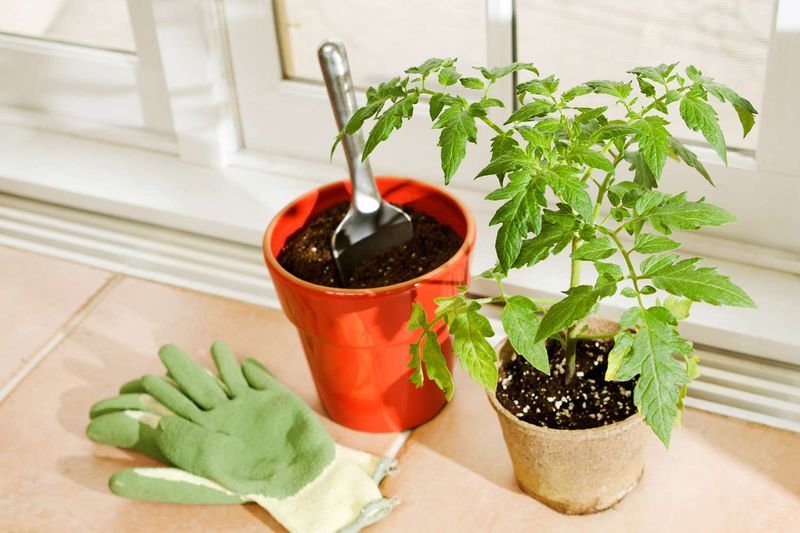
Now to fertilizer. A tomato that has slowed down indoors generally needs less than it did during active outdoor growth.
Illinois Extension suggests pausing fertilizer for most houseplants until spring, and Virginia Tech Extension notes that slower indoor growth means less feed.
That is not a treatment for yellowing of unknown cause. If the plant is truly short of nitrogen, cutting back further could backfire.
A plant grown for winter fruit under good light is a different case, and UVM Extension describes feeding by label directions every two weeks for actively growing indoor tomatoes.
So work through the sequence: check the light, feel the mix, look for distinctive spots, then set feeding by how the plant is actually growing. Note whether new leaves look healthy over the next few weeks.
A yellow leaf is the plant talking, and it rarely says much until you check the rest of the conditions.