
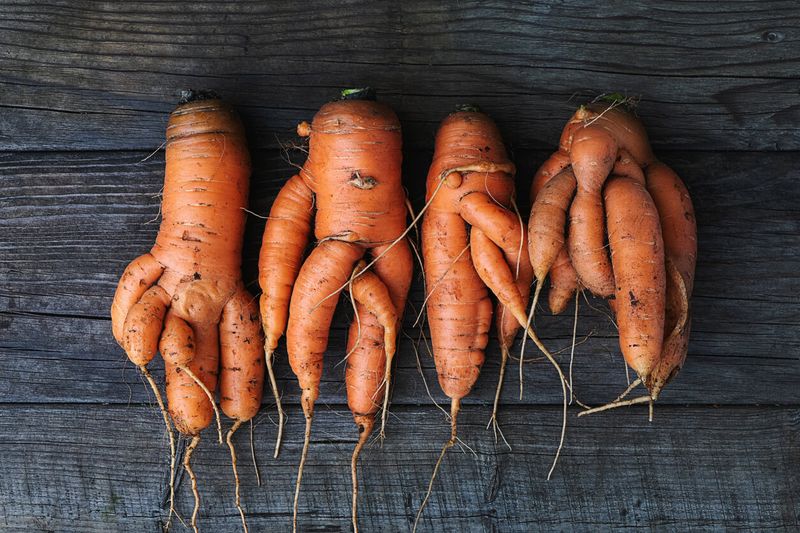
Pulling a carrot from the ground and finding a tangled, forked mess instead of a tidy root is one of gardening’s more frustrating surprises. Before you blame yourself, it helps to know that not all carrots are supposed to look the same – shape depends heavily on the variety you planted and the conditions underground. Misshapen roots are usually a signal from the soil, not a gardening failure, and most causes are fixable before your next sowing. Understanding what actually went wrong puts you in a much better position for a healthy fall crop.
First decide whether the shape is abnormal for the variety
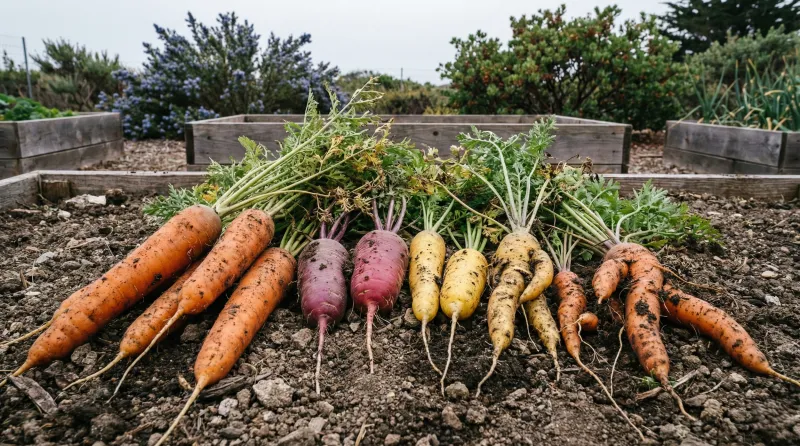
Carrots naturally come in a wide range of shapes, and a short, blunt, or slightly tapered root is not automatically a failed long carrot. Types like Chantenay and Danvers are bred to be stocky, while round varieties like Thumbelina look almost nothing like the slim Imperator types sold in grocery stores. Oregon State Extension’s carrot variety guide makes clear that expected root length, diameter, and taper differ considerably across cultivar types, so the first question is always whether the shape you got matches what that particular variety is supposed to produce.
Once you have confirmed the variety’s normal shape, you can start distinguishing between types of deformity. Forked or branched roots develop two or more distinct root prongs where only one taproot should be growing. Twisted or intertwined roots, by contrast, are single roots that have corkscrewed or wrapped around a neighbor during development. Stubbed roots are short and blunt when the variety should be longer, hairy roots carry an excessive number of fine side roots, and split roots show a lengthwise crack rather than a branch.
Each pattern points in a somewhat different direction. Illinois Extension identifies poorly prepared soil as the more frequent cause of forking, while University of Minnesota Extension lists compacted or rocky soil as a primary culprit in misshapen roots. Overcrowding and inadequate thinning are particularly linked to twisted or intertwined growth. Treat these patterns as useful starting clues rather than a guaranteed single diagnosis.
An obstructed root zone redirects the taproot
A carrot taproot grows downward by following the path of least resistance. When it hits a stone, a hard clod, a piece of buried wood, or a layer of compacted subsoil, it does not push through – it deflects. That deflection is what creates a fork or branch, because the growing tip splits around the obstruction or angles off in a new direction entirely.
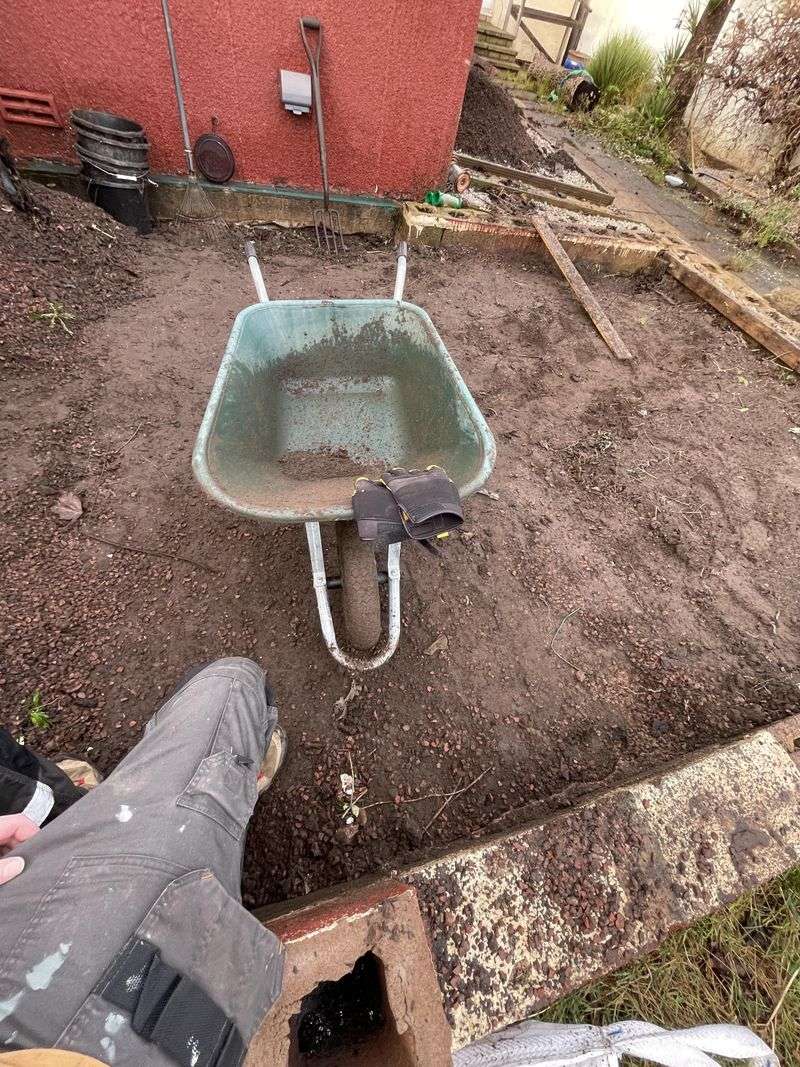
Preparing the bed deeply and uniformly is the most direct correction. Illinois Extension recommends working carrot soil approximately 8 to 9 inches deep, breaking up every clod, and physically removing stones and debris before sowing. Adding a thin layer of compost on the surface without loosening the soil underneath leaves the real problem untouched. The root zone needs to be loose all the way down to the depth your chosen variety requires.
Variety choice matters here as much as preparation. Long-rooted types like Imperator need 10 or more inches of unobstructed, loose soil to develop properly. Oregon State Extension notes that carrots benefit from loose, well-drained soil, and shorter types – Nantes, Chantenay, and Danvers – are far better suited to sites where the soil is shallow, heavy, or rocky. If your native soil stays compacted or stony no matter how much you work it, choosing a shorter variety is a practical adaptation rather than a compromise.
Raised beds can help by providing a deeper, looser root zone, but they still need adequate depth, appropriate variety selection, and consistent moisture management to deliver straight roots.
Overcrowding creates twisted and intertwined roots

Carrot seed is tiny, and it is easy to sow far more thickly than the plants can handle. When seedlings emerge in a dense mat, the developing taproots compete for the same narrow column of soil. Rather than growing straight down, roots begin pushing against each other, and the result is a cluster of twisted, corkscrewed, or intertwined roots that are difficult to untangle at harvest.
Thinning is the correction for overcrowding, not a cause of forking. University of Minnesota Extension recommends thinning to 2 to 4 inches apart for larger roots, while other extension guides suggest 1 to 2 inches for smaller varieties or closer harvest targets. The right spacing depends on the cultivar and how large you want the finished root to be – there is no single measurement that fits every situation. Thin in stages rather than all at once, snipping seedlings at soil level so you do not disturb the neighbors’ roots.
Illinois Extension and Oregon State Extension both note that pelleted seed and seed tape can help gardeners sow more evenly in the first place, reducing how much thinning the crop eventually needs. Weed carefully in the weeks after germination – deep cultivation near young plants can nick developing taproots and redirect growth just as effectively as overcrowding. Keep the hoe shallow and your hands gentle when working close to the seedlings.
Check for pests, disease, and wet-soil clues
Compaction and crowding are common culprits, but they are not the only ones. Before settling on a soil diagnosis, look closely at the roots and the patch itself for clues that point somewhere else. Some patterns suggest pest or disease involvement, and treating the wrong problem will not improve the next crop.
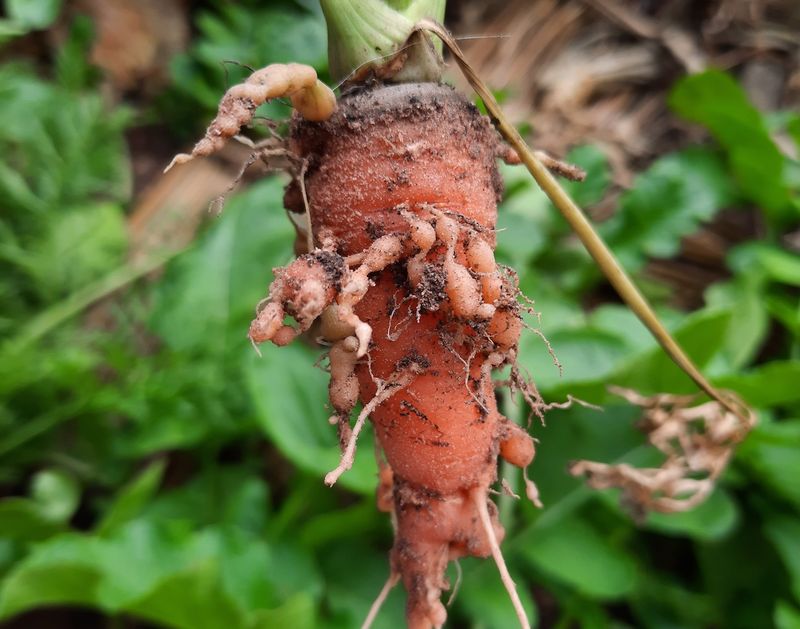
Firm, beadlike swellings or galls on the root surface, an unusually large number of short side roots, patchy stunting across the bed, or yellowing tops can all be signs of root-knot nematodes. UC IPM states that root-knot galls are the most diagnostic symptom – shape deformity alone is not enough to confirm nematodes, because similar-looking roots can result from soil conditions, disease, or other causes. WSU’s HortSense fact sheet and UF/IFAS guidance both reinforce that a soil or root sample is often necessary to confirm the diagnosis before any management steps make sense.
A different set of clues points toward Pythium-related root dieback. Short, branched roots combined with brown or water-soaked lesions near the crown, seedlings damping off at or below the soil line, and a persistently wet or poorly drained bed are the signals to watch for. UC IPM’s page on damping-off and root dieback in carrots describes how Pythium thrives when soil stays saturated. If symptoms remain unclear after your own inspection, contact your state or county Extension service – they can arrange testing and give locally applicable guidance rather than a generic recommendation.
Harvest the current crop instead of chasing a rescue
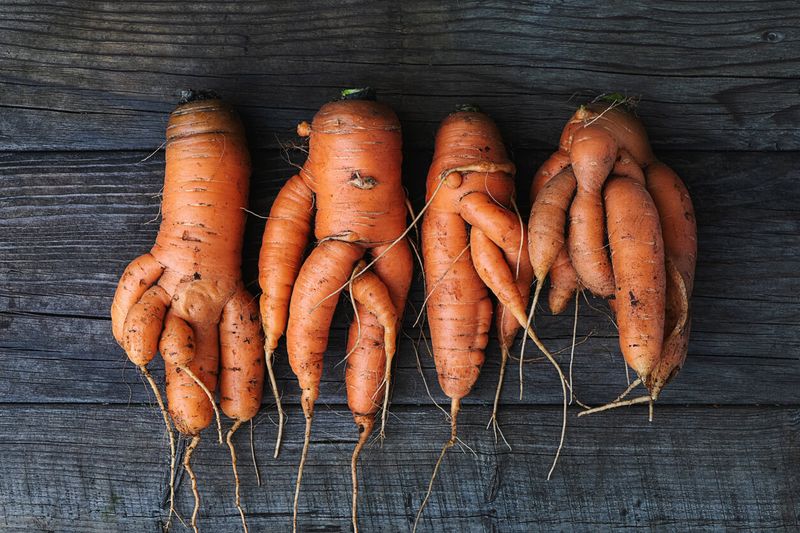
Once a carrot root has forked, branched, or stalled underground, nothing you do above ground will change its shape. Extra water will not straighten it. Additional fertilizer will not fill in the gap between the prongs. Manipulating the soil around an established root is more likely to snap it than to redirect its growth.
The practical move is to harvest whatever is usable now and shift your attention to what comes next.
Pull the current crop, brush off the soil, and evaluate honestly. Forked or twisted carrots are still edible – they just take a little more effort to peel and prep. Use them soon after harvest if the roots are small or have any cracking, since misshapen carrots do not store as well as uniform ones. While you have the roots in hand, note whether the deformity is consistent across the whole bed or patchy, whether any galls or lesions are present, and how deep the usable root zone actually was.
That information will guide what you change for the fall planting.
When you do prepare the next bed, finished compost can improve soil structure and support healthy root development. USDA guidance on soil-building composts and manures distinguishes between finished compost and raw or uncomposted manure. Fresh manure is not a safe substitute around a soil-contact crop like carrots. FDA produce-safety rules specify a 120-day interval for raw manure incorporated before harvest of crops whose edible portions contact soil.
A Virginia Cooperative Extension food-safety resource reinforces this point for home gardeners. Stick with finished, reputable compost and let a soil test guide any other amendments.
Rebuild the bed for the next sowing
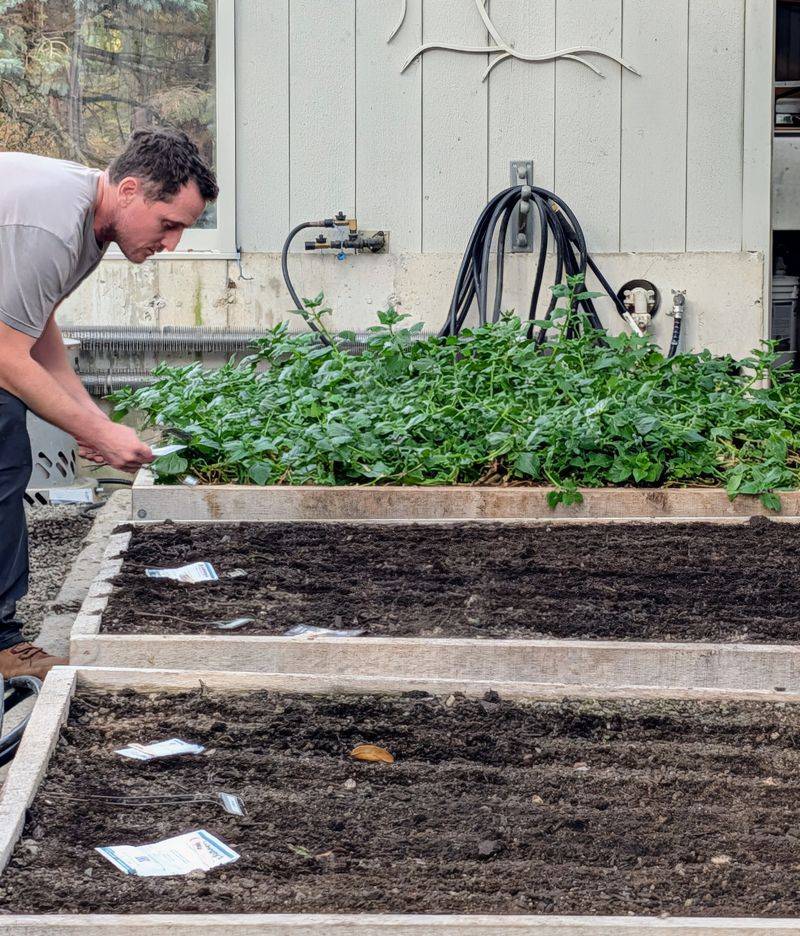
A better fall crop starts with a better bed, and that means addressing the full root zone rather than just the surface. Use a garden fork or spade to loosen the soil to at least 8 to 9 inches – the full depth recommended by Illinois Extension – and work across the entire planting area, not just a narrow row. Pull out every stone, chunk of woody debris, and large clod you find. Once the bed is loose and level, avoid stepping in it.
Foot traffic compacts soil quickly, and a single heavy pass can undo careful preparation.
If native soil remains shallow, rocky, or persistently compacted after thorough preparation, choose a shorter carrot type rather than fighting the site. Nantes, Chantenay, and Danvers varieties are well-suited to restrictive conditions, and Oregon State Extension recommends them for loose, well-drained beds or raised beds where deeper types may struggle. A raised bed can extend your usable root zone, but it still needs adequate depth – at least 12 inches for most varieties – and it is not a guarantee of straight roots on its own.
Direct-sow rather than transplant. University of Minnesota Extension and West Virginia Extension both advise direct sowing because carrot taproots begin developing early, and transplanting can damage or misdirect that initial growth. Sow thinly, using pelleted seed or seed tape if available to reduce crowding from the start. Thin seedlings to variety-appropriate spacing once they reach 1 to 2 inches tall, snipping rather than pulling to protect neighboring roots.
Keep weeding shallow, and maintain even soil moisture throughout – Illinois Extension’s horticultural answers page notes that dry conditions produce woody or poor-quality roots, while saturated soil creates its own set of problems. A 2024 Oregon State carrot project report reinforces that consistent bed management across the full growing period, not just at planting, determines final root quality.
Plan fall sowing around your local season
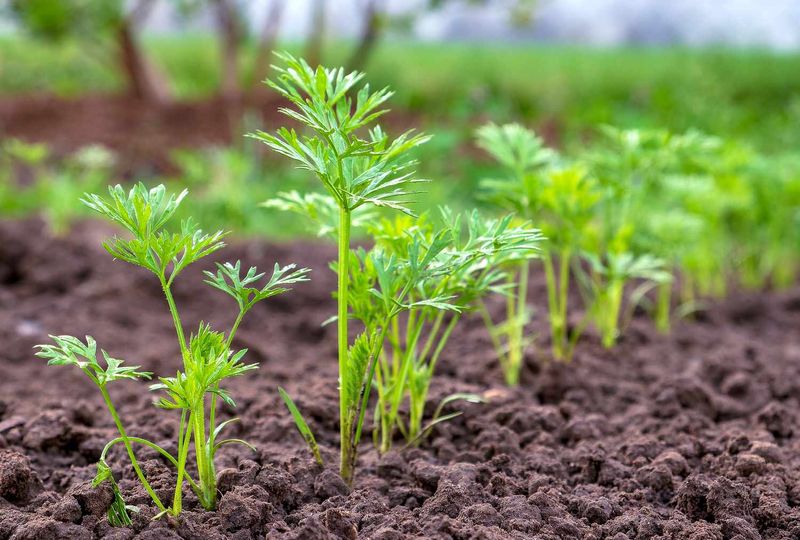
Fall carrot timing is not a single date on the calendar – it depends on where you live, what variety you have chosen, and what the weather has been doing. The general approach is to count backward from your expected first frost date using the variety’s days-to-maturity figure, then add a small buffer for slower germination in warm late-summer soil. University of Minnesota Extension’s midsummer planting guide walks through this backward-counting method for fall root crops, and Illinois Extension’s midsummer planting post explains why carrots sown in the heat of July or August often taste sweeter after light fall frosts cool the roots.
Regional variation is real. Oregon State Extension and Penn State Extension’s season-extension guide both note that fall sowing windows shift considerably depending on local climate, elevation, and typical rainfall patterns. A gardener in coastal Oregon works with a very different timeline than one in central Pennsylvania or the upper Midwest. Check with your local Extension office or use their online frost-date tools to find the window that fits your specific location.
Growth rates also change as temperatures drop in late summer and early fall, so seeds may germinate more slowly than the seed packet suggests. Keep the seedbed consistently moist during germination – dry surface soil is one of the most common reasons fall carrot seeds fail to emerge evenly. Once the plan is in place, the path to a better crop is straightforward: match the variety to your soil depth, clear the root zone of obstructions, direct-sow and thin carefully, and water steadily without saturating the bed. Carrots grown in the right conditions tend to grow the way they should, and a well-timed fall sowing gives you one more chance to get it right before the season ends.