
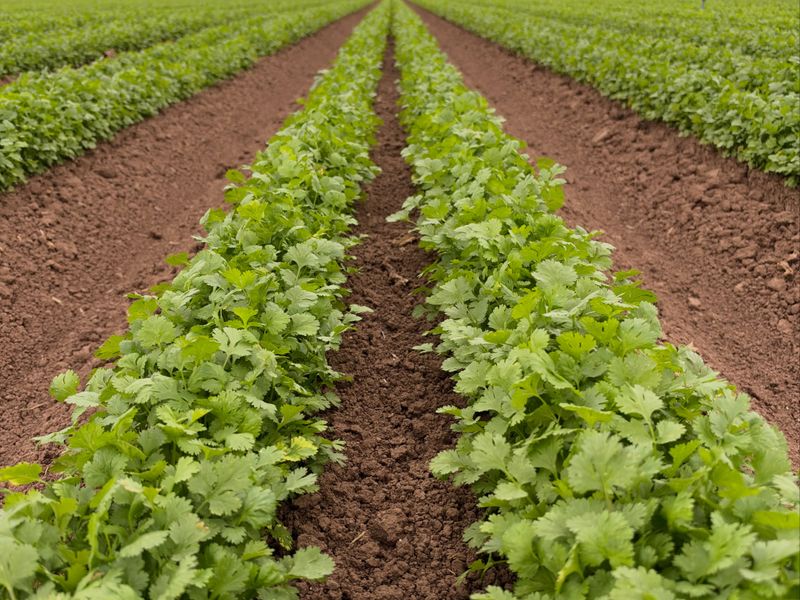
Anyone who has grown cilantro in Central Texas knows the heartbreak: lush green leaves one week, tall feathery stalks the next. Spring heat is a big reason, though not the only one.
Fall gives you a second shot at the crop, and mid-November sits right in the middle of that window. Here is what to plant now, what to expect, and where the limits are.
What makes spring cilantro bolt?
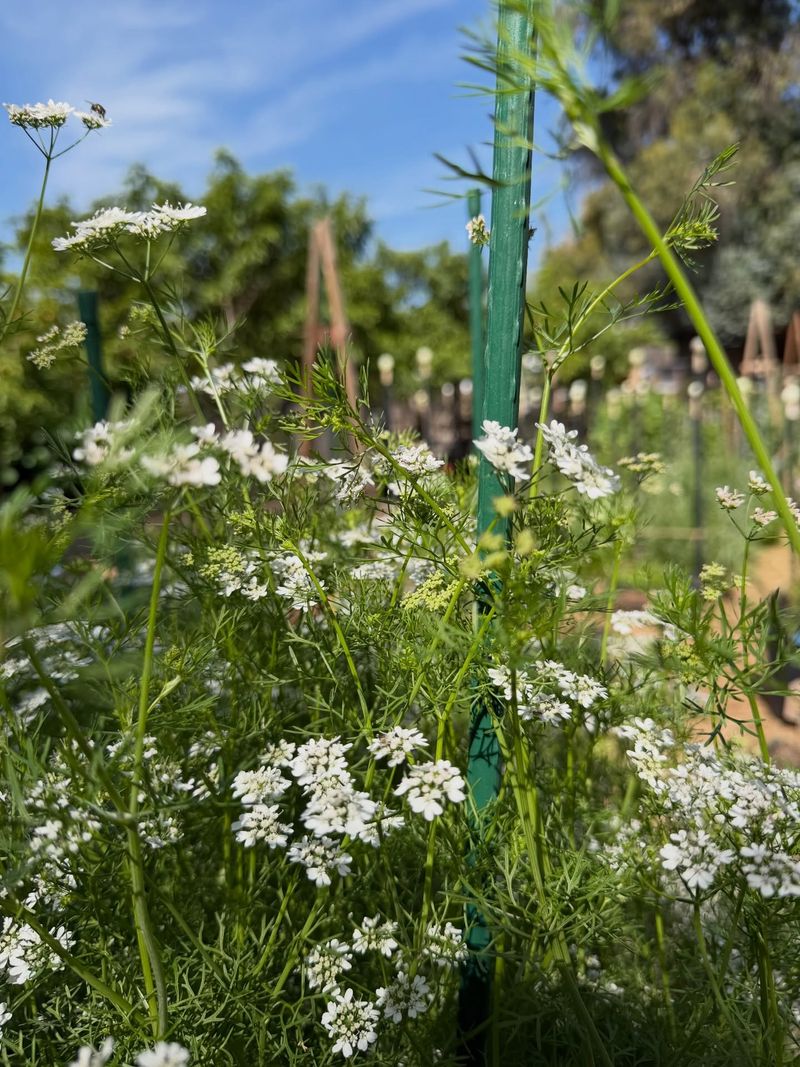
Cilantro is a cool-season annual, and warm weather pushes it to wrap up its life cycle fast. Texas A&M AgriLife Extension says plants start to bolt when temperatures climb above about 85°F.
In Central Texas, that number shows up early in spring.
Bolting is the plant shifting from making leaves to making flowers and seed. That is a normal plant move, not proof that you did something wrong.
A tall, ferny stalk with small white blooms is cilantro finishing what it was built to do.
Heat shortens the leaf window, which is why spring plantings often disappoint. You may get only a few weeks of picking before the stalks take over.
Planting date plays a part, since a later start runs into warmer days sooner, but it does not explain every plant. Stress, crowding, and dry soil can also nudge a plant along.
Slow-bolting varieties can help stretch the season a bit. They are not heat-proof, though.
University of Wisconsin Extension notes that some cultivars bolt later, but none hold up well in high temperatures and long days.
One bonus: the flowers turn into coriander seed, and pollinators like the blooms. If your plants bolt, you can still get something useful from them.
Central Texas has distinct windows for seed and transplants
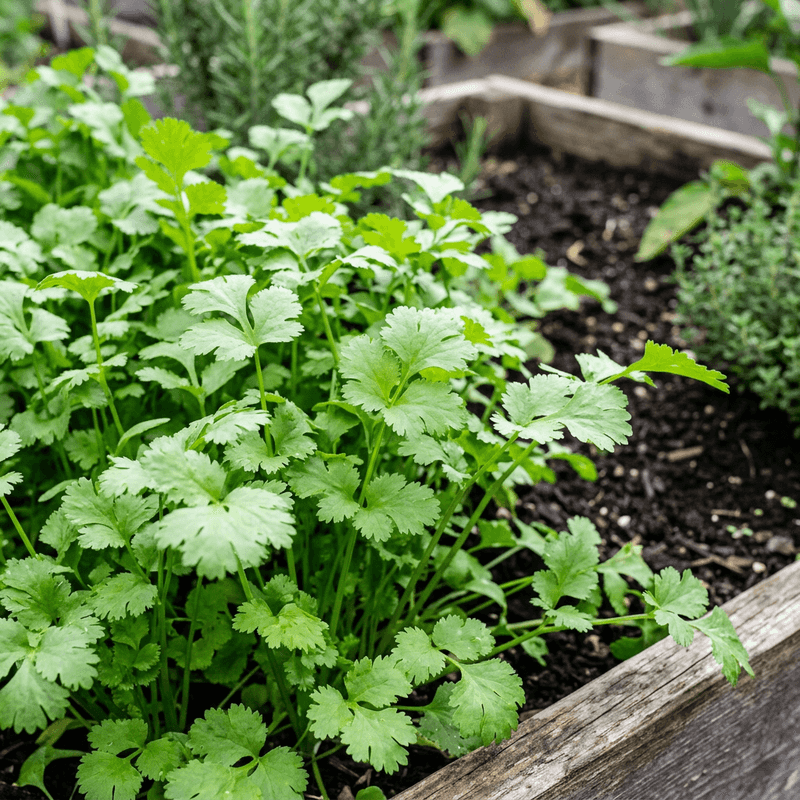
Timing advice depends on whether you start from seed or from a nursery plant. Texas A&M’s guide suggests planting in February for an April harvest and in September for a November harvest.
Those are statewide Texas dates, so adjust them for your own garden and local weather.
For the Central Texas area, Central Texas Gardener recommends seeding in October. It also suggests repeating sowings about every two weeks, so you are not stuck with one batch that all bolts or freezes at the same time.
Transplants follow a different schedule. The same local guide lists cilantro transplants as a November task, which makes November the natural moment for buying small plants instead of sowing seed.
These dates come from Texas and Central Texas sources. They are not a universal calendar, and gardeners in colder or wetter regions should not copy them.
Even inside Central Texas, a sheltered city yard and an open hilltop lot can behave very differently.
So the dividing line is simple. October is for seeds, November is for transplants, and mid-November seed sowing is the weakest bet for getting leaves soon.
Why consider a transplant in mid-November?
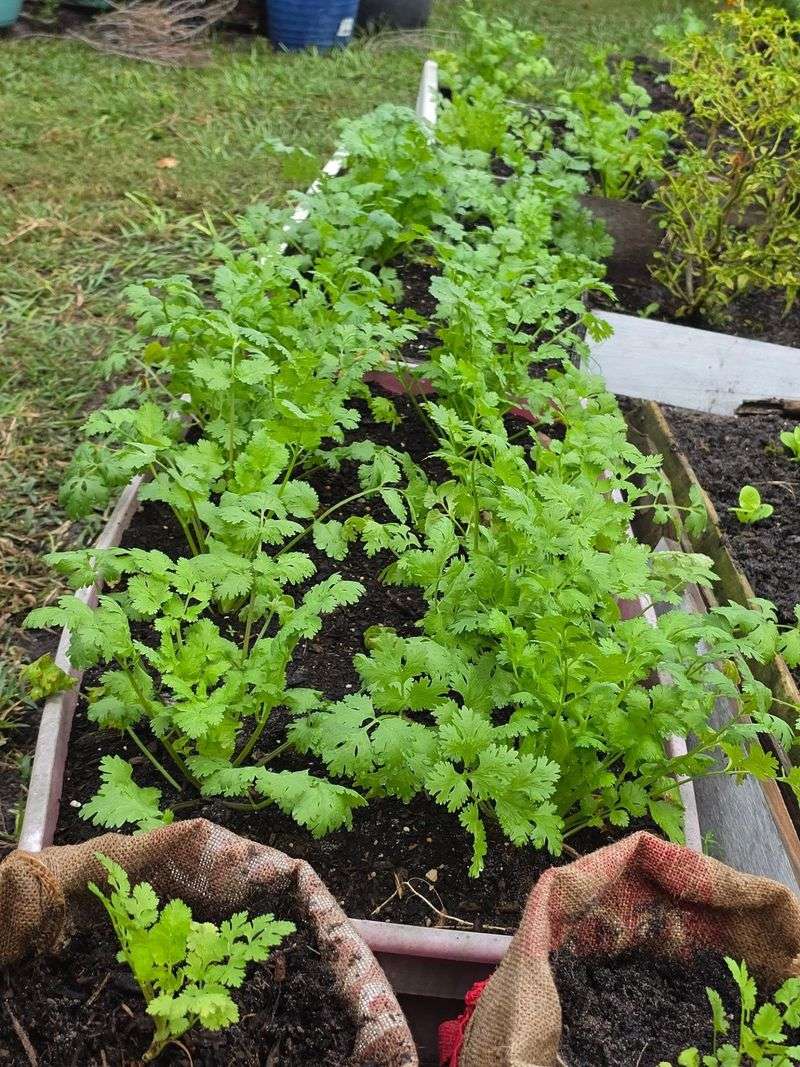
If it is already mid-November, a transplant is the more realistic route. Central Texas Gardener lists cilantro transplants among its November tasks, so you are working with local advice instead of guessing.
Seed takes time. Texas A&M estimates 45 to 70 days from seeding to leaf harvest.
Seed sown in late November could be slow to give you much to pick, especially as nights get colder. A nursery plant skips the first stretch of that wait.
That head start does not come with a promised harvest date. Cool days still slow growth, and a freeze can set a plant back.
Think of a transplant as a way to start a cool-season crop, not a ticket to a long winter supply.
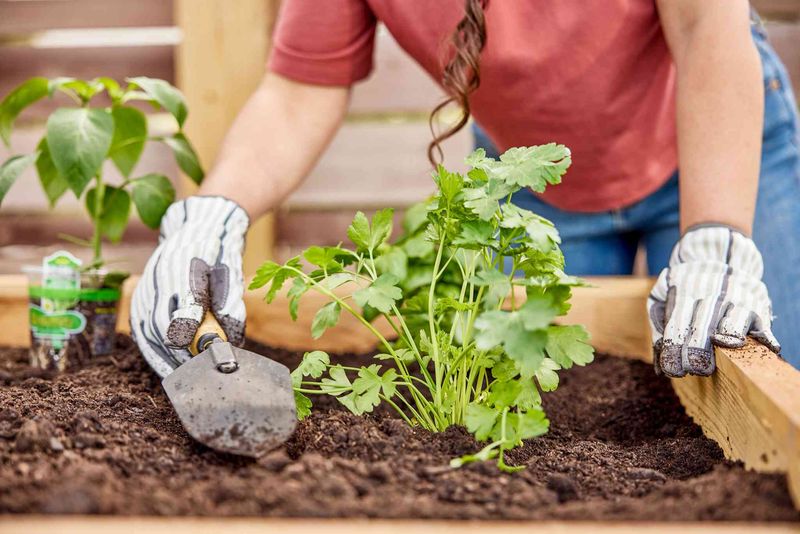
Transplanting has its own catch. Wisconsin Extension warns that cilantro’s long taproot makes it sensitive to being moved.
Choose compact plants that are not root-bound, loosen the pot without tugging, and keep the rootball intact.
Set each plant at the same depth it grew in the pot. Rough handling is the quickest way to waste a few dollars.
Give seeds and young plants a steady start
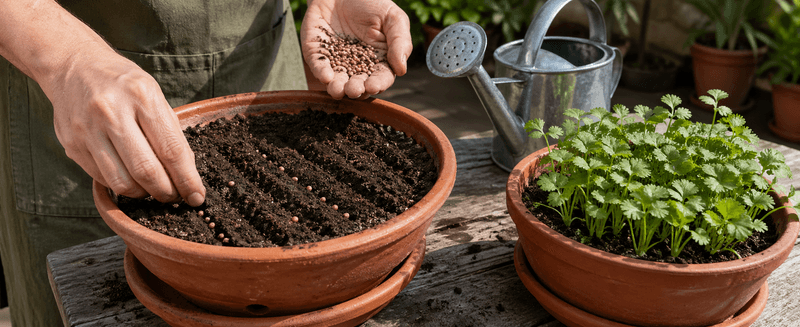
Sowing seed correctly matters more than most people think. Texas A&M suggests planting seed a quarter to a half inch deep.
For leaf production, space plants about 2 inches apart.
A shallow seed dries out quickly, so moisture is the key. Keep the seedbed evenly damp through germination and early establishment.
A light daily check works better than a heavy soaking once a week, and a thin layer of mulch can help the surface stay moist.
Local advice matches that approach. Central Texas Gardener recommends staggering sowings, which gives you several small patches instead of one big gamble.
Once plants are growing well, ease off. Water when the top inch of soil feels dry instead of keeping the bed soggy.
Constant wet feet can rot roots and invite disease, especially in heavy clay.
Texas clay can pack down and crust over, so loosen the top few inches and mix in compost before planting. Raised beds drain faster and warm up a little sooner on sunny winter days.
Transplants need the same steady moisture for their first couple of weeks.
Harvest leaves while the plant is still leafy
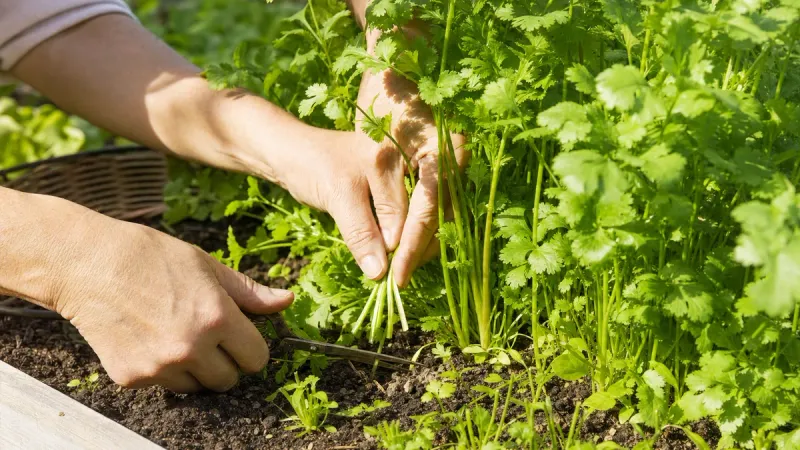
Pick early and often, because a leafy plant is your window. Texas A&M advises harvesting outer leaves when they reach 4 to 6 inches long.
You can also cut the whole plant 1 to 2 inches above the soil.
Taking outer leaves leaves the center growing, so the plant can keep producing for a while. Cutting the whole plant gives a bigger bundle at once, and new growth may follow if conditions stay cool.
Use clean scissors and take only what you need for the week.
Harvesting does not stop bolting forever. Once the plant decides to flower, leaves turn thin and feathery, and the flavor changes.
Wisconsin Extension notes that bolting is part of the plant’s shift toward seed.
That is why a steady cutting routine pays off. In a cool stretch you gather as much as you can, and when the stalks rise you let them go.
Rinse what you pick under plain running water before eating. The FDA says not to use soap or produce wash on vegetables.
A winter planting still needs a freeze plan
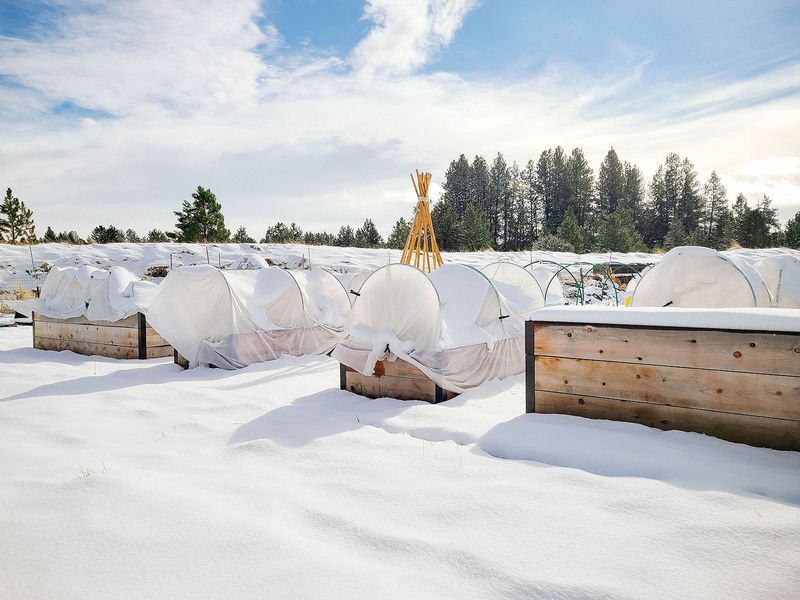
Winter in Central Texas swings from sunny and mild to a hard freeze within days. Central Texas Gardener recommends row cover if temperatures drop below 20°F.
Keep a roll of frost cloth handy and watch the forecast during deep cold snaps.
You may see higher or lower numbers elsewhere. Texas A&M says cilantro can tolerate temperatures as low as 10°F, but that is not a dependable survival line for a home garden.
Wind, wet soil, and the plant’s age all change how it handles cold. Wisconsin Extension says cilantro will not survive a hard freeze, so cover early rather than late.
Anchor the cover at the edges so it does not blow off. Remove it on mild afternoons so plants get light and air.
Even with protection, expect interruptions. Growth slows in short, cold days, and a cold snap can leave you with little to pick for a few weeks.
Successive plantings can extend your supply, but they cannot guarantee steady production all winter.
A few plants tucked near a south-facing wall or fence may fare a little better. Treat it as a bonus rather than a promise.
Plant for the window, not a guaranteed season
Spring heat shortens cilantro’s leaf window, and Central Texas guidance points to October seed and November transplants for a fall start. Planting now can begin a cool-season crop, so expect uneven harvests and keep row cover ready for a deep freeze.
Cilantro rewards good timing more than stubbornness. Pick it while it is green and leave the rest to the weather.