
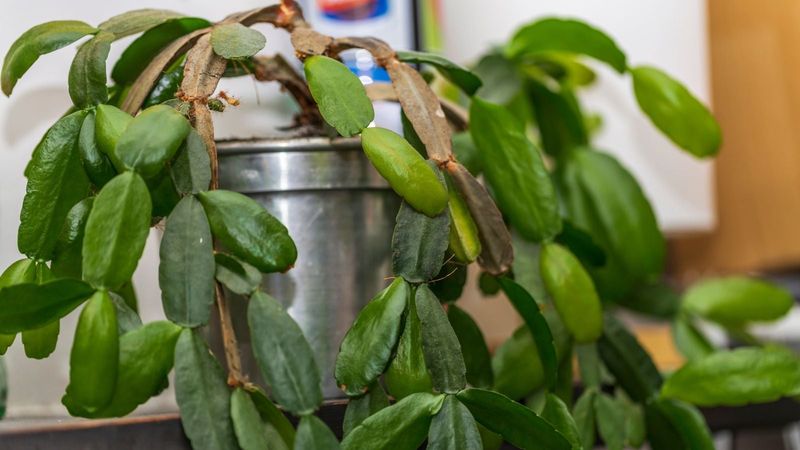
Your Christmas cactus is supposed to be tough, but here it is in July, drooping like it gave up on life. Limp, floppy segments are the plant’s way of waving a little flag that says something is off. The tricky part is that several different problems can cause the exact same sad, wilted look. Let’s walk through what each cause is really telling you so you can figure out the fix before your plant fades any further.
A Limp Cactus Is a Message, Not a Death Sentence
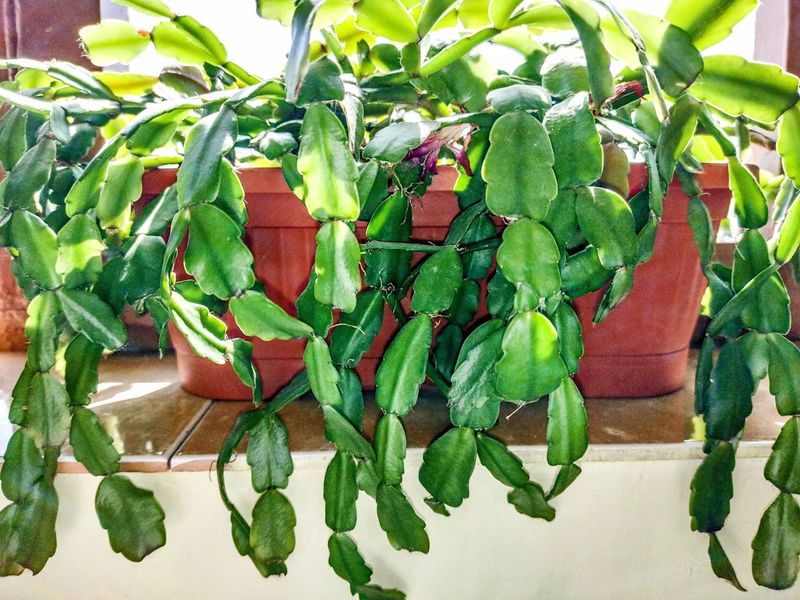
Picture your once-perky cactus now slumping over the edge of its pot like a tired swimmer draped over a pool ladder. It looks dramatic, but a floppy Christmas cactus is rarely a lost cause.
What you are seeing is a plant that has lost the internal water pressure that normally keeps its flat segments firm and upright. Gardeners call that firmness turgor, and when it drops, the leaves go soft. The good news is that the same softness can be triggered by too much water or too little, so the plant is basically handing you a puzzle to solve.
Before you panic and start changing everything at once, slow down and read the clues. Check the soil, the pot, the light, and the room temperature one at a time. Christmas cactus are jungle plants at heart, and summer stress often just means their conditions drifted away from what they like.
Treat the limpness as a starting point for a little detective work. Each section ahead names a common cause, explains what that cause usually looks like, and offers gentle steps that can often nurse a droopy plant back to its firmer, happier self.
Overwatering Is the Most Common Culprit
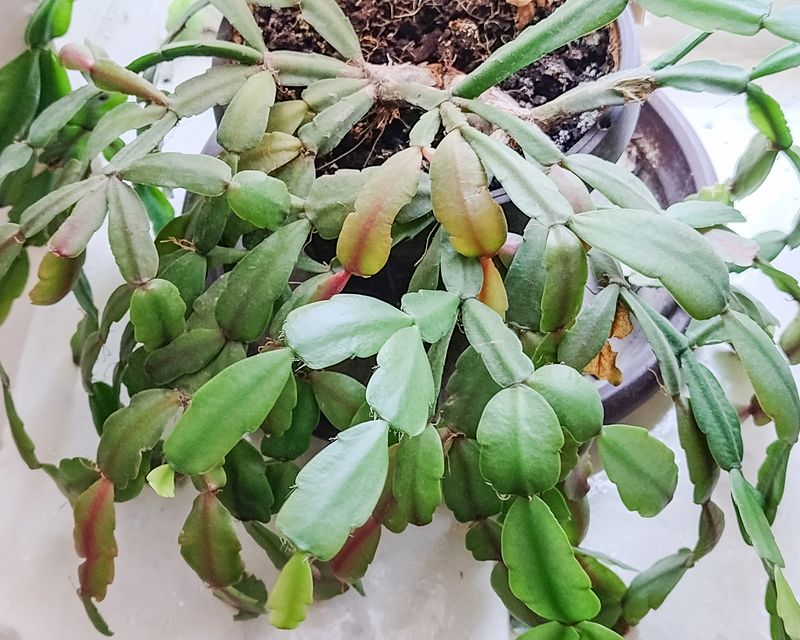
Here is the twist that trips up so many caring plant owners: a droopy Christmas cactus usually means you loved it a little too much with the watering can. Soggy roots cannot breathe, and roots that cannot breathe start to rot instead of drinking.
When roots rot, they lose the ability to pull water up into the segments, so the leaves flop even though the soil feels wet. That wet-but-wilted combination is your biggest clue that overwatering, not thirst, is the problem.
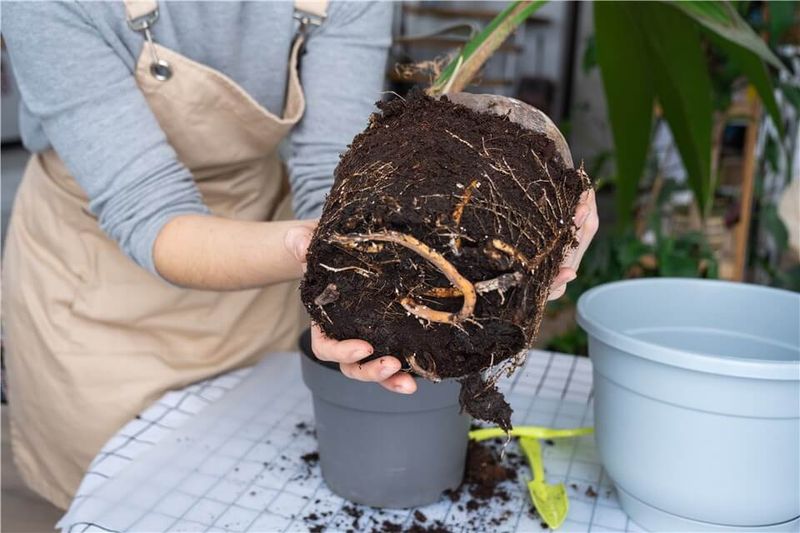
Gently slide the plant out of its pot and look at the roots. Healthy roots look pale and firm, while rotting ones turn brown, mushy, and may smell sour.
To help the plant recover, trim away any slimy roots with clean scissors and repot into fresh, fast-draining mix. Then let the top inch of soil dry before you water again.
Going forward, water only when the surface feels dry to the touch. During humid summer weeks the soil holds moisture longer, so easing off the schedule can often stop the sad slump before it starts.
Thirsty Roots Can Fake the Same Symptoms
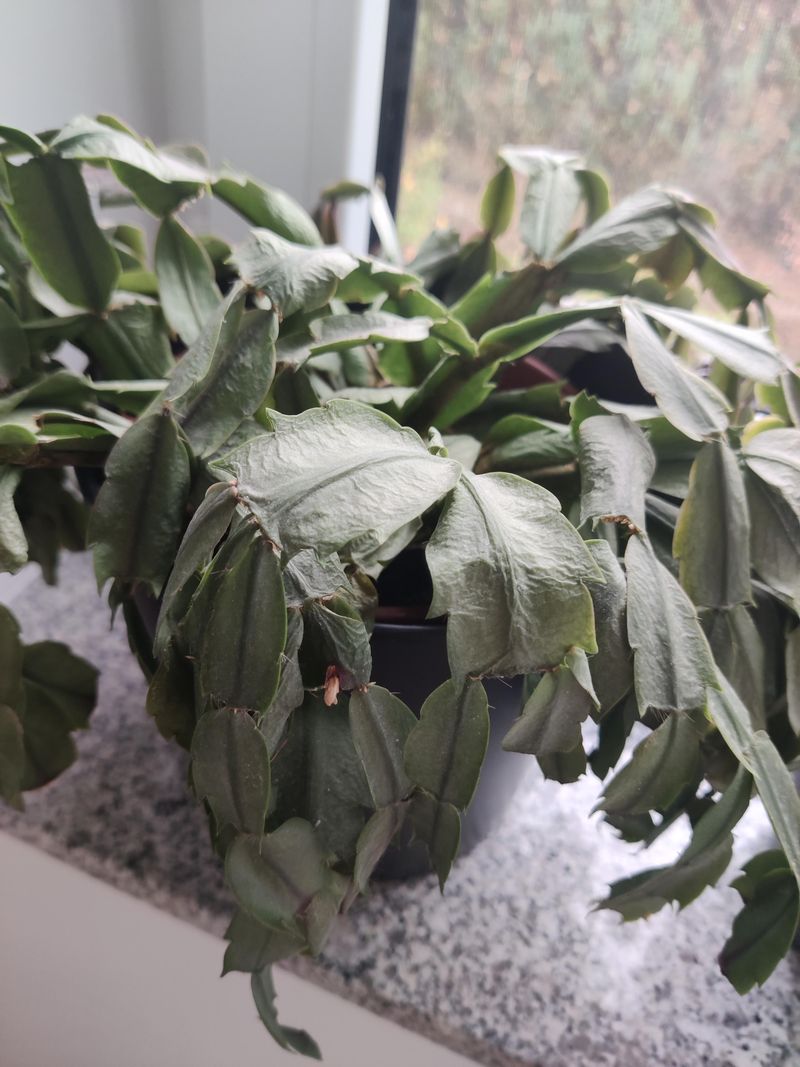
Confusingly, the opposite problem creates a nearly identical droop. A Christmas cactus that has gone bone-dry will also collapse, wrinkle, and lose its cheerful posture.
The difference lives in the soil. When overwatering is to blame, the mix stays damp; when thirst is the issue, the soil pulls away from the pot edges and feels light, dusty, and crumbly. Summer heat speeds up evaporation, so pots can dry out faster than you expect between waterings.
Press a finger two knuckles deep. If it comes out dry all the way down and the segments look shriveled rather than mushy, your plant is simply parched.
Rehydrate slowly instead of drowning it in one go. Set the pot in a tray of water for fifteen minutes so the roots can sip from the bottom, then let it drain fully.
Within a day or two, firmness often returns and the wrinkles smooth out. Keeping a loose but consistent watering rhythm through the warm months can usually prevent that dramatic thirsty flop from happening again.
Too Much Direct Sun Scorches the Segments
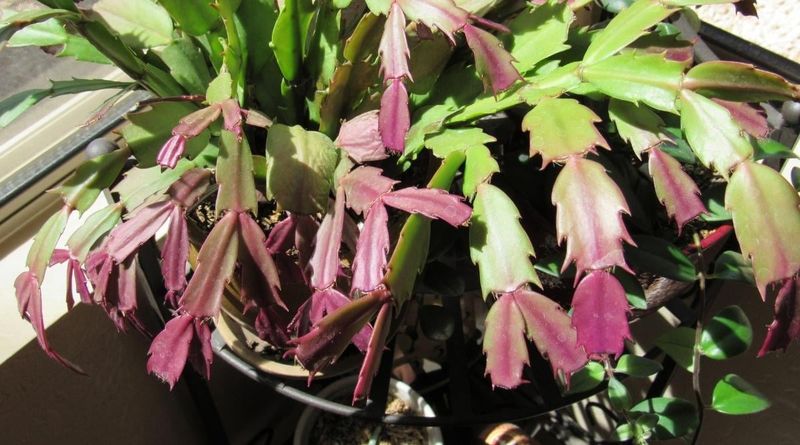
Sunbathing sounds relaxing, but for a Christmas cactus a summer windowsill in blazing afternoon light is more like a frying pan. These plants evolved under the shady canopy of Brazilian rainforests, not on an open, sun-baked ledge.
Harsh direct rays can bleach the flat pads to a pale, reddish, or yellow-purple tone before the whole plant wilts from heat stress. If your droopy cactus also shows those washed-out patches, light exposure is likely part of the story.
Move the pot to a spot with bright but indirect light, such as a few feet back from an east-facing window or behind a sheer curtain. Filtered light gives the plant energy without cooking its tissue.
Sudden moves can shock it, so shift the plant gradually over several days rather than all at once. A little morning sun is usually fine, but shield it from the intense midday and afternoon blast.
Once the scorching stops, new growth often comes in a healthier deep green, and the segments can slowly regain their firmness as the heat stress eases.
Heat Stress Pushes the Plant Past Its Comfort Zone
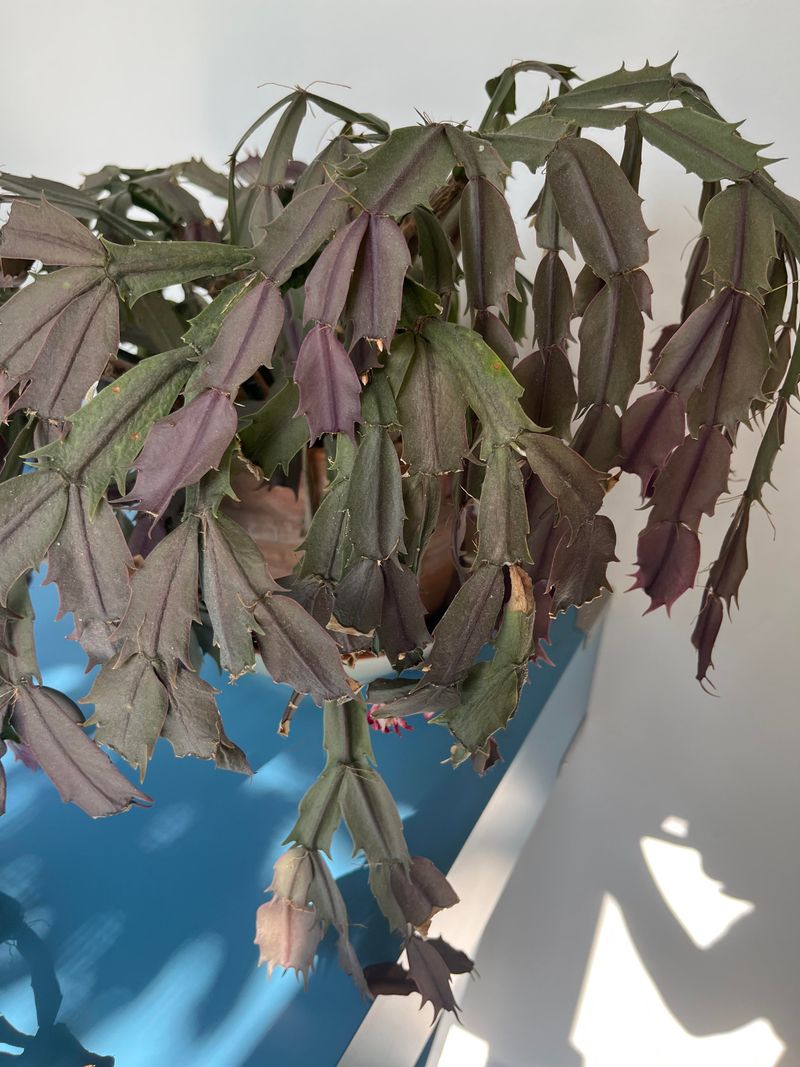
Ever notice how you wilt on a sweltering afternoon? Your Christmas cactus does the very same thing when the thermometer climbs too high.
These jungle natives are happiest between about 65 and 75 degrees Fahrenheit. When a room bakes above 80 for days on end, the plant loses moisture through its segments faster than the roots can replace it, and the whole thing sags in surrender.
Watch out for hidden hot spots too. A closed sunroom, a shelf above a heat-generating appliance, or a windowsill trapping afternoon warmth can all turn into little ovens.
Relocate the plant somewhere cooler and steadier, and boost airflow with a nearby fan set on low. Grouping it with other houseplants or resting the pot on a pebble-and-water tray can gently raise humidity and take the edge off the heat.
Avoid blasting it with cold air-conditioner drafts, which swing to the other extreme and cause their own kind of stress. Aiming for calm, moderate warmth usually helps a heat-frazzled cactus firm up again within a week or two of relief.
The Wrong Pot Traps Trouble at the Roots
Sometimes the villain is not your watering habit at all, but the container hiding it. A pot without drainage holes turns every watering into a swampy trap that stays wet for days.
Christmas cactus roots are surprisingly small and hate sitting in standing water. When water pools at the bottom with nowhere to escape, root rot creeps in and the segments start to droop even with perfect scheduling.
Pot size matters just as much. An oversized container holds far more soil than the roots can drink, keeping the mix soggy long after watering, while a cramped pot can dry out or bind the roots.
Choose a snug container with open drainage holes, and add a saucer you can empty after each drink. A gritty, well-draining mix made for cactus or succulents helps water flow through instead of lingering.
Repotting is best done gently, easing the plant out and shaking off soggy soil before settling it into fresh mix. Getting the home right often solves the mystery droop when nothing you did to the watering seemed to help.
Dry Air and Low Humidity Sap Its Strength
Crank up the air conditioning in July and you create an indoor desert that your rainforest cactus quietly resents. Bone-dry air pulls moisture out of the fleshy segments faster than the roots can keep up.
Rainforest plants like this one thrive in the 50 to 60 percent humidity range. When indoor air dips well below that, the pads may soften, wrinkle at the edges, and lose their usual bounce even when the soil moisture looks fine.
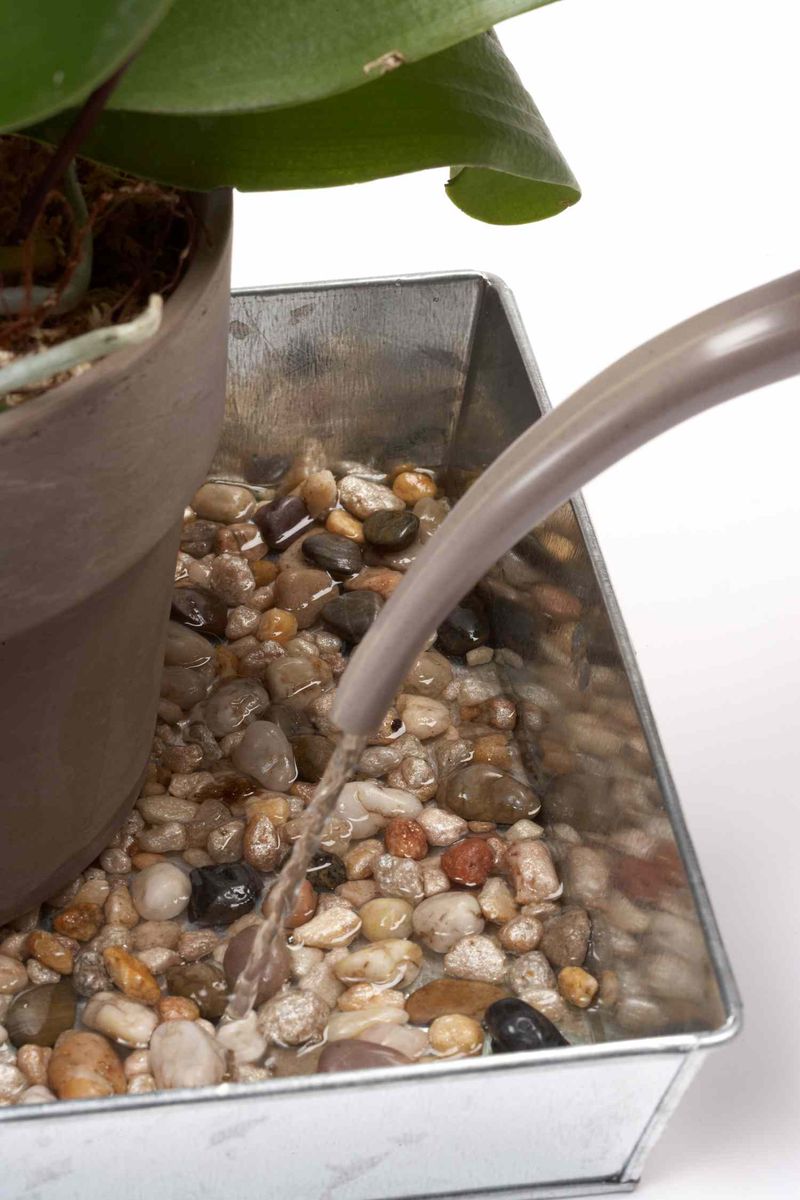
Little adjustments can make a real difference. Setting the pot on a tray of pebbles topped with water lets gentle evaporation surround the plant with kinder, moister air.
Clustering your houseplants together also creates a shared pocket of humidity as they release moisture. A small room humidifier can help too, especially in dry, air-conditioned spaces that stay parched all season.
Skip heavy daily misting, since lingering water on the segments can invite fungal spots. Nudging the humidity upward steadily often restores that plump, springy feel and keeps summer air from quietly draining your plant’s vigor.
Sudden Moves and Cold Drafts Trigger a Sulk
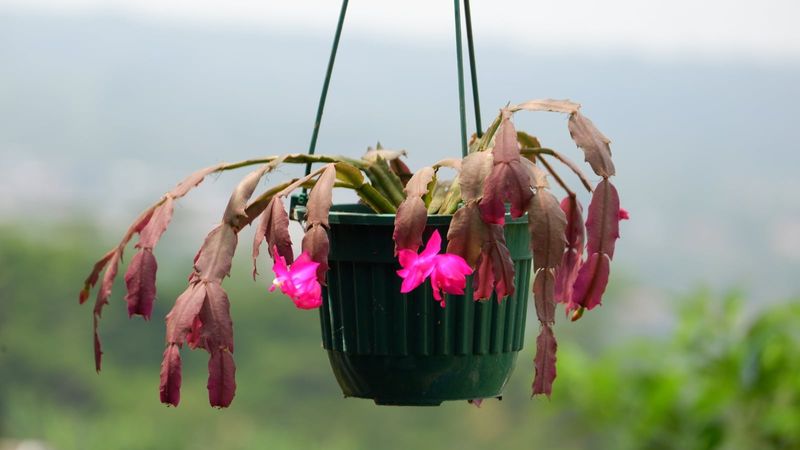
Christmas cactus are creatures of habit, and they can throw a bit of a tantrum when their world changes overnight. A big move can leave the segments limp for days while the plant adjusts.
Shifting from a shady corner to a bright window, or from a warm room into an air-conditioned draft, delivers a jolt these plants dislike. Cold air pouring from a vent or an open summer window at night can chill the tissue and cause a droopy sulk.
Consistency is your friend here. Once you find a spot with steady light and comfortable temperatures, try to leave the plant put rather than shuffling it around.
Keep it clear of air-conditioner vents, drafty doorways, and windows that swing between hot afternoons and cool nights. Big swings between day and night temperatures can stress the segments as much as any single extreme.
When a move is truly necessary, ease the plant into new conditions over a week so it can acclimate. Given a little patience and stability, a sulking cactus usually perks back up once it feels settled and safe.
Pests and Fungus Can Be the Hidden Saboteurs
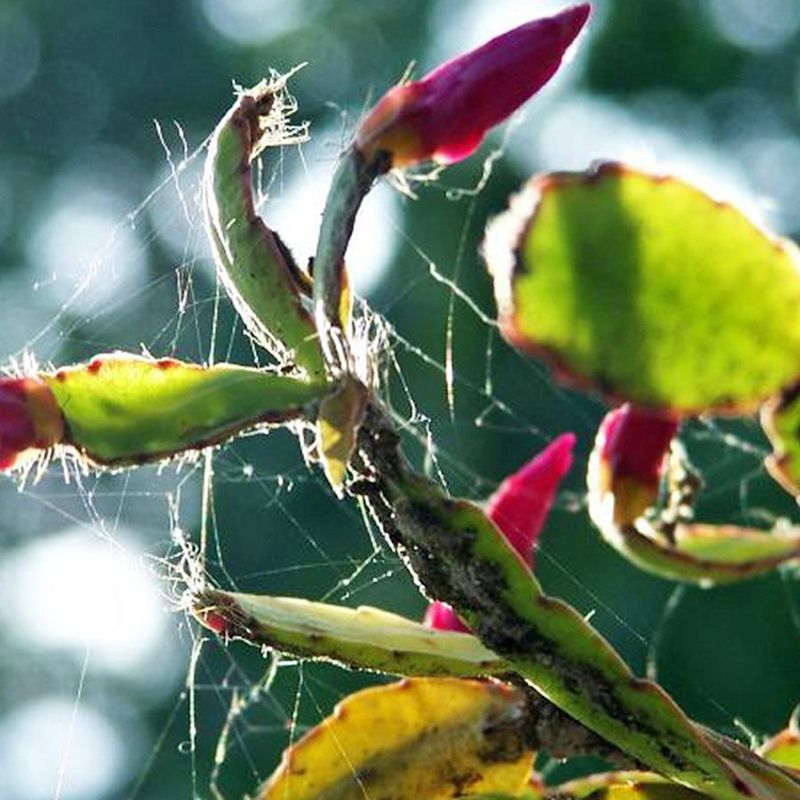
Turn a droopy segment over and you might spot the real troublemakers lurking underneath. Tiny pests and sneaky fungal problems can drain a Christmas cactus while you blame the weather.
Fungus gnats, spider mites, and cottony mealybugs feed on the plant and its roots, weakening tissue until the segments sag. Damp, overwatered soil also invites fungal root rot, which quietly strangles the plant’s ability to drink.
Inspect closely with good light. Look for fine webbing, white fuzzy clusters, tiny flies rising from the soil, or dark mushy patches near the base.
For minor insect trouble, wiping segments with a cotton swab dipped in diluted rubbing alcohol or spraying with insecticidal soap can help knock the population back. Letting the soil dry more between waterings often discourages fungus gnats and rot from taking hold.
Isolate an affected plant from your other greenery so any hitchhikers do not spread. Severe infestations may need repeated treatment and fresh soil, but catching the problem early usually gives your cactus a solid chance to firm up and recover its footing.
Reading the Clues and Nursing It Back to Firm
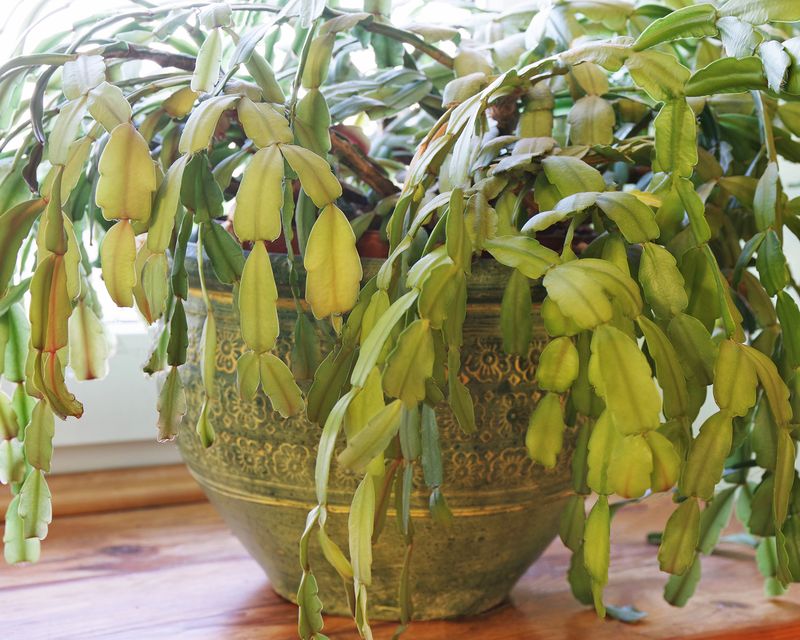
Standing in front of a floppy plant, remember that limpness is a symptom with many possible authors, not a single verdict. Your job is simply to match the clue to the cause.
Start with the soil, since it separates the two biggest suspects. Wet soil with soft segments points toward overwatering and rot, while dry, crumbly soil with shriveled pads points toward thirst.
From there, scan the rest of the picture. Bleached patches suggest too much sun, sagging in a baking room hints at heat, and a soggy pot without drainage flags a container problem.
Flip the segments to rule out pests, and consider whether a recent move or cold draft shocked the plant. Working through the causes one at a time keeps you from overcorrecting and stacking new stress on top of old.
Make one thoughtful change, then give the plant a week or two to answer. Christmas cactus are famously forgiving, and with steady care many droopy summer plants often bounce back plumper and greener. Listen to what the limpness is telling you, adjust gently, and your holiday bloomer can thrive long past the season.