
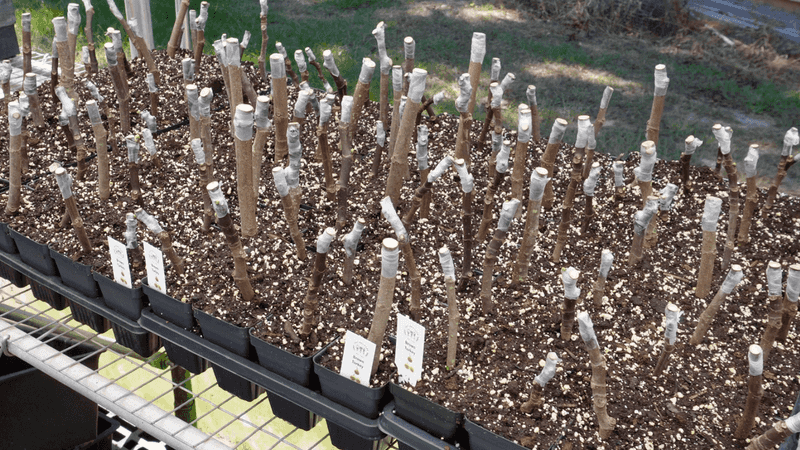
Pruning season leaves a pile of fig branches, and some of that wood can become new trees. Gardeners across the South have long saved dormant cuttings by keeping them cool and damp until spring.
The bucket of sand idea is handy, but it comes with some fine print. Here is how to turn wood you already have into a fair shot at free fig trees.
Winter storage is not a guarantee of winter roots
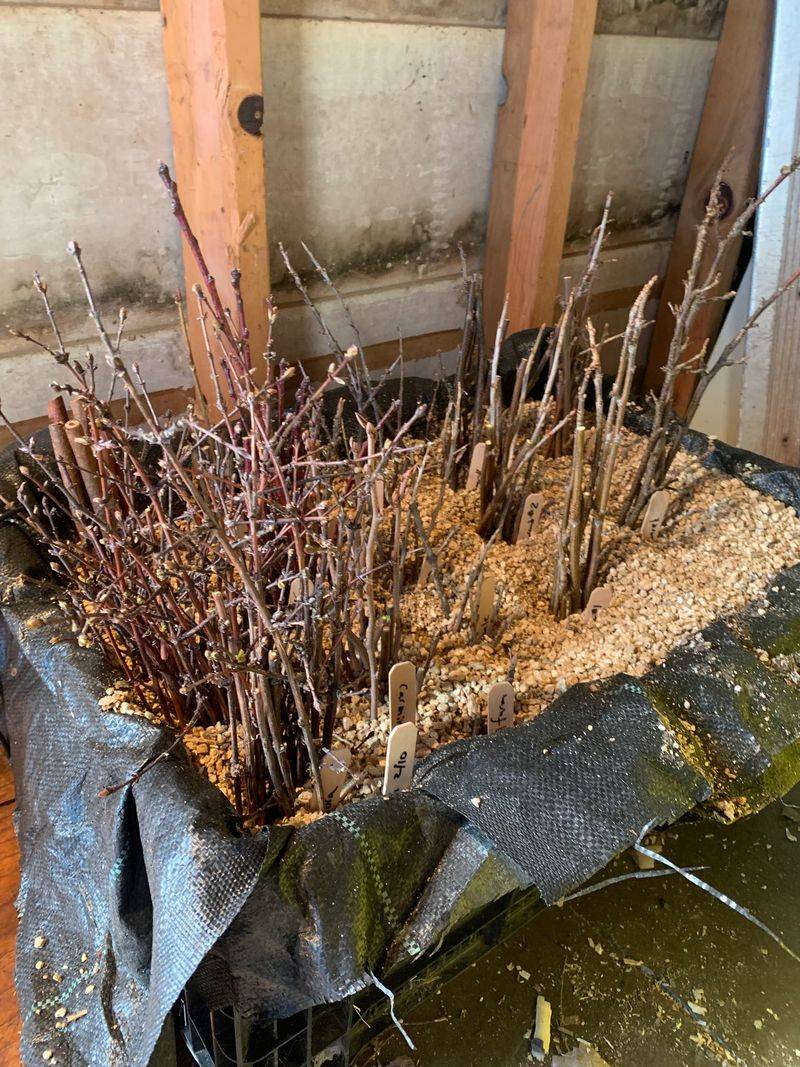
Here is the catch with the popular tip: a bucket of damp sand keeps cuttings from drying out, but it does not promise roots by spring. LSU AgCenter guidance recommends taking cuttings from fully dormant trees and storing them in moist sand or sawdust in a cool place until late winter or early spring, when they can be set out.
Storage, callus, and roots are three different things. Storage simply keeps the wood alive and moist.
Callus is a pale, scabby tissue that can form at the cut end, and UF/IFAS describes it as part of one rooting method. A developed root system is a further step that callus does not prove.
The steps ahead are simple: pick mature dormant wood, prepare the cuttings, store them cool and moist, then plant when your local weather allows. Results can vary, so think of it as a worthwhile try.
Wait for dormancy and choose mature wood
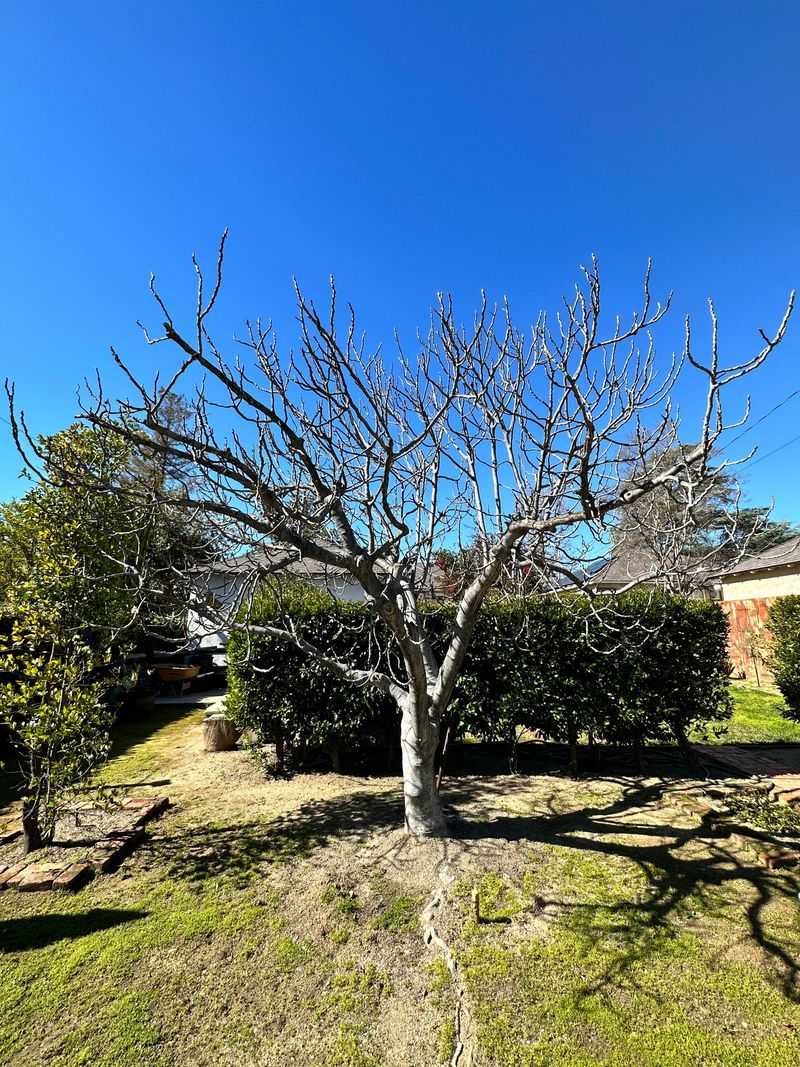
Falling leaves are a handy seasonal cue, but they are not proof that a tree is truly asleep. LSU AgCenter says to wait until the tree is fully dormant, and it notes that drought or fig rust can strip leaves early.
A tree that dropped its leaves in August is not ready.
Choose mature wood from last season, not soft green tips or small late-season shoots, which tend to produce few roots. Firm, woody stems are the better bet.
Do not prune a healthy tree just to collect cuttings. UF/IFAS points out that figs do not need pruning to be productive, and heavy winter pruning can wipe out the next year’s crop.
Instead, use suitable branches from trimming you already planned, such as removing crowded or damaged limbs.
Prepare sturdy cuttings and avoid fig sap
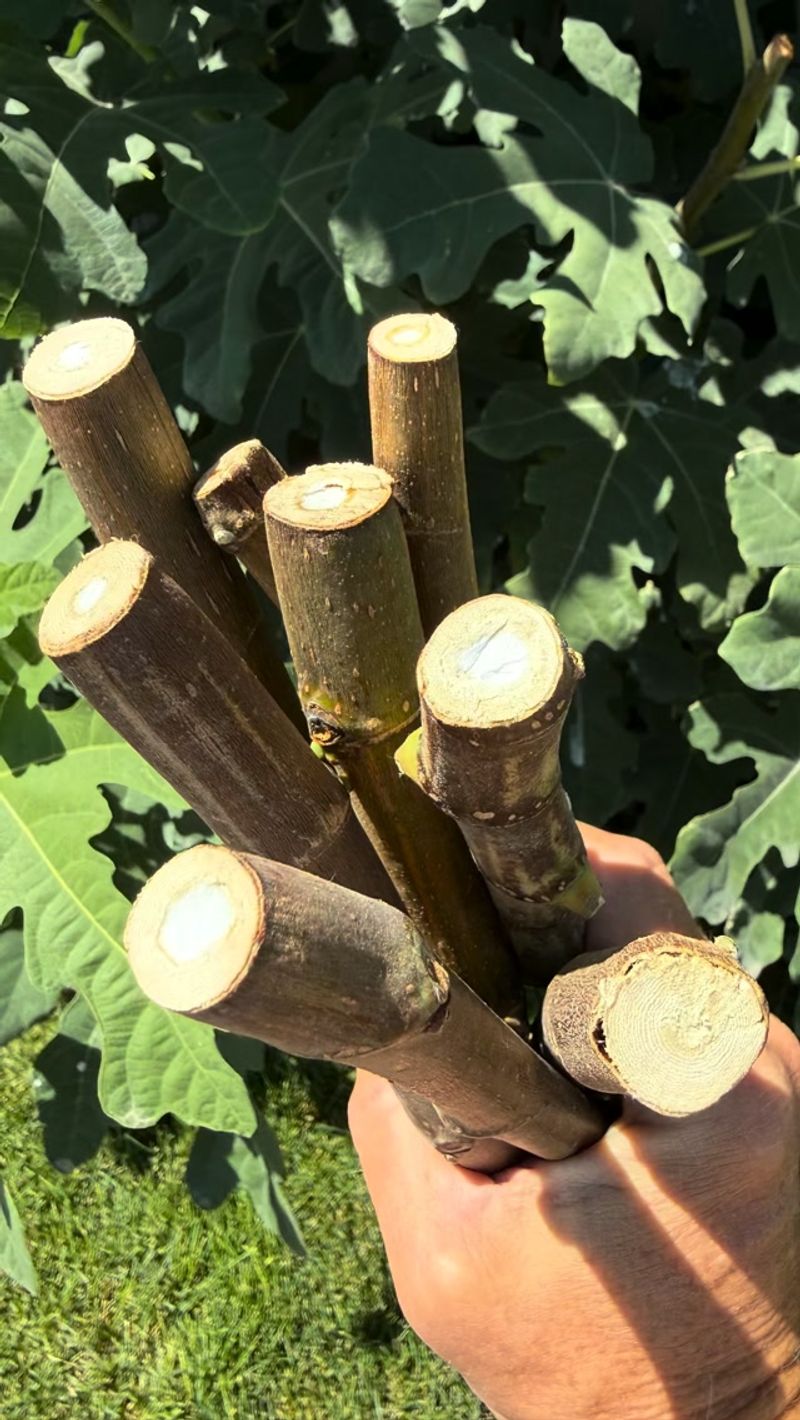
Aim for cuttings about 8 to 10 inches long and between 3/8 and 1 inch thick, with several nodes along the stem. LSU AgCenter advises making the bottom cut just below a node.
Nodes are the slightly swollen spots where buds sit and roots tend to form.
Not every branch will do. Thin, soft, or late-season stems root poorly, and varieties differ in how readily they take.
Cut extra pieces so a few failures will not leave you empty-handed.
Wear gloves while you work. UF/IFAS identifies the milky latex as a skin irritant, and DermNet reports that fig material can also cause sun-triggered skin reactions.
Keep sap away from your eyes, and rinse skin if it gets splashed.
Store cuttings cool in a moist medium
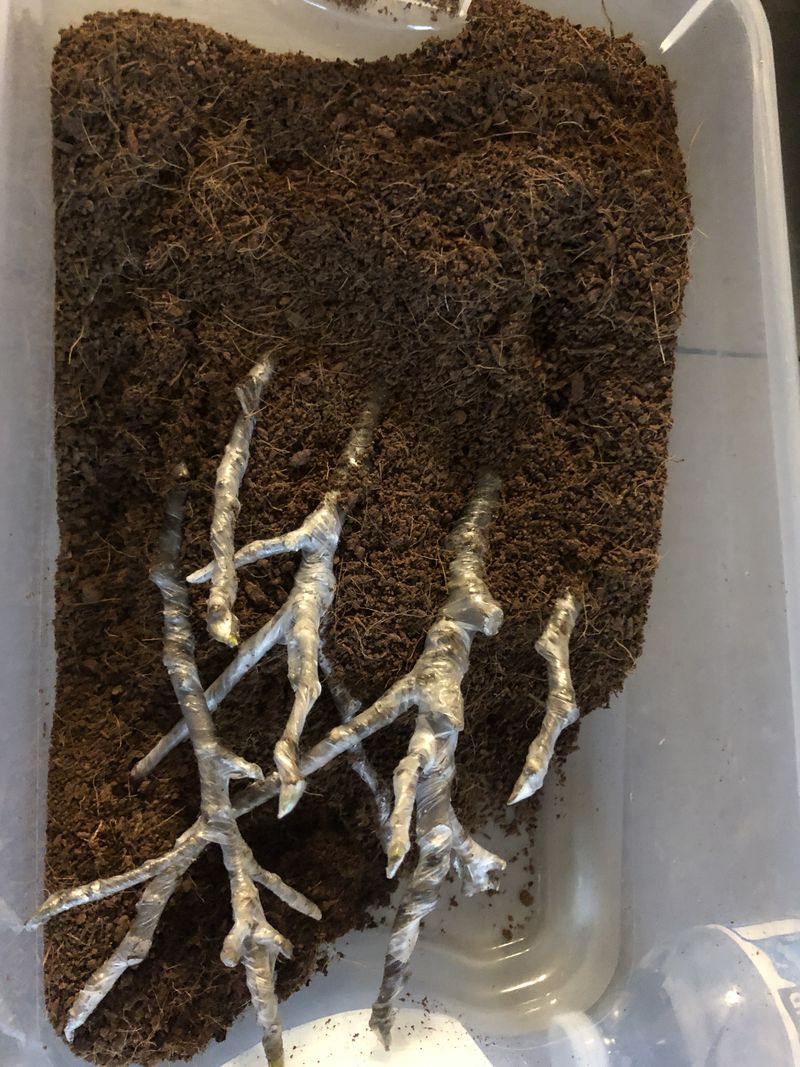
Storage has one job: keeping dormant wood from drying out until planting time. Lay or stand the cuttings in moist sand or sawdust and keep the container somewhere cool.
LSU AgCenter describes this approach for holding cuttings until late winter or early spring.
Think damp, like a wrung-out sponge, not soggy. Standing water around the wood invites rot, so a medium that drains well helps.
A bucket is a convenient container for all this, but it is just a container. It is not a special rooting trick, and nothing about it guarantees that roots will be ready when spring arrives.
Label the bucket with the variety so you know what you have later.
Plant with the basal end down
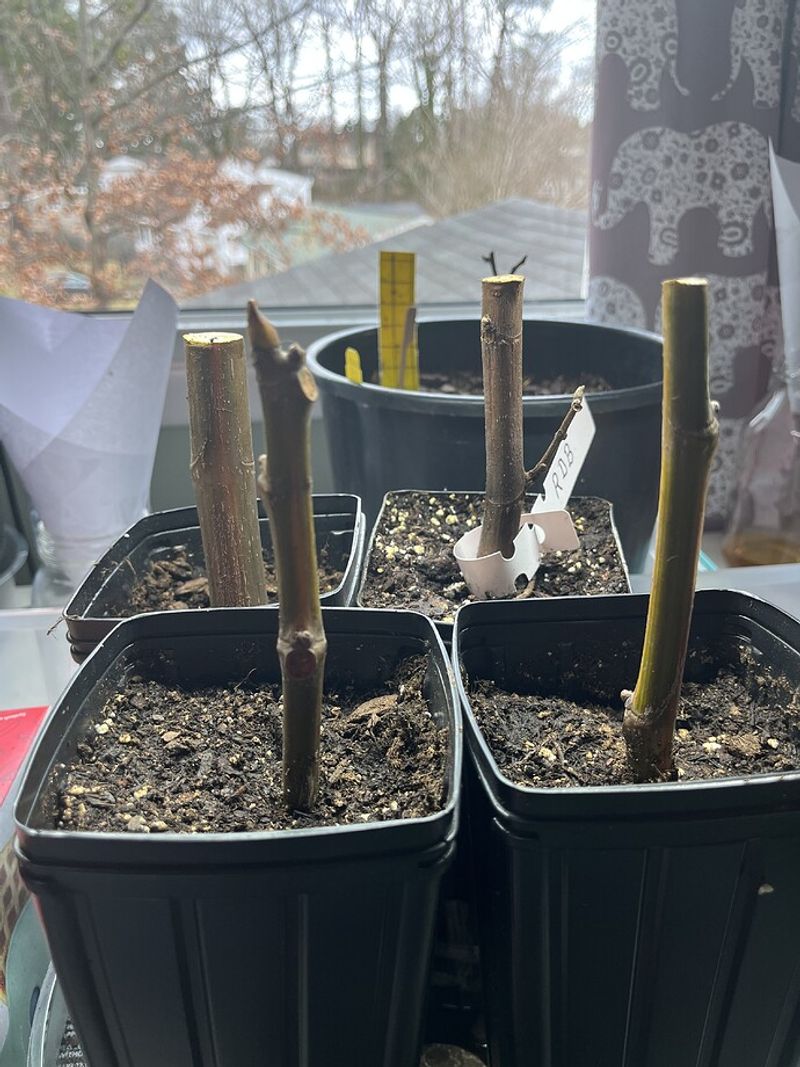
When local weather suits, set each cutting with the basal end down, the end you cut just below a node. Leave at least one node above the soil line.
LSU AgCenter explains that roots develop around buried nodes, while the exposed bud is needed for leaf growth.
A planted cutting that is upside down will struggle, so check your orientation before you bury it. If you lose track, remember that buds point upward along the stem.
Sandy soil or potting soil works well. NC State Extension describes sticking winter cuttings this way and waiting for spring leaf-out before transplanting.
Keep in mind that new leaves can appear on a cutting living off stored energy, so leaf-out alone does not prove a full root system. Water gently and give it time.
Choose a rooting setup and calendar for your region
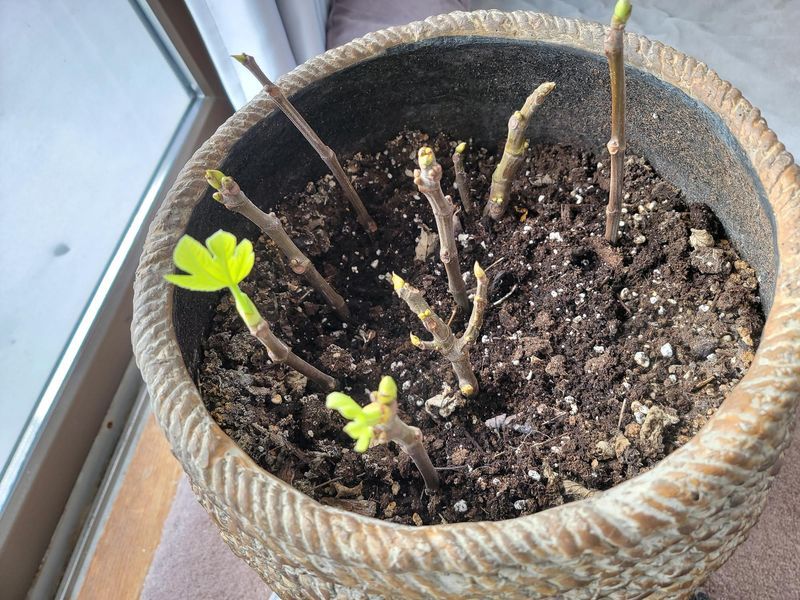
Extension services in different states describe different setups, and none is the single best. UF/IFAS suggests dormant wood about 6 inches long in moist, not wet, perlite or another porous medium, with callus possible at 50 to 60 degrees F in two to three weeks.
Callus is a good sign, but it is not a developed root system.
Texas A&M AgriLife describes callusing cuttings in a warm box before potting them. UGA Extension points to late-February cuttings planted straight into a nursery row.
Let your tree’s dormancy and local conditions set the schedule, not a single Southern calendar. Florida needs extra care, since UF/IFAS notes that winter chilling is not met in south Florida, so Florida figs may not follow the same dormancy pattern as figs farther north.
Treat propagation as an attempt, not a promise
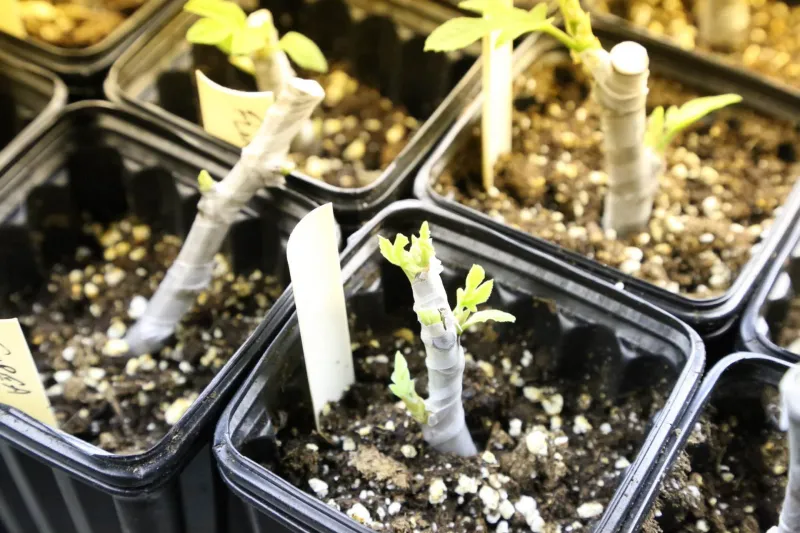
Save good dormant wood from pruning you already needed to do, keep it cool and damp, and plant when your weather allows. LSU AgCenter notes that rooting response varies among varieties, and method matters too, so some cuttings will fail.
Plant a few extra and enjoy the ones that take. A fig that costs nothing but a little patience is a fine reward for a winter chore.