
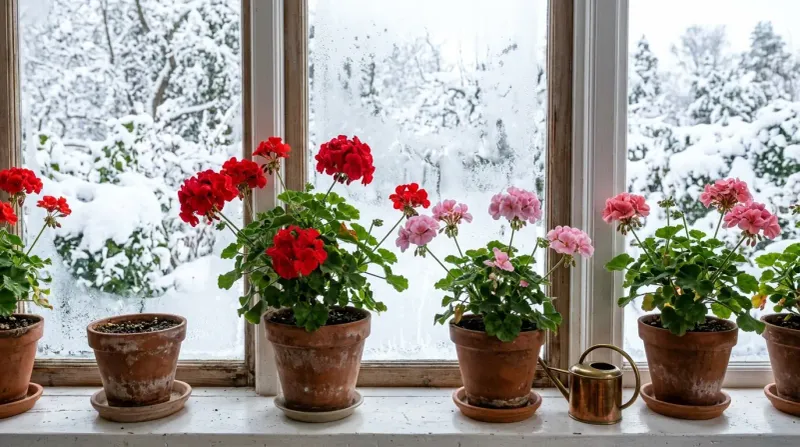
Your geraniums looked amazing on the porch all summer, but now they sit by the window with leggy stems and hardly a flower in sight. The good news is that geraniums can keep blooming indoors through the cold months, and most of the fix comes down to small daily choices.
A few tweaks to light, water, temperature, and pruning may turn a sulking plant into a winter bloomer. Here are eight habits worth changing starting today.
1. Move Them to Your Sunniest Window
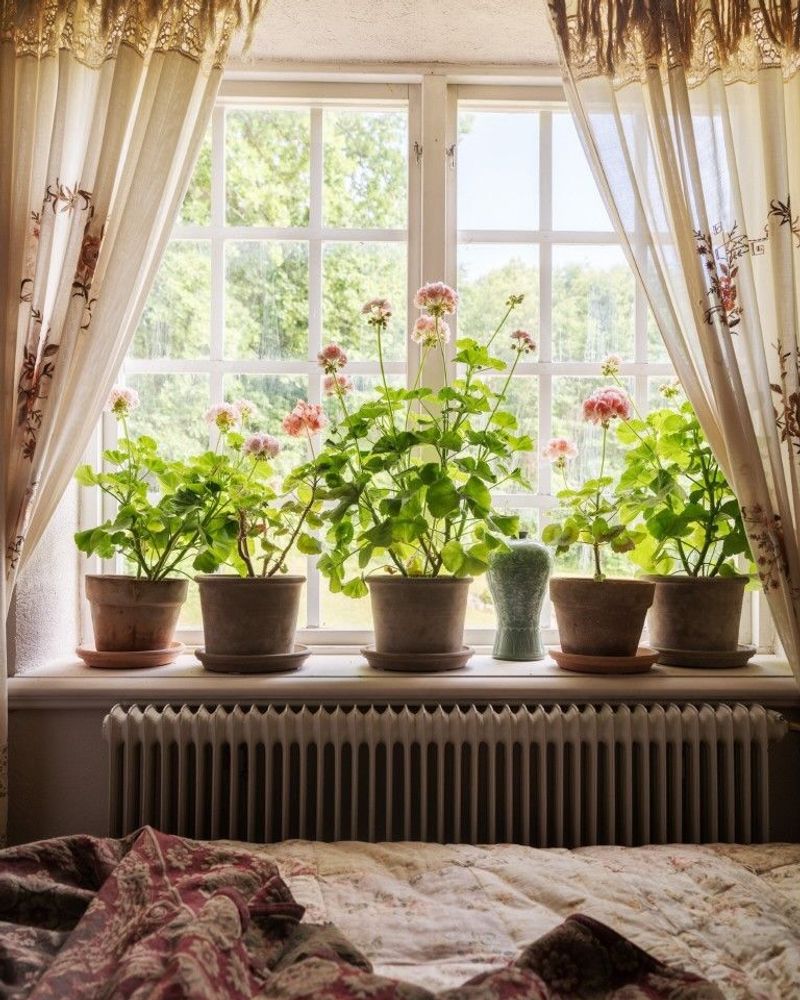
Picture a geranium in July, soaking up six or more hours of sun on a deck. Then picture it in January, tucked on a side table across the room.
No wonder the flowers stop.
Geraniums are sun lovers, and blooming takes a lot of energy that comes straight from light. Indoors, winter days are short and window glass filters out some of that brightness.
A south-facing window is usually the best spot in most US homes, with west-facing windows coming in second.
If your plant is stretching toward the glass with long, bare stems, that is a classic sign it wants more light. Pale leaves and few buds often point to the same problem.
Give the pot a quarter turn every few days so all sides get their share. Otherwise, the plant may lean hard in one direction and look lopsided by spring.
Keep leaves from touching cold glass, though. On frosty nights, foliage pressed against the pane can get chilled and damaged.
Pull the pot back a few inches after sunset if your windows feel icy.
When no bright window is available, a simple LED grow light can fill the gap. Set it on a timer for about 12 to 14 hours a day.
2. Water Less Than You Think
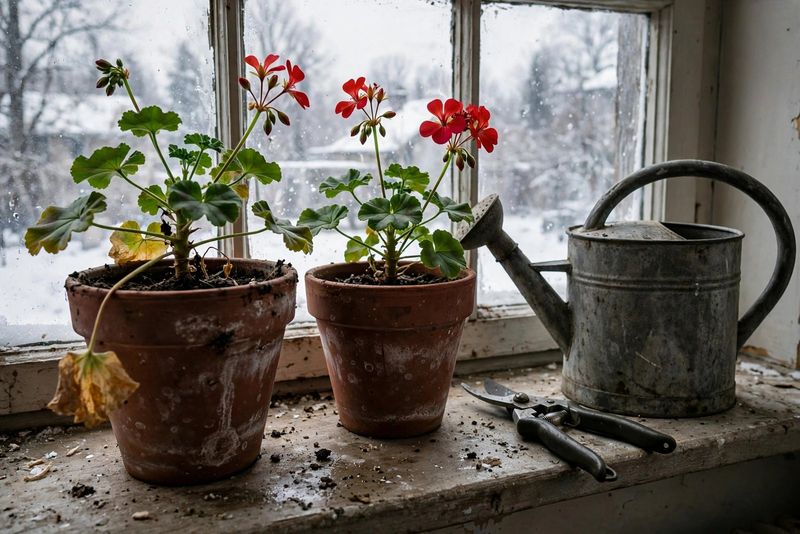
Here is a confession many gardeners share: they loved their geraniums to death with a watering can. Overwatering is one of the most common reasons indoor geraniums quit blooming in winter.
Plants grow more slowly when days are short and cool, so they drink far less than they did outside. Soil that stays soggy can lead to yellow lower leaves, mushy stems, and root rot.
A plant fighting rotting roots will not waste energy on flowers.
Before you water, push a finger about an inch into the soil. If it feels dry, go ahead and water thoroughly until some runs out the bottom.
If it still feels damp, wait a few more days and check again.
Most indoor geraniums need water roughly every one to two weeks in winter, though your home’s heat and humidity will change that. Lifting the pot helps too, since a dry pot feels noticeably lighter.
Always dump out any water sitting in the saucer after about 15 minutes. Roots left standing in a puddle can suffocate.
Geraniums actually tolerate a little dryness well. Letting them dry out slightly between drinks often encourages tougher growth and more blooms.
3. Keep the Room Cool at Night
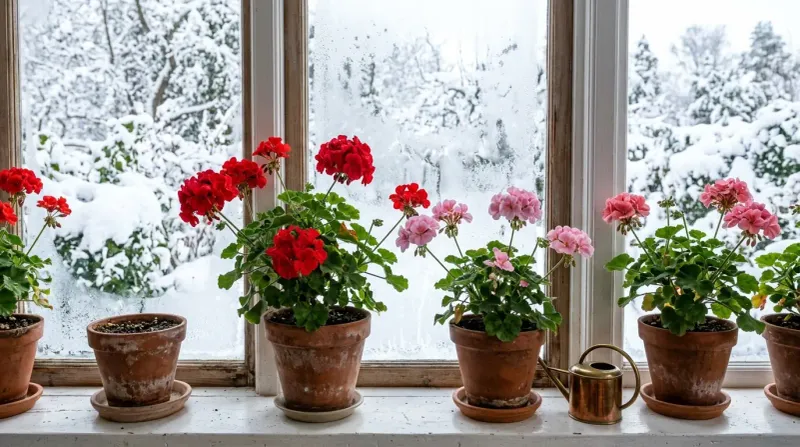
Cozy for you is not always cozy for a geranium. These plants actually prefer daytime temperatures around 65 to 70 degrees and nights closer to 55 to 60 degrees.
That nighttime dip matters more than most people realize. Cooler nights may help geraniums set flower buds, while a constantly warm room can push soft, leafy growth instead.
Many homes stay warm around the clock in winter, so look for the cooler spots. A bright enclosed porch, a guest room with the heat turned down, or a window in a less used part of the house can work beautifully.
Watch out for heat sources, too. Placing a pot right above a radiator, next to a heating vent, or near a fireplace can dry the plant out fast.
Crispy leaf edges and drooping stems are common warning signs.
Cold drafts are just as rough in the other direction. A pot near a front door that opens often in freezing weather may suffer sudden chills.
Aim for steady, mildly cool conditions without sharp swings. If your thermostat drops a few degrees at night to save energy, your geraniums might thank you with fresh buds.
4. Pinch Off Faded Flowers Every Week
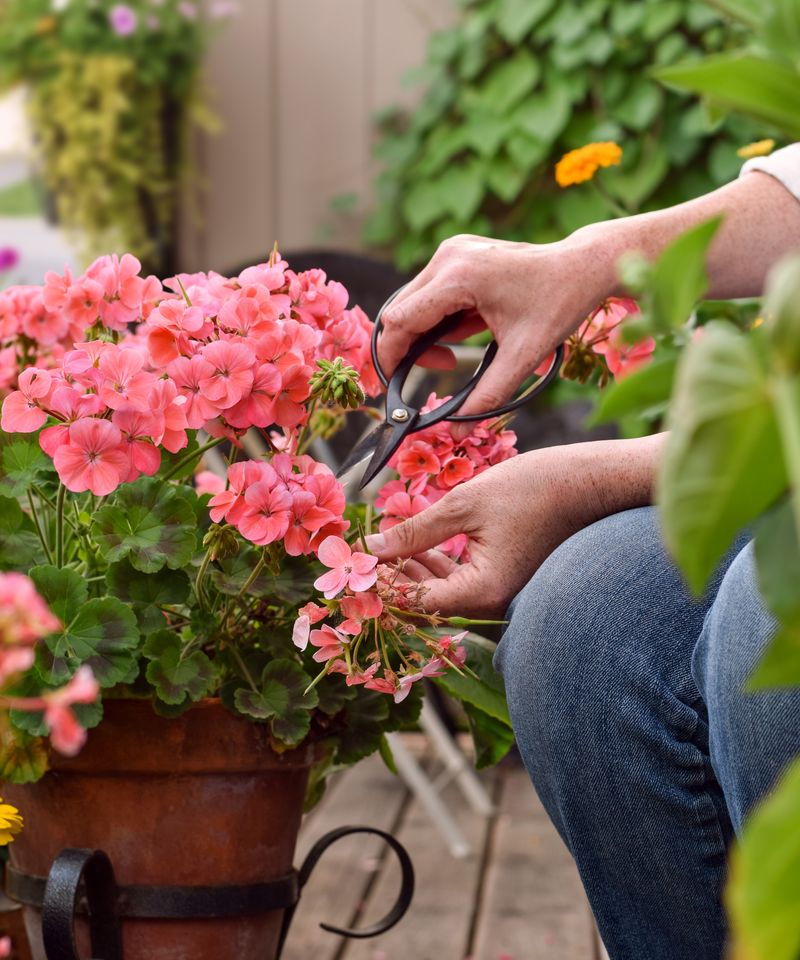
Deadheading might be the most satisfying five-minute chore in all of houseplant care. Snap, snap, and suddenly the plant looks fresh again.
When a geranium flower fades, the plant starts trying to make seeds. That takes energy it could spend on new blooms.
Removing spent flower clusters signals the plant to keep producing more.
Follow the faded flower stalk down to where it joins the main stem. Pinch or snip it off there, rather than just pulling off the dried petals at the top.
Leftover bare stalks look messy and can attract mold indoors.
Fallen petals sitting on damp soil or tucked into leaves may invite gray mold, called botrytis. Indoor air tends to be still, which gives fungus a better chance to settle in.
Tidying up regularly can reduce that risk.
Make it part of a weekly routine. Sunday morning coffee by the window is a great time to check each pot, remove old blooms, and pick off any yellow leaves.
You will also spot problems early this way. Whiteflies, aphids, or soggy soil are much easier to handle when you catch them during a quick weekly look.
5. Prune Leggy Stems Instead of Ignoring Them
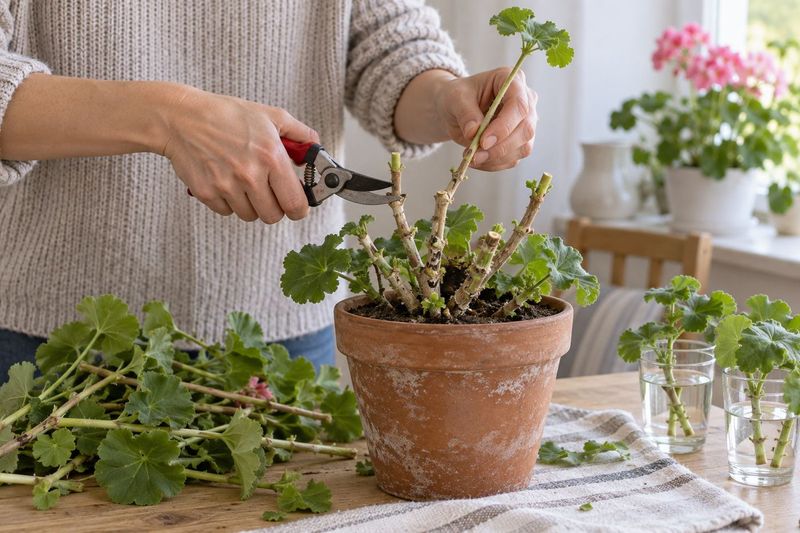
Long, floppy stems with a few leaves at the tips are the geranium version of a bad hair day. It is tempting to leave them alone, but cutting back is often what brings the plant back to life.
Leggy growth usually happens when light is low. Once your plant is in a brighter spot, trimming those stretched stems encourages bushier growth and more places for flowers to form.
Use clean, sharp scissors or pruners. Cut each long stem back by about a third, just above a leaf node, which is the small bump where leaves attach.
New shoots typically sprout right below the cut.
Do not remove everything at once if the plant is already weak. Cutting a few stems at a time over a couple of weeks can be easier on it.
Here is a fun bonus: those trimmed pieces can become brand new plants. Stick 4-inch cuttings in moist potting mix, keep them bright, and many will root within a few weeks.
By spring, you might have a windowsill full of baby geraniums ready for porch pots. Pruning fixes the mother plant and gives you free replacements at the same time.
6. Switch to a Light Bloom Fertilizer Routine
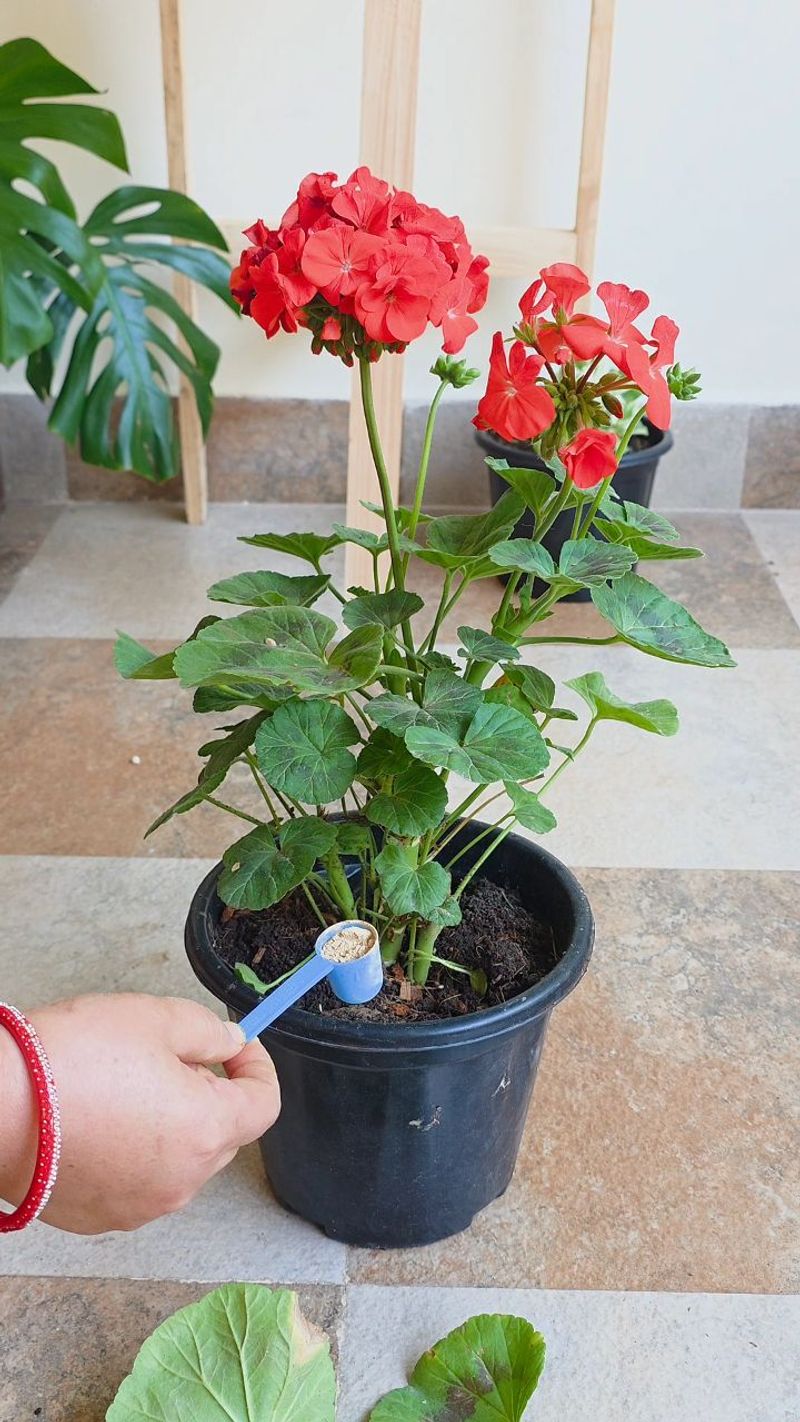
Feeding a geranium in winter is a bit like seasoning soup. A little helps a lot, and too much ruins it.
Indoor geraniums that are actively blooming can benefit from light feeding, but they need much less than during summer. Heavy feeding during slow winter growth may build up salts in the soil and burn tender roots.
Try a balanced or bloom-boosting liquid fertilizer mixed at half strength. Apply it about once a month while the plant is growing and flowering.
Formulas with a bit more phosphorus are often marketed to support blooms.
Skip formulas packed with high nitrogen. Too much nitrogen tends to produce lots of lush green leaves and very few flowers, which is the exact opposite of what you want.
Watch the soil surface for a white, crusty layer. That often signals fertilizer salt buildup.
Flushing the pot with plain water until it drains freely a few times can help clear it out.
If your plant is resting with almost no new growth, pause feeding altogether. Hungry plants show it with fresh growth and pale leaves, so let the geranium tell you when it is ready for a snack.
7. Give Each Pot Room to Breathe
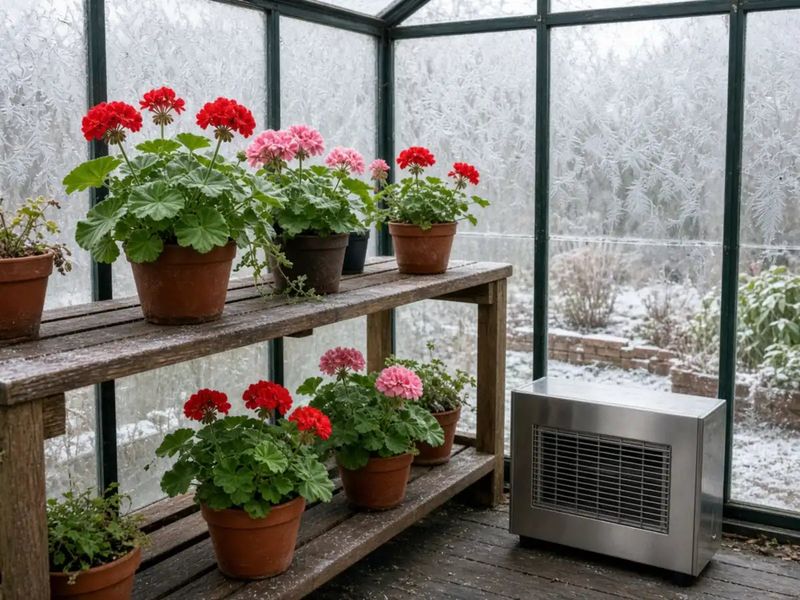
Crowding all your plants onto one windowsill feels efficient. Unfortunately, packed pots can set the stage for trouble your geraniums would rather avoid.
Geraniums like good air movement. When leaves press against each other in a still room, moisture lingers and fungal problems like gray mold or leaf spots may show up.
Pests such as whiteflies and spider mites also spread more easily between touching plants.
Leave a few inches between pots so leaves do not overlap. If you have more plants than window space, a tiered plant stand near the glass can help everyone get light without bumping elbows.
A small fan running on low for a few hours a day can gently improve airflow. Just do not aim it straight at the plants, since constant wind dries them out.
Check your pots, too. Containers need drainage holes, and terracotta is a smart pick because it lets soil dry faster than plastic.
Geraniums actually bloom best when slightly snug in their pots, so avoid jumping to a much bigger container in winter. Save any repotting for early spring, when roots are ready to grow again.
8. Check for Pests Before They Multiply
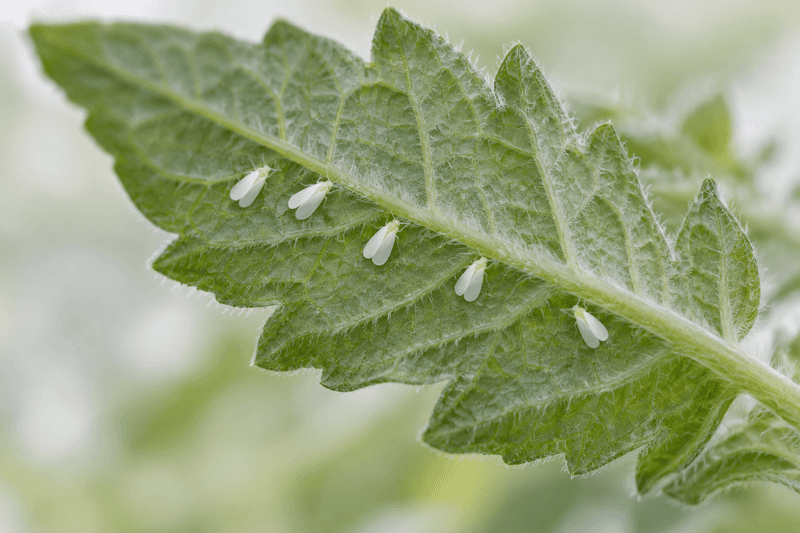
Bringing geraniums inside for winter sometimes means bringing along a few hitchhikers. Whiteflies, aphids, and spider mites can quietly ride indoors and multiply in warm, dry air.
A small pest problem can turn big fast because there are no birds or ladybugs inside to help out. Stressed plants spend energy defending themselves and often stop setting buds.
Once a week, flip a few leaves and look underneath. Tiny white insects that flutter up when touched usually mean whiteflies.
Sticky residue points toward aphids, while fine webbing and speckled leaves suggest spider mites.
For light infestations, rinsing leaves in the sink or shower may knock many pests off. Insecticidal soap sprayed on leaf undersides can also reduce numbers, though repeat treatments every week or so are usually needed.
Yellow sticky traps placed near the pots can catch flying whiteflies and help you gauge how bad things are.
If one plant is badly infested, move it away from the others right away. Catching problems early gives your geranium the best shot at staying healthy and covered in color until it heads back outside in spring.