
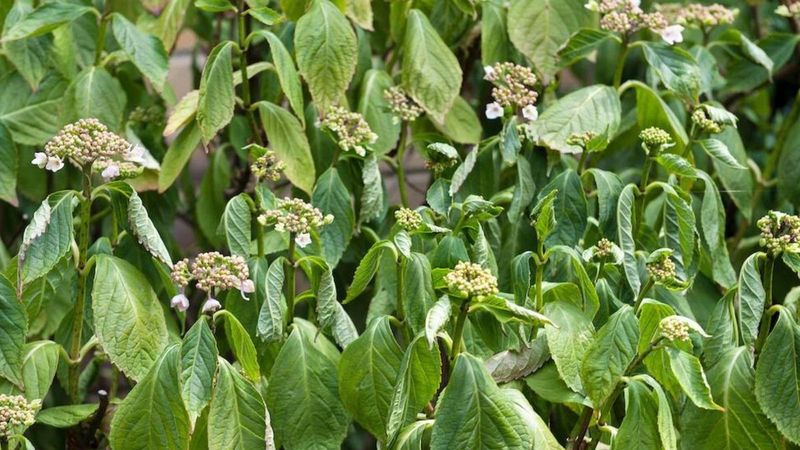
On a hot afternoon, your hydrangea flops over like it fainted, and your first instinct is to grab the hose. Makes sense — droopy leaves look thirsty. But hydrangeas wilt in the heat for reasons that have nothing to do with dry soil, and pouring on more water can quietly rot the roots. Once you learn what the plant is actually telling you, the fix gets a lot easier and your blooms bounce back stronger.
Afternoon Wilting Is Often a Heat Reflex, Not Thirst
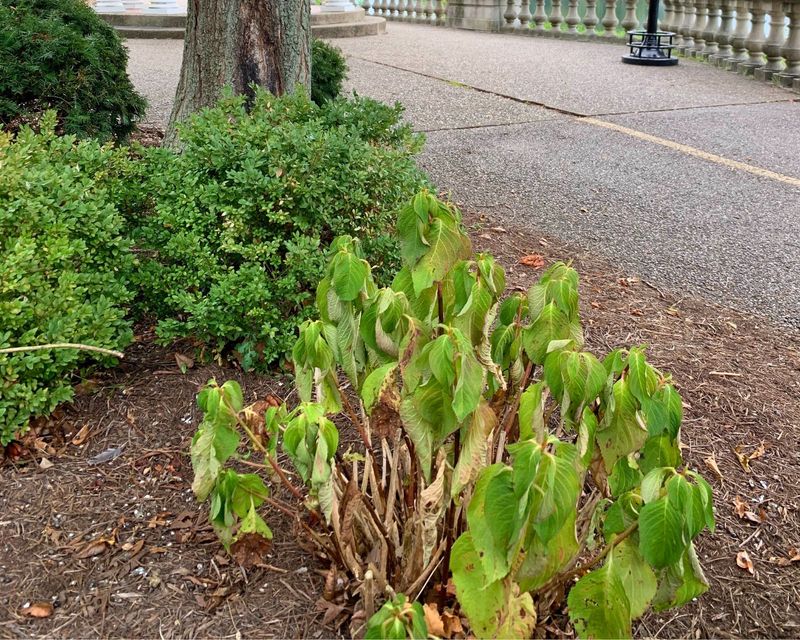
Picture your hydrangea at 3 p.m. in July: leaves hanging limp, blooms sagging toward the mulch. It looks like a plant begging for a drink, but that droop is frequently a survival trick.
Hydrangeas have big, thin leaves that lose water faster than the roots can pull it up when the sun is blazing. To protect themselves, they let the leaves go slack, which shrinks the surface exposed to heat and cuts down on moisture loss. Gardeners call this transient wilting, and it usually reverses on its own.
The telltale sign is timing. If the plant flops in the hottest part of the day but perks back up by evening or early morning, the soil is likely fine. Watering at that moment does little except soak already-damp ground.
Before you reach for the hose, watch the plant across a full day. A hydrangea that recovers overnight is coping, not dying. Understanding this reflex saves you from the most common summer mistake and keeps you from drowning roots that were never actually short on water.
How to Tell True Thirst From a Sun Tantrum
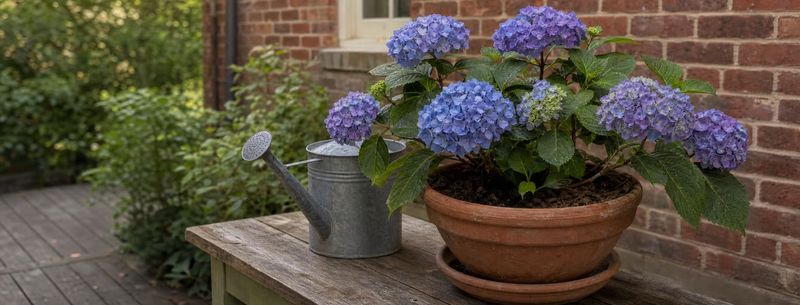
Guessing wrong here is what gets hydrangeas into trouble, so a five-second soil check beats eyeballing the leaves every time.
Push your finger two to three inches into the soil near the base of the plant. If it feels cool and damp down there, the roots have plenty to drink and the wilting is just heat stress. If the soil is dry, crumbly, and dusty that deep, then yes, the plant genuinely needs water.
Another clue lives in the recovery pattern. A hydrangea that stays flat and floppy the next morning, even after temperatures drop, is usually running low on moisture or facing a root problem. One that stands tall again by dawn was simply riding out the afternoon.
Lift a container-grown hydrangea if you can, too. A surprisingly light pot often means the mix has dried out and needs a slow, deep soak.
Building this habit takes the panic out of summer. Instead of reacting to droopy leaves, you respond to what the soil actually shows, which can prevent both underwatering and the far sneakier problem of too much.
Overwatering Quietly Does More Damage Than a Dry Spell
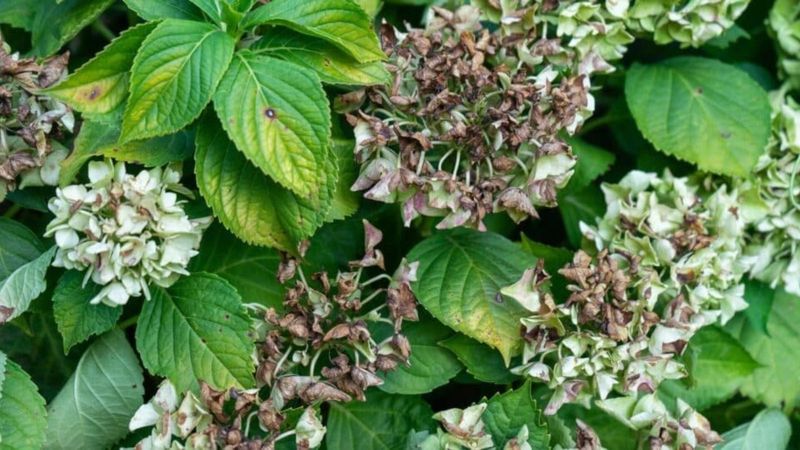
Here is the twist that catches so many caretakers off guard: a hydrangea can wilt from too much water and look exactly like one that is too dry.
When soil stays soggy, air pockets that roots need to breathe fill with water instead. Starved of oxygen, the fine feeder roots begin to suffocate and rot. Ironically, damaged roots can no longer move water up to the leaves, so the plant droops even while sitting in wet ground.
Root rot often brings a few extra warning signs. Leaves may yellow, the base can smell sour or musty, and stems sometimes feel soft near the soil line. Adding more water at this stage only deepens the problem.
Clay-heavy soil and pots without drainage holes make this far more likely. Water pools, drains slowly, and the roots sit in a puddle for days.
If your gut says water but the soil already feels wet, trust the soil. Backing off and letting the ground dry slightly may help stressed roots recover. Recognizing that droop and dampness can appear together is often the difference between saving a plant and slowly drowning it.
Too Much Sun Turns a Shade-Lover Into a Sulker

Ask a hydrangea where it wants to live and it will vote for morning sun with a shady rest through the afternoon.
Most garden varieties, especially bigleaf hydrangeas, evolved as woodland-edge plants. Blast them with full midday sun in a hot US summer and they wilt not because they are thirsty but because they are simply overheating. The leaves and blooms scorch, edges brown, and the whole shrub looks defeated by early afternoon.
A plant that droops daily in a west- or south-facing spot with no relief is telling you something the hose cannot fix. You can water it endlessly and it will still flop until the sun eases.
Short-term, a piece of shade cloth or a strategically placed umbrella during the worst hours can reduce heat stress noticeably. Long-term, moving the plant to a spot with dappled afternoon shade often solves the problem for good.
Panicle and smooth hydrangeas tolerate more sun than their bigleaf cousins, so knowing your type helps. Matching the plant to the right light is one of the most reliable ways to stop the daily summer swoon.
Mulch: The Underrated Trick That Keeps Roots Cool
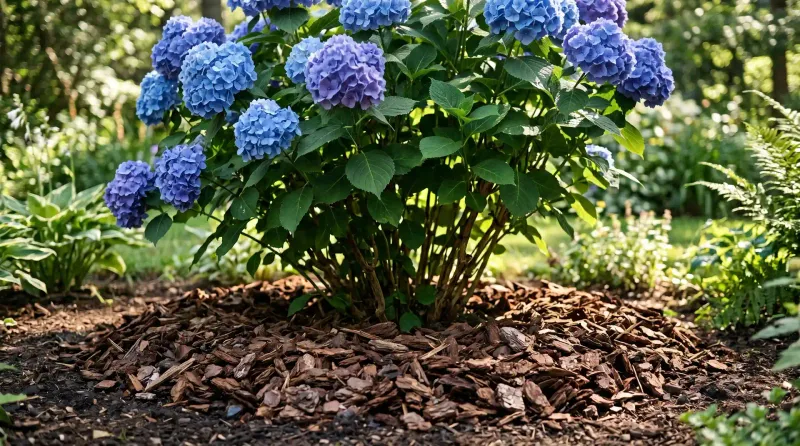
Think of mulch as a blanket that works in reverse, keeping the ground cool instead of warm.
Hydrangea roots sit fairly close to the surface, which makes them vulnerable when soil bakes in summer heat. A two-to-three-inch layer of shredded bark, wood chips, or leaf mold shades that soil, slows evaporation, and holds moisture far longer between waterings.
The payoff shows up as steadier hydration. Instead of soil that swings from soaked to bone-dry in a single hot day, mulched ground stays evenly damp, which means fewer dramatic afternoon droops and less need to water at all.
Spread the mulch out to the edge of the plant’s canopy, but keep it pulled back a couple of inches from the main stems. Piling it against the wood can trap moisture and invite rot at the base.
Refresh the layer as it breaks down through the season. As a bonus, decomposing organic mulch feeds the soil and improves its structure over time.
Getting this one detail right can quietly cut your watering chores while making the plant noticeably more resilient when the temperature spikes.
When Watering Really Is the Answer, Do It Right
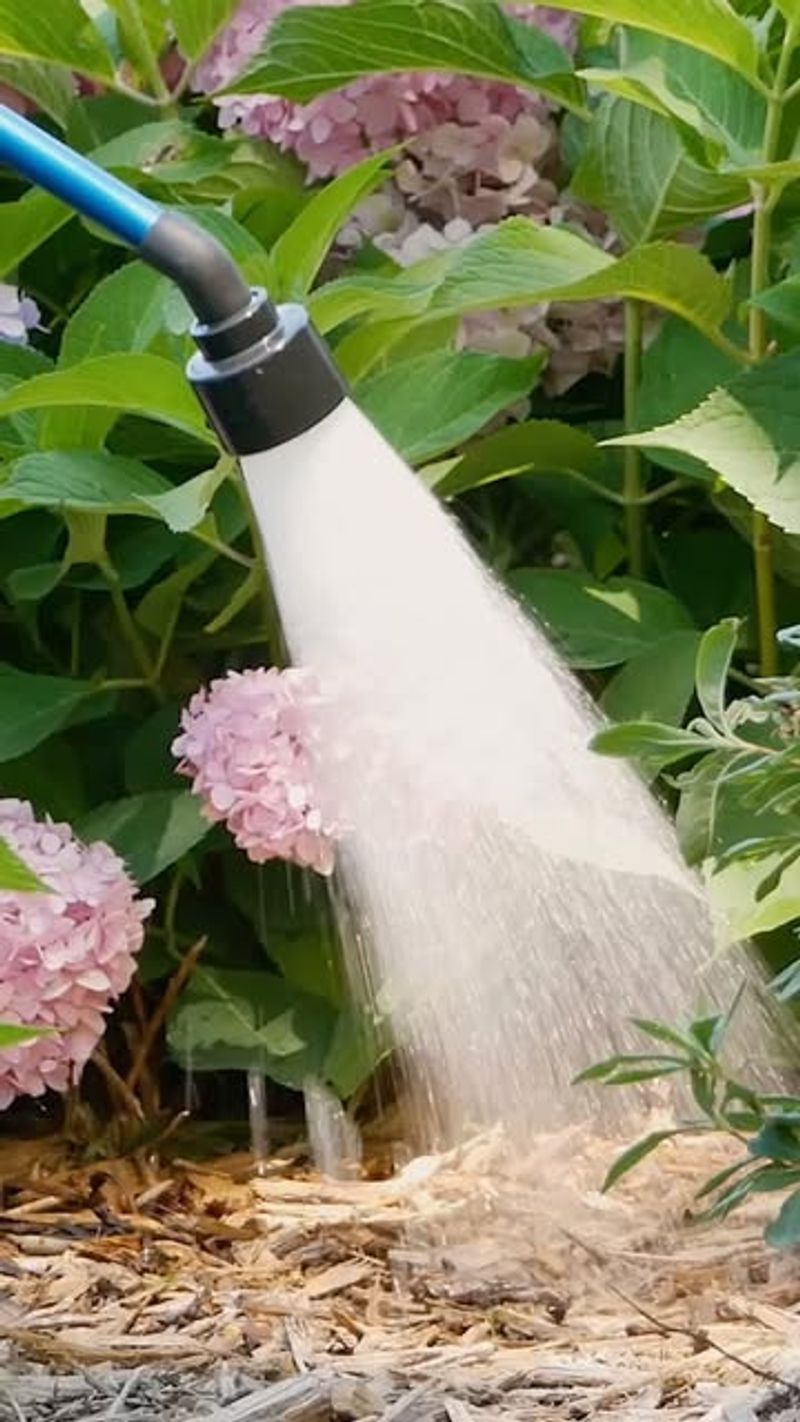
Sometimes the soil check confirms it: the ground is dry and the plant truly needs a drink. The way you deliver that water matters more than the amount.
Water deeply and slowly at the base, letting moisture soak down toward the roots rather than splashing the leaves. A long, gentle soak once or twice a week usually beats a quick daily sprinkle, because it encourages roots to grow deeper where soil stays cooler and moisture lingers.
Timing helps too. Early morning is ideal, giving the plant a full charge before the heat arrives and letting any wet foliage dry quickly, which lowers the risk of fungal spots.
Aim the water at the soil, not the canopy. A watering wand, soaker hose, or drip line does this beautifully and wastes very little.
Container hydrangeas dry out faster and may need water more often, sometimes daily in a heat wave. Keep soaking until water runs from the drainage holes.
Skip the light midday spritz that evaporates before it helps. Deep, well-timed watering builds a tougher plant that shrugs off hot afternoons instead of collapsing at the first sign of sun.
Container Hydrangeas Play by Different Rules
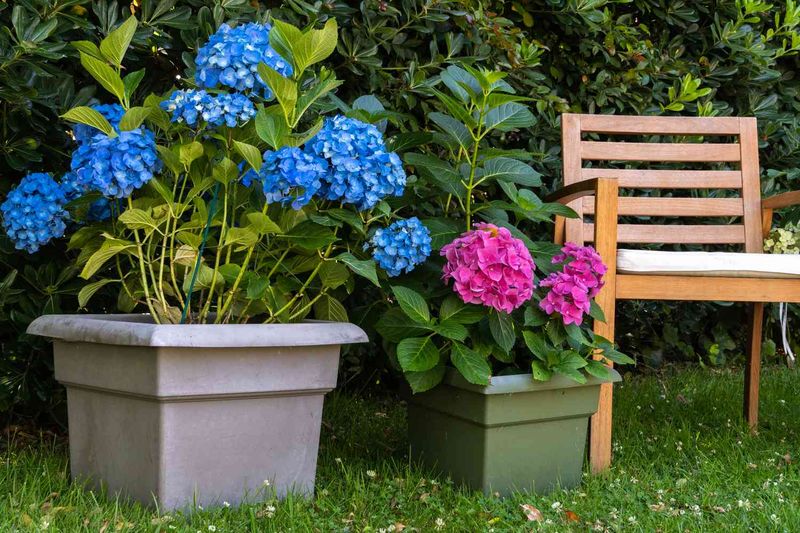
Growing hydrangeas in pots changes the whole game, and it is where the wilting drama tends to peak.
A container holds only a small pocket of soil, so it heats up fast and dries out far quicker than an in-ground bed. On a scorching day, a potted hydrangea can droop dramatically by noon simply because its limited root zone ran out of moisture hours ago.
Dark pots make it worse. Black plastic or metal containers absorb heat and can practically cook the roots, so lighter colors or glazed ceramic tend to stay kinder in summer.
Drainage is non-negotiable here. Every pot needs holes, and the mix should let excess water escape freely, because a container without drainage becomes a soggy trap that rots roots quickly.
Check potted plants more often than garden ones, sometimes twice a day during a heat wave. Grouping containers together or tucking them into afternoon shade can reduce how fast they dry.
If a pot dries out completely and water runs straight through, set it in a tray of water for an hour so the root ball can rehydrate from below. Consistency, not flooding, keeps potted hydrangeas standing tall.
Newly Planted Hydrangeas Wilt for a Very Different Reason
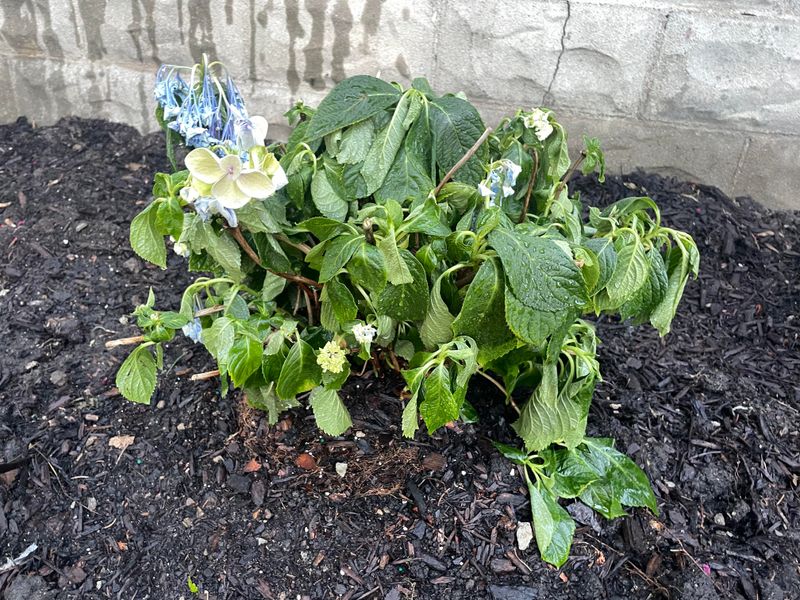
Fresh in the ground, a young hydrangea can flop within days, and this one usually is about water, but not because you skimped.
A recently planted shrub hasn’t spread its roots into the surrounding soil yet. Its root ball is still compact, so even a well-watered bed nearby doesn’t help if that tight little clump has dried out. The plant looks stressed because it literally cannot reach the moisture around it.
Transplant shock adds to the drama. Disturbed roots take time to settle, and until they do, the plant struggles to keep its leaves supplied on hot days.
The remedy is patient, targeted watering right over the root ball for the first several weeks. Keep that zone consistently moist, not swampy, while the roots stretch outward and establish.
Planting in early morning or on a cooler, overcast day gives new hydrangeas a gentler start. A layer of mulch and a little afternoon shade during those first weeks can ease the transition considerably.
Give it a full growing season. Once established, that same plant that wilted at every sunny spell often becomes far steadier and far less needy.
Wind, Fertilizer, and Other Sneaky Droop Triggers
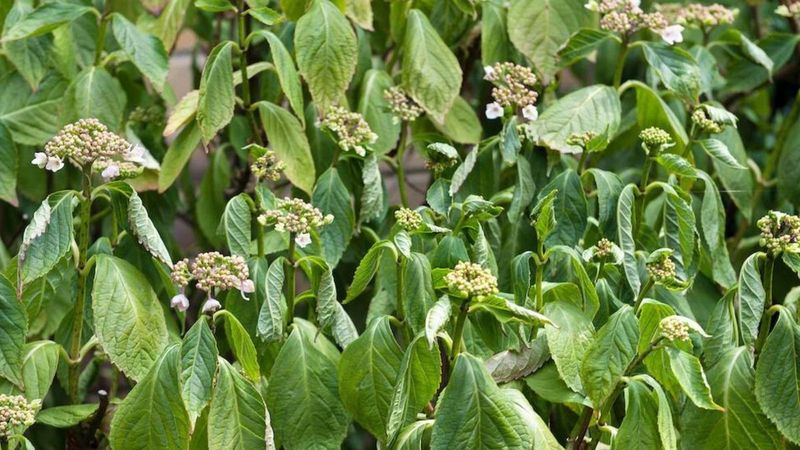
Not every flop traces back to sun or soil, and a few overlooked culprits deserve a spot on your suspect list.
Hot, dry wind acts like a hairdryer aimed at the leaves, pulling moisture out faster than the roots can replace it. A hydrangea in an exposed, breezy corner may wilt even when the ground is perfectly moist, so a windbreak or a more sheltered spot can help.
Overfeeding is another quiet troublemaker. Too much fertilizer, especially high-nitrogen types, can burn roots and push soft, floppy growth that struggles to stay upright in heat. Easing off and following gentle feeding rates often steadies things.
Big blooms play a role as well. Those heavy flower heads can weigh thin stems down after rain or watering, mimicking a droop that’s really just gravity at work.
Pests and disease occasionally sneak in too. Check the undersides of leaves for aphids or spider mites, which stress the plant and worsen wilting.
Running through this checklist when the obvious fixes fail can reveal the real problem. Matching the cause to the cure beats guessing, and it spares your hydrangea a lot of unnecessary trial and error.
Read the Plant Before You Reach for the Hose
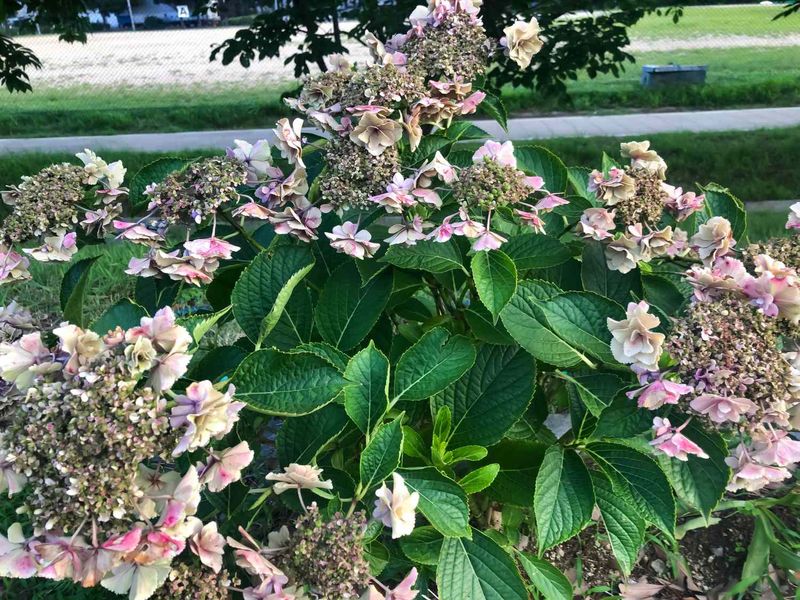
All of it comes back to one simple habit: look, check, then act.
A drooping hydrangea is communicating, and the message isn’t always thirst. It might be dodging harsh afternoon sun, drowning in soggy soil, adjusting to a new home, or simply carrying blooms too heavy for its stems. Reaching for water by reflex can turn a minor stumble into a real crisis.
Start with the finger test in the soil, watch whether the plant recovers overnight, and notice where it lives and how much sun it takes. Those three observations sort out the vast majority of summer droops.
From there, the fixes are refreshingly practical. Add mulch, adjust the light, water deeply when the soil is genuinely dry, and ease off when it’s already wet.
Container and newly planted hydrangeas need a little extra patience, but they settle in with steady, thoughtful care rather than flooding.
Treat your hydrangea like a plant that talks, and you’ll spend less time worrying and more time enjoying the blooms. A calmer, healthier shrub is usually just one good look away from the hose you didn’t need to grab.