
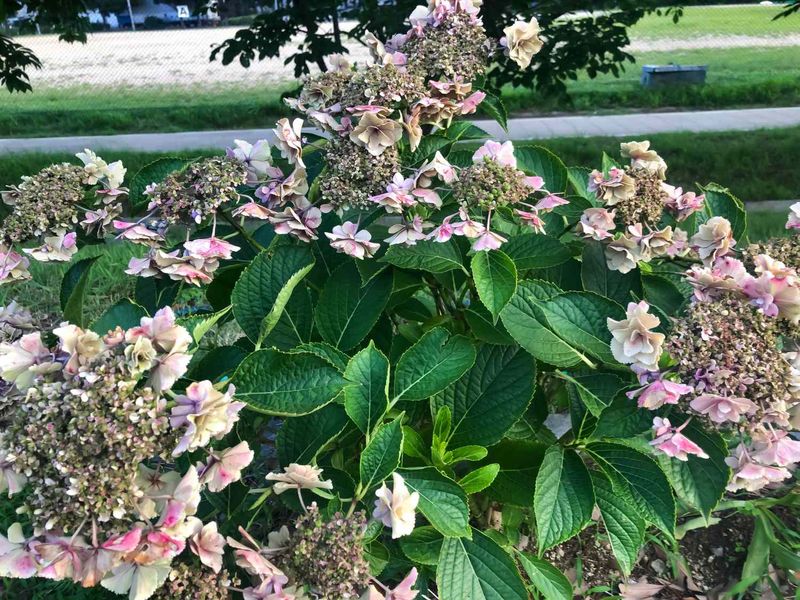
Sad, floppy hydrangeas with hardly any flowers can make a whole yard feel tired by midsummer. The good news is that a weak plant right now does not mean the season is over. A few smart moves made in the second half of summer can wake your hydrangeas back up and coax out fresh blooms. Below are five simple, doable steps that target the real reasons your plant is struggling.
1. Give Roots a Deep, Steady Drink
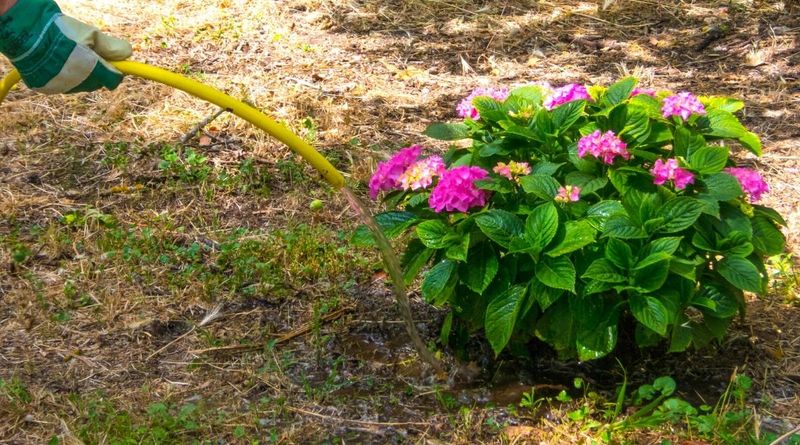
Wilting hydrangeas in July are often just thirsty, even when the top inch of soil looks fine. The big, showy leaves lose water fast on hot afternoons, and shallow sprinkles never reach the roots that actually keep blooms plump.
Instead of a quick daily splash, soak the base slowly until the water sinks 8 to 10 inches down. Early morning is best, since it lets the plant fill up before the heat hits and helps leaves dry off to lower the risk of fungus.
A soaker hose or a slow trickle from your garden hose works better than overhead watering. Aim for a good soak two or three times a week rather than a little every day, which can improve how well the plant holds its flowers.
Stick your finger into the soil to check before you water again. If it feels dry a couple of inches down, it is time. Deep, less frequent watering trains roots to grow downward, and a stronger root system often means a plant that can push more buds later in the season.
2. Snip Off Spent Blooms the Right Way
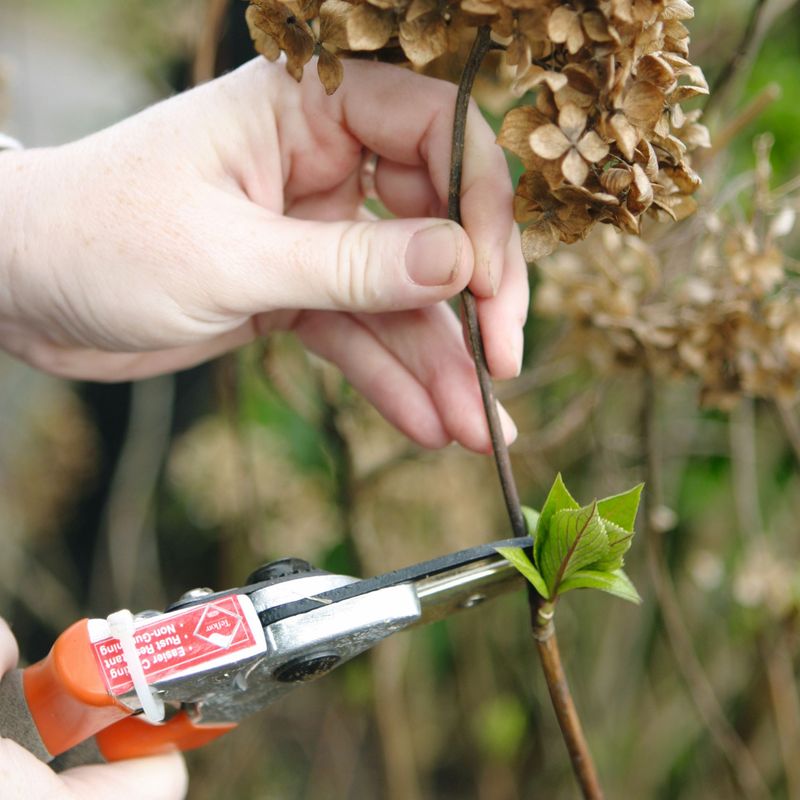
Faded, brown flower heads are more than just an eyesore, they quietly tell the plant to slow down. When you remove them, you free up energy the shrub can redirect toward new growth and fresh buds.
Follow a wilted bloom down its stem and cut just above the first set of healthy, full-sized leaves. Use clean, sharp pruners so you leave a tidy cut that heals fast and keeps disease out.
Timing matters more than people think. Reblooming types like many bigleaf and panicle hydrangeas can respond to late-summer deadheading with a second flush, so this trick often improves your odds of extra color.
Be careful, though, with old-fashioned bigleaf varieties that set next year’s buds in late summer. On those, only clip the dead flower and avoid cutting deep into leafy stems, or you may trim away next season’s show.
Do a quick pass every week or two through the rest of summer. Little touch-ups keep the plant looking sharp and steadily nudge it to spend energy on blooming instead of holding onto tired, finished flowers.
3. Feed With a Bloom-Boosting Fertilizer
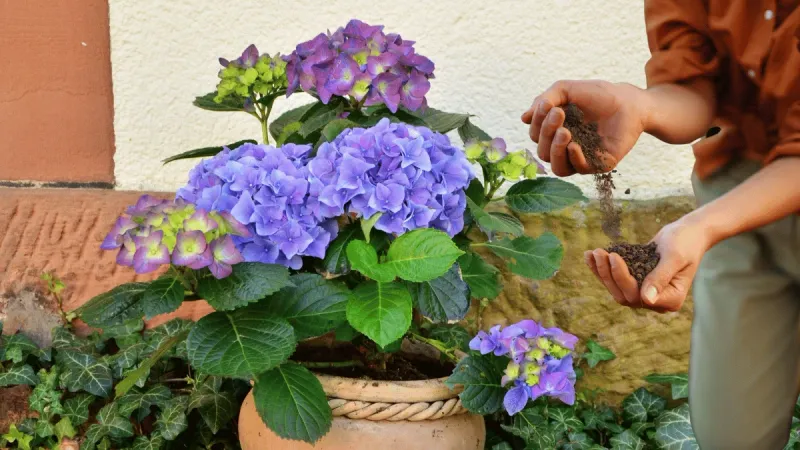
A hungry hydrangea puts out weak stems and stingy flowers, no matter how much you water it. Late summer is a smart window to offer a gentle nutrient boost that supports flowering instead of a burst of leafy growth.
Reach for a fertilizer with a higher middle number, the phosphorus, since that is the one tied to bloom production. Something labeled for roses or flowering shrubs usually fits the bill nicely.
Scatter it around the drip line, not against the stems, then water it in well so it reaches the roots without burning them. Always follow the package rate, because too much can push floppy foliage and can reduce the very blooms you want.
Go easy as the season winds down. Stop heavy feeding about six weeks before your first frost so the plant is not pushing tender new shoots right when cold weather arrives.
If your soil is already rich, a light dose of compost may be all it needs. Either way, a well-fed root zone often gives your hydrangea the fuel to open more flowers before summer fades.
4. Add Mulch and Afternoon Shade
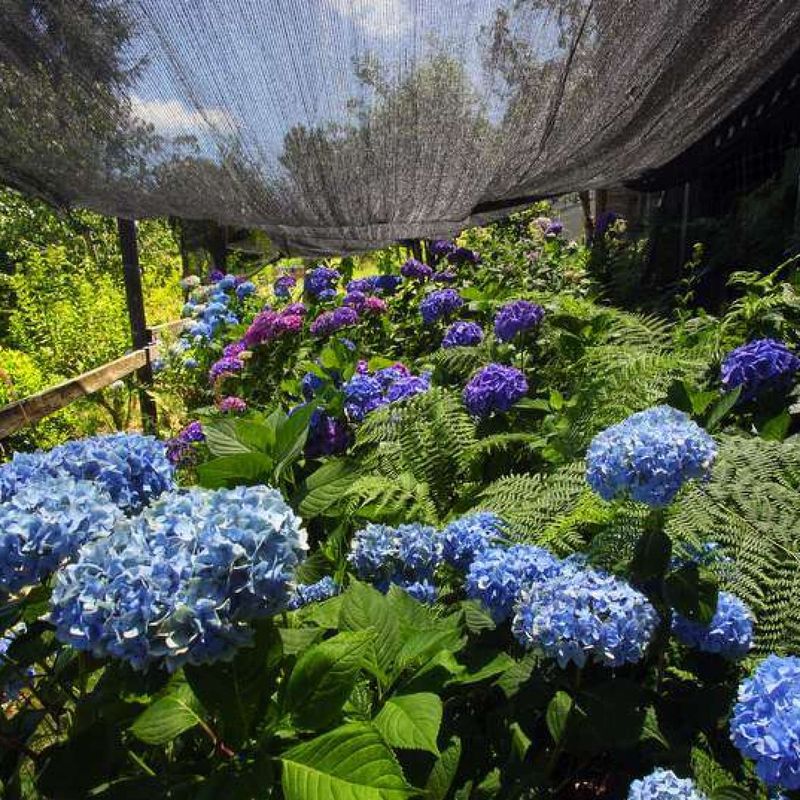
Baking sun and hot, bare soil are a hydrangea’s worst enemies in the dog days of summer. Roots that cook all afternoon simply cannot support big, healthy flowers, and the whole plant flops as a result.
Lay down a two to three inch layer of mulch, like shredded bark or leaf compost, over the root zone. Keep it a couple inches away from the stems so it does not trap moisture against the wood.
Mulch acts like a blanket for the soil. It holds moisture longer, keeps roots cooler, and blocks weeds that would otherwise steal water and nutrients your hydrangea needs to bloom.
If your shrub sits in blazing all-day sun, a little relief can go a long way. A shade cloth clipped over stakes during the hottest hours, or a well-placed patio umbrella, may help the plant hold its flowers longer.
Plants already scorched with crispy leaf edges will not un-burn, but cooler roots often help new buds form. Give it a week or two of shade and moisture, and you may notice fresher growth returning.
5. Check for Pests and Fungus Sapping Its Strength
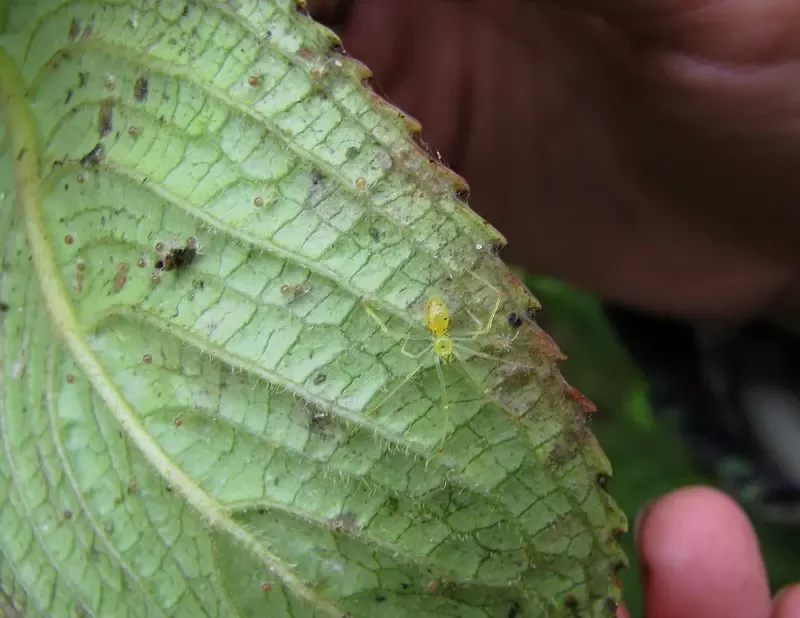
Sometimes a weak hydrangea is not thirsty or hungry at all, it is under attack. Tiny troublemakers and sneaky diseases can drain a plant’s energy long before you spot the damage.
Turn a few leaves over and look for aphids clustered on the undersides, or fine webbing that hints at spider mites. A strong spray of water or an insecticidal soap can reduce these pests without harming the blooms.
Spots, blotches, or a powdery gray film usually point to fungus, which loves the same humid summer air your hydrangea grows in. Clip off badly infected leaves, bag them, and toss them in the trash rather than the compost.
Airflow is your friend here. Thinning out crowded inner stems lets breezes move through, which often improves how quickly leaves dry and lowers the chance disease takes hold again.
Watering at the base instead of overhead keeps foliage drier, too, and that small habit can make a real difference. Deal with the hidden drain on your plant now, and the energy it saves can go straight into pushing out those late-season flowers you have been waiting for.