
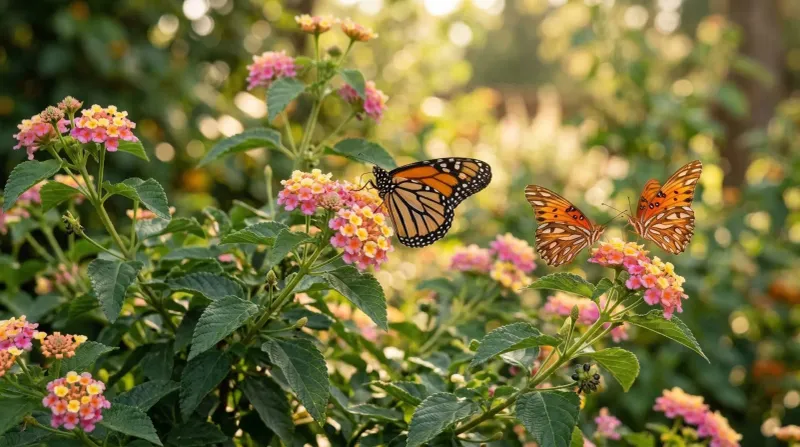
Lantana is supposed to thrive in the heat, so watching it go quiet with blooms during the hottest weeks of summer can feel baffling. Before you blame the temperature, though, a quick inspection of your plant and soil will usually point to the real culprit. Peak heat often acts as a stress amplifier, exposing problems like dry roots, poor drainage, or hidden pests that were already working against your plant. A little detective work now can make a real difference in getting those flower clusters going again.
Peak heat may reveal the problem
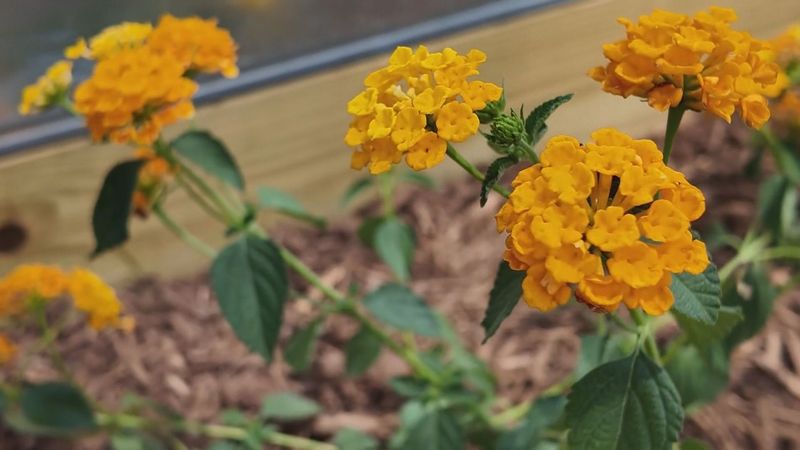
Lantana has a well-earned reputation as a tough, heat-loving plant, and that reputation is backed up by solid horticultural guidance. Clemson Extension and UF/IFAS both describe lantana as heat- and drought-tolerant, which means a July heat wave alone should not automatically shut down flowering. The reviewed extension sources do not establish a specific temperature at which all lantanas stop blooming, so resist the urge to blame the thermometer before you have checked the plant itself.
What hot weather does reliably do is raise water demand and put extra pressure on any existing weakness in the growing setup. A root zone that was barely keeping up during mild weather can fall short once temperatures climb. Shade that was tolerable in spring may become a real flowering limiter by midsummer, and a container that held moisture well in May can dry out alarmingly fast by late July.
A pause in blooming during peak summer is worth investigating rather than panicking over. The diagnostic sequence that follows covers soil moisture, drainage, container conditions, sunlight, fertilizer, pruning, cultivar-specific deadheading, and pest pressure. Working through these checks in order gives you the best chance of identifying what is actually holding your plant back and deciding on a targeted fix.
Check the root zone before watering again
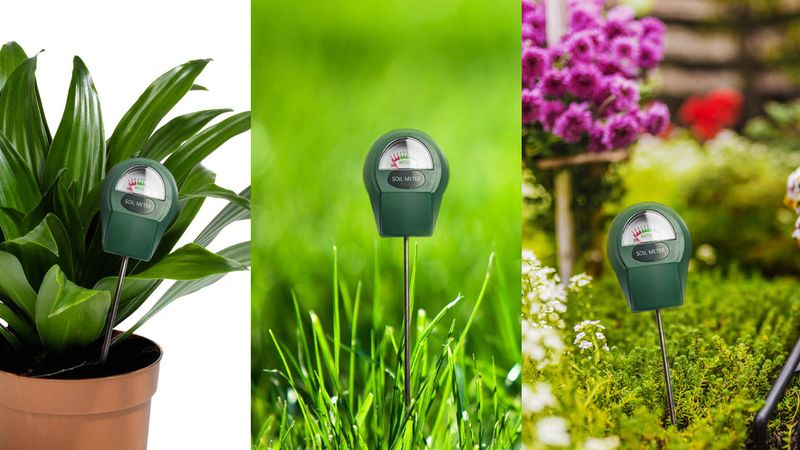
Reaching for the hose the moment flowers slow down is a natural instinct, but watering without checking the soil first can work against you. Push a finger or a trowel two to three inches into the root zone and feel what is actually there. If the soil is still cool and slightly damp, the plant likely does not need more water yet, and adding it anyway can cause its own problems.
Established lantana tolerates dry conditions reasonably well, but tolerating drought is not the same as flowering freely through it. When the root zone stays too dry for too long, growth and bloom production can both decline. Clemson Extension recommends a thorough weekly watering during bloom when the plant has not received roughly an inch of rain, and Texas A&M AgriLife Extension similarly advises deep weekly watering for Texas lantana during summer heat. Treat these as useful starting points rather than a fixed schedule that overrides what you find when you actually check the soil.
When the root zone does need water, soak it thoroughly so moisture reaches the deeper roots, then allow the surface to dry out moderately before watering again. Virginia Cooperative Extension guidance on annual flower culture cautions against frequent shallow watering, which encourages roots to stay near the surface where they are most vulnerable to heat and drying. Soil type, mulch depth, slope, and recent rainfall all affect how quickly the interval between waterings should be, so let the root zone tell you when it is ready rather than watching the calendar.
Make sure excess water can escape
More water is not always the answer when lantana stops flowering. Before adding any irrigation, rule out the opposite problem: roots sitting in saturated soil that cannot drain. Waterlogged conditions deprive roots of oxygen, and UC IPM guidance on water deficit and excess notes that root decline from overwatering can produce symptoms that look very similar to drought, including wilting, yellowing, and reduced vigor.
For in-ground plants, press on the soil around the base after a rain or a watering cycle. If water pools or the soil stays soggy for many hours, drainage is a problem that needs to be addressed structurally, not masked by watering less frequently. Heavy clay soils, compacted ground, and low spots in the yard are common culprits. Virginia Cooperative Extension emphasizes that well-drained soil is a basic requirement for flowering annuals and perennials, and lantana is no exception.
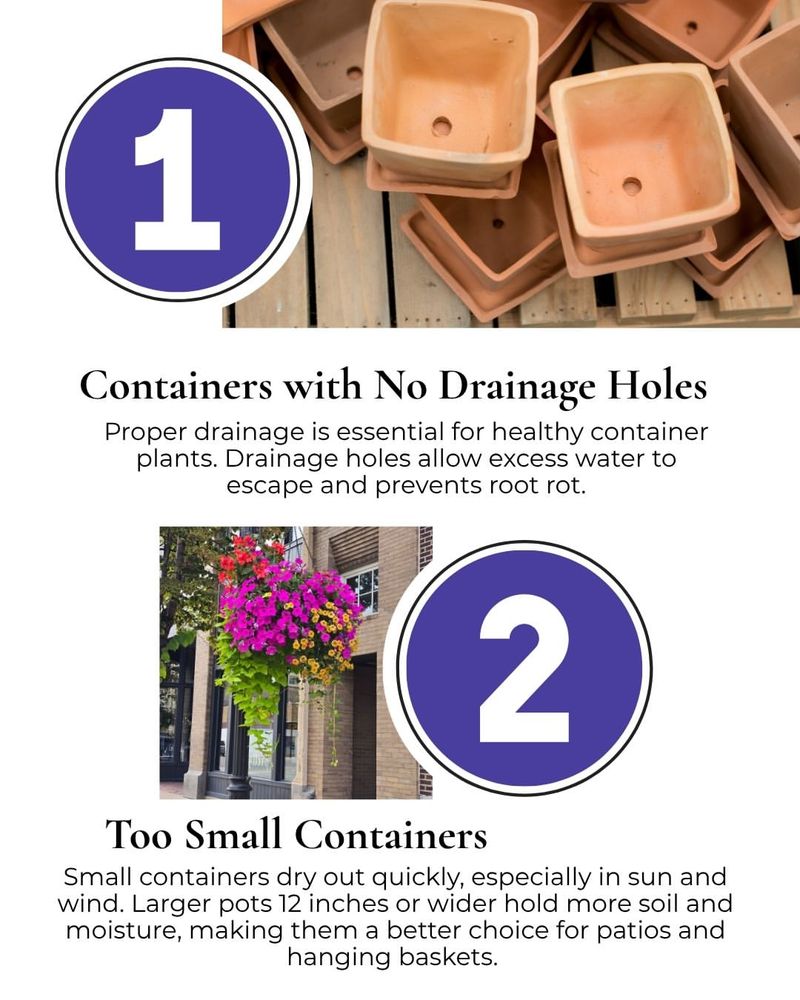
For containers, the fix is more straightforward: confirm that every pot has drainage holes and that those holes are not blocked by roots, compacted media, or a saucer holding standing water. Oklahoma State University Extension is clear that any container used for ornamental plants must allow excess water to escape freely. If yours is sitting in a saucer that collects water, empty it after each watering so roots are never submerged.
Adjust for the faster-drying container
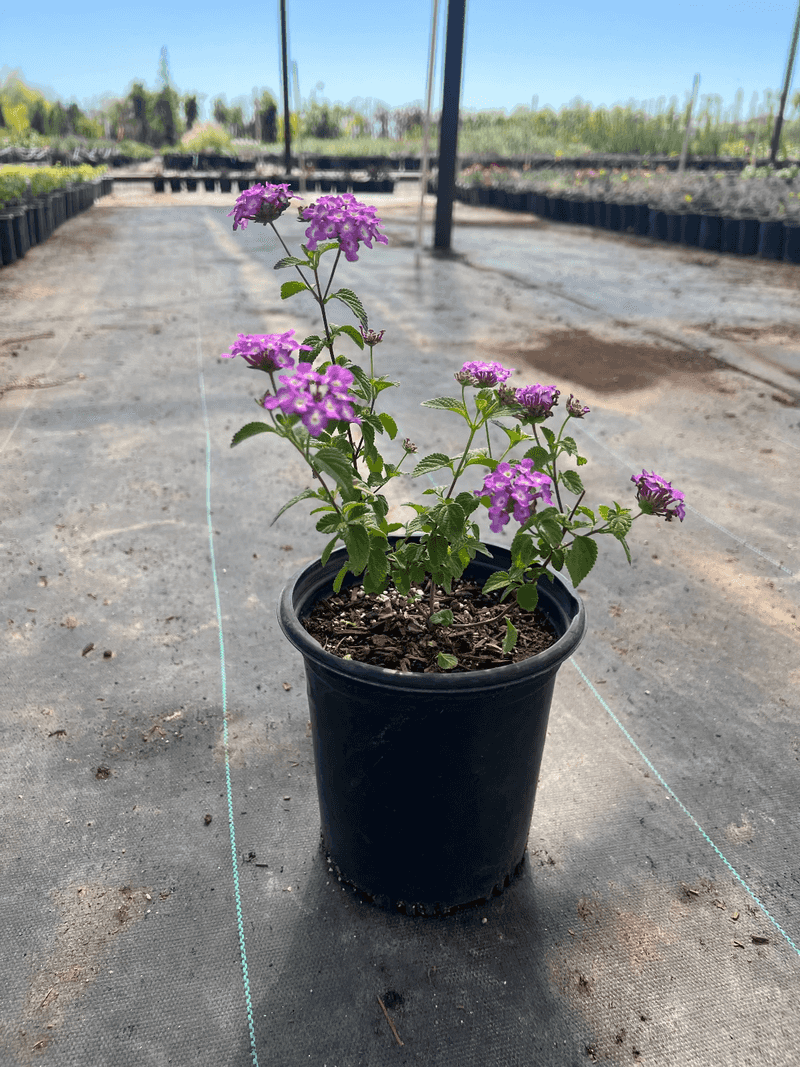
Container-grown lantana plays by different rules than a plant rooted in the ground, and hot summer weather makes that gap even wider. A small or dark-colored pot sitting on a sunny patio can lose moisture at a pace that surprises even experienced gardeners. Oklahoma State University Extension notes that some containers may need checking and watering more than once a day during peak heat, depending on pot size, growing medium, wind exposure, temperature, and how actively the plant is drawing water.
That said, more frequent checking does not mean more frequent soaking without cause. The goal is still to water when the medium actually needs it, not on a fixed schedule. Stick a finger an inch or two into the growing medium and water thoroughly only when it feels dry at that depth. When you do water, soak the medium fully until water runs freely from the drainage holes, which confirms that the entire root zone is being reached rather than just the top layer.
Pot material, color, and size all affect how fast the medium dries. Unglazed terracotta loses moisture through its walls, small pots have less buffer than large ones, and dark containers absorb more heat. UC IPM reinforces that both water deficit and excess can damage roots, so the aim is to keep the medium consistently moist but never waterlogged. Moving a struggling container to a spot with afternoon shade during the worst heat can reduce moisture loss without sacrificing too much flowering light.
Use sun, fertilizer, and light pruning wisely
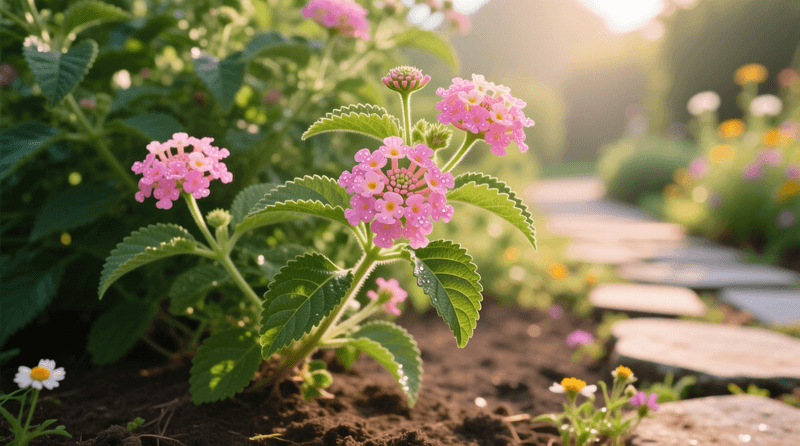
Once watering and drainage are sorted, three more growing conditions deserve a look: sunlight, fertilizer, and plant shape. Lantana performs best in full sun with well-drained soil, and Texas A&M AgriLife Extension specifies at least six hours of direct sunlight daily. If surrounding trees or structures have grown to cast more shade than they did when you planted the lantana, reduced light could be quietly limiting flower production even when everything else looks fine.
Fertilizer is another area where more is not better. Clemson Extension warns that excessive fertilizer can actually reduce flowering, and Texas A&M notes that in-ground lantana generally needs no fertilizer at all. Container plants may benefit from a balanced water-soluble fertilizer used according to the label, but a severely water-stressed plant should not be fertilized until it has recovered. Pushing nutrients into a plant that cannot absorb them properly does more harm than good.
Pruning can be a useful tool, but the approach matters. A light tip shearing, removing just the outermost few inches of growth, encourages branching and can stimulate a fresh round of flowering. Clemson recommends keeping routine pruning to light shearing or, when genuinely necessary, cutting back no more than one-third of the plant. Avoid taking the plant down hard during the hottest stretch of summer.
A heavily overgrown plant that has been cut back significantly will need time to push new growth before it can flower again, so patience is part of the plan.
Match deadheading to the cultivar
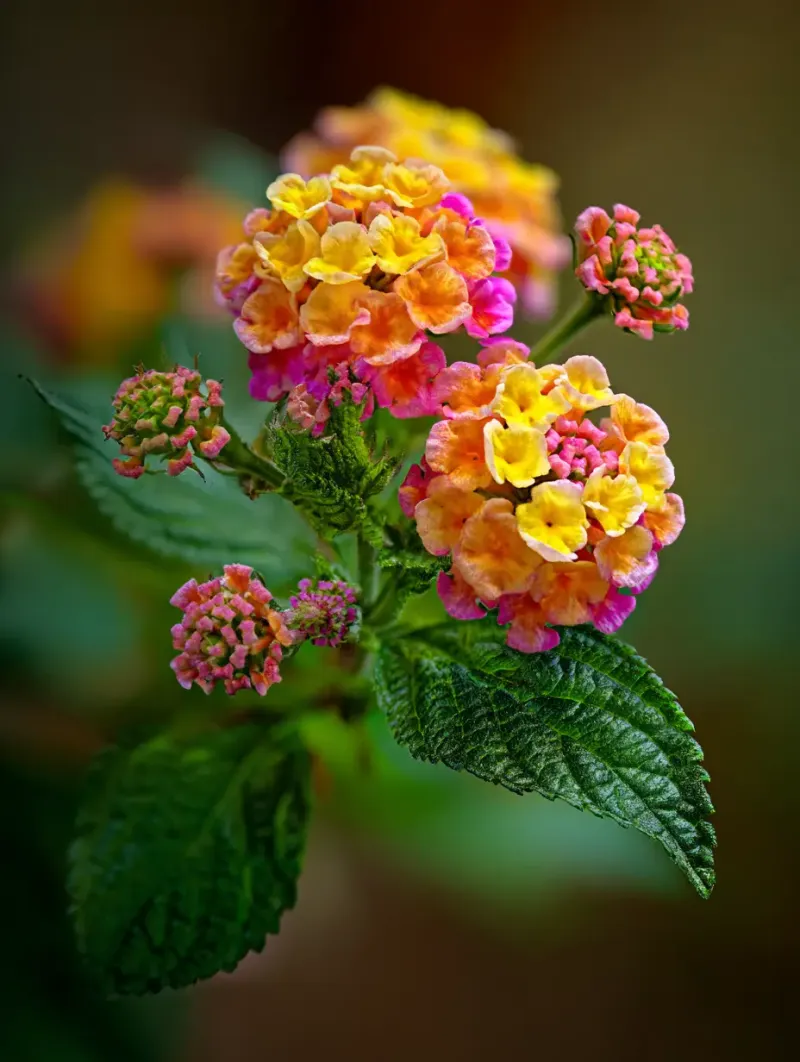
Deadheading is one of those gardening habits that gets applied universally when it actually depends on what type of lantana you are growing. Older, open-pollinated varieties can slow their flowering while energy goes toward producing seed. Removing developing seed heads on these plants before the seeds fully ripen can redirect that energy back into bloom production, giving the plant a nudge toward another flowering cycle.
Many newer hybrid cultivars are a different story. University of Arkansas Cooperative Extension notes that a number of modern lantana varieties are self-cleaning, meaning spent flowers drop on their own without setting viable seed, and these plants generally do not need routine deadheading to keep blooming. Removing spent clusters on a self-cleaning cultivar is not harmful, but it also will not make a measurable difference in flowering, so it is not worth spending time on if your plant fits that description.
The practical step is to check the plant tag or the variety name if you still have it. Then look at the spent flower clusters on your actual plant. If small, hard, dark berries are forming where the flowers were, your plant is setting seed and may benefit from removing those clusters before they mature. If spent flowers are simply drying out and dropping without forming visible berries, routine deadheading is probably not the lever that will restore your bloom.
Keep this check separate from general pruning since the goal and the technique are different.
Inspect leaves and buds for lace bugs
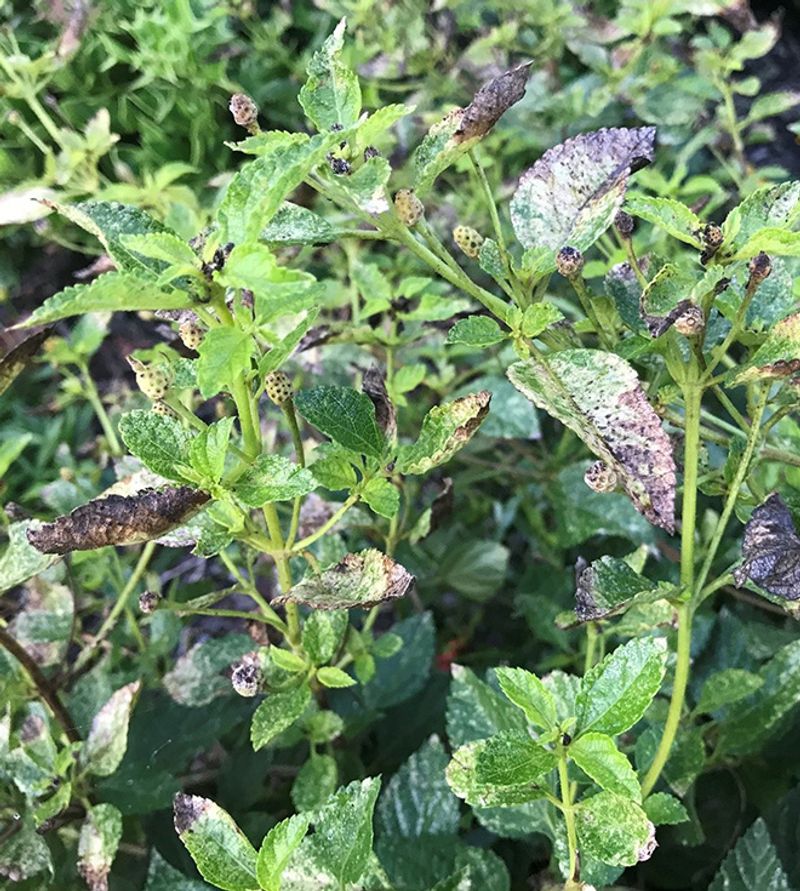
A pest inspection belongs on the checklist even when your watering routine seems solid and the soil checks out fine. Lantana lace bugs are small, flattened insects that feed on the undersides of leaves and on developing flower buds, and they can do enough damage to reduce or stop flowering entirely. Because the damage can mimic drought stress or heat injury from a distance, many gardeners miss them until the problem has progressed.
Knowing what to look for makes a big difference. Flip over a few leaves, especially on branches where buds seem to be stalling or browning, and look for stippled or bleached patches on the leaf surface, a sign that the insects have been piercing and draining the tissue. The undersides may show grayish or bronzed discoloration, and in heavier infestations the leaves can wilt or turn brown. UGA Cooperative Extension research on lantana lace bug biology and management describes the presence of the insects themselves and their shed cast skins on leaf undersides as reliable identifying signs.
Damaged buds that turn brown before opening are another indicator worth noting.
If you find lace bugs, resist the urge to reach for the nearest pesticide. Correct identification comes first, since other insects can produce somewhat similar leaf damage. Once you have confirmed the pest, look for a product labeled specifically for lace bugs on ornamentals and follow the label directions carefully. UGA recommends consulting your local Cooperative Extension office for product guidance suited to your region.
Lantana flowers attract bees, butterflies, and other beneficial insects, so treatment timing and product choice both matter for protecting pollinators while you address the pest.
Apply a measured reset and wait for new growth
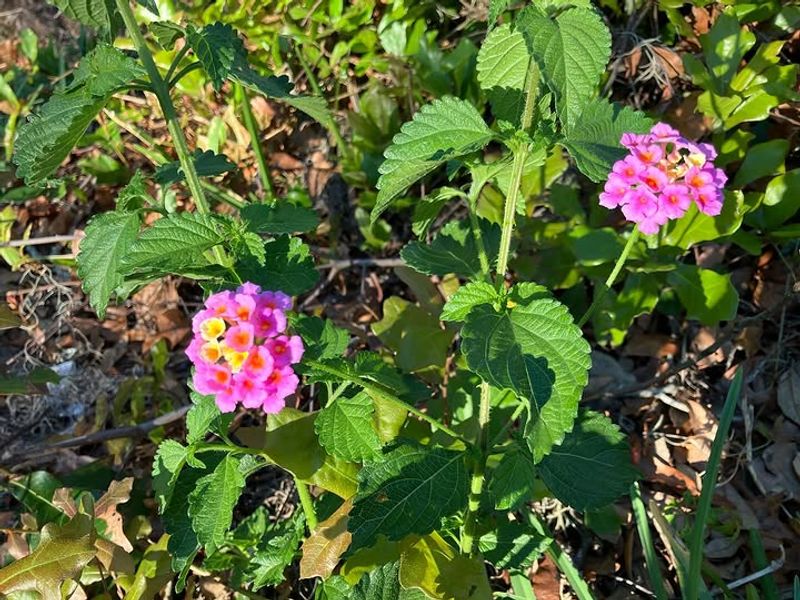
Working through a practical reset in a logical order gives your lantana the best chance of recovering its flowering. Start by checking soil moisture at root depth before adding any water. If the root zone is dry, water thoroughly and let the surface dry moderately before watering again. If the soil is already saturated or draining poorly, address that problem before adding more moisture.
Next, confirm that the plant is getting full sun and that nearby growth has not reduced its light exposure. Stop any fertilizer application if the plant is visibly stressed, and hold off on feeding in-ground plants entirely unless you have a clear reason to think they are deficient. A light tip shearing of overgrown branches can encourage fresh flowering growth, but keep it modest during peak summer heat. Check the spent flower clusters for seed formation and remove developing seed heads only if your cultivar is a seed-producing type.
Clemson Extension supports this measured, condition-based approach rather than aggressive intervention.
Flip over a few leaves and check the developing buds for lace bug signs as a final step before concluding your inspection. A stressed or recently trimmed plant may need several weeks to produce new growth before flower clusters reappear, so give the plant time before deciding the rescue did not work. One more thing worth keeping in mind: UC Agriculture and Natural Resources guidance identifies all parts of Lantana camara as toxic if eaten, with berries and leaves posing the greatest risk to pets and grazing animals, so keep curious animals away from the plant. A lantana that gets consistent, thoughtful attention tends to reward the effort on its own schedule.