
You planted petunias hoping for a mounded, flower-packed display, but instead you’re staring at stringy stems that flop over and barely bloom. Leggy, weak petunias are one of the most common frustrations for home gardeners, and the good news is that almost every cause has a fix. When you understand what your plants are quietly asking for, you can turn those spindly vines back into full, colorful mounds. Here are the seven reasons your petunias are reaching and weak, plus how to help them fill out again.
1. Not Enough Sunlight
Picture a petunia in a shady corner, stretching its stems toward the nearest window of light like it is trying to escape. That reaching is a real cry for help, and it is the number one reason plants go leggy instead of bushy.
Petunias are sun lovers through and through. They want six to eight hours of direct light every day, and anything less pushes them to grow tall and thin as they hunt for more. The technical word is etiolation, but you can just call it a stretch mark from too much shade.
If your plants sit under a tree, on a covered porch, or beside a fence that throws afternoon shadow, that may explain the weak growth. Try moving containers to a sunnier spot and watch how they respond over a couple of weeks.
For petunias already planted in the ground, thinning back nearby branches that block the sun can often improve things. More light usually means shorter internodes, sturdier stems, and far more flowers packed along each branch.
2. You Skipped Pinching and Deadheading
Here is a garden secret that feels a little cruel but works wonders: sometimes you have to pinch your petunias to make them fuller. Leaving stems long and untouched is a fast track to a scraggly, reaching mess.
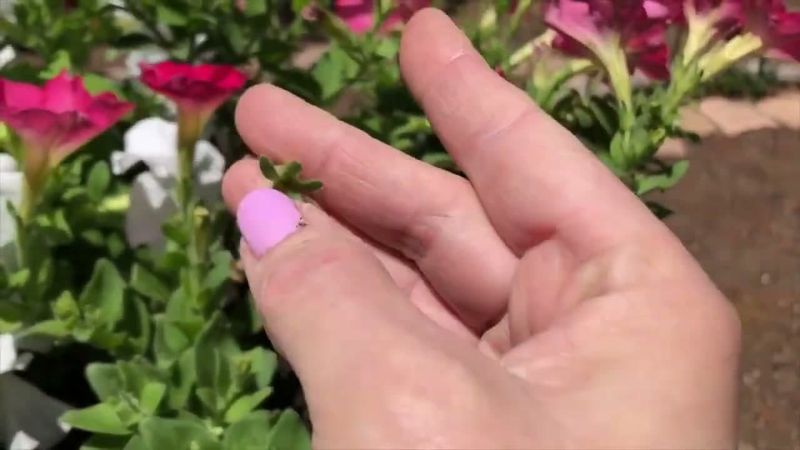
When you pinch off the growing tip of a stem, the plant responds by sending out two new branches lower down. Do that across the whole plant and you multiply the branching, which creates that dense, mounded look everyone wants.
Deadheading matters just as much. Snipping away spent, faded flowers stops the plant from pouring energy into making seeds and redirects it back into fresh growth and new buds.
Many gardeners feel nervous about cutting a plant back when it already looks thin, but a mid-season trim of even a third of the length can spark a comeback. New shoots fill the gaps within a couple of weeks.
Make pinching a regular habit rather than a one-time rescue, and your petunias will reward you with a thicker shape and steady waves of color all season long.
3. Overcrowded Roots in Small Containers
Cram a hungry petunia into a tiny pot and it behaves a bit like a person in a crowded elevator, stretching upward because there is nowhere else to go. Root-bound plants often turn tall and weak instead of full and lush.
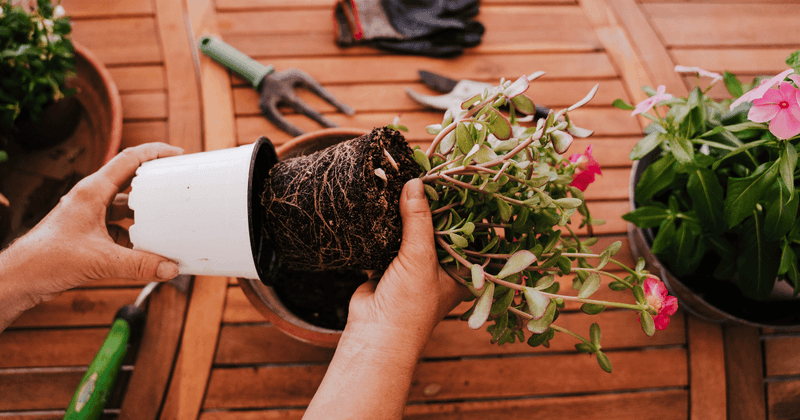
Petunias grow surprisingly large root systems for such cheerful little flowers. When those roots circle endlessly inside a small container, they cannot take up enough water and nutrients to support healthy, branching top growth.
Signs of crowding include roots poking out the drainage holes, soil that dries out almost daily, and growth that stalls no matter how much you feed. A single plant really wants a pot at least ten to twelve inches wide.
Give each petunia more room, whether by bumping it into a larger container or spacing plants further apart in beds, usually about twelve inches. Fresh, quality potting mix helps too, since old compacted soil holds fewer nutrients.
More room for roots often translates into sturdier stems above, because the plant can finally fuel the fuller shape you have been hoping for.
4. Too Much Nitrogen Fertilizer
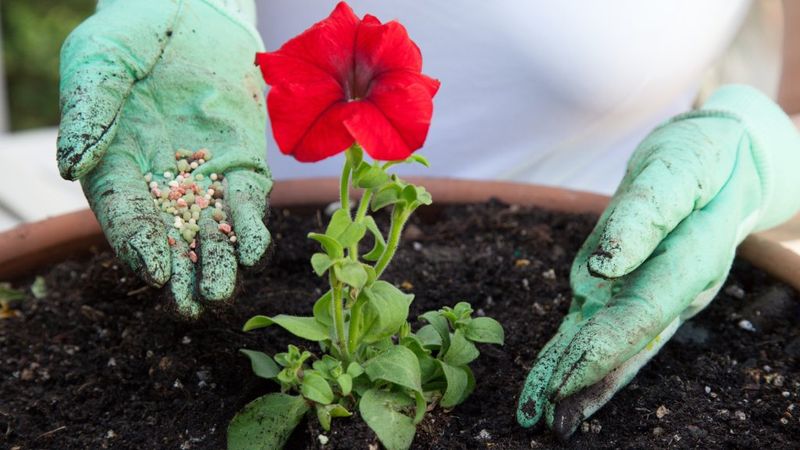
Feeding your plants feels loving, but pouring on the wrong fertilizer can backfire in a big way. Overloading petunias with nitrogen produces lots of leafy, floppy growth and disappointingly few flowers.
Nitrogen is the nutrient that fuels green leaves and stems. When it dominates, your petunias shoot up long and soft, prioritizing foliage over the blooms and compact shape you actually want.
Look at the three numbers on any fertilizer label. A product heavy on that first number, like a lawn feed, tends to push weak, reaching growth. Petunias generally do better with a balanced or bloom-focused formula where phosphorus and potassium are well represented.
Switching to a fertilizer made for flowering annuals can help rebalance things. Feeding every couple of weeks at the recommended strength is usually plenty, and overdoing it rarely helps.
If you suspect you have overfed, ease off for a while and let the plant recover before resuming a gentler schedule. Sturdier stems and a flush of buds often follow once the nutrient mix shifts toward flowering rather than endless leafy sprawl.
5. Watering Problems Are Stressing the Plant
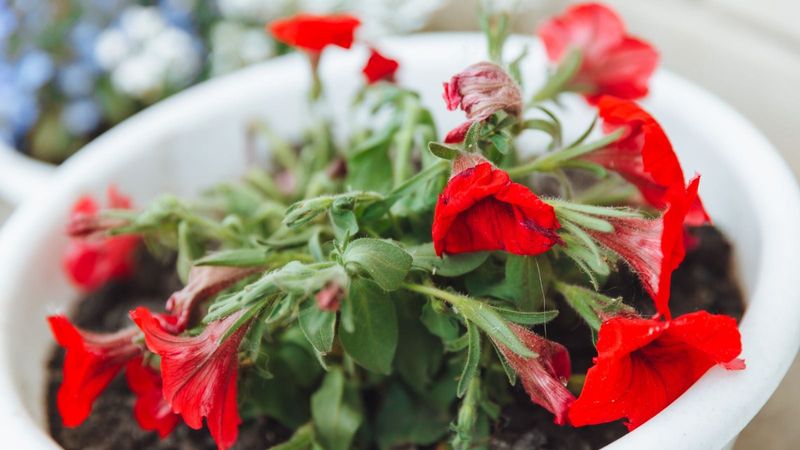
Water seems simple until your petunias start acting dramatic about it. Both too much and too little can leave stems weak, limp, and unable to hold themselves upright the way a healthy plant should.
Underwatered petunias wilt, drop flowers, and put their energy into survival rather than filling out. Overwatered ones develop soggy roots that cannot breathe, which can lead to weak, yellowing growth and even root rot.
Container petunias are especially thirsty during hot US summers and may need water once or even twice a day when temperatures climb. Garden beds hold moisture longer but still benefit from a deep soak rather than frequent shallow sprinkles.
Check the top inch of soil with your finger before watering. Dry means go ahead, still damp means wait, and this simple habit prevents most watering mistakes.
Consistent moisture, paired with pots that drain well, gives roots the steady conditions they need. Once the stress of drought or drowning eases, plants can shift energy back toward branching and blooming instead of just hanging on for dear life.
6. Summer Heat Stress
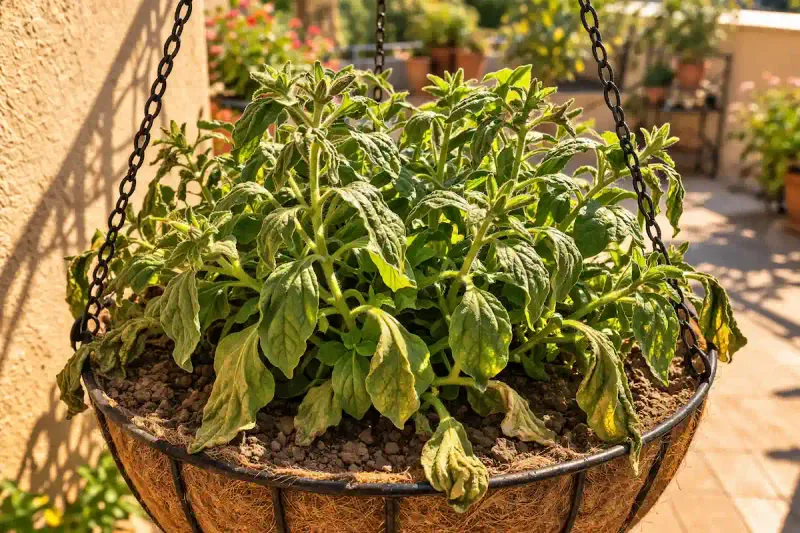
Come the peak of a US summer, even the toughest petunias can look like they have given up. Blistering heat causes plants to stall, drop blooms, and put out thin, stretched growth as they struggle to cope.
Most petunias handle warmth well, but sustained temperatures in the nineties can trigger a mid-season slump gardeners often call heat stress. During this phase, the plant conserves resources instead of pushing out the full, flowering shape you want.
Afternoon shade during the hottest hours can reduce the strain, especially for containers you can move. Mulch around in-ground plants helps keep roots cooler and holds moisture that heat quickly steals away.
A light haircut during a slump, combined with steady watering, often helps petunias bounce back once the worst heat passes. Removing tired, leggy stems now sets them up for a fresh flush later.
Choosing heat-tolerant varieties for next season can also make a difference in hot regions. While no plant is truly heatproof, giving petunias a little relief usually keeps them fuller and blooming through the toughest stretch of summer.
7. The Wrong Petunia Variety for the Spot
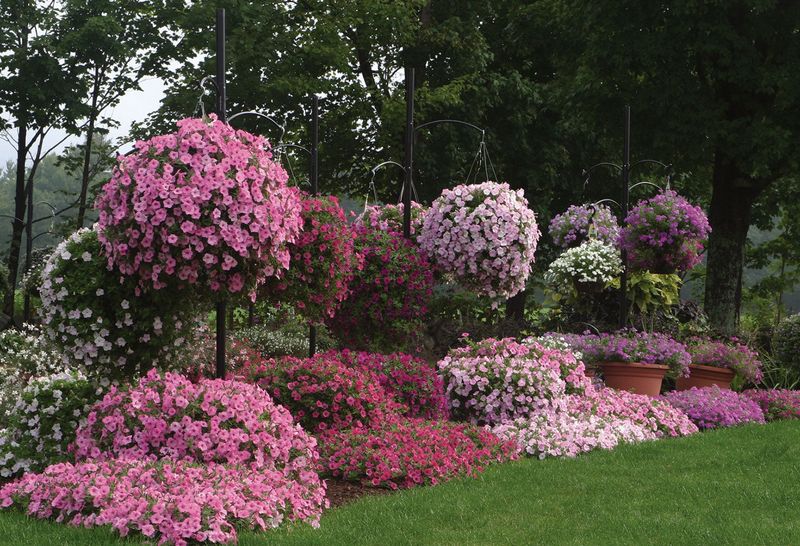
Not all petunias grow the same, and picking the wrong type for your space can doom you to leggy results before you even plant. Some varieties naturally trail and stretch, while others mound up tight and full.
Grandiflora petunias, with their big showy blooms, tend to get leggy and flop, especially in wet weather. Multiflora and milliflora types stay more compact, and spreading varieties like the popular Wave series sprawl wide by design rather than growing weak by accident.
If you wanted a rounded mound but chose a trailing spreader, the reaching growth may simply be the plant doing exactly what it was bred to do. Matching the variety to the job saves a lot of frustration.
For hanging baskets, trailing types shine as they cascade over the edges. For a filled container or a tidy border, compact mounding varieties usually hold their shape far better.
Reading plant tags at the garden center pays off here. Knowing whether you are bringing home a spreader or a mounder helps set realistic expectations and steers you toward the fuller look you actually pictured.
8. Poor Soil Drainage and Compaction
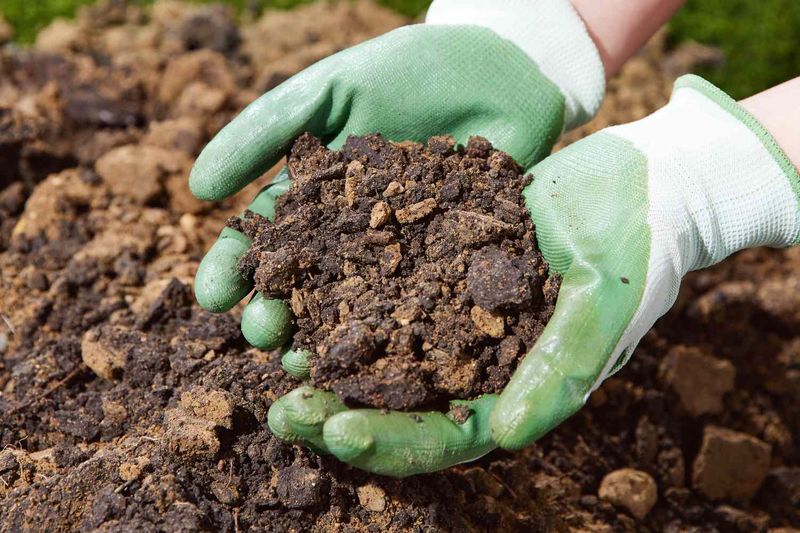
Beneath every leggy petunia is often a story happening underground, where the soil itself may be working against you. Heavy, compacted, or poorly draining dirt suffocates roots and leaves the plant too weak to fill out.
Petunias want loose, rich soil that holds some moisture but lets excess water flow away. When soil packs down hard or stays waterlogged, roots cannot spread or breathe, and struggling roots mean flimsy stems up top.
Clay-heavy garden beds are common culprits across many US yards. Mixing in compost or aged organic matter loosens the structure, improves drainage, and feeds beneficial soil life all at once.
Container gardeners sometimes reuse old, broken-down potting mix that has lost its fluff and turned dense. Refreshing with a quality mix that drains freely can make a striking difference in plant vigor.
Adding drainage holes, avoiding saucers that trap standing water, and loosening compacted beds before planting all support healthier roots. Give those roots room to breathe and expand, and the plant gains the foundation it needs to branch out full and strong rather than stretching thin.
9. Planting Too Early in Cold Soil
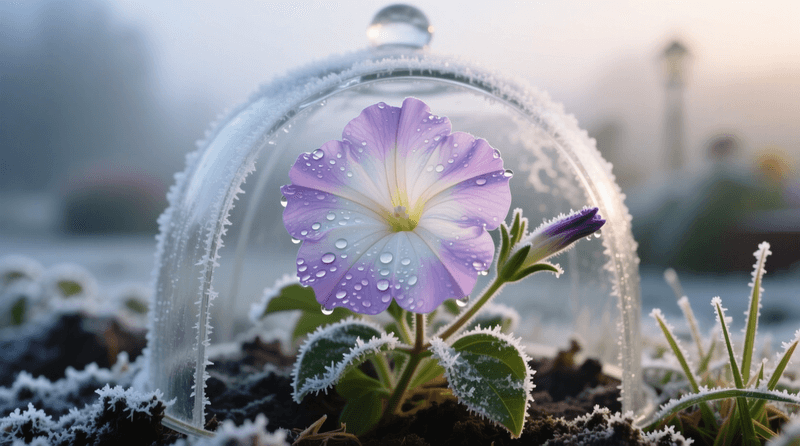
Eager spring gardeners sometimes rush petunias into the ground the moment the weather teases warm, and the plants pay for it with slow, spindly growth. Cold soil is a quiet saboteur of full, healthy petunias.
Petunias love warmth, and they sulk when nighttime temperatures dip too low or the soil stays chilly. Under those conditions, roots barely grow, plants sit stunted, and any new growth tends to come out weak and stretched.
Waiting until after your area’s last frost, when soil has genuinely warmed, gives petunias a much stronger start. Rushing rarely gains you time, since cold-shocked plants often lag behind ones planted a couple of weeks later.
If a surprise cold snap hits after planting, covering plants overnight or moving containers to shelter can protect them. A little patience early tends to pay off in fuller plants all season.
Warm soil encourages fast root establishment, and strong roots are what fuel the bushy, branching growth you are after. Start petunias at the right time and they spend their energy filling out instead of merely surviving a chill.
10. Pests Quietly Draining Your Plants
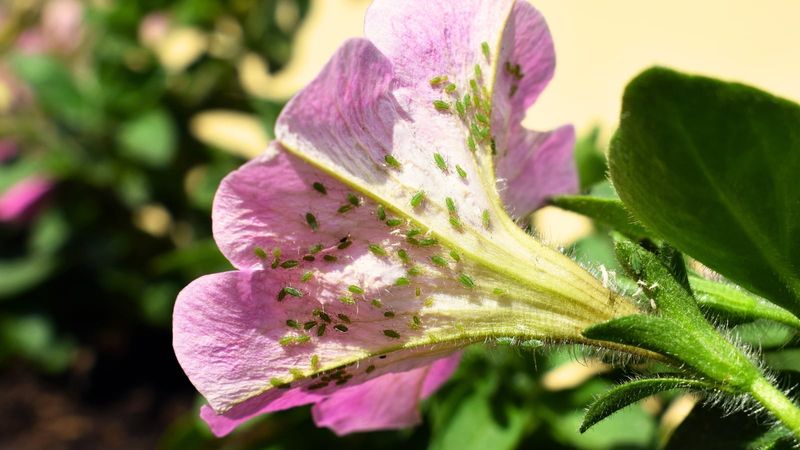
Sometimes the reason for weak, struggling petunias is hiding in plain sight, clinging to the undersides of leaves. Tiny pests can sap a plant’s strength until it simply cannot muster the energy to grow full and flower well.
Aphids are frequent offenders, clustering on new growth and sucking out the juices that fuel healthy stems. Spider mites, thrips, and budworms also take their toll, leaving distorted leaves, stunted tips, and chewed or missing blooms.
A weakened, pest-ridden petunia often looks pale and leggy because its resources are being stolen faster than it can replace them. Flip a few leaves and check for specks, webbing, or clusters of insects to confirm the problem.
A strong spray of water can knock many pests loose, and insecticidal soap may help reduce stubborn infestations when used as directed. Encouraging ladybugs and other beneficial insects can also keep aphid numbers in check naturally.
Catching trouble early makes the biggest difference, so inspect your petunias regularly. Once the pests are under control, the plant can finally pour its energy back into the lush, blooming growth you have been waiting for.