
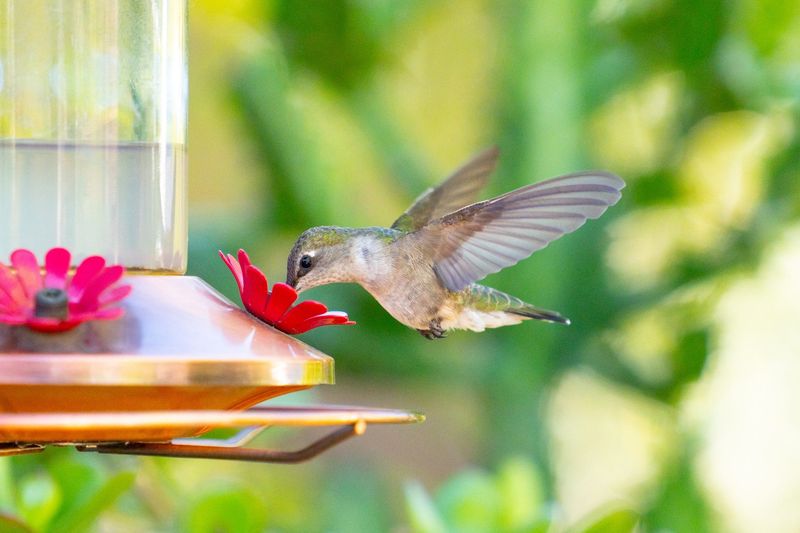
You set out sugar water and planted a few flowers, so why do the hummingbirds keep zipping right past your yard? It turns out that a lot of well-meaning gardening habits quietly send these tiny visitors the wrong signal. Small things like the wrong feeder, hidden pesticides, or even a too-tidy yard can make hummingbirds feel unwelcome. The good news is that most of these mistakes are easy to spot and fix once you know what to look for.
Red Dye in Your Feeder May Be Doing More Harm Than Good
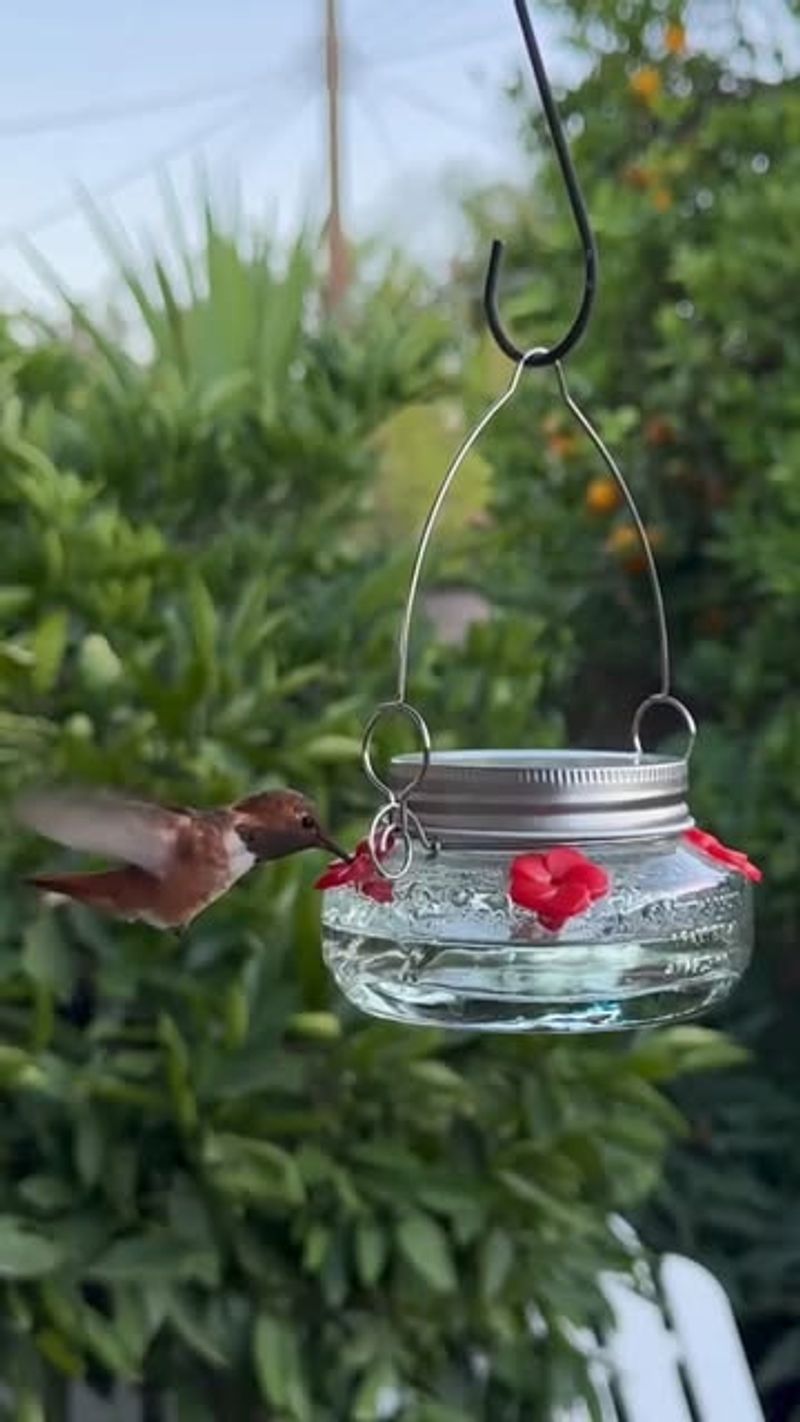
That bright red liquid sold in stores looks festive, but hummingbirds never needed it to find your feeder. The red plastic on the feeder itself already does the attracting job just fine.
Many bird lovers worry the artificial dye can stress a bird’s tiny body over time, and while research is still limited, plenty of experts suggest skipping it to be safe. Why take the chance when a simple homemade mix works better anyway?
Stir one part plain white sugar into four parts water until it dissolves, and you have a nectar that mimics what real flowers offer. Skip honey, brown sugar, and any coloring, since those can spoil faster or grow mold that may harm delicate throats.
Fun fact: hummingbirds can remember every feeder they have ever visited, so a clean, dye-free station can keep them coming back for seasons. Change the mixture every two to three days in hot weather, because fermented nectar can turn a welcoming yard into one birds quietly avoid.
A Dirty Feeder Turns Sweet Nectar Into a Silent Threat
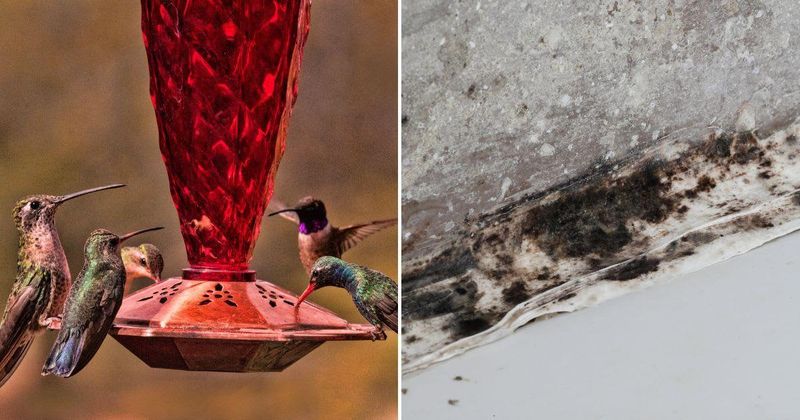
Ever notice a cloudy film or tiny black specks inside your feeder? That is mold and fermenting sugar, and it can quietly push hummingbirds away faster than an empty feeder ever would.
Warm summer days speed up spoilage, turning fresh nectar sour in as little as two days. Birds have a sharp sense for bad food, and once they taste something off, they may cross your yard off their route entirely.
Give your feeder a real cleaning at every refill, not just a quick rinse. Hot water and a bottle brush handle most buildup, and a splash of white vinegar can help loosen stubborn residue in those tricky little feeding ports.
Avoid soap when you can, since leftover suds may leave a taste birds dislike. Let everything dry before you pour in a fresh batch.
Think of it like washing dishes for a very picky houseguest. A sparkling, well-kept feeder signals safety, and that reliable freshness often turns a one-time visitor into a loyal regular that returns morning after morning.
Pesticides Wipe Out the Bugs Hummingbirds Secretly Depend On
Most people picture hummingbirds sipping nectar all day, but sugar is only half their diet. These little fliers need protein, and they get it by snapping up gnats, aphids, spiders, and other tiny insects.
When you spray broad pesticides across the yard, you may accidentally erase the very buffet that keeps them fed. A hummingbird raising babies needs hundreds of soft-bodied bugs, and a bug-free garden can leave nowhere to hunt.
Chemicals can also linger on flowers and cling to insects the birds swallow, which may build up in their small systems over time. That hidden risk makes heavy spraying one of the sneakiest ways a yard turns unfriendly.
Try spot-treating problem plants by hand or with a strong blast of water instead of coating everything. Letting a few aphids survive can actually work in your favor here.
A slightly messy, insect-friendly garden often supports far more hummingbird activity than a spotless one. Think of every tiny bug you tolerate as a snack that helps keep these visitors circling your yard.
Too Many Nonnative Flowers Leave Hummingbirds Hungry
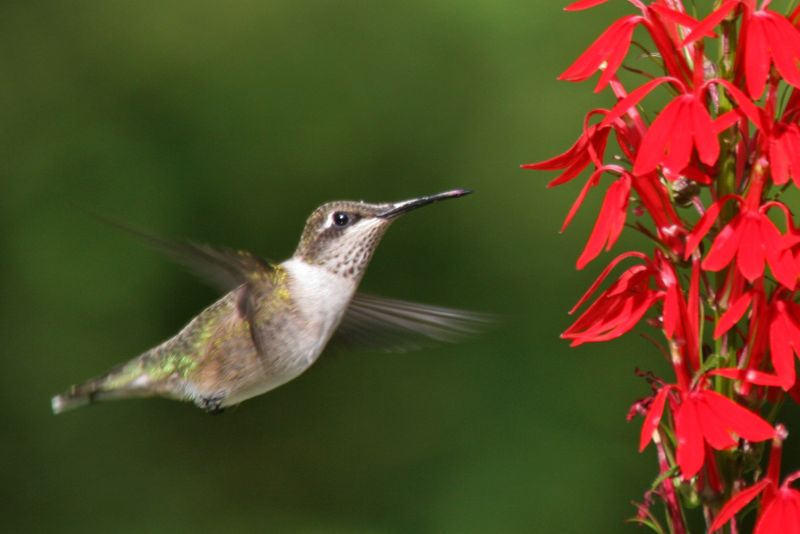
Walk down any garden center aisle and you will spot rows of showy blooms bred for looks, not for feeding wildlife. Many of these fancy hybrids hold little or no nectar, so a hummingbird can visit dozens and still fly off empty.
Double-petaled flowers are especially tricky, because all those extra layers block the beak from reaching the good stuff inside. A yard packed with pretty but empty blossoms can look inviting to us while starving the birds we hoped to attract.
Native plants tend to be the reliable winners here, since local hummingbirds evolved right alongside them. Tubular red and orange flowers like cardinal flower, bee balm, trumpet honeysuckle, and native salvia offer deep nectar wells shaped for a hummingbird’s long tongue.
Mixing in these regional favorites can turn a decorative yard into a genuine roadside diner. Aim for a range of bloom times too, so something is always open from spring through fall.
That steady, season-long food supply often keeps hummingbirds returning long after a one-flower yard would have lost their interest.
Why a Too-Tidy Yard Feels Unsafe to Tiny Birds
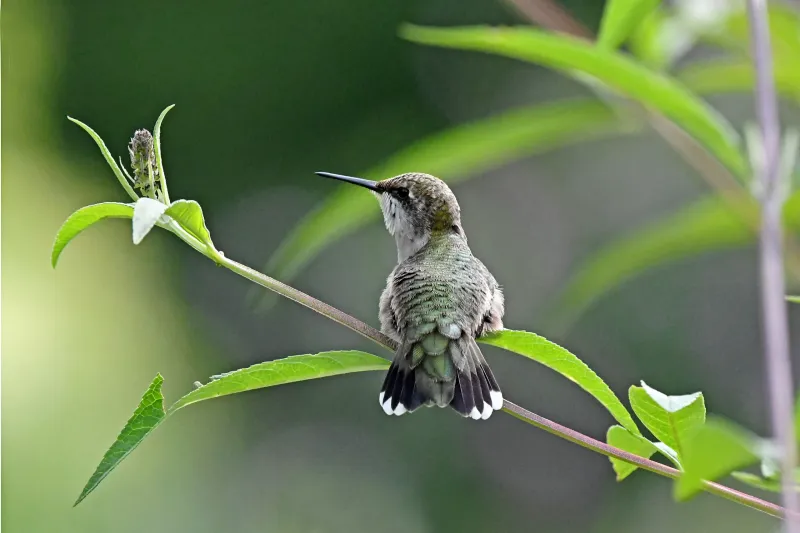
A perfectly manicured lawn with trimmed shrubs and no clutter might win a neighborhood award, but to a hummingbird it can read as wide open and risky. These birds want places to rest, hide from hawks, and build their thumb-sized nests.
Without small trees, tall shrubs, or a few tangled branches, there is nowhere safe to perch between feeding trips. Believe it or not, hummingbirds spend most of their day sitting still, watching over their territory from a favorite twig.
Leaving a couple of bare, thin branches near your flowers gives them the exact lookout post they crave. A little structure and cover can make the difference between a yard they pass through and one they call home.
Consider letting one corner grow slightly wild, with layered plants at different heights. Spiderwebs matter here too, since females use the silk to hold their tiny nests together.
Loosening up your cleanup routine just a little may feel counterintuitive, but that gentle messiness often signals shelter and safety, encouraging hummingbirds to linger and even raise their young nearby.
No Water Source Means One Less Reason to Stay
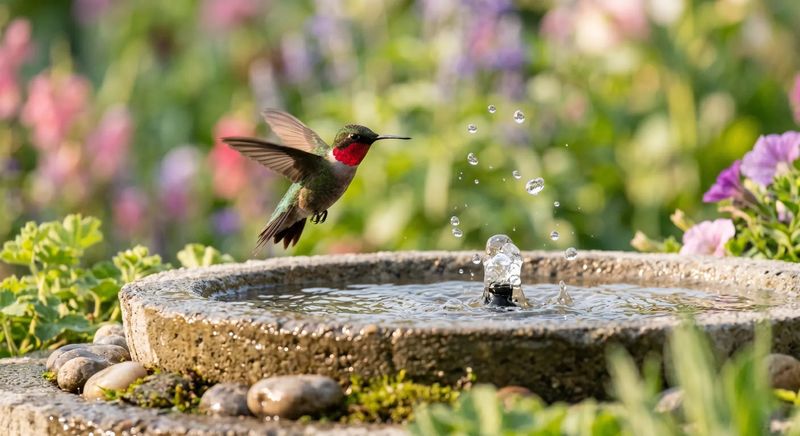
Nectar handles a hummingbird’s thirst, so many folks assume water features are pointless. Yet these birds absolutely love to bathe, and a good splash keeps their feathers clean enough for fast, precise flight.
The catch is that a deep birdbath meant for robins simply will not work. Hummingbirds prefer a shallow trickle, a gentle mist, or droplets sliding off wet leaves, since they like to zip through moving water rather than wade in.
A small mister attached near your plants, a dripping fountain, or a solar bubbler can transform your yard into an irresistible pit stop. Even a shallow dish with a few pebbles and a slow drip may catch their eye.
Moving water tends to work far better than still water, partly because the sparkle and sound draw them in from a distance. Position it near cover so they feel safe while grooming.
Add this one feature and you cover a need most yards completely ignore. That extra draw can tip a curious visitor into a daily regular, especially during hot, dry summer stretches when water grows scarce.
One Feeder in a Crowd Sparks Territory Wars
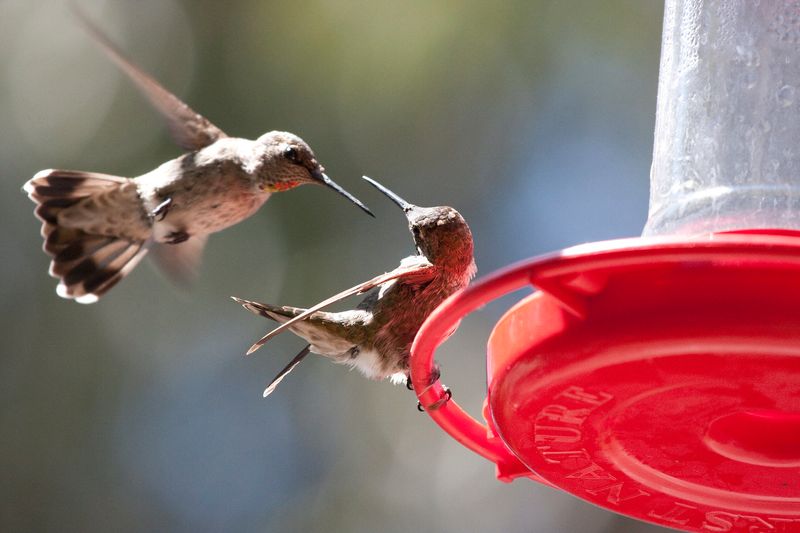
Picture a single lunch counter for a whole hungry crowd, and you have got the trouble with putting out just one feeder. Hummingbirds are famously feisty, and a dominant male will often guard a lone feeder like a personal treasure.
That bully behavior can chase every other bird clear out of the yard, leaving you convinced the hummingbirds vanished when really one aggressive guard scared them off. A crowded, tense feeding spot rarely feels welcoming.
Spreading several feeders around your property, ideally out of sight from one another, can break up the fighting. When one bird cannot watch all the stations at once, more visitors get a fair turn.
Tuck feeders around corners, near different plant clusters, or on opposite sides of the house. Even placing two on the same patio but far apart may ease the squabbling.
The result is often a busier, more peaceful yard buzzing with several birds instead of one tyrant. Sometimes attracting more hummingbirds is less about better nectar and more about smart spacing that lets everyone eat without a fight.
Reflective Windows and Sneaky Predators Scare Them Off
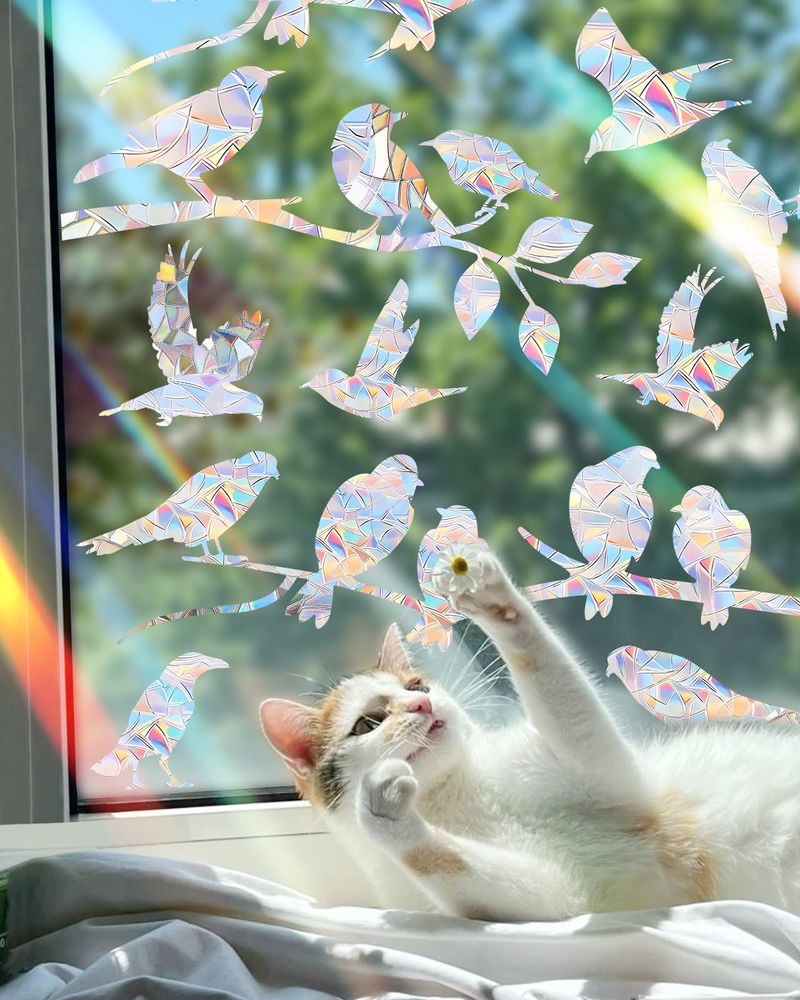
Sometimes the danger is not what you added but what your yard already has hiding in plain sight. Shiny windows can act like mirrors, tricking a speeding hummingbird into a painful and often deadly collision.
A feeder placed just a few feet from clear glass turns a food stop into a hazard zone, and birds may learn to avoid the whole area. Position feeders either very close to windows, within a few feet, or well beyond thirty feet, which oddly reduces harmful crashes.
Predators pose their own quiet threat. Outdoor cats crouched in the bushes and even praying mantises lurking on feeders can turn your yard into a scary place these tiny birds sense and skip.
Keep cats indoors or add a bell, and check feeder perches for hidden ambush bugs. Adding window decals or breaking up reflections with screens may cut down on strikes too.
Making your space feel secure matters as much as feeding it. Once hummingbirds sense fewer dangers, they relax, feed longer, and are far more likely to fold your yard into their daily routine.
Small Changes Add Up to a Yard Hummingbirds Cannot Resist
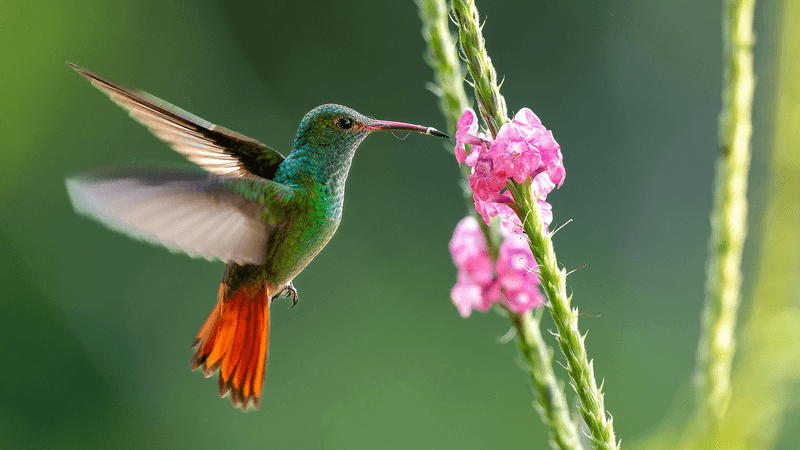
Looking back over all these quiet missteps, one hopeful pattern stands out: almost every one is simple to reverse. You do not need to rebuild your garden or spend a fortune to win these tiny visitors back.
Swapping to dye-free nectar, scrubbing your feeder often, easing up on pesticides, and adding a few native tubular blooms can shift the whole feel of your space. Toss in a shallow water mister, a couple of safe perches, and a second feeder, and you have covered nearly every hummingbird need at once.
Start with just one or two fixes this week rather than trying everything at once. Watch how the birds respond, since even small tweaks may show results within a season.
Patience helps here, because hummingbirds are creatures of habit who often need a little time to trust a new setup. Keep your changes steady and welcoming, and word seems to spread among these clever fliers.
Before long, that yard you feared was pushing them away can become the reliable, buzzing rest stop they build their whole day around.