
If you want fewer mosquitoes, the smartest move is not a spray bottle – it is a better food web. Florida bats hunt huge numbers of night-flying insects, and the right native plants can make your yard easier for them to notice and use. The surprise is that you do not need a wild acreage or a swampy corner to help. A few well-chosen shrubs, vines, and small trees can turn an ordinary yard into a nighttime buffet that supports bats and brings your garden alive after dark.
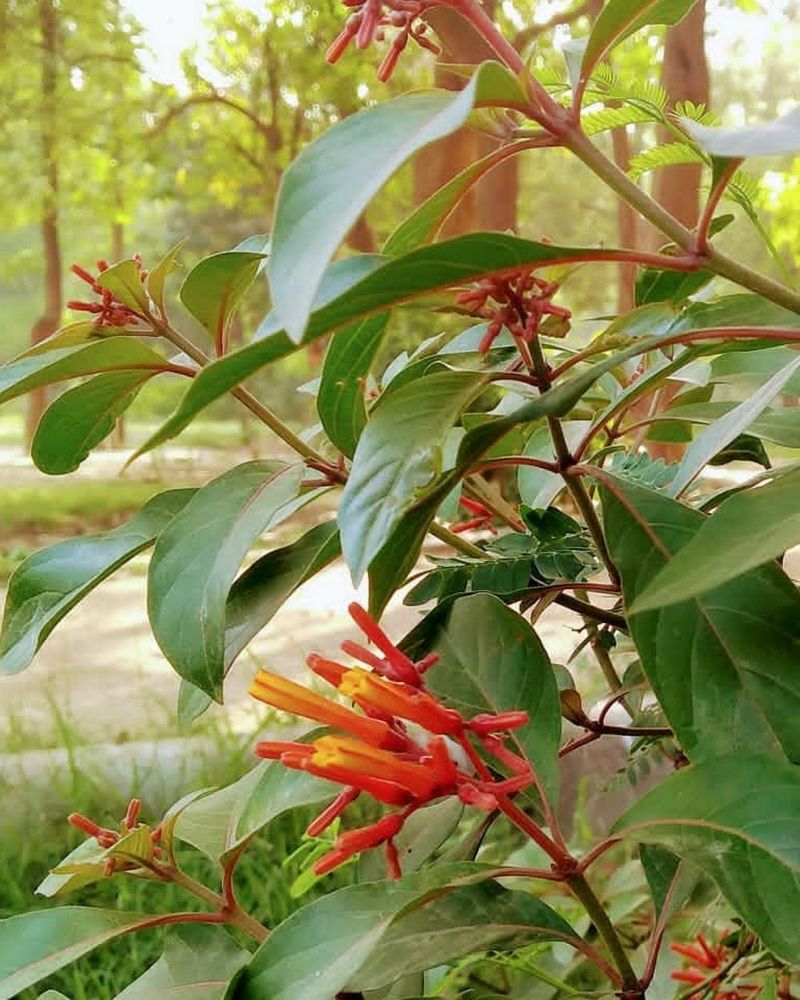
1. Firebush

Firebush is one of those plants that earns its keep fast in a Florida yard. Its bright tubular flowers pull in pollinators by day, and the insect activity around it helps create a richer evening buffet for bats. I like planting it where it gets at least six hours of sun and decent air flow.
Set plants out in spring or early summer so roots establish before winter. Give new shrubs weekly water for the first couple of months, then back off once growth is steady. If yours gets lanky, pinch branch tips in June to keep it dense and full, which creates better cover for beneficial insects and makes the plant flower more heavily through the warm season.
2. Buttonbush

Buttonbush is a magnet plant if you have a damp spot, pond edge, or rain garden. Its round white flowers draw a parade of pollinators, and that extra insect life can help bats patrol your yard more often after sunset. You do not need standing water year round, but this shrub really shines where soil stays consistently moist.
Plant it in full sun to light shade during the rainy season for the easiest start. Add mulch, keep the root zone damp the first year, and prune lightly after flowering if you need shape. I would use buttonbush near a downspout outlet or swale, where it turns a problem area into habitat while helping your whole yard feel cooler and more alive.
3. Coral Honeysuckle

Coral honeysuckle gives you vertical habitat, and that matters more than many gardeners realize. A flowering native vine near a fence, arbor, or mailbox brings nectar feeders by day and increases insect traffic around the garden at night, which can help bats recognize your yard as productive hunting space. It is tidy, beautiful, and much better behaved than invasive honeysuckles.
Plant it in spring on a sturdy support with morning sun or bright filtered light. Water weekly while it settles in, then trim only enough to keep it from tangling into gutters or shrubs. If you let a few stems arch naturally, you get a softer look and more bloom points, which means more activity for wildlife through a long Florida growing season.
4. Walter’s Viburnum

Walter’s viburnum is one of my favorite backbone shrubs for a bat-friendly Florida yard. It flowers, fruits, and forms dense branching that supports insects and songbirds, so the whole space becomes more biologically active after dark. When bats sweep through neighborhoods, layered plantings like this often help them linger because prey is concentrated and sheltered.
Use it as a hedge, screen, or anchor shrub in sun to part shade. Plant in spring or fall, mulch the root zone, and water deeply once or twice a week until established. Skip constant shearing if you can, because natural branching, flowers, and berries are what make this plant so useful. A loose, layered hedge usually supports more life than a clipped green wall.
5. American Beautyberry

American beautyberry does more than show off those famous purple berries. As a loose understory shrub, it helps create the layered edge habitat where insects gather and where bats often hunt along flight paths at dusk. I like using it at the back of beds or near small trees, where it can spread naturally without looking stiff.
Plant beautyberry in spring or early fall in part shade to sun, depending on your site moisture. Cut it back lightly in late winter if you want fuller new growth, but do not fuss over it too much. Add two or three together instead of one lonely specimen, and your yard will feel more like a mini habitat patch, which is exactly what brings more nighttime activity close to home.
6. Yaupon Holly

Yaupon holly is an evergreen workhorse that gives your yard year-round structure, and that steady cover matters for wildlife. While bats are not eating the berries, they benefit from the insect life and sheltered movement corridors this dense native creates, especially when paired with flowering plants nearby. It is also one of the easiest Florida natives to fit into a front yard without looking wild.
Choose a sunny to part-shade spot and plant in spring or fall. Water regularly during the first growing season, then let it settle into a lower-maintenance rhythm. If you prune, thin selectively instead of chopping everything into a ball, because open, natural branching supports more life. A staggered row of yaupon along a property line can quietly transform a bare yard into usable nighttime habitat.
7. Simpson’s Stopper

Simpson’s stopper is a beautiful native for South and Central Florida gardens where you want wildlife value without losing a polished look. Its fragrant flowers and colorful fruit support a busy little ecosystem, and that activity can help draw more insect hunters, including bats, into the neighborhood loop above your yard. The peeling bark also gives it real charm up close.
Plant it in well-drained soil with sun or bright part shade, ideally during the warm rainy months. Keep it watered the first season, and only shape it lightly after flowering if needed. I like placing one near a patio or path where you can enjoy the scent and watch birds use the fruit. Mixed with lower natives, it creates a layered landing strip for beneficial nighttime movement.
8. Saw Palmetto

Saw palmetto may not be the first plant people picture for mosquito control, but it is fantastic habitat. The low, arching fronds create shelter for many creatures, and its flowers support pollinators that help build the insect diversity bats depend on. In a larger bed or dry corner, it gives your yard a true Florida identity and a lot of ecological muscle.
Plant saw palmetto where it has room, sun, and sandy or well-drained soil. The best timing is spring through early summer, with regular watering until roots take hold. Do not overprune old fronds unless they are truly damaged, because that layered structure is part of its value. Pair it with muhly grass or beautyberry, and you create a soft, natural hunting edge bats can easily patrol.
9. Southern Wax Myrtle

Southern wax myrtle is one of the fastest ways to build a living screen that actually works for wildlife. It grows quickly, flowers subtly, and supports insects while giving bats a reliable edge to hunt along, especially in neighborhoods with bright lights and open lawns. I think of it as a privacy hedge with ecological ambition.
Plant wax myrtle in sun to part shade during spring or early fall, spacing shrubs so they can knit together without crowding. Water through the first dry season and mulch well, but avoid soggy soil if your site drains poorly. Prune by thinning branches rather than flat-topping the whole row. A mixed hedge of wax myrtle, yaupon, and viburnum creates longer bloom and fruit periods, which keeps the food web active for months.
10. Twinflower

Twinflower is a lesser-known Florida native that deserves a spot near patios, trellises, or mailboxes where you want bloom without fuss. Its flowers attract pollinators, and adding smaller nectar plants like this helps fill the gaps between shrubs and trees so your yard functions as one connected habitat. That continuity is often what makes wildlife stay active instead of just passing over.
Plant twinflower in full sun to part shade after the weather warms, and keep it watered while roots establish. It can sprawl gently or climb with light support, so guide it where you want coverage. I like using it near seating areas because it softens hard edges and adds life at eye level. Combined with taller natives, it helps create a layered night garden bats can read easily.