
Tomato plants can look fine one week and tired the next, especially in long Southern heat. When growth slows, leaves pale, or fruiting stalls, a few simple boosters can help plants get back on track.
The key is picking the right kind of support instead of throwing everything at the bed at once. Here are 17 gardener favorites that can give struggling tomatoes a real push.
1. Compost
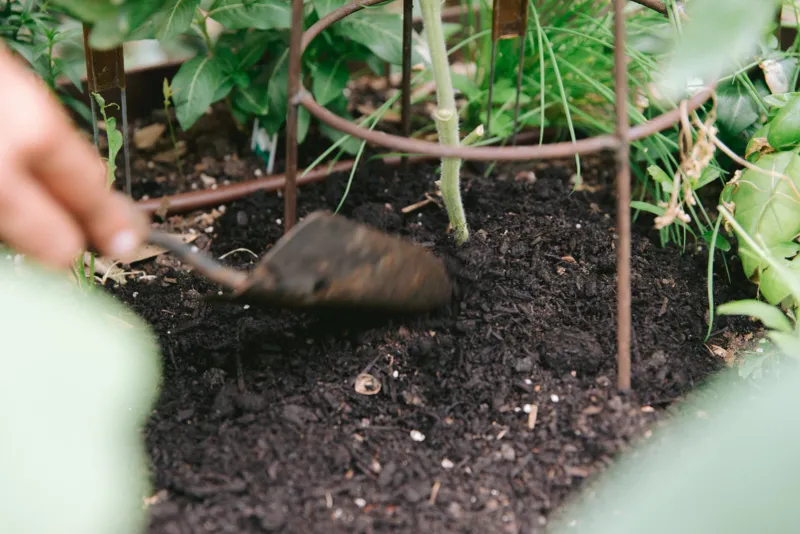
Few garden fixes feel as dependable as a shovel of finished compost. When tomato plants start looking dull, slow, or hungry, compost often helps because it improves more than one problem at the same time.
Mixed into the top layer of soil or used as a side dressing, compost adds mild nutrients without the harsh push that strong fertilizers sometimes cause. It also helps sandy Florida soil hold moisture longer and can loosen heavier Texas clay so roots breathe better.
That matters because stressed tomato roots struggle to take up the food already in the ground.
Another reason gardeners keep coming back to compost is the steady pace. Instead of forcing a burst of weak, leafy growth, it usually supports more balanced recovery, with better moisture control, stronger root activity, and improved soil life.
Earthworms and helpful microbes tend to respond well, and that often leads to better nutrient cycling over time.
Use finished compost that smells earthy, not sour. Spread 1 to 2 inches around the base, keeping it a few inches away from the stem, then water deeply.
If your tomatoes need a real push but still look fragile, compost is one of the safest places to start.
2. Worm Castings
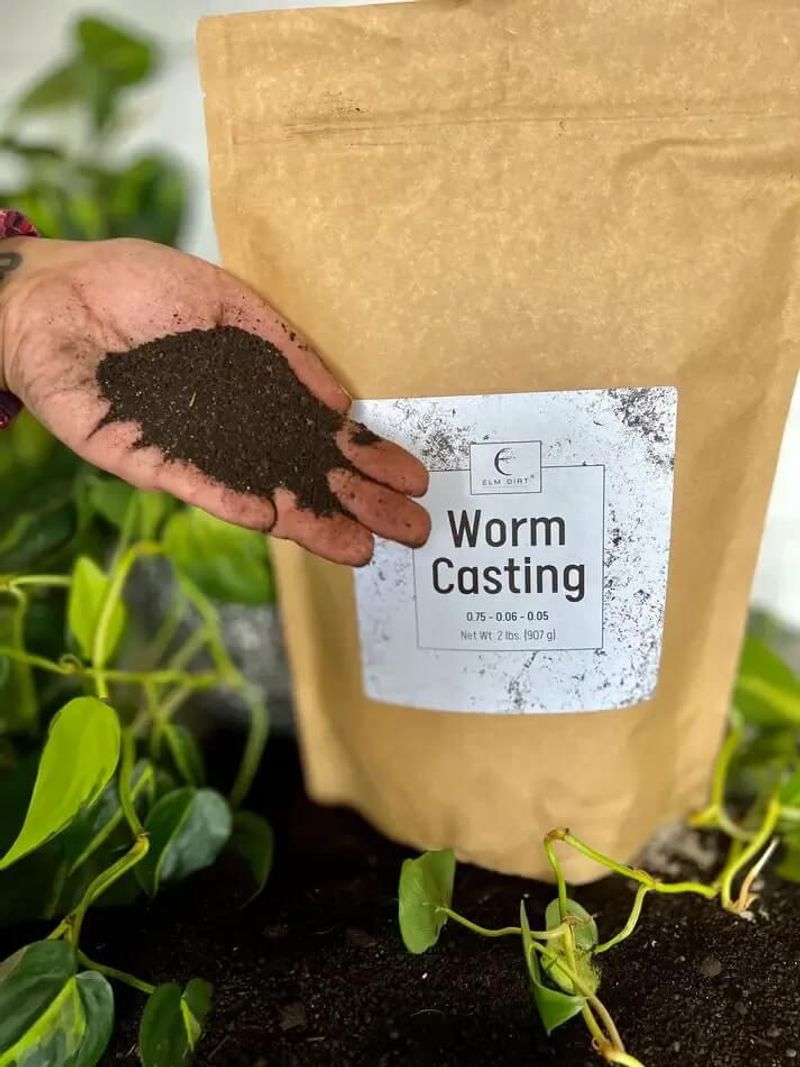
Gardeners who want a gentle boost often reach for worm castings first. They do not look flashy, yet they can help tired tomato plants perk up without the risk of overfeeding.
Worm castings are basically digested organic matter, but their real value is how available the nutrients are to plants. Tomatoes may benefit from the small but steady supply of nitrogen, phosphorus, potassium, and trace minerals, especially when growth has stalled after heavy rain or repeated watering.
Many growers also like them because they support beneficial microbes in the root zone.
In hot Southern gardens, that softer approach matters. Tomatoes under heat stress do not always respond well to strong fertilizers, which can push too much top growth when the plant really needs root support and steady recovery.
Castings are often used as a top dress, mixed into potting soil, or steeped in a simple tea for container plants that have gone pale.
Scatter a thin layer around each plant and water it in. You will not usually see overnight miracles, but many gardeners notice stronger color, steadier flowering, and better overall resilience.
For tomatoes that need encouragement rather than a jolt, worm castings are a smart middle-ground booster.
3. Fish Emulsion
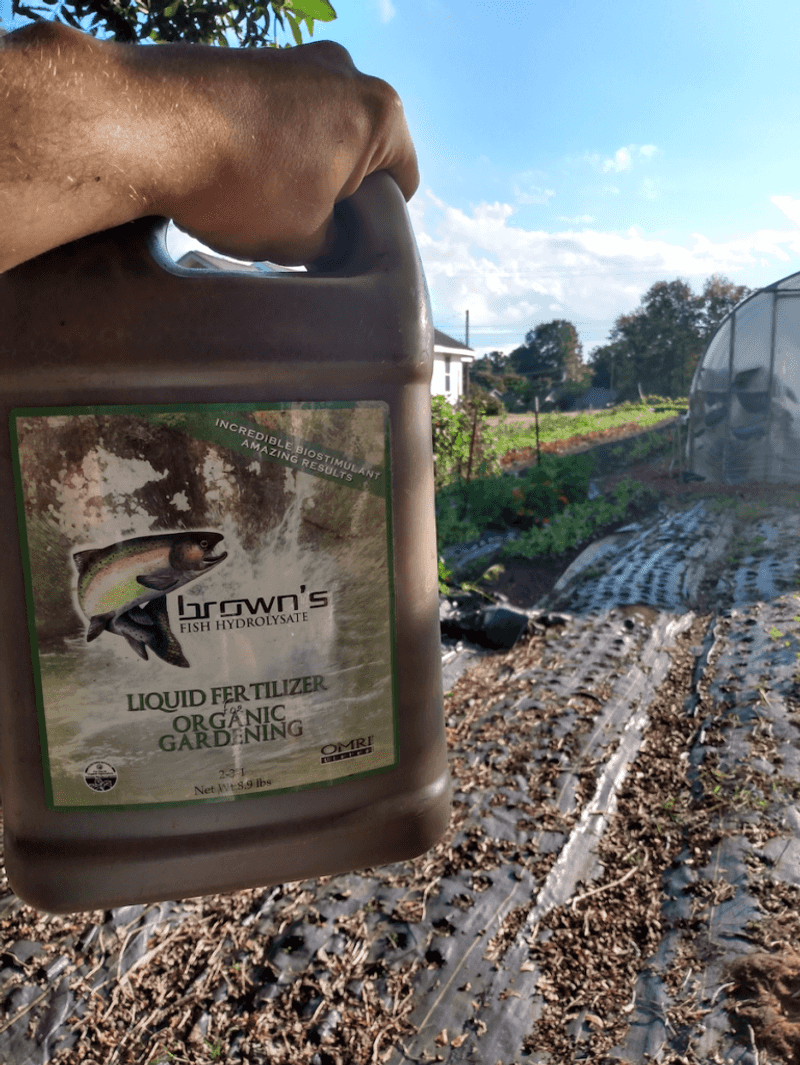
When tomatoes look pale and seem stuck in low gear, fish emulsion is one of the fastest boosters gardeners try. The smell may not win any fans, but the quick response often does.
Because it is a liquid feed, fish emulsion can reach the root zone fast after watering. That makes it useful for tomatoes showing mild nitrogen hunger, such as light green leaves and weak new growth.
In long warm seasons like those in Texas and much of Florida, plants can burn through nutrients quickly, especially in containers or heavily watered raised beds.
What makes fish emulsion different from slower amendments is the speed. It tends to act more like a pick-me-up than a long-term soil builder, so it is helpful when plants need help now, not weeks from now.
Still, more is not better. Too much can push leafy growth at the expense of flowers and fruit, which is the opposite of what most gardeners want once tomatoes are established.
Dilute it according to label directions and apply to moist soil, not bone-dry roots. Early morning is a good time, especially before a hot day.
Used carefully, fish emulsion can help sleepy tomato plants regain color, energy, and momentum.
4. Balanced Tomato Fertilizer
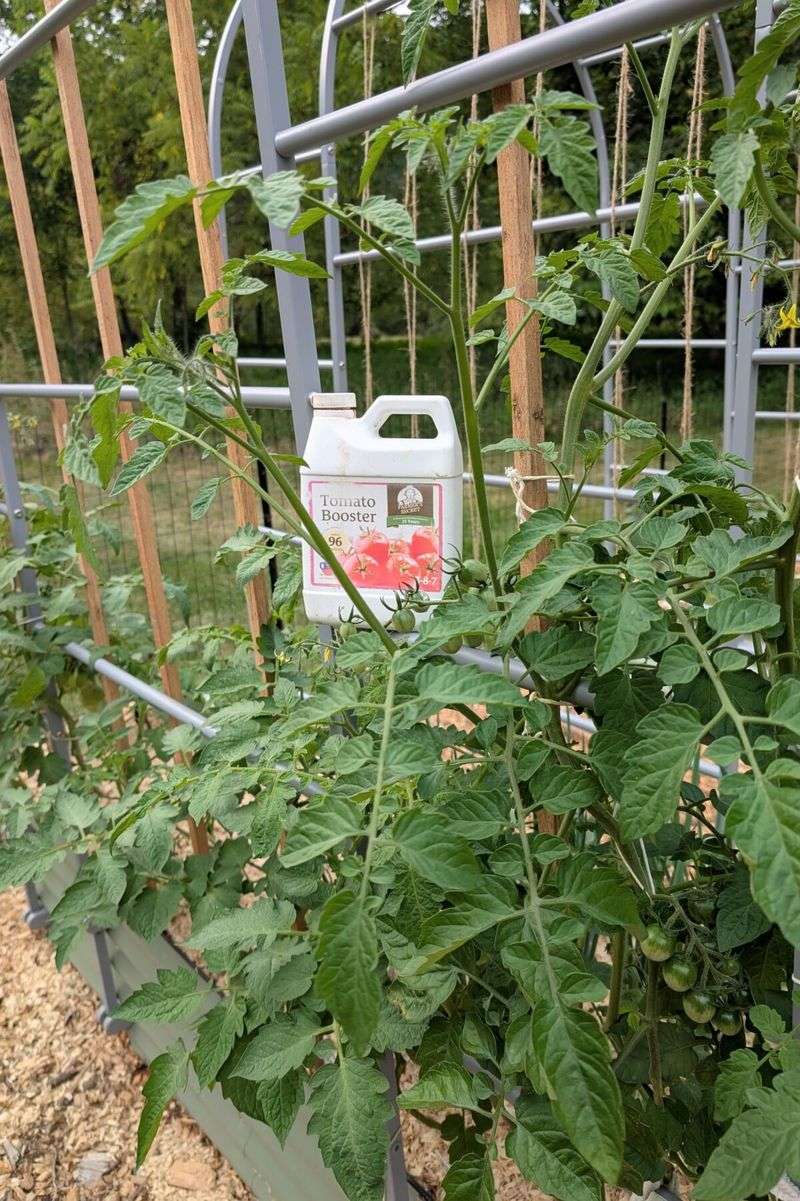
Sometimes the biggest boost comes from using a fertilizer made for the job instead of guessing. A balanced tomato fertilizer can help when plants are growing, blooming, and fruiting all at once and need broad support.
Unlike a high-nitrogen lawn product, a tomato blend is usually formulated to feed without turning every plant into a jungle of leaves. Many contain a steadier ratio of nutrients plus extras like calcium or magnesium, which may help tomatoes handle heavy production better.
That can be especially useful in Southern gardens where repeated watering, rainstorms, and fast growth can wash nutrients away or use them up quickly.
Gardeners like this option because it is practical and predictable. If your tomatoes are not showing one clear deficiency but seem generally tired, a balanced fertilizer often covers the basics without overcomplicating things.
Granular formulas are handy for in-ground beds, while water-soluble types work well for containers and grow bags that need more frequent feeding.
Always read the label and resist the urge to double the dose. Overfeeding can lead to leaf burn, blossom drop, or lush plants with disappointing fruit.
Used on schedule and watered in well, a good tomato fertilizer can restore steady growth and support a stronger harvest over time.
5. Epsom Salt
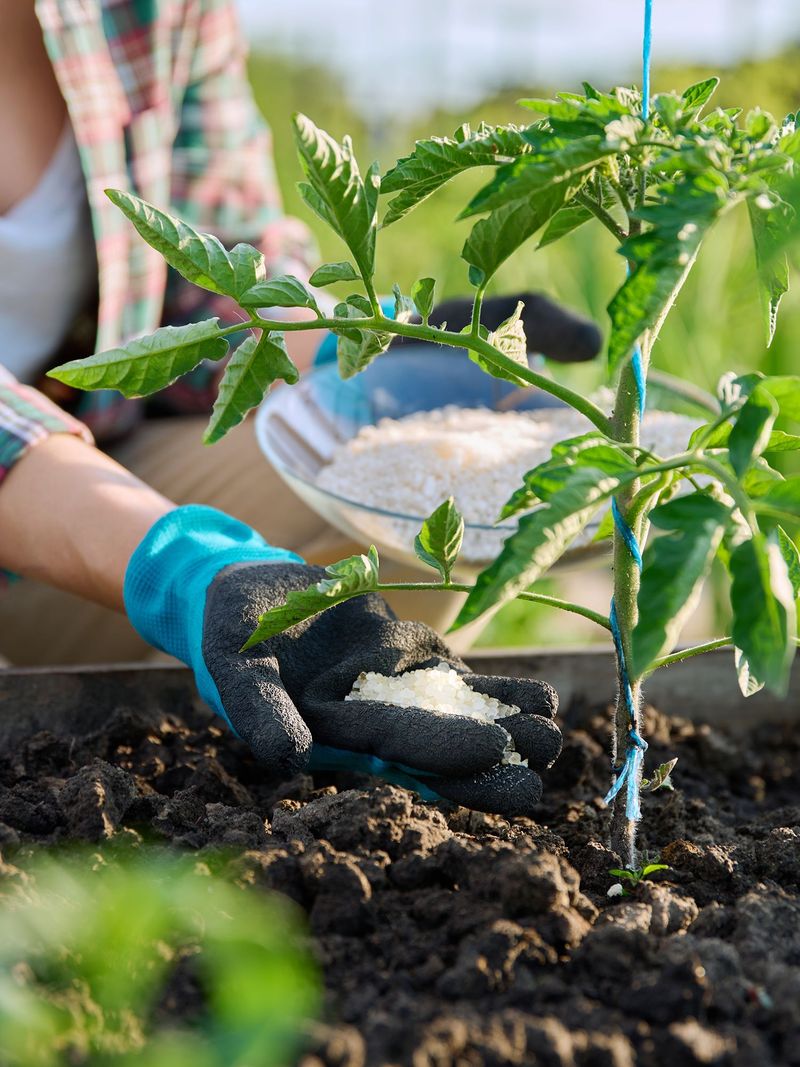
Epsom salt has a loyal fan club, and for one specific problem, it can be useful. The reason gardeners keep it on the list is magnesium, a nutrient tomatoes need for healthy green leaves and energy production.
When older leaves show yellowing between green veins, magnesium shortage may be part of the issue, especially in containers or soils that have been heavily watered. Epsom salt can sometimes help in those cases because it provides magnesium sulfate in a form plants may access fairly quickly.
That said, it is not a cure-all, and it will not fix every yellow tomato leaf.
Southern growers need to be especially careful with internet shortcuts here. Adding Epsom salt without a reason can throw off nutrient balance, particularly if the real issue is overwatering, root stress, or lack of nitrogen.
The smart move is to use it as a targeted booster, not a weekly habit just because tomatoes are struggling.
Dissolve a small amount in water or use it according to package directions if you are treating a suspected deficiency. Watch new growth more than damaged old leaves, since recovery shows up there first.
In the right situation, Epsom salt can help tomatoes green up and get their energy back.
6. Crushed Eggshells
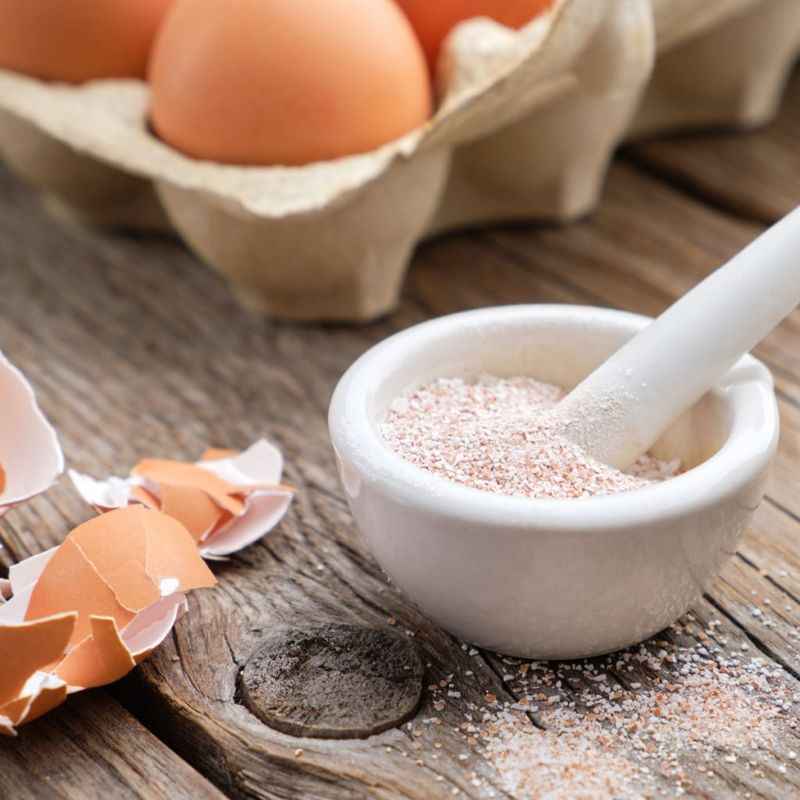
Kitchen scraps rarely get as much garden attention as eggshells. Gardeners save them because tomatoes are famous for calcium-related trouble, especially blossom end rot on developing fruit.
Crushed eggshells are not a fast fix, and that is the first thing to understand. They break down slowly, so they work more as a supporting booster than an emergency treatment.
Still, many home gardeners like adding them to planting holes or top-dressing the soil because they contribute calcium over time and make good use of something that would otherwise be tossed out.
The bigger benefit may come from the habit that goes with them. People who use eggshells tend to think more carefully about steady watering, and that matters because blossom end rot is often tied to uneven moisture, not simply a lack of calcium in the soil.
In hot Texas summers or rainy-then-dry Florida stretches, that consistency can make a real difference.
Rinse shells, let them dry, then crush them finely so they break down faster. Mix them into the soil rather than leaving big sharp pieces on top.
Eggshells alone will not rescue every struggling tomato, but as part of a broader plan, they can support healthier fruit development and stronger plants over the season.
7. Bone Meal
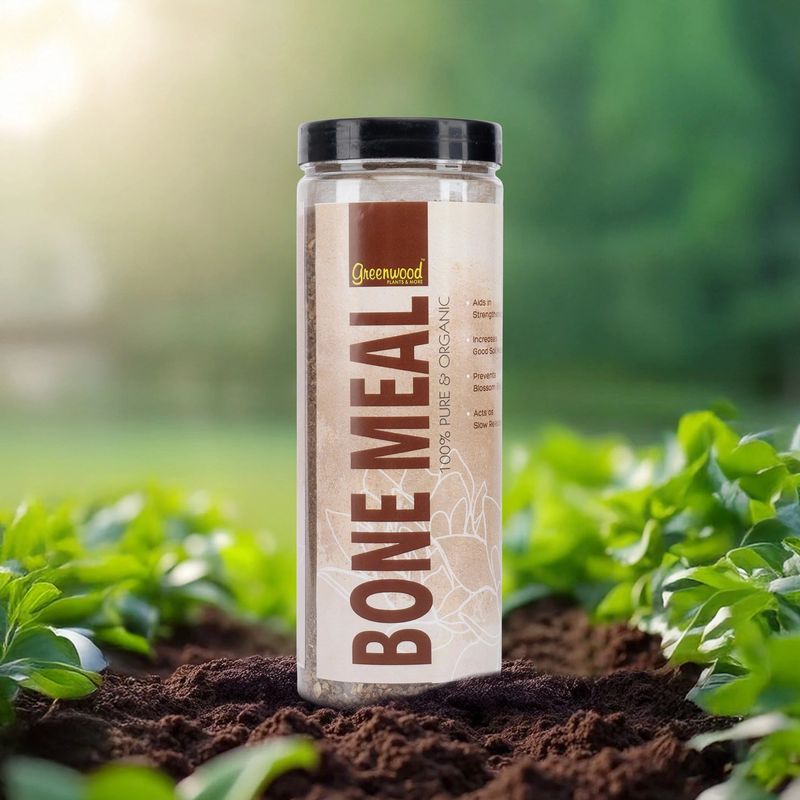
Back at planting time, many experienced gardeners quietly tuck bone meal into the soil and move on. They do it for one main reason: phosphorus, the nutrient closely tied to root growth and flowering.
Tomatoes that seem slow to establish or reluctant to bloom may benefit when phosphorus is available in the root zone, especially early on. Bone meal is different from quick liquid feeds because it works more slowly and is usually aimed at building strength from below rather than greening up the top fast.
That makes it a useful booster for new transplants or for beds that have a history of weak production.
Still, context matters. Phosphorus can be less available in some soils, but adding more does not always help if pH is off or the soil already contains enough.
Gardeners in the South sometimes get the best results by using bone meal as part of a planting routine rather than as a rescue after major decline has already set in.
Mix it into the soil where roots will reach it, and follow package rates closely. Avoid leaving it on the surface, where pets may be tempted to dig.
For tomatoes needing stronger roots and better flower support, bone meal remains a classic booster with a long track record in home gardens.
8. Kelp Meal
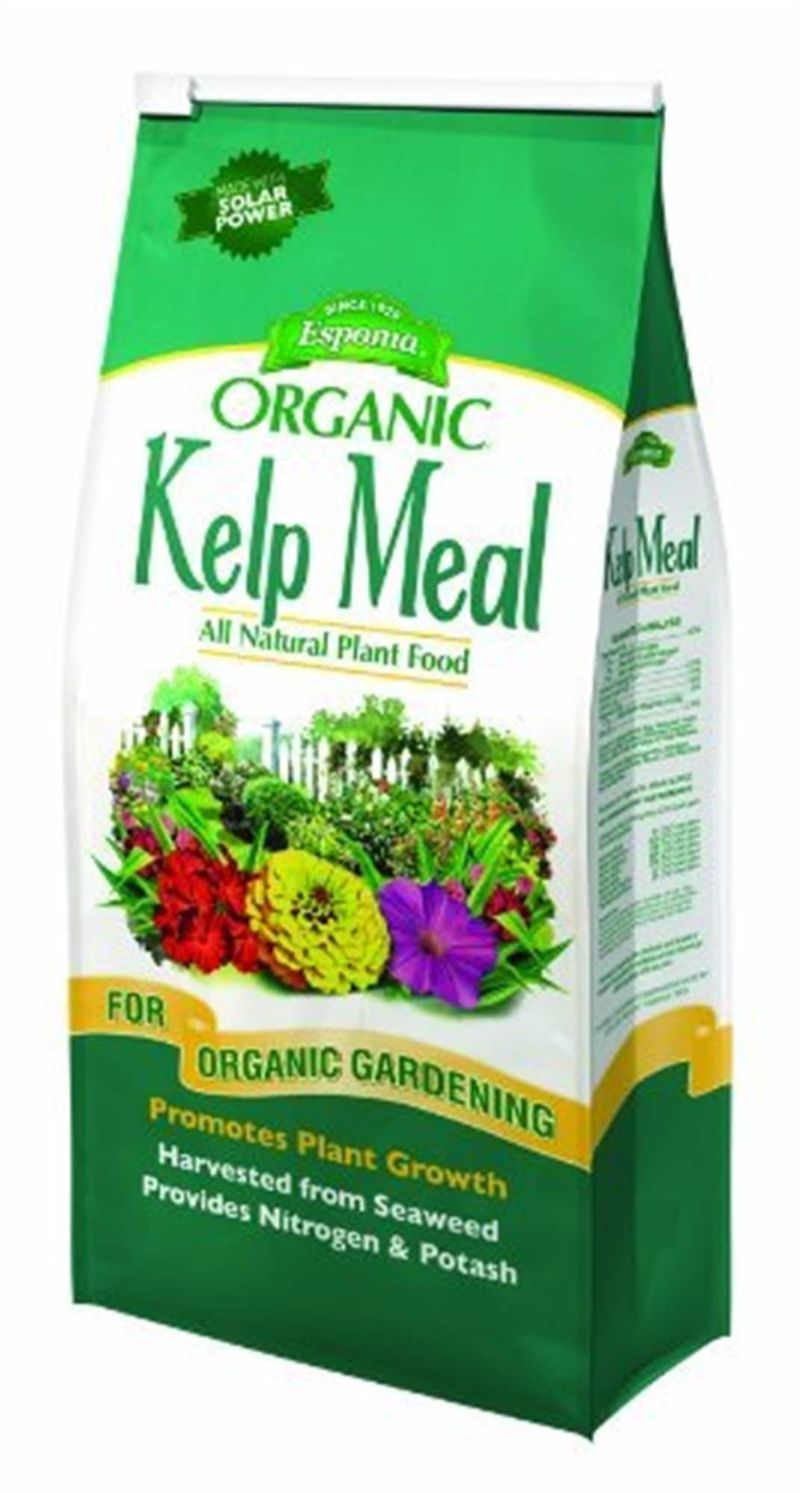
Sea-based garden products have a reputation for giving plants a little extra grit. Kelp meal earns its place because it is not just about basic nutrients, but about broad trace mineral support and plant vigor.
Tomatoes under stress from heat, transplant shock, or uneven watering may respond well to kelp because seaweed products often contain micronutrients and natural compounds that support steady growth. Gardeners in Florida and Texas like it during long warm seasons, when plants can look worn down even if the bed is reasonably fertile.
Kelp meal is usually worked into soil, while liquid seaweed is often used for quicker foliar or root-zone feeding.
What sets kelp apart is the recovery angle. It is often chosen less for brute force feeding and more for helping plants cope with stress and keep moving forward.
That makes it useful after a rough weather swing, pruning, pest pressure, or a spell of blazing sun that left leaves a little limp and tired.
Use it lightly and consistently rather than dumping on a heavy amount. Kelp is best thought of as a support player, not the entire game plan.
When tomatoes need a real push back toward healthy growth, kelp meal can be one of the most versatile and low-drama boosters in the shed.
9. Liquid Seaweed Spray
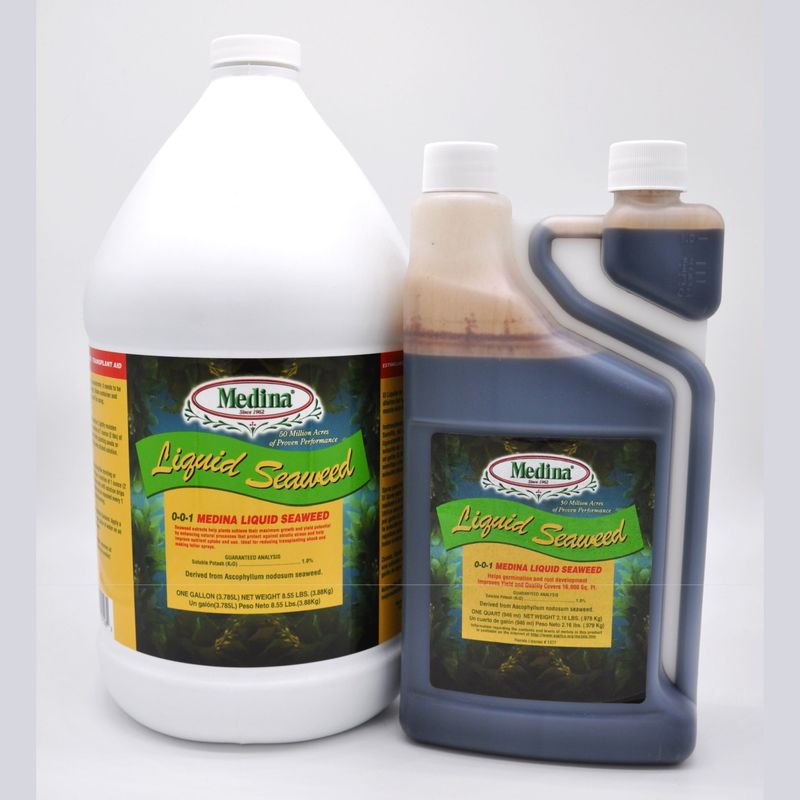
On rough summer mornings, some gardeners head outside with a spray bottle instead of a shovel. Liquid seaweed spray is popular because it offers a quick, lightweight way to support tomatoes that look stressed but not yet seriously damaged.
Applied as a foliar spray or soil drench, liquid seaweed may help plants during stretches of heat, transplant shock, or weather swings. It is usually lower in major nutrients than a standard fertilizer, so it is not the best fix for a truly hungry plant.
Where it shines is in helping tomatoes recover their rhythm when leaves are tired, blossoms are sparse, or new growth seems sluggish after stress.
Southern growers often like it because it is easy to use without overfeeding. In long hot seasons, especially where containers dry fast, a milder booster can be more useful than a heavy dose of fertilizer.
Many gardeners also pair seaweed sprays with regular feeding programs rather than using them alone.
Spray early in the day so leaves can dry and avoid applying during the hottest afternoon hours. Follow label directions carefully and test a small area if your plants are already stressed.
For tomatoes that need encouragement without a hard shove, liquid seaweed spray is a simple tool worth keeping nearby.
10. Calcium Spray
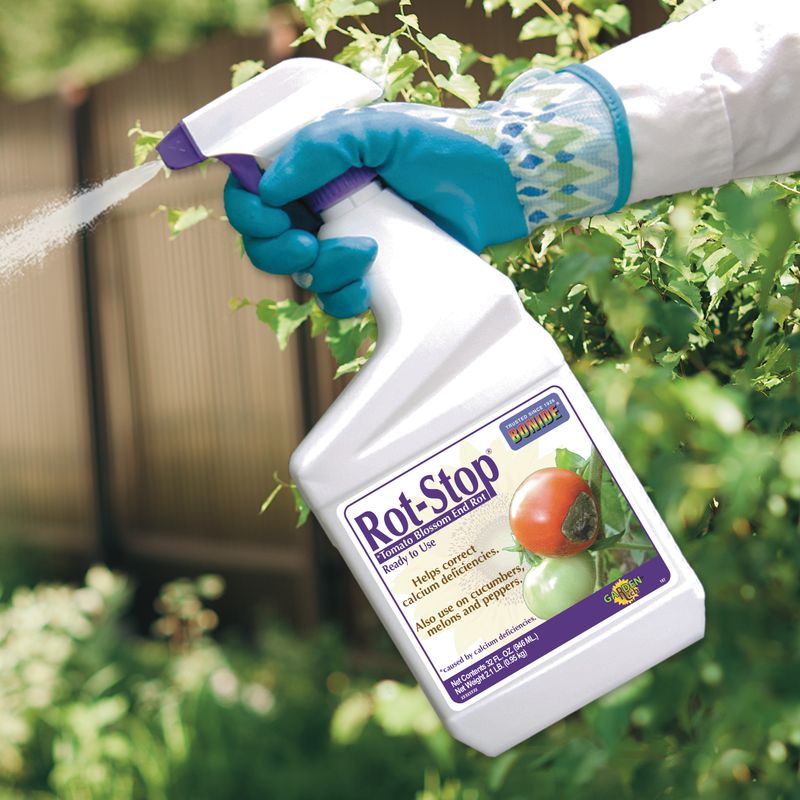
Nothing gets a tomato grower moving faster than seeing dark, sunken spots on the bottom of young fruit. Calcium spray is often the first rescue product people reach for when blossom end rot starts showing up.
The appeal is obvious: it feels direct, targeted, and fast. Calcium sprays are marketed to help support fruit development, and some gardeners report better results when they apply them early, especially on plants in containers or beds with a history of calcium-related problems.
In places with erratic rain, intense heat, or heavy irrigation, tomatoes may struggle to move calcium through the plant consistently, even if some is already present in the soil.
Here is the catch. Blossom end rot is often tied as much to uneven watering and root stress as to a simple lack of calcium.
So while a spray may help in some situations, it works best when paired with deep, regular watering and mulch that keeps soil moisture more stable. Otherwise, the same fruit problem may keep coming back.
Use according to label directions and aim for steady plant care, not just a one-time rescue. Calcium spray can be a helpful booster when fruit quality is slipping, but it usually performs best as part of a broader fix rather than a magic answer by itself.
11. Mulch
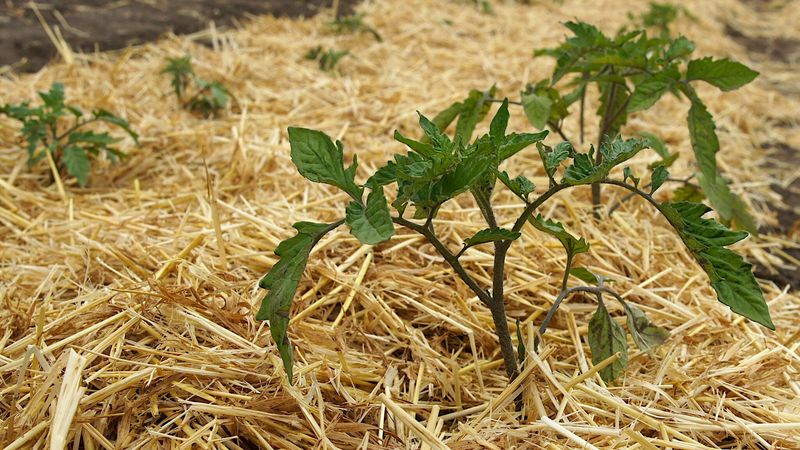
Not every tomato booster comes in a bag or bottle. Mulch earns its place because many struggling tomato plants are really suffering from root-zone stress, not a true lack of fertilizer.
When the Southern sun bakes the soil, moisture swings can turn a healthy plant into a wilt-prone, blossom-dropping mess in just a few days. Mulch helps slow evaporation, keeps roots cooler, and reduces the sharp wet-dry cycle that often leads to fruit problems and nutrient uptake trouble.
Straw, shredded leaves, pine straw, and clean grass clippings are all common choices, depending on what you have available.
Gardeners like mulch because it solves several hidden problems at once. It may reduce splash-up that spreads soil-borne disease, tamp down weeds that compete for water, and create a more stable environment where roots can keep functioning during long hot spells.
In Florida sand and Texas heat alike, that consistency often matters as much as feeding.
Wait until the soil has warmed and plants are established, then spread 2 to 3 inches around each tomato, leaving space around the stem. If your plants look tired despite regular watering, mulch may be the simple booster that finally helps everything else start working better.
12. Deep Watering
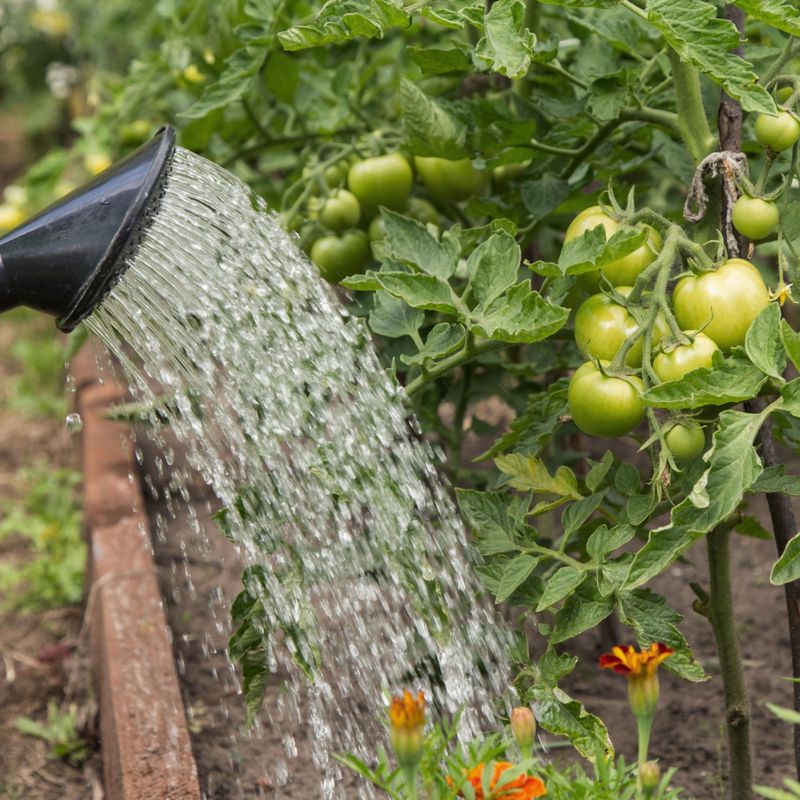
Odd as it sounds, the most powerful tomato booster may be water used the right way. Deep watering can revive stalled plants because shallow, frequent sprinkles often leave roots weak and stressed.
Tomatoes grow best when moisture reaches down where roots can follow it. In Southern gardens, especially during long hot stretches, surface watering may cool the top inch and do very little else.
Plants then cycle between stress and recovery, which can lead to curling leaves, blossom drop, cracked fruit, and poor nutrient uptake even in decent soil.
The reason deep watering belongs on this list is simple: every fertilizer in the world works worse when roots are struggling. Moisture helps move nutrients through the plant, supports fruit development, and keeps growth more even.
In sandy Florida beds, gardeners may need to water deeply more often, while heavier Texas soils may need slower soaking with longer gaps between sessions.
Aim for fewer but more thorough waterings, and do it early in the day when possible. Soaker hoses or drip lines make this easier and help keep foliage dry.
If tomatoes seem hungry, droopy, and unproductive all at once, improving watering depth may do more than any store-bought booster you can buy.
13. Shade Cloth
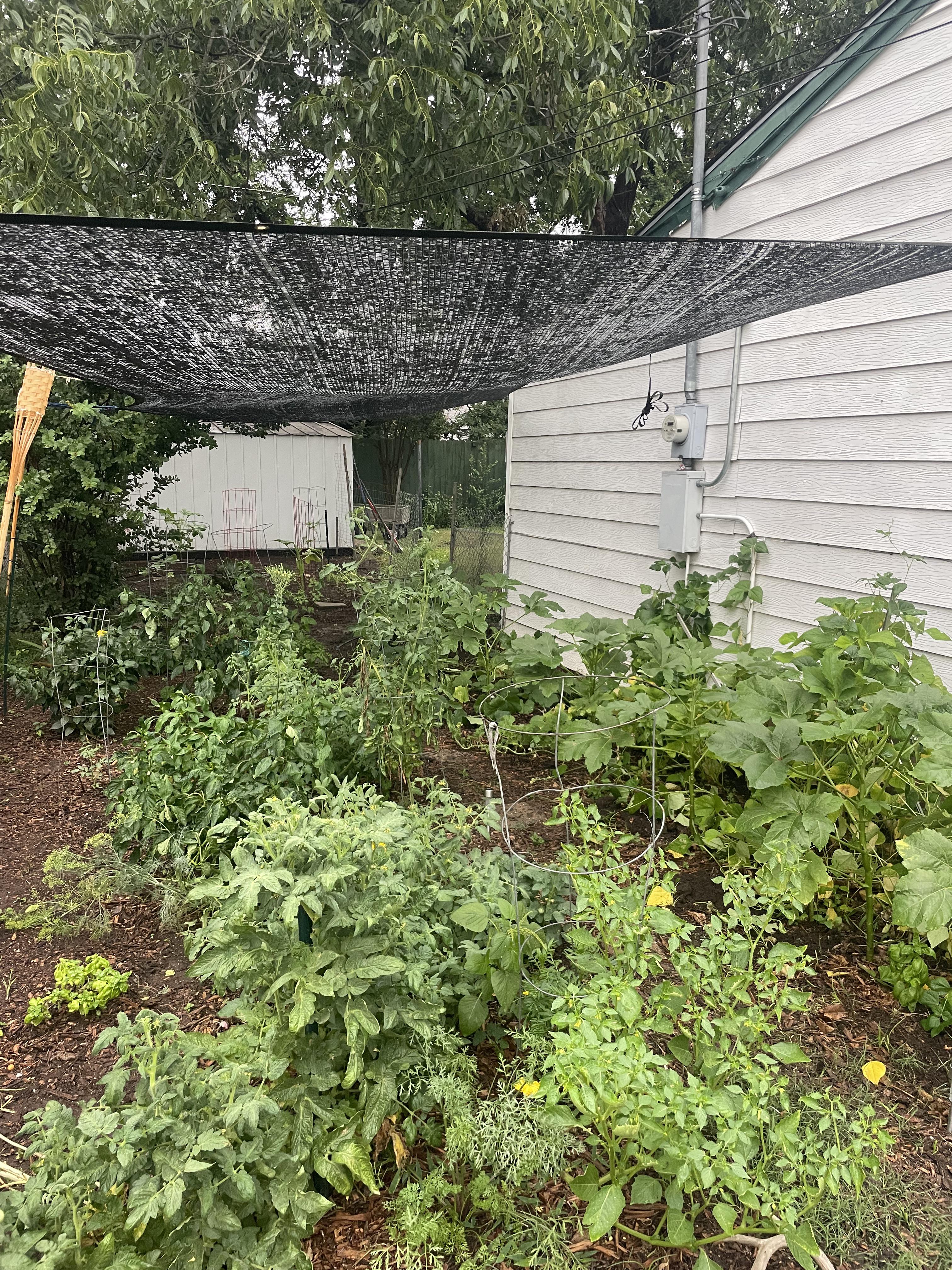
By midsummer, Southern tomato plants can look like they are simply trying to survive. Shade cloth becomes a real booster at that point because it protects production instead of just feeding growth.
Tomatoes need sun, but relentless afternoon heat can shut them down. Pollen may become less viable, blossoms can drop, and leaves may curl to reduce stress.
In very hot parts of Texas and Florida, a light shade cloth during the harshest hours often helps plants keep flowering longer and stay functional when temperatures push well past their comfort zone.
What makes shade cloth different from other boosters is that it removes pressure rather than adding nutrients. A struggling plant may not need more food at all.
It may just need a break from intense sun so roots can keep up and fruit can continue developing without the plant hitting pause. Gardeners often use 30 percent shade, enough to soften the worst heat while still allowing good light.
Set cloth high enough for airflow and use it mainly for afternoon protection, not all-day darkness. Pair it with mulch and steady watering for the best results.
When tomato plants stall in extreme heat, shade cloth can be the rescue move that gets them producing again instead of fading out early.
14. Aspirin Water
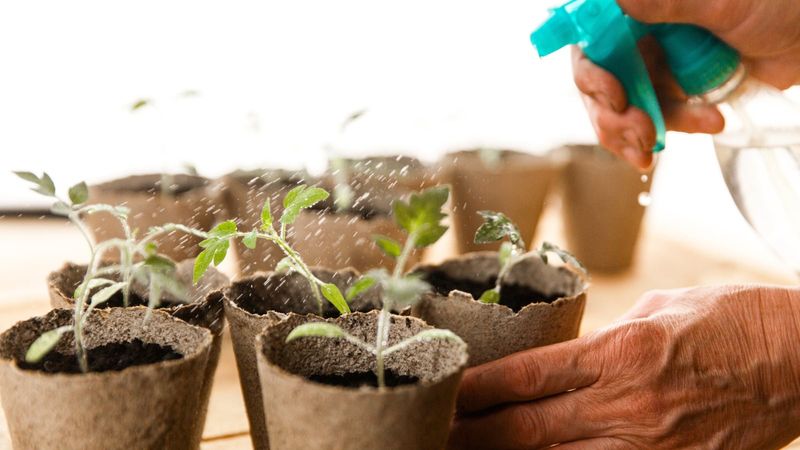
Some old garden tricks stick around because enough people swear they see a difference. Aspirin water is one of those boosters, used by gardeners hoping to support plant defenses and stress tolerance.
The idea is tied to salicylic acid, a compound related to natural plant signaling. Some growers believe a diluted aspirin solution may help tomatoes respond better to stress, disease pressure, or transplant shock.
Research and home results are mixed, so it is best treated as a possible support tool rather than a guaranteed cure. Still, it remains popular because it is inexpensive and easy to try carefully.
Where gardeners say it helps most is after a rough patch, such as sudden heat, storm damage, or sluggish recovery after transplanting. It is not a substitute for proper feeding, watering, or disease management, and too much may do more harm than good.
The appeal is really about resilience, not heavy growth or bigger fruit overnight.
If you experiment with aspirin water, use a mild dilution and apply it sparingly, either as a foliar spray or soil drench. Keep notes so you can judge results honestly in your own conditions.
For curious tomato growers, aspirin water is a small, low-cost booster with a long-running backyard reputation.
15. Banana Peel Tea
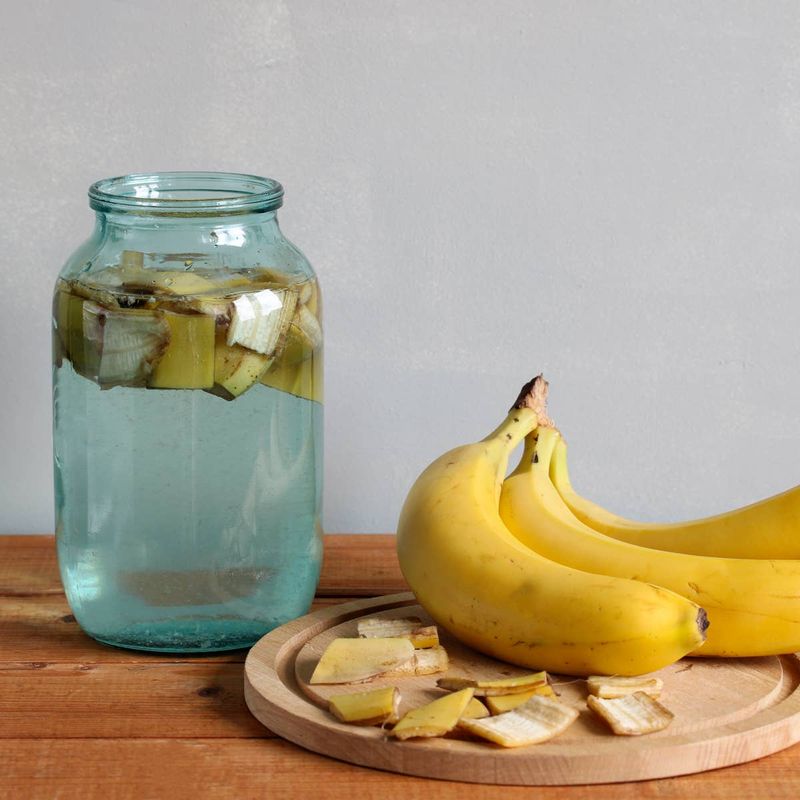
Homemade garden boosters have a certain charm, and banana peel tea is a favorite among DIY tomato growers. People reach for it mainly because banana peels are linked with potassium, a nutrient tied to flowering and fruiting.
The process is simple: soak banana peels in water, then use the strained liquid around tomato plants. The catch is that homemade teas vary a lot, so they are not as predictable as a labeled fertilizer.
Still, gardeners like them as a gentle supplement, especially when plants are setting blossoms and tiny fruit and could use a little extra support without a heavy feeding.
Banana peel tea stands apart because it turns kitchen waste into a light booster and nudges gardeners toward regular observation. Once you are out there checking blossoms and watering carefully, you are more likely to catch early stress signs before they become major problems.
That alone can improve results in long Southern growing seasons.
Use it as an occasional add-on, not your whole fertility plan. Tomatoes are heavy feeders, and they still need balanced nutrition, good soil, and steady water.
If you enjoy simple homemade remedies and want a mild fruiting-focused boost, banana peel tea can be a fun and useful part of the routine.
16. Coffee Grounds
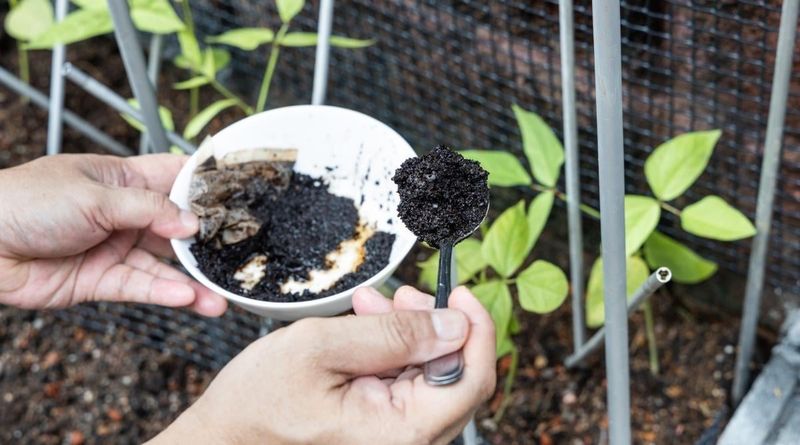
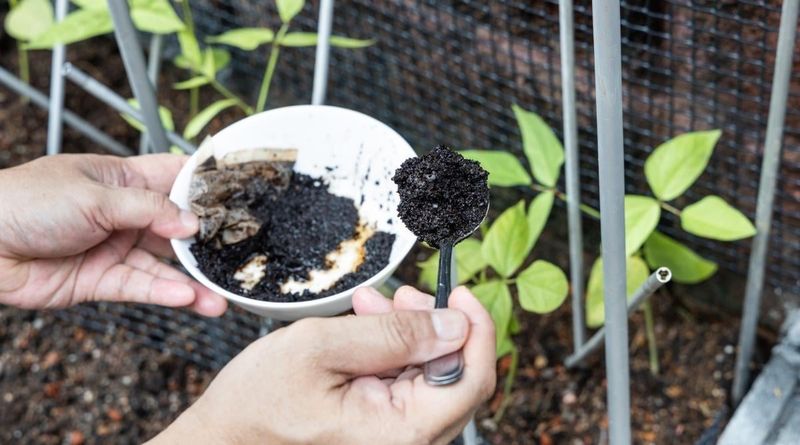
Morning coffee sometimes ends up helping tomatoes too, but only when used with a little restraint. Coffee grounds make the list because gardeners use them as a mild soil booster, not because they are a miracle fix.
Used grounds add organic matter and small amounts of nutrients, and they can be especially helpful when mixed into compost first. Some growers also like that grounds may improve soil texture over time, which matters in both fast-draining sandy beds and heavier soils that crust in heat.
Fresh grounds are more likely to cause problems, so the safer route is usually working used grounds into a larger compost system or applying them thinly.
What makes coffee grounds different from other boosters is that they are mostly about long-term support. They are not going to rescue a severely yellow plant by next weekend.
Their value is more subtle: feeding soil life, improving structure, and making household waste part of the garden cycle. That practical, low-cost appeal keeps them popular.
Apply sparingly and avoid piling thick layers directly against stems. If you already compost at home, grounds fit best there first.
For gardeners who want a simple recycling habit that may slowly benefit tomatoes, coffee grounds are worth using, just not overusing.
17. Companion Basil
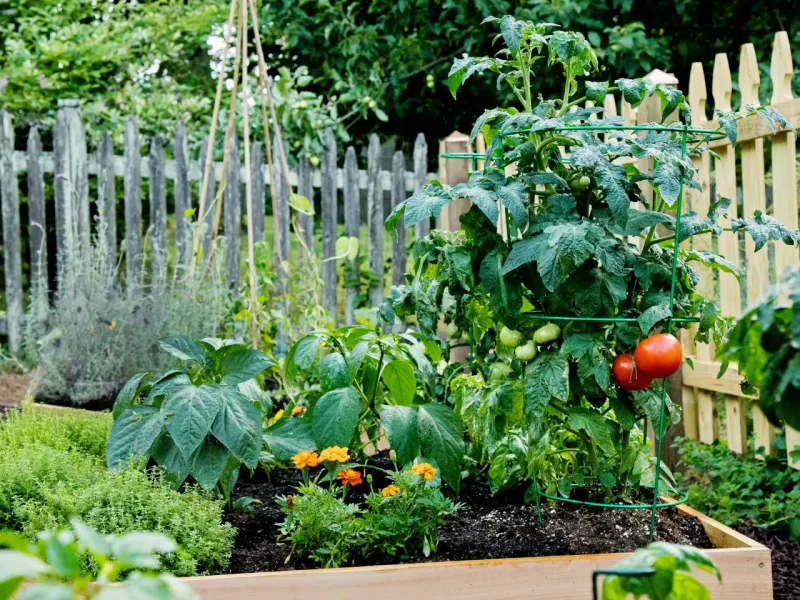
Sometimes a tomato booster is another plant, not a product. Basil earns its place beside tomatoes because gardeners value the pairing for space use, root-zone shading, and possible pest-management benefits.
Basil will not feed a hungry tomato the way compost or fertilizer can, but it may still help plants perform better. Its leafy growth can lightly cover nearby soil, reducing moisture loss around the base of tomatoes during hot weather.
Many gardeners also feel the pairing creates a healthier, more active bed with more pollinator traffic once basil starts flowering, though you may pinch flowers back if you want more leaf harvest first.
The charm of basil is that it pulls double duty. You get an herb for the kitchen while creating a more layered planting that makes the vegetable bed work harder.
In Southern gardens where heat and bare soil can stress tomatoes fast, even modest root-zone cooling and better bed coverage can support steadier growth.
Give both plants enough space for airflow, especially in humid areas where crowded foliage can invite disease. Basil is not a standalone rescue if tomatoes are seriously declining, but as a living helper that contributes comfort and usefulness, it is one of the simplest boosters a home gardener can add.