
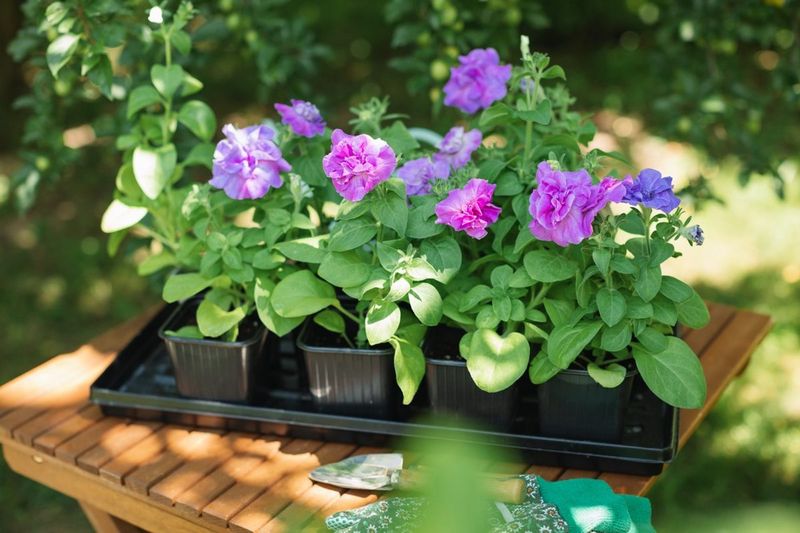
Petunias look gorgeous on the plant tag, but keeping them happy through a hot US summer can feel like a losing battle. If yours keep going leggy, refusing to bloom, or melting in the July heat, you are not doing anything wrong, some plants simply fight you no matter what. The good news is there are plenty of flowers that give you the same waves of color with a fraction of the fuss. Here are 30 reliable swaps that thrive where petunias sulk, so your pots and beds stay full and bright all season.
1. Calibrachoa (Million Bells)
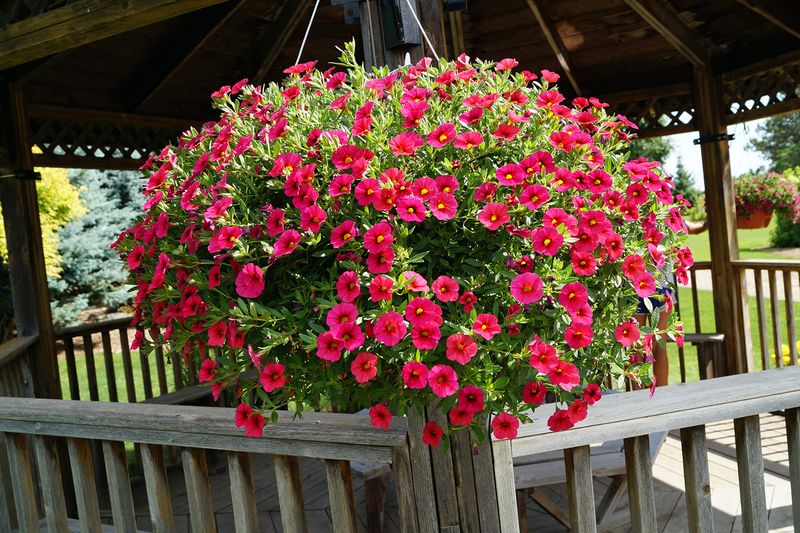
Think of calibrachoa as the petunia’s easygoing cousin who never throws a tantrum. It produces hundreds of tiny trumpet-shaped blooms that spill over container edges without the constant deadheading petunias demand.
Where petunias often stop blooming when the heat cranks up, million bells keep pushing color right through summer as long as you feed them regularly. They also shrug off light rain that would leave petunias looking soggy and battered.
Give them full sun and a container with good drainage, since they hate sitting in wet feet. A weekly dose of liquid fertilizer often keeps the flower show going nonstop, because these are hungry little plants.
Fun fact: calibrachoa are so closely related to petunias that they were once lumped into the same group, but their self-cleaning habit is what really sets them apart. You never have to pinch off spent flowers, which alone can save you hours over a season.
For gardeners tired of babying petunias into blooming, this swap can feel like a genuine relief and a fresh start.
2. Geranium (Pelargonium)
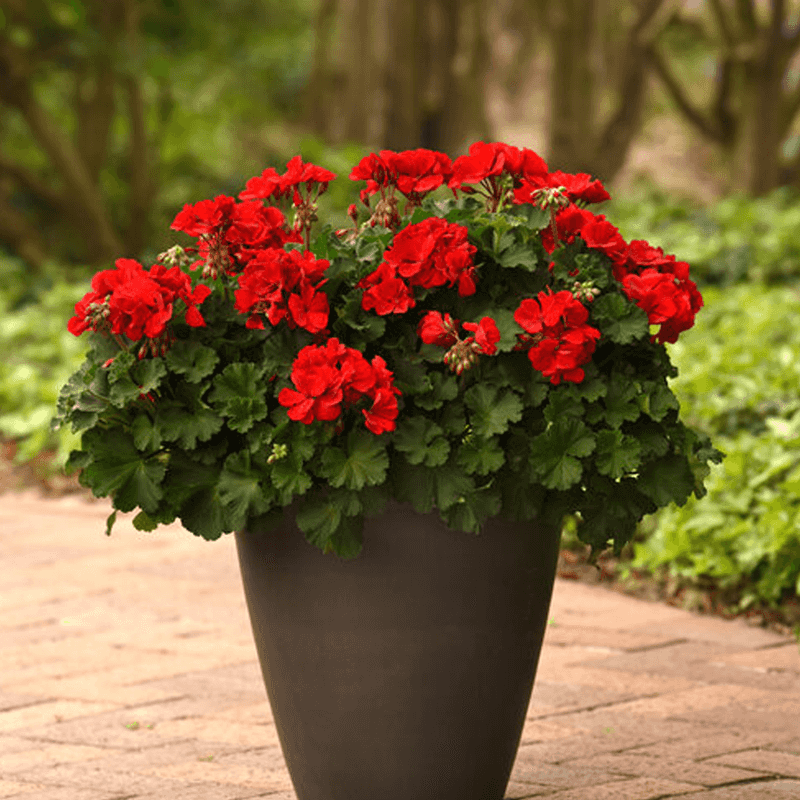
Grandma grew geraniums for a reason, and that reason is stubborn reliability. When petunias flop in the heat, geraniums stand tall with bold clusters of red, pink, or white blooms that keep their shape even during a scorching afternoon.
They are famously drought-tolerant once established, so a missed watering will not send them into a dramatic collapse the way petunias sometimes do. Their thick, slightly fuzzy leaves hold moisture and help them coast through dry spells.
Plant them in full sun for the most flowers, though they can handle a little afternoon shade in the hottest southern zones. Pinching off spent flower heads often encourages a fuller, bushier plant instead of a leggy one.
Geraniums also do double duty as some gardeners believe their scent may help deter certain insects around a patio, though results vary. Either way, they reward neglect better than almost any flower on this list.
If you want a classic look that survives real backyard conditions, geraniums deliver season after season with very little drama.
3. Marigold
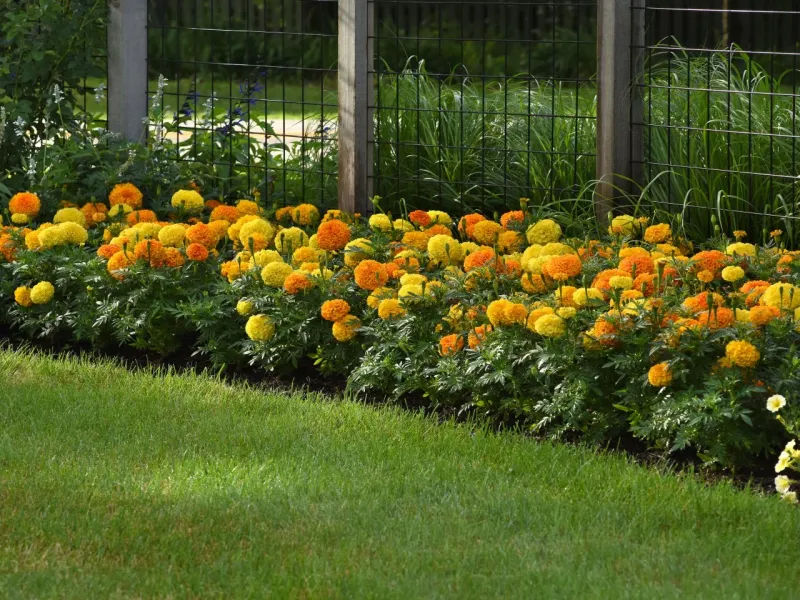
Few flowers are as forgiving to a frustrated gardener as the humble marigold. Toss the seeds in the ground, water occasionally, and you will be rewarded with cheerful orange and gold pom-poms that bloom until frost.
Unlike petunias, which sulk when conditions are not just right, marigolds actually seem to enjoy heat and poor soil. They ask for almost nothing and still put on a big show.
Gardeners have long planted them around vegetable beds because their strong scent may help discourage certain pests, though they are not a guaranteed shield. Even so, they earn their spot with sheer toughness and color.
They come in tidy French varieties for edging and towering African types for the back of a border, so there is a size for every spot. Deadheading keeps them blooming, but even ignored plants soldier on.
Did you know marigolds are traditional in many fall celebrations because they bloom so dependably late into the season? For anyone burned by finicky petunias, this flower is a confidence booster that rarely lets you down.
4. Zinnia
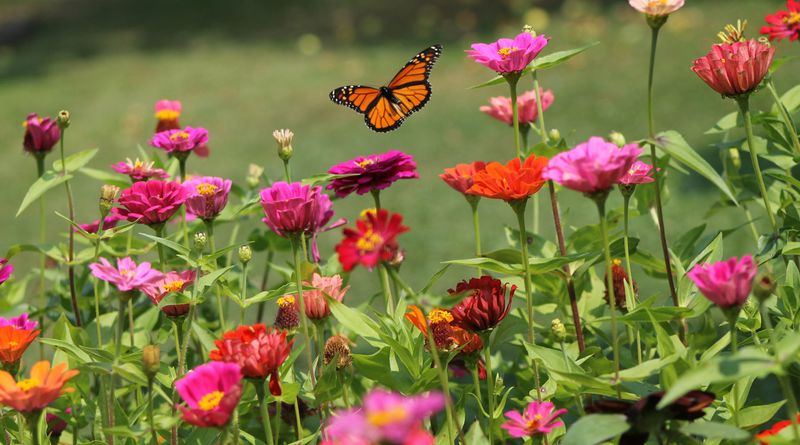
If you want a flower that laughs at July heat, zinnias belong at the top of your list. They bloom in nearly every color except true blue and keep producing more the more you cut them for bouquets.
Petunias often stall out during a heat wave, but zinnias only get happier as the temperature climbs. Direct-sown seeds sprout fast and reach blooming size in just a couple of months.
Butterflies adore them, so a patch of zinnias turns a dull corner into a fluttering, living display. That built-in wildlife show is something petunias rarely deliver.
Give them full sun and space for air to move between plants, since crowding can invite powdery mildew on the leaves. Choosing mildew-resistant varieties can reduce that risk considerably.
They range from short, mounding types perfect for pots to tall cutting varieties that reach your waist. Snip a few stems for the kitchen table and the plant simply makes more.
For color that keeps coming without pampering, zinnias reward beginners and busy gardeners alike with almost no learning curve.
5. Impatiens
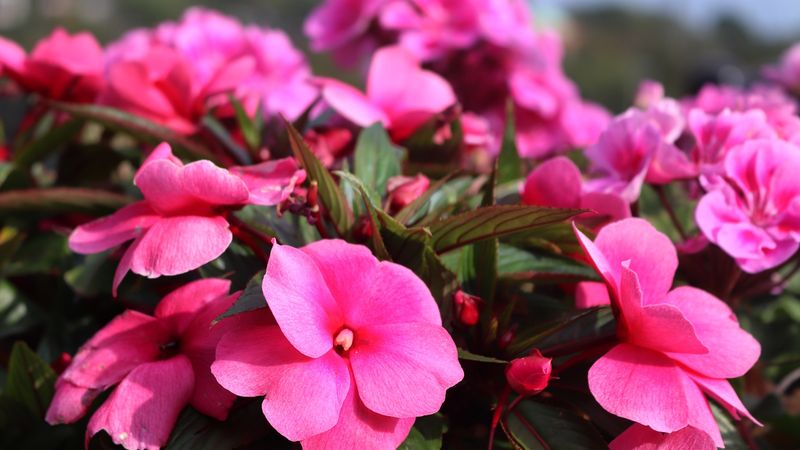
Struggling with a shady spot where petunias refuse to bloom? Impatiens are the answer, because they light up dim corners with soft mounds of color where sun-loving flowers give up.
Most petunias demand full sun to flower well, but impatiens thrive in the dappled light beneath trees and along the north side of a house. That makes them a lifesaver for the shady beds nearly every yard has.
They bloom in dreamy shades of pink, coral, white, and purple, forming neat cushions that need almost no deadheading. Water them consistently and they stay lush for months.
Their one weakness is drought, so a self-watering container or a mulched bed helps keep them from wilting on hot days. A quick drink usually perks them right back up.
New Guinea types tolerate more sun and offer larger blooms with striking foliage, giving you options for brighter spots too. For anyone convinced they simply cannot grow flowers in the shade, impatiens gently prove otherwise and restore a little gardening confidence.
6. Begonia
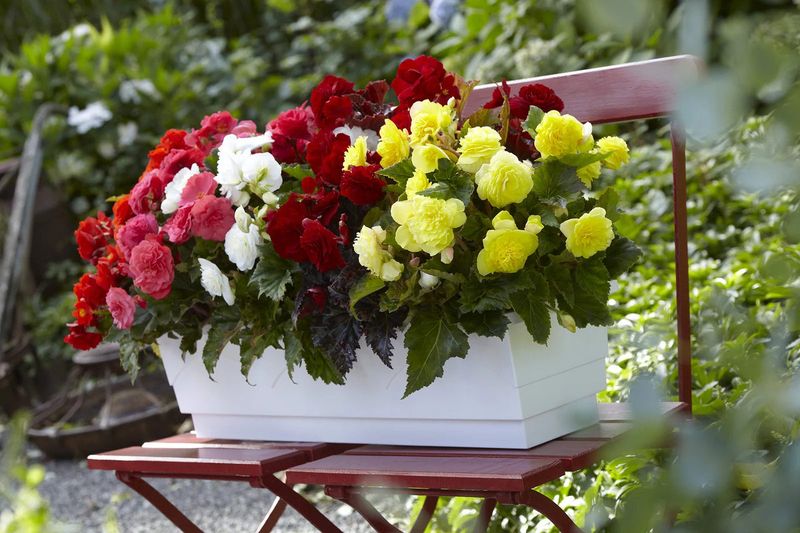
Begonias bring a quiet elegance that works whether your spot is sunny or shady, which is exactly why they outshine fussy petunias. Their waxy leaves and rose-like blooms hold up beautifully even when the weather turns unpredictable.
Wax begonias handle heat and light shade with equal grace, while tuberous types offer show-stopping double flowers for cooler, protected areas. That flexibility gives you a plant for almost any nook.
Unlike petunias, begonias resist rain damage remarkably well, so a summer storm will not turn them to mush overnight. Their glossy foliage practically sheds water.
They also need very little deadheading, dropping spent blooms on their own so you can enjoy them without constant grooming. A slow-release fertilizer at planting often keeps them satisfied for weeks.
Did you know some begonias are grown purely for their dramatic patterned leaves, with flowers as a bonus? For gardeners who want color plus interesting foliage in a single plant, begonias offer a low-drama option that keeps performing when petunias throw in the towel.
7. Verbena
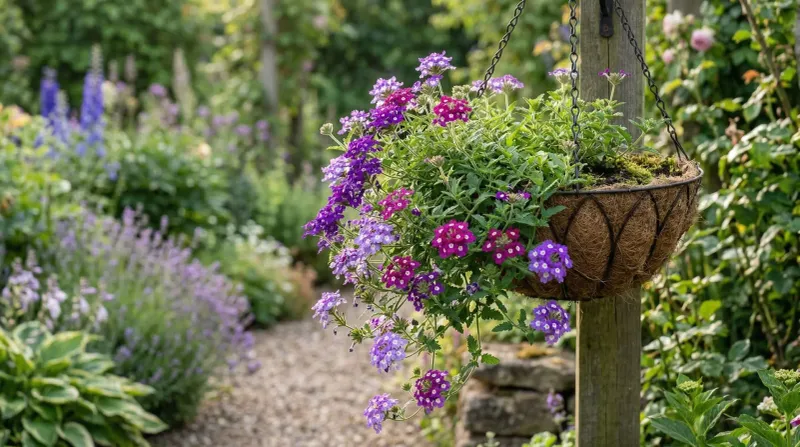
Trailing verbena gives you that same waterfall-of-color effect petunias promise, minus the constant babysitting. Clusters of tiny flowers in purple, pink, and red spill over pot edges and creep across garden beds with cheerful ease.
Heat and drought barely faze established verbena, which keeps blooming when petunias have long since fizzled out. That endurance makes it a favorite for hot, sunny balconies and window boxes.
Pollinators cannot resist it, so expect butterflies and bees to make regular visits to your display. The steady buzz of activity adds life your petunias never quite managed.
Good air circulation and full sun help prevent powdery mildew, which is really the only issue verbena tends to face. Trimming it back midseason often triggers a fresh flush of blooms.
It works as a spiller in mixed containers or as a spreading groundcover that fills bare spots quickly. Either way, you get generous color from a plant that asks for little more than sunshine and occasional feeding.
For low-maintenance drama, verbena earns its place easily.
8. Petchoa
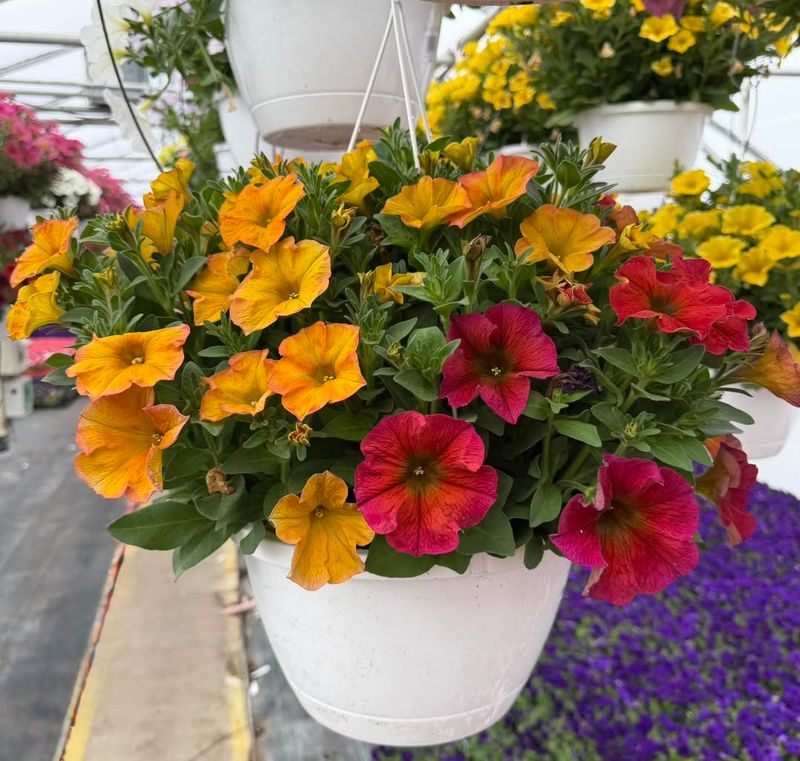
Here is a clever newcomer that solves the petunia problem by being part petunia itself. Petchoa is a cross between petunia and calibrachoa, blending the big blooms of one with the toughness of the other.
The result is a plant that handles heat and humidity far better than a standard petunia while still offering those large, showy trumpet flowers. It also resists the rain damage that so often leaves petunias looking bedraggled.
Best of all, petchoa is largely self-cleaning, so you skip the endless deadheading that turns petunia care into a chore. That alone wins over gardeners who feel defeated by grooming.
Give it full sun, steady water, and regular feeding, and it will trail beautifully from baskets in rich shades of yellow, bronze, pink, and purple. Its vigor keeps containers looking full deep into the season.
Think of petchoa as the upgraded petunia experience, engineered specifically to fix the flaws that drive gardeners crazy. If you love the petunia look but hate the maintenance, this hybrid may finally give you both.
9. Lantana
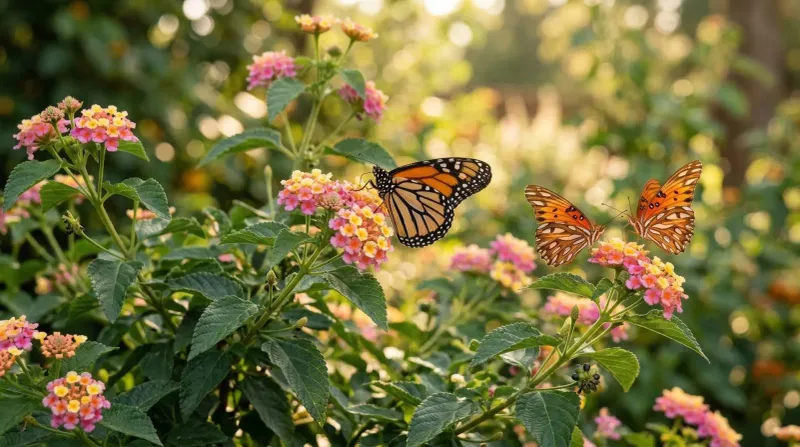
Lantana practically dares the sun to do its worst, thriving in blazing heat that would leave petunias crispy. Its clustered blooms shift through shades of yellow, orange, pink, and red, often on the same flower head.
Once established, it is remarkably drought-tolerant, making it ideal for that hot spot by the driveway or a container that dries out fast. Skipping a watering will not spell disaster here.
Butterflies and hummingbirds flock to it, turning a single plant into a busy pollinator station all summer long. That constant visitation gives your garden a lively feel.
Its aromatic foliage is one reason deer and rabbits often pass it by, though hungry animals may still nibble in a pinch. For pressured suburban yards, that mild deterrent effect is a welcome bonus.
In warmer southern zones it can act as a perennial, while northern gardeners grow it as a colorful annual. Trimming leggy growth keeps it tidy and encourages fresh flowers.
For sheer heat resilience paired with nonstop color, lantana is hard to beat and even harder to kill.
10. Angelonia (Summer Snapdragon)
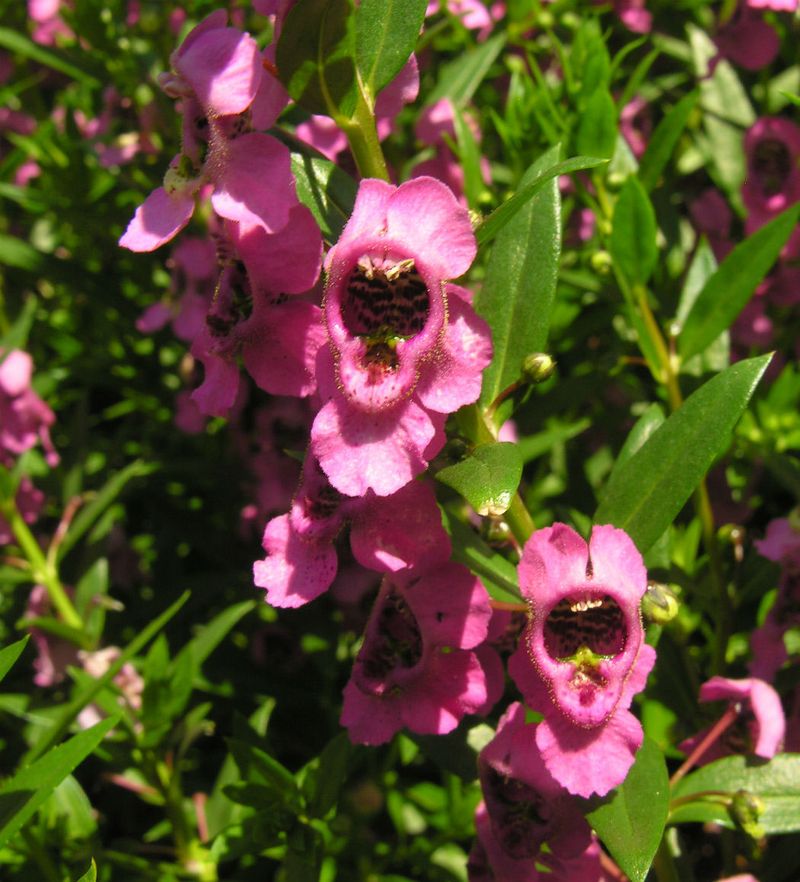
Nicknamed summer snapdragon, angelonia brings upright spikes of orchid-like blooms that stand firm through the muggiest July days. While petunias wilt and stall in humidity, this beauty seems to relish it.
Its flowers climb tall stems in purple, pink, and white, adding vertical interest that low mounding petunias simply cannot provide. That height makes it a great filler in containers or a soft accent in beds.
Angelonia is genuinely low-fuss, needing no deadheading to keep flowering steadily from spring to frost. You can plant it and largely forget it, which is exactly what a discouraged gardener wants to hear.
Full sun and decent drainage are all it really asks, and it tolerates dry spells better than most bedding plants. A midseason trim keeps it bushy if it starts to stretch.
Pollinators appreciate the blooms, and the plant holds up to wind and rain without flopping. For anyone tired of watching petunias sulk in summer heat, angelonia offers graceful, dependable color that thrives in the very conditions petunias hate.
11. Sweet Alyssum
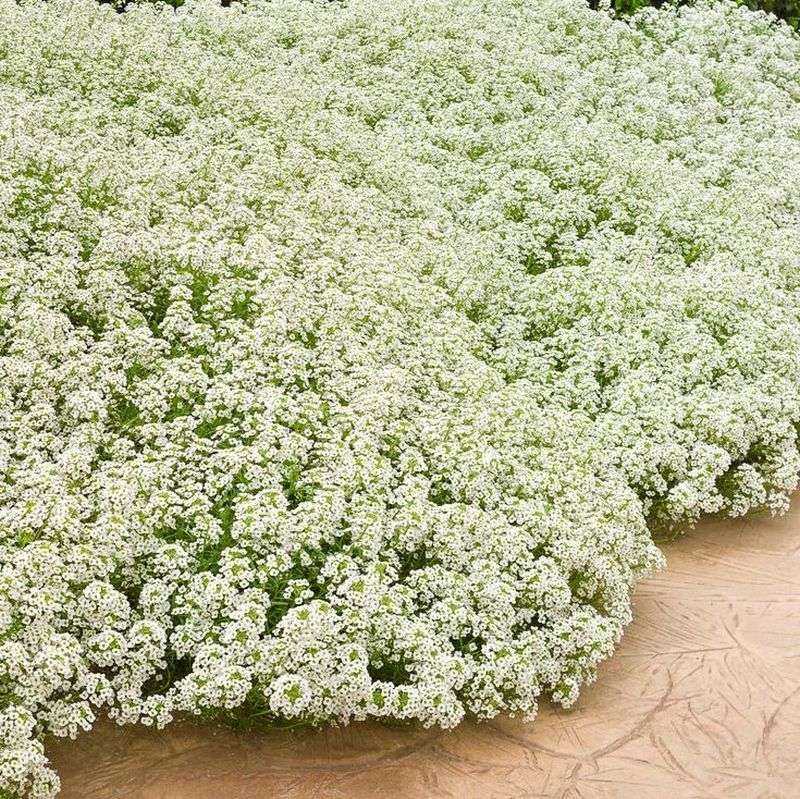
Sweet alyssum drifts across the ground like a fragrant snowfall, softening pot edges and pathways with tiny honey-scented blooms. It fills the same trailing role as petunias but with a delicate charm all its own.
The sweet perfume alone sets it apart, drawing you closer whenever you pass by. Bees and beneficial insects love it too, which can help support a healthier garden overall.
Cool weather brings out its best, and it often bounces back with a fresh flush once the worst summer heat passes. In milder climates it may bloom nearly year-round.
It asks for very little, tolerating dry spells and poor soil while still spreading into a low, frothy carpet. A light shearing when it looks tired usually revives the flowers.
White is the classic color, but purple and pink varieties add gentle variety to borders and containers. It pairs beautifully with taller plants, tucking neatly around their bases.
For gardeners who want fragrance, pollinator appeal, and easy spreading color without petunia-level effort, sweet alyssum is a quiet overachiever worth planting everywhere.
12. Portulaca (Moss Rose)
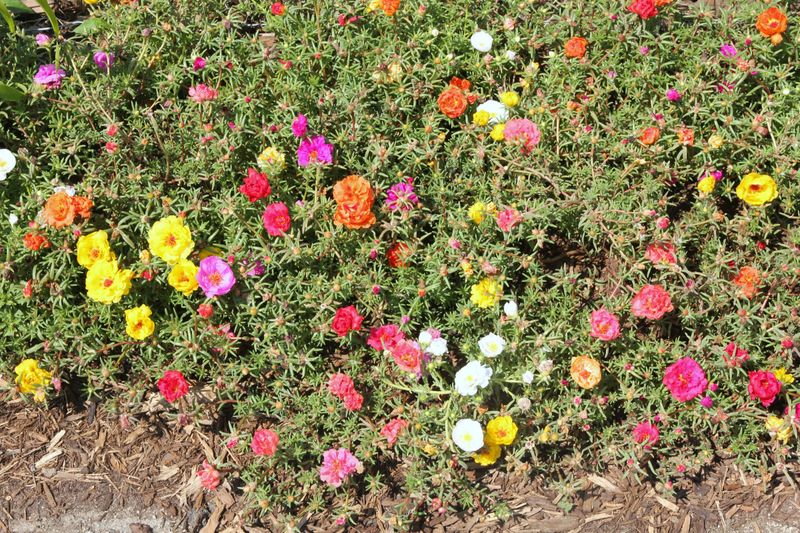
For the sunniest, driest, most punishing spot in your yard, portulaca is the plant that says bring it on. Its succulent leaves store water, so it thrives in conditions that would fry a petunia within days.
The flowers look like tiny roses in electric shades of pink, orange, yellow, and red, opening wide in bright sun. They may close on cloudy afternoons, but a sunny day brings a dazzling display.
Rock gardens, hot containers, and gravelly borders all suit it perfectly, since it actually prefers lean, well-drained soil. Overwatering is the main way to kill it, which is a refreshing change from thirsty petunias.
It sprawls into a low mat, making it a great groundcover for slopes and edges that bake in the afternoon. Reseeding often means it returns on its own the following year.
Did you know moss rose was a favorite in old-fashioned pioneer gardens precisely because it survived neglect? For anyone battling a hot, dry problem area, portulaca turns a garden headache into a jewel-toned success.
13. Nasturtium
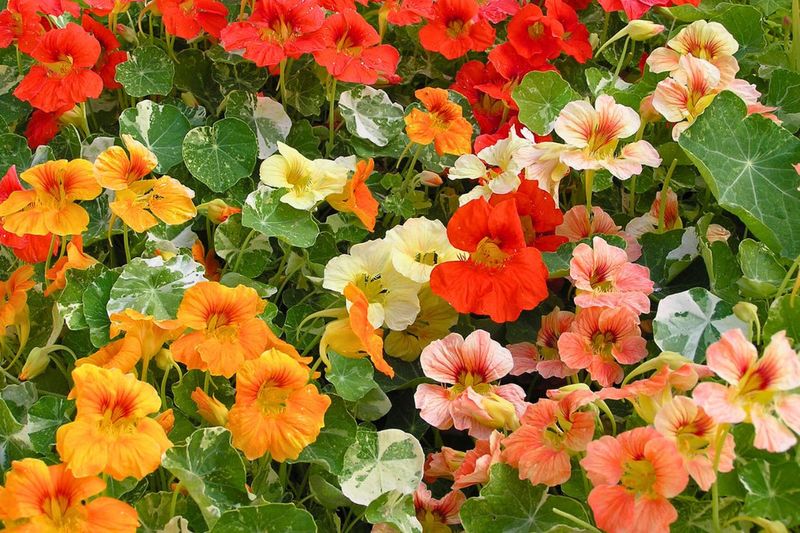
Nasturtiums bring a playful, tumbling energy that petunias can only dream of, and you can eat them too. Both the peppery leaves and the vivid flowers are edible, adding a spicy kick to summer salads.
These easygoing plants actually prefer poor soil, since rich ground pushes them to grow leaves instead of flowers. That makes them perfect for that neglected corner where nothing else seems happy.
They trail from baskets, scramble up trellises, or spread across beds in fiery orange, red, and yellow. A single packet of seeds can transform a bare fence quickly.
Gardeners often plant them as a trap crop because aphids may swarm to nasturtiums instead of prized vegetables, though it will not eliminate pests entirely. Either way, they earn a spot in the veggie patch.
Direct-sow the large seeds after frost and water occasionally, and you will have blooms in weeks with almost no effort. They dislike being transplanted, so sowing in place works best.
For color, edible fun, and effortless growth, nasturtiums turn a frustrating garden into a cheerful, tasty adventure.
14. Cosmos
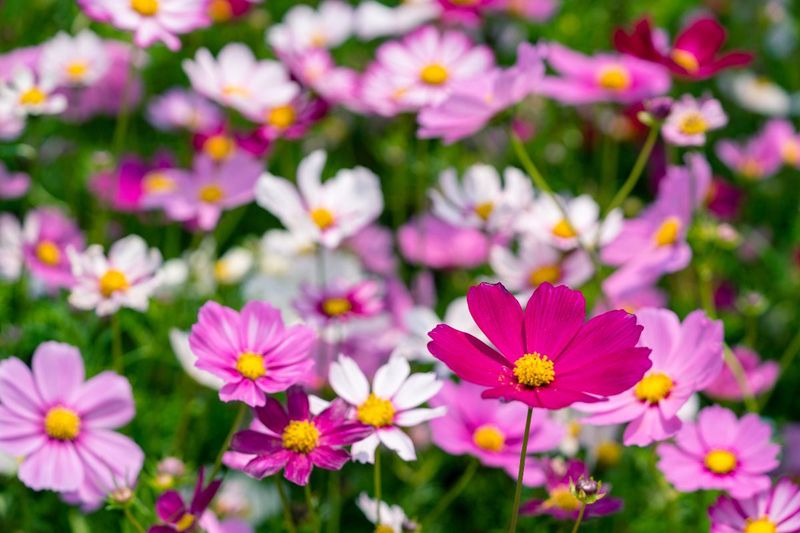
Cosmos sway on tall, airy stems like something out of a wildflower dream, and they could not be simpler to grow. Scatter seeds in a sunny spot, and by midsummer you will have daisy-like blooms dancing in every breeze.
They tolerate heat, drought, and lean soil beautifully, asking for far less attention than temperamental petunias. In fact, too much fussing and fertilizing can reduce their flowering.
Pink, white, and magenta varieties fill the classic cosmos palette, while newer types offer sunset oranges and yellows. Their feathery foliage adds a soft, ferny texture to any bed.
Butterflies and bees adore them, and the flowers make excellent, long-lasting cuttings for a casual bouquet. Snipping stems only encourages more blooms to form.
They can grow quite tall, so a spot sheltered from strong wind helps keep them upright, or a light stake does the trick. Many varieties reseed, returning to surprise you next spring.
For a relaxed, cottage-garden feel that thrives on neglect, cosmos reward beginners generously and forgive nearly every mistake a busy gardener might make.
15. Gerbera Daisy
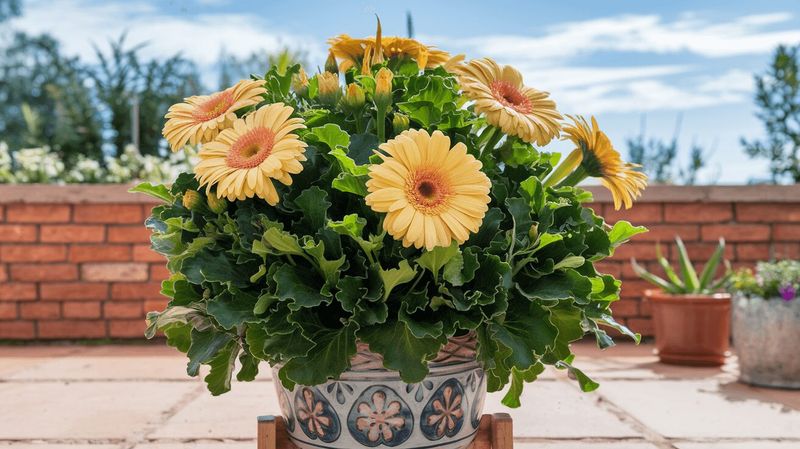
Nothing says instant cheer quite like a gerbera daisy, with its enormous, perfectly round blooms in candy-bright colors. Where petunias give you a scattered look, a single gerbera delivers one bold, unmistakable statement.
They shine in containers on a sunny patio, offering flowers in red, orange, pink, yellow, and white that last for weeks. Cut a few for a vase and they hold up beautifully indoors too.
Good drainage is the secret to keeping them happy, since soggy crowns lead to rot faster than anything else. Watering at the base rather than over the leaves can reduce disease problems.
They love morning sun with a little afternoon shade in the hottest regions, which keeps the blooms vivid instead of faded. Removing spent flowers encourages the plant to keep producing.
Though sometimes grown as annuals in the north, they can return as perennials in warmer zones with proper care. For gardeners craving big, joyful color from just a few plants, the gerbera daisy delivers maximum impact with manageable effort.
16. Salvia
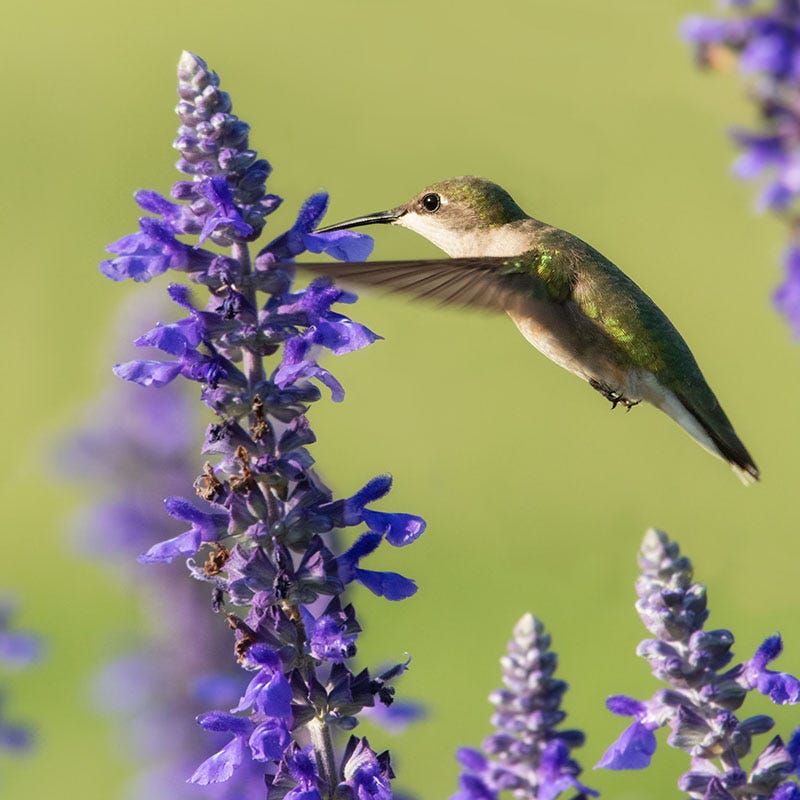
Salvia sends up striking flower spikes that hummingbirds treat like a personal fueling station. When petunias fizzle, these bold vertical blooms in blue, purple, red, and white keep the garden buzzing with activity.
Heat and drought tolerance make salvia a workhorse in hot US summers, holding its color when softer flowers wilt. Established plants handle dry spells with impressive calm.
Both annual and perennial types exist, so you can choose one-season splashes or dependable comebacks year after year. Perennial salvias reward you with less replanting and more reliability.
Deer and rabbits often skip salvia thanks to its aromatic leaves, which can ease the pressure in wildlife-heavy neighborhoods, though no plant is truly bulletproof. That mild resistance is a real plus for frustrated suburban gardeners.
Cutting back the spent spikes usually triggers a second wave of flowering later in the season. Full sun and well-drained soil keep it at its best.
For anyone who wants vertical drama, pollinator traffic, and genuine toughness, salvia offers a colorful, low-maintenance escape from the petunia struggle that keeps giving all summer.
17. Petunia’s Cousin: Nierembergia (Cupflower)
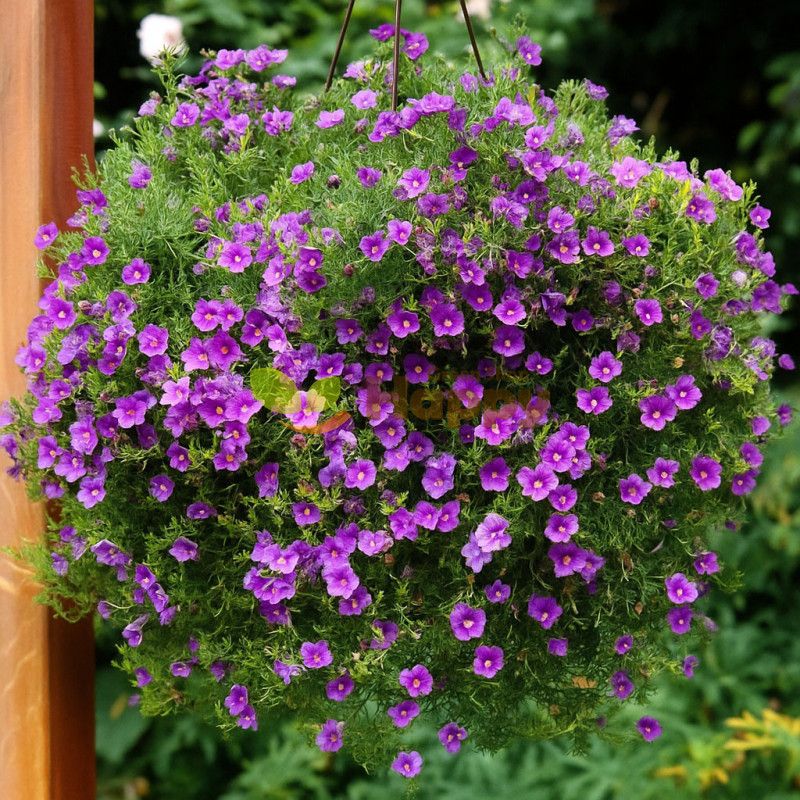
Nierembergia, charmingly called cupflower, forms tidy mounds covered in dainty cup-shaped blooms of blue-purple or white. It offers a softer, more delicate look than petunias while proving far tougher in the heat.
The plant stays neat and compact, making it ideal for edging, small containers, and the front of a border. There is no leggy sprawl to constantly trim back.
Heat and humidity barely slow it down, and it keeps flowering steadily without the deadheading petunias demand. That self-sufficiency is a gift for anyone short on time.
Full sun brings out the most blooms, though a little afternoon shade in the deep south keeps it fresh. Consistent moisture helps, but it forgives an occasional dry spell.
Its fine, needle-like foliage gives the mound a soft, cloud-like texture that pairs nicely with bolder flowers. Tucking it among taller plants creates lovely contrast.
Not many gardeners know about cupflower, which makes it a quiet secret weapon for filling gaps with cool, calming color. For a fuss-free alternative with understated charm, nierembergia deserves a spot in your lineup.
18. Vinca (Madagascar Periwinkle)
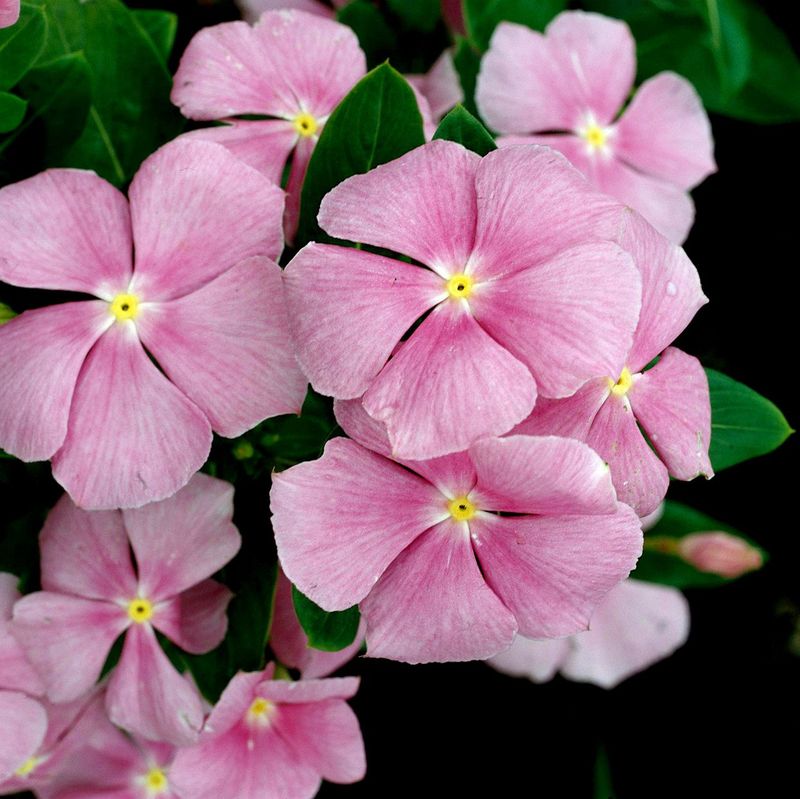
When the thermometer climbs and petunias throw up their hands, vinca just keeps smiling. This heat-loving annual produces glossy leaves and flat, five-petaled flowers that thrive in the exact conditions that defeat other bedding plants.
Blooms come in pink, white, red, and purple, often with a contrasting eye at the center that adds a bright pop. The plant stays neat and rounded without much shaping.
Drought tolerance is where vinca truly shines, as overwatering causes far more trouble than dry soil. Let it dry between waterings and it rewards you with steady flowers.
It resists the rain damage that flattens petunias, and its waxy foliage sheds moisture with ease. That resilience makes it a favorite for low-maintenance beds and hot containers.
Do not confuse it with the trailing groundcover vinca, since this annual version is prized purely for its summer flowers. Full sun and warmth keep it performing until frost.
For a plant that treats brutal heat as a feature rather than a threat, vinca offers dependable, colorful relief from petunia frustration all season long.
19. Snapdragon
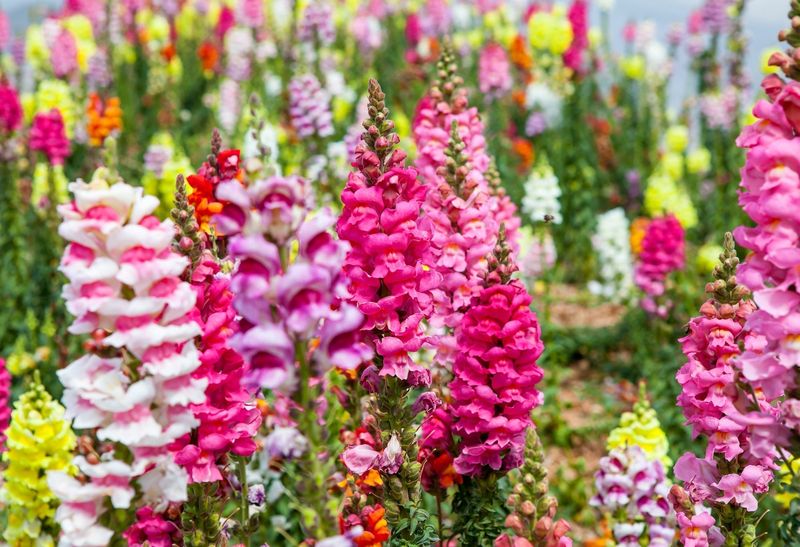
Snapdragons bring a touch of whimsy with blooms you can gently squeeze to make the dragon mouth snap open. Kids adore them, and they add cool-season color when petunias are struggling to get going.
Tall spikes in nearly every color create wonderful vertical structure in beds and make long-lasting cut flowers. Shorter varieties suit containers and edging beautifully.
They love the cooler bookends of the season, thriving in spring and fall and often pushing through mild winters in southern zones. That range extends your color beyond the summer petunia window.
Pinching young plants encourages branching and more flower spikes, giving you a fuller display. Removing faded spikes can coax a fresh round of blooms.
Full sun and well-drained soil keep them healthy, and they tolerate a light frost that would end most annuals. Bees especially enjoy pushing their way into the closed blooms.
Did you know snapdragon seed pods resemble tiny skulls once the flowers fade, a spooky little detail that delights curious gardeners? For playful charm and season-stretching color, snapdragons offer something petunias never can.
20. Coleus
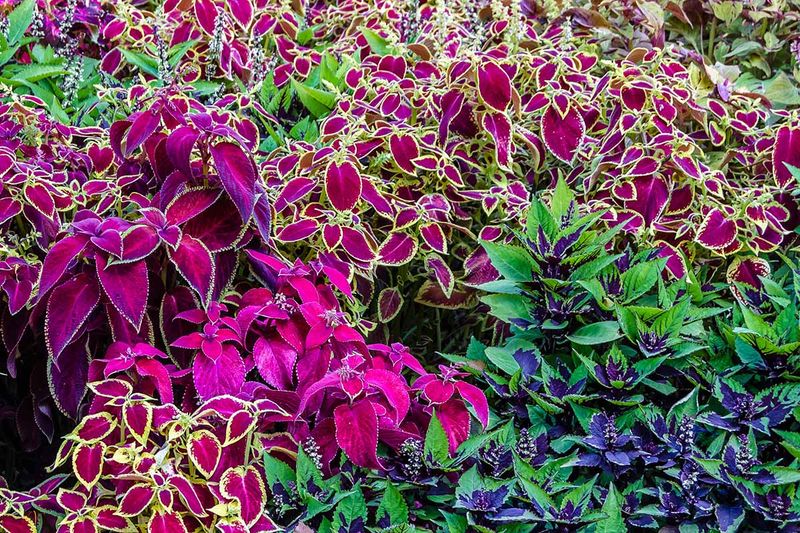
Who says you need flowers for color? Coleus dazzles with leaves in wild patterns of burgundy, lime, pink, and gold that outshine many blooms and never take a break.
While petunias sputter in shade, many coleus varieties thrive in it, brightening dim corners with electric foliage. Newer sun-tolerant types handle full sun too, giving you options everywhere.
The lack of dependence on flowering means the color show never pauses, since there are no blooms to fade or deadhead. Pinching off the small flower spikes actually keeps the leaves lush.
They root incredibly easily from cuttings, so one plant can multiply into a whole bed for free. A jar of water on the windowsill is all it takes to grow more.
Consistent moisture keeps the leaves plump and vibrant, and a pinch here and there maintains a bushy shape. They mix wonderfully with flowering plants as a bold backdrop.
For anyone tired of chasing blooms that refuse to appear, coleus offers guaranteed, season-long color through foliage alone, turning shady problem spots into vibrant showpieces.
21. Petunia Alternative: Torenia (Wishbone Flower)
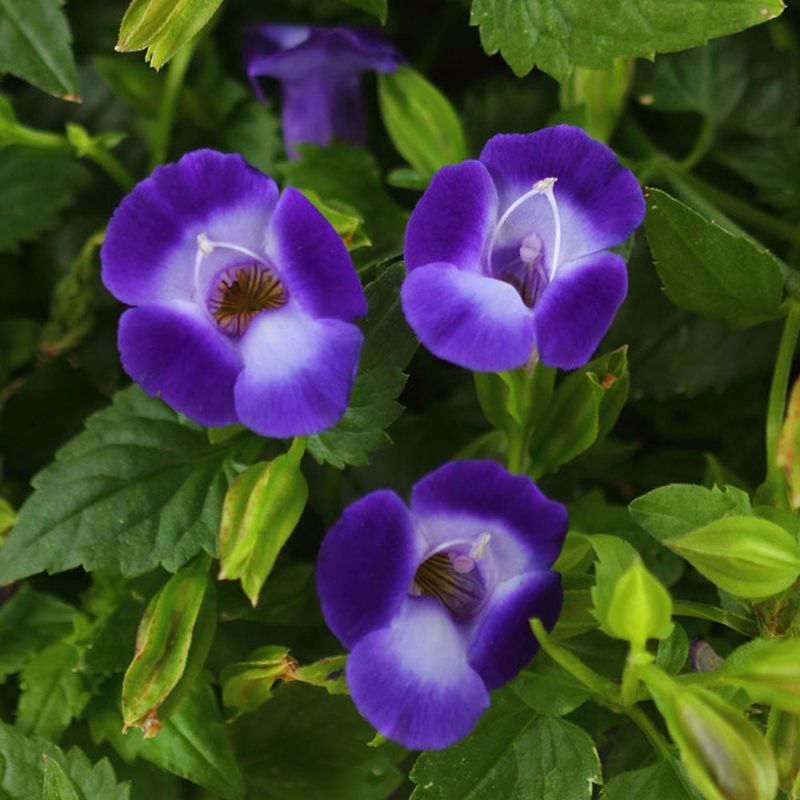
Torenia, known as the wishbone flower for the tiny wishbone shape hidden inside each bloom, is a shade-lover’s delight. It offers the trumpet-shaped color of petunias but happily blooms where sun is scarce.
Its blooms come in blue, purple, pink, and white, often with contrasting throats that add depth and interest. The plant forms a soft, spreading mound perfect for baskets and shady beds.
Humidity and heat, which typically ruin petunias, are conditions torenia takes in stride. That makes it a smart choice for muggy southern summers under a canopy of trees.
It needs steady moisture to look its best, so a shaded container with good soil keeps it flowering happily. Occasional feeding keeps the color coming.
Hummingbirds and bees visit the flowers, adding a little movement to your shady nooks. The self-cleaning habit means minimal grooming on your part.
Peek inside a bloom to spot the little wishbone of stamens that gives the plant its charming name. For gardeners with shady spots and a soft spot for petunia-style flowers, torenia bridges the gap beautifully.
22. Dianthus (Pinks)
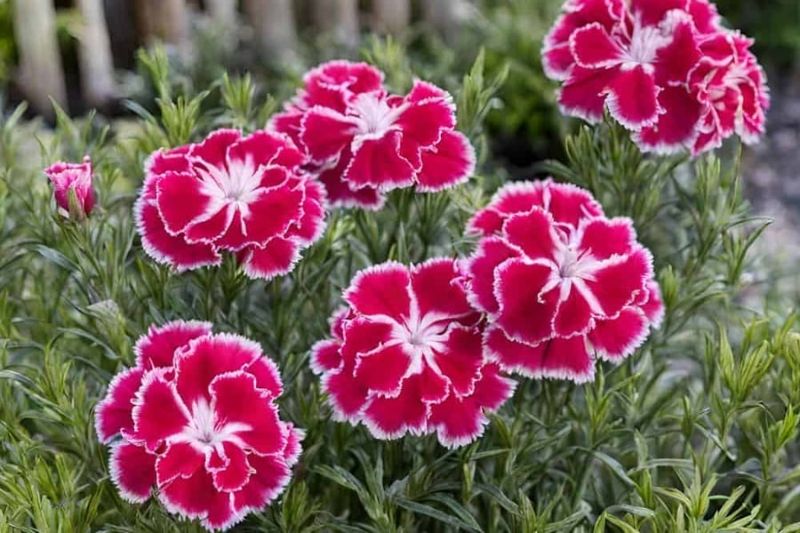
Dianthus greets you with a spicy, clove-like fragrance and frilly-edged petals that look almost pinked by scissors. In fact, that scalloped edge is why they earned the nickname pinks, not the color.
They bloom in cool weather when petunias are still finding their footing, filling spring and fall with pink, red, and white flowers. Many varieties push through mild winters and return each year.
Compact and tidy, dianthus works wonderfully as edging, in rock gardens, and tucked into containers. The blue-green foliage looks attractive even between flushes of bloom.
Full sun and well-drained, slightly alkaline soil suit them best, and they shrug off cool nights that would stall tender annuals. Shearing spent flowers often prompts a repeat performance.
Their fragrance draws butterflies while the low, dense growth crowds out weeds. Some perennial types reliably come back stronger each season.
For gardeners who want scent, cool-season color, and a neat habit that never sprawls out of control, dianthus offers old-fashioned charm with modern toughness. It is a dependable swap when petunias just will not perform.
23. Bacopa
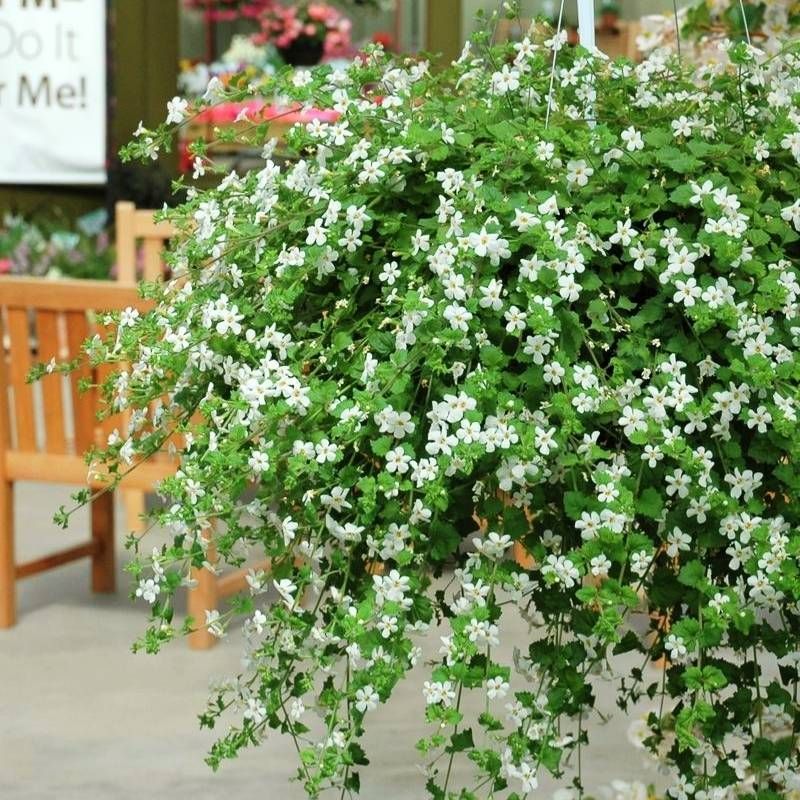
Bacopa cascades in a gentle sheet of tiny white or blue-tinted stars, softening baskets and window boxes with delicate grace. It fills that trailing role petunias claim but with a lighter, more refined touch.
The blooms cover the trailing stems almost continuously, and the plant cleans up after itself, dropping spent flowers on its own. No tedious deadheading is required to keep it tidy.
Bacopa does prefer consistent moisture, so it pairs best with plants that enjoy regular watering rather than bone-dry pots. Let it dry out completely and it may stop blooming until it recovers.
It appreciates full sun to part shade, with a little afternoon relief in the hottest regions keeping it fresh. Cooler spots often bring out its most generous flowering.
As a spiller, it complements bold upright plants and colorful foliage beautifully, weaving everything together. Its fine texture makes larger blooms nearby look even more dramatic.
For a soft, romantic trailing effect without the maintenance petunias demand, bacopa is a quietly reliable choice. It brings that overflowing-basket look with far less fuss and far more forgiveness.
24. Petunia Substitute: Diascia (Twinspur)
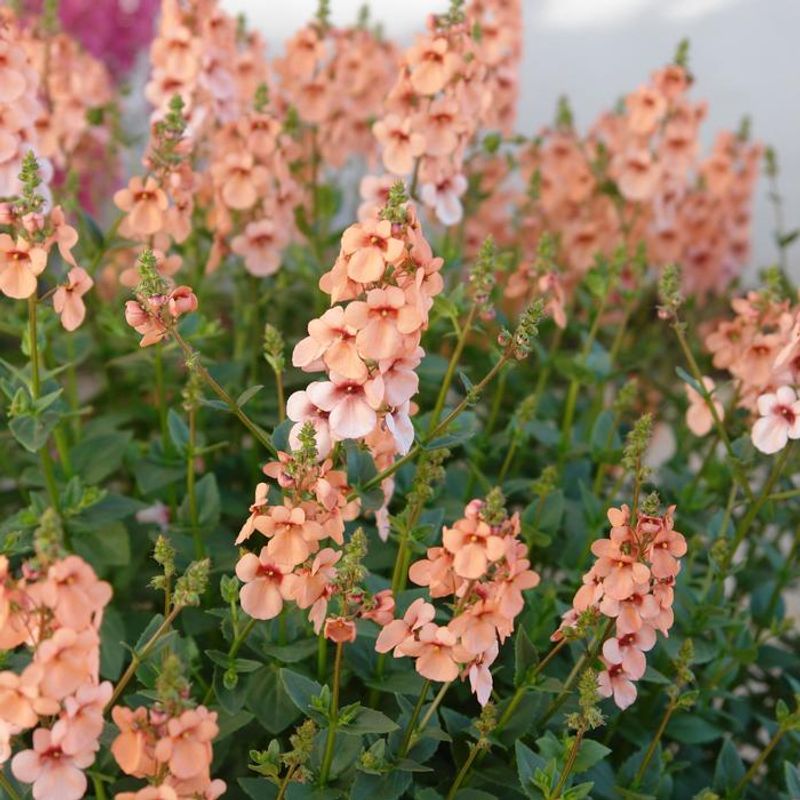
Diascia, or twinspur, drapes itself in soft coral, pink, and apricot blooms that give containers a warm, cottage glow. It offers petunia-like abundance with a gentler color palette and a cooler-weather preference.
Named for the two little spurs on the back of each flower, diascia trails nicely from baskets and window boxes. Its delicate look belies a surprisingly sturdy nature.
Spring and fall are its glory seasons, when the weather stays mild and it blooms with real enthusiasm. In hotter zones a midsummer trim helps it recover and rebloom as temperatures ease.
It likes full sun to part shade and soil that drains well but does not dry out completely. Regular feeding keeps the flower production strong.
Pollinators appreciate the blooms, and the plant blends effortlessly with cool-season companions like alyssum and pansies. Its trailing habit fills gaps where petunias might have sulked.
For gardeners chasing soft, romantic color during the shoulder seasons, diascia fills a niche petunias often miss. It is an underused gem that rewards attention with an easygoing, generous display.
25. Pansy and Viola
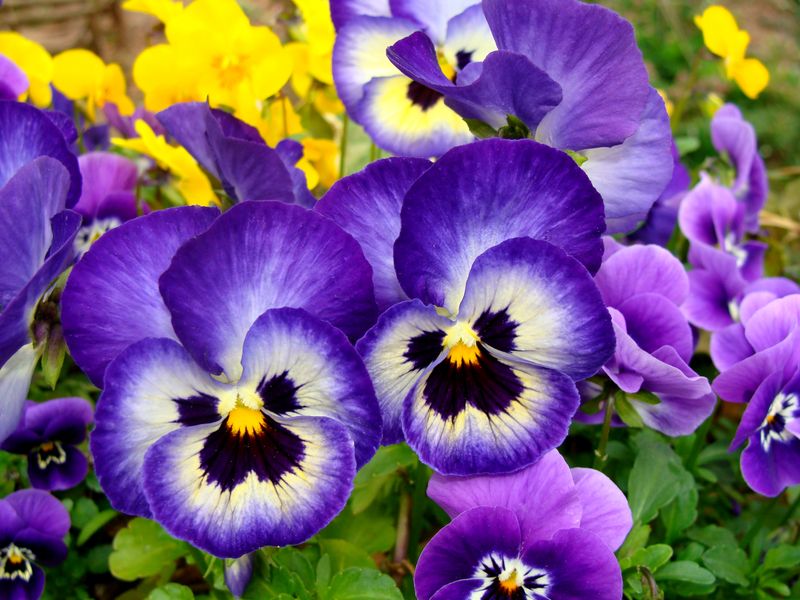
Pansies and violas wear little faces that seem to grin up at you, bringing personality to any pot or border. When petunias cannot handle the cool shoulder seasons, these cheerful cousins step right in.
They flourish in cool spring and fall weather, and in mild climates they bloom straight through winter. That timing fills the exact gaps petunias leave empty.
Violas are the smaller, tougher siblings, producing masses of blooms that shrug off light frost with ease. Pansies offer larger flowers with those signature dark blotches.
They love full sun to part shade and consistent moisture, staying compact and neat throughout their season. Pinching off spent blooms keeps the flowers coming steadily.
Both are edible, making them a favorite for decorating cakes and dressing up salads with a splash of color. That edible bonus adds a fun, useful twist.
Did you know pansies were once called heartsease and were tied to old love folklore? For dependable cool-season color with loads of charm, pansies and violas keep your garden bright when petunias would simply give up.
26. Petunia Rival: Scaevola (Fan Flower)
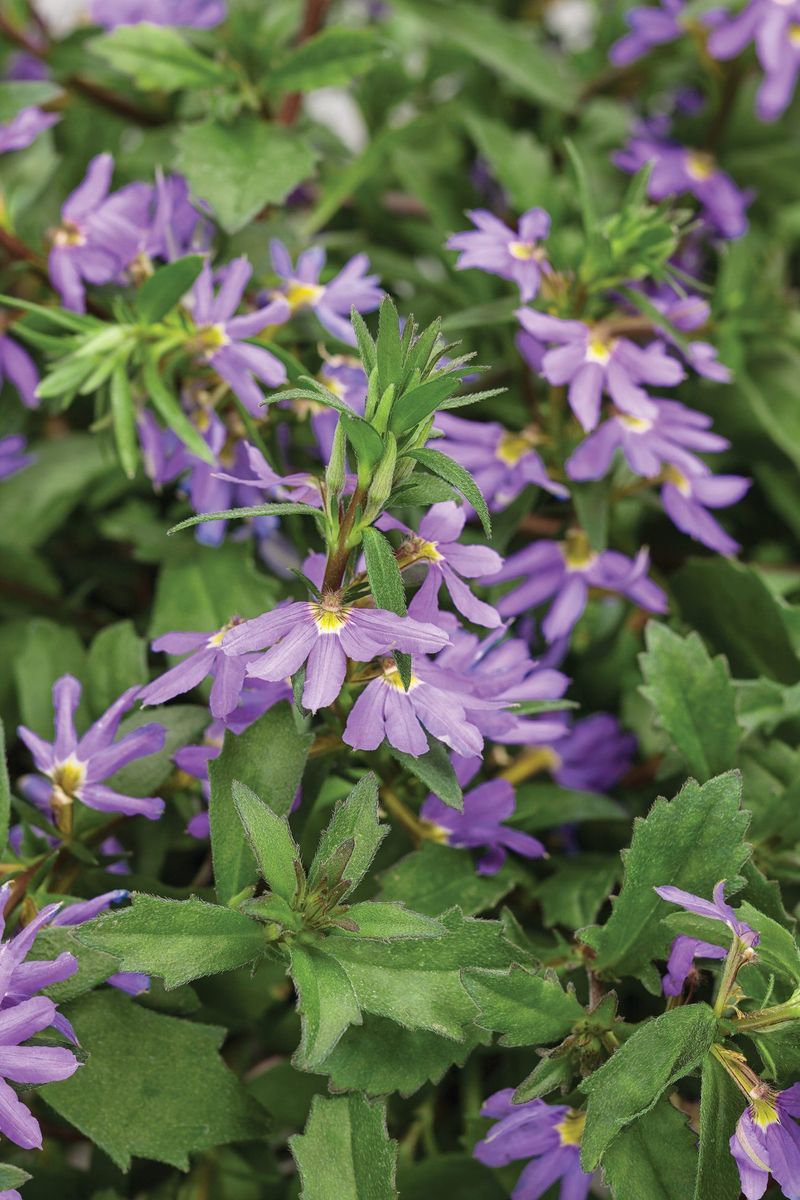
Scaevola, cleverly named the fan flower, produces blooms that look like a hand splayed open, all petals fanning to one side. It brings a distinctive shape and steady blue-purple color that petunias cannot match.
Heat and drought are no problem for this Australian native, which keeps trailing and blooming through the worst of summer. That toughness makes it a standout in hot baskets and window boxes.
It is wonderfully self-cleaning, dropping spent flowers so you never have to pick up a pair of scissors. The trailing stems spill gracefully over container edges all season.
Full sun brings out the best flowering, and it tolerates dry spells far better than thirsty petunias. Overwatering is more likely to cause trouble than the occasional missed drink.
Blue and purple are the classic shades, though white and pink varieties add gentle variety. Pollinators visit the unusual blooms throughout the day.
For gardeners craving a unique flower shape, real heat resilience, and zero-maintenance color, scaevola quietly outperforms petunias in the harshest spots. Its fan-shaped charm makes every container feel a little more interesting.
27. Gomphrena (Globe Amaranth)
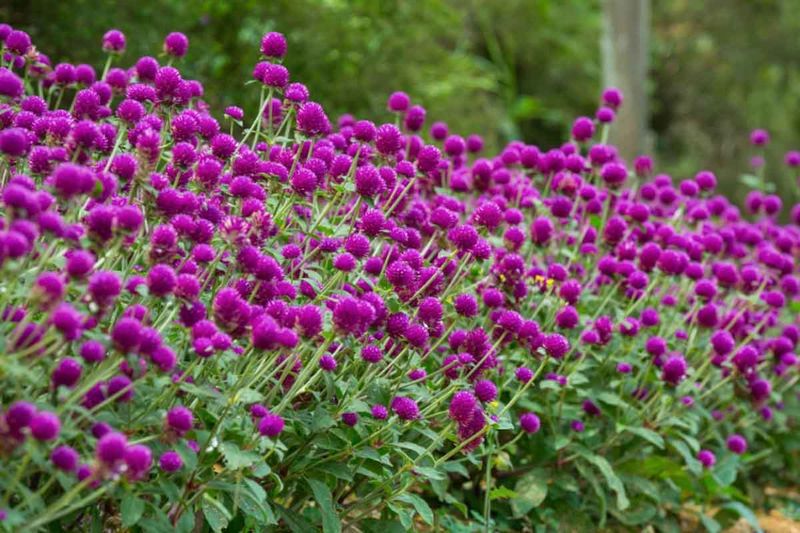
Gomphrena scatters little clover-shaped globes across the garden in shades of magenta, purple, white, and orange that never seem to quit. These papery blooms hold their color even after cutting and drying.
Heat, humidity, and drought are practically ignored by this tough annual, which thrives when tender petunias have long since faded. It genuinely relishes the hottest weeks of summer.
The round flower heads sit atop wiry stems, giving beds a fun, textural quality unlike anything petunias offer. Butterflies find the blooms irresistible.
It makes an excellent cut flower fresh, and because the blooms dry so well, you can enjoy them in arrangements long after frost. Simply hang bunches upside down to preserve them.
Full sun and well-drained soil are all it needs, and it forgives neglect with cheerful indifference. Deadheading is optional, since the plant keeps producing regardless.
Did you know globe amaranth has been used for centuries in dried arrangements and even traditional teas? For lasting color, everlasting blooms, and unstoppable heat tolerance, gomphrena is a delightfully quirky swap for finicky petunias.
28. Osteospermum (African Daisy)
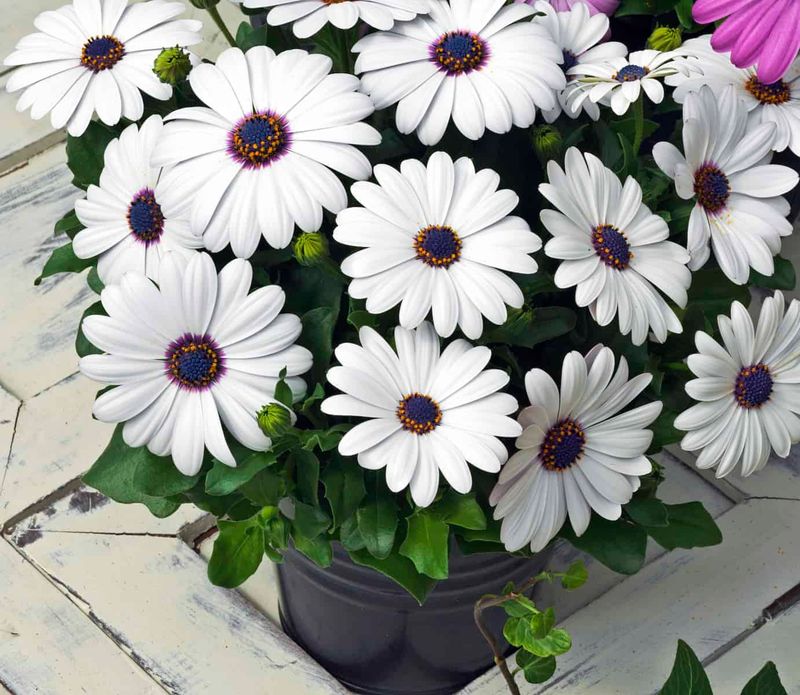
Osteospermum, the African daisy, opens huge, glowing daisy blooms in colors that almost seem lit from within. Purple, orange, yellow, and white petals often surround a shimmering metallic-looking center.
Cooler spring and fall weather brings out its finest flowering, filling the seasons when petunias struggle to establish. Some newer varieties hold up better through summer heat too.
The blooms tend to close on cloudy days and reopen in sunshine, which adds a fun, responsive quality to the garden. A sunny spot keeps them wide open and dazzling.
Well-drained soil and full sun keep the plant healthy, and it tolerates dry spells once established. Removing faded flowers encourages a steady supply of new ones.
It works beautifully in containers, borders, and as a bright edging plant that draws the eye immediately. Its bold blooms pair well with cooler-toned companions.
Butterflies stop by for the nectar, adding gentle motion to the display. For gardeners who want striking, large-faced flowers during the milder parts of the year, osteospermum offers a radiant alternative that thrives right when petunias tend to disappoint.
29. Petunia Swap: Euphorbia (Diamond Frost)
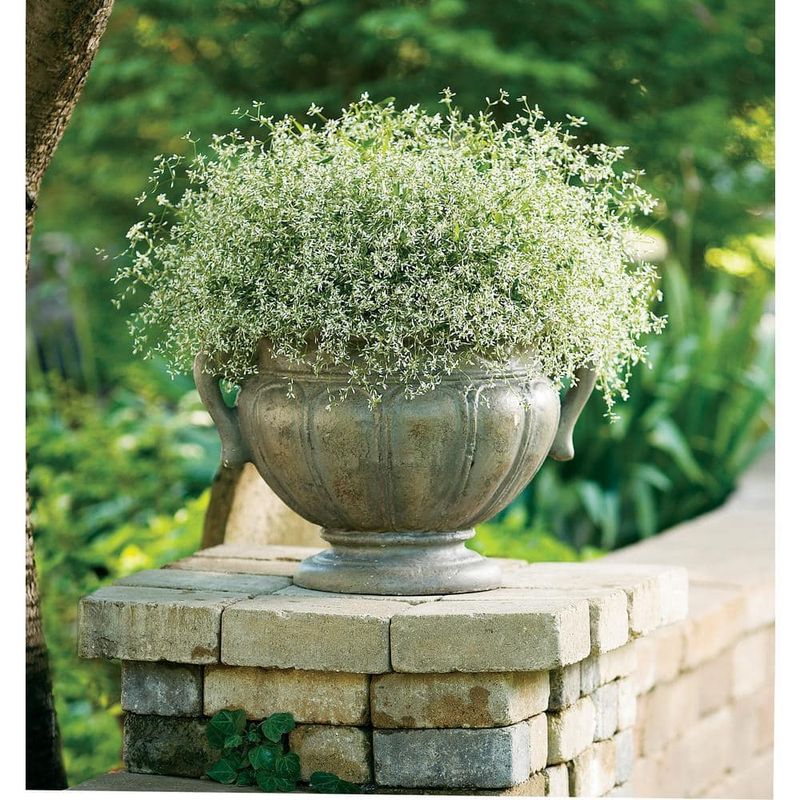
Euphorbia Diamond Frost floats above the garden like a cloud of tiny white blossoms, giving beds and baskets an airy, ethereal quality. It softens bolder plants the way baby’s breath lifts a bouquet.
The dainty flowers never stop, blooming continuously from spring until frost without any deadheading at all. That relentless, effortless display is exactly what worn-out petunia growers crave.
Heat and drought barely register with this tough plant, which keeps its misty white cloud going through the hottest stretches. It thrives on a bit of neglect rather than constant fussing.
Both sun and part shade suit it, and it tolerates dry soil far better than moisture-loving petunias. Its adaptability makes it a reliable filler almost anywhere.
It pairs magnificently with colorful blooms and foliage, acting as a delicate connector that ties a container together. The white haze makes surrounding colors pop.
Handle it gently, since like other euphorbias its sap can irritate skin, so wash up after trimming. For a low-effort, always-blooming accent that thrives when petunias falter, Diamond Frost brings quiet magic to every planting.
30. Petunia Look-Alike: Mandevilla
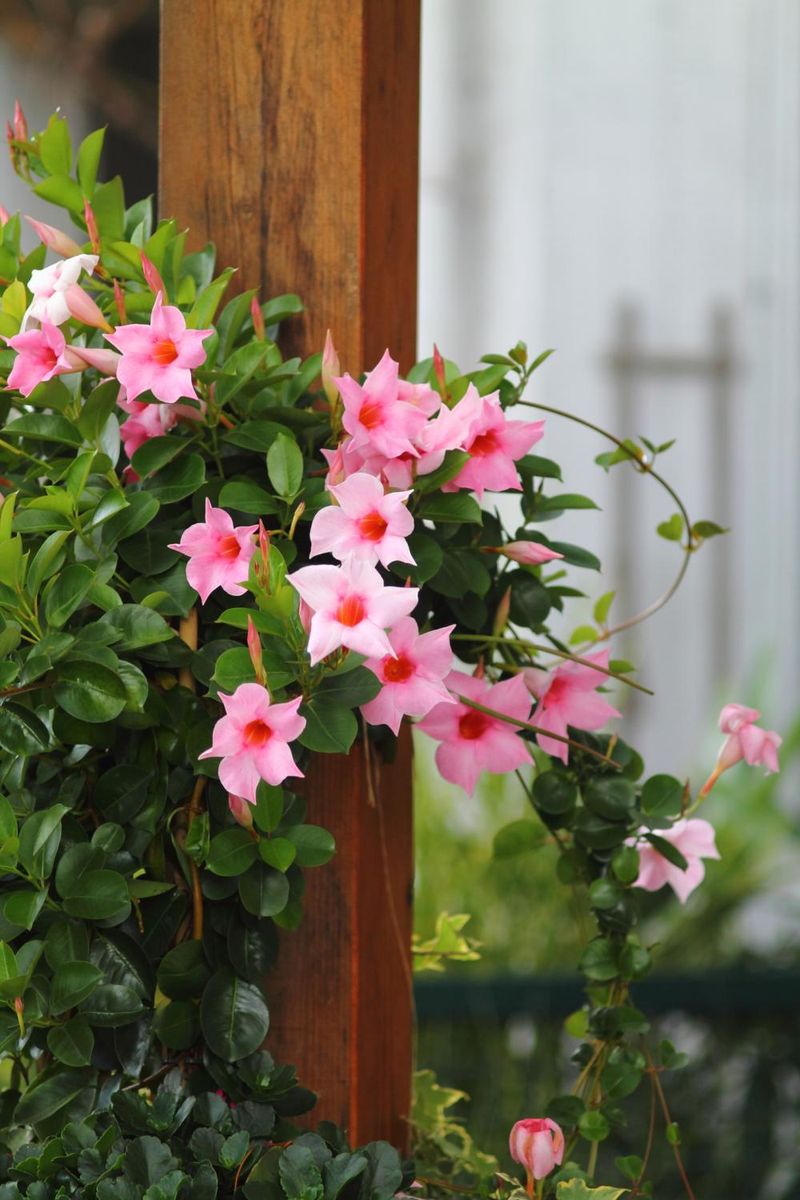
Mandevilla climbs and trails with big, glossy trumpet flowers that make petunias look downright modest. Its bold pink, red, or white blooms bring a tropical, resort-garden feel to any sunny spot.
Heat and humidity are exactly what this vine craves, so it flourishes through summer conditions that leave petunias limp. The warmer it gets, the happier it seems.
Train it up a trellis, obelisk, or railing, and it rewards you with vertical color that trailing petunias cannot provide. In a large pot it becomes a striking patio centerpiece.
It needs full sun and regular watering during hot spells, but it tolerates brief dry periods better than you might expect. A balanced fertilizer keeps the blooms coming strong.
The glossy foliage stays handsome all season, and the flowers keep appearing without any deadheading required. Hummingbirds occasionally drop by for a visit.
In cold zones you can overwinter it indoors as a houseplant to enjoy again next year. For gardeners who want dramatic, heat-loving trumpet flowers with real presence, mandevilla turns the petunia disappointment into a lush tropical triumph.