
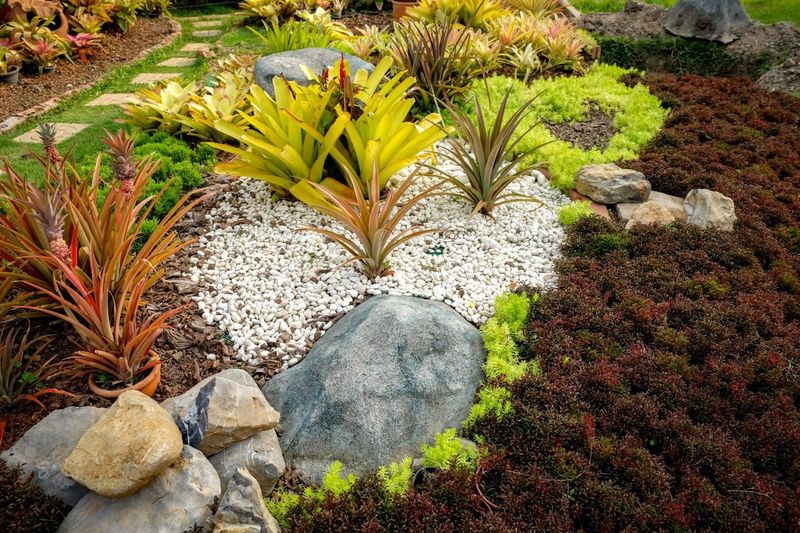
Bark mulch looks tidy until a Florida storm turns it into a floating mess. Native ground covers can hold soil, soften bare spots, and stay rooted when summer rain hits hard. Many also feed pollinators, handle sandy soil, and need less fuss once they settle in. Here are seven Florida natives that can work like living mulch without washing down the driveway.
1. Sunshine Mimosa
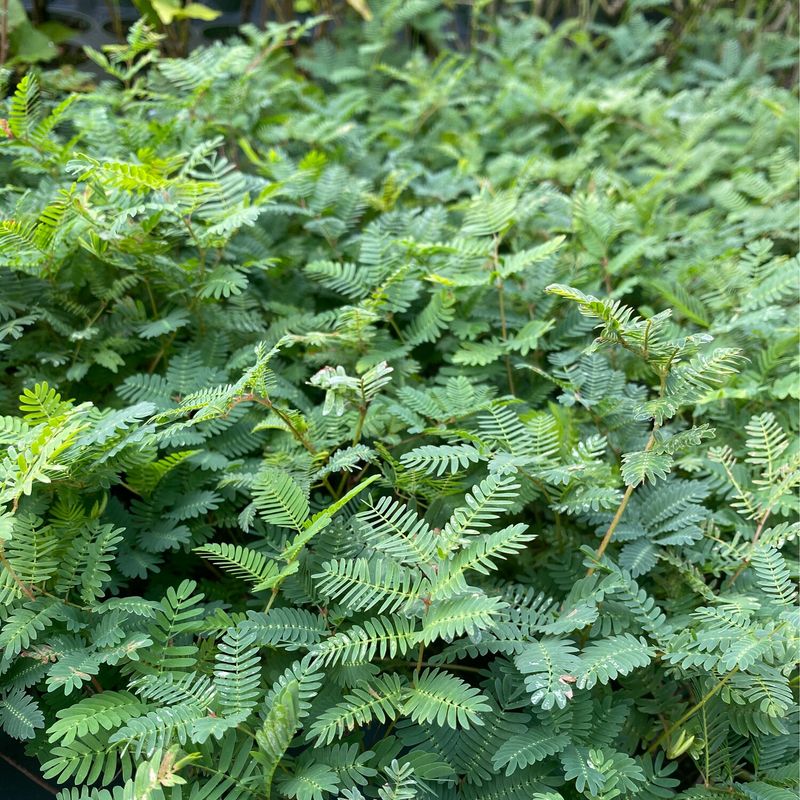
One look at those pink powder-puff blooms and sunshine mimosa feels more like a garden treat than a practical mulch replacement. Yet this Florida native is a tough, low-growing spreader that can knit bare sandy soil into a soft green carpet.
Sunshine mimosa is especially useful in sunny yards where bark mulch keeps drifting away from beds, walkways, or rain gutters. Its stems root as they creep, so the plant gradually anchors itself instead of sitting loose on top of the soil.
UF-IFAS often points to sunshine mimosa as a Florida-friendly ground cover for lawns and landscapes, and it can tolerate mowing once established. It works best in full sun to light shade and does well in the fast-draining soils many Florida homeowners battle.
Butterflies and bees visit the blooms, so it adds wildlife value while doing the quiet job of covering dirt. Give it room, water it during establishment, and avoid placing it where you need a perfectly formal edge, because it likes to wander in the best possible way.
2. Frogfruit
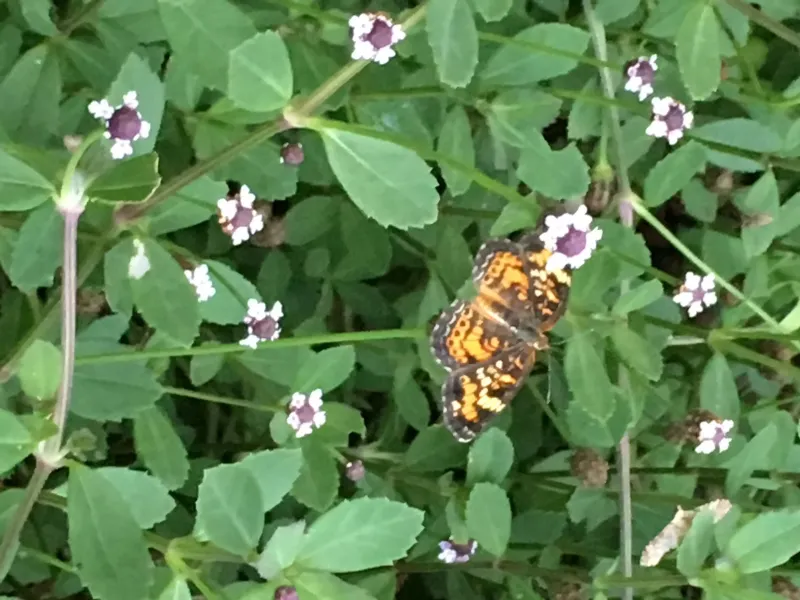
Pollinators seem to find frogfruit before people do, which is part of its charm. The flowers are tiny, but they draw butterflies and small native bees like a little roadside snack bar.
Frogfruit, also called matchweed, stays low and spreads into a dense mat that helps protect exposed soil from pounding rain. Because it roots along the stems, it can hold its place far better than loose bark chips during afternoon downpours.
Florida gardeners often use it as a lawn alternative, between stepping stones, or along bed edges where irrigation runoff used to carry mulch away. It handles sun, part shade, sandy soil, and periodic wet conditions, which makes it a smart pick for those awkward spots that are dry one week and soggy the next.
Expect a more natural look than a clipped, carpet-like lawn. Frogfruit may thin in heavy foot traffic, but in lightly walked areas it offers a low-maintenance, wildlife-friendly cover that earns its space after the first big storm.
3. Dune Sunflower
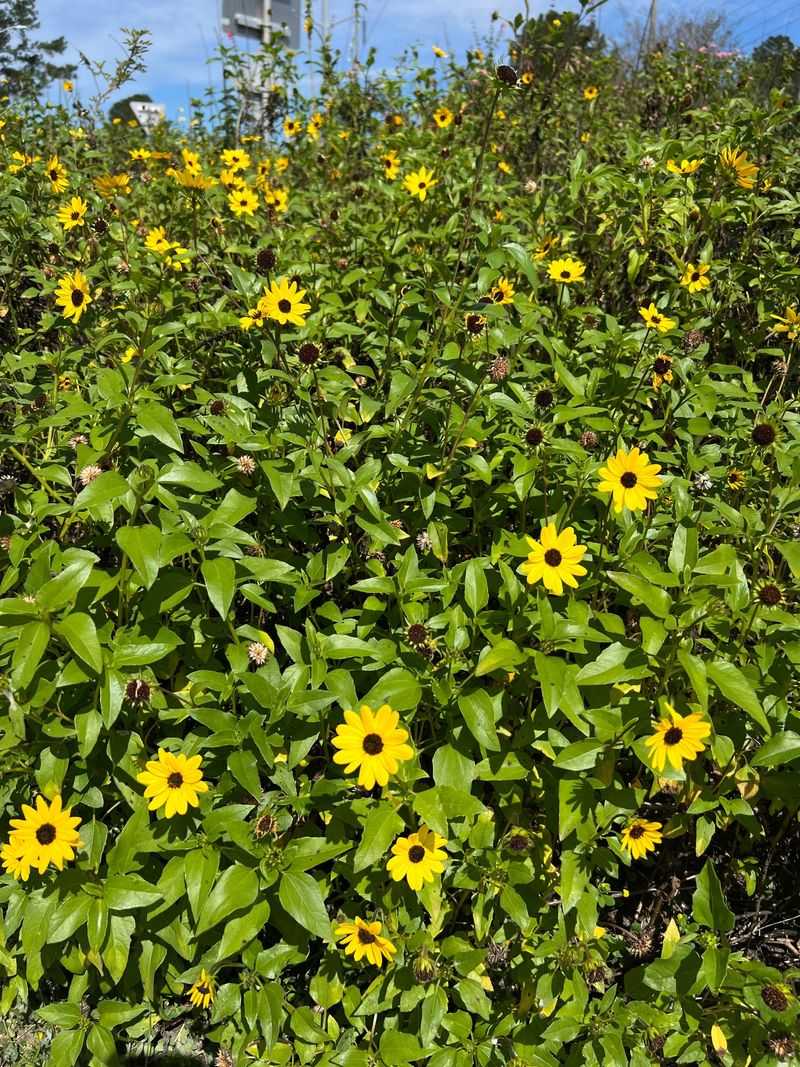
For the bed that bakes beside the driveway, dune sunflower brings a cheerful kind of stubbornness. Its yellow flowers look bright and breezy, but the plant is built for sandy, sun-blasted Florida conditions.
Dune sunflower is native to coastal parts of Florida and naturally grows where wind, salt, and shifting sand are part of daily life. That makes it a strong living mulch candidate for sunny yards, especially in Central and South Florida landscapes with poor, fast-draining soil.
Unlike bark mulch, which can float out of a bed during heavy rain, dune sunflower spreads by stems and forms a leafy cover that shades the soil. It can reduce bare patches, soften slopes, and bring steady color while helping limit erosion from stormwater.
Give it full sun and do not pamper it with rich, wet soil. In the right spot, it can grow quickly, so trim it back when it starts leaning into paths or crowding smaller plants. The payoff is a bright, beachy ground cover that looks at home in Florida rather than imported from somewhere calmer.
4. Railroad Vine
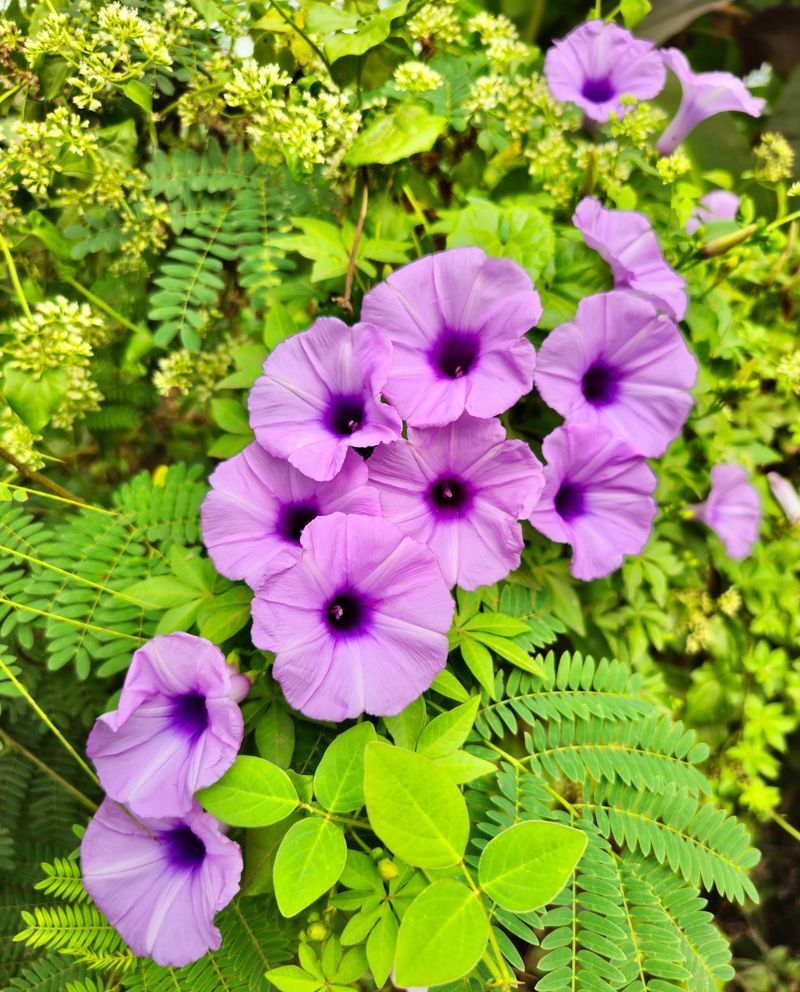
Near the coast, railroad vine is the plant that seems to shrug at conditions that would flatten fussier ground covers. Salt spray, loose sand, hot sun, and wind are all part of its normal workplace.
This native vine is famous for stabilizing dunes, which gives Florida homeowners a clue about its talent. Its long runners spread across sand and help hold the surface in place, making it a useful option where stormwater pushes mulch out of coastal beds.
Railroad vine is best for sunny, sandy, coastal landscapes with plenty of room. The purple morning-glory-style blooms are beautiful, but the plant is not a neat little border filler. It wants to stretch, ramble, and do the ground-holding job it does on beaches.
Use it where you would otherwise fight a losing battle with bark mulch, such as wide sandy strips, seaside yards, or open slopes. Avoid planting it in small formal beds unless you are ready to prune. For the right Florida site, though, few living mulches look more naturally storm-ready.
5. Golden Creeper
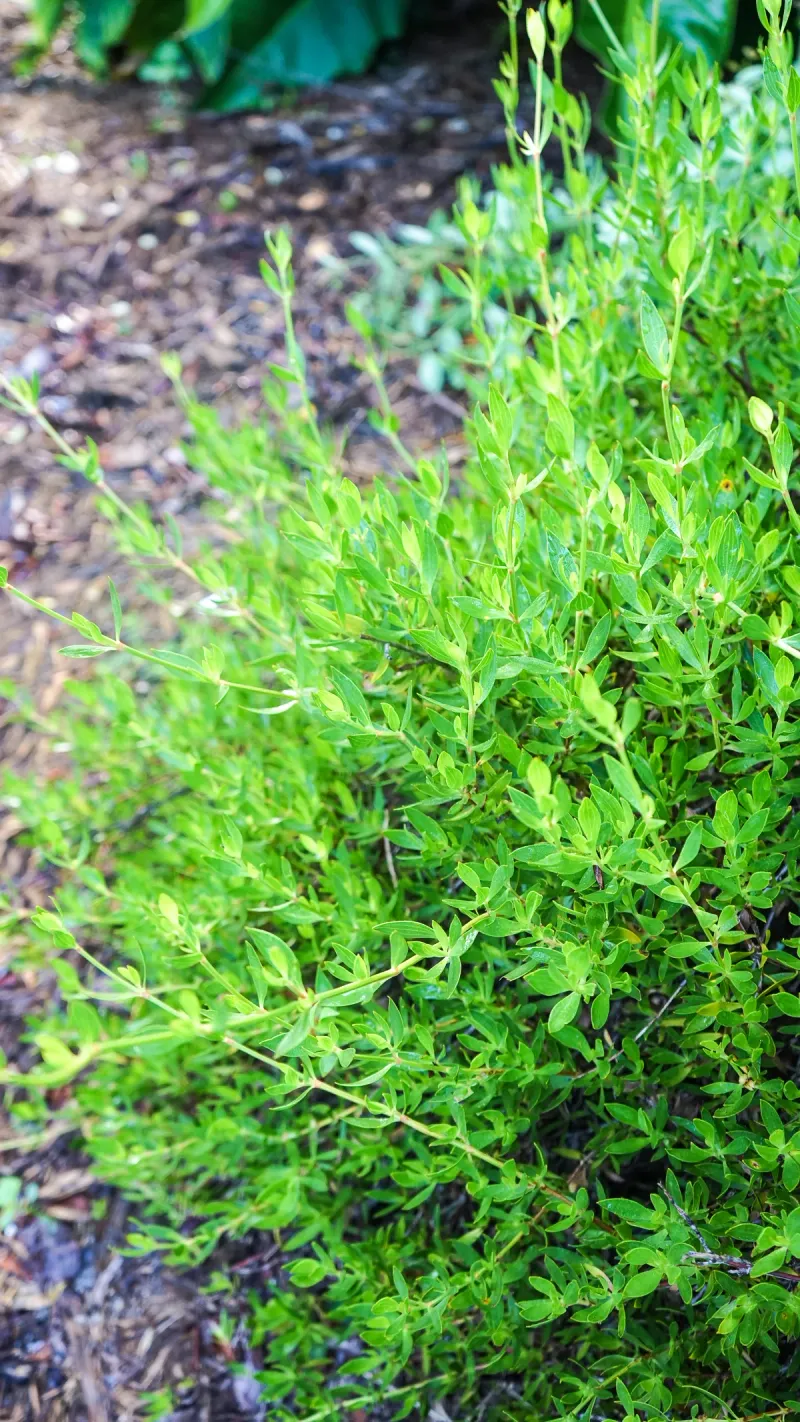
South Florida gardeners with salty breezes and thin sandy soil know that many pretty ground covers quit fast. Golden creeper is different because it belongs in that tough coastal world.
This native plant forms a low, spreading cover with small leaves and a tidy, understated look. It is especially useful in South Florida and the Keys, where heat, salt, and alkaline soils can make common mulch-heavy beds feel like a yearly chore.
Golden creeper does not give you the bold flower show of dune sunflower or the playful blooms of sunshine mimosa. Its strength is structure. It settles in as a durable green layer that helps shield soil from direct sun and reduces the need to keep replacing bark after hard rain.
Plant it in full sun to light shade with excellent drainage. Once established, it can handle dry spells better than many thirstier choices. Think of it as the quiet, practical ground cover for Florida yards where the landscape needs to look clean without demanding constant bags of mulch.
6. Lyreleaf Sage
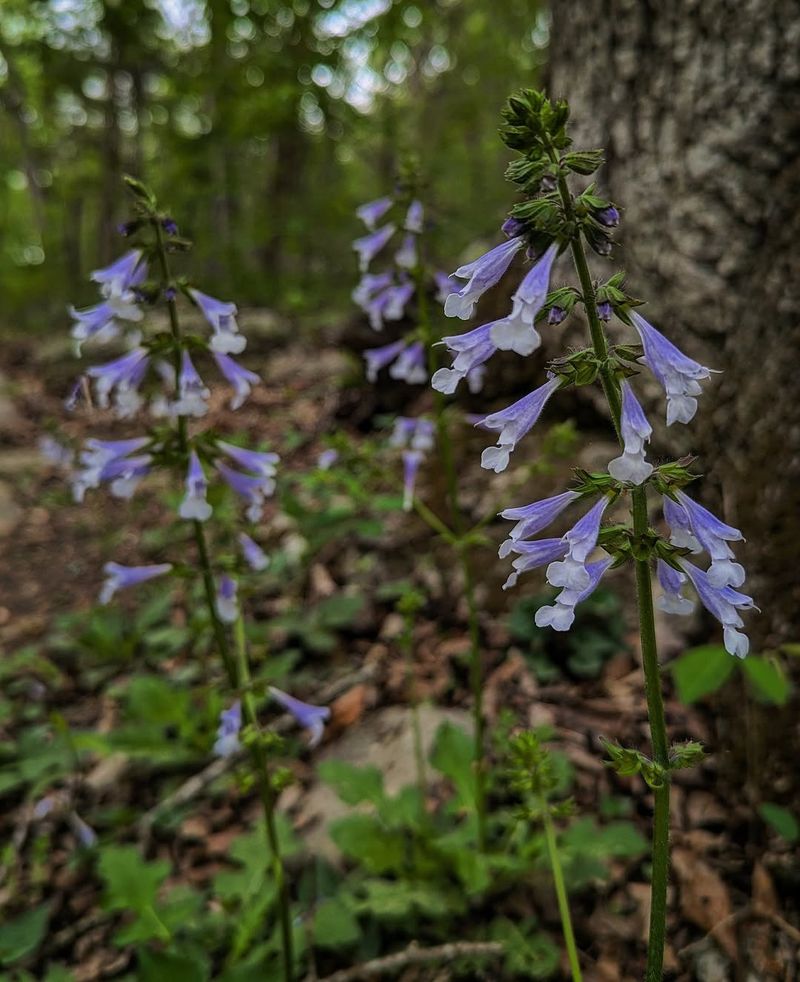
Under oaks and along shaded edges, mulch often turns patchy, thin, or moldy-looking after a wet spell. Lyreleaf sage offers a softer answer, with leafy rosettes that spread into a loose living layer.
This Florida native is a good fit for part shade, especially in natural-style beds where you want greenery instead of a thick blanket of bark. In spring, it sends up purple-blue flower spikes that attract pollinators without making the bed look overworked.
Lyreleaf sage can self-seed when happy, which is either a bonus or a reason to edit seedlings now and then. That gentle spreading habit helps it fill bare soil over time, and rooted plants are far less likely to wash away than loose mulch during summer storms.
Use it around shrubs, under high tree canopies, or near rain-splashed bed edges where full-sun ground covers struggle. It appreciates some moisture but does not want to sit in a swamp. In North and Central Florida especially, it can bring a woodland feel while cutting down on mulch replacement.
7. Twinflower
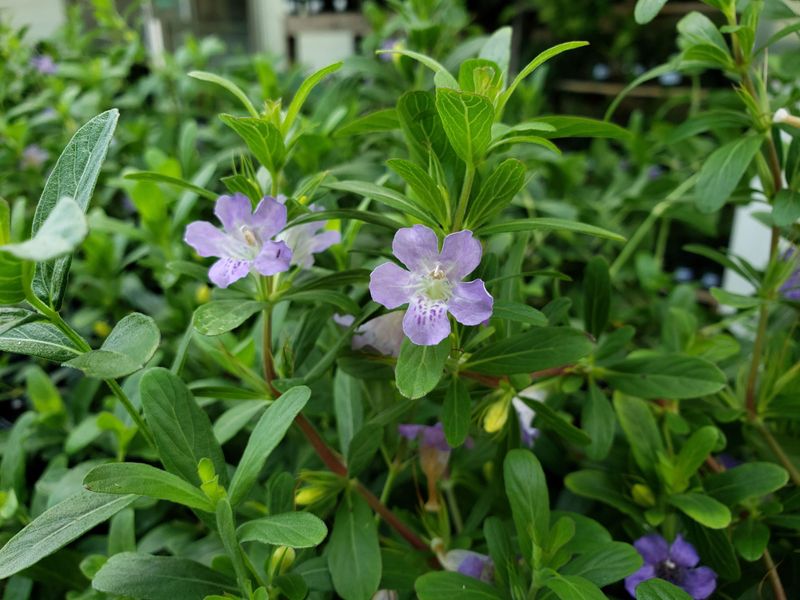
Twinflower has a small-scale beauty that rewards anyone who slows down to look. Its paired lavender blooms are modest, but they bring a sweet native touch to beds that need coverage without a wild sprawl.
Also known as oblongleaf snakeherb, this Florida native works well in part sun to part shade and can form a low, spreading patch. It is a good choice for gardeners who want something less aggressive than railroad vine and less lawn-like than frogfruit.
In storm-prone beds, twinflower helps by covering exposed soil with rooted growth rather than a loose layer that can float. It can be tucked around shrubs, near pathways, or in small native plantings where bark mulch keeps migrating after heavy rain.
Give it well-drained soil and some breathing room while it fills in. It may not be the fastest plant on the list, but that is part of its appeal in tighter landscapes. For Florida gardeners building a layered native bed, twinflower acts like a living stitch between taller plants, holding the design together one small patch at a time.