
A box turtle needs more than a patch of grass to feel at home. Native berries, shady cover, and soft leaf litter can turn a Florida yard into a better place to find food and rest.
These seven plants offer fruit, shelter, or habitat for the small creatures turtles eat. Planting them will not guarantee visitors, but it can help turtles already nearby forage more safely.
1. American Beautyberry
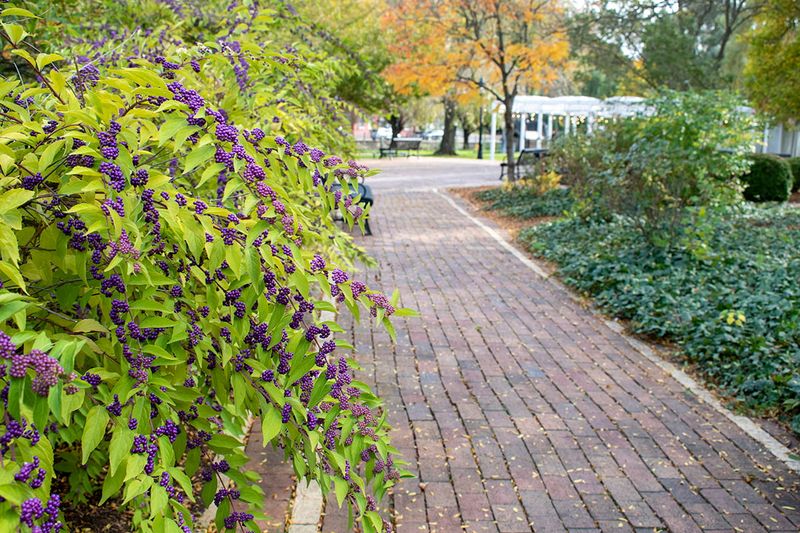
Purple berries stacked along arching stems make this shrub easy to spot, even from the porch. American beautyberry, Callicarpa americana, also puts seasonal fruit within reach of ground-dwelling wildlife when berries fall.
Box turtles eat a mixed diet that includes fruit, fungi, and small animals. Beautyberry can contribute to that food-rich setting, though a particular turtle may walk right past its berries.
Give it sun to partial shade and room to reach roughly 4 to 8 feet tall and wide. It suits many Florida yards, including sandy sites, but newly planted shrubs need regular watering until their roots spread.
Place one beside an existing tree canopy rather than alone in a hot lawn. Keep fallen leaves underneath, leave a clear opening at ground level, and let some ripe fruit drop naturally.
The biggest safety improvement is skipping insecticides and slug bait around the planting. A leafy bed supports the invertebrates turtles hunt, while poison-free ground reduces the risk that a meal becomes a hazard.
2. Darrow’s Blueberry
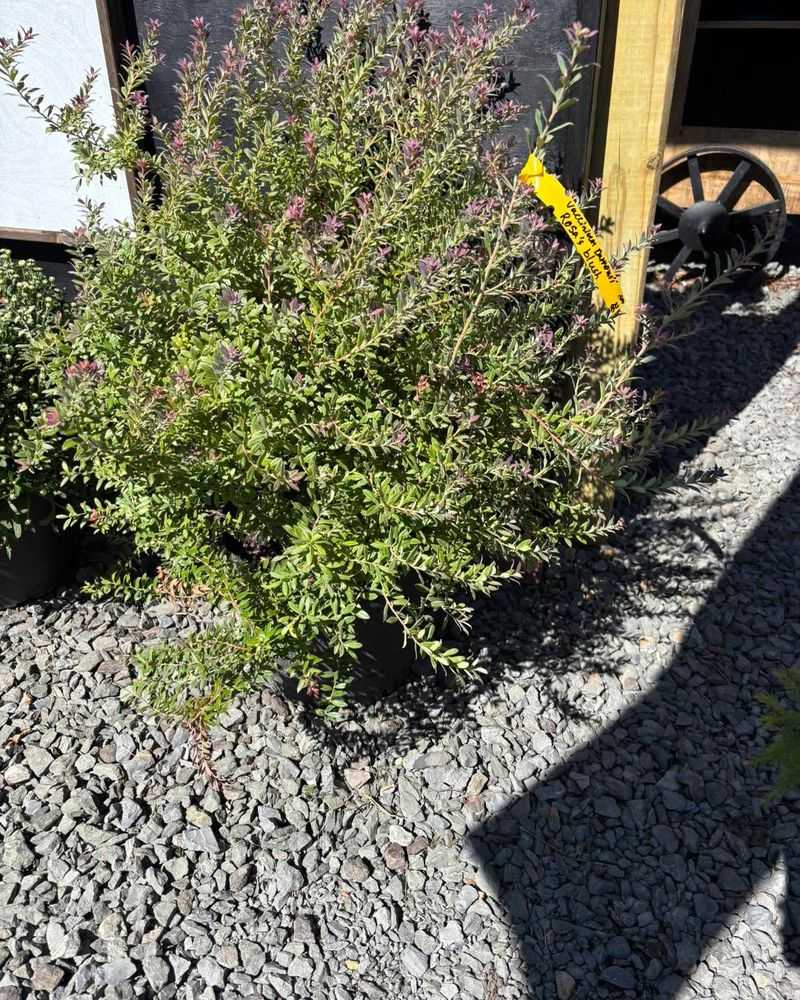
Small plants can deliver a useful harvest without swallowing the yard. Darrow’s blueberry, Vaccinium darrowii, offers low-growing cover and small blue fruits in a shrub suited to Florida’s acidic, sandy settings.
Ripe berries that reach the ground can become part of a box turtle’s seasonal menu. Birds will take their share, so think of the planting as shared habitat rather than a dependable turtle feeding station.
Choose a sunny to lightly shaded spot with acidic, well-drained soil. This is not a good choice beside concrete foundations or in alkaline fill unless a soil test confirms suitable conditions.
Buy correctly identified plants from a native nursery and ask whether the selection fits your part of Florida. Planting several compatible plants can improve fruit production, while a loose layer of pine needles helps protect the soil surface.
Keep the bed connected to shaded cover so a turtle does not have to cross a broad, exposed lawn. Avoid frequent fertilizer applications, and do not scatter store-bought berries to lure wildlife toward the house.
3. Southern Dewberry
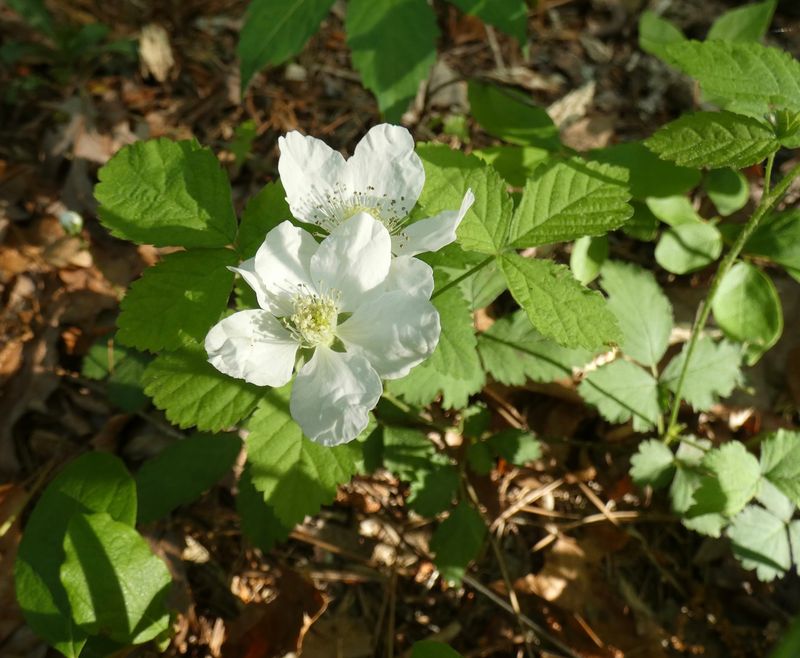
Along a sunny woodland edge, trailing berry canes can turn an unused strip into a seasonal pantry. Southern dewberry, Rubus trivialis, is a Florida-native relative of blackberry that carries its fruit close to the ground.
That low habit sets it apart from taller fruiting shrubs. Fully ripe black dewberries are accessible to ground-foraging animals, and the surrounding vegetation provides cover for insects and other small prey.
Use a contained patch where sun reaches the plants but nearby shrubs offer retreat from the heat. Well-drained soil is a sensible starting point, and watering during establishment helps young plants settle into sandy ground.
Plan for prickles before planting. Keep canes away from children’s play areas, narrow walkways, and places where pets run, then trim wandering growth by hand after checking underneath for wildlife.
Leave open routes around the patch instead of allowing a tangled wall to form. Never stretch loose bird netting across the fruit, since turtles and other animals can become caught in it; sharing part of the crop is the safer choice.
4. Muscadine
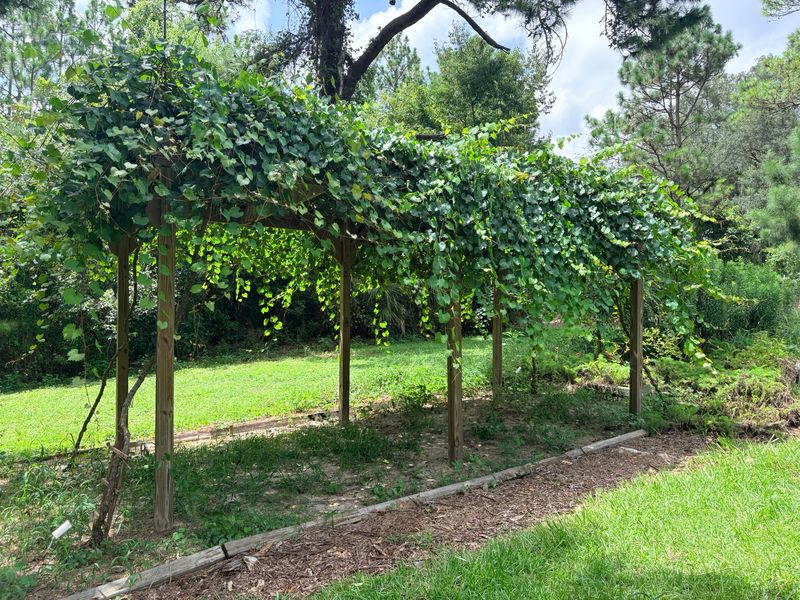
An overhead vine can serve the ground below it. Muscadine, Vitis rotundifolia, produces native grapes while its leafy growth creates a cooler pocket along a sunny garden edge.
Box turtles sometimes eat fallen ripe fruit, including grapes, but fruit should remain only one part of a varied wild diet. The useful combination here is seasonal food above and sheltered travel space below.
Give the vine a strong trellis and plenty of sunshine for good fruiting. Muscadines tolerate Florida heat and grow well in many well-drained sandy soils, although standing water is a poor match.
For a small yard, ask a nursery for a self-fertile fruiting selection of the native species. Some vines need a compatible pollination partner, and male vines alone will not provide grapes.
Prune during the appropriate dormant-season window for your region, and keep growth out of nearby trees. Leave a modest amount of sound fallen fruit, but remove spoiled piles that attract pests; if dogs use the area, remember that grapes are toxic to dogs and choose another plant instead.
5. Maypop
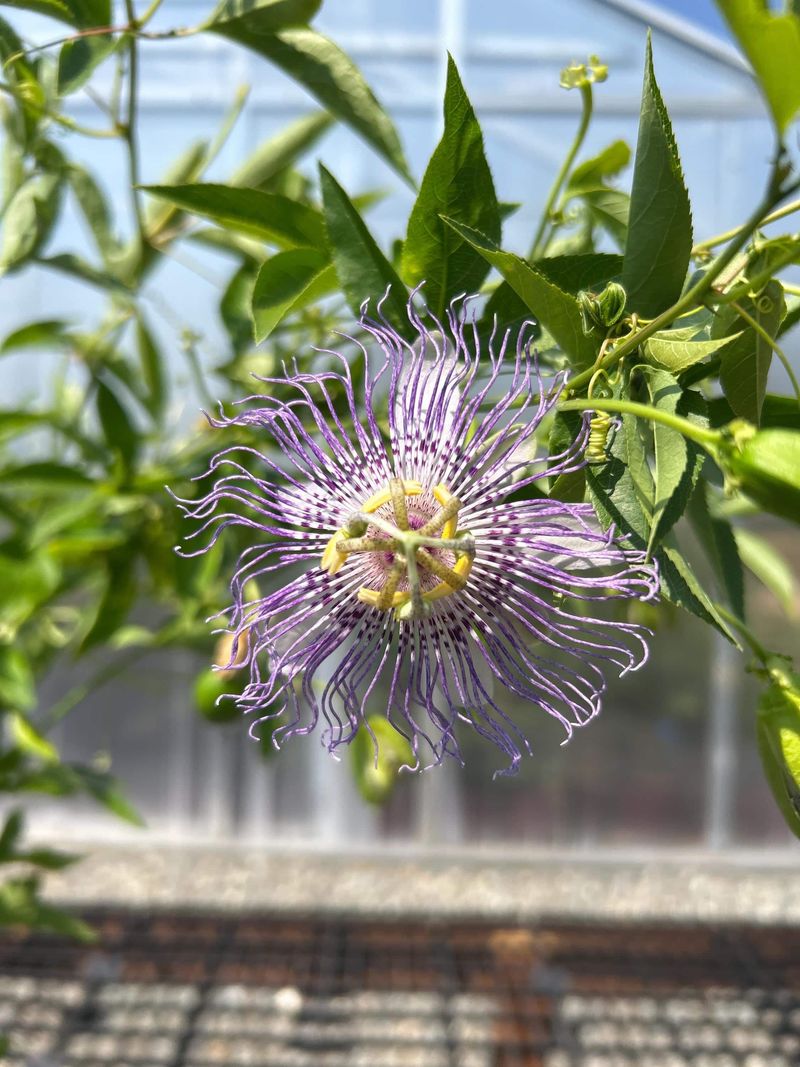
Few native vines put on a flower show quite like this one. Maypop, Passiflora incarnata, pairs striking purple-and-white blooms with fruits containing soft pulp around many seeds.
Fallen, fully ripe fruit may offer a seasonal bite for box turtles. Its other role is supporting native insects, including Gulf fritillary caterpillars, although a wildlife garden should leave those caterpillars to develop rather than treat them as turtle food.
Choose the native species carefully because garden centers also sell nonnative passionflowers. Maypop is best suited to appropriate sites within its Florida range, particularly northern and central areas; a local native nursery can confirm the fit.
Provide sun, well-drained ground, and a small trellis that keeps stems from sprawling across a walkway. Underground runners can send up shoots beyond the original planting, so give it a bed where that wandering habit is manageable.
Do not assume every passionflower part is suitable turtle food. Let animals choose naturally available ripe fruit rather than cutting leaves or unripe fruits for feeding, and avoid spraying caterpillars on the vine.
6. Wild Strawberry
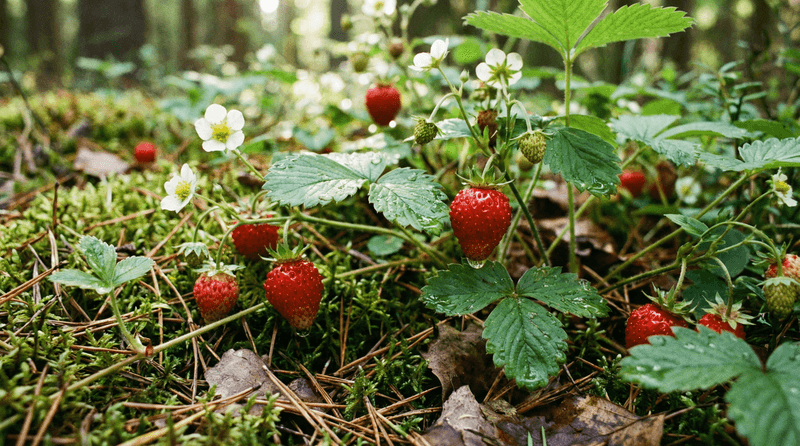
A tiny red berry can make a useful ground-level snack, but correct identification matters here. True wild strawberry, Fragaria virginiana, is native to parts of northern Florida and is a regional choice, not a statewide groundcover recommendation.
Its small fruits sit close to the soil, where a passing box turtle can reach them. The low foliage also adds a different layer beneath taller plants without creating the woody barrier of a dense shrub.
Look for nursery-grown plants with a verified botanical name and local suitability. True wild strawberry has white flowers; the common yellow-flowered mock strawberry is a different plant and should not be confused with this recommendation.
Choose a bright spot with relief from harsh afternoon sun and soil that holds some moisture without staying soggy. A little finished compost can help very lean sand, but avoid building a rich, constantly wet bed.
Expect modest fruit, not supermarket-sized harvests. Leave runners room to spread, hand-pull competing weeds, and inspect the patch before mowing nearby; in hotter parts of Florida, use a better-adapted native from this list instead.
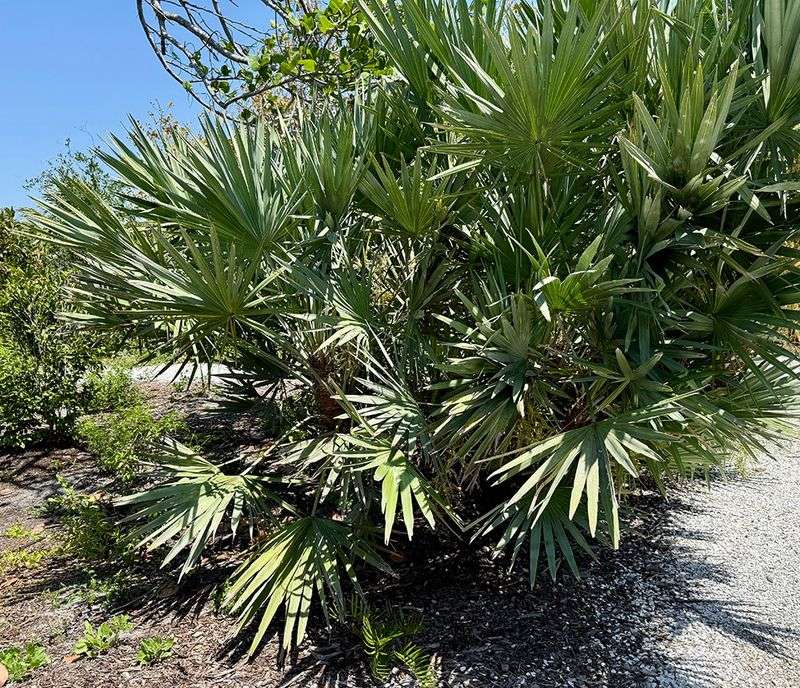
7. Saw Palmetto
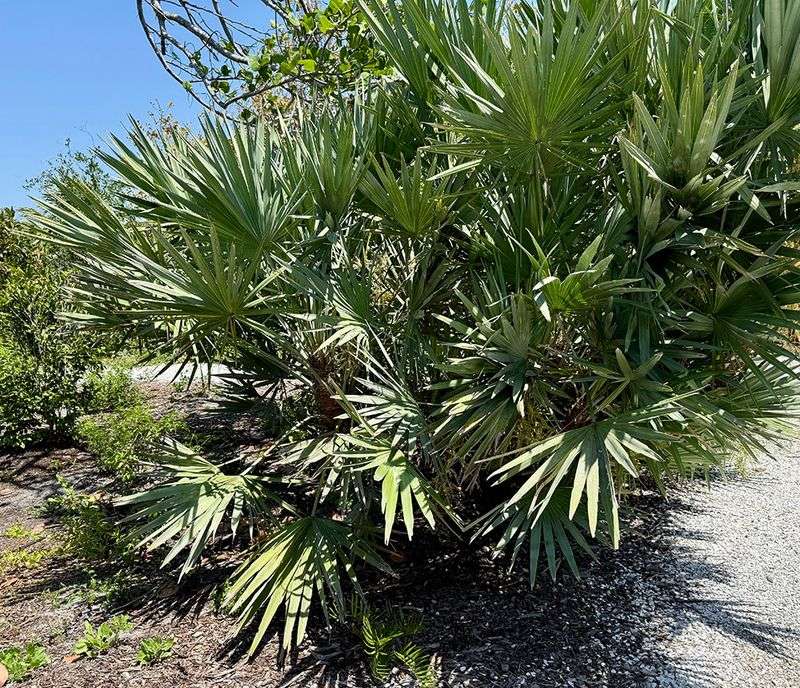
Food is only half the promise of a turtle-friendly yard. Saw palmetto, Serenoa repens, supplies lasting cover that helps a box turtle escape hot sun and move beneath protective foliage.
Its seasonal fruits feed many kinds of wildlife, but shelter is the strongest reason to include it here. Leaf litter beneath an established clump also creates places for small animals that form part of a turtle’s mixed diet.
Reserve real space for this palm, often 5 to 10 feet across or more with age. It handles many Florida sandy sites once established, but a cramped entry bed or narrow sidewalk strip is the wrong setting.
Keep its sharp-edged leaf stalks away from walking routes, and avoid excessive trimming underneath. Before any cleanup, check carefully for resting turtles and other animals.
Complete the habitat with a shallow water dish that has easy exits, refreshed daily, and keep pets supervised. Never collect or relocate a turtle to stock the yard; safe visitors need connected habitat, freedom to leave, and protection from mowers, pesticides, and deep water.