
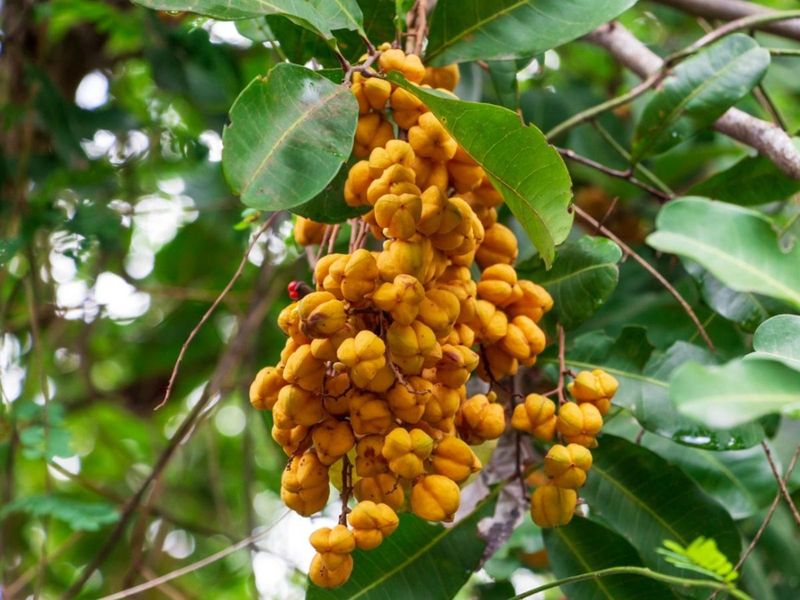
Fall is a smart time to clean up Florida beds before cooler weather sparks new growth. Some shrubs that once looked like easy landscape picks are now creating problems in natural areas, storm ditches, and neighborhood yards.
County plant lists can change as local experts see which plants spread too fast. If one of these is in your yard, replacing it now can save work later and make room for better Florida-friendly choices.
1. Brazilian Pepper
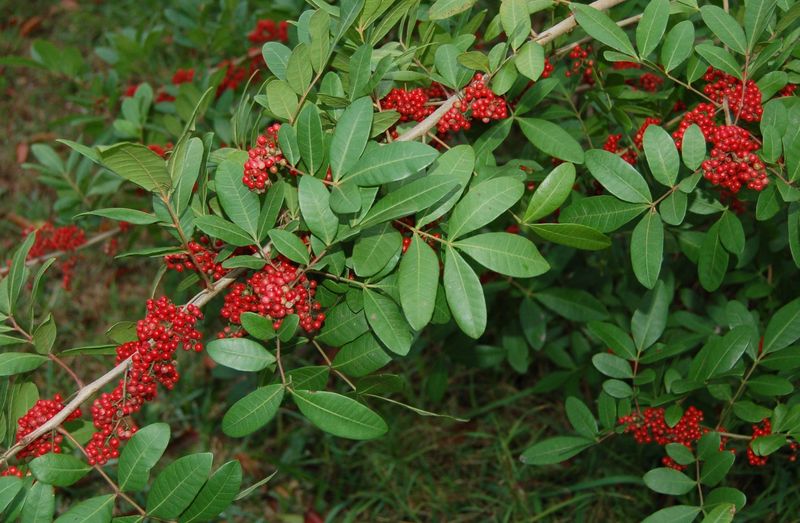
Red berries may look festive in fall, but Brazilian pepper is one of the messiest gifts a Florida yard can give nearby woods and wetlands. Birds eat the berries, fly off, and drop the seeds along fence lines, drainage swales, preserve edges, and empty lots.
What makes this shrub different is its speed and muscle. It can form thick walls of growth that crowd out native plants, reduce wildlife habitat quality, and make a once-open corner of the yard feel like a green barricade.
Pull small seedlings after rain, when sandy soil loosens around the roots. Larger shrubs usually need cut-stump treatment or professional help, because broken roots and resprouts can turn one removal job into a repeat chore.
For a better fall swap, look at Simpson’s stopper, Walter’s viburnum, or native firebush in the right site. They give structure, flowers, berries, or wildlife value without handing your neighborhood a spreading problem.
2. Carrotwood
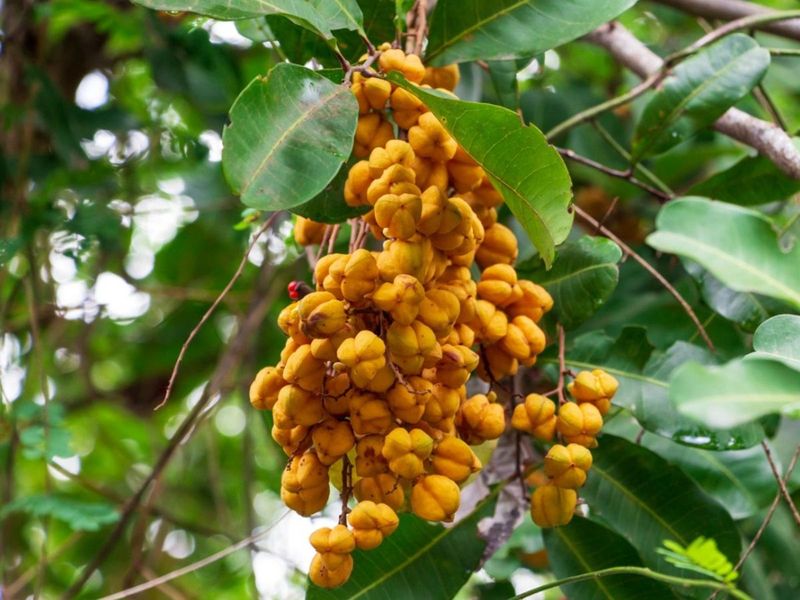
Plenty of Florida homeowners inherited carrotwood as a tidy, shade-giving landscape plant, then watched seedlings pop up where nobody planted them. In warmer coastal counties, it has been especially troublesome because it tolerates heat, salt, and disturbed soil a little too well.
The problem is not that carrotwood looks wild or ugly. The problem is that its neat shape hides a strong ability to spread by fruit, especially near canals, hammocks, and natural edges where birds and water can move seed.
Young plants are the easiest to remove, so fall cleanup should focus on seedlings first. If the plant has become a small tree, avoid simply cutting it at ground level and walking away, because resprouting can follow.
Replace carrotwood with native options that still feel polished near a driveway or side yard. Marlberry, wild coffee in shade, or Simpson’s stopper can give a cleaner Florida look while supporting birds and pollinators in a more balanced way.
3. Chinese Privet
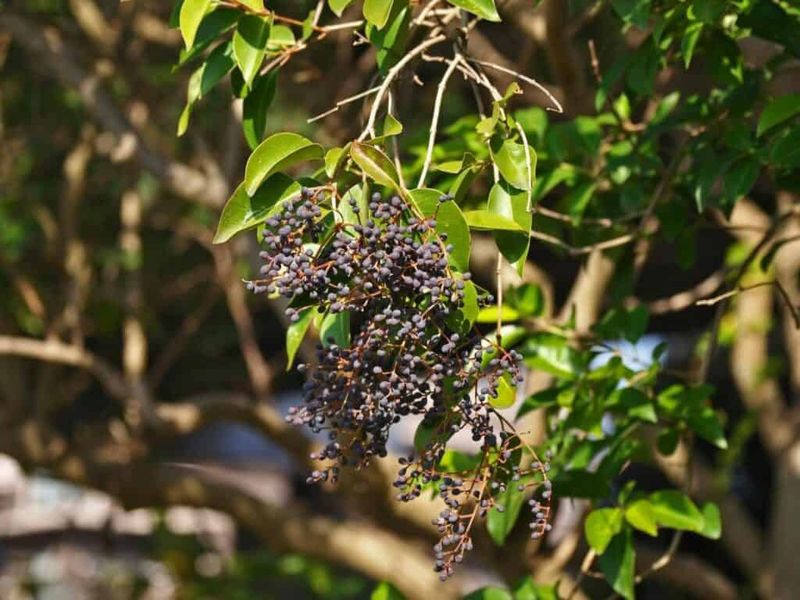
A clipped privet hedge can seem harmless from the street, almost like a green wall that minds its manners. Behind the scenes, Chinese privet is famous for slipping into shady edges and making thickets where native understory plants should be growing.
Its big warning sign is the berry crop. Birds spread the seed, and seedlings often show up under trees, along property lines, and near damp low spots where mowing does not reach.
Florida gardeners should be extra cautious with privet near conservation lots, creeks, retention ponds, or wooded back fences. Once it fills an understory, removing it becomes slow work because plants of many sizes can be packed together.
Start by removing berries before they ripen if you cannot tackle the whole shrub right away. Then dig small plants, cut larger stems close to the ground, and follow local UF-IFAS or county guidance for preventing regrowth.
For privacy, consider wax myrtle, Walter’s viburnum, or yaupon holly where conditions fit. Those choices can still screen a view while giving your yard a stronger Florida-friendly backbone.
4. Surinam Cherry
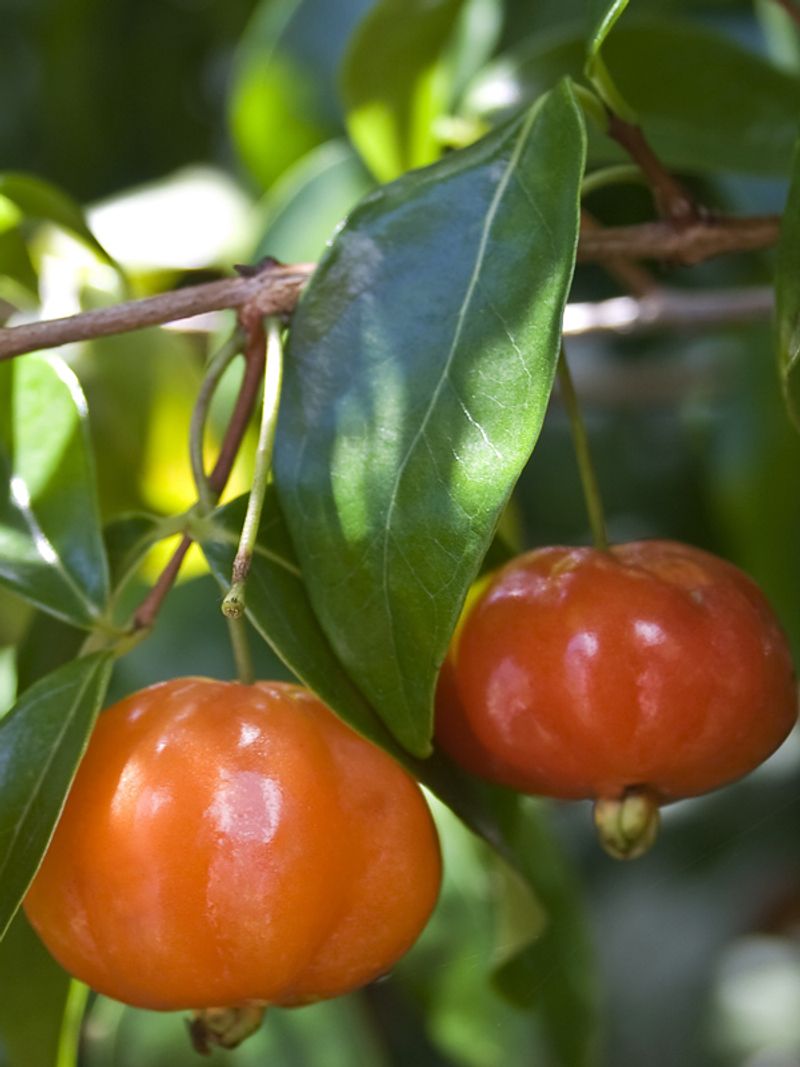
If you have ever crushed a Surinam cherry leaf, you know that sharp, resin-like smell is hard to forget. The shrub’s ribbed red fruit also makes it easy to recognize, especially in older Florida neighborhoods where it was planted as a hedge or edible curiosity.
Surinam cherry earns its place on removal lists because it can move from yards into natural areas, particularly in South and Central Florida. Wildlife may eat the fruit, and seedlings can appear in places that are tough to maintain.
Another issue is density. A mature hedge can become a tangled screen that shelters unwanted seedlings underneath, making it harder to notice the spread until the plants are well rooted.
Fall is a useful time to cut it back, remove fruiting branches, and plan a full replacement before spring growth speeds up. Wear gloves, dig small seedlings completely, and monitor the spot after rain because missed roots or seed can keep the patch going.
Native stoppers are excellent replacements for a similar glossy, hedge-like look. Simpson’s stopper, Spanish stopper, and redberry stopper offer Florida character without the same invasive baggage.
5. Heavenly Bamboo
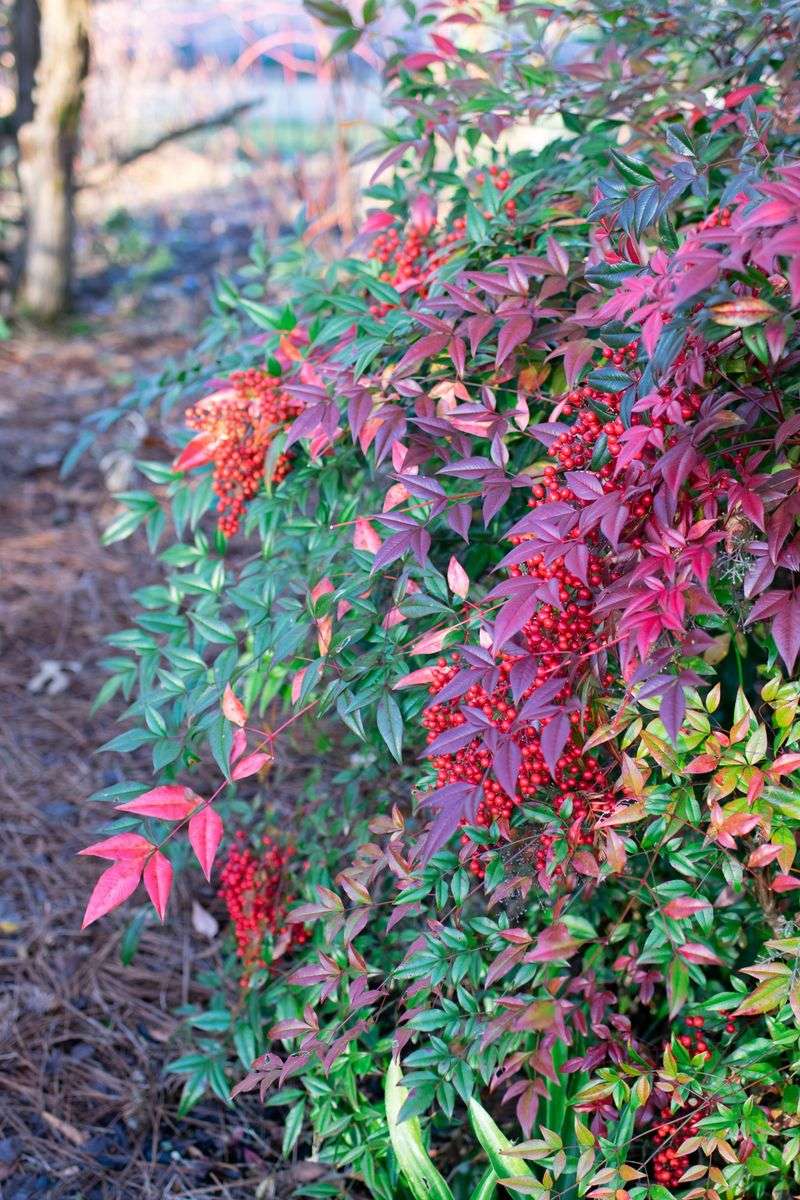
The name sounds peaceful, but heavenly bamboo can cause very earthly headaches in Florida beds. Also called nandina, it is often planted for red berries and color, yet those same berries are part of the reason many gardeners are rethinking it.
Nandina spreads by seed and by underground growth, so it can show up beyond the original planting. In some parts of the South, it has escaped cultivation, and Florida homeowners near natural areas should be especially careful.
The berry issue matters for wildlife-minded yards, too. Some reports have linked nandina berries to bird toxicity concerns when eaten in quantity, so many gardeners prefer to skip the risk and choose safer habitat plants.
Do not just shear nandina into a ball and call it fixed. If removal is the goal, dig out the root mass, watch for suckers, and bag berry clusters instead of composting them where seed might survive.
For color near an entry, try native firebush, coontie, dwarf yaupon holly, or beautyberry in the right light. You will get seasonal interest with a better fit for Florida’s sandy soil, heat, and backyard wildlife.
6. Shoebutton Ardisia
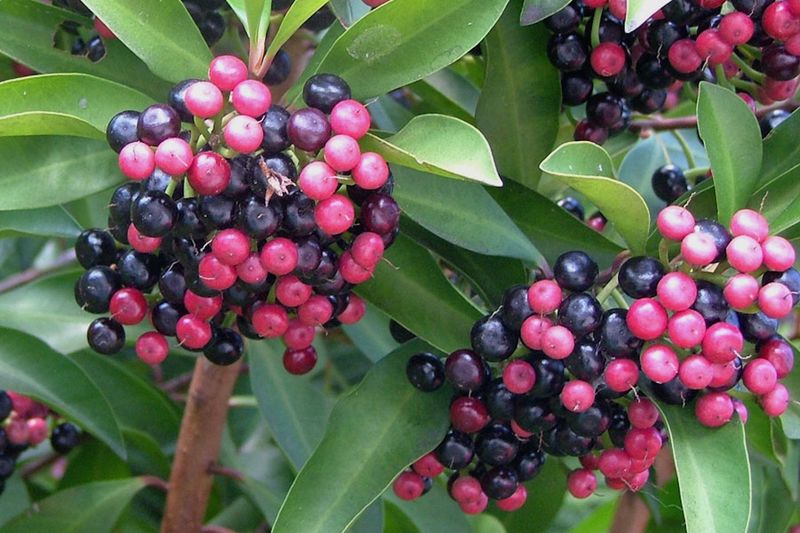
Deep shade is where shoebutton ardisia can fool even careful gardeners. It looks like a simple glossy shrub at first, then quietly builds a colony under trees where native seedlings are already fighting for light.
Its special problem is shade tolerance. Many invasive plants race through sunny disturbed spots, but shoebutton ardisia can settle into hammock-like areas, wooded yards, and moist understory corners that homeowners may not inspect often.
The berries help it travel, and new plants can appear in leaf litter under the parent shrub. By the time a homeowner notices the pattern, the area may hold several generations of plants.
Fall is a good inspection season because yard work often shifts from mowing to bed cleanup. Look beneath older shrubs, along the back fence, and under palms or live oaks where seedlings hide in dry leaves.
Remove young plants by the roots and do not leave fruiting branches on the ground. For a replacement in shade, wild coffee is a strong Florida native choice, while marlberry can work where you want more height and bird-friendly fruit.
7. Mexican Petunia
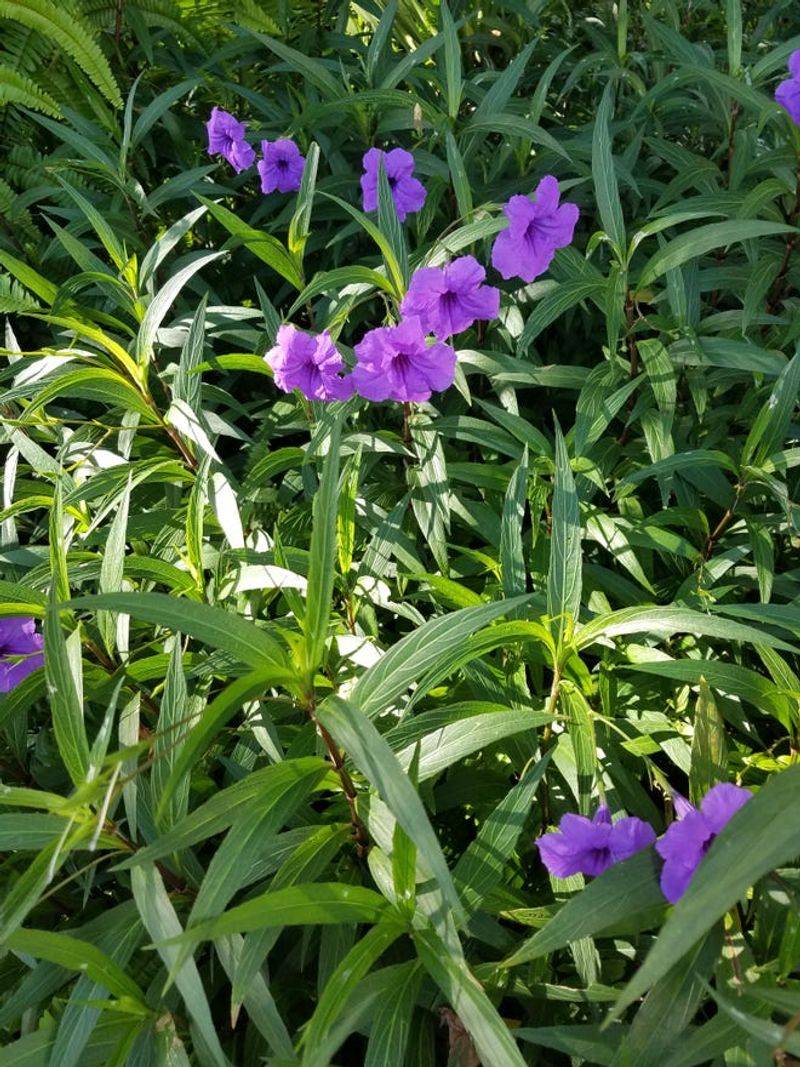
Purple flowers make Mexican petunia a hard plant to dislike at first glance. After one rainy season, though, many Florida gardeners discover why this pretty spreader keeps landing on do-not-plant lists.
Its standout trait is persistence. Mexican petunia spreads by seed and underground rhizomes, and pieces left behind can regrow, especially in moist beds, swales, and low spots that catch stormwater.
That matters in Florida because water moves plant parts and seed farther than a neat garden border suggests. A clump near a downspout or ditch can become tomorrow’s patch along a drainage area.
Removal takes patience rather than one dramatic afternoon. Dig deeply, sift out root pieces, bag seed heads, and check the area after heavy rain when new shoots are easiest to spot.
If you still want purple flowers, choose sterile cultivars only if they are locally recommended, or go with native alternatives such as blue curls, porterweed species appropriate to your region, or wild petunia where available. The goal is simple: keep the color, lose the takeover.