
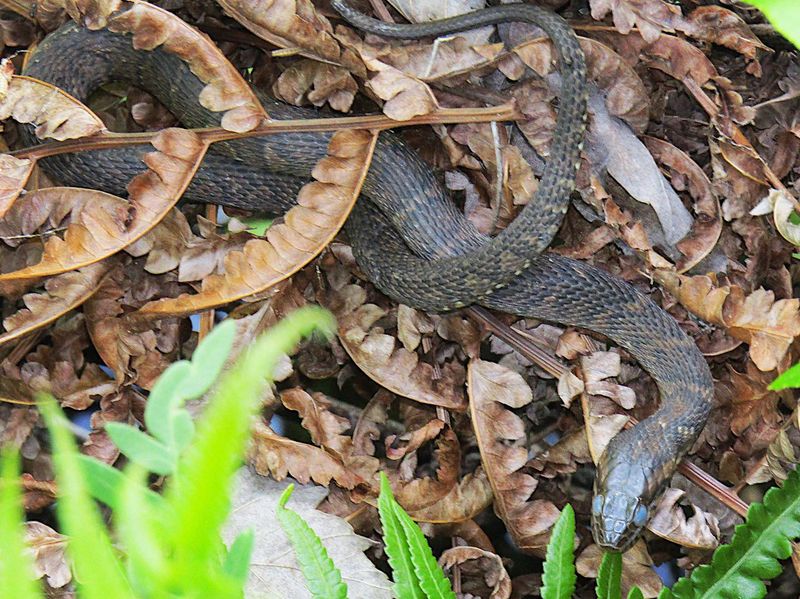
Fall in Florida still feels warm enough for pool days, and snakes are still active around yards. Most are not looking for people, but they do follow food, shade, water, and safe hiding spots.
The tricky part is that a neat-looking backyard can still have small conditions that invite them closer. Here are seven yard setups that can pull snakes toward your pool and what you can change before the season gets busier outdoors.
1. Overgrown Poolside Planting Beds
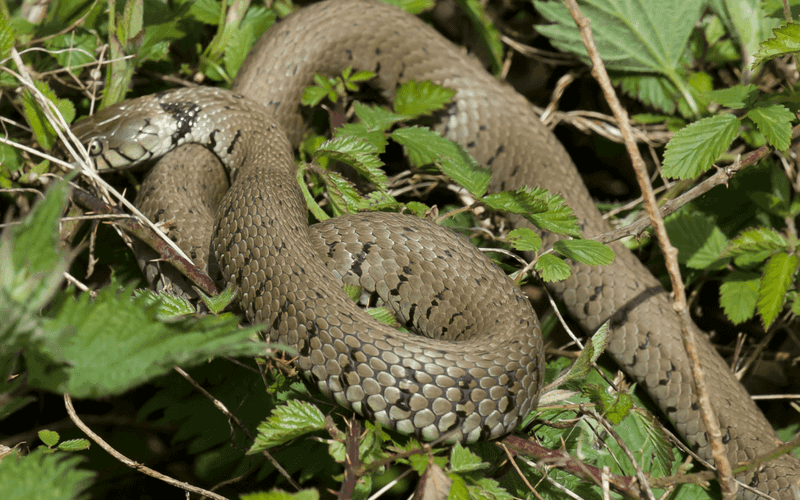
A lush border can make a Florida pool feel like a resort, but thick planting right against the deck can also create a quiet travel lane for snakes. When leaves, stems, and low branches overlap, the bed gives them shade, cover from birds, and a cool place to rest during warm fall afternoons.
The biggest draw is not the plants themselves. It is the protected space underneath them, especially when the bed is layered with leaf litter, loose mulch, irrigation moisture, and small gaps where lizards, frogs, or rodents can move.
In Florida yards, dense plantings of palmetto, ornamental grasses, jasmine, liriope, and sprawling tropicals can become especially inviting if they are not thinned before fall.
Keep the resort look, but open the sight lines. Trim lower growth so you can see the soil surface, pull creeping stems back from the pool coping, and leave a clear dry strip between planting beds and the deck when possible.
UF-IFAS-style Florida-Friendly Landscaping often favors the right plant in the right place, and near a pool that means choosing plants you can maintain without creating a hidden tunnel. Cleaner edges make the space less comfortable for snakes and easier for you to inspect before swimming.
2. Fallen Fruit and Palm Debris Near the Water
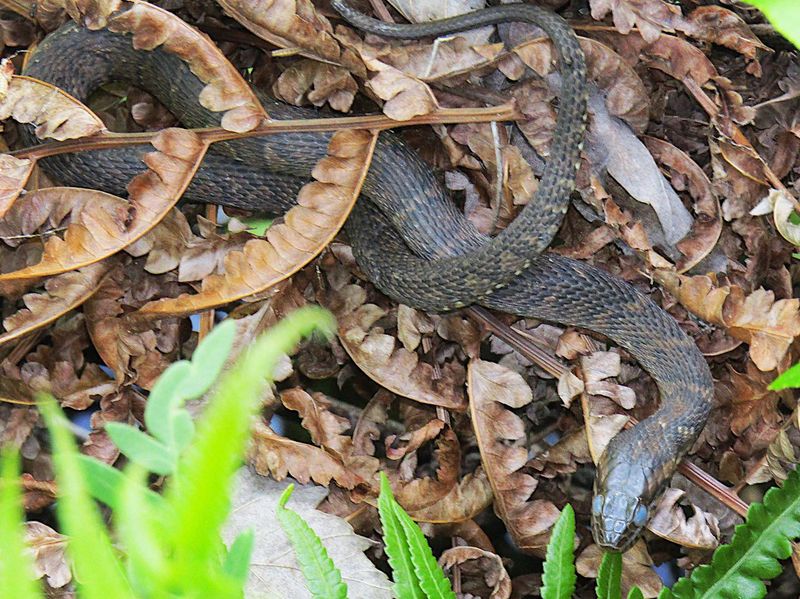
One dropped mango, palm berry cluster, or pile of acorns can start a small backyard buffet. Snakes are not usually coming for the fruit, but the animals that eat it are a different story.
Rodents, insects, roaches, and lizards often show up first, and snakes may follow that activity toward the pool area.
Fall cleanup matters in Florida because many yards keep producing plant litter long after northern gardens have slowed down. Queen palms, live oaks, citrus trees, sea grapes, mangoes, and ornamental fruiting plants can scatter food and cover along patios and pool edges.
When that debris sits in a damp corner, it also holds moisture, which can attract frogs and insects after rain or irrigation.
A simple weekly sweep can change the pattern. Pick up fruit before it ferments, remove palm fronds before they form shelter, and keep seed-heavy debris out from under outdoor furniture.
If you compost, place the pile well away from the pool and use a secure system that does not become a rodent stop. The goal is not a sterile yard.
It is a yard where food trails do not lead straight to your pool steps.
3. Leaky Irrigation and Damp Mulch Pockets
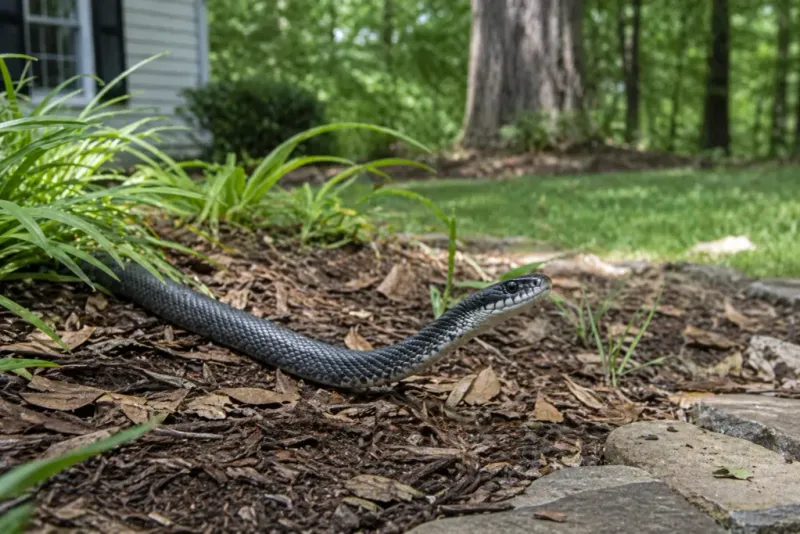
Florida snakes can find water in canals, ponds, ditches, and wetland edges, but a damp yard still has pulling power. A leaky sprinkler head, overwatered bed, or soggy mulch pocket can turn the pool border into a tiny habitat for frogs, insects, and small prey.
After a dry spell, that moisture stands out even more.
Sandy Florida soil usually drains fast, so homeowners may run irrigation more than they realize. Around pools, water can collect where soil has settled, where downspouts dump into beds, or where mulch is piled too deep against edging.
That wet, shaded layer is comfortable for small animals that snakes eat, and it can also make a hot pool deck easier for a snake to cross.
Check irrigation zones in the morning and look for bubbling heads, mist hitting the deck, or beds that stay wet long after watering. Pull mulch back to a lighter layer, usually around 2 to 3 inches for many landscape beds, and avoid volcano-style piles around plant bases.
Redirect downspouts and fix low spots that hold water beside the pool cage or patio.
Less dampness also helps with mosquitoes, fungus issues, and root stress. In other words, the same repair that makes the pool edge less inviting to snakes can make the whole yard easier to manage.
4. Openings Under Pool Cages, Gates, and Fences
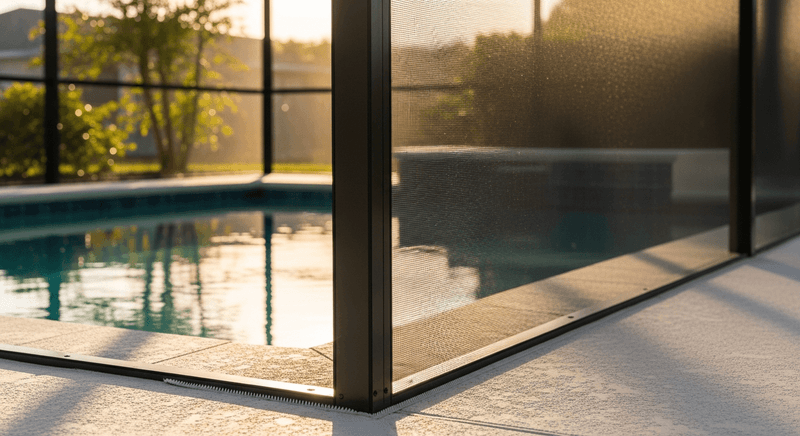
A tiny gap under a pool cage door can feel harmless until you remember how well snakes use narrow spaces. Many Florida pool areas are screened, fenced, or partly enclosed, but small openings can still act like welcome mats for wildlife.
If a lizard can slip through, a small snake may be able to as well.
Fall is a smart time to inspect these weak spots because storms, summer heat, pets, and lawn crews can loosen screens and shift soil. Look closely at door sweeps, gate bottoms, torn screen panels, missing spline, cracked threshold areas, and places where pavers have settled.
Corners are common trouble spots because debris gathers there and hides the gap.
Hardware cloth, proper screen repair, snug door sweeps, and well-fitted gate bottoms can reduce easy access without harming wildlife. Avoid sticky traps outdoors, since they can injure snakes, lizards, frogs, and even birds.
If you find a venomous snake or cannot identify one safely, keep your distance and call a trained wildlife professional rather than trying to move it yourself.
A pool enclosure works best when it is treated like part of the landscape, not just part of the house. Keep the edges visible, repair small damage early, and you remove one of the quietest routes into the pool zone.
5. Rodent-Friendly Storage Around the Pool
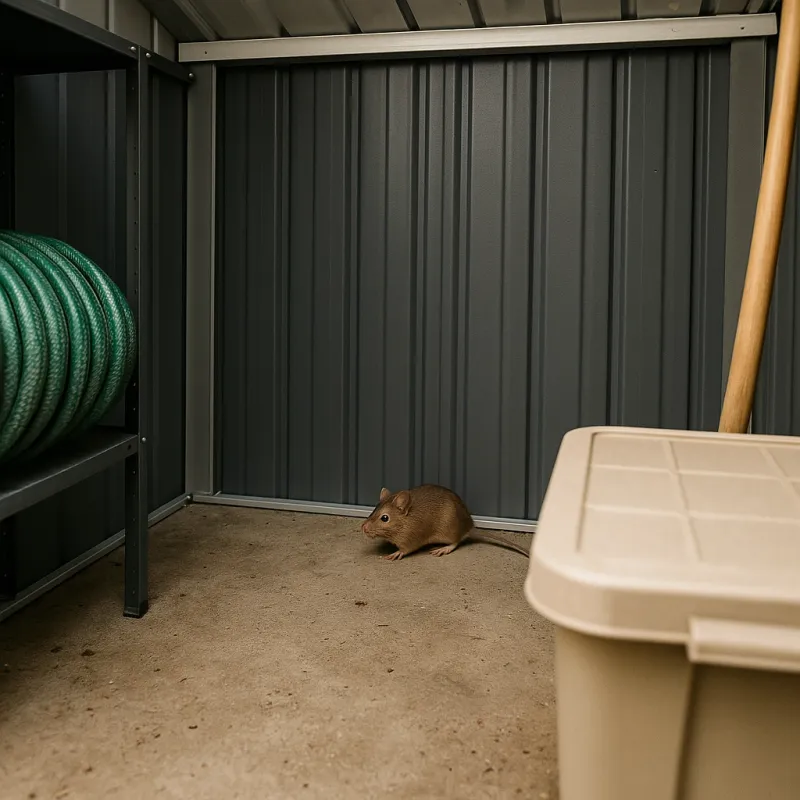
Pool gear has a way of multiplying by fall. Floats, cushion bins, fertilizer bags, cardboard boxes, spare pots, and half-used bags of mulch can collect beside a shed or screen wall.
To a rat or mouse, that clutter looks like shelter, and to a snake, rodents are a strong reason to patrol the area.
The pool itself is not the main attraction here. The real pull is the food chain forming around stored items.
Rodents may nest in stacked cushions, chew into birdseed, hide under plastic bins, or travel along fence lines behind equipment. Snakes often follow scent trails and movement near these protected edges.
Swap soft, messy storage for sealed, hard-sided containers with tight lids. Keep birdseed, pet food, and grass seed indoors or in metal bins, and lift storage shelves off the ground so you can see beneath them.
Move unused pots, broken pool toys, and cardboard away from the pool area, especially before cooler fall evenings make covered spaces more attractive to small animals.
Good storage also makes hurricane-season cleanup easier. When the patio is less cluttered, you can secure loose objects faster, spot pest activity sooner, and reduce the hidden corners that make snakes feel safe while they move through the yard.
6. Rock Walls, Paver Gaps, and Warm Hardscape Edges
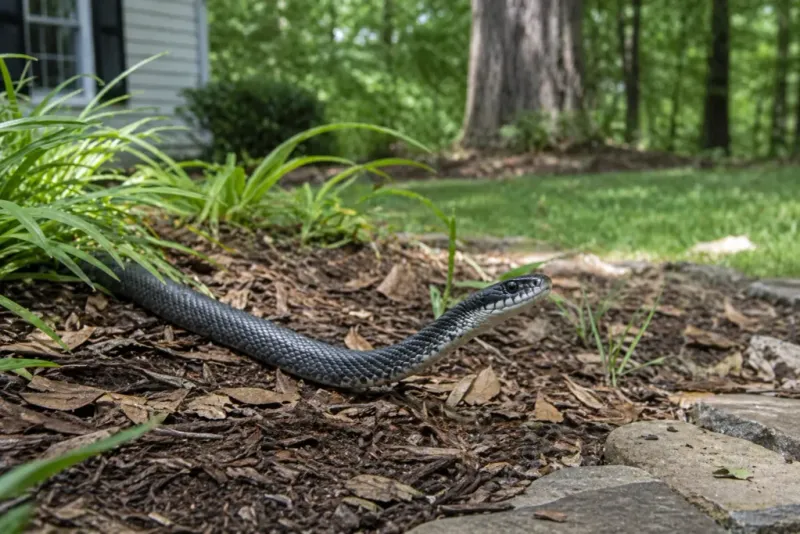
After sunset, a pool deck can hold warmth like a dinner plate left in the sun. Snakes are cold-blooded, so warm pavers, stone borders, retaining walls, and concrete edges can be useful resting spots as fall nights begin to feel a little cooler.
That is especially true in North and Central Florida, where evening temperatures may dip more than they do in South Florida.
Hardscape becomes more inviting when it includes hiding places. Loose pavers, stacked stone, cracked edging, open drain channels, and gaps under coping can create narrow shelters.
Add nearby insects, geckos, frogs, or rodents, and the warm edge becomes more than a resting area. It becomes part of a hunting route.
Walk the pool border slowly and look for openings you would normally ignore. Refill settled paver joints with appropriate jointing material, repair loose edging, and keep stacked stone features tidy rather than hollow and debris-filled.
If you use decorative rock, avoid letting leaves pack into it, since that creates cool, concealed pockets under an otherwise sunny surface.
Lighting helps too. Soft path lights or motion lights near steps, gates, and equipment pads make it easier to see what is on the deck before you walk barefoot outside.
The fix is mostly maintenance, not fear.
7. Frog and Lizard Hotspots Around Pool Lights
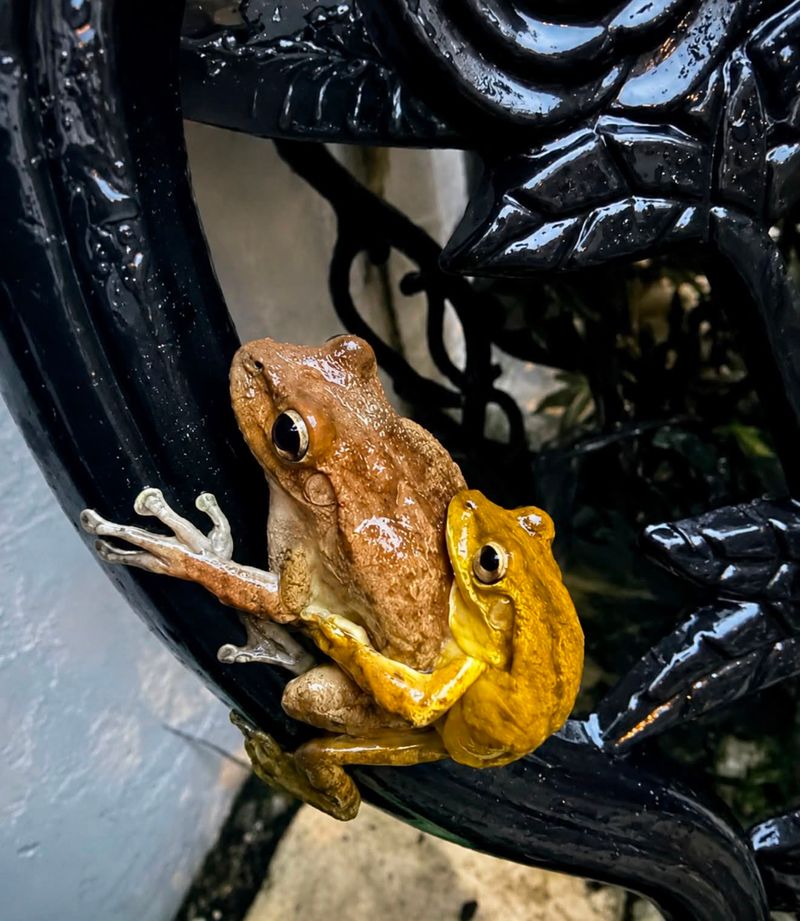
Pool lights can turn a quiet patio into a nighttime snack bar. Insects gather around bright bulbs, then frogs, anoles, geckos, and other small hunters move in.
Snakes that feed on frogs or lizards may eventually check the same busy edges, especially where plants or furniture give them cover.
Florida yards are full of small reptiles and amphibians, and many are helpful parts of the garden. The issue is not that frogs or lizards are bad.
The issue is concentrating them right beside the pool every night with bright white lights, damp corners, and cluttered hiding spots. A glowing pool cage with insects bouncing around the screens can create a steady pattern wildlife learns quickly.
Try warmer, lower-intensity outdoor bulbs where safety allows, and turn off decorative lighting when the pool is not in use. Clean insects from screen tracks, reduce standing water in toys or plant saucers, and keep pots slightly away from doors and pool edges so small animals are not gathering in one tight zone.
If you enjoy wildlife watching, guide that activity toward a separate native planting bed away from the pool.
Florida-Friendly yards can support wildlife without turning the swimming area into the main feeding station. A little light management keeps the evening patio calmer for people and less predictable for snakes.