

Bare mulch between flagstone looks tidy for about a month, then weeds move in and you are back on your knees pulling them all summer. The smarter fix is planting tough native ground covers that fill those gaps, crowd out weeds on their own, and feed North Carolina pollinators while they work.
These low-growing natives handle foot traffic, thrive in Piedmont clay or coastal sand, and ask almost nothing from you once they settle in. Here are seven of the best living carpets to tuck between your stones this season.
1. Green and Gold (Chrysogonum virginianum)
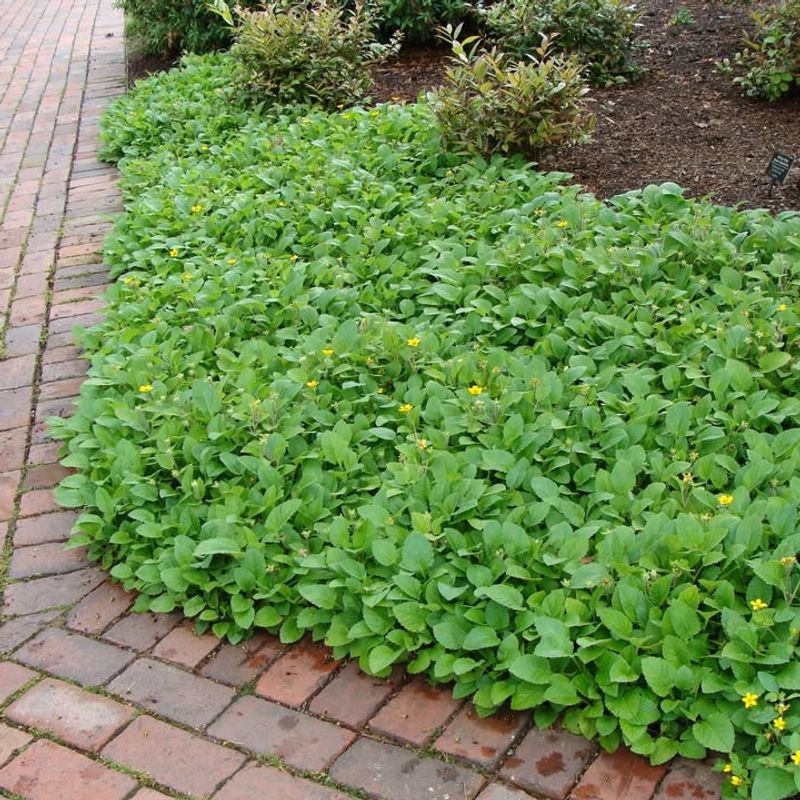
Bright yellow flowers that keep coming from spring straight into fall make green and gold feel like a bonus you did not pay for. It hugs the ground at just a few inches tall, which is exactly what you want creeping between stones you plan to walk on.
Native across the NC Piedmont and mountains, it loves the dappled shade that so many backyards struggle to fill. The dense mat of fuzzy leaves knits together fast, leaving weed seeds nowhere to grab hold.
Small native bees and early pollinators visit the cheerful blooms, so you get color and quiet wildlife support in the same low-effort plant. Give it moist, well-drained soil and it will spread politely without turning into a thug.
Come August, when bare mulch beds look ragged and weedy, this little native is still throwing off gold.
2. Creeping Phlox (Phlox subulata)
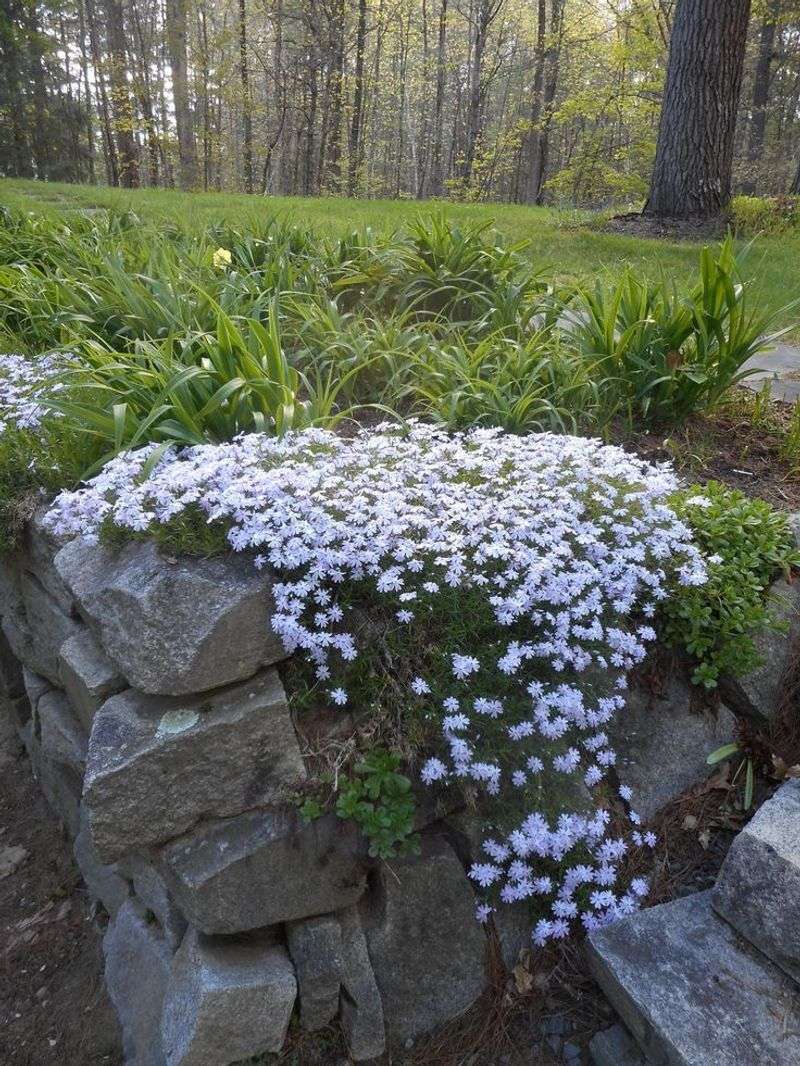
Nothing says spring in a North Carolina yard quite like a river of pink and purple phlox spilling over stone edges. Creeping phlox forms a tight, needle-leaved carpet that greens up all year and explodes into color when the weather warms.
Because the mat grows so thick and low, weeds simply cannot compete for light or space beneath it. That density is what makes it beat mulch: mulch feeds nothing and blows away, while phlox locks the gaps shut.
It shrugs off the heat and drought that hammer Piedmont gardens by midsummer, and it holds soil beautifully on slopes and stone edges. Butterflies and early native bees drop in during bloom season, adding a little life to your walkway.
Plant it where it gets good sun, and it will reward you with a fuller, tighter cover every single year.
3. Wild Stonecrop (Sedum ternatum)
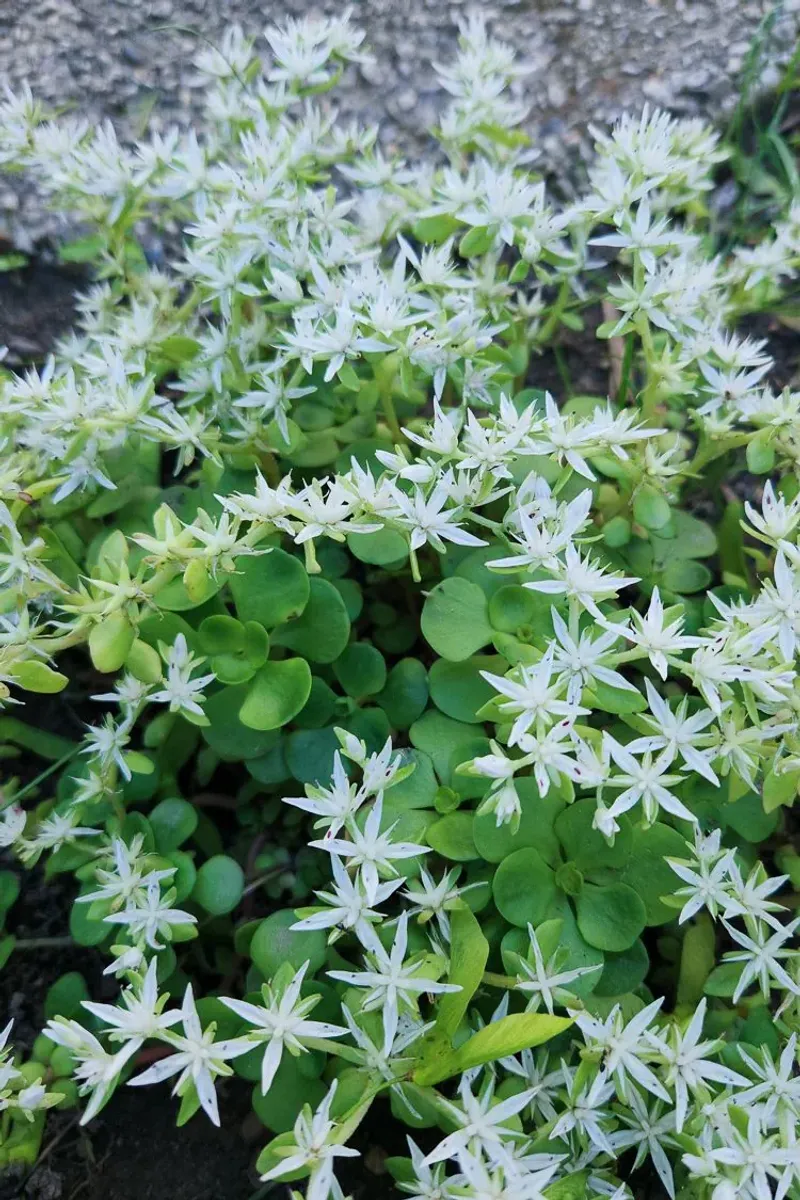
Most sedums crave blazing sun, but wild stonecrop is the rebel that actually prefers a bit of shade, which makes it gold for those cool, damp cracks other plants ignore. Its plump little leaves store water, so it laughs off the dry spells between summer thunderstorms.
In spring, clusters of tiny white star flowers rise just above the succulent mat and pull in native pollinators. The fleshy foliage forms a cushiony layer that smothers weed seedlings before they get going.
Native to rocky, wooded slopes across North Carolina, it feels right at home wedged between shaded flagstones near a porch or under trees. It stays low, tolerates light foot traffic, and needs almost zero fuss once rooted.
If you have a mulchy path that stays soggy and weedy in the shade, this is your swap.
4. Pennsylvania Sedge (Carex pensylvanica)
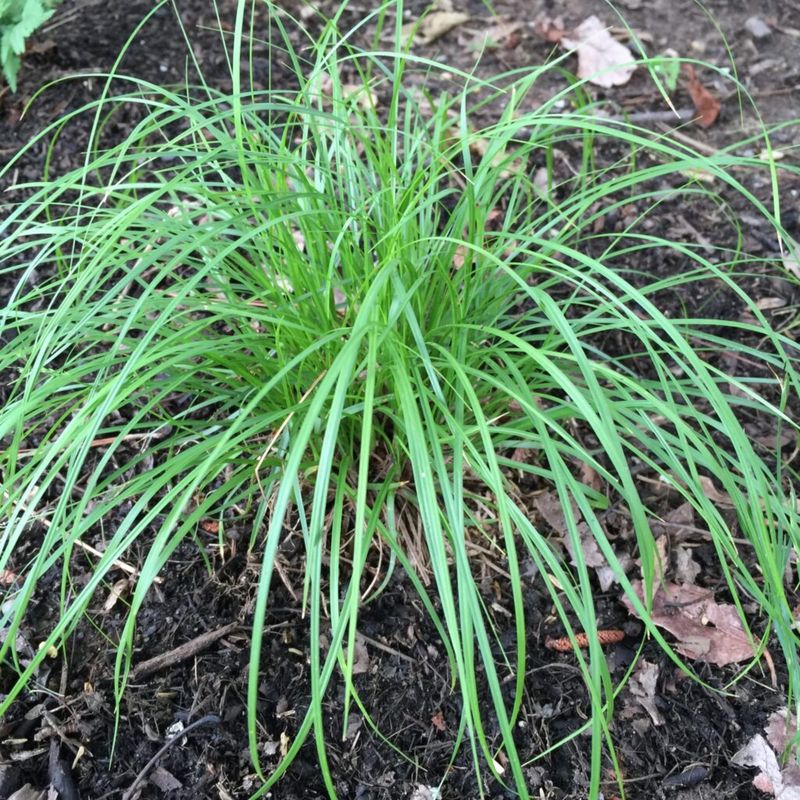
Think of Pennsylvania sedge as the lawn alternative that actually behaves itself between stones. Its fine, arching blades create a soft, flowing green texture that looks like grass but skips the mowing.
Homeowners tired of fighting weeds in shady spots love how this sedge spreads into a gentle, dense turf that leaves little room for intruders. It handles dry shade, that notoriously tricky NC problem zone under oaks and maples, better than almost anything else.
Native songbirds and small wildlife appreciate the cover and seeds it provides, so you are quietly doing right by the land while cutting your chores. It takes light foot traffic and stays around six to eight inches if left unmowed, or you can trim it once for a neater look.
For anyone replacing tired mulch on a shaded walkway, this sedge is a low-effort win.
5. Allegheny Spurge (Pachysandra procumbens)
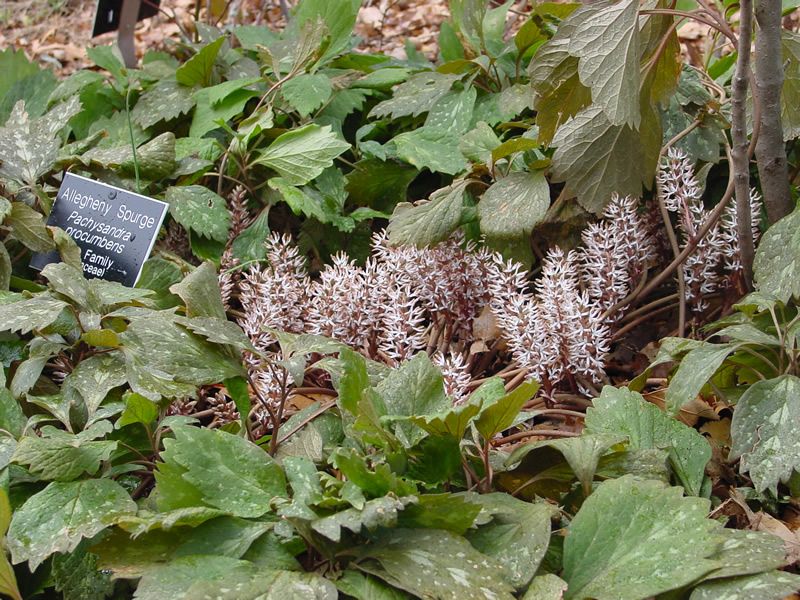
Here is the native answer to that invasive Japanese pachysandra so many yards are stuck with. Allegheny spurge brings handsome mottled leaves in silvery blue-green, plus fragrant bottlebrush blooms in early spring that the imported version cannot match.
It builds a lush, layered carpet in shade that shades out weeds while looking far more refined than plain mulch. Native to the southeastern woodlands, it settles happily into rich, moist NC soils under trees.
Swapping it in for imported ground covers is exactly the kind of native-over-invasive move that supports local pollinators and keeps your beds honest. The plant clumps and slowly spreads without racing out of bounds, so maintenance stays minimal.
Along a shaded flagstone edge, it gives you that full, finished, weed-free look every gardener chases.
6. Golden Ragwort (Packera aurea)
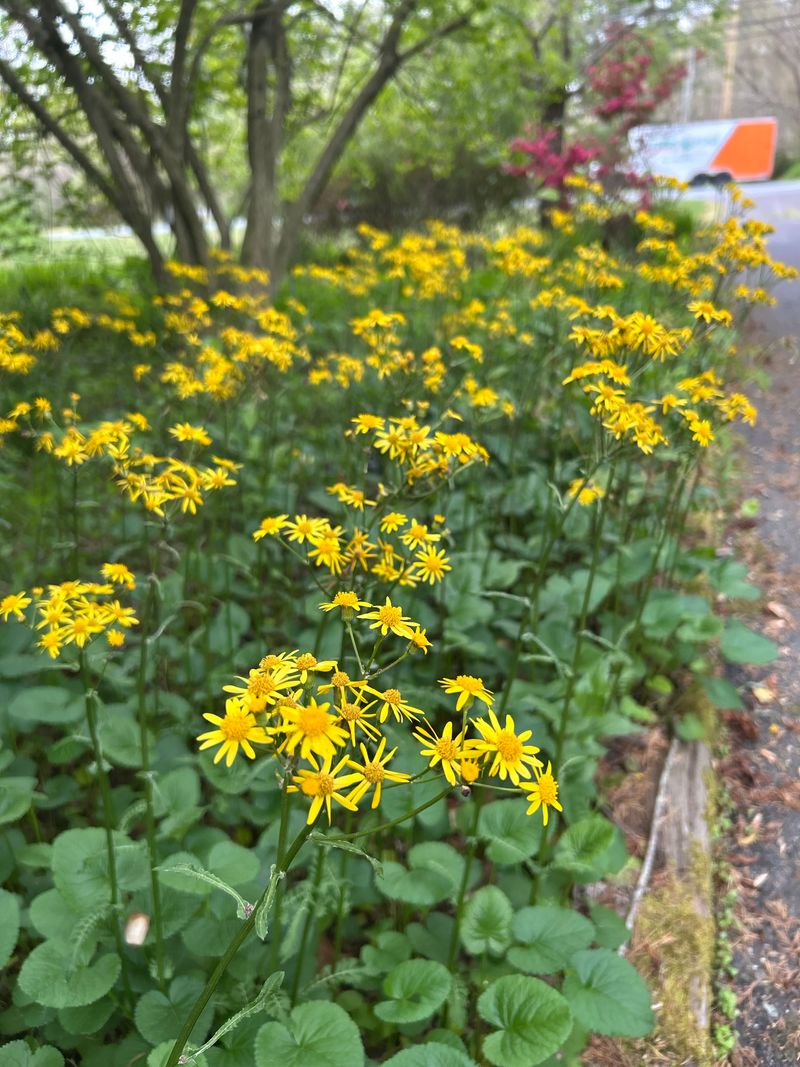
Got a low, damp spot where mulch just rots and weeds thrive? Golden ragwort turns that headache into an asset with a spreading rosette of rounded leaves that forms a weed-blocking evergreen mat.
In mid-spring, tall stems shoot up topped with bright yellow daisy-like blooms that native bees and early pollinators can’t resist. That flush of color pairs with serious ground-holding power below.
It thrives in the moist clay and wet edges common across the North Carolina Piedmont and coastal plain, spreading by seed and runners to fill gaps quickly. Because it stays evergreen through our mild winters, you keep weed suppression year round instead of watching bare mulch invite trouble.
Tuck it along the shadier, wetter runs of your flagstone and let it do the heavy lifting.
7. Woodland Stonecrop Alternative: Foamflower (Tiarella cordifolia)
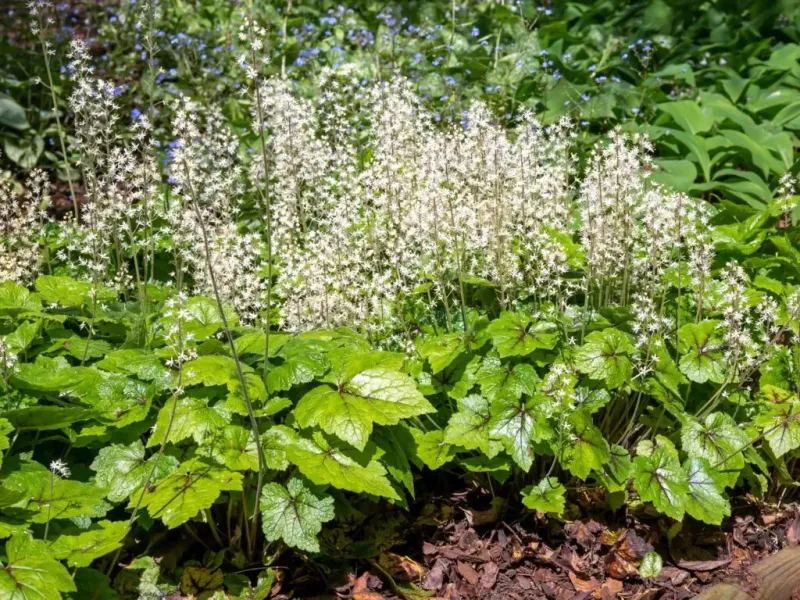
Foamflower earns its name from frothy spikes of tiny white blossoms that float above the foliage like sea spray in spring. Beneath that airy show sits a dense mound of heart-shaped, often mottled leaves that pack together tightly enough to keep weeds locked out.
Native to the cool woodlands of the NC mountains and Piedmont, it thrives in the shady, humus-rich soil where lawns and mulch both fail. Native bees work the delicate flowers, giving your walkway a little pollinator traffic when the season kicks off.
The foliage stays attractive well past bloom time and can hold color into winter in milder parts of the state. It spreads by short runners into a neat, controlled carpet, so you get coverage without a takeover.
For a shaded flagstone path that begs for something both pretty and practical, foamflower closes the gaps and finishes the look.