
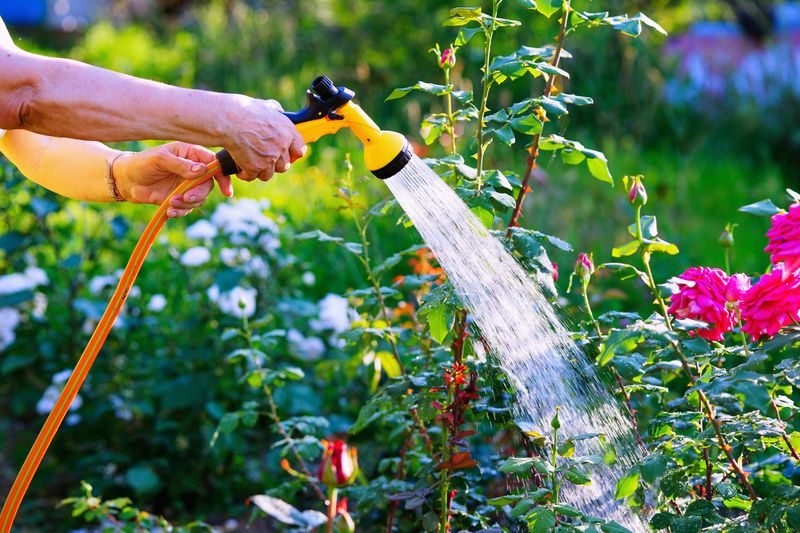
Your roses worked hard all summer, and what you do in fall decides how they look next spring. A few common habits, like late pruning or too much fertilizer, can quietly leave bushes weak, sick, or full of dead canes.
In the South, where fall stays warm and frosts arrive late, the timing matters even more. Here are eight mistakes to skip so your roses come back strong and ready to bloom.
1. Feeding with high-nitrogen fertilizer too late
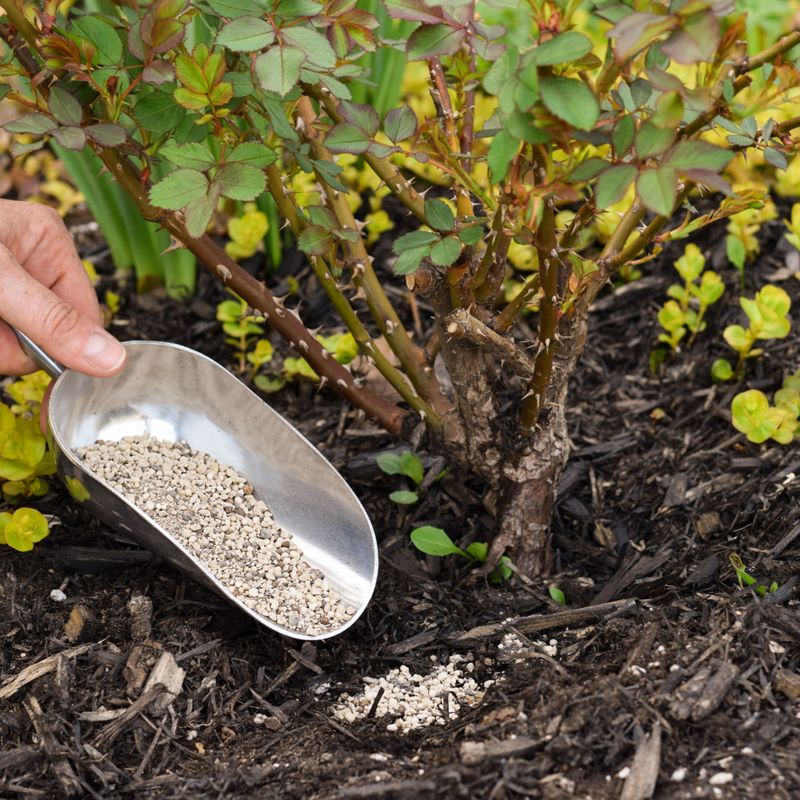
Picture a rose pushing out soft, red new shoots in late October. It looks like a win, but those tender stems are often the first casualties when a cold snap finally rolls through.
High-nitrogen fertilizer tells a rose to keep growing leaves and stems. In fall, you want the opposite, because the plant should be slowing down and storing energy in its canes and roots.
Fresh growth has thin cell walls that frost can split, leaving blackened tips and open wounds where disease may move in.
For most Southern gardeners, a good rule is to stop nitrogen feeding about six to eight weeks before your usual first frost. In North Texas, that often means early September.
Along the Gulf Coast and in Central Florida, roses may keep growing longer, so you can feed a bit later, but taper off as days shorten.
If you want to give your bushes something in fall, a light dose of compost or a low-nitrogen blend with potassium can help support root health without pushing soft growth. Think of it as tucking the plant in rather than waking it up.
Your spring canes will usually be thicker and sturdier for it.
2. Pruning hard in the middle of fall
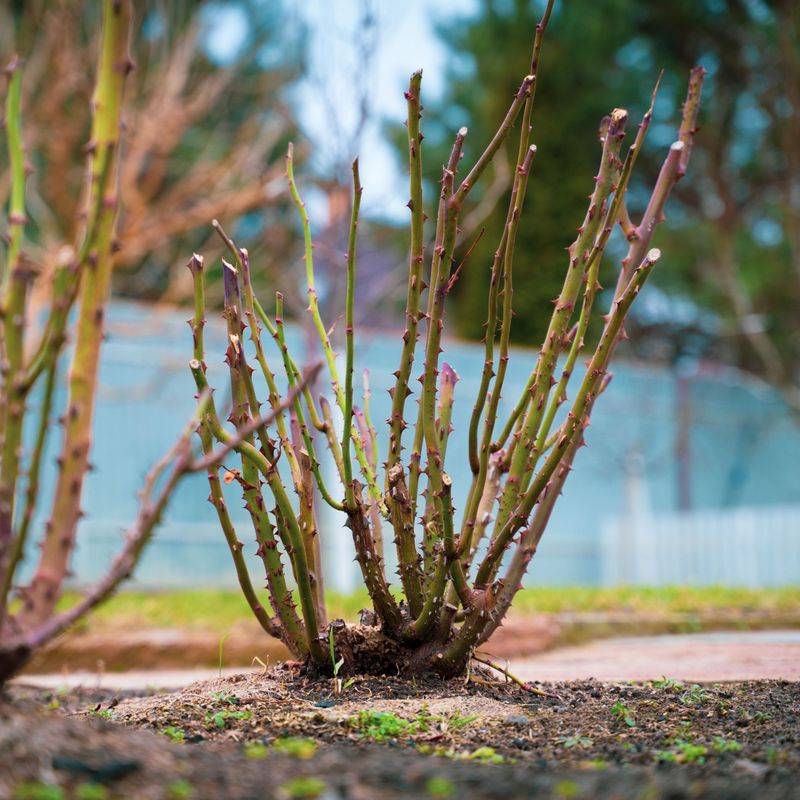
Grabbing the shears in October feels productive. The garden looks tired, the roses look leggy, and a big cleanup seems like the right move.
Here is the catch: heavy pruning is a growth signal. Cut a rose back hard while the weather is still mild, and it may respond with a flush of new shoots right before freezing nights arrive.
In Texas and much of the South, where a warm spell can follow a chilly week, that stop-and-go pattern can do real harm to fresh growth.
Save the major pruning for late winter. Many Southern rosarians use Valentine’s Day as a handy reminder, though Florida gardeners in warmer zones may prune a little earlier, around late January.
Fall trimming should stay light. You can safely remove:
Dead, broken, or clearly diseased canes. Long whips that might snap in wind.
Spent blooms if you are not planning to let hips form.
Keep cuts clean and angled so water runs off. Anything beyond that tidy-up can usually wait a few months.
Your patience in fall tends to show up as stronger, more even bud break once spring warmth settles in for good.
3. Leaving diseased leaves on the ground
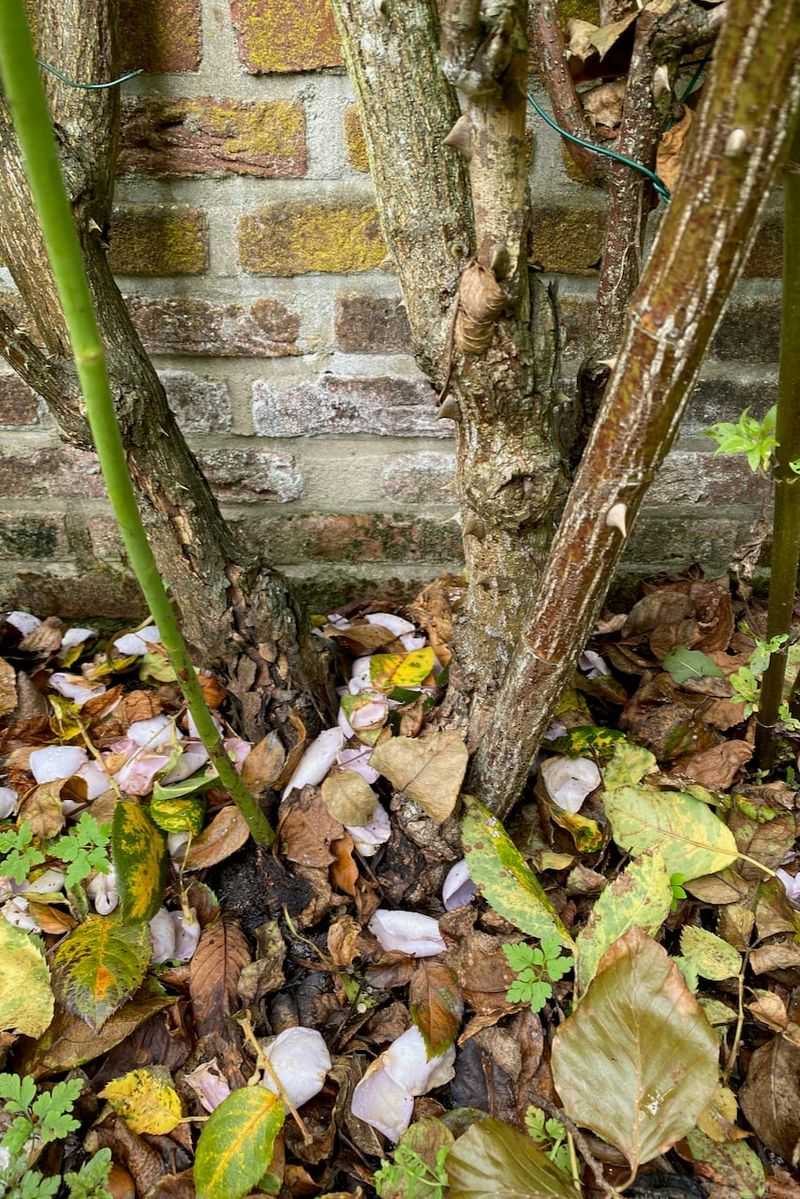
Black spot is the uninvited guest that never really leaves. Those dark, fringed spots on yellowing leaves come from a fungus that can overwinter right on fallen foliage at the base of your bush.
When spring rains hit that old leaf litter, spores splash up onto the brand-new leaves. Before you know it, the cycle starts over, sometimes earlier and harder than the year before.
Humid places like Florida and East Texas give this fungus a real head start.
A simple fall cleanup can make a big difference. Rake up fallen rose leaves and pick off any spotted ones still clinging to the canes.
Bag them or toss them in the trash instead of the compost pile, since many home compost bins do not get hot enough to reliably kill fungal spores.
Once the ground is clean, a fresh layer of mulch adds a barrier between the soil and future leaves. It will not guarantee a spotless spring, but it can reduce how much disease your roses face as they leaf out.
If black spot was severe this year, consider swapping in a more disease-resistant variety down the road. Some modern shrub roses shrug it off far better than older hybrid teas.
4. Cutting back on water too soon
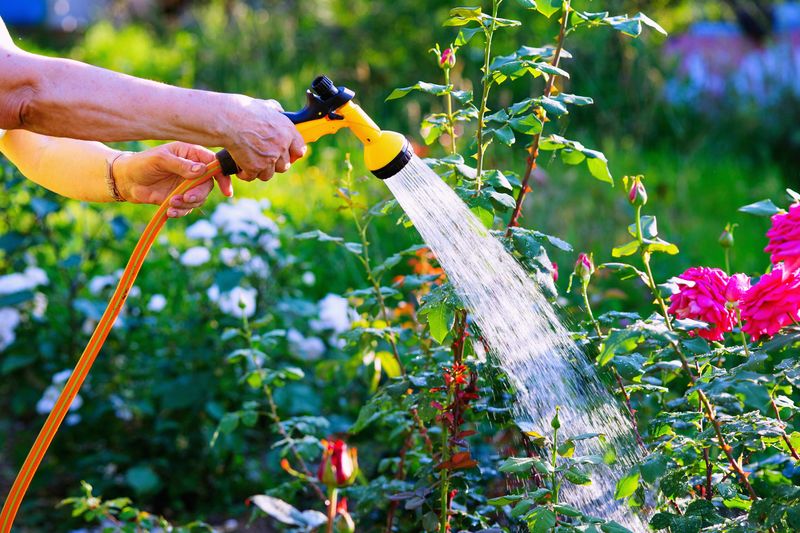
Cooler mornings trick a lot of us into putting the hose away. Yet fall in Texas and much of the South can be surprisingly dry, with bright sun and wind still pulling moisture out of the soil.
Roses keep building roots through autumn, even when top growth slows down. Thirsty roots cannot store energy well, and a drought-stressed bush often heads into winter already weakened.
Dry plants may also suffer more damage during a freeze, because moist soil tends to hold heat better than dusty, parched ground.
Keep watering deeply until the plant goes dormant or regular rains take over. A slow soak once a week, aiming for about an inch, is a good starting point for most in-ground roses.
Container roses dry out faster and may need a check every few days.
Try the finger test. Push a finger two inches into the soil near the base, and if it feels dry, it is time to water.
Water early in the day and aim at the soil, not the leaves. Wet foliage overnight can invite fungal problems, which is the last thing you want heading into the cooler, damper months.
5. Deadheading every last bloom

Old-time gardeners had a trick for helping roses settle down for winter, and it costs nothing at all: just stop deadheading.
When you snip off spent flowers, the plant tries to bloom again. That is great in May, but in late fall it keeps the bush spending energy on buds instead of hardening its canes.
Letting the last flowers fade and form hips sends a natural message that the season is winding down.
Rose hips are the round seed pods that swell after petals drop. On many varieties they turn bright orange or red, adding color to a bare winter garden.
Birds such as mockingbirds and cedar waxwings may nibble on them too, which is a nice bonus for wildlife-friendly yards.
A good window to stop deadheading is about four to six weeks before your average first frost. In South Florida, where frost is rare and many roses bloom nearly year-round, this step matters less, so focus instead on light grooming.
Fun bit of history: rose hips are packed with vitamin C, and during World War II people in Britain gathered them to make syrup for children. Your garden hips are best left for the birds, though.
6. Skipping a fresh layer of mulch
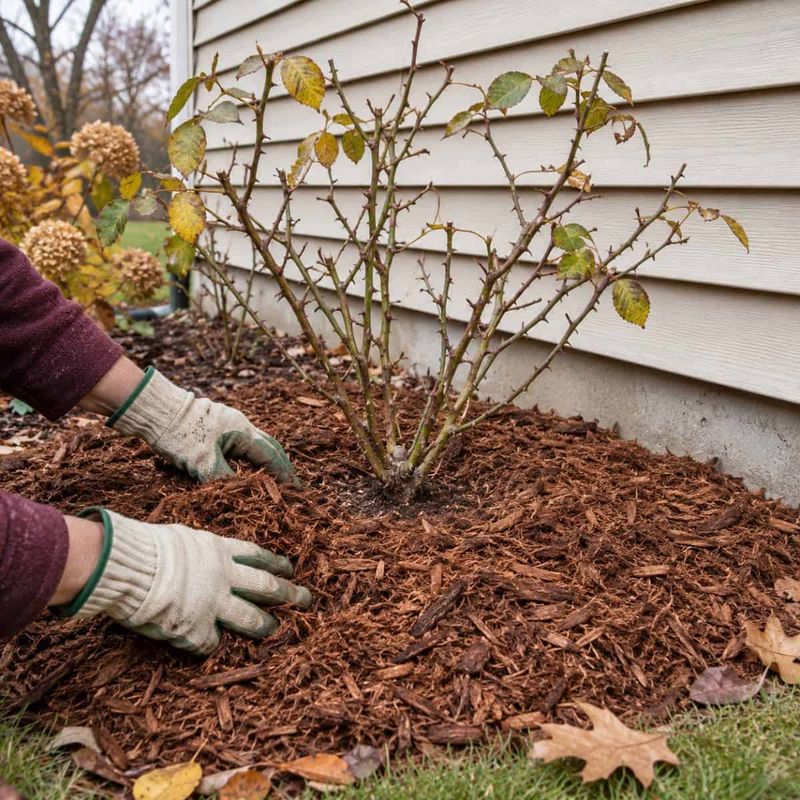
Bare soil around a rose is a little like leaving the front door open on a chilly night. Heat escapes, moisture slips away, and roots take the hit.
Even in the South, roots near the surface can be stressed by sudden temperature swings. One week might be 80 degrees and the next might bring a hard freeze.
A two to three inch layer of mulch helps steady soil temperatures, holds in water, and keeps weeds from stealing nutrients.
Good choices for Southern beds include pine straw, shredded hardwood, or pine bark. Compost works too and feeds the soil slowly as it breaks down.
Spread it in a wide ring around the bush, but keep it a few inches away from the canes themselves.
That gap matters. Mulch piled against the stems can trap moisture, invite rot, and give voles or insects a cozy hiding spot.
In colder pockets of North Texas, some gardeners mound extra mulch or soil around grafted roses after the first hard freeze to protect the graft union. For most Gulf Coast and Florida yards, a standard layer is usually plenty.
Refresh it each fall, since older mulch thins out as it decomposes.
7. Ignoring pests that move in for winter
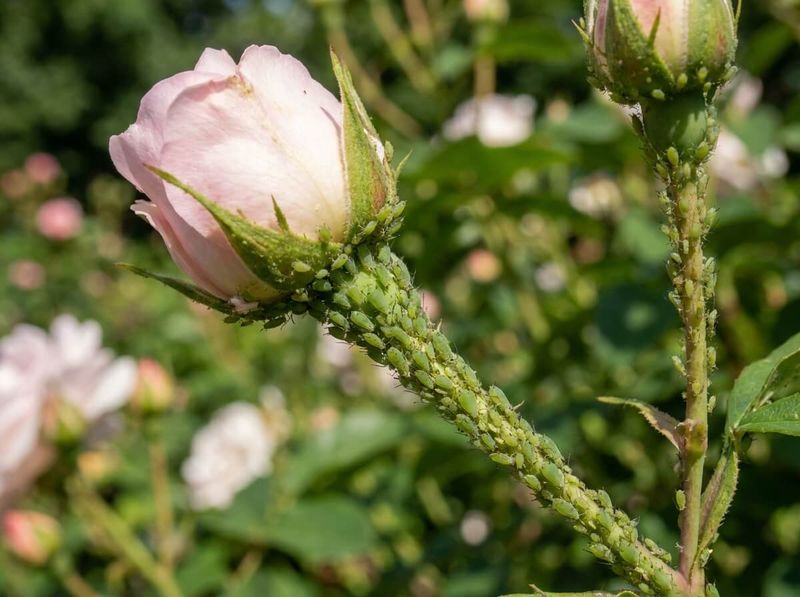
Bugs do not just vanish when the weather cools. Some of them simply look for a quiet place to wait, and rose canes make an excellent hideout.
Scale insects, spider mites, and aphid eggs can linger on stems through mild Southern winters. In Florida especially, pests may stay active almost all year.
Come spring, they are already in position to attack tender new leaves the moment they appear.
Take ten minutes on a dry afternoon to inspect your bushes closely. Look for:
Small bumps or crusty spots on canes, which can signal scale. Fine webbing or speckled leaves, a hint of spider mites.
Clusters of tiny insects near the tips.
A strong spray of water can knock off many soft-bodied pests. For scale, horticultural oil applied during cooler, dormant periods may help smother overwintering insects.
Always check the label for temperature limits, since oils can burn leaves in heat.
Deer are another fall worry. As wild forage thins out, they may start browsing rose canes and buds more often.
Repellent sprays or temporary netting can reduce damage, though no method works perfectly every time. Catching problems now usually means a cleaner, calmer start next spring.
8. Planting or moving roses at the wrong time

Ask a seasoned Southern rose grower when to plant, and many will surprise you by saying fall or early winter. Ask a gardener up north, and you will hear spring.
Both are right for their own climates, which is exactly where mistakes happen.
Following national advice blindly can trip you up. In much of Texas and Florida, planting roses in midsummer heat is tough on new roots.
Cooler months give them time to settle in before harsh summer sun returns. On the flip side, digging up an established bush in early fall while it is still actively growing can shock it badly.
For transplanting existing roses, many Southern gardeners wait until the plant is dormant or nearly so, often December through February. Bare-root roses are commonly planted from January into early spring in the region.
When you do plant, give the rose a sunny spot with at least six hours of direct light and soil that drains well. Water deeply right after planting and keep the soil evenly moist while roots establish.
Matching your timing to your local climate, rather than a generic calendar, is often the single easiest way to set roses up for success.