
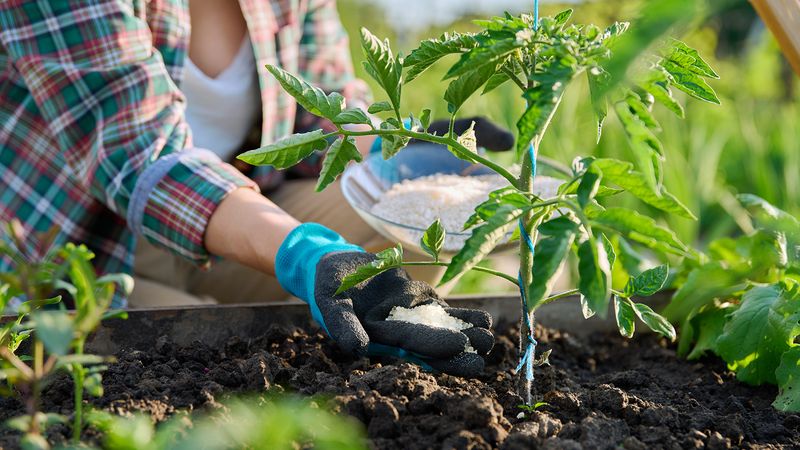
If your tomato plants look sickly and someone told you to sprinkle Epsom salt on them, you are not alone. Epsom salt has a reputation as a garden miracle, but the truth is messier than the internet makes it sound. Sometimes it rescues a struggling plant, and sometimes it quietly makes things worse without you noticing. Here are eight times it truly earns its spot in your garden shed, plus seven times it can backfire on your tomatoes.
1. Fixing a True Magnesium Shortage
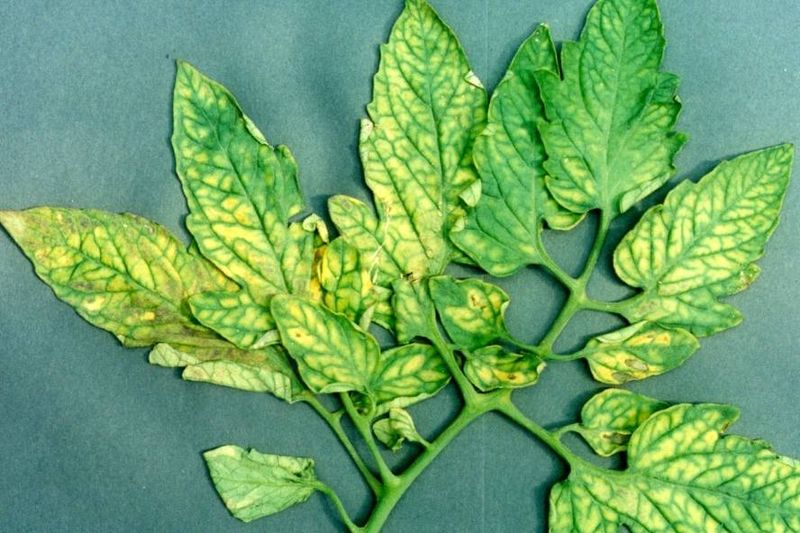
Picture a tomato plant whose lower leaves have turned yellow between the veins while the veins themselves stay stubbornly green. That striped, tired look is often magnesium deficiency, and Epsom salt (magnesium sulfate) is one of the fastest ways to answer it.
Magnesium sits at the center of every chlorophyll molecule, so a plant running low simply cannot make enough green pigment to feed itself. A soil test that confirms low magnesium is your green light. When the shortage is real, a dose of Epsom salt can restore color to new growth within a couple of weeks.
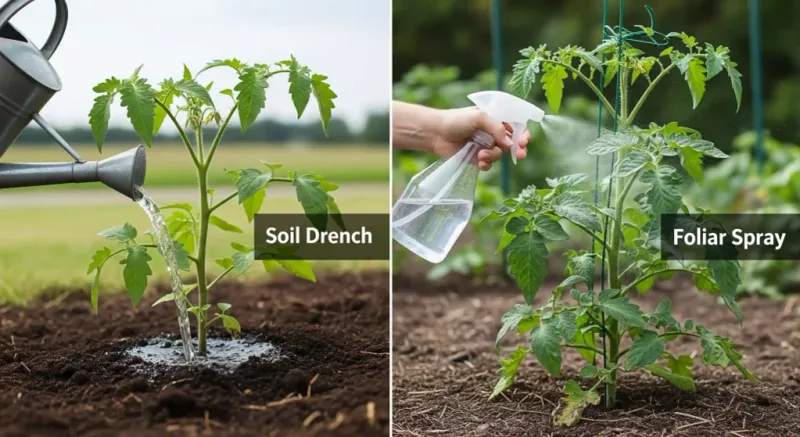
Sandy soils and heavily watered container tomatoes lose magnesium quickly, which is why they show symptoms most often. Roughly one tablespoon dissolved per gallon of water, poured at the base, gives roots a gentle drink of what they crave.
The key word is confirmed. Epsom salt only helps when magnesium is actually missing, not as a routine tonic. Used on a genuinely deficient plant, though, it may bring a fading tomato back to healthy, productive life surprisingly fast.
2. Greening Up Pale New Leaves
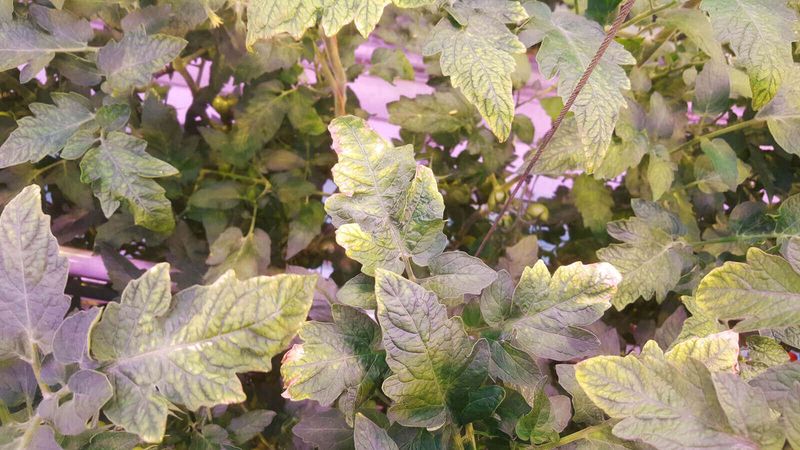
Ever notice the newest growth at the top of a tomato plant looking washed out and pale, almost lime-colored, while it should be a deep vibrant green? That fading can signal the plant is struggling to move nutrients into fresh tissue, and a magnesium boost sometimes helps the machinery run again.
Magnesium acts like a traffic director for other nutrients, helping the plant absorb and shuttle phosphorus and nitrogen where they need to go. When it is short, even a well-fed tomato can look hungry.
A light foliar spray, about a tablespoon of Epsom salt in a quart of water misted onto the leaves, can be absorbed faster than a soil drench. Leaves take in magnesium directly through their surface, so you may see a response sooner.
Spray early in the morning or near dusk so droplets do not scorch under midday sun. Do this only when leaves genuinely look pale and other causes are ruled out. When timing and need line up, a gentle mist can often nudge sluggish growth back toward its normal healthy color.
3. Giving Transplants a Gentler Start
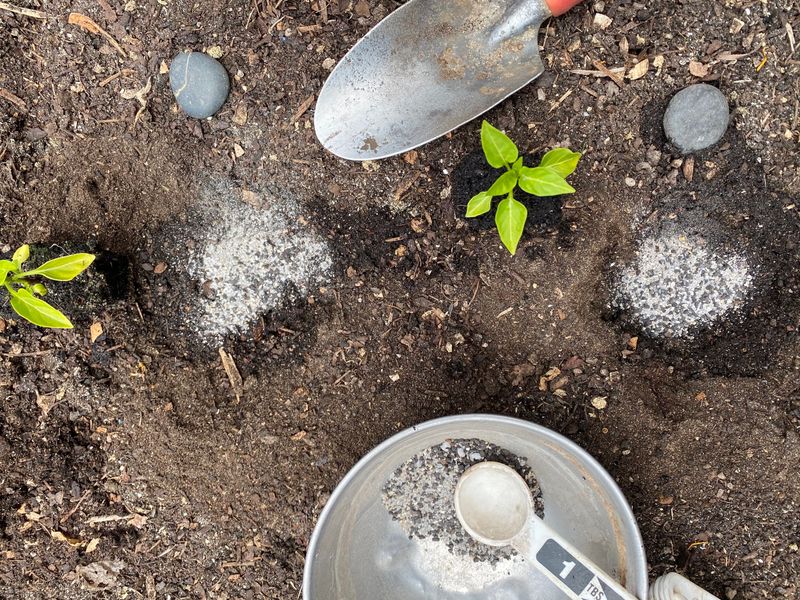
Moving a young tomato seedling from a cozy pot into open ground is a shock to its system, and the first week often decides whether it thrives or sulks. A small amount of Epsom salt worked into the planting hole can ease that transition for plants set into magnesium-poor soil.
The theory is simple. Roots that have easy access to magnesium can start photosynthesizing at full speed sooner, so the seedling spends less time recovering and more time growing.
Gardeners often mix a tablespoon into the loose soil at the bottom of each hole, then cover it lightly before setting the plant. That buffer keeps the salt from touching tender new roots directly.
Water the transplant in well afterward to dissolve the granules and carry the magnesium down where feeder roots will find it. Skip this step entirely if your soil already tests high in magnesium, since more is not better here. For seedlings going into lean, sandy ground, this modest helper may reduce transplant stress and encourage steadier early growth.
4. Supporting Fuller, Bushier Growth
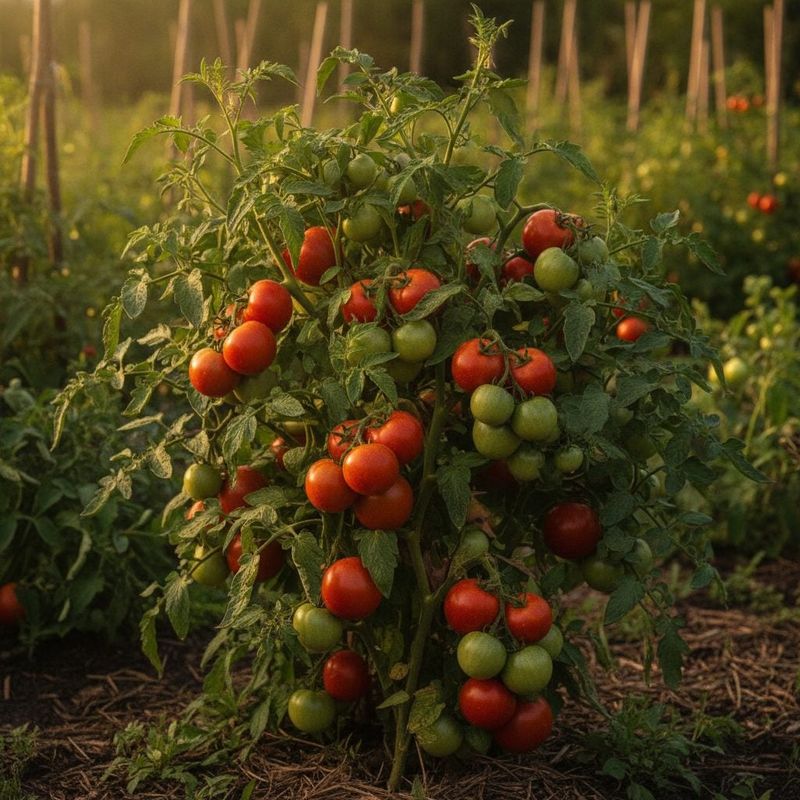
A tomato plant that stays spindly and thin all season is a frustrating sight, especially when you were promised a jungle of foliage. In gardens where magnesium is genuinely lacking, correcting that gap can let the plant fill out the way it was meant to.
Magnesium powers the chlorophyll that turns sunlight into sugar, and sugar is what builds new stems, side shoots, and leaves. A plant that finally gets enough often responds by branching out more generously.
Some gardeners apply a light Epsom salt drench every few weeks during peak summer growth, but only on plants showing real signs of deficiency. Routine dosing of healthy plants does nothing extra and wastes the product.
Bushier growth also means more shade over the soil, which can help keep roots cooler and moisture from evaporating too fast during hot spells. Pair the magnesium with balanced feeding and consistent watering for the best effect. When a lean, struggling plant is truly short on magnesium, this support may help it grow into the leafy, productive tomato you pictured.
5. Boosting Chlorophyll and Photosynthesis
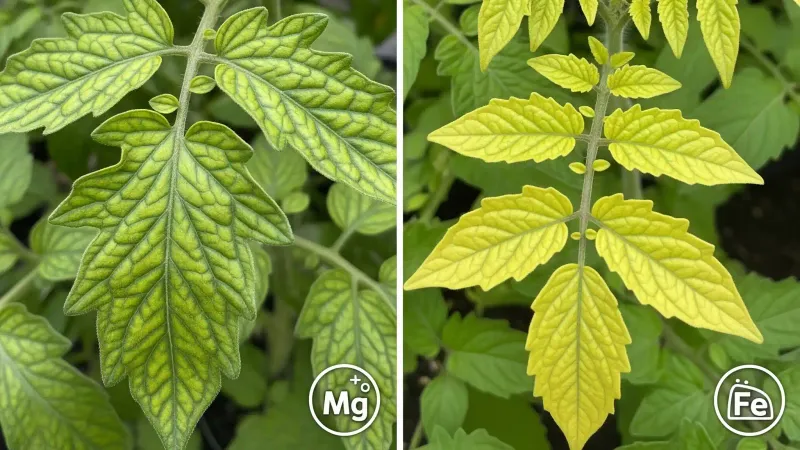
Think of chlorophyll as the solar panel of your tomato plant, and magnesium as the bolt holding that panel together. Without enough magnesium, the whole energy-making system runs at half power, and the plant simply cannot feed itself well.
Each chlorophyll molecule carries a single magnesium atom at its heart. Multiply that across millions of cells and you can see why even a small shortage drags down the plant’s ability to capture sunlight.
When soil tests confirm low levels, an Epsom salt application restocks that supply so leaves can rebuild their green machinery. More working chlorophyll means more sugar produced, which fuels everything from root growth to fruit filling.
You will not see fireworks overnight, but over a couple of weeks a deficient plant often looks noticeably greener and perkier. The improvement is really just the plant getting back to normal function rather than any magic surge.
Keep expectations grounded. Magnesium only lifts photosynthesis when it was the limiting factor to begin with. Used on the right plant, though, it can restore the engine that drives your entire tomato harvest.
6. Helping Nutrient Uptake From the Soil
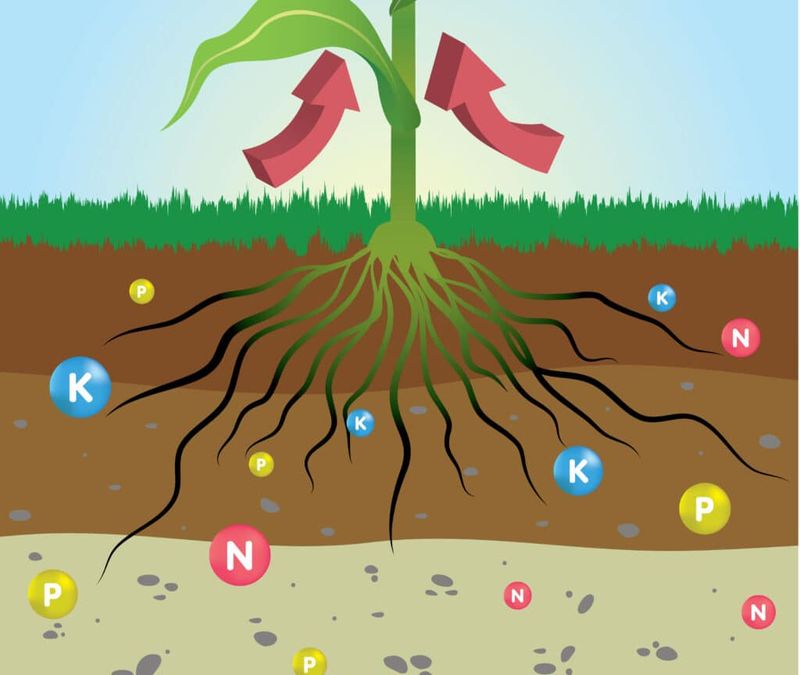
Feeding your tomatoes the best fertilizer means nothing if the plant cannot actually absorb it, and this is where magnesium quietly earns its keep. It plays a supporting role in how roots take in and use other key nutrients.
Phosphorus, the nutrient tied closely to flowering and fruiting, relies on magnesium to move properly within the plant. When magnesium is short, phosphorus can sit unused even when it is present in the soil.
Correcting a real deficiency with Epsom salt can therefore unlock nutrients that were already there, making your existing fertilizer work harder. Gardeners sometimes describe this as their feeding routine finally clicking into place.
A dissolved soil drench reaches the root zone where this cooperation happens. Because magnesium and calcium compete for uptake, keeping them roughly balanced matters more than piling on either one.
None of this means Epsom salt replaces a complete fertilizer, because it only supplies magnesium and sulfur. Think of it as one gear in a larger machine. When that gear was missing, adding it back may help the whole system run more smoothly and improve overall plant health.
7. Supplying Sulfur for Flavor and Health
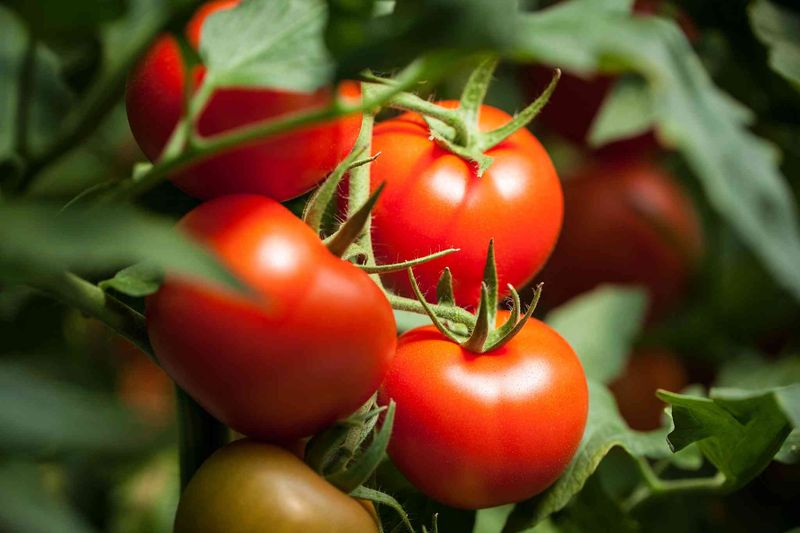
Everyone talks about the magnesium in Epsom salt, but the sulfur half of magnesium sulfate deserves a little credit too. Sulfur quietly contributes to protein building and to the compounds that give tomatoes their savory depth.
Plants use sulfur to form certain amino acids and enzymes, the tiny workers that keep growth and defense systems running. A plant short on sulfur may show pale young leaves that look a bit like nitrogen hunger.
Most soils carry enough sulfur, but sandy or heavily leached ground can run low, especially after years of low-sulfur fertilizers. In those cases, Epsom salt delivers a modest dose alongside its magnesium.
Some growers believe the sulfur may support richer flavor in the ripe fruit, though results vary and taste is hard to measure. Treat it as a possible perk rather than a guarantee.
Because you are getting two nutrients in one product, Epsom salt can be a handy fix when a soil test flags both magnesium and sulfur as low. Where the soil genuinely needs it, this two-for-one boost can quietly support healthier, tastier plants.
8. A Cheap, Fast Test Fix in a Pinch
Sometimes a tomato plant is clearly declining and you want to act before a lab test comes back. Epsom salt is inexpensive, widely available, and gentle enough that a single careful application makes a reasonable trial when magnesium deficiency is the leading suspect.
A box costs just a few dollars and lasts for seasons, so testing your hunch does not empty your wallet. Compared with harsh chemical corrections, magnesium sulfate is forgiving if you use a modest amount.
The smart approach is one light foliar spray or drench on the affected plants, then watching new growth for a week or two. If color improves, you have both confirmed and treated the problem in one move.
If nothing changes, you have learned something valuable too, because the real issue lies elsewhere and you can stop chasing magnesium. Either way you gain information without much risk or cost.
Keep it a one-time diagnostic rather than a habit, and pair it with a proper soil test when you can. As a quick, low-stakes experiment, Epsom salt can often point you toward the true cause faster.
9. Worsening Blossom End Rot
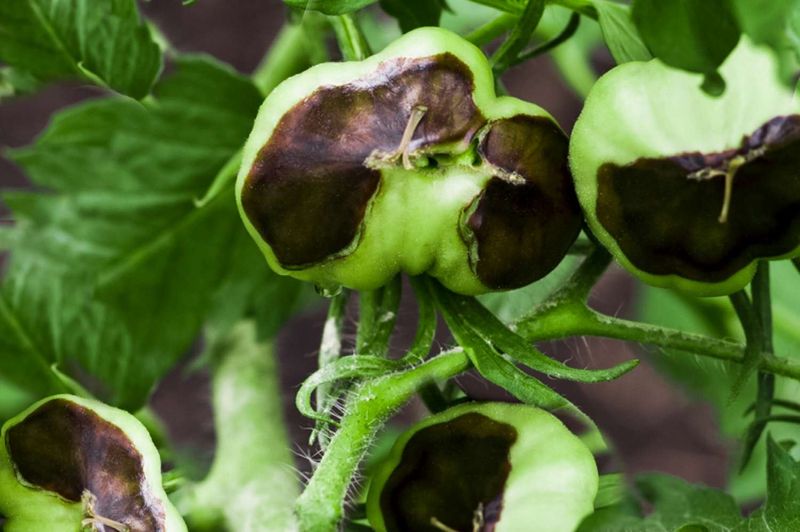
Here is the myth that trips up the most gardeners. Those sunken black patches on the bottoms of your tomatoes are blossom end rot, and dousing them with Epsom salt can actually make the problem worse, not better.
Blossom end rot is a calcium problem, not a magnesium one. The fruit cannot move enough calcium to its growing tip, often because of uneven watering rather than a lack of calcium in the soil.
Magnesium and calcium compete for the same uptake pathways in the plant. Piling on Epsom salt can crowd out the very calcium your tomatoes are desperate to reach, tipping the balance the wrong way.
So the well-meaning gardener sprinkles more magnesium, the rot continues, and they assume they simply did not use enough. It is a frustrating loop built on a mistaken diagnosis.
The real fix is steady, consistent watering and mulch to keep soil moisture even, which lets the plant carry calcium where it belongs. Skip the Epsom salt here entirely. Reaching for it may quietly deepen a problem it was never able to solve.
10. Building Up a Magnesium Overload
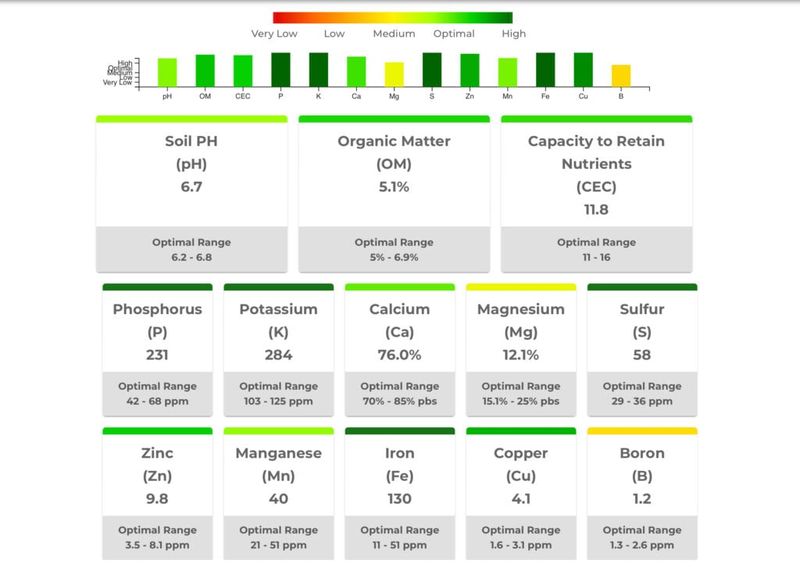
Too much of a good thing turns sour fast in the garden, and magnesium is no exception. Gardeners who apply Epsom salt on a schedule, whether or not the plant needs it, can slowly build magnesium to unhealthy levels in the soil.
Excess magnesium does not just sit there harmlessly. It competes with calcium and potassium for space around the roots, so overloading one nutrient can starve the plant of two others.
The tricky part is how quiet the damage is. Your soil chemistry drifts out of balance over months while the plant shows vague, confusing symptoms that are easy to misread as needing even more feeding.
Container tomatoes are especially at risk because their limited soil volume concentrates whatever you add. A few too many doses and the salt simply cannot escape.
The only way to know your true magnesium level is a soil test, which takes the guesswork out entirely. Apply Epsom salt only when results show a shortage. Treating it as a routine supplement can quietly throw your soil off balance and hold your tomatoes back.
11. Blocking Calcium and Potassium Absorption
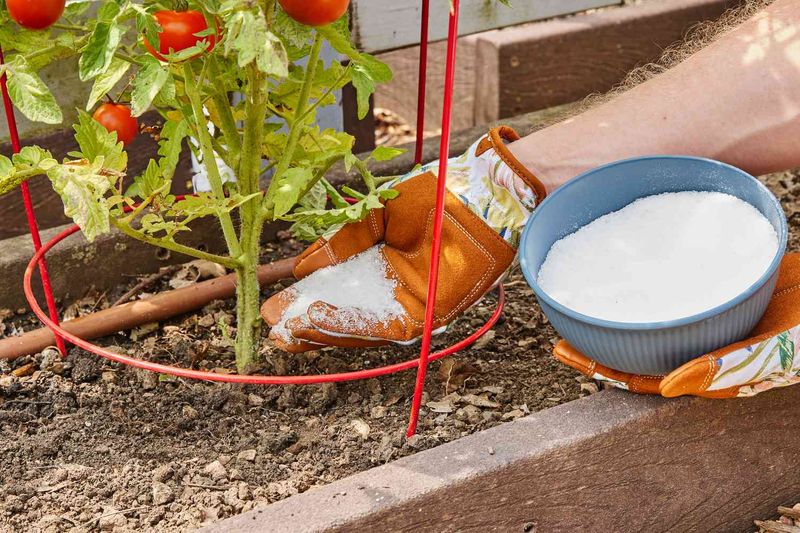
Nutrients in soil behave a bit like passengers competing for seats on a crowded bus, and flooding one aisle with magnesium can leave others stranded. When Epsom salt is overused, calcium and potassium often lose out.
Calcium builds strong cell walls and healthy fruit, while potassium drives flowering, ripening, and overall vigor. Both are heavy hitters your tomatoes cannot spare.
Because magnesium ions crowd the same root uptake channels, an excess can physically limit how much calcium and potassium the plant absorbs, even when those nutrients are plentiful in the ground.
The result is a plant that looks poorly fed despite your best efforts, sometimes with weak fruit, poor ripening, or that dreaded blossom end rot creeping in from the calcium shortfall.
What makes this sneaky is that you might respond by adding more Epsom salt, deepening the very imbalance causing the trouble. Breaking that cycle starts with restraint and a soil test.
Balance is everything below the surface. Overapplying magnesium can quietly lock out other essential nutrients, so more is genuinely not better when it comes to feeding tomatoes.
12. Salt Buildup That Stresses Roots
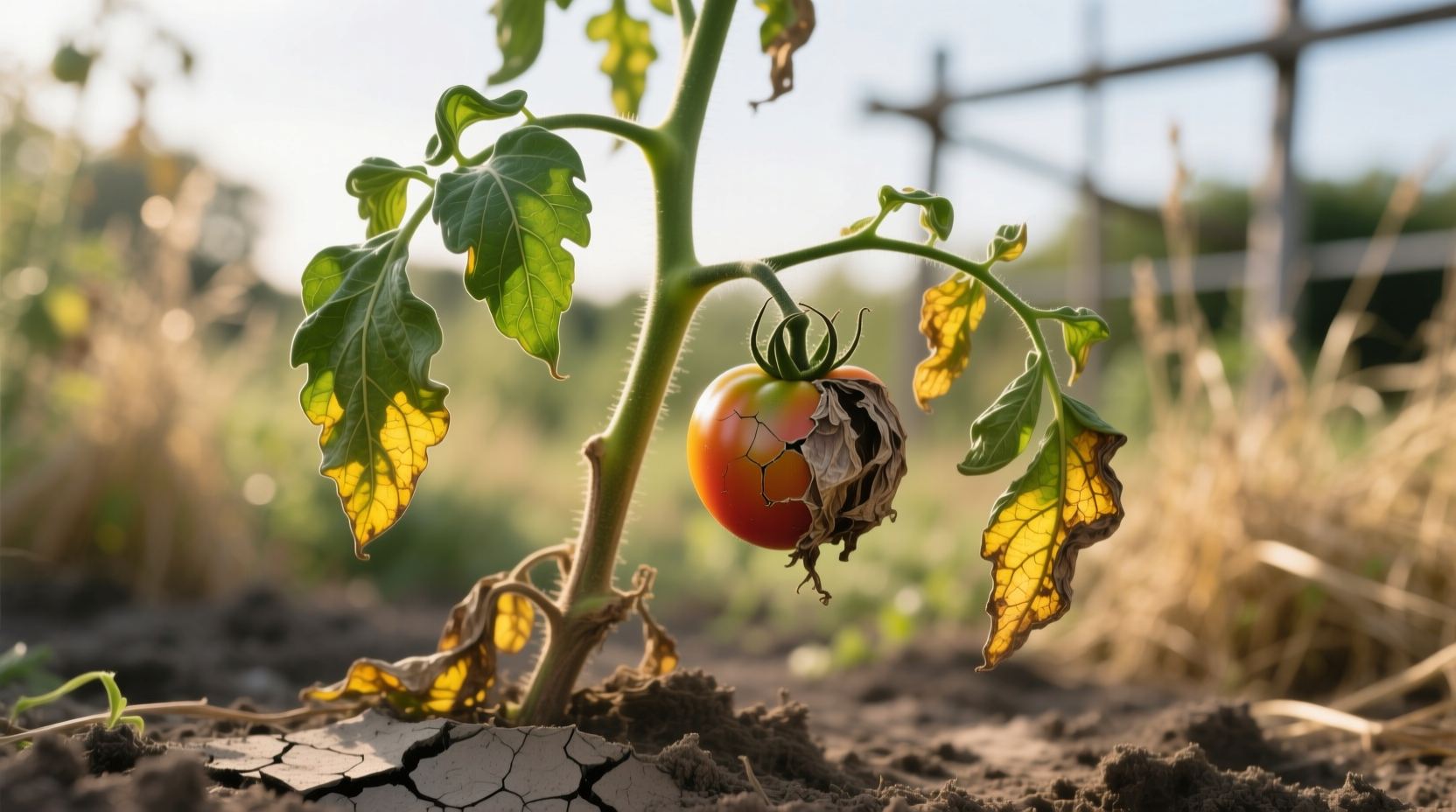
The word salt in Epsom salt is not just for show, and that matters for your soil. Applied too often, magnesium sulfate can raise the overall salt level in the root zone, making it harder for tomatoes to pull in water.
Roots absorb moisture through a delicate balance of concentrations. When surrounding soil grows too salty, that balance flips and water can actually be drawn away from the roots instead of into them.
The plant then shows drought stress even in moist ground, with wilting, leaf edges browning, and stalled growth that no amount of watering seems to fix.
Container gardens feel this fastest since salts have nowhere to wash away and simply accumulate with each dose. Raised beds and sandy patches watered heavily can develop the same crusty problem over time.
Flushing pots with plenty of plain water can help leach excess salts, but prevention beats cleanup. Use Epsom salt sparingly and only when needed. Reaching for it too freely may quietly leave your tomatoes thirsty in soil that looks perfectly damp.
13. Leaf Scorch From Foliar Spraying
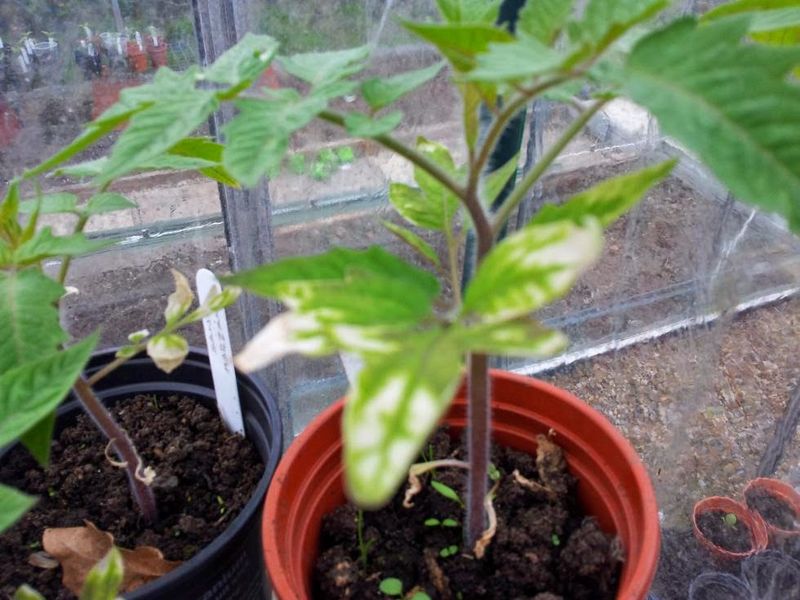
A foliar spray sounds harmless, just a fine mist over the leaves, yet timing and strength can turn it into a burn. Spraying Epsom salt solution too strong or under a blazing sun can leave your tomato foliage scorched and spotted.
Water droplets sitting on leaves act like tiny magnifying lenses in bright light, and a salt-laden mist concentrates further as it dries. The combination can singe leaf tissue.
You will spot the damage as bleached patches, crispy edges, or brown flecks where the spray landed and baked. Damaged leaves lose their ability to feed the plant, which is the opposite of what you hoped to achieve.
Mixing the solution too concentrated makes matters worse, so sticking to about a tablespoon per quart of water is safer than eyeballing a stronger batch.
Spray in the cool of early morning or evening, and never during a heat wave. Test on a few leaves first if you are unsure. Done carelessly, a foliar feed meant to help can quietly damage the very leaves keeping your tomato alive.
14. Masking the Real Problem
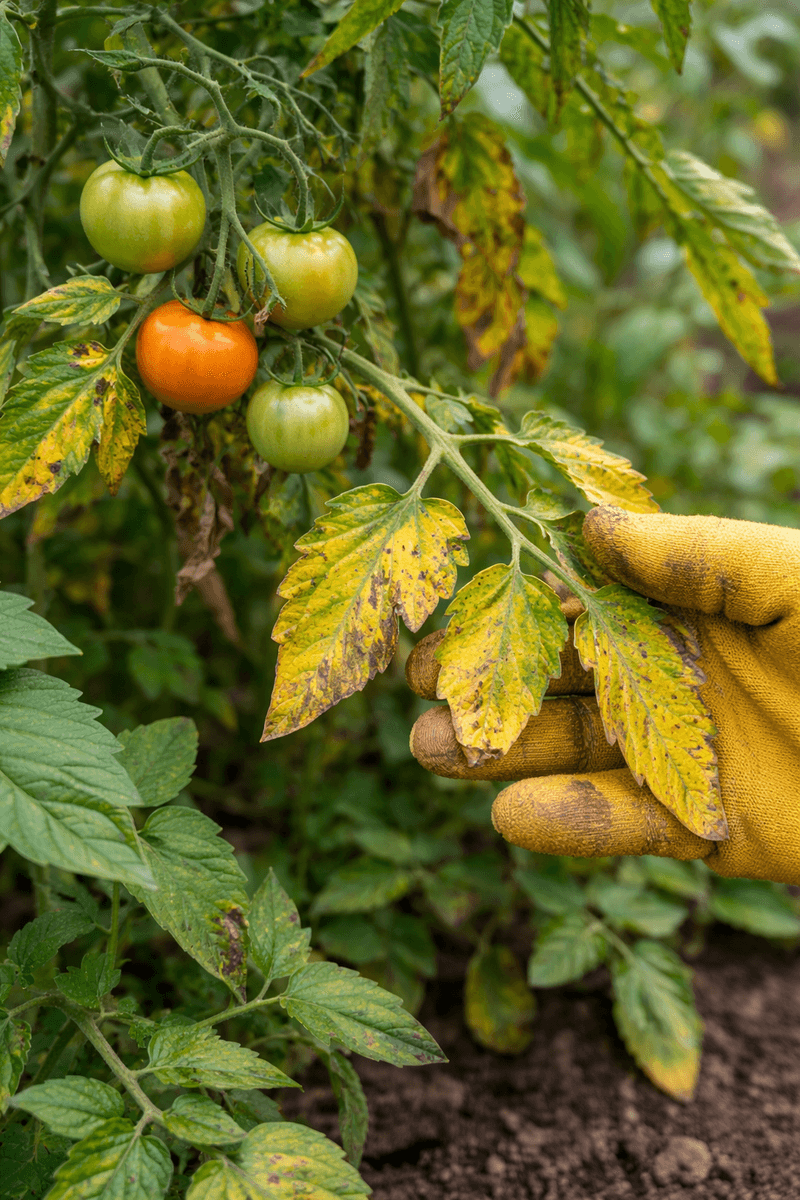
Perhaps the quietest damage of all is not chemical but mental. Reaching for Epsom salt every time a tomato looks off can distract you from the true cause and let a fixable issue quietly worsen.
Yellow leaves have many suspects: overwatering, poor drainage, nitrogen shortage, disease, or root rot, to name a few. Magnesium deficiency is just one entry on a long list.
When you assume it is always magnesium and treat accordingly, you may feel like you are helping while the actual villain marches on unchecked. Weeks pass, the plant declines, and the window to intervene narrows.
Blights and wilts especially punish delay, since early action offers the best chance of saving nearby plants too. A misplaced Epsom salt habit can cost you that head start.
The cure is honest diagnosis. Look at watering, check the soil, inspect for pests and spots, and test before you treat.
Epsom salt is a specific tool for a specific shortage, not a cure-all. Using it as a reflex can quietly delay the real fix your tomatoes actually need.
15. Runoff That Harms Soil and Waterways
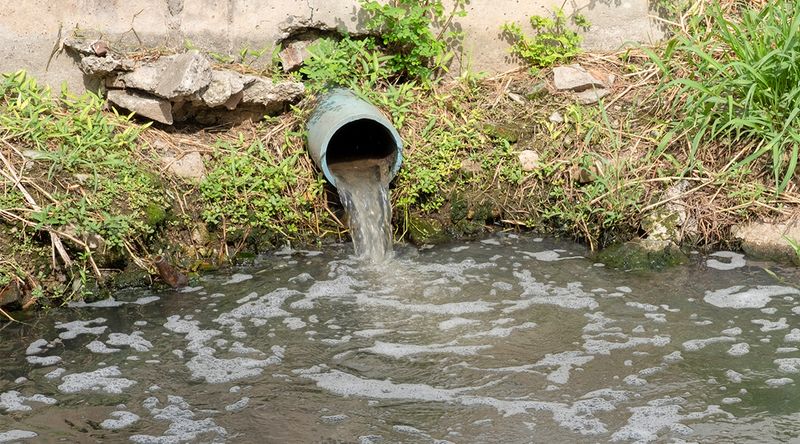
What washes out of your garden does not simply vanish, and habitual Epsom salt use is a small part of a bigger picture. Excess magnesium sulfate can leach out with rain and irrigation, carrying downstream where it was never meant to go.
In the soil itself, repeated salt loading can degrade structure over time, harming the earthworms and microbes that keep your beds alive and crumbly.
Those unseen helpers do a huge amount of work breaking down organic matter and feeding your tomatoes naturally. Stress them enough and the whole bed becomes less forgiving and productive.
Beyond the fence line, runoff carrying dissolved salts can add to the nutrient load reaching local streams and ponds. One garden is tiny, but many gardens overusing the same shortcut add up.
Using Epsom salt only for a confirmed deficiency keeps your footprint small and your soil life thriving. Treating it as a routine sprinkle sends surplus salt somewhere it does not belong.
Responsible, need-based use protects both your own beds and the wider environment your garden quietly connects to.