
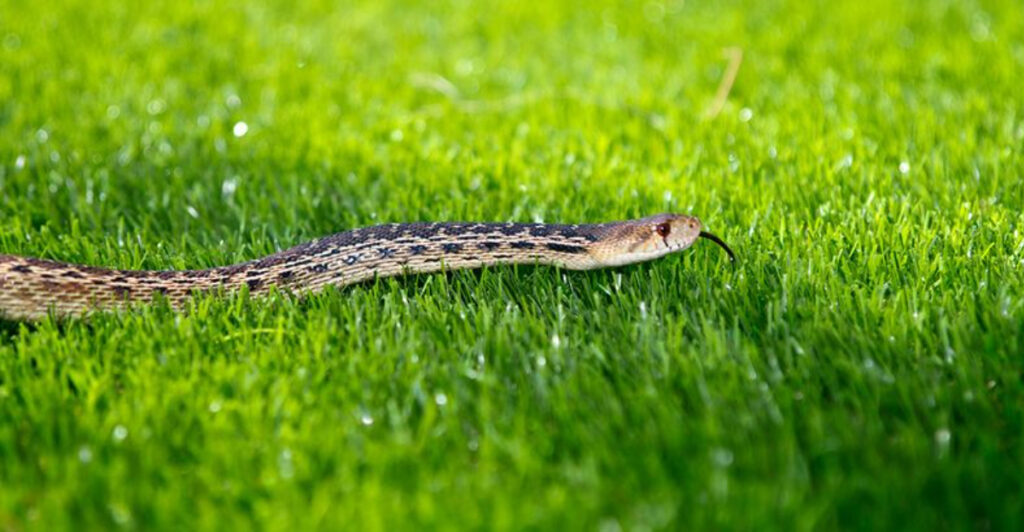
Snakes can be silent and elusive visitors in your yard, often going unnoticed until something peculiar catches your attention.
Whether it’s the subtle clues they leave behind or the behaviors they trigger in other animals, being aware of these signs can help you identify their presence early.
In this blog post, we’ll explore ten distinct indications that snakes might be lurking around your home.
1. Shed Snake Skins
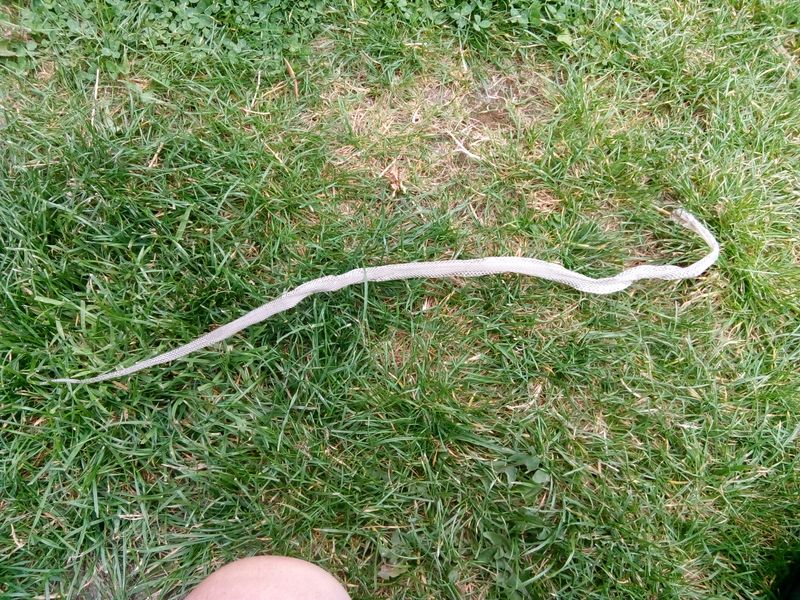
Finding shed snake skins in your garden beds or near rock piles can be quite unsettling. These dry, papery remnants are a clear sign that a snake has recently passed through or may even be residing nearby.
The skins are often found in hidden or less trafficked areas, making them easy to overlook. They offer a perfect clue for the vigilant gardener or homeowner, hinting at the type of snake based on the size and pattern.
Spotting these skins can serve as a timely alert to take precautionary measures to ensure your yard remains snake-free.
2. Snake Tracks or Slither Marks
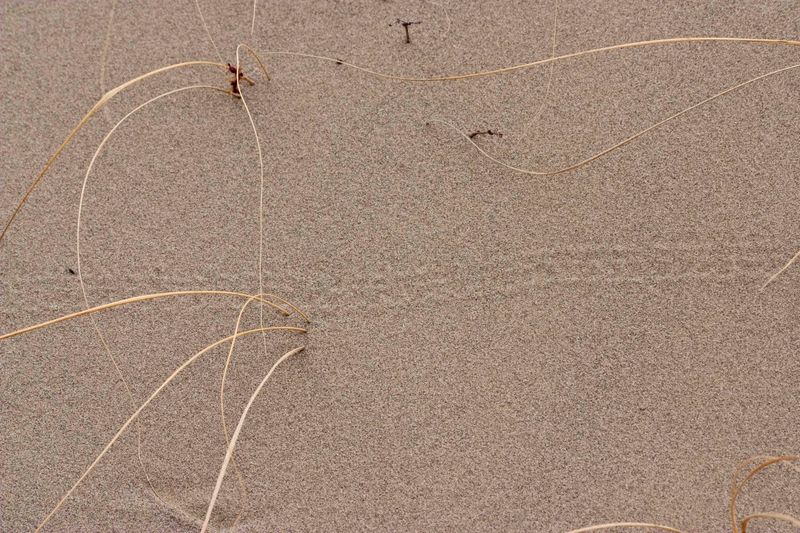
Snake tracks or slither marks left on the ground are like nature’s calligraphy, subtle yet telling. These winding impressions can appear in loose dirt, sand, or mud, particularly noticeable early in the morning or after rain.
For those with a keen eye, these tracks reveal not just the presence of a snake, but also its direction and size. A morning walk through the garden might unveil these serpentine trails, often leading towards cover or a water source.
Observing these patterns can be both fascinating and disconcerting, a reminder of the hidden lives beneath our feet.
3. Snake Holes or Burrows
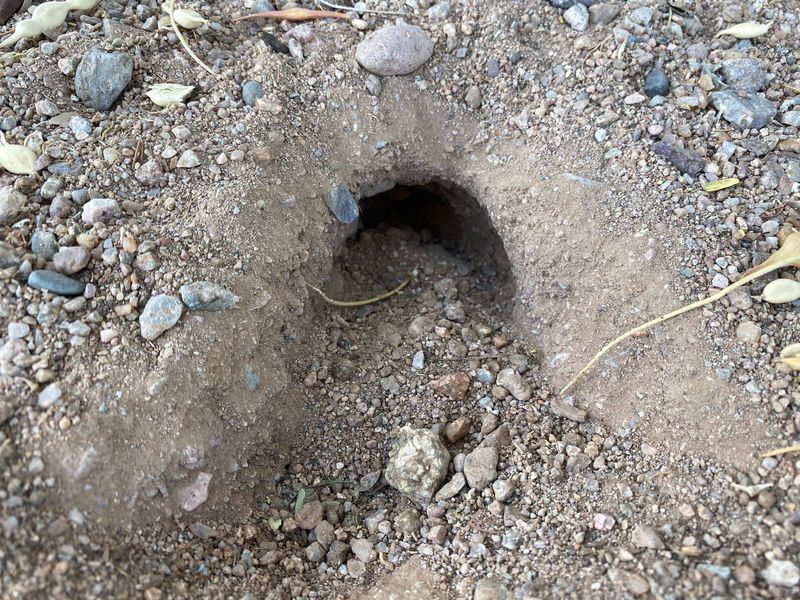
Small holes in soft ground or near foundations can be a telltale sign of snake activity. Measuring often between 1 to 3 inches wide, these openings can indicate that a snake has taken shelter or is using the burrow as a feeding tunnel.
It’s important to distinguish these holes from those made by other animals, such as rodents or insects. The placement and size can give clues about the snake species.
These burrows may sometimes lead to hidden nests, echoing the timeless secretive nature of these creatures. Vigilance in spotting these can prevent unexpected encounters.
4. Unusual Pet Behavior
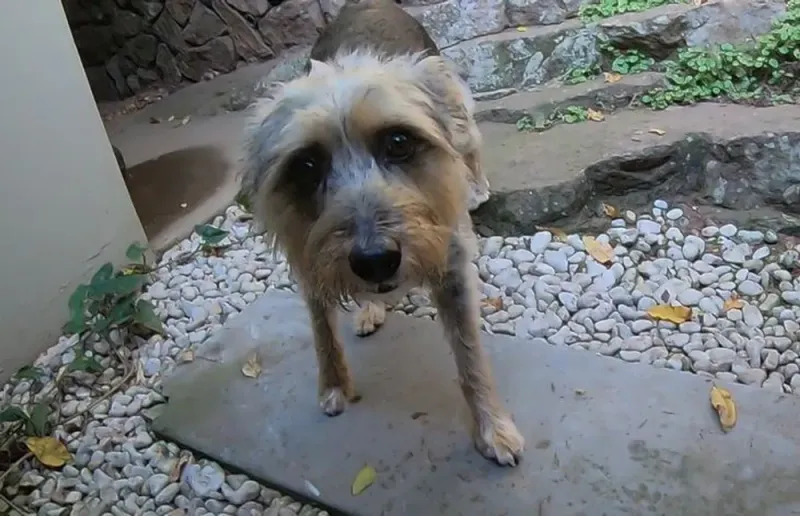
Pets can often sense intruders before humans do. If your dog is barking, pawing, or staring intently at a particular spot, it might be due to a snake lurking nearby. Cats, too, may display signs of alertness or curiosity.
Animals have heightened senses that can pick up on the smallest movements or scents, making them natural snake detectors. This behavior might seem amusing initially but should prompt cautious inspection.
Understanding these signals can be crucial in identifying snake presence, ensuring both your pet’s safety and your own peace of mind.
5. Disappearing Rodents or Frogs
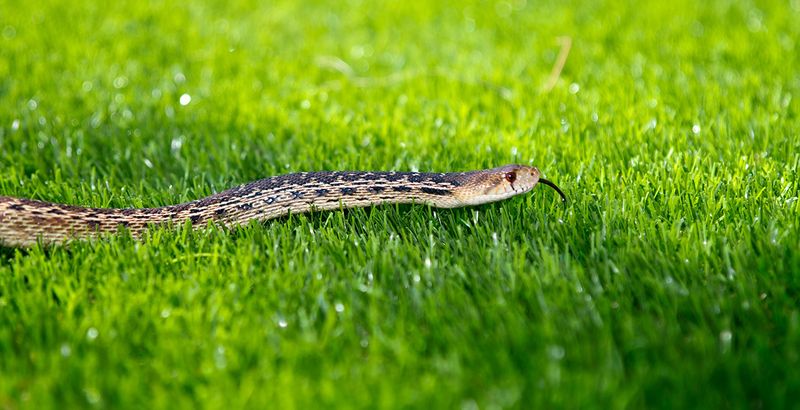
A sudden disappearance of rodents or frogs in your yard—without any visible predator—can signal a snake’s presence. These creatures form a part of many snakes’ diets, and their absence can be a silent alarm.
Noticing this change requires an attuned observation of your usual garden inhabitants. Over time, this absence might become more pronounced, indicating an active snake population.
While it might initially seem like nature balancing itself, it can suggest that something more serpentine is at play. This change in the ecosystem can be both intriguing and telling.
6. Droppings (Scat)
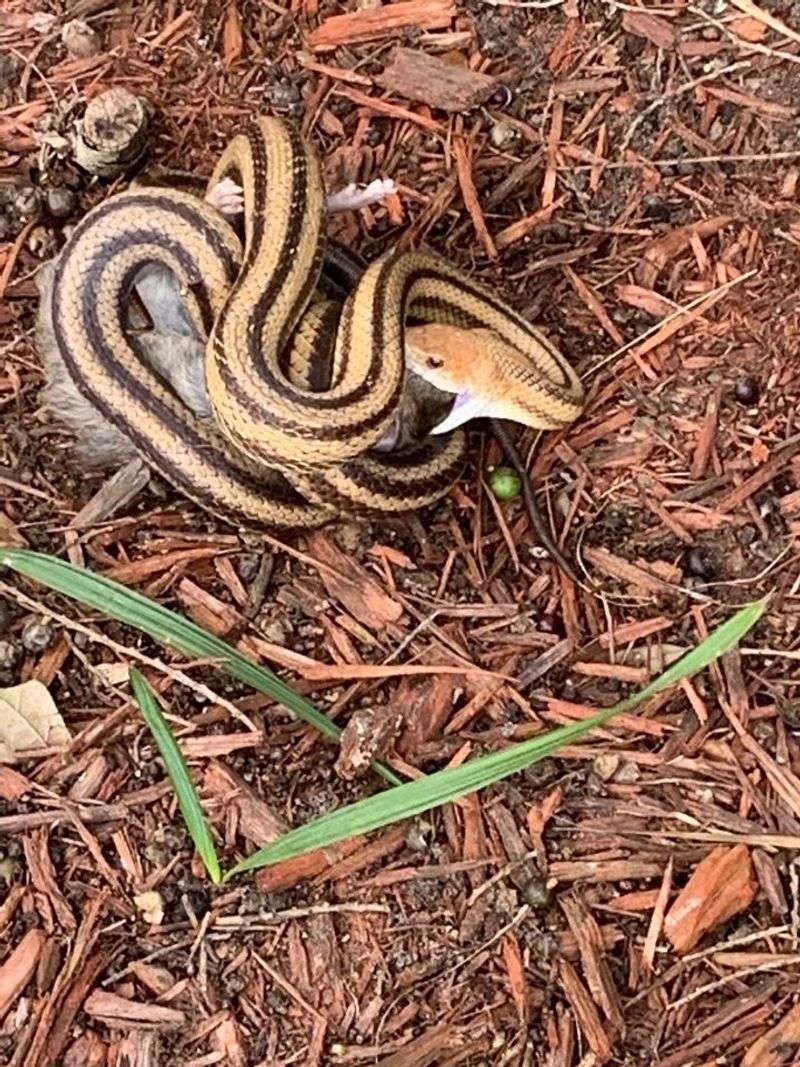
Snake droppings, or scat, can be another indicator of a nearby snake. These feces are typically dark with a chalky white cap, sometimes containing bones or fur.
They can be found near walls or in quieter garden areas where the snake might rest. Identifying snake droppings can be challenging, often mistaken for bird droppings, but a closer look reveals their unique composition.
Encountering these in your yard suggests a snake’s recent visit, turning an ordinary garden walk into a detective’s case. Recognizing these traces can provide an early warning sign.
7. Hissing Sounds
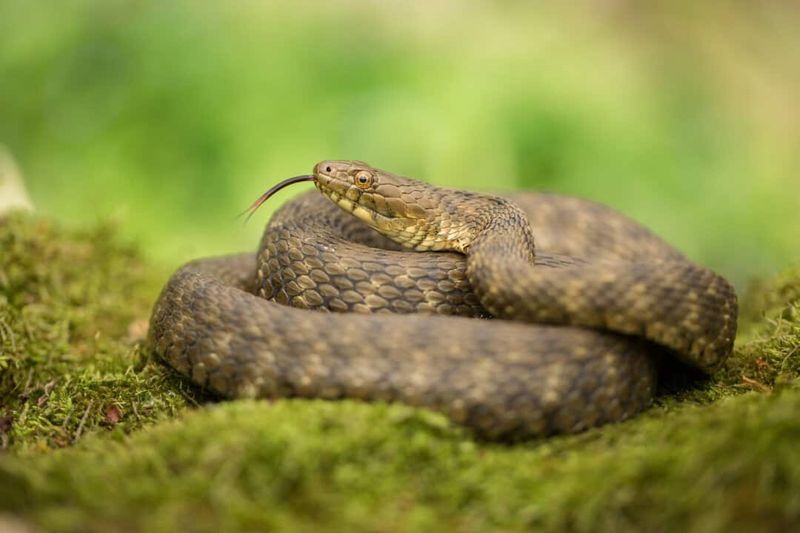
Amidst the gentle rustle of leaves, a faint hissing sound can be both chilling and fascinating. If you hear such a sound emanating from bushes, tall grass, or beneath your porch, it might be a snake resting or hiding.
This auditory clue can be subtle yet striking, prompting a cautious investigation of the area. Understanding this sound involves knowing your yard’s usual noises, making the snake’s presence more noticeable.
Such encounters can be a gentle reminder of the wild’s presence in our daily lives, where even the faintest sound holds meaning.
8. Eggshells in Hidden Areas
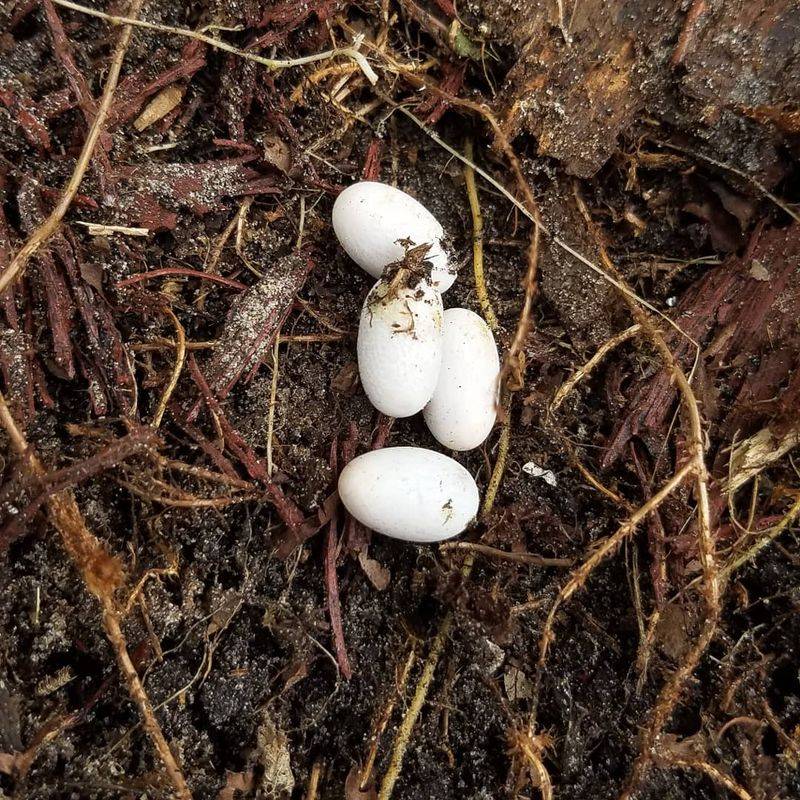
Finding eggshells in hidden garden areas can indicate snake breeding activity. These leathery, oblong shells are unlike any bird’s, hinting at something more exotic and elusive.
Snakes often choose secluded spots for nesting, making these shells a precious find for the observant gardener. Each eggshell tells a story of life and nature’s cycles, often tucked away in mulch or under rocks.
Such discoveries can spark curiosity about the less-seen aspects of wildlife, a silent narrative unfolding in our backyards, where nature’s secrets often lie hidden.
9. Sightings of Baby Snakes
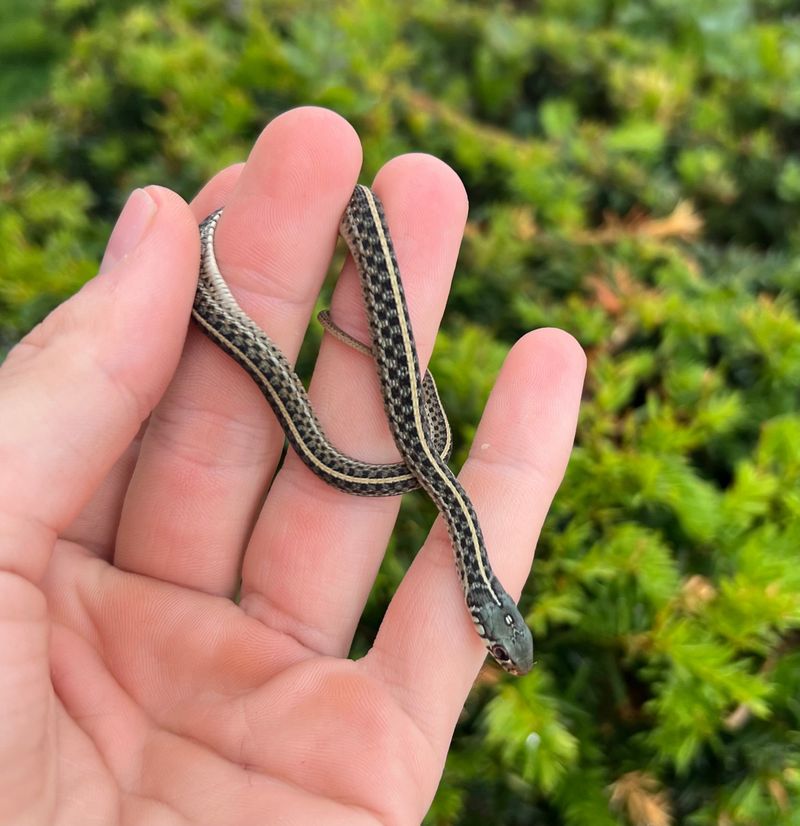
Spotting baby snakes near your home can be alarming yet captivating. These juvenile snakes suggest nearby nests or a breeding adult population, hinting at an active snake community.
Baby snakes are often more colorful and noticeable, adding a distinct charm to their presence, though caution should be exercised. Observing their behavior and movement provides insights into their natural world.
For those interested in wildlife, these sightings can be both thrilling and informative, a reminder of how life continues in vibrant cycles, often just beyond our doorstep.
10. Regular Bird Nest Raids
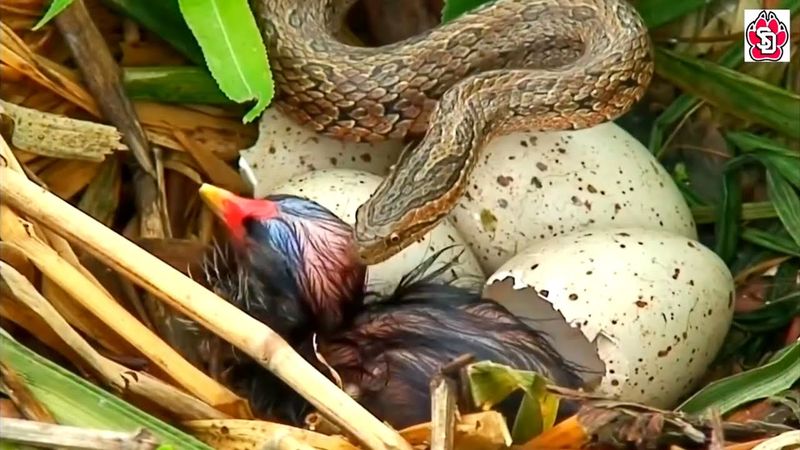
If bird nests in your area appear mysteriously disturbed, snakes might be climbing trees or shrubs to raid them. This behavior is not uncommon, as birds’ eggs form a tasty meal for many snake species.
The sight of scattered feathers and eggshells can be disheartening, yet it speaks to the complex interactions within ecosystems. Observing these disturbances can provide insights into the presence of predators, like snakes, in your yard.
While unsettling, these signs highlight the intricate balance of nature, where each creature plays a role in the larger ecological web.