
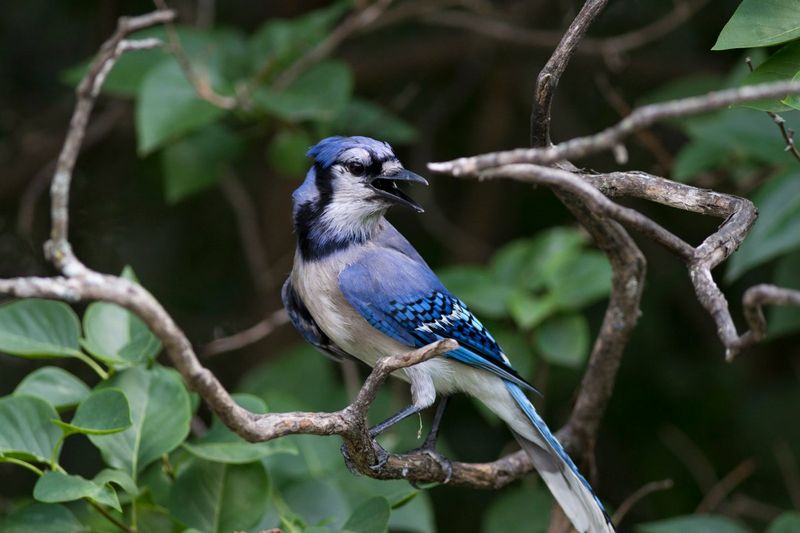
A flash of blue and a loud, scratchy call can make a fall morning in a Florida yard feel busy. If the same kind of bird keeps showing up, it is natural to wonder what is drawing it in.
Food, trees, and cover in or near your yard may offer some clues. Here is what is known about blue jays, what is only a guess, and how you can help wildlife without overdoing it.
What might bring blue jays to a Florida yard?
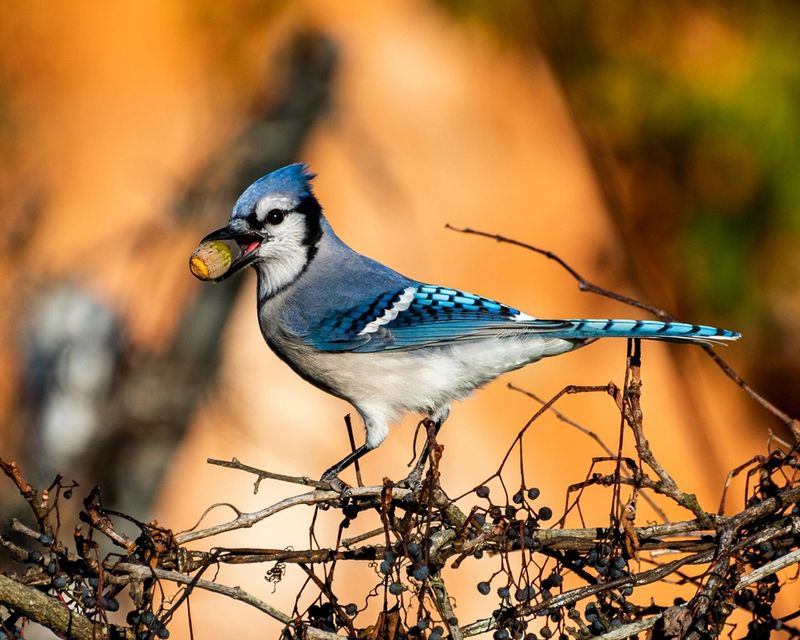
Blue jays are bold, adaptable birds, and a yard can offer them a lot. According to Cornell Lab of Ornithology life history notes, they often live in oak-rich woods and forest edges.
They also turn up in suburban areas, especially where oaks or feeders are around.
That gives a Florida homeowner several things to look at. An oak or two, a hedge or shrub border, a patch of lawn where insects hide, a fruiting plant, or a feeder with seed can each be a useful stop for a jay.
Nearby woods, a neighbor’s trees, or a drainage corridor can matter just as much as your own lot.
When people say jays are “choosing” a yard, it works best as shorthand. It means the yard or the area around it has resources that fit what a jay needs.
It does not mean anyone can know that a particular bird picked your property on purpose, or that your yard is the only reason it stopped by.
Think of this as a list of possibilities rather than a diagnosis. Over the next sections, you will see how acorns, caching, and plant choices fit in, and where the guesswork begins.
A good first step is to walk your yard and note what is there: trees, cover, water, and any food you put out.
Acorns are one resource, not the whole menu
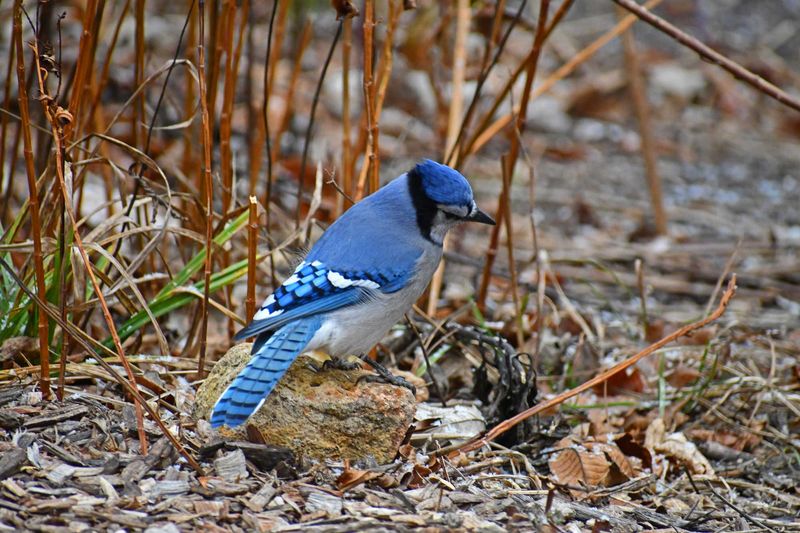
Few foods are more linked to blue jays than acorns, and for good reason. They are a rich food that jays can carry off and store.
Still, jays are omnivores. Cornell reports that they eat insects, nuts, seeds, fruits, and grains.
So a jay on your lawn could be after a beetle, a berry, or a dropped sunflower seed just as easily as an acorn.
Acorn supply in Florida is not steady from one place to the next. UF/IFAS guidance on managing oaks for wildlife food explains that production varies by oak species, site, individual tree, and year.
Some trees drop large crops only now and then, so a heavy fall for one oak can be followed by a light one.
That is why an oak-rich yard may offer food in some years but not reliably every year. A neighbor’s oak may be loaded while yours is bare.
UF/IFAS also describes the value of oaks to wildlife, and it notes that a mix of species can stretch out food availability.
A simple check is to look under your oaks in early fall for fresh acorns or caps. If you find few, jay visits may be tied to other foods, like insects or fruit.
Either way, acorns are one item on a longer menu.
Jays can cache acorns far from where they find them
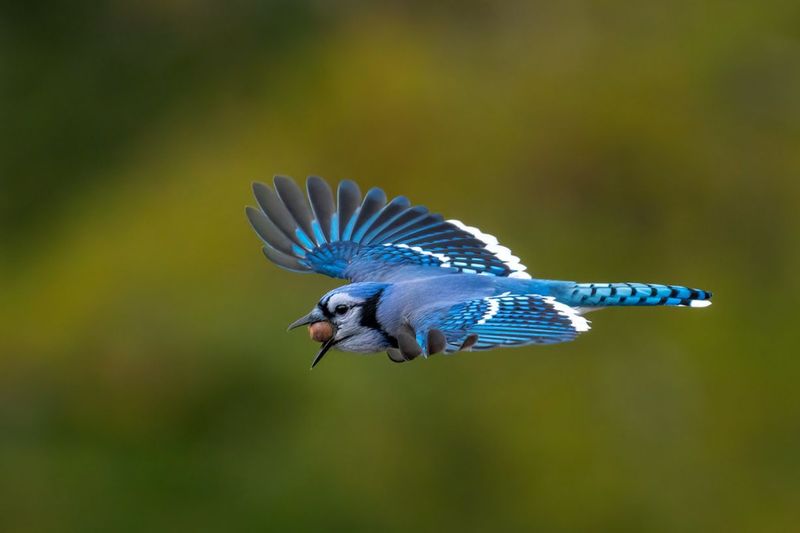
Blue jays do not just eat what they find. They hide food to eat later, a habit called caching.
A jay may carry an acorn off, push it into soil or leaf litter, and come back for it another day. That makes acorns a possible link between this fall’s harvest and a later food supply.
One well-known look at this behavior is a study of acorn dispersal by blue jays. It was done in a single stand of pin oaks in Blacksburg, Virginia.
There, jays moved and cached 54% of the acorn crop. That figure describes that stand, not Florida yards, and it is not a statewide rate.
The same study found that caches were not necessarily close to the source trees. The average distance was 1.1 kilometers, with a range of 100 meters to 1.9 kilometers.
Again, those numbers come from one site in Virginia.
For a homeowner, the lesson is simple. A jay working an oak in your yard might carry acorns away, or it might eat them on the spot.
Its presence alone does not show where, or whether, it hides food. Seeing a jay near an oak tells you about the oak, not about a hidden stash.
Read repeat visits as a clue, not proof
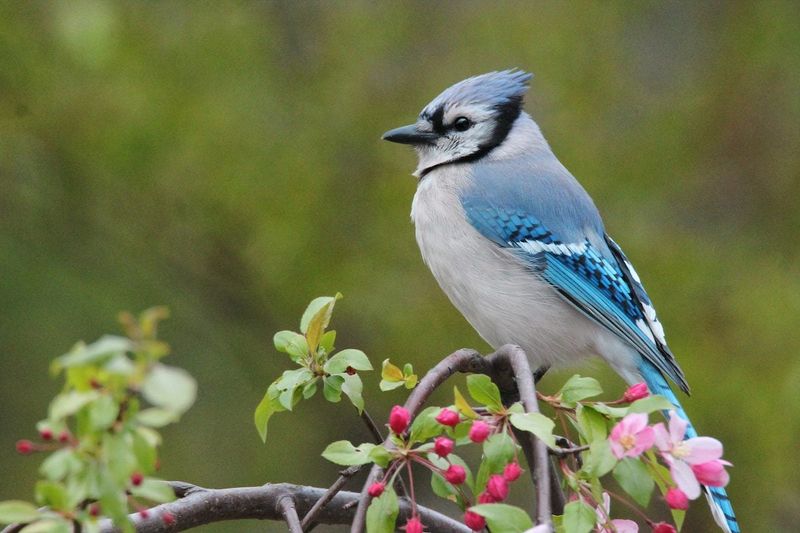
Seeing blue jays often feels like a pattern, and it may be one. Repeat appearances fit with useful food or cover nearby.
But they cannot tell you which bird is coming, what exactly it wants, or whether it hides food on your property.
Jays look alike, so several birds could be passing through while it seems like one. The same goes for motive.
A bird near your oak might be eating, scouting, or just moving between patches of woods. As the Virginia caching study showed, caches can sit far from the trees where food was found, so presence near a tree says little about storage.
Season is another trap. It is tempting to blame fall visits on migration, but Cornell describes blue jay migration as variable, with some birds staying year-round.
A jay in your Florida yard in October could be a local resident, a visitor, or neither of those guesses.
A more useful habit is to jot down what you see. Note the time of day, what the bird is doing, and what is nearby.
Over a few weeks, you may spot a link to a fruiting shrub or a spilled seed spot. Keep the uncertainty, and keep an eye on the food and cover your yard offers.
Match yard improvements to your site
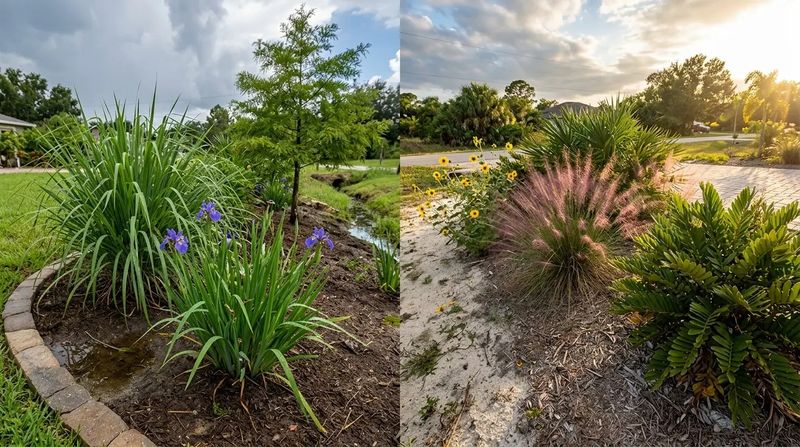
If you want a yard that works for wildlife, start with what you already have. Healthy oaks and layered vegetation that are in a good spot are worth keeping where that is feasible.
Mature trees take years to grow, and they may already supply food and cover.
UF/IFAS tips for landscaping backyards for wildlife note that native vegetation can provide food and shelter. The key is matching plants to your site.
Florida yards vary a lot, from dry, fast-draining sand to wet low spots, and from full sun to deep shade.
Before you buy anything, check three things: your soil, how many hours of sun a spot gets, and how wet or dry it stays. Then choose native plants that suit those conditions.
No single plant fits every yard, so a local extension office can help you narrow the list.
If you are thinking about adding an oak, plan for the long run. UF/IFAS advises choosing oak species suited to the site, and a young tree needs time before it produces acorns.
Yields will rise and fall over the years. Planting one will not guarantee daily jay visits, but it can add to the habitat over time.
Keep feeders clean if you offer seed
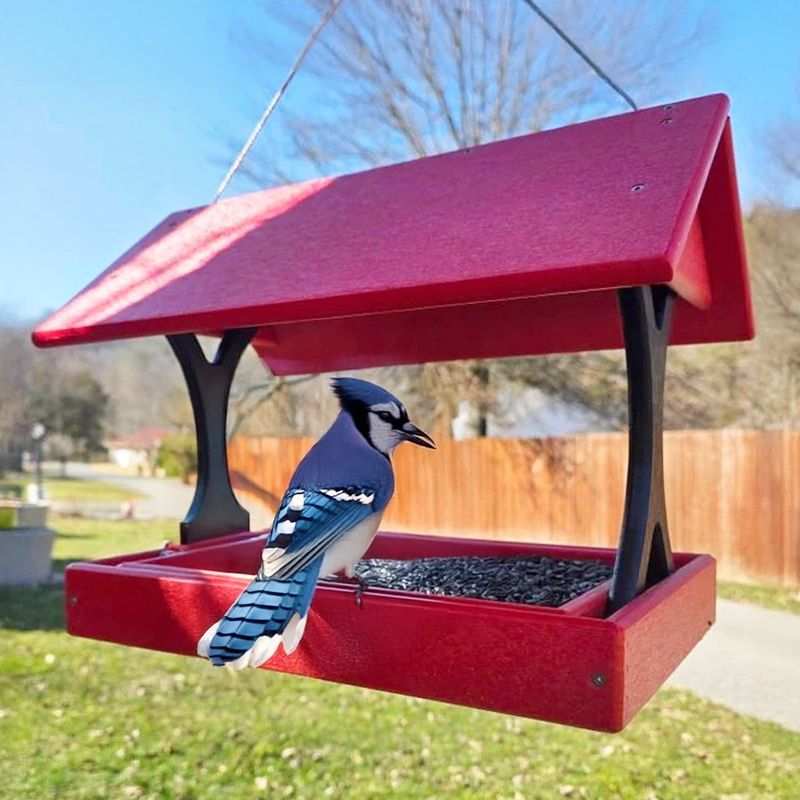
Feeders are optional. Jays can show up without one, and a feeder does not guarantee visits.
If you decide to offer seed, though, upkeep matters, because feeders can bring many birds together in one spot.
Cornell recommends cleaning feeders about every two weeks, and more often in wet or heavily used conditions. Florida’s humid, rainy stretches can spoil seed quickly.
Also sweep up spilled or spoiled food beneath the feeder, since damp, old seed can cause trouble.
Watch the birds, too. The U.S.
Fish and Wildlife Service advises regular cleaning, removing old seed, and taking the feeder down temporarily if birds appear sick. Wait until the birds have dispersed before putting it back up.
A clean feeder is a small chore with a real payoff. A few minutes of scrubbing keeps the seed you offer safe, and the yard’s oaks and shrubs keep doing their quiet work either way.