

Nevada’s dry heat can be challenging for gardeners, but with the right strategies, you can maintain a vibrant garden. This guide provides seven practical tips to help your garden flourish despite the arid climate.
1. Smart Irrigation Systems
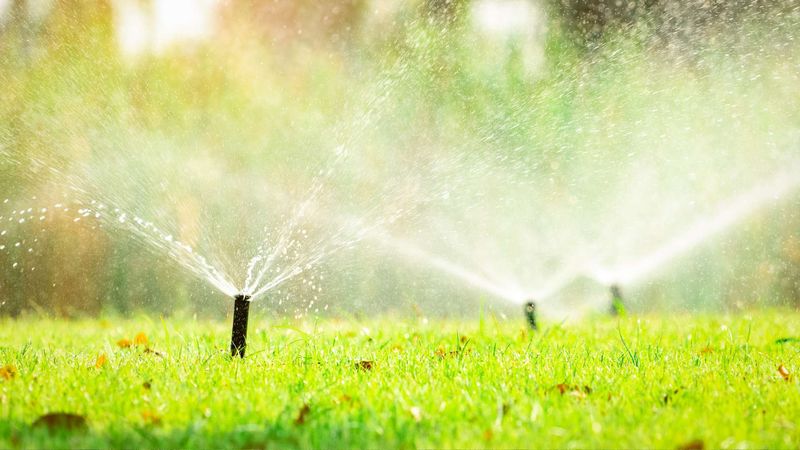
In Nevada’s arid climate, smart irrigation systems play a crucial role. These systems allow you to control water usage precisely, ensuring your plants receive the needed hydration without waste. Utilizing soil moisture sensors, they adjust watering schedules automatically.
This means less manual intervention and optimized water use. By connecting to weather forecasts, these systems can skip watering on rainy days, further conserving resources.
Smart irrigation is an investment in both your garden’s health and environmental responsibility.
2. Drought-Resistant Plants
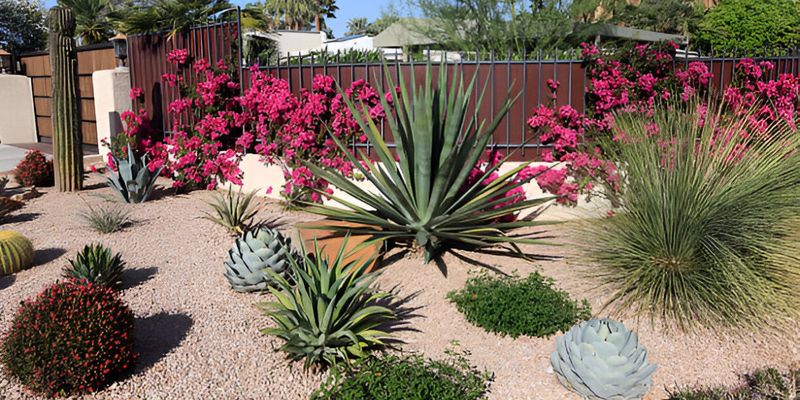
Embracing drought-resistant plants is essential in dry climates. Succulents and cacti are popular choices, providing beauty with minimal water needs.
Consider native plants like the Nevada Primrose or Desert Marigold, which have evolved to thrive in the local conditions. Their deep root systems help them access water far below the surface.
By selecting these resilient plants, you ensure a colorful and sustainable garden throughout the year.
3. Mulching Techniques
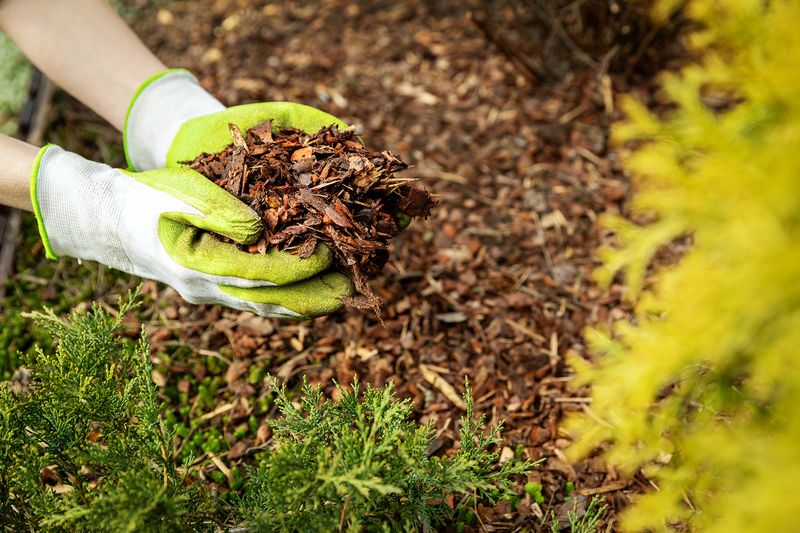
Mulching is a gardener’s best friend in dry heat. A layer of organic mulch helps retain soil moisture and regulate temperature.
Materials such as wood chips, straw, or bark act as a barrier against the harsh sun. They also enrich the soil as they decompose.
This simple technique reduces water evaporation and slows weed growth, making your gardening efforts more effective.
4. Shade Structures

Shade structures can dramatically change the microclimate of your garden. Whether it’s a pergola or shade cloth, these provide relief from the intense sun.
By reducing direct sunlight, shade structures minimize water loss and protect sensitive plants. They create a cooler environment that can extend the gardening season.
Investing in quality materials ensures durability and effectiveness, helping your garden thrive.
5. Efficient Watering Schedules

Timing is everything when it comes to watering in dry climates. Watering early in the morning or late in the evening minimizes evaporation.
Drip irrigation systems deliver water directly to the plant roots, ensuring efficiency. By avoiding the heat of the day, you conserve water and promote healthier plants.
Adjusting watering schedules seasonally helps meet the changing needs of your garden.
6. Soil Improvement Practices
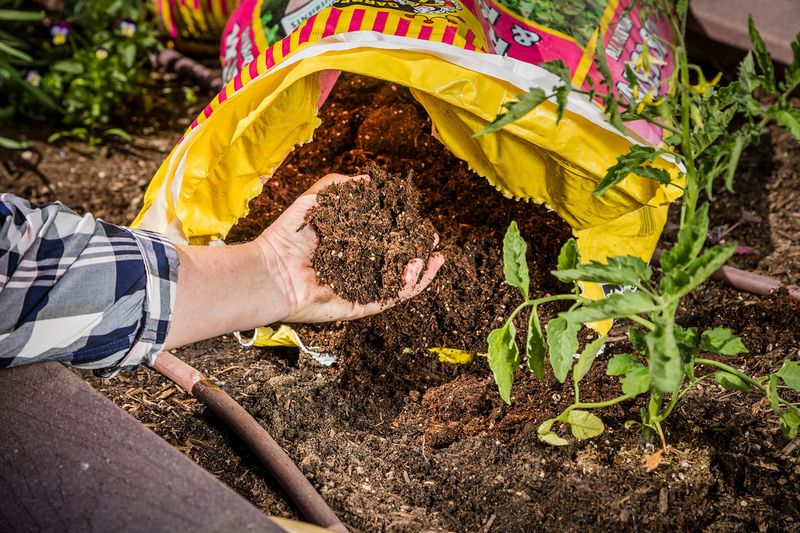
Improving soil quality is fundamental for a thriving garden. In Nevada, sandy soils benefit from added organic matter, which increases water retention.
Composting kitchen scraps and yard waste creates nutrient-rich amendments. These not only improve soil structure but also encourage beneficial microbial activity.
Regular soil testing helps tailor improvements to your garden’s specific needs, fostering robust plant growth.
7. Windbreak Solutions
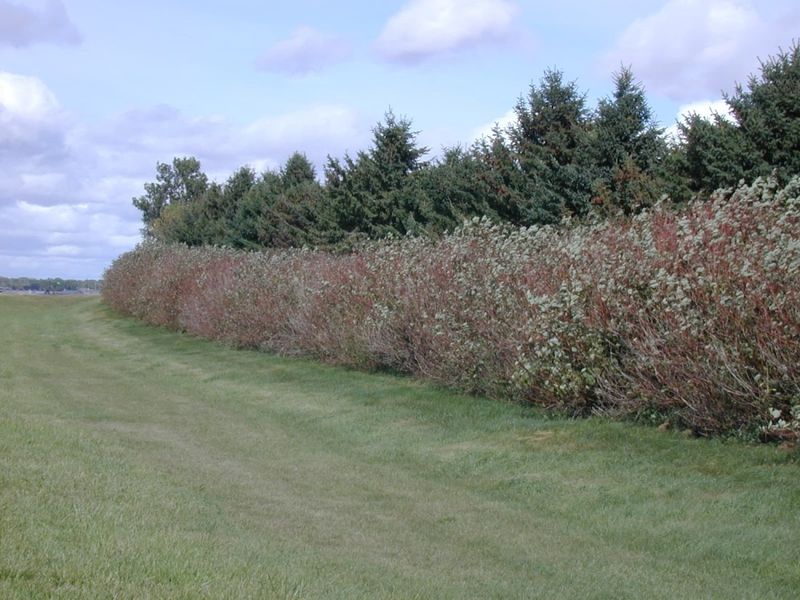
In windy regions, creating effective windbreaks is vital. Planting rows of trees or tall shrubs can shield your garden from drying winds.
Mulberry and Arizona Cypress are excellent choices for Nevada’s climate. Not only do they reduce wind speed, but they also provide habitat for wildlife.
Thoughtfully designed windbreaks can transform your garden into a more serene and protected space.