
Chiggers love the same neglected summer spots that frustrate Texas gardeners – damp shade, tangled weeds, and overgrown edges. The good news is you can design beds that feel more comfortable for you and less inviting for them. These Texas native plants will not magically eliminate chiggers, but they can help you build hotter, drier, airier spaces where chiggers struggle and your yard looks better through the toughest months. If you want a practical Texas approach, start with plants that reduce hiding places instead of creating them.
1. Texas Sage

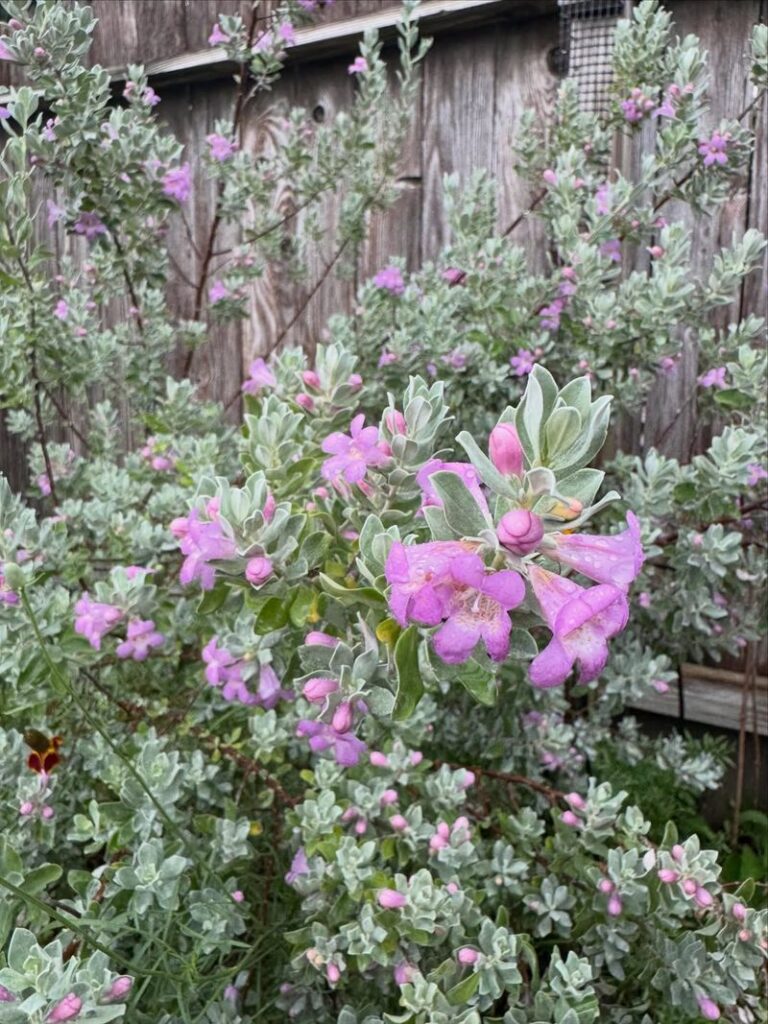
Texas sage is one of my favorite shrubs for chigger-conscious Texas landscapes because it thrives in blazing sun, dry air, and lean soil. Its silvery foliage and open branching fit right into low-water beds that stay hotter and less hospitable to pests that prefer moist, overgrown cover. In much of Texas, that alone makes a big difference around walkways and patios.
Give it full sun, sharp drainage, and room to breathe, especially in Central and West Texas clay soils that stay damp after storms. I would avoid crowding it with thirsty annuals or dense groundcovers underneath. Use gravel or decomposed granite mulch around the base, keep weeds pulled, and you create a cleaner, drier zone where chiggers are less comfortable lingering.
2. Blackfoot Daisy

Blackfoot daisy helps shift a yard away from the damp, shaggy conditions chiggers love. This compact Texas native stays low, airy, and sun loving, with cheerful white flowers that hold up well in heat. I like it along path edges because it fills space without creating a humid thicket around your ankles.
Plant it in full sun with excellent drainage, especially if your soil is heavy clay that tends to hold water after summer downpours. It performs best when you avoid overwatering and skip thick organic mulch that traps moisture near the crown. In a rock garden, curbside strip, or hellstrip bed, blackfoot daisy encourages a cleaner, brighter planting style that supports pollinators while making chigger habitat harder to maintain.
3. Damianita

Damianita is a smart choice if you want a crisp, low native that handles brutal Texas heat without encouraging lush, damp growth. Its fine textured foliage and bright yellow blooms look soft, but the plant itself prefers dry feet and open exposure. That combination supports the kind of landscape where chiggers have fewer cool, hidden places to wait.
I would use damianita in rock gardens, border fronts, and sunny slopes where air moves freely and soil drains fast. It especially shines in the Hill Country and other limestone based areas, though it can work elsewhere with sharp drainage. Keep surrounding weeds down, avoid frequent irrigation, and pair it with gravel mulch. The result is a cleaner summer bed that feels easier to walk past without brushing dense vegetation.
4. Autumn Sage

Autumn sage gives you color for hummingbirds without turning a bed into a damp hiding place for biting pests. This Texas native likes sun, heat, and decent drainage, and it naturally grows with an airy habit when you do not overfeed it. I find that especially useful near porches, mailboxes, and paths where summer foot traffic is constant.
In East Texas or other more humid areas, spacing matters just as much as plant choice. Give autumn sage room so foliage dries quickly after rain, and prune lightly to keep its shape open rather than woody and crowded. Skip heavy mulch piled against the stems, and do not let weeds fill in underneath. Used this way, it helps create a brighter border that feels inviting to pollinators but less welcoming to chiggers.
5. Texas Lantana

Texas lantana is tough, bright, and built for the kind of heat that sends many other plants into decline. Because it tolerates drought and prefers sun, it works well in native beds designed to stay drier and more open through summer. I like using it where people pass often, since it brings pollinators without demanding the dense, moist growth that can shelter chiggers.
Plant it in full sun and resist the urge to baby it with constant irrigation. Too much water can push softer growth and make surrounding spaces feel more overgrown than they need to be. In South Texas and Central Texas especially, pair Texas lantana with stone, gravel, and wide spacing between neighboring plants. That layout improves airflow, discourages weeds, and reduces the shady ground level cover where chiggers tend to thrive.
6. Gulf Muhly

Gulf muhly is a native grass that can work beautifully in Texas yards if you use it with intention. Unlike weedy, tangled grass patches that trap moisture near the soil, planted clumps of gulf muhly can define space while still allowing airflow when maintained well. I think of it as a managed alternative to the wild overgrowth where chiggers usually wait.
The key is spacing and seasonal cleanup. Give each clump room, cut it back in late winter, and do not let volunteer weeds or vines knit the planting into a dense mat by July. In coastal and eastern parts of Texas, where humidity runs higher, that maintenance matters even more. Around seating areas, combine gulf muhly with gravel paths and sunny perennials so the overall bed stays attractive without creating a cool, ankle level hiding zone.
7. Little Bluestem

Little bluestem brings Texas prairie character to a yard without forcing you into a thirsty, high-maintenance planting style. Its upright clumps stay far more intentional than rough unmowed grass, which is exactly what you want when trying to limit chigger friendly habitat. I like it in sunny beds where it adds movement but still leaves open ground between plants for heat and airflow.
Plant little bluestem in full sun and avoid rich soil or frequent irrigation that causes floppy growth. In North Texas and the Panhandle, it handles summer stress well once established, especially with mineral mulch and good drainage. Keep nearby weeds cut back and avoid mixing it into shady, damp foundation beds. Used as part of a tidy native layout, it helps replace pest prone overgrowth with a cleaner prairie look that feels easier to manage.
8. Prickly Pear

Prickly pear may not be the first plant you think of for pest management, but it fits perfectly into a yard strategy that works against chiggers. This native cactus thrives in hot, exposed places with sharp drainage and very little supplemental water. When you build around that kind of plant palette, you naturally move away from the lush, shady, overgrown edges where chiggers feel safe.
I would use prickly pear in wide sunny beds, mailbox plantings, or tough side yards that need structure without constant maintenance. It is especially useful in Central, South, and West Texas landscapes where rock mulch and reflected heat are assets rather than problems. Just place it away from narrow paths and play areas. Combined with trimmed edges and fewer weedy patches, it supports a cleaner summer yard that is less inviting to ankle level pests.
9. Four-Nerve Daisy

Four-nerve daisy is one of those Texas natives that quietly solves several problems at once. It stays neat, loves full sun, and tolerates dry conditions that make life harder for chiggers and easier for gardeners. I appreciate how it brightens a bed without building the kind of dense, low cover that tends to brush against bare legs in summer.
This plant performs best in well drained soil with plenty of sun, making it a strong fit for the Hill Country and many urban xeriscapes across the state. Keep irrigation moderate, deadhead if you want a tidier look, and maintain open space around each clump. It pairs well with cenizo, salvias, and stone mulches. That combination creates a hot, airy planting that stays colorful while reducing the damp clutter chiggers prefer.
10. Agarita

Agarita is a rugged Texas native shrub that helps you replace flimsy, moisture loving filler plants with something far tougher. It handles heat, drought, reflected sun, and poor soil, which encourages a landscape style that stays drier and less attractive to chiggers. I like it on property edges where people need structure and screening without letting weeds take over.
Because agarita has a naturally bold form, it works best when you give it space rather than packing plants tightly around it. In Central and West Texas, that open spacing can create breezier edge plantings that are easier to monitor and maintain through summer. Add gravel mulch, mow adjacent grass short, and remove brushy volunteer growth nearby. Those steps, together with this durable native shrub, help turn a pesty fringe area into a more manageable part of the yard.