
If your Texas garden seems to come alive after sunset, so do the pests chewing through tomatoes, peppers, herbs, and ornamentals. Toads are quiet, low-maintenance allies that hunt when many gardeners are already inside cooling off. By making your yard a little more toad-friendly, you can reduce nighttime pest pressure without adding another chemical spray to your routine. Here are practical ways to welcome more toads while keeping your garden resilient through Texas heat, drought, and wild weather swings.
1. Build Cool, Shaded Toad Shelters Near Pest Hot Spots

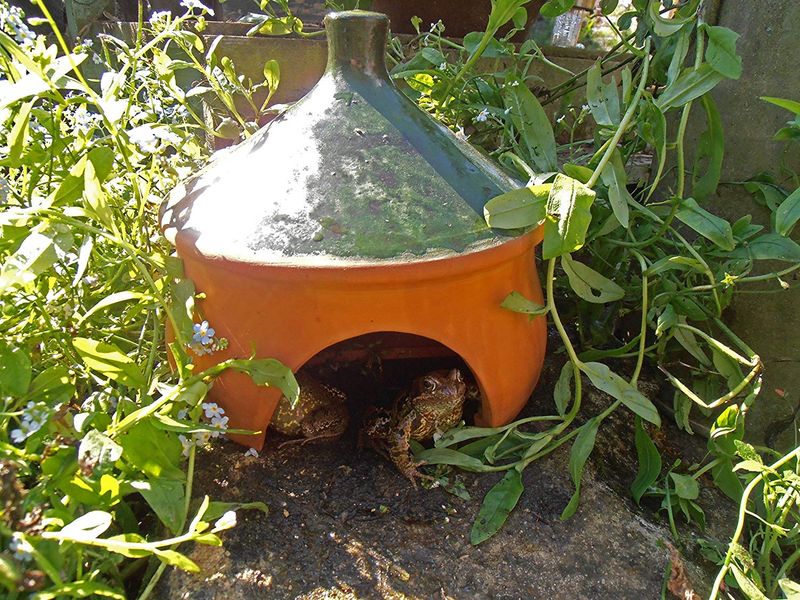
Texas heat can turn bare soil into a skillet, so toads need cool hideouts before they can patrol your garden at night. Place overturned clay pots, half-buried terracotta saucers, or small rock shelters near tomatoes, peppers, squash, and flower beds where insects gather.
Keep the opening wide enough for a toad and face it away from harsh afternoon sun. Tuck shelters under native mulch, Turk’s cap, salvia, or other drought-tough plants that cast shade without needing constant watering.
You do not need anything fancy, just a quiet, damp refuge that stays undisturbed. When toads can rest safely during the day, they are more likely to emerge after dark and snack on beetles, crickets, moths, roaches, and cutworms.
2. Offer Shallow Water Without Creating Mosquito Trouble

Toads absorb moisture through their skin, which makes water especially important during Texas dry spells. A shallow plant saucer, pie pan, or low ceramic dish filled with clean water can make your yard far more inviting.
Add pebbles or flat stones so toads can climb in and out easily. Refresh the water every day or two in summer, because warm stagnant water quickly attracts mosquitoes, algae, and grime.
Place the dish in shade near shrubs, raised beds, or compost areas where insects are active after sunset. You are not trying to build a pond, just a reliable sip and soak station. This small habit helps toads survive dry nights and keeps them hunting where you need help most.
3. Skip Broad-Spectrum Pesticides That Harm Your Helpers

If you want more toads, broad-spectrum insecticides work against you. Toads eat poisoned insects and can absorb residues through their skin, so sprays meant for pests may quietly remove your best nighttime hunters.
In Texas gardens, pest outbreaks can feel urgent when grasshoppers, armyworms, and stink bugs appear fast. Start with targeted steps first, like handpicking, row covers, insecticidal soap used carefully, or pruning heavily infested leaves.
Spray only when necessary, follow the label, and avoid treating the ground around toad shelters or water dishes. Evening applications can be especially risky because that is when toads come out. A less toxic approach protects pollinators by day and lets toads handle plenty of pest cleanup by night.
4. Leave Some Leaf Litter and Mulch for Night Hunting

A spotless yard may look tidy, but it offers little comfort for toads. In Texas, a thin layer of leaves, pine straw, or shredded hardwood mulch keeps soil cooler, holds moisture longer, and shelters insects that toads hunt.
Focus on garden edges, under shrubs, around fruit trees, and along fence lines instead of piling mulch against plant stems. Two to three inches is usually enough to buffer heat without smothering roots or inviting rot.
Leaf litter also gives toads camouflage from birds, snakes, cats, and other predators. If you prefer a neat look, create intentional habitat pockets behind beds or near compost bins. Those rougher corners often become the best pest-patrol corridors after sundown.
5. Plant Native Groundcover and Low Shrubs for Safe Travel

Toads do not like crossing hot, open ground, especially in July and August. Native groundcovers and low shrubs create shaded travel lanes between hiding spots, water, and feeding areas, making your whole yard easier for them to use.
Try frogfruit, horseherb, lyreleaf sage, inland sea oats, autumn sage, or dwarf yaupon where they fit your region and light conditions. These plants handle Texas weather better than thirsty turf and support more insect life for toads to eat.
Think of your beds as connected habitat, not isolated decorations. A shady route from the fence line to the vegetable patch can turn one visiting toad into a regular resident. Better cover means more hunting time and less pest damage.
6. Reduce Night Lighting That Pulls Pests Away From Toads

Bright outdoor lights attract moths, beetles, and other insects, but they can also concentrate activity near patios instead of garden beds. Toads may hunt under lights, yet constant brightness exposes them to predators and disrupts normal nighttime patterns.
Use motion sensors, warm-colored bulbs, or lower fixtures that point down instead of flooding the whole yard. In Texas summers, this also makes evenings more comfortable for you while reducing the insect swarm around doors.
Keep the garden slightly darker, especially near toad shelters and water dishes. A dim, protected bed lets toads move naturally through mulch and plants. You can still enjoy your backyard at night without turning it into a pest-attracting stadium.
7. Time Garden Cleanup Around Texas Toad Activity

Texas toads become especially active after warm rains, humid evenings, and spring breeding periods. If you rake aggressively, till deeply, or move stored pots during those times, you may disturb the very helpers eating your pests.
Do heavier cleanup during dry daylight hours when toads are tucked safely away, and check under boards, pots, and trays before moving them. In North Texas, Central Texas, and the Gulf Coast, activity may spike at different times, so watch your own yard.
Leave a few stable hiding places in every season rather than resetting the landscape completely. Consistency matters. When toads can count on shelter through heat, storms, and winter cold snaps, they are more likely to stay and protect your garden.